
Imagine places on Earth where water has remained undisturbed for tens of millions of years. These aren’t just bodies of water, they’re time capsules preserving mysteries that predate human existence. The deepest lakes in the world aren’t simply impressive because of their depth, they’re extraordinary because they’ve been quietly documenting the planet’s history since before our earliest ancestors walked upright.
Most lakes you’ve probably encountered are geological infants, formed by glaciers just a few thousand years ago. These ancient giants are different. They were carved by forces so powerful they continue to shape our planet today, and within their depths lies evidence of climate shifts, evolutionary experiments, and lifeforms that exist nowhere else. Let’s dive into these hidden realms that challenge everything we thought we knew about freshwater environments.
Lake Baikal: The Ancient Titan That Predates Modern Humans
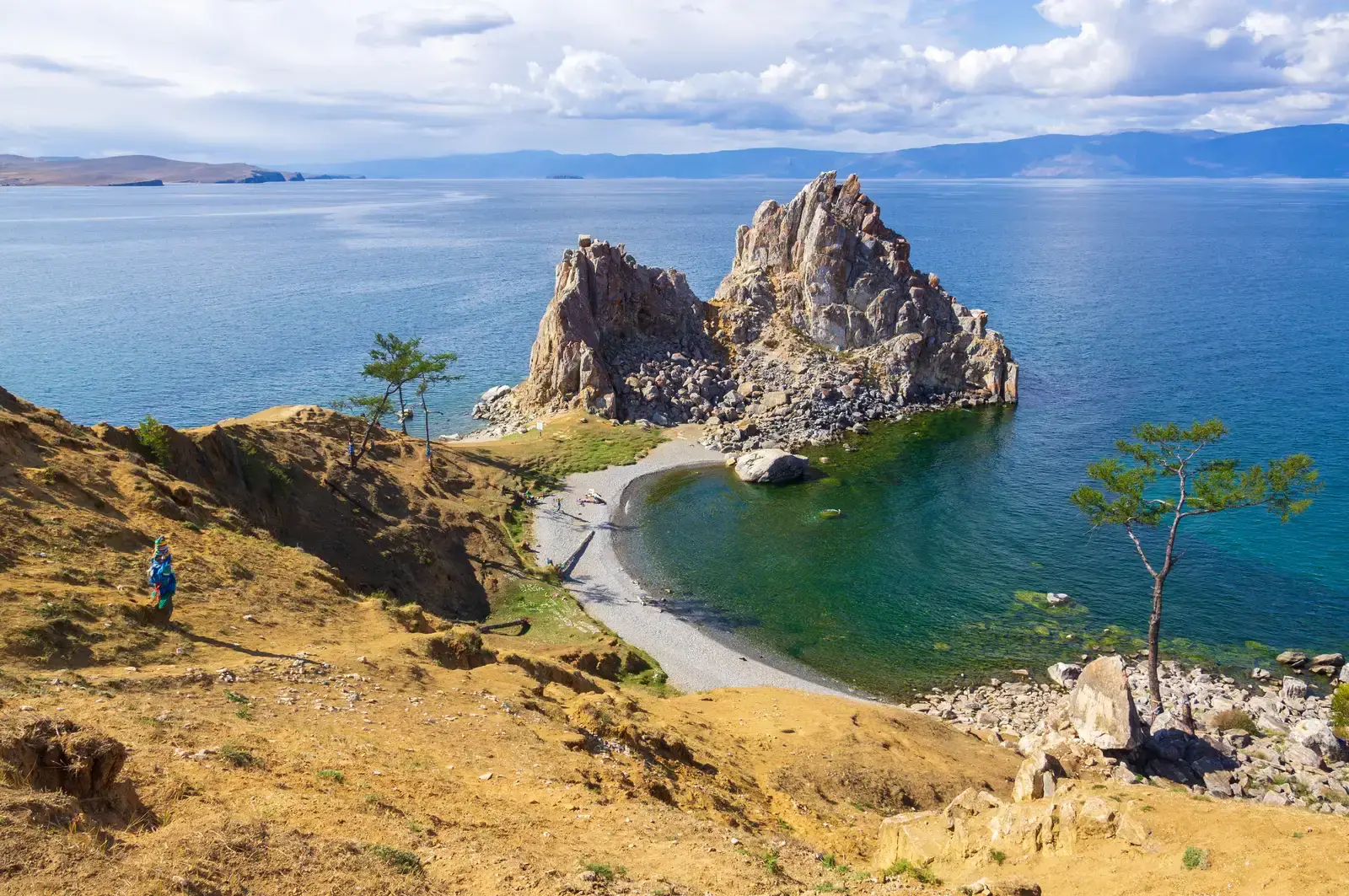
Lake Baikal in Siberia stands as the world’s oldest lake at somewhere between 25 and 30 million years, making it astonishingly ancient. To put this in perspective, this lake was already ancient when the first hominids appeared in Africa. Plunging to depths of 1,642 meters, it’s also the deepest lake on Earth and holds more than one fifth of the world’s fresh surface water.
Here’s the thing that really gets me. Unlike most large lakes at high latitudes, Baikal’s sediments have never been scraped away by ice sheets, and deep drilling studies from the 1990s revealed a detailed climate record spanning 6.7 million years. Think about that. This lake has been quietly recording Earth’s climate history through ice ages, mass extinctions, and the entire evolution of our species. Roughly four fifths of the plants and animals living in it are found nowhere else on the planet.
Tectonic Forces That Created an Underwater World
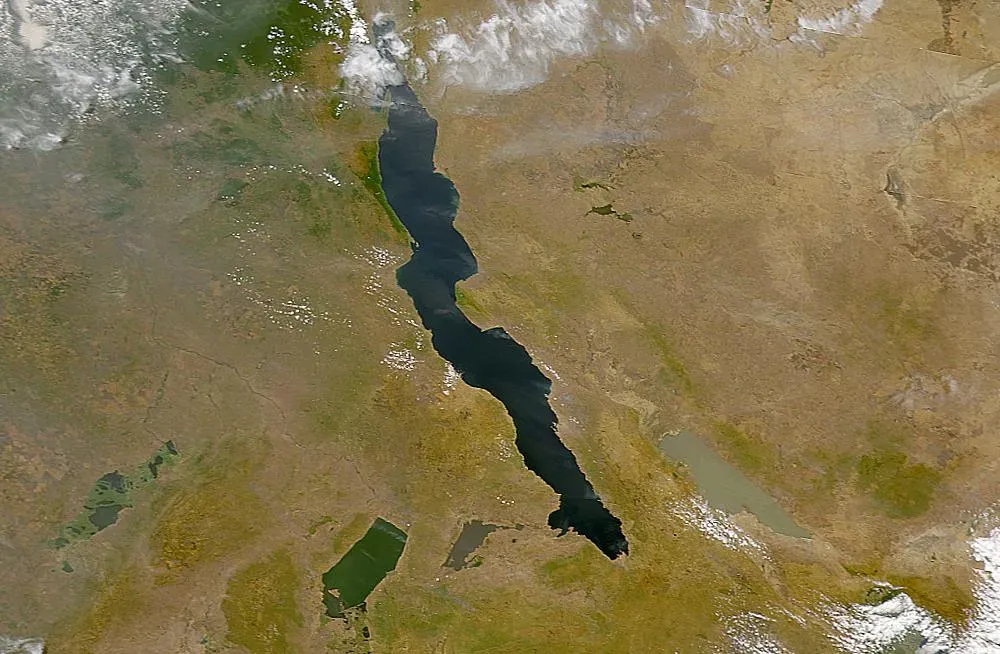
The lake sits atop a continental rift, with the lake bottom plunging over 1,186 meters below sea level, and beneath that lies some 7 kilometers of sediment, placing the rift floor 8 to 11 kilometers below the surface. This makes it the deepest continental rift on Earth. The ground is literally being torn apart here, slowly but relentlessly.
The rift is still young and active, widening by about 4 millimeters each year. That might not sound like much, yet over millions of years, these tiny shifts have created one of Earth’s most dramatic geological features. Honestly, it’s hard to wrap your head around the timescales involved. Hot springs bubble up in the area and notable earthquakes strike every few years, evidence of the ongoing tectonic activity.
Life in the Abyss: Creatures That Defy Expectations
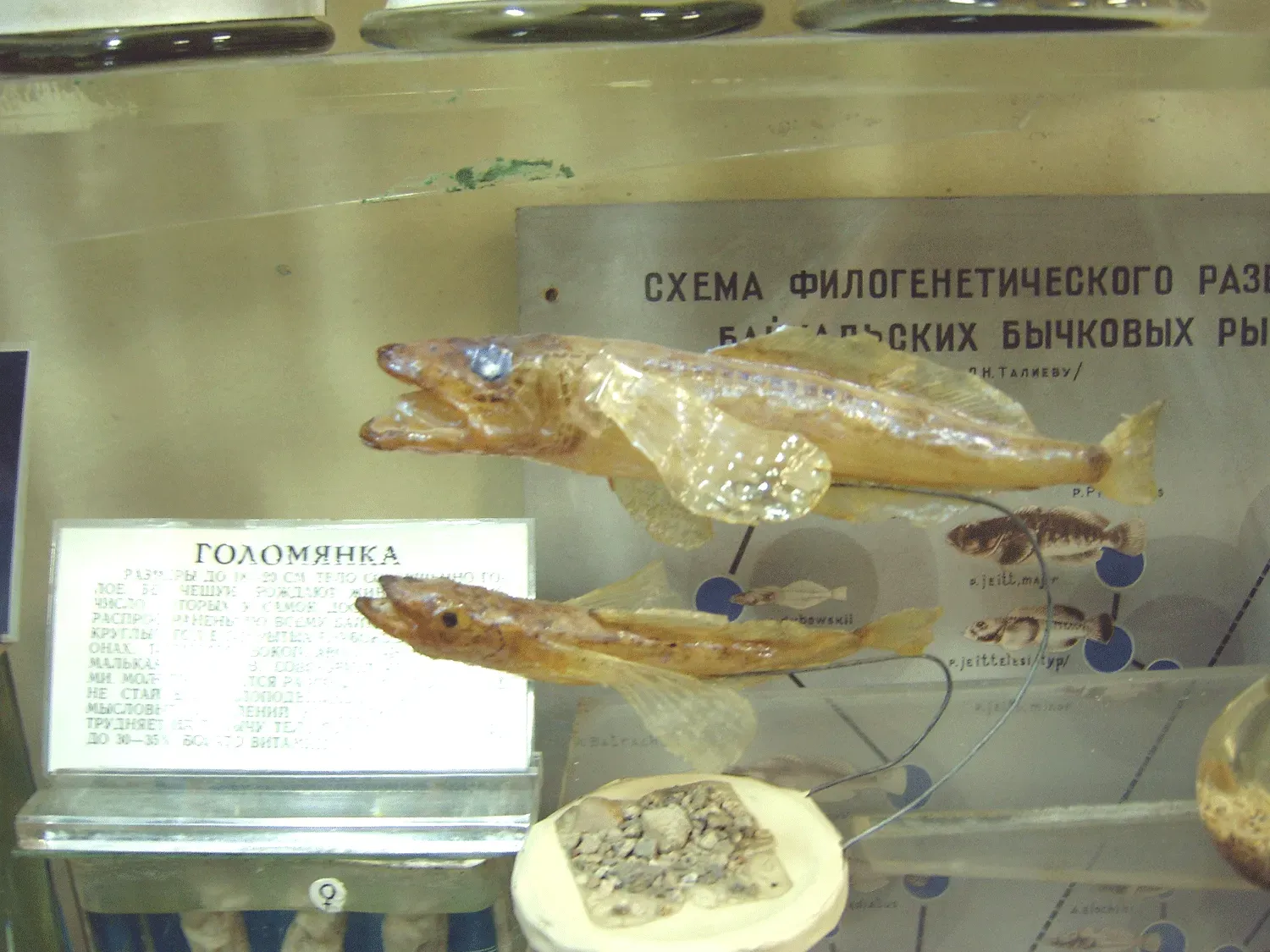
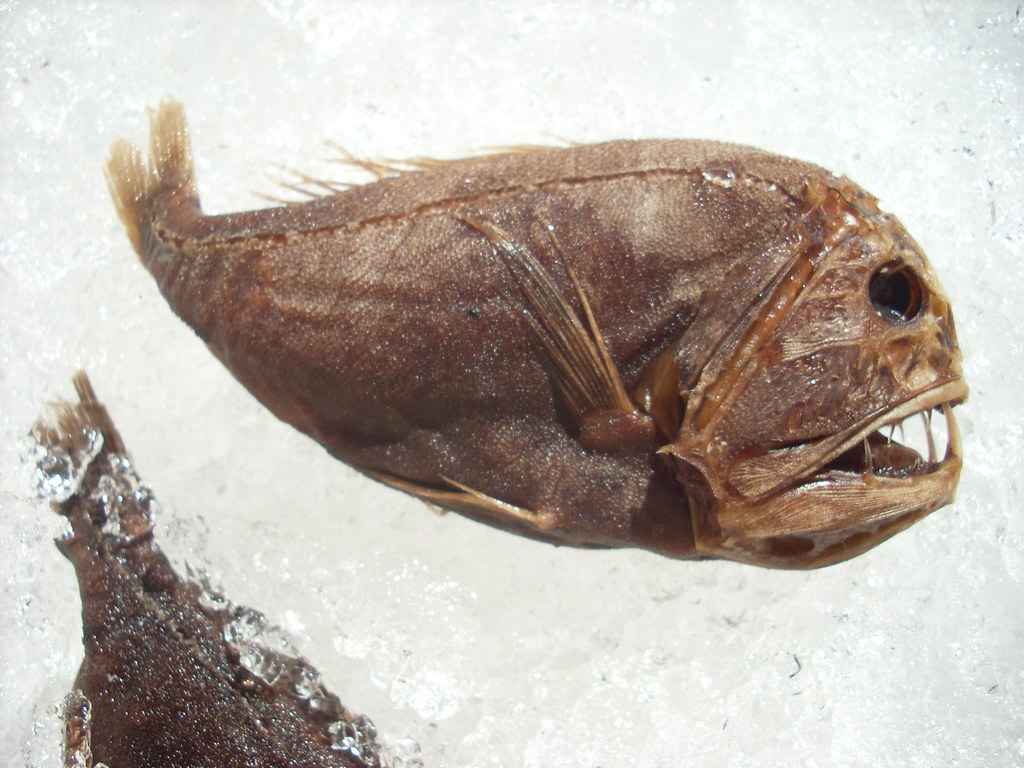
Some fish species here are the deepest living freshwater fish in the world, found near the very bottom of Lake Baikal. The golomyanka, or Baikal oilfish, is particularly bizarre. These translucent creatures are cannibals, sometimes swallowing their own young along with their diet of copepods, amphipods, and larvae.
The golomyanka gives birth to live young and is unique to the lake, as is the Baikal seal, or nerpa. Let’s be real, a freshwater seal living hundreds of miles from any ocean is extraordinary. How the seals’ ancestors even arrived in Lake Baikal remains a mystery, since the lake is hundreds of miles from the ocean. Some evolutionary puzzles still have us completely stumped.
Lake Tanganyika: Africa’s Ancient Evolutionary Laboratory
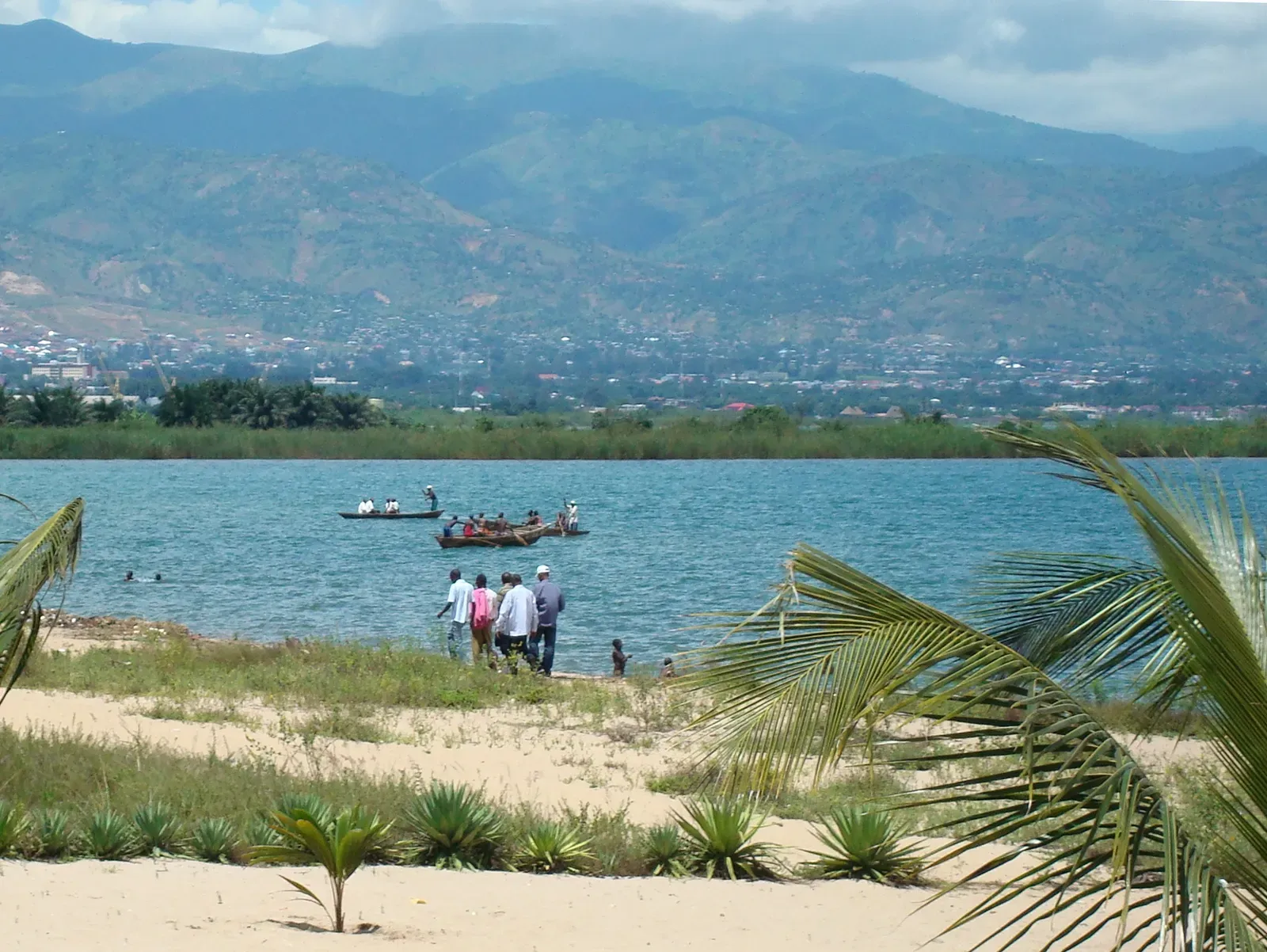
Lake Tanganyika is the world’s second deepest and second largest freshwater lake by volume, trailing only Lake Baikal. Stretching across 32,900 square kilometers and reaching depths of 1,470 meters, this ancient lake is estimated to be 9 to 12 million years old. It’s shared among four countries in the Great Rift Valley of Africa.
The lake’s age has allowed plants and animals to become highly specialized to its unique ecosystem, with over 2,000 species of flora and fauna, more than half of which live nowhere else in the world. Because the lake is extremely deep and located in a tropical area, the bottom contains fossil water that lacks oxygen and may be up to 20 million years old. Water from when mammoths still roamed the Earth is sitting at the bottom of this lake right now.
Sediment Archives Recording Millions of Years
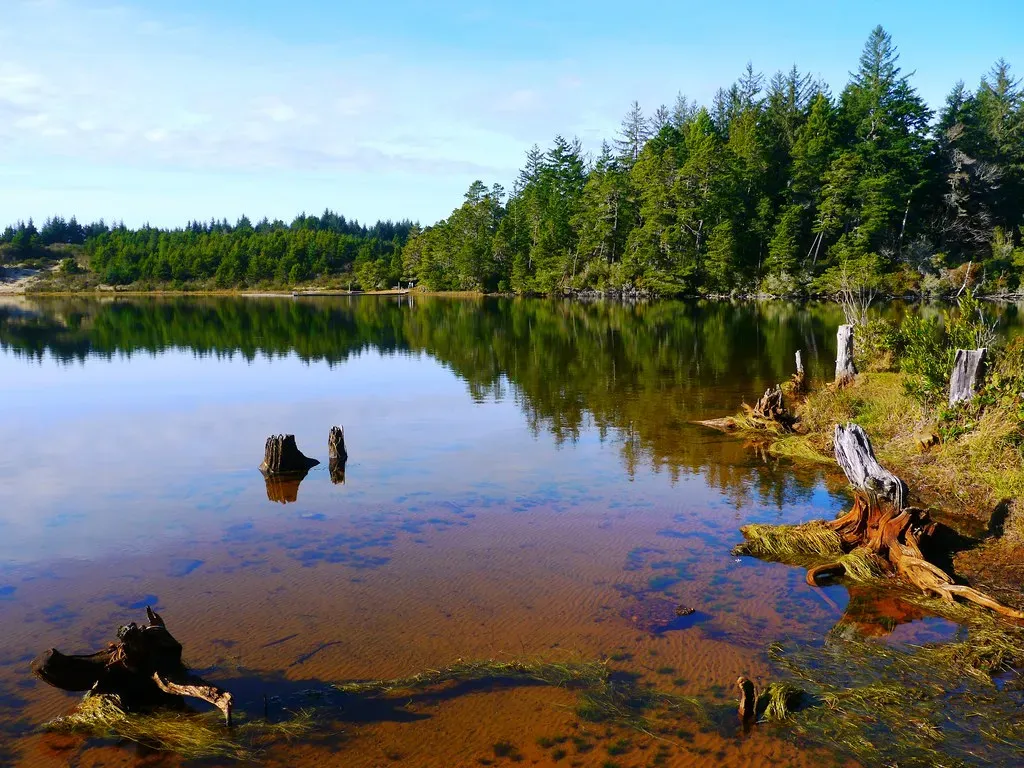
Accumulated sediments at the bottom of lakes are invaluable archives of past climate and environmental change, containing physical, geochemical, and biological proxy indicators. Each layer of sediment is like a page in Earth’s history book. When lake organisms die, their remains including pollen, shells, fossils, and DNA are preserved for many years in the sediments at the lake bottom.
What really fascinates researchers is the continuity. Unlike tree rings or corals, lake sediments generally offer continuous records of environmental change over thousands of years or longer. In Baikal’s case, we’re talking about millions of years of uninterrupted data. Scientists are using technology that identifies organisms from DNA extracted from sediments that are over 100 years old, allowing us to see which species lived when and how ecosystems shifted.
The Caspian Sea: A Saltwater Anomaly Among Giants
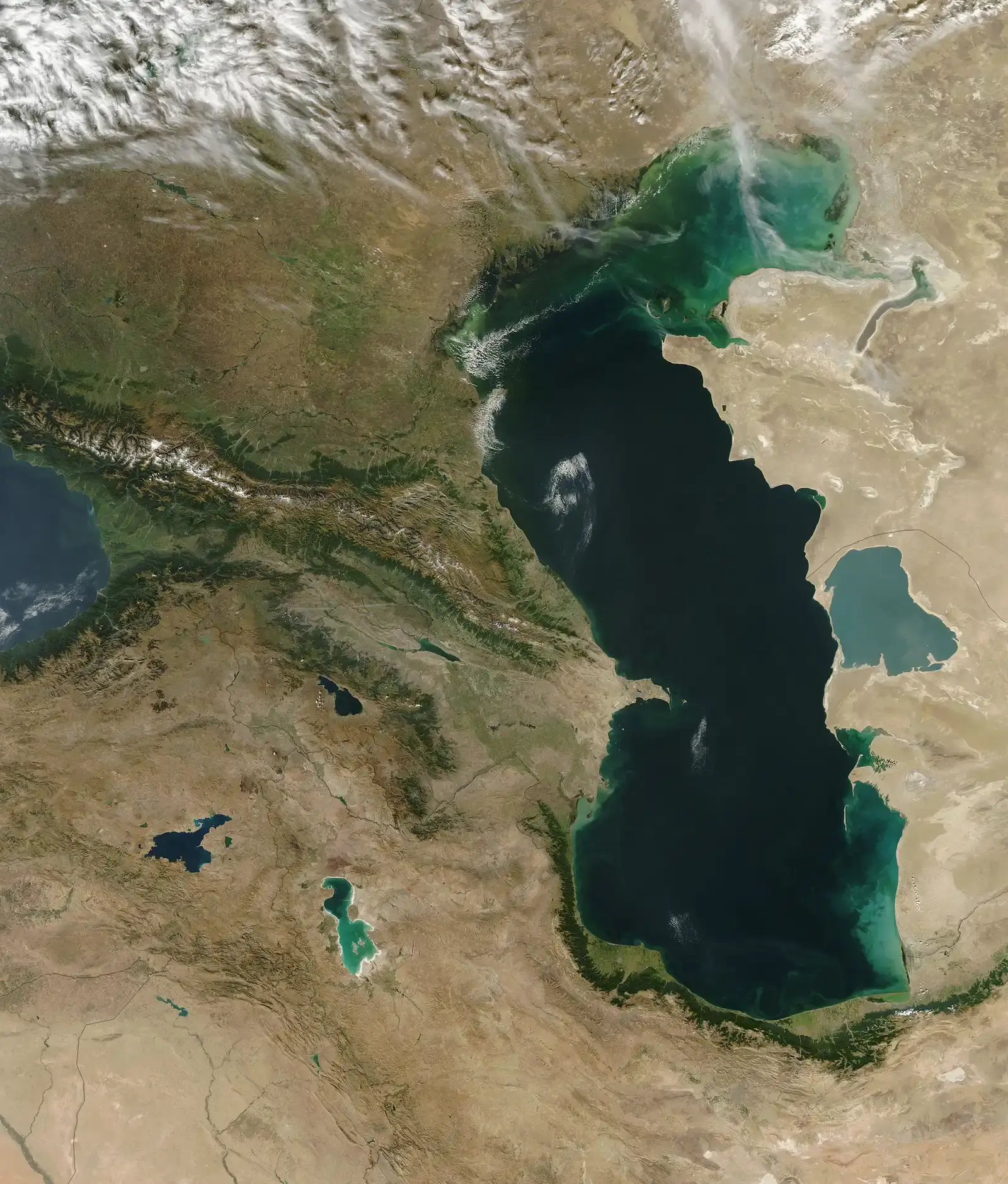
The Caspian Sea, lying between the Caucasus Mountains and the Central Asian Steppe, is the largest fully enclosed body of water on Earth and the world’s largest salt lake. At 3,360 feet deep, it ranks as the third deepest lake on Earth, though calling it a lake feels strange given its massive size and salty water.
Geologically, the Caspian Sea is a remnant of the ancient Tethys Ocean, and its deepest area is oceanic rather than continental crust. The reason it’s a saltwater lake with such briny waters is because it has no outlet, so minerals that have accumulated over the past 5.5 million years have become stranded there. It’s essentially a massive evaporation basin, collecting salts with nowhere for them to go.
Hidden Worlds Beneath Antarctic Ice
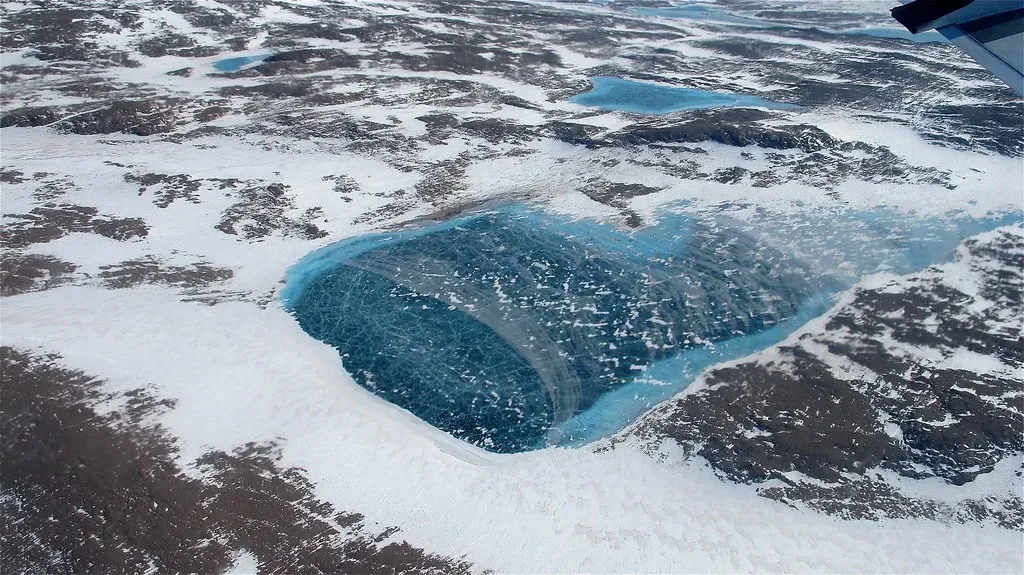
Antarctica’s Lake Vostok is not only the fourth deepest lake in the world at 2,950 feet deep, it’s also buried under 2.2 miles of ice and was discovered in 1996 using radar technology. Cut off for maybe as much as 15 million years, scientists have discovered as many as 3,507 different species in this lake beneath 2.4 miles of Antarctic glacier ice.
I know it sounds crazy, but life thrives even there. Many genetic sequences were linked to organisms that live around deep sea hydrothermal vents, suggesting such features may exist at the bottom of Lake Vostok and could provide energy and nutrients vital for organisms living in the lake. This isolated ecosystem has been completely sealed off from the rest of the planet for longer than our entire genus has existed, yet it teems with life adapted to perpetual darkness and crushing isolation.
What These Ancient Lakes Teach Us About Earth’s Future
Lake sediment data provide valuable insights into past climate conditions, extending climate records beyond the limited temporal range of instrumental measurements and providing understanding of natural climate variability. They give us context. Lake Baikal’s present day communities include more than 3,500 known species, more than half of which seem endemic, yet this likely represents only about 60 percent of the total diversity as new species are described every year.
Lakes Tanganyika and Baikal have probably existed in some form for 12 to 20 million years, and in contrast to short lived post glacial lakes, they have exceptionally high faunal diversity and levels of endemicity. These aren’t just interesting natural phenomena, they’re evolutionary laboratories showing us how life adapts over unimaginable timescales. The organisms living in these depths have developed solutions to survival challenges we’re only beginning to understand, and their genetic secrets could hold answers to questions we haven’t even thought to ask yet.
The deepest lakes aren’t just holes filled with water, they’re living museums preserving Earth’s memory in ways that help us understand where we’ve been and potentially where we’re heading. Next time you hear about climate records or ancient ecosystems, remember these hidden worlds exist right now, still quietly documenting our planet’s story. What other secrets do you think might be lurking in those lightless depths?