
If you’ve ever stared up at the night sky and wondered whether any piece of it has actually landed here, you’re not alone. The idea that fragments from distant stars or even alien technology might be lying somewhere on our planet is both thrilling and a little unsettling. It turns the ground under our feet into a potential cosmic mystery box.
In the last few years, scientists have gone from casual speculation to building actual search missions for possible interstellar debris. Some claims are cautious, others are bold enough to spark heated arguments in scientific circles. The big question is no longer just whether alien material could be here, but how we’d even recognize it if it was.
The Cosmos Is Constantly Hitting Earth
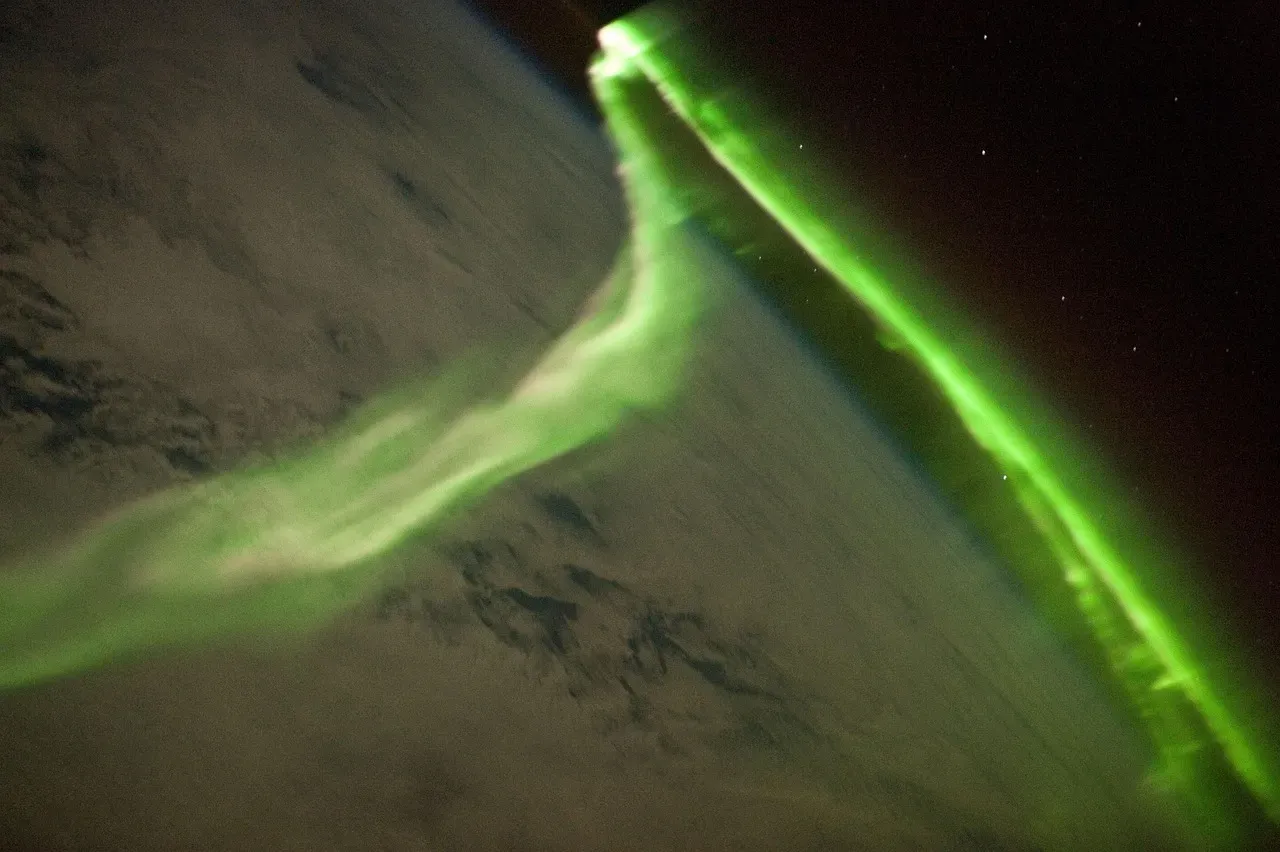
It might sound dramatic, but Earth is under a slow, gentle rain of space material all the time. Scientists estimate that tons of cosmic dust and small meteorites fall onto our planet every single day, settling on ice sheets, deserts, and even rooftops. Most of it is tiny, far too small to notice, and it blends into our environment like sand on a beach.
This constant bombardment means that alien material, in the broad sense, is already here: rocks and dust from asteroids, comets, and even other planets. Some meteorites are believed to have come from Mars or the Moon, torn loose by impacts and later captured by Earth’s gravity. So at the most basic level, yes, we already live on a planet sprinkled with material that was born far beyond our atmosphere.
What Counts as “Alien Material” Anyway?
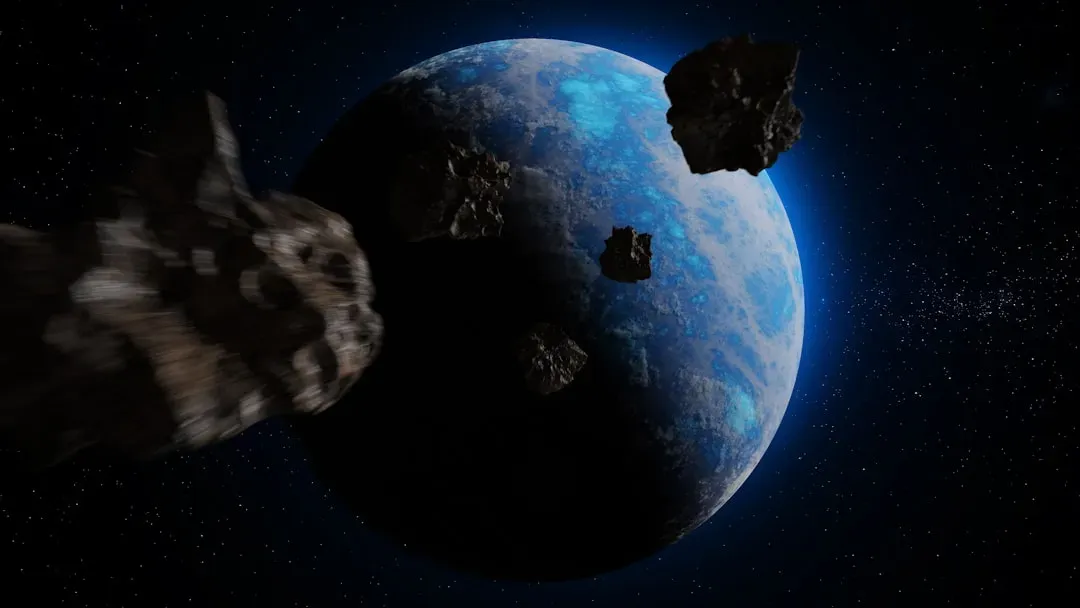
When people ask whether alien material is on Earth, they often mean something more exotic than just space rocks. Sometimes they’re really asking about artificial objects, like pieces of alien spacecraft or advanced technology. Other times, they’re thinking about unusual natural materials from outside our solar system, which is still wild enough on its own.
Scientists tend to use a stricter definition: alien can simply mean not originally from Earth. That includes meteorites, interstellar dust, and potentially even rare particles formed in extreme cosmic environments like supernovae. The tricky part is that once this material lands here, it weathers, corrodes, and gets mixed into Earth’s own geology, making it incredibly difficult to identify anything truly out of the ordinary.
Interstellar Visitors: Objects From Beyond Our Solar System
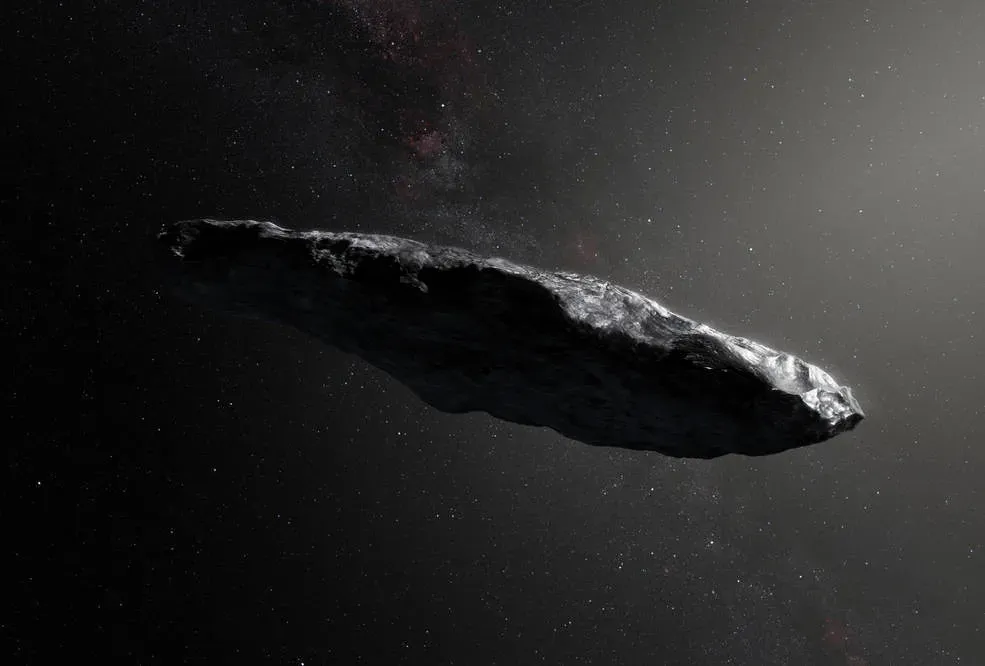
For a long time, the idea of actually detecting something from another star system inside our own felt like science fiction. That changed in 2017 with the discovery of a strange object passing through the solar system that was not gravitationally bound to the Sun. Its trajectory showed that it had come from interstellar space, making it the first confirmed interstellar visitor detected by modern instruments.
Not long after, another interstellar object was detected, this time looking more like a comet with gas and dust streaming from it. These discoveries confirmed that our solar system isn’t isolated; it’s part of a busy cosmic neighborhood where material can and does travel between stars. If big interstellar objects can pass through, smaller fragments or dust grains from other systems might have already been captured by Earth’s gravity at some point in the distant past.
The Underwater Hunt for Possible Interstellar Fragments

One of the most intense recent efforts to find alien material focused on the ocean floor. A fast-moving fireball detected over the Pacific some years ago was later calculated by some researchers to be moving at a speed consistent with an interstellar origin. That claim led to an expedition that used specialized equipment to sweep the seafloor for tiny metallic spherules that might be fragments of that object.
The team reported collecting small round particles rich in certain elements and suggested that their composition might be unusual compared to typical solar system meteorites. However, other scientists argued that the data wasn’t strong enough to prove an interstellar origin and that similar spherules can form in more ordinary ways. The whole episode shows how hard it is to go from “this looks interesting” to “this is definitely alien” when you’re working with microscopic beads recovered from the bottom of the ocean.
How Scientists Tell Earthly From Extraterrestrial
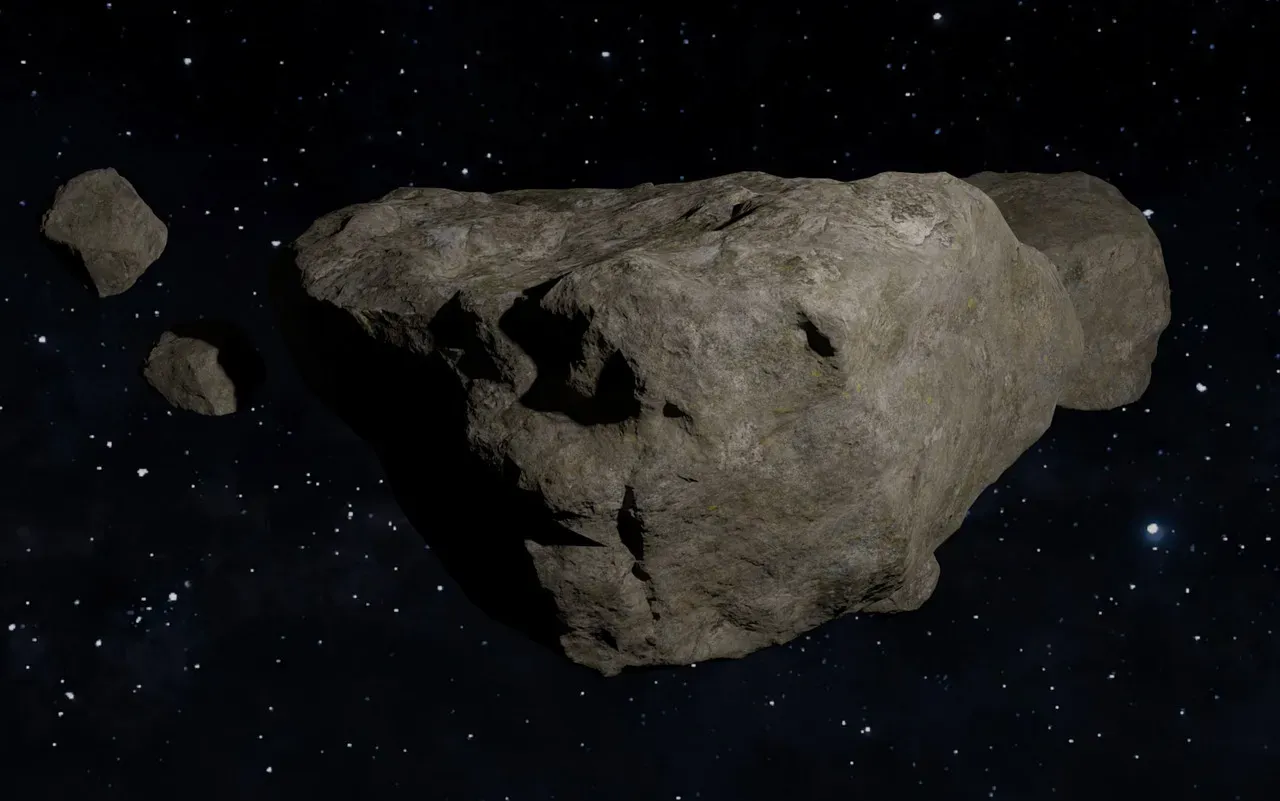
Distinguishing a truly alien sample from regular Earth material is like trying to spot a single unfamiliar accent in a stadium full of people. Researchers look at isotope ratios, mineral structures, and elemental compositions to see if something matches known patterns from Earth, the Moon, Mars, or common meteorites. If it doesn’t fit those, then it raises a flag as potentially unusual or even interstellar.
For example, certain meteorites contain materials that formed in ancient stars before our solar system existed, and these leave very distinctive chemical fingerprints. Still, unusual does not automatically mean artificial or technologically produced; nature is very good at making strange things under the right conditions. That’s why most scientists insist on multiple independent lines of evidence before calling something truly extraordinary.
Could Alien Technology Have Crashed Here?
This is where the story veers into territory that’s both fascinating and controversial. The idea that advanced alien technology might have fallen to Earth sounds like the plot of a movie, but it also raises serious scientific questions. If such a thing did exist, would we still recognize it after thousands or millions of years of corrosion, erosion, and tectonic activity?
Some researchers have proposed that if alien probes or objects ever reached Earth, they might now be buried deep underground, at the bottom of oceans, or reduced to fragments that look like nothing more than oddly shaped scrap metal. Others point out that extraordinary claims like this require very strong, reproducible evidence, and that so far no physical sample has been widely accepted as alien technology. The debate has mostly shifted toward encouraging careful searches while keeping expectations grounded in what the data can actually support.
The Role of New Technology in the Search
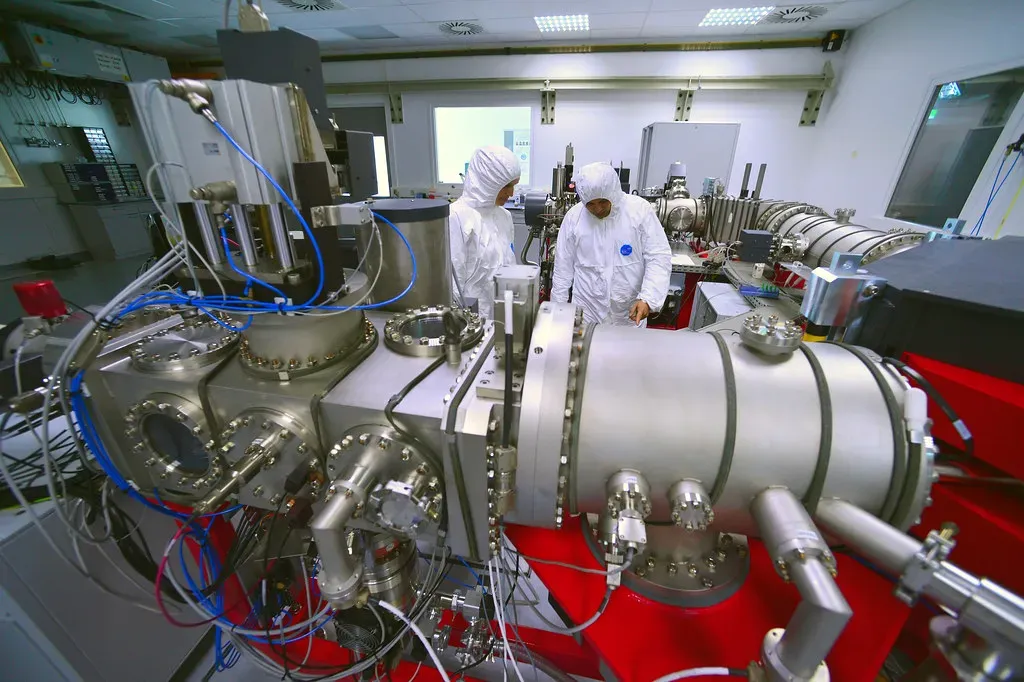
The hunt for alien material is being transformed by advances in instruments and analysis techniques. Modern mass spectrometers, powerful microscopes, and better detectors can spot extremely small anomalies in composition that older tools would have completely missed. What looked like a boring grain of sand decades ago might now reveal subtle traces of an unusual origin under today’s equipment.
On top of that, improved sky surveys and satellites allow scientists to track more incoming objects with far greater precision. This means we’re better positioned to catch unusual meteors in real time, recover any fragments, and study them before they get too altered by Earthly processes. In a sense, we’re just now building the scientific “net” fine enough to realistically hope to snag and recognize truly rare extraterrestrial material if and when it arrives.
What All of This Really Tells Us (For Now)
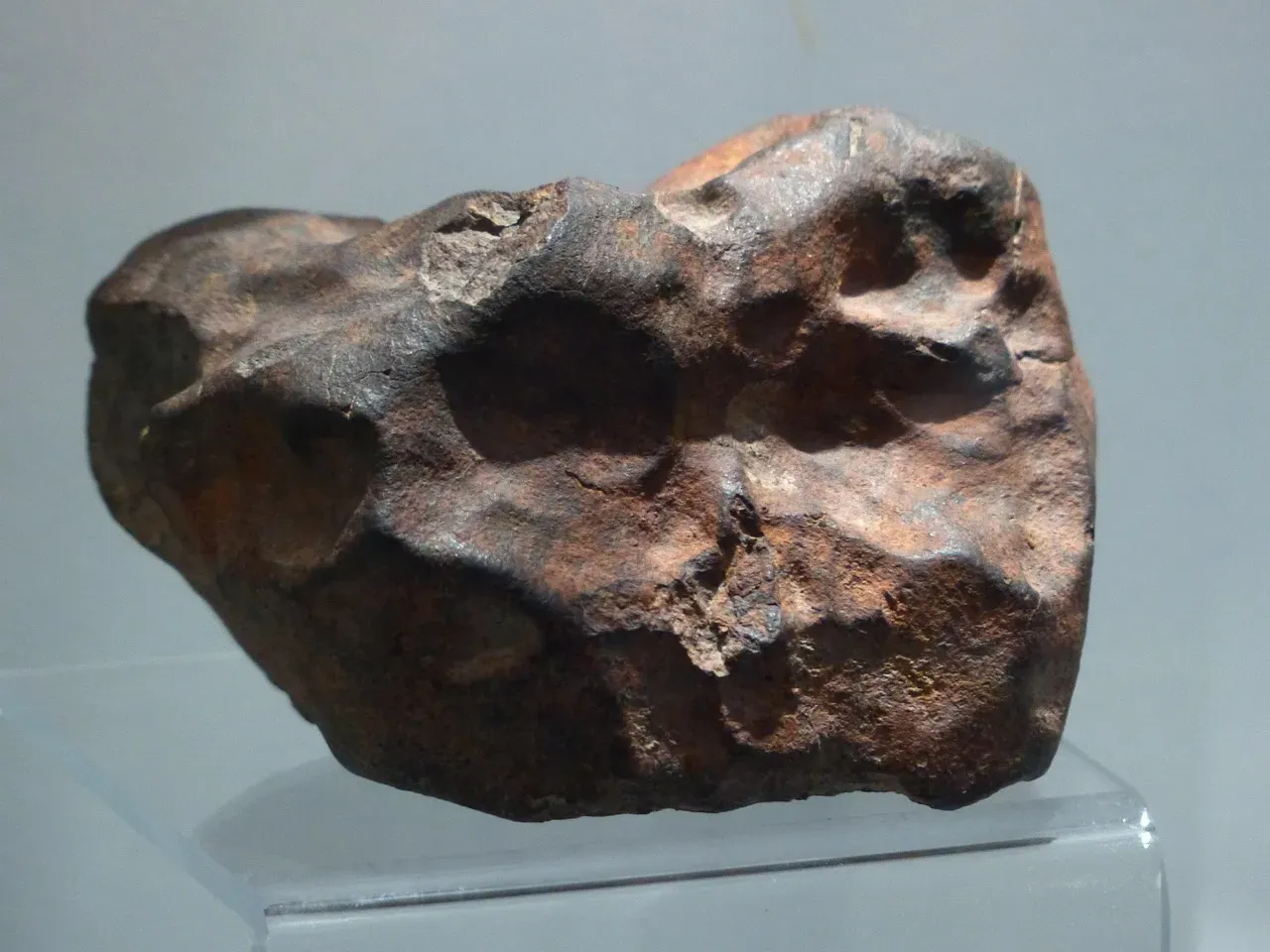
So far, the solid, conservative conclusion is that Earth absolutely holds plenty of alien material in the form of natural space rocks, dust, and microscopic grains, some of which probably originated outside our solar system. At the same time, there’s no sample in hand that the broader scientific community accepts as clear, undeniable evidence of alien technology. There are intriguing hints and bold claims, but nothing that crosses the line into universally convincing proof.
Still, the search itself is reshaping how we think about our place in the universe. The fact that interstellar objects pass through our neighborhood, and that we now have the tools to chase and study them, makes the possibility of one day finding something truly astonishing feel less like fantasy and more like patient work. If a fragment of alien material is out there waiting to be recognized, it may come down to whether we’re looking closely enough when we finally stumble across it.