For a long time, many doctors quietly assumed that when the heart flatlines, the mind simply shuts off like a light switch. Families at the bedside often felt something different, sensing that their loved one was still somehow “there” in the room, even when monitors said otherwise. Now, emerging research is starting to catch up with those gut feelings, hinting that a mysterious twilight state of consciousness may flicker on in the final moments of life.
This isn’t a ghost story, and it’s not wishful thinking. It’s a growing body of scientific data, brain scans, and patient reports that are forcing researchers to rethink what actually happens as we die. The picture that’s forming is stranger, more nuanced, and in some ways more hopeful than the old idea of instant, total blackout.
The Surprising Brain Bursts Seen at the Edge of Death
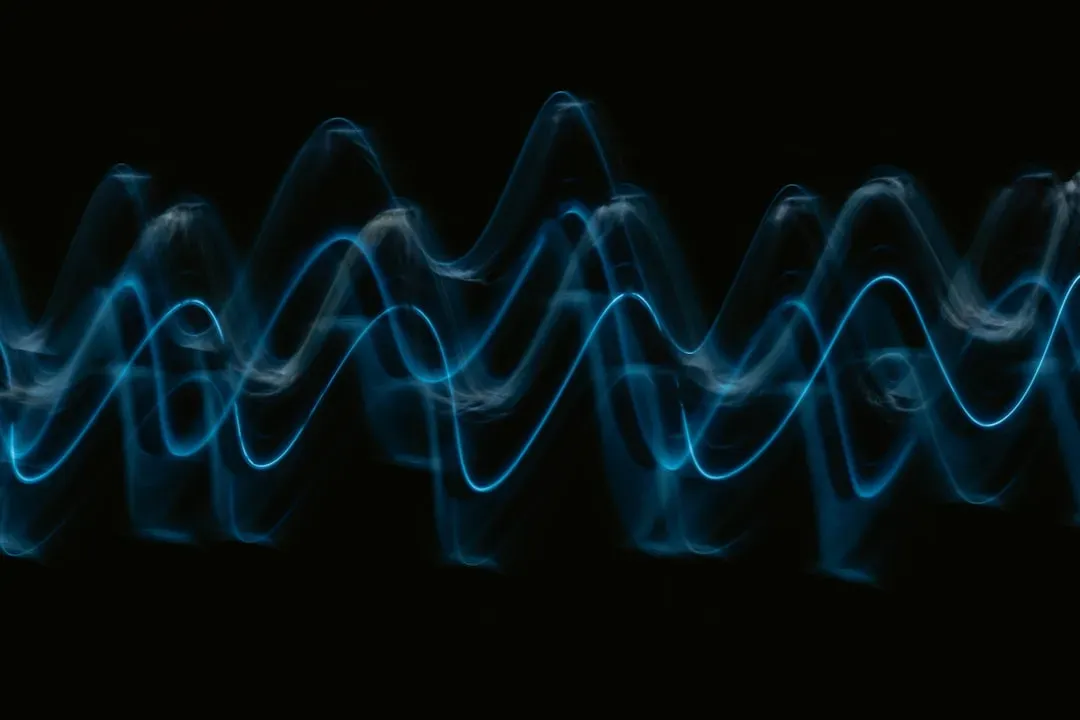
One of the most shocking findings in recent years is that the dying brain doesn’t always fade out smoothly; sometimes, it flares up. In studies of patients who went into cardiac arrest in hospital settings, researchers monitoring brain activity found sudden surges of organized electrical patterns minutes after the heart stopped. Instead of the chaotic, flat signals they expected, they observed bursts that looked oddly similar to fully awake, conscious brains.
These surges often appear in the so‑called “gamma” range, brain waves usually linked to perception, memory, and complex awareness. It’s as if, at the very moment we’d assume everything is shutting down, the brain briefly slams into a higher gear. Scientists still don’t fully agree on what this means, but many now think it could represent a kind of twilight consciousness: a short-lived window where inner experience continues, even when the body looks beyond rescue.
Near-Death Experiences and the Brain’s Last Stand
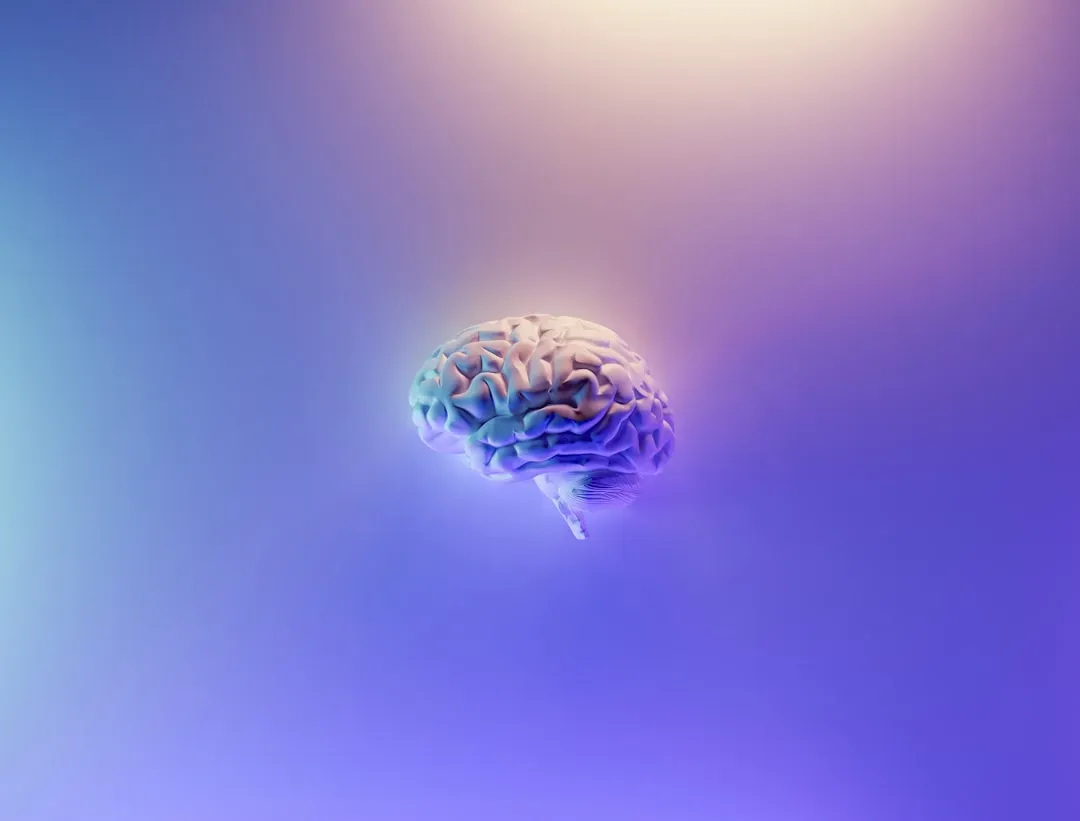
Near-death experiences have been described for decades: moving through a tunnel, seeing a bright light, feeling a powerful sense of peace, or watching one’s own body from above. For years, doctors tended to dismiss these as hallucinations or the result of drugs and lack of oxygen. But when people who were clinically dead for several minutes describe events in the room that later turn out to be accurate, the easy explanations start to crumble.
Recent studies that combined brain monitoring with interviews after resuscitation found that a noticeable minority of patients could recall vivid, structured experiences from the period when their hearts had stopped. They described reviewing their lives, having intense clarity of thought, and feeling detached from their bodies. Interestingly, these reports line up in time with those later surges in brain activity, suggesting the brain might be mounting one last, highly organized “stand” as it loses power.
What Scientists Mean by “Twilight Consciousness”

Twilight consciousness isn’t an official medical diagnosis; it’s more of a working idea to capture what seems to be happening in this strange borderland between life and death. It suggests a state that isn’t full wakefulness but also isn’t complete oblivion, a kind of in‑between zone where awareness may be altered but not entirely gone. You can think of it a bit like that hazy moment between dreaming and waking, except here it’s happening at the end of life rather than at the start of a new day.
In this state, a person might not be responsive or able to move, but they may still be processing sound, touch, and even complex thoughts on the inside. Brain imaging studies and EEG readings hint that networks tied to memory, identity, and perception may briefly reconnect in unusual ways. Some researchers suspect the brain may be “unshackled” from normal filters, letting memories and emotions flood in all at once, which could explain why many dying patients describe extraordinarily rich inner experiences if they survive to talk about them.
Do Dying Patients Still Hear and Feel Us? What Families Should Know
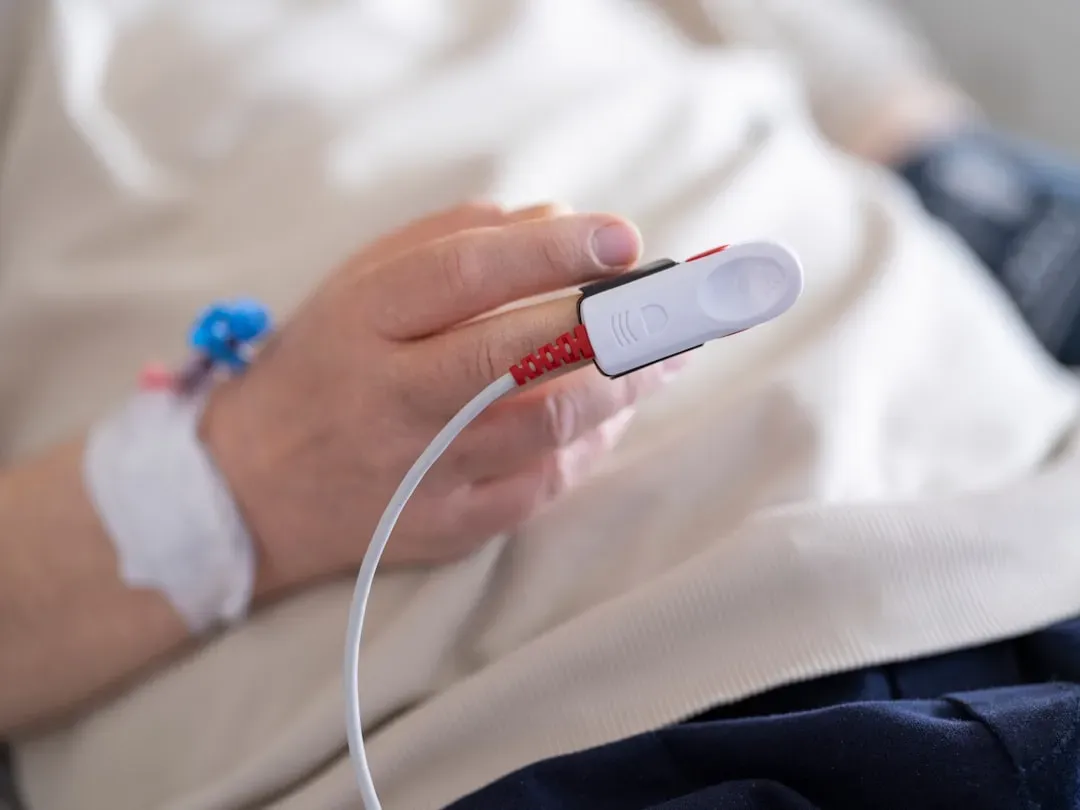
One of the most emotional questions families ask is whether their loved one can still hear them in those final moments. While no study can give a perfect answer, evidence increasingly suggests that hearing may be one of the last senses to fade. In some experiments with unconscious or actively dying patients, the brain still showed recognizable responses to familiar voices and meaningful sounds, even when the person could not move or speak.
That has huge implications for how we behave at the bedside. Whispered apologies, final thank‑yous, shared memories, or even a simple “I’m here” may be reaching someone more than we realize. Many hospice workers have long advised families to talk to dying loved ones as if they can hear, and the science is finally starting to back that up. It doesn’t guarantee that every word lands, but it strongly suggests we should treat those last conversations as real and important, not symbolic.
Rethinking Death: Not a Moment, But a Process

Most of us grow up with the idea that death is a single, sharp moment – the instant when the heart stops or the breathing ends. Modern research into twilight consciousness is challenging that picture. Instead of a clean cutoff, we now see death more as a biological and neurological process that unfolds over minutes, and in some cases longer, with different systems shutting down at different times.
The heart might stop first, but the brain can continue to show organized activity for a short while. Cells throughout the body keep struggling to maintain their chemistry before finally failing. This slower, layered view of dying forces medicine to reconsider when someone is truly beyond return and what “irreversible” really means. It also adds a layer of nuance to moral and legal questions around resuscitation, organ donation, and end‑of‑life decisions, because the line between life and death is blurrier than most people were taught.
The Emotional Clash Between Science and Belief

Whenever death and consciousness show up in the same sentence, you’re going to bump into big questions about the soul, the afterlife, and what it means to be a person. For some, the idea of twilight consciousness feels like evidence that something of us survives beyond the body. For others, it looks more like a final storm of brain activity with no spiritual meaning attached. The data itself doesn’t settle that debate; it just shows that experience can continue after clinical death has technically begun.
What’s striking is how often people emerge from near‑death states with a changed outlook, regardless of their previous beliefs. Many report losing their fear of death, becoming more focused on relationships, and caring less about status or possessions. As someone who has sat in ICU waiting rooms with family, I find it oddly comforting that the end might not be a harsh, cold off‑switch, but a complex, sometimes peaceful transition. You don’t have to agree with that interpretation, but it’s hard to ignore how deeply these experiences shape the people who go through them.
What This Could Mean for the Future of End‑of‑Life Care
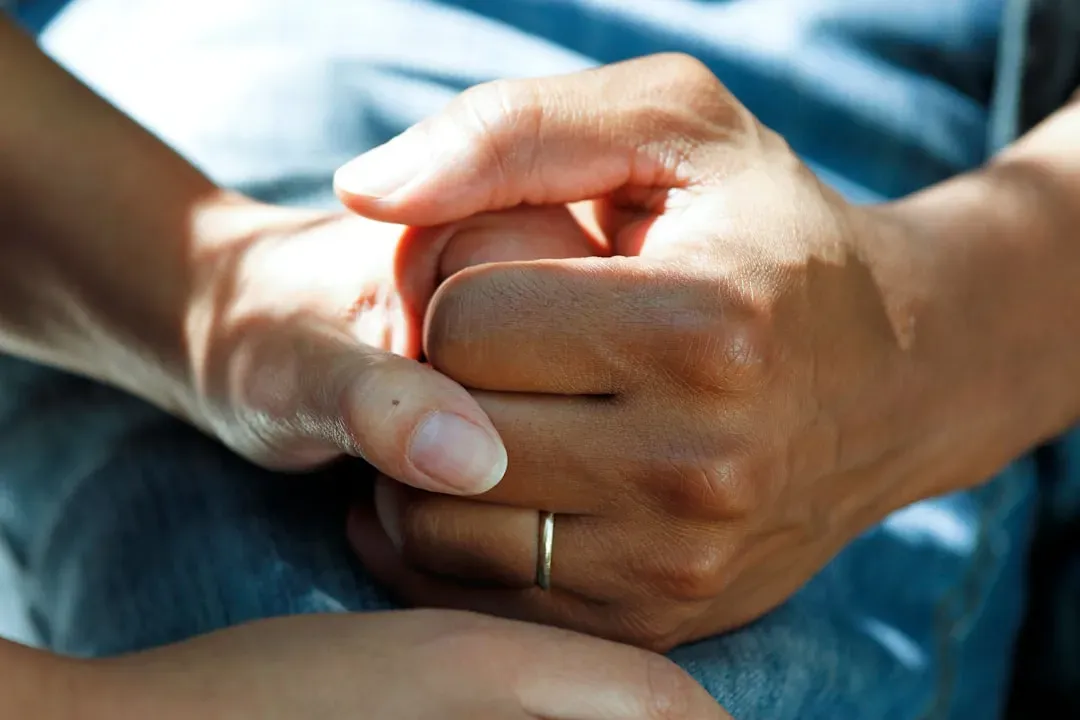
If twilight consciousness is real – and the evidence is steadily piling up – healthcare will have to adapt. Palliative care teams may place even more emphasis on a calm, respectful environment at the bedside, knowing that patients could still be absorbing voices, touch, and even subtle tones of emotion. Protocols for pain control and sedation might be refined to reduce distress without completely erasing the possibility of meaningful inner experiences, when that aligns with a patient’s wishes.
We may also see more hospitals using brain monitoring in critical care, not just to guide resuscitation but to better understand what the dying brain is doing. On a more human level, families might feel less helpless if they know their presence matters right up to the end. Even if we never fully decode what consciousness is, treating those final moments as potentially rich and meaningful – rather than empty – could change how we show up for one another when it counts the most.
As research continues, the idea of a twilight consciousness is pushing us to admit something uncomfortable: we don’t understand death nearly as well as we pretend to. Instead of a simple blackout, the evidence points toward a brief, complex inner world at the very edge of life, where memory, identity, and awareness may still flicker. In that narrow window, our words, our touch, and our presence might matter more than we ever imagined.