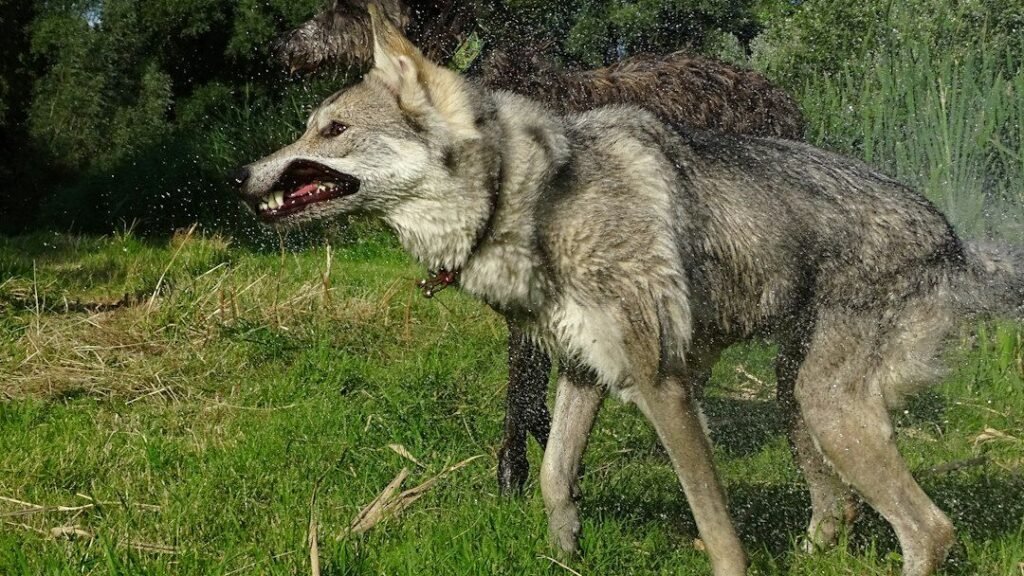

When you think about Chernobyl, you probably picture ghost towns, abandoned buildings, and maybe a Geiger counter ticking away ominously. What you might not expect is thriving packs of wolves roaming freely through one of the most radioactive places on Earth. Yet that’s exactly what’s happening. These wolves aren’t just surviving. They seem to have developed something extraordinary.
Scientists have discovered that wolves living in the Chernobyl Exclusion Zone carry genetic changes that might protect them from cancer. It’s a remarkable twist in one of history’s darkest nuclear disasters, and what these animals are teaching us could change how we understand and treat cancer in humans.
A Nuclear Wasteland Becomes an Unexpected Laboratory
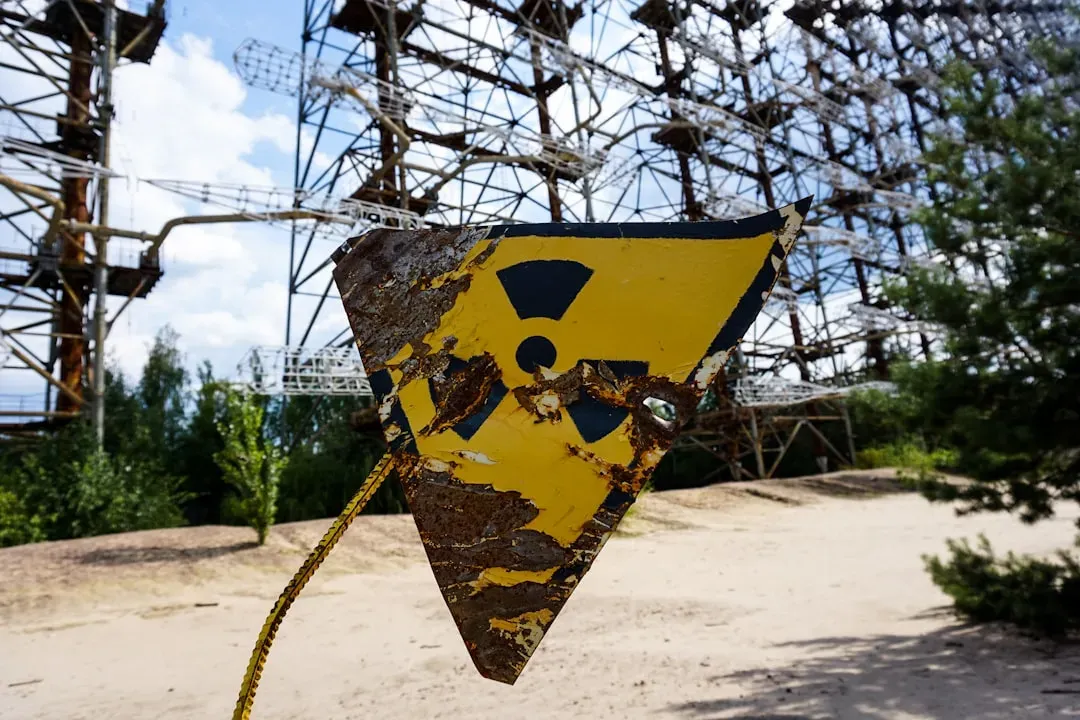
In 1986, the Chernobyl nuclear power plant exploded, releasing radioactive material into northern Ukraine and Belarus in the most serious nuclear accident in history. Over one hundred thousand people were evacuated from the surrounding area because of the health risks radioactive waste poses to humans. The land became forbidden, too dangerous for human habitation.
Unlike humans, gray wolves never left, and the local population has grown over the years. Without people hunting them or destroying their habitat, something unexpected happened. The wolves didn’t just survive the radiation, they started to thrive in ways that left scientists scratching their heads. The wolf population is seven times denser than populations in protected lands elsewhere in Belarus.
Daily Radiation Exposure Beyond Human Limits
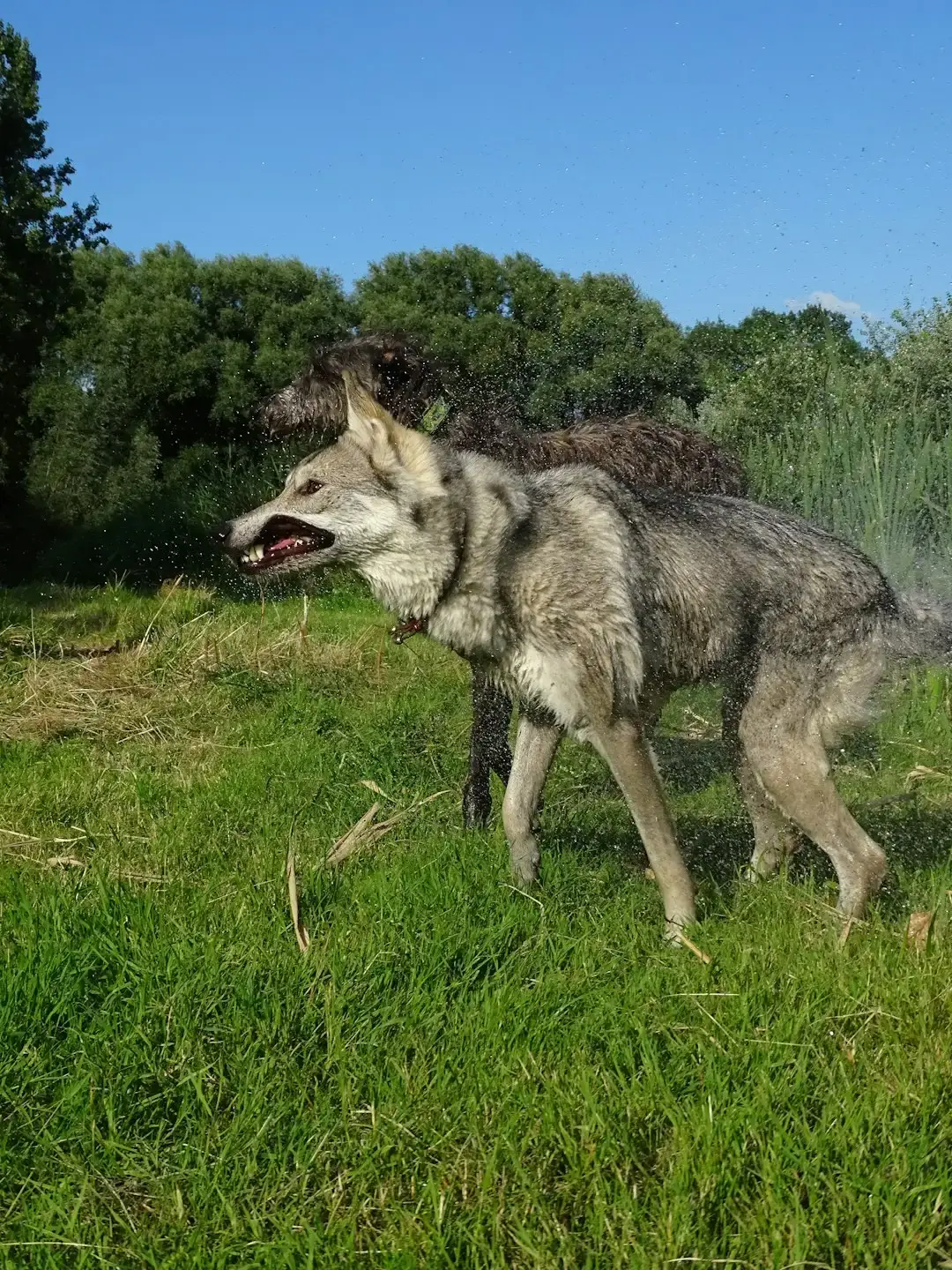
In 2024, Cara Love, an evolutionary biologist and postdoctoral fellow at Princeton University, led a study on wolves in the Chernobyl Exclusion Zone, and the team collected blood samples and fitted the wolves with GPS collars and radiation dosimeters. The devices tracked not just where the wolves wandered, but exactly how much radiation they encountered every single day.
What researchers found was staggering. The scientists discovered that the wolves endure 11.28 millirem of radiation daily, which is six times the human safety limit. Think about that for a second. These animals are absorbing more radiation every day than what would be legally safe for a human worker. That’s like taking a chest X-ray every day.
Immune Systems Fighting Back Like Cancer Patients
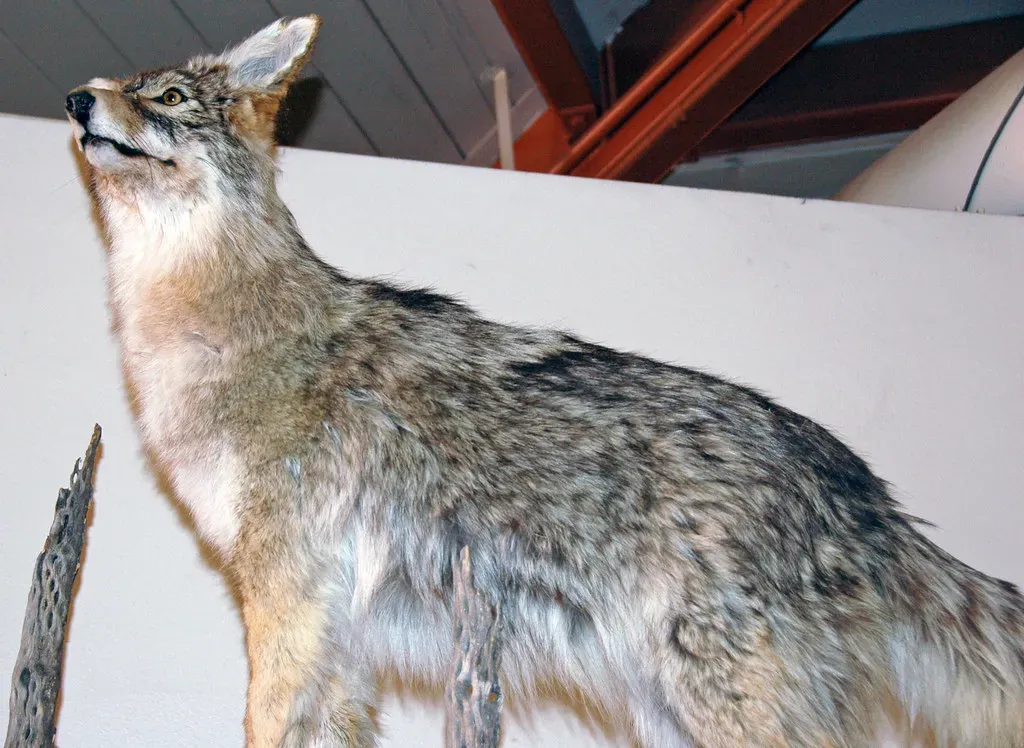
You’d expect animals exposed to that much radiation to be sick or dying. Radiation damages DNA and typically leads to cancer and other devastating health problems. The researchers prepared for the worst when they analyzed the wolves’ blood samples. What they discovered instead was fascinating.
The wolves in the Chernobyl Exclusion Zone have altered immune systems similar to cancer patients undergoing radiation treatment. Their bodies appeared to be actively fighting the effects of radiation exposure. Different immune blood cells circulate within the body and can be indicative of different types of stress or disease, allowing researchers to identify some signature of radiation stress within the Chernobyl wolves.
Genetic Mutations That Protect Rather Than Harm
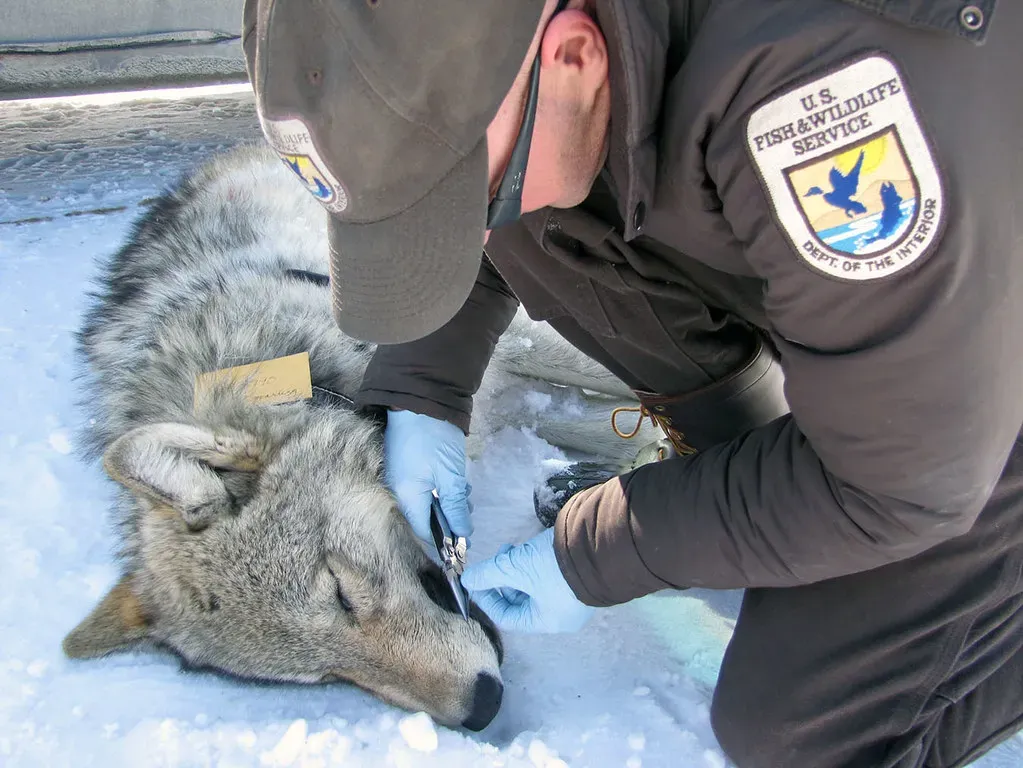
Here’s where things get really interesting. Research identified regions of the genome that seem to be diverging much faster in Chernobyl wolves than elsewhere, and the fastest evolving genome regions within Chernobyl are in and around genes that have some role in cancer immune response or the antitumor immune response in mammals. In other words, evolution appears to be happening right before our eyes.
Most genetic research focuses on mutations that increase cancer risk, like BRCA genes in humans. Love’s work flips that script. Love pinpointed chunks of genetic code in the wolves that seem especially resistant to heightened cancer risk. Certain wolves appear to carry genetic variants linked to immune responses against tumors, and while these animals may still develop cancer, they seem less affected by the disease, allowing them to survive longer and pass on these protective traits.
Natural Selection in a Radioactive Environment
What’s happening in Chernobyl is essentially survival of the fittest under extreme conditions. Either the wolves are developing cancer in response to the environmental radiation but the cancer isn’t impacting their functioning the way it would in an animal outside of the zone, or the wolves aren’t developing cancer despite the presence of radiation, with wolves that have genes more resistant to cancer being the ones procreating and passing on a genetic resistance to radiation.
Think of it like this: the wolves that couldn’t handle the radiation died off or failed to reproduce successfully. The ones with genetic advantages survived, bred, and passed those traits to their offspring. Generation after generation, the population has been naturally selecting for cancer resistance. It’s evolution happening at warp speed because the selective pressure is so intense.
More Than Genetics: The Human Factor
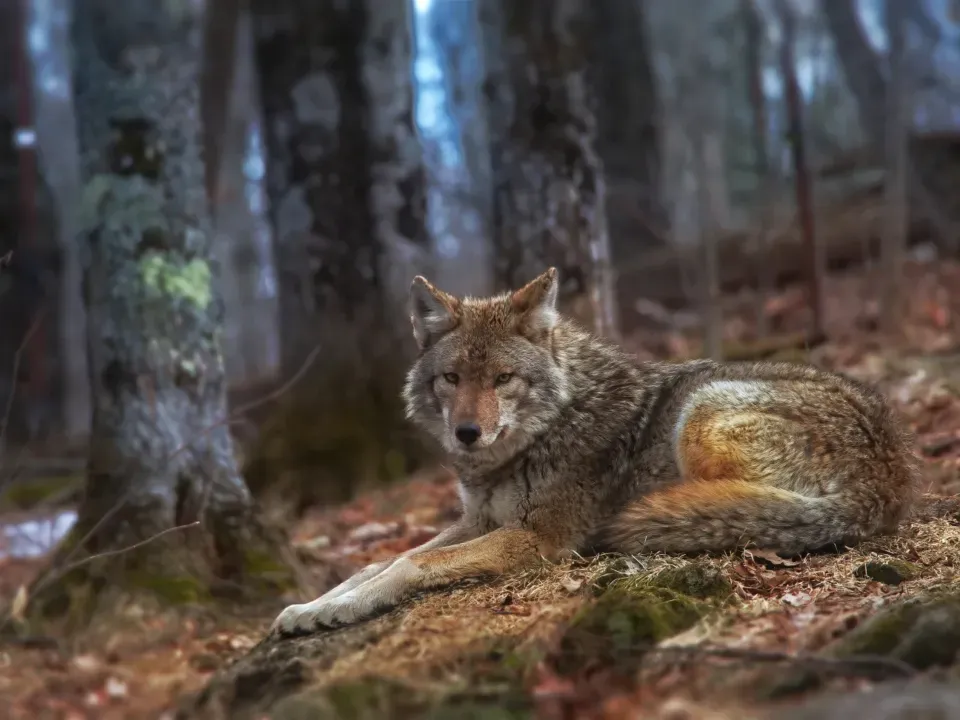
Although there is evidence of a genetic component of wolves being resistant to cancer, there is another important factor to keep in mind: human presence, as humans have largely been absent from the zone for nearly forty years, so wolves are free from the pressures humans bring. Without hunting, habitat destruction, or pollution from human activity, the wolves have space to recover and adapt.
Scientists debate how much of the wolves’ success comes from genetic adaptation versus simply not having humans around. Genomic evolution is not the only factor behind the thriving wolf population in the exclusion zones, as the other main factor is likely the lack of human threat. Still, the genetic changes are undeniable and provide a window into how life can adapt to extreme environmental challenges.
Hope for Human Cancer Treatment
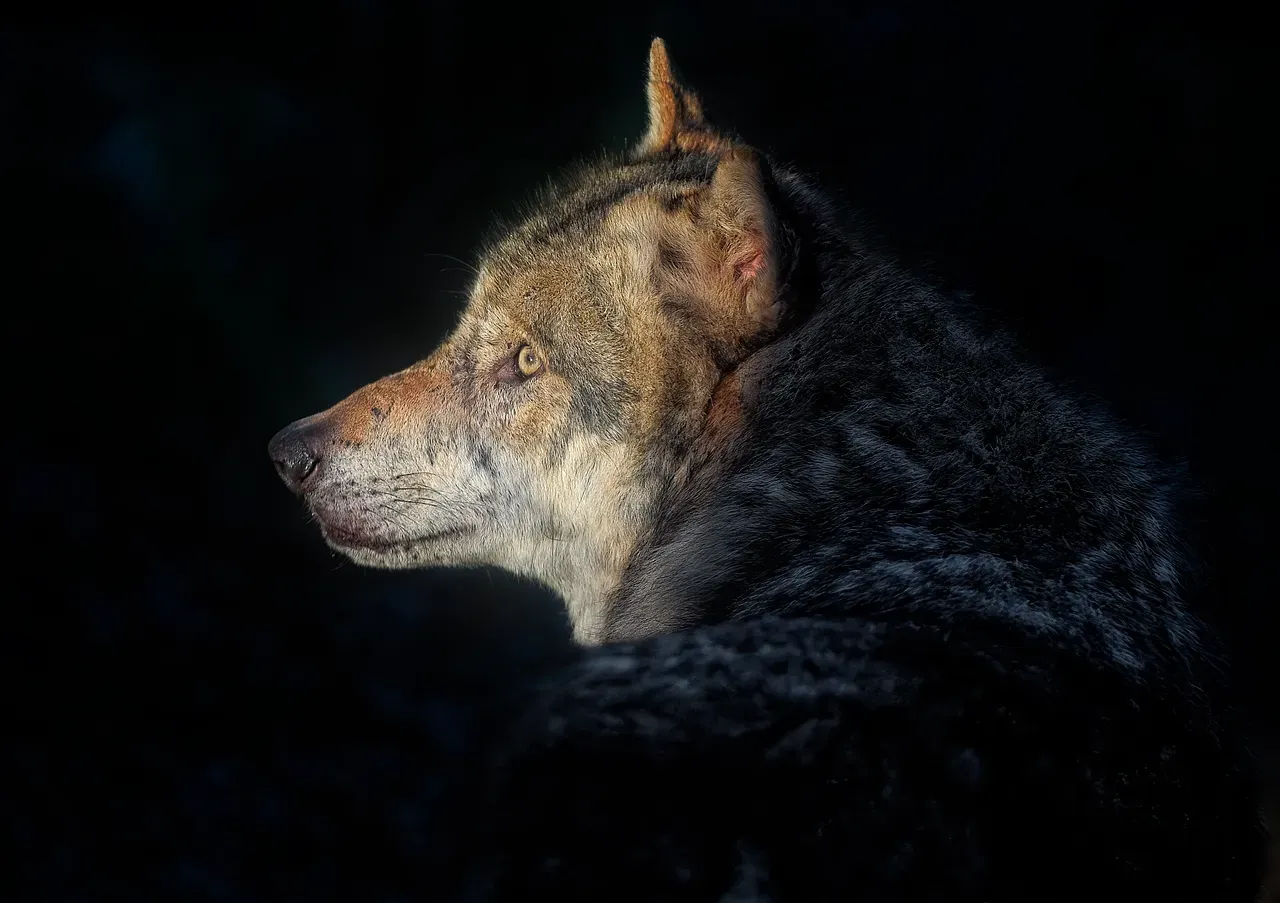
This research isn’t just about wolves. Love and Campbell-Staton’s innovative research on Chernobyl wolves has important implications for human health, as their team has begun collaborating with cancer biologists and companies to interpret the data, aiming to discover new therapeutic targets for human cancer. Most human research has found mutations increasing cancer risk, but Love’s work hopes to identify protective mutations that increase the odds of surviving cancer.
Imagine if we could understand exactly which genetic switches the wolves have flipped to resist cancer. Could we develop treatments that activate similar pathways in humans? The possibilities are tantalizing. If scientists can identify the precise genetic mechanisms behind the wolves’ cancer resistance, similar mutations could potentially be replicated to protect humans from the disease, leveraging the body’s intrinsic defense abilities.
The wolves of Chernobyl have turned tragedy into a living laboratory. They’re showing us that life doesn’t just endure in the face of catastrophe. Sometimes it evolves in remarkable ways. Their genetic secrets might one day help us win battles against cancer that once seemed unwinnable. What do you think about these incredible adaptations? Could nature’s solutions really hold the key to our biggest medical challenges?