
Have you ever looked up at the night sky and wondered just how old those twinkling lights really are? Most of us think about stars as ancient, sure. Yet some of them are so incredibly old that they existed before the Milky Way even took shape. Let’s be real here, wrapping your head around that kind of timescale feels almost impossible.
These stellar relics approach the age of the universe itself, roughly 13.8 billion years. They’re not just old. They’re witnesses to cosmic events that happened when everything was still taking its first baby steps. Some stars originally formed between 12 and 13 billion years ago. Think about it. Our own galaxy was still assembling itself back then, gobbling up smaller neighbors and growing into the spiral giant we call home today.
When the Universe Was Still Learning to Walk
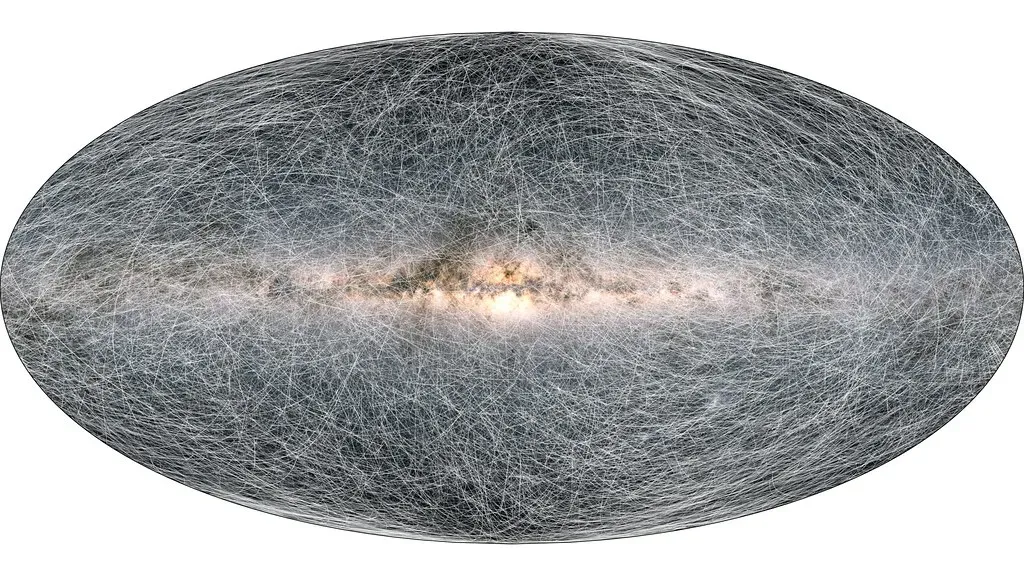
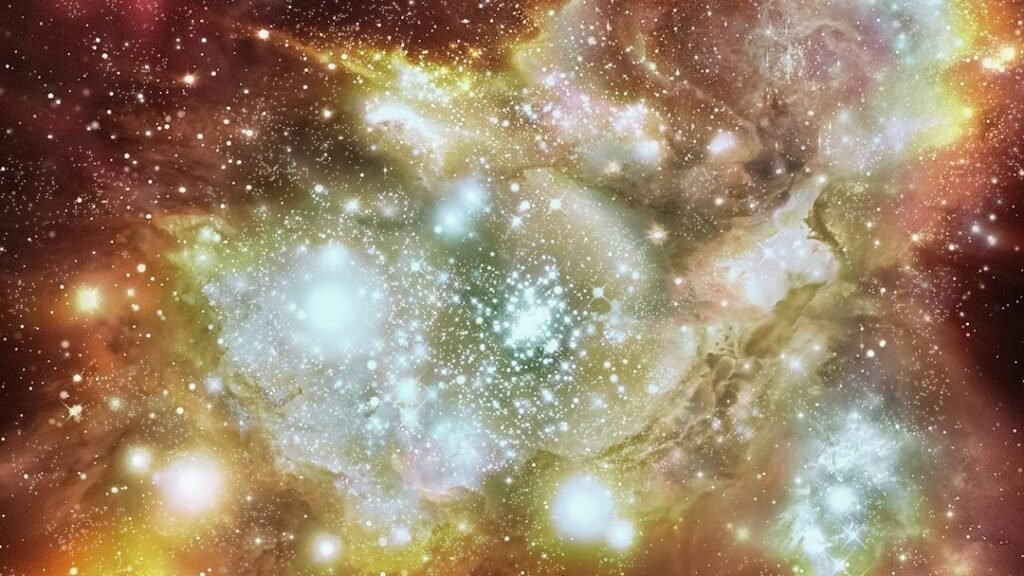
The cosmos after the Big Bang was nothing like what we see now. Four hundred thousand years after the Big Bang, the universe was a cold, dark fog of hydrogen and helium atoms. Less than 400 million years later, it had begun to shine with the light of infant galaxies. Honestly, the sheer speed of that transformation still baffles scientists.
The very first stars likely formed when the Universe was around 100 million years old, long before the first galaxies emerged. These primordial giants were completely different from anything you’d find in the modern universe. The first generation of stars, known as Population III stars, were made almost entirely of hydrogen and helium. No carbon, no oxygen, no iron. Just the lightest elements that existed back then.
The Survivors Among Us
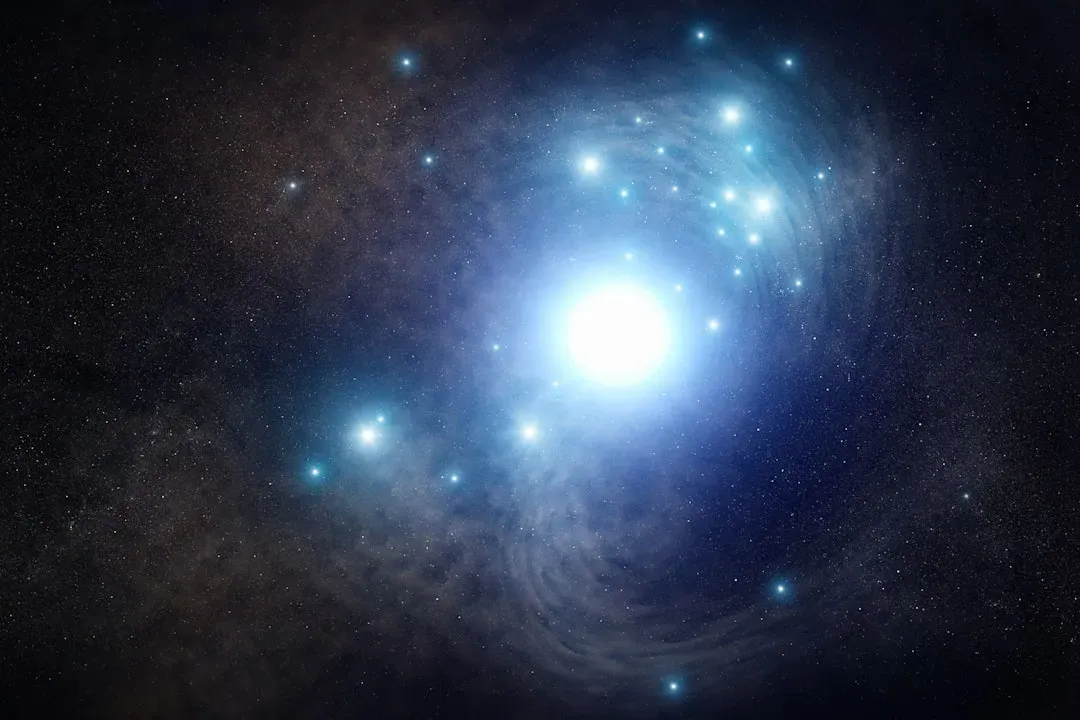
Here’s where things get really interesting. Researchers discovered stars they’ve nicknamed SASS, for Small Accreted Stellar System stars, believing each star once belonged to its own small, primitive galaxy that was later absorbed by the Milky Way. These ancient survivors are basically cosmic fossils hiding in plain sight.
Today, the three discovered stars are all that remain of their respective galaxies, circling the outskirts of the Milky Way. Picture that for a moment. Entire galaxies consumed, digested, scattered. Yet these individual stars endured somehow. One star contained less than one ten-thousandth the amount of iron to helium compared to the sun today. That chemical poverty is their fingerprint, proof of their incredibly ancient origins.
Chemical Signatures Don’t Lie
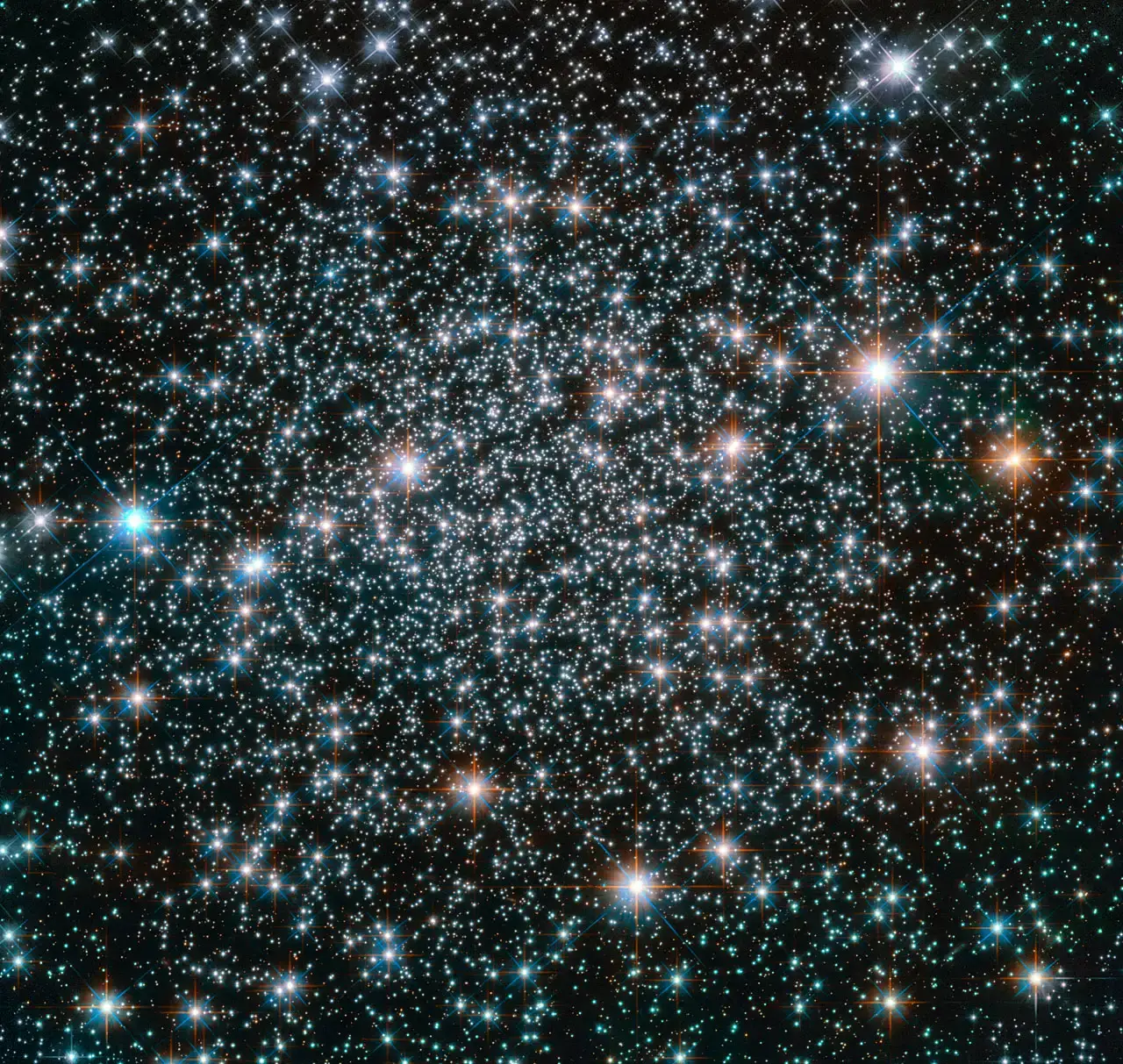
How do astronomers know these stars are truly that old? The answer lies in what they’re made of. The stellar trio each had an unusually low abundance of heavy metals such as iron, strontium and barium in its atmosphere, with one of the stars having around ten thousand times less iron than the sun.
These heavy metals are forged over eons in the heart of stars and dispersed by exploding dead stars, meaning this trio formed before most other stars had exploded. It’s like finding someone who’s never tasted chocolate because chocolate hadn’t been invented yet. Stellar winds and supernovae deposit metals into the surrounding environment over time, so older generations of stars formed in the metal-poor early Universe generally have lower metallicities than younger generations.
They’re Moving the Wrong Way
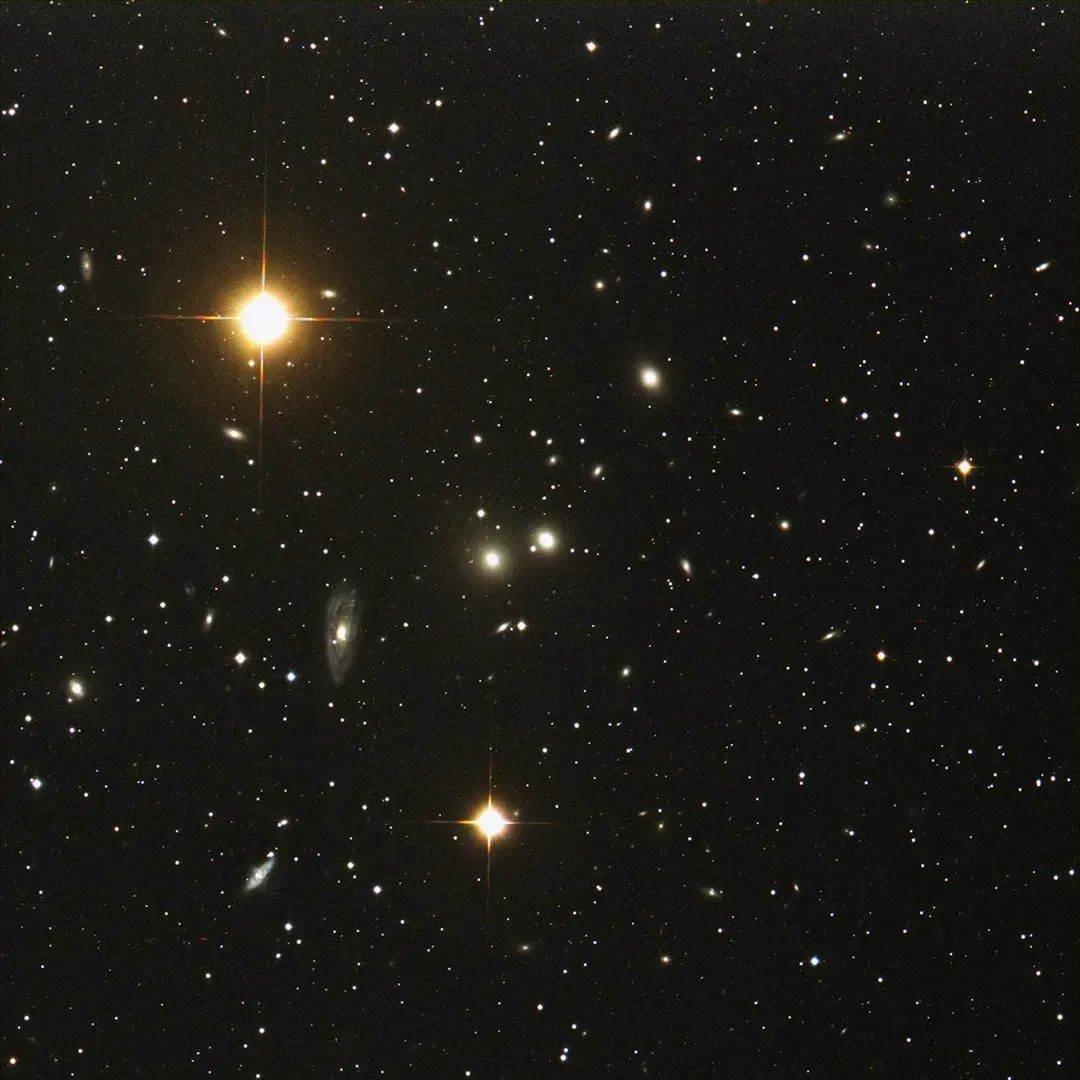
Chemical composition wasn’t the only giveaway. The students traced the orbital trajectories of the three stars and found that they all had a retrograde motion, meaning they are circling our galaxy’s supermassive black hole in the opposite direction from a majority of the other stars.
I think that’s one of those details that makes you stop and reconsider everything. Stars don’t just randomly decide to swim upstream. These stars did not originate in our galaxy but were instead stolen from the periphery of some of the universe’s oldest galaxies as the Milky Way brushed past them billions of years ago. The Milky Way basically pulled a cosmic heist, and we’re only now discovering the evidence.
The Galaxy That Ate Its Neighbors
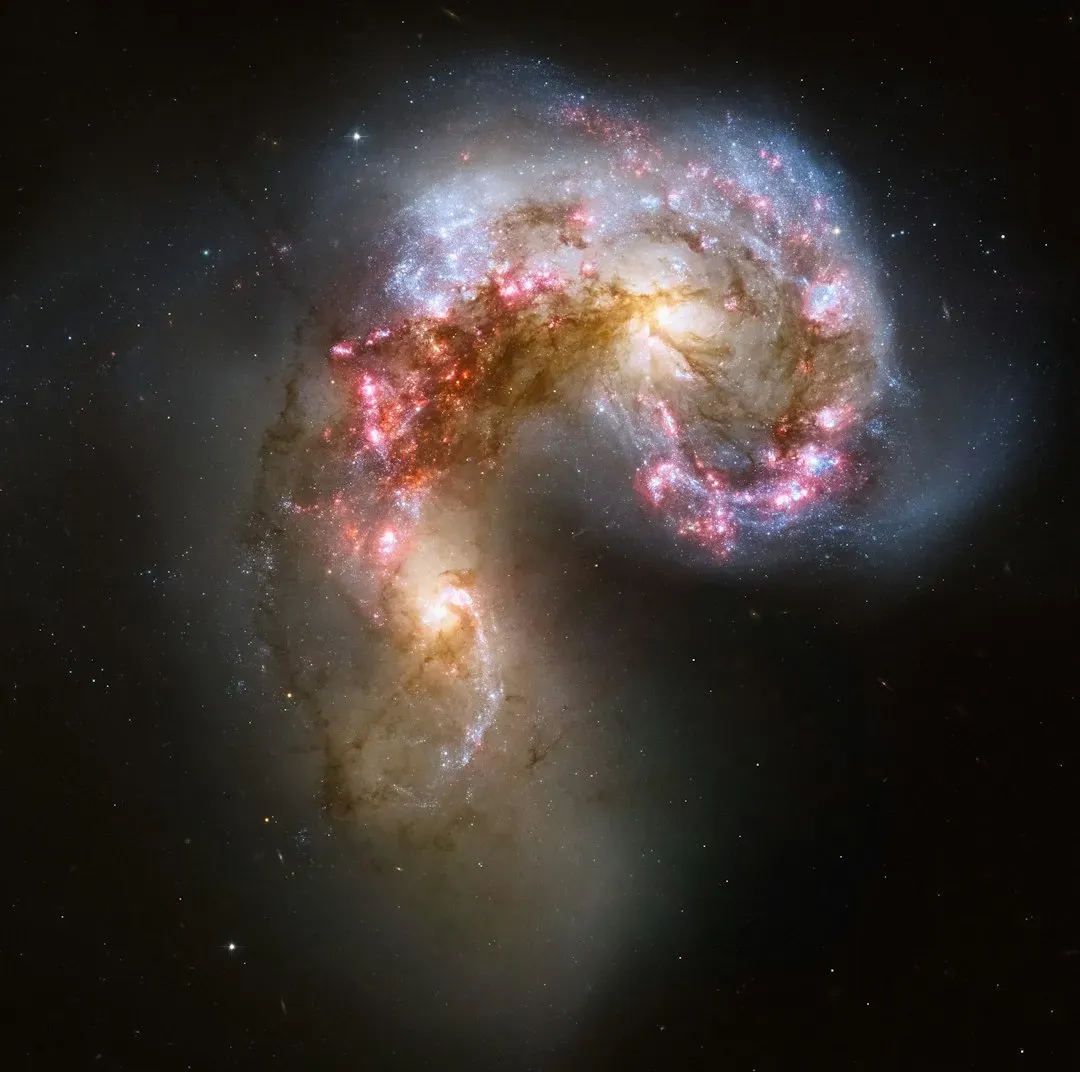
Every galaxy grows, and the Milky Way has done the same by eating smaller neighbors in a pretty cannibalistic process. This isn’t some gentle merging either. Our galaxy was once a proto-baby galaxy, just a bigger blob than the other blobs around it, and because of gravity, the Milky Way gobbled up all its smaller neighbors.
Astronomers discovered the oldest stars ever seen, dating from before the Milky Way Galaxy formed, with these pristine stars forming before the Milky Way, and the galaxy forming around them. That’s a wild thought. These stars didn’t join our galaxy. Our galaxy built itself around them, incorporating them into its structure like ancient foundation stones in a constantly expanding building.
Why Finding Them Matters
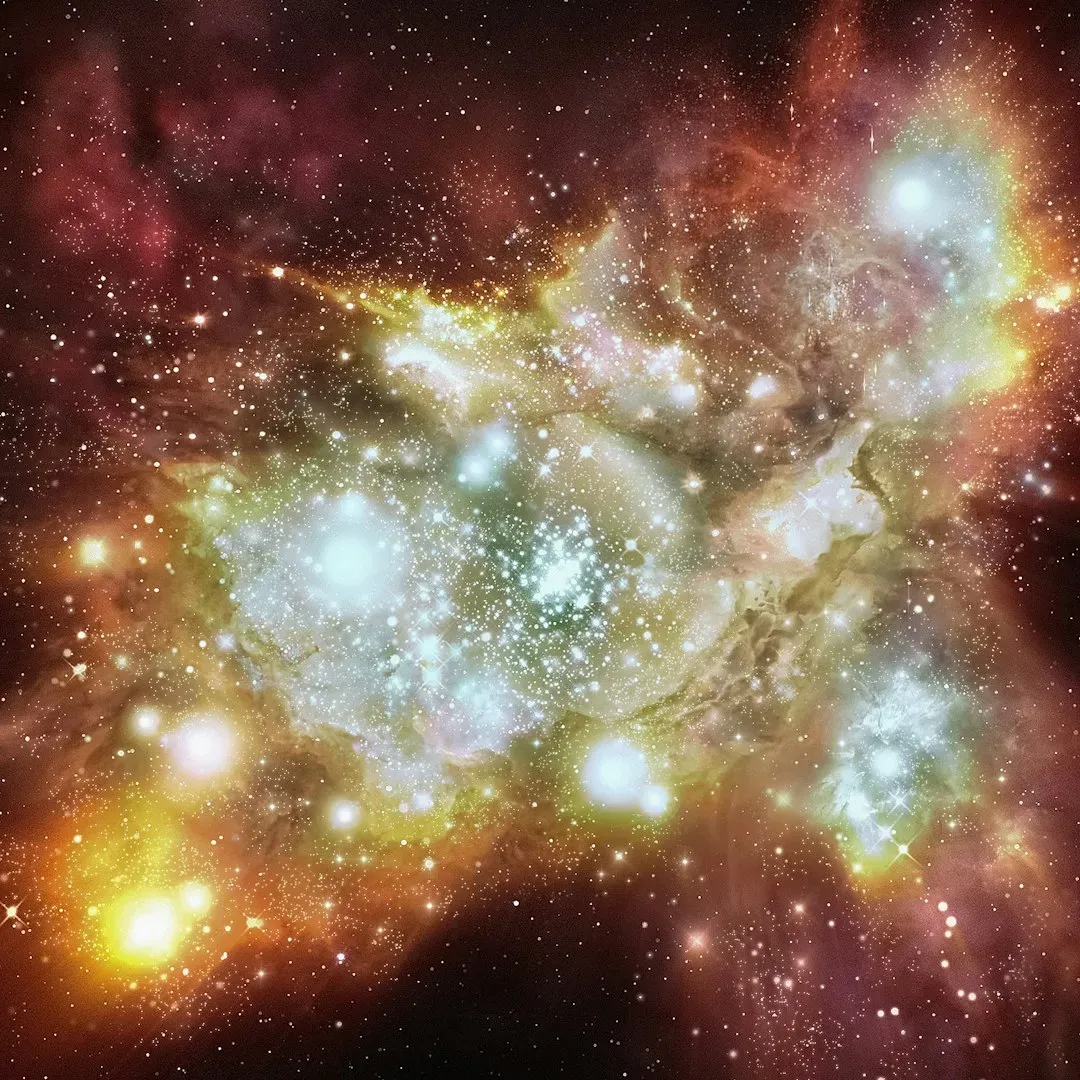
You might wonder why astronomers get so excited about a handful of old stars. Researchers hope to use them as analogs of ultrafaint dwarf galaxies, thought to be some of the universe’s surviving first galaxies. Such galaxies are still intact today but are too distant and faint for astronomers to study in depth, while SASS stars may have once belonged to similarly primitive dwarf galaxies but are in the Milky Way and as such much closer.
Knowing there are really old stars that formed in small systems absorbed by the Milky Way at very early times gives additional clues for how galaxy formation started. The chemical composition of these stars is exactly the same as the gas cloud from which they formed, allowing us to study the early phase of the universe by looking at old stars shining in our Milky Way today. It’s stellar archaeology at its finest.
A Universe That Enriched Itself
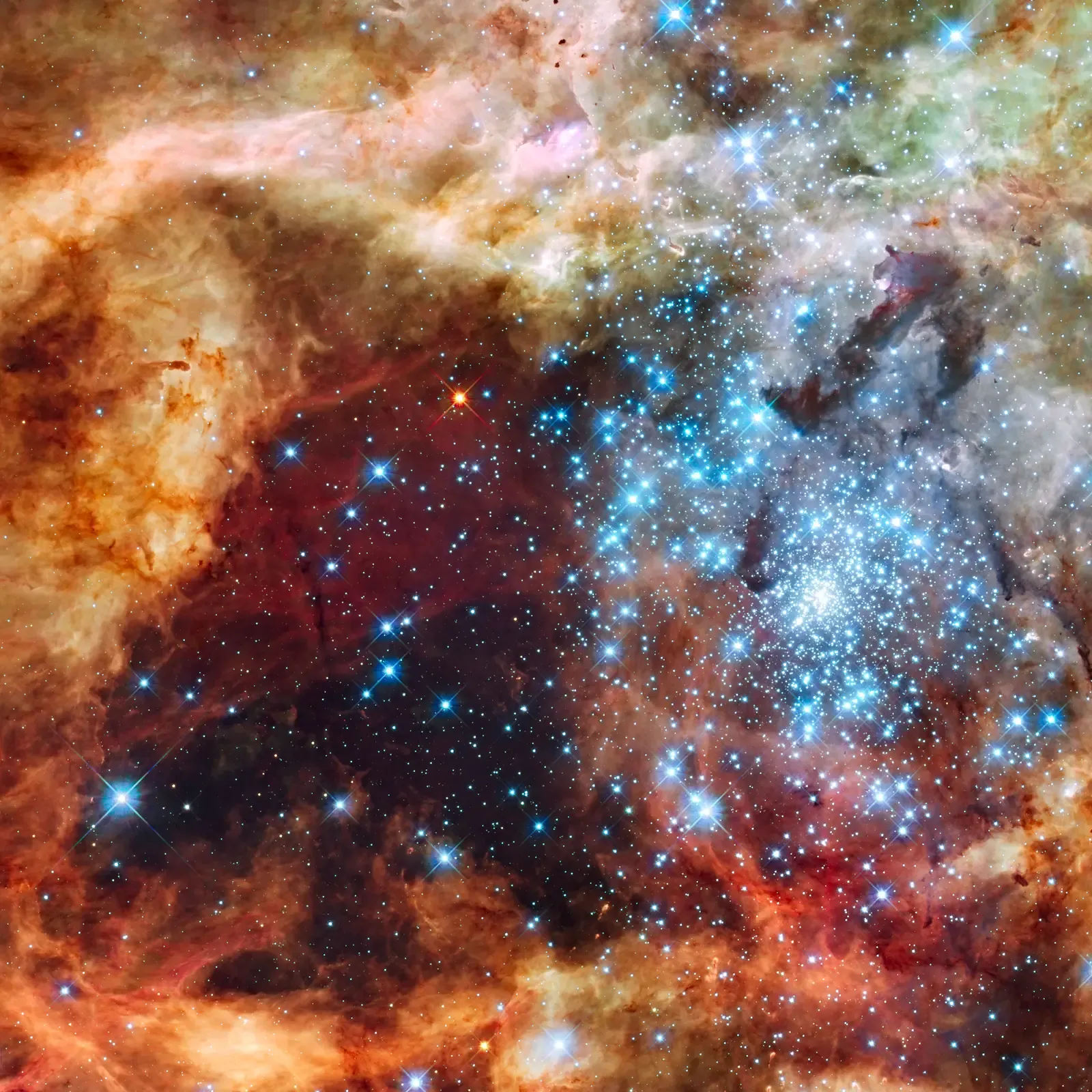
Stars are the way the Universe grows and evolves, powered by fusion where light elements fuse together to form heavier elements, and when they die, they explode in supernovae, flinging all the heavy elements into the surrounding neighborhood, instantly enriching the pristine primordial gas.
The first stars were the pioneers that changed the Universe from a dark, empty expanse to a bright, thriving ecosystem, but in doing so they enriched that primordial gas with those first heavy elements, meaning pristine stars could no longer form. Every atom of carbon in your body, every iron molecule in your blood, came from stars that lived and died before our sun even existed. We’re all made from recycled stardust, but these ancient stars represent the first draft of that cosmic recipe.
The Search Continues
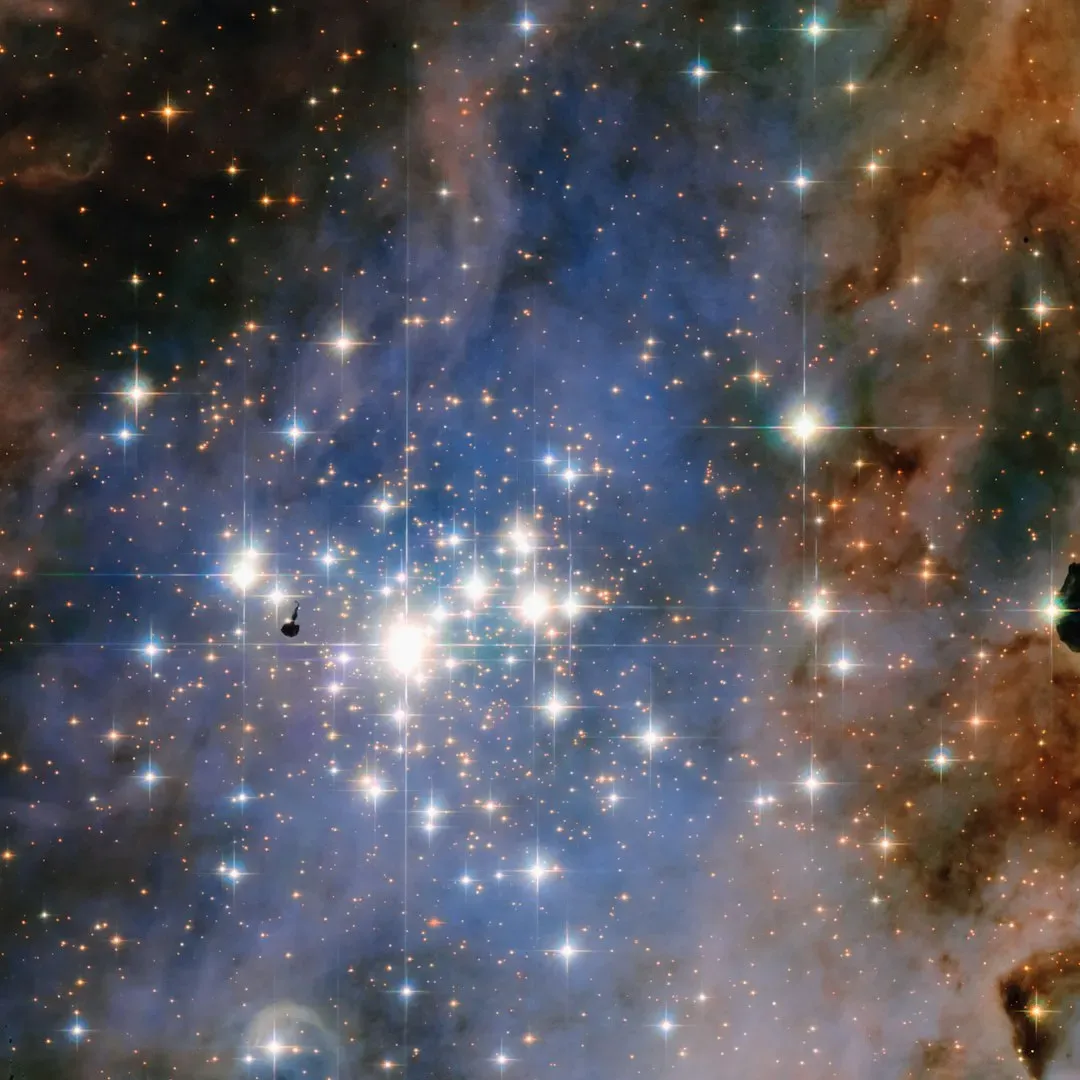
The team is eager to search out other ancient SASS stars with a relatively simple recipe: look for stars with low chemical abundances and track their orbital patterns for signs of retrograde motion, anticipating the method will turn up a small but significant number of the universe’s oldest stars among the more than 400 billion stars in the Milky Way.
In a brief follow-up exercise, researchers identified another 65 retrograde stars with similarly simple compositions, which will now be studied further to determine if they are also SASS stars. The hunt is far from over. Each discovery peels back another layer of cosmic history, revealing secrets about how everything began. I know it sounds crazy, but we’re literally looking at objects that remember when the universe was young.
What strikes me most about all this is the humbling realization of scale and time. These stars have been burning for billions of years, silent witnesses to the birth and death of countless other stars, the formation of planets, maybe even the rise and fall of civilizations we’ll never know about. They were already ancient when Earth formed. They watched our solar system coalesce from dust. What do you think it would be like to see the universe through their eyes, across all those eons?
Hi, I’m Andrew, and I come from India. Experienced content specialist with a passion for writing. My forte includes health and wellness, Travel, Animals, and Nature. A nature nomad, I am obsessed with mountains and love high-altitude trekking. I have been on several Himalayan treks in India including the Everest Base Camp in Nepal, a profound experience.