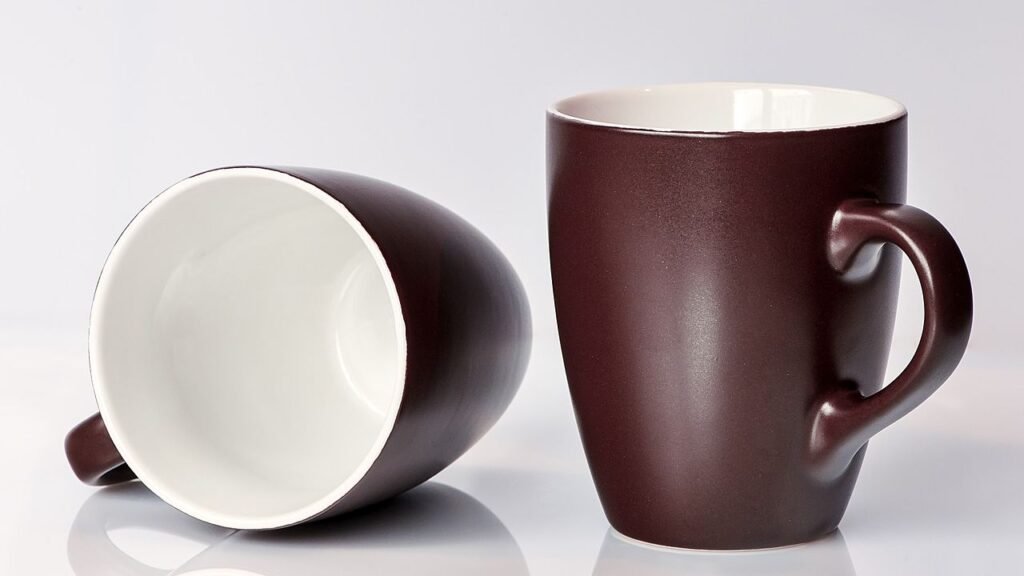

You probably walk past them, touch them, use them every single day without giving them a second thought. That old coffee mug on your desk. The rubber band holding your papers together. The glass window you stare through while daydreaming.
They’re just stuff, right? Ordinary materials doing ordinary things. Except here’s what most people don’t realize: these common household materials are secretly performing mind-bending scientific tricks that would make a physics professor grin like a kid at a science fair. The materials you’ve been taking for granted your whole life harbor bizarre properties that challenge our basic understanding of how matter behaves. So let’s dive in and discover what’s really happening beneath the surface.
Rubber Bands Aren’t Stretching the Way You Think
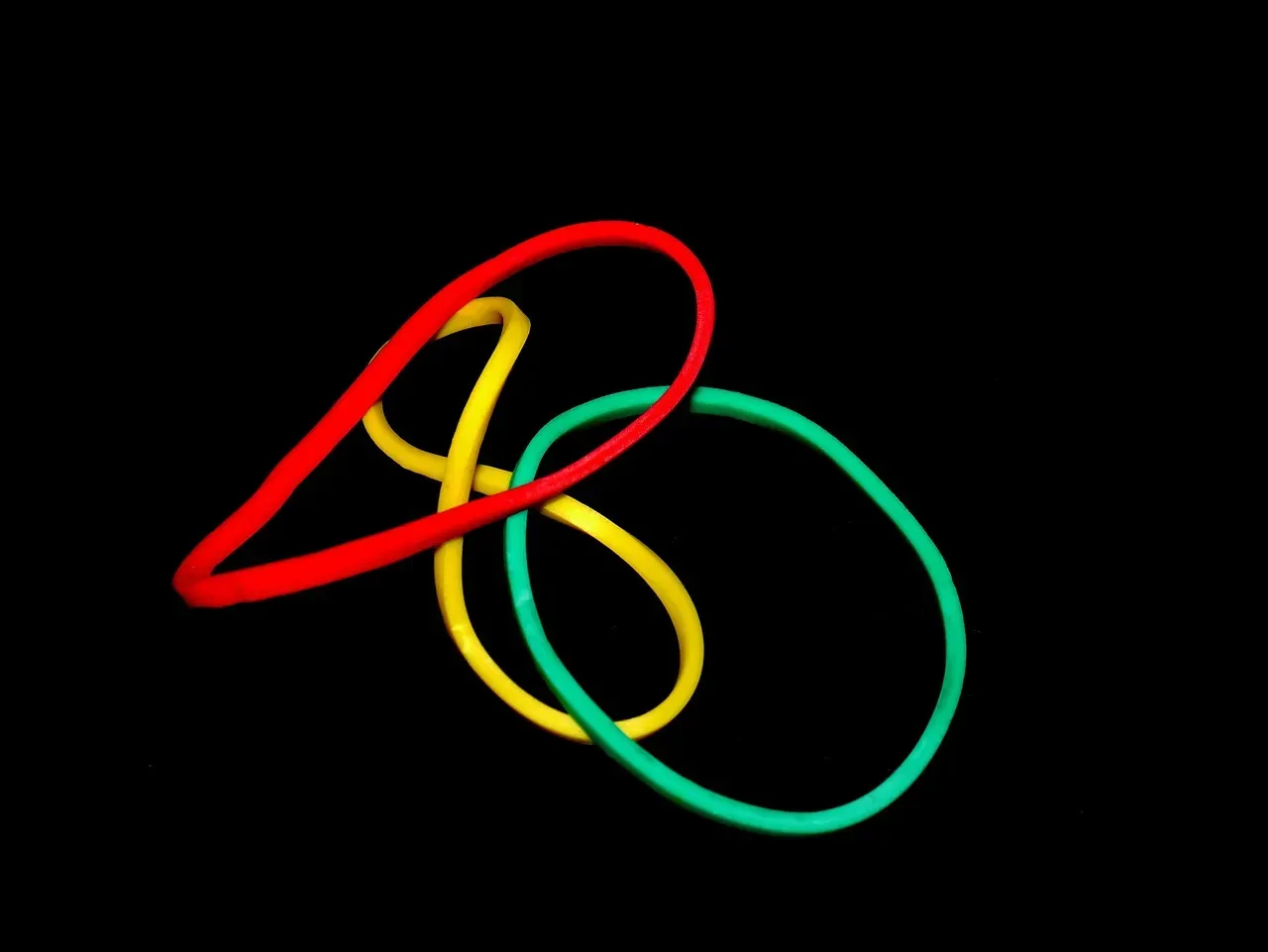
When you stretch a rubber band, you’re not just pulling it longer – you’re actually straightening out scrunched-up polymer molecules and pulling them apart, then cross-link bonds between the polymers snap them back into place. Think of it like a tangled chain necklace suddenly getting pulled taut. The molecules inside rubber exist in a naturally chaotic, coiled state, and when you release that band, those molecular springs literally want to return to their messy configuration.
What makes this absolutely fascinating is that rubber behaves completely opposite to most materials when heated. While metal expands with heat, a stretched rubber band contracts when warmed because the heat gives those tangled molecules more energy to wiggle back into their preferred chaotic arrangement. It’s like the material has a memory of messiness, and it will fight tooth and nail to return there.
Your Ceramic Mug Is Running Tiny Thermal Experiments Every Morning
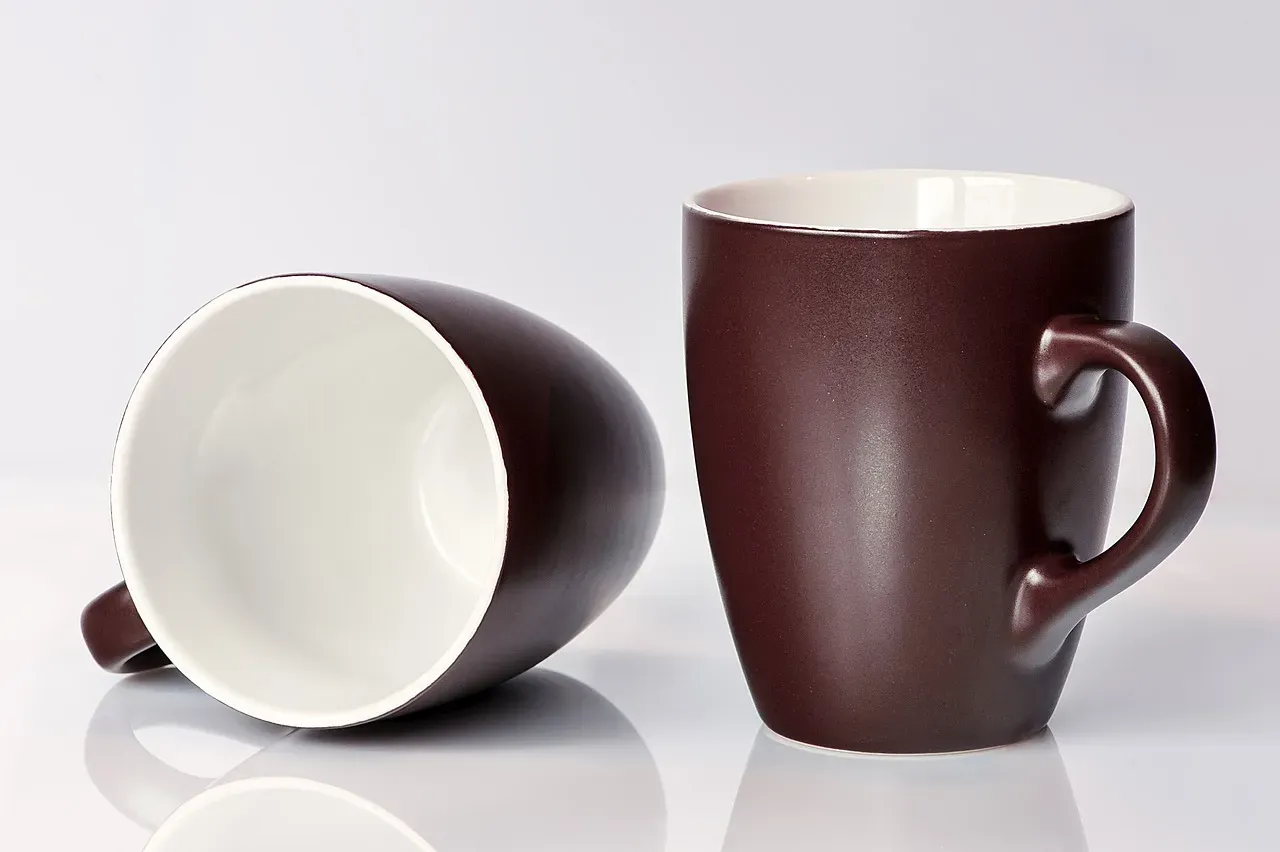
Every time you pour hot coffee into a ceramic mug, the ceramic walls act as a barrier, slowing down heat escape, while the mug itself expands slightly as the hot liquid warms it, then contracts again as it cools, cycling through tiny mechanical stresses over and over. Your mug is basically doing microscopic gymnastics with every sip you take. Those invisible expansions and contractions are accumulating stress deep within the material’s structure.
Eventually, if one area heats or cools faster than another, you might notice a hairline crack that suddenly spreads. That’s thermal shock in action – the ceramic couldn’t handle the stress differential anymore. Even the color matters: dark, matte mugs radiate heat differently than glossy, light-colored ones, subtly changing how fast your drink cools. Your morning coffee ritual is actually a masterclass in thermodynamics and material fatigue.
Glass Windows Are Frozen Liquids (Sort Of)

Glass occupies this weird scientific twilight zone between solid and liquid. While technically classified as an amorphous solid, its molecular structure more closely resembles a liquid that’s been frozen in time. The atoms in glass don’t arrange themselves in the neat, orderly crystal patterns you’d find in metals or minerals. Instead, they’re locked in a random, disordered configuration – like a snapshot of molecules mid-flow.
This is why old windows in historic buildings sometimes appear thicker at the bottom than the top, though scientists now debate whether that’s actually glass flowing over centuries or just irregular manufacturing from ye olde glassmaking days. Regardless, glass remains one of the most peculiar materials we use daily. Ordinary glass is far too weak and brittle to use on a phone, while toughened glass is too thick and heavy, which led to the development of Gorilla glass – light but tough glass that was strong enough to survive everyday knocks and scrapes.
Paper Clips Fatigue to Death When You Bend Them
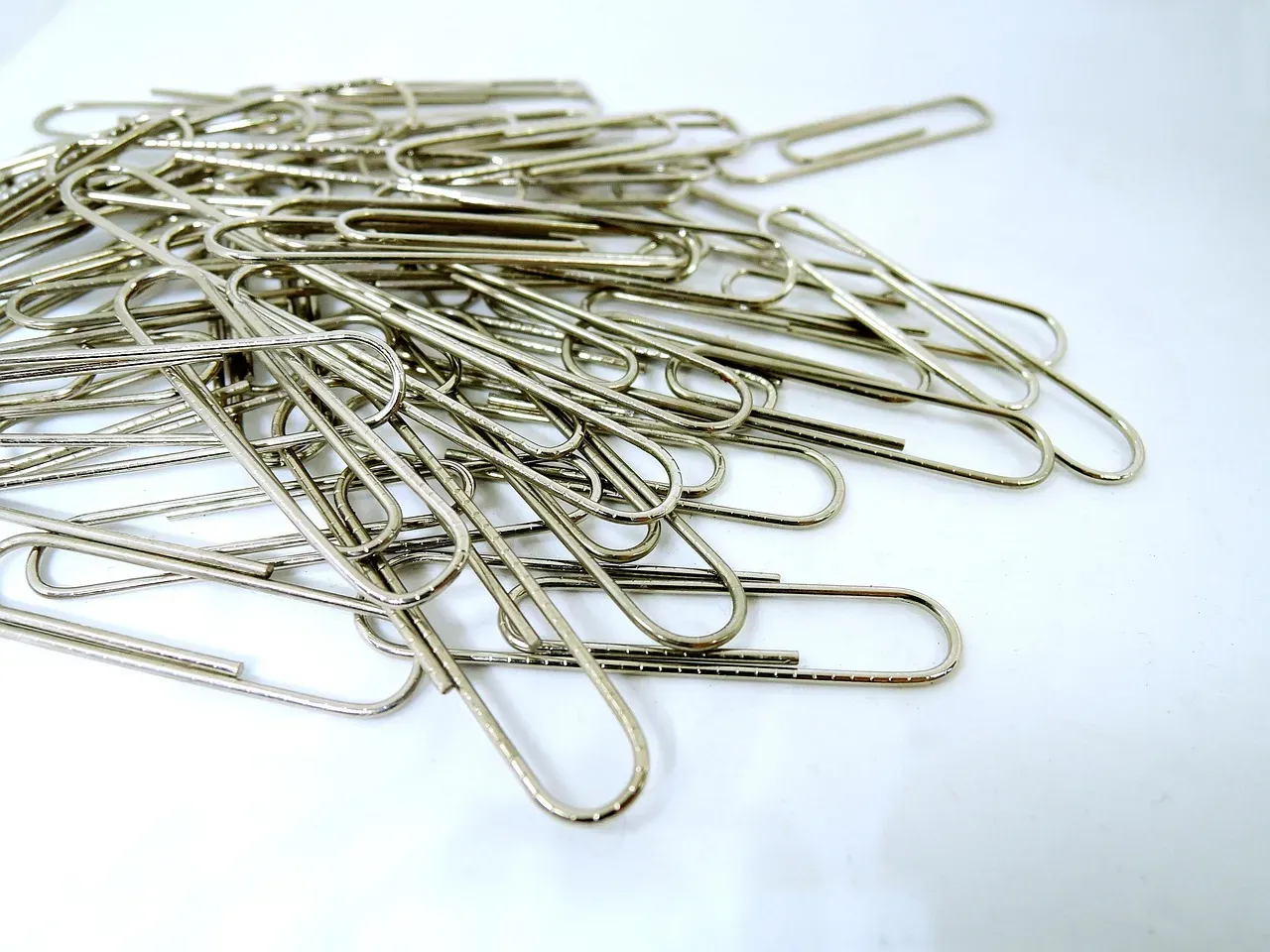
Ever bent a paper clip back and forth until it snaps? You’ve just witnessed metal fatigue in action. When you bend a paperclip first one way and then another, you’re subjecting it to giant deformations, and the repeated stresses and strains lead to metal fatigue, which happens when tiny cracks inside the metal gradually grow into bigger ones, until the whole thing snaps in half. Every bend creates microscopic damage at the molecular level.
These aren’t visible cracks at first – they’re submicroscopic fractures that propagate through the metal’s crystal structure with each flex. Airplane engineers obsess over metal fatigue because it’s the same principle that could cause catastrophic failures in aircraft components. That humble paper clip on your desk is teaching you about one of the most dangerous phenomena in materials science.
Kitchen Sponges Are Engineered Water-Sucking Labyrinths
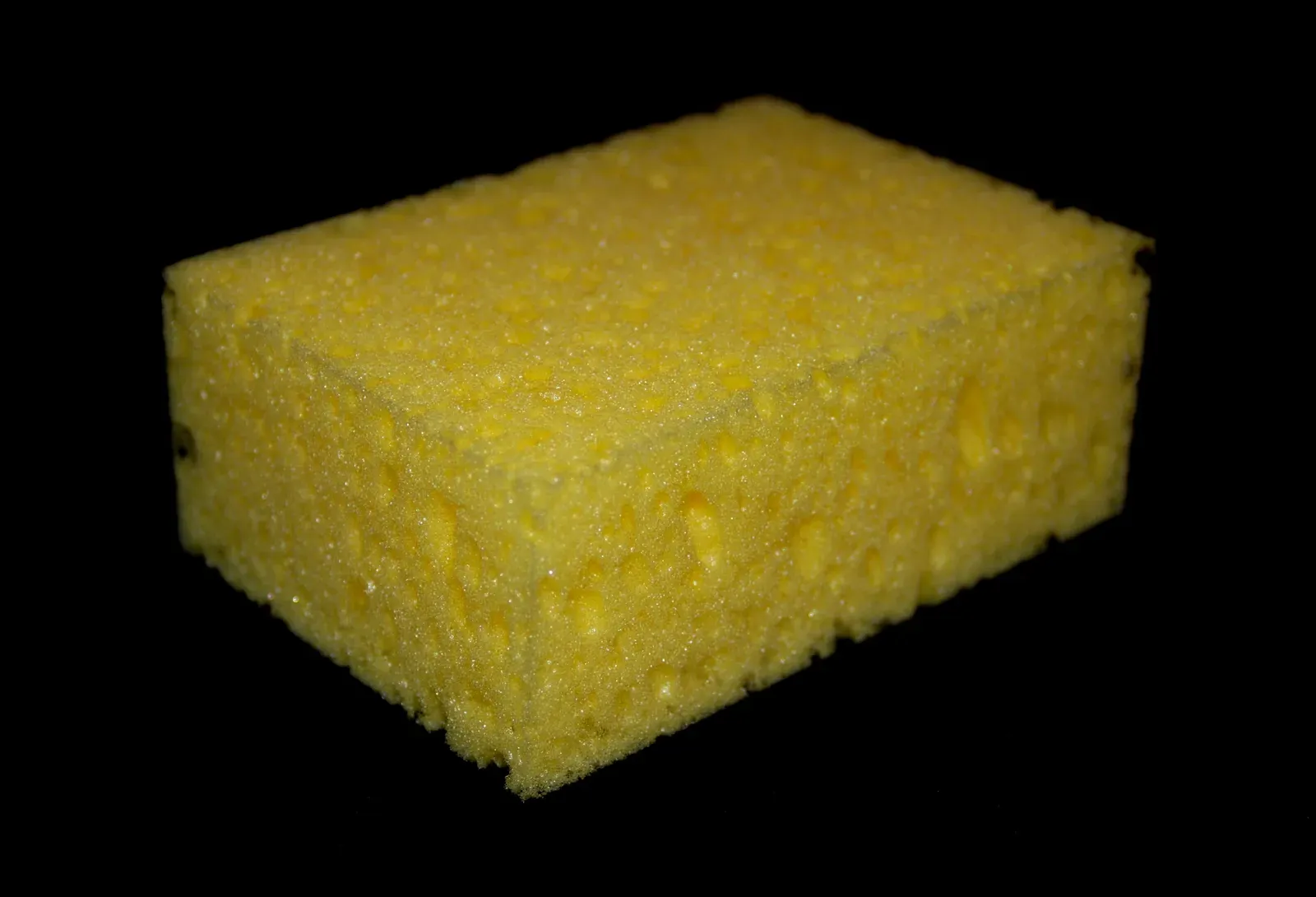
A kitchen sponge looks like random foam, but its structure is actually a carefully engineered network of pores and channels, where gas bubbles are trapped in the material during manufacturing and then solidified, leaving behind a three-dimensional maze that can suck up water through capillary action. It’s not chaos – it’s deliberate scientific design. The size, shape, and interconnectedness of those pores determine how much water the sponge can hold and how quickly it releases that water when squeezed.
Capillary action is the same force that allows plants to draw water from their roots to their leaves, defying gravity in the process. Your sponge is basically mimicking plant biology every time you wipe down your countertop. The porous structure also provides massive surface area for bacteria to colonize, which is why microbiologists recommend replacing kitchen sponges more often than most people do.
Brass Doorknobs Actually Fight Bacteria

Brass doorknobs were popular because brass is a little more resistant to bacteria build-up than other materials. This isn’t just about being easy to clean – brass and copper alloys have what’s called oligodynamic properties, meaning they’re naturally toxic to bacteria, viruses, and fungi. The metal ions interfere with bacterial cell membranes and DNA, essentially killing microbes on contact.
Studies have shown that harmful bacteria like E. coli and MRSA die within hours on brass surfaces, whereas they can survive for days on stainless steel or plastic. So those old-fashioned brass fixtures in historic buildings weren’t just decorative choices – they were inadvertently serving as a first line of defense against disease transmission. Modern hospitals are actually rediscovering this ancient wisdom and reintroducing copper-alloy surfaces in high-touch areas.
Velcro Mimics Nature’s Hooks With Microscopic Precision
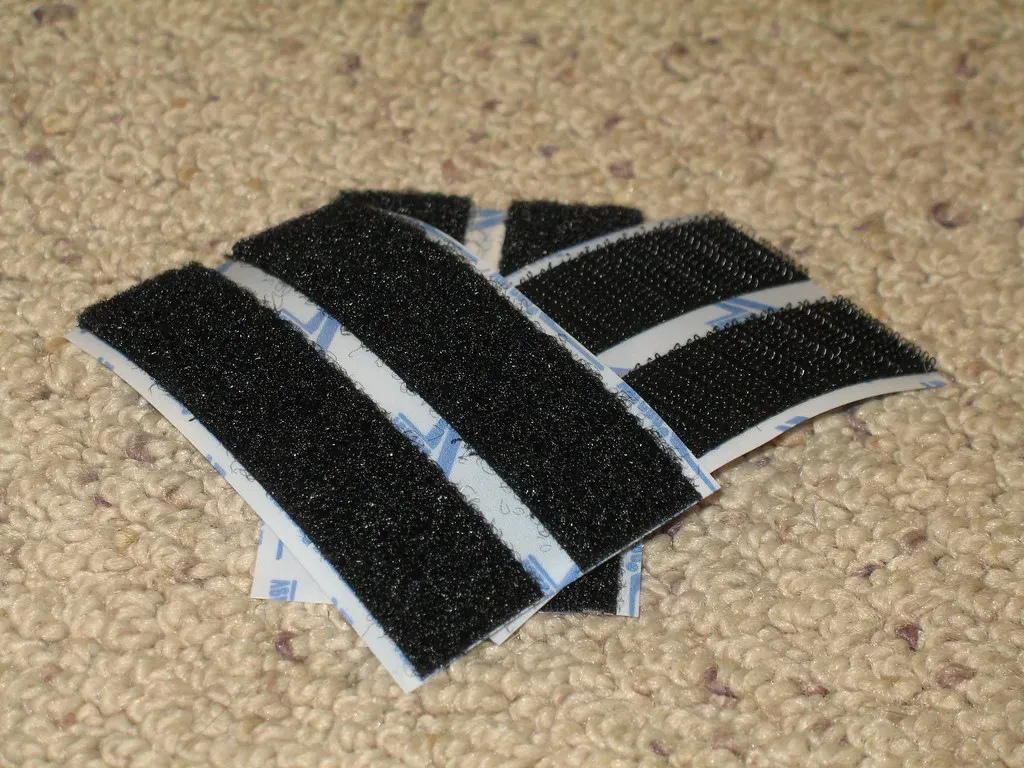
When you press Velcro together, the hooks dive into the loops and snag, creating a surprisingly strong bond, and what’s clever is how easily the system can be undone: when you peel the two sides apart, you’re not breaking chemical bonds but simply bending hooks out of loops with a controlled level of force, and the sound you hear is millions of microscopic connections releasing in rapid succession.
The inventor, George de Mestral, got the idea from burrs sticking to his dog’s fur after a walk in the woods. What he created was a biomimetic fastening system that relies purely on mechanical geometry rather than adhesives or magnets. The reliability comes from tuning the size, stiffness, and density of both hooks and loops – all driven by basic mechanics and biological inspiration. Each square inch of Velcro contains thousands of tiny hooks, meaning every closure is actually thousands of individual mechanical connections working in concert.
Ballpoint Pens Control Ink Through Fluid Dynamics Magic
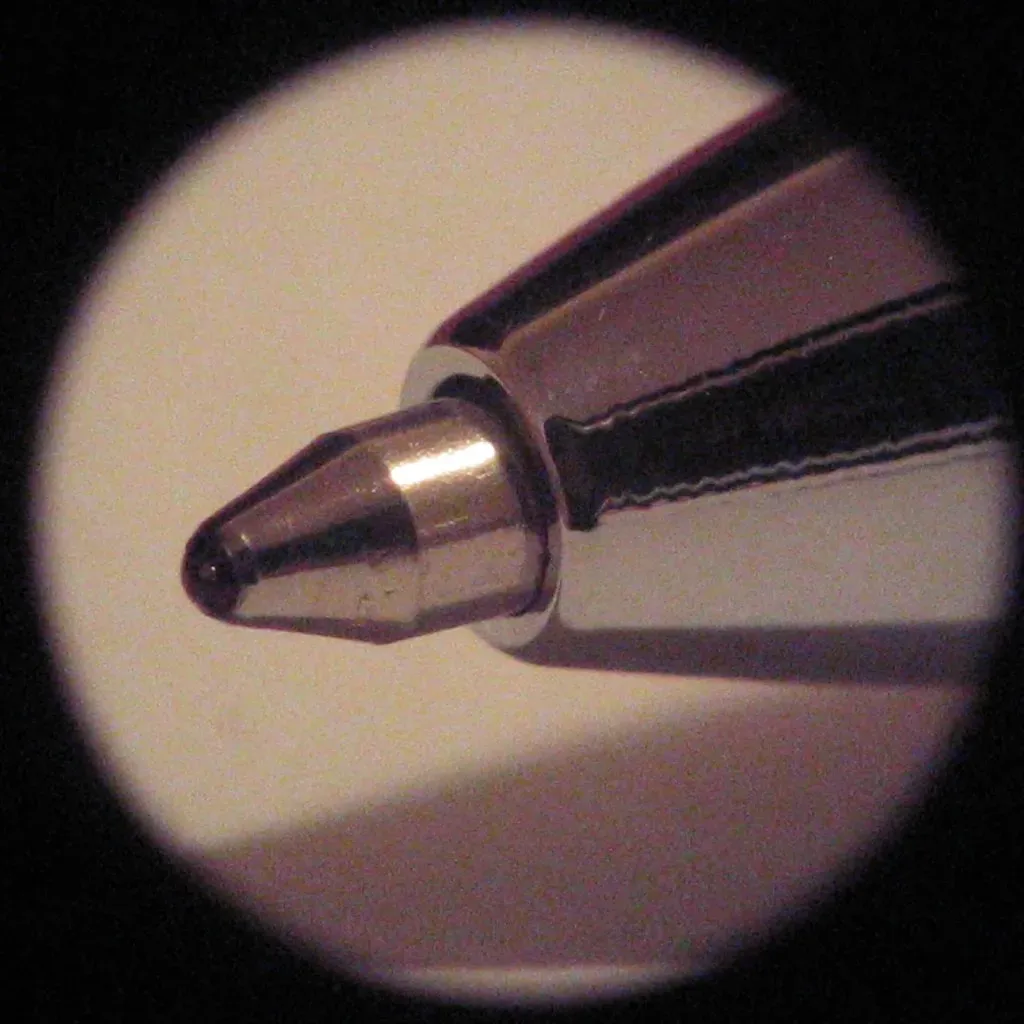
The ballpoint pen turned messy ink into controlled, portable technology by turning fluid dynamics into hardware, where a tiny metal ball sits in a socket, free to spin as you move the pen across paper, and ink is held back in the reservoir by surface tension and viscosity, only flowing into the narrow gap around the ball when motion and contact with the writing surface disturb the balance.
Before ballpoint pens, fountain pens leaked constantly and required regular refilling. The ballpoint’s genius lies in its exploitation of surface tension – the same phenomenon that allows water striders to walk on water. The ink inside the pen wants to stay in a blob due to molecular cohesion, but when that ball rotates against paper, it breaks the surface tension just enough to transfer a controlled amount of ink. It’s a constantly self-regulating system that happens to fit in your pocket.
Aluminum Foil Has a Shiny Side and a Dull Side for a Reason
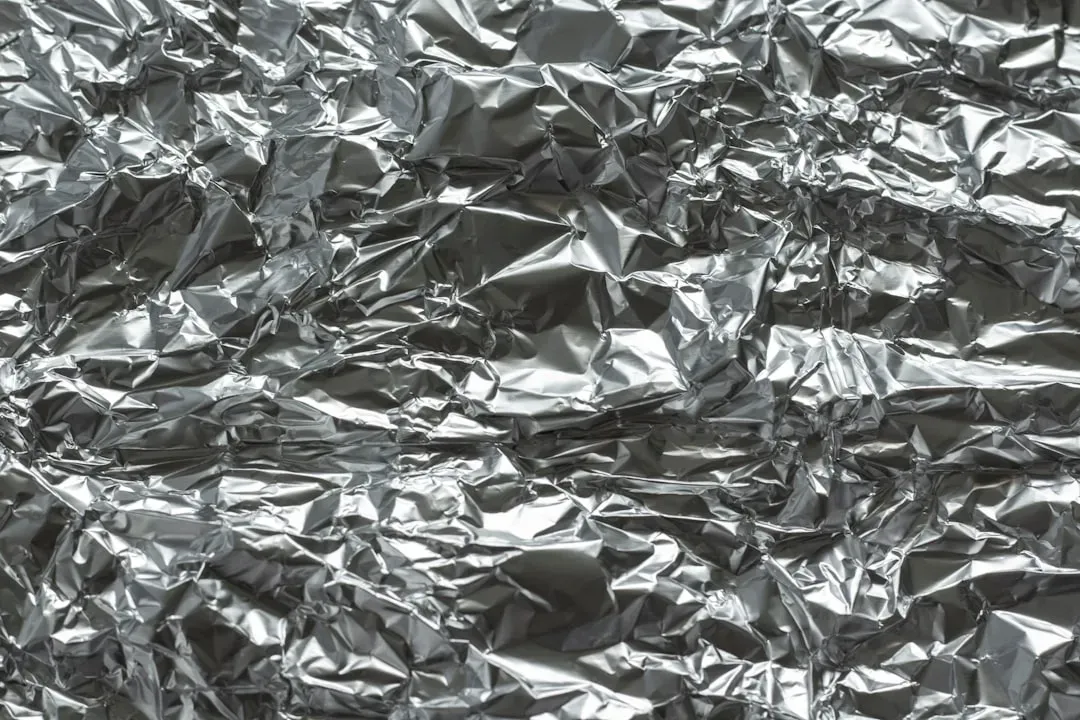
Ever noticed that aluminum foil has one shiny side and one dull side? That’s not a manufacturing mistake – it’s an inevitable result of how the foil is made. During the final rolling process, two sheets of aluminum are pressed together and rolled simultaneously. The sides that touch the polishing rollers become shiny, while the sides that touch each other come out with a matte finish.
Here’s the thing: scientifically, it makes almost no difference which side you use for cooking or wrapping food. Both sides have virtually identical heat reflection and conduction properties. The shiny side reflects only marginally more radiant heat than the dull side – a difference so small it won’t affect your baked potatoes. Yet people have strong opinions about which side should face outward, demonstrating how even insignificant material properties can take on mythical importance in everyday life.
Window Screen Mesh Stops Bugs Using Pure Geometry

Window screens seem simple, right? Just woven fabric with holes. Yet they represent a brilliant application of geometric exclusion. The mesh openings are sized precisely to allow air molecules and light to pass through freely while blocking insects, whose body dimensions exceed the hole diameter. It’s a purely physical barrier – no chemicals, no electricity, just size-based filtering.
What’s remarkable is the balance involved: make the holes too small and you restrict airflow, making the room stuffy. Make them too large and bugs get through. Modern screens also incorporate considerations for strength, UV resistance, and visibility. Some premium screens use smaller mesh to keep out even tiny insects like no-see-ums, while solar screens reflect heat using metallic coatings. That ordinary window screen is actually a sophisticated multi-functional membrane that’s performing several engineering tasks simultaneously.
Conclusion: The Hidden Science All Around You

The materials surrounding you are far stranger and more sophisticated than they appear at first glance. Every object in your home is the product of centuries of materials science innovation, whether the inventors knew it or not. From rubber bands remembering their molecular chaos to brass doorknobs quietly killing bacteria, these everyday materials are performing impressive scientific feats without fanfare or recognition.
Next time you grab that coffee mug or snap that rubber band, take a moment to appreciate the hidden complexity. The ordinary is actually extraordinary – we’ve just gotten used to its presence. What other materials in your home might be harboring secret scientific superpowers? Take a closer look and you might be surprised.