
Have you ever wondered if your beliefs could actually change what’s happening inside your body? It’s an idea that sounds like something out of a science fiction novel. Yet there’s solid evidence showing that your expectations, your mindset, and even the ritual of taking medicine can trigger measurable physical responses.
The placebo effect isn’t just about feeling better in your head. We’re talking about real physiological changes that researchers can observe using brain scans and biological markers. It’s hard to say for sure exactly how powerful these responses can become, but what science has uncovered so far is genuinely remarkable.
Your Brain Can Release Its Own Pharmacy
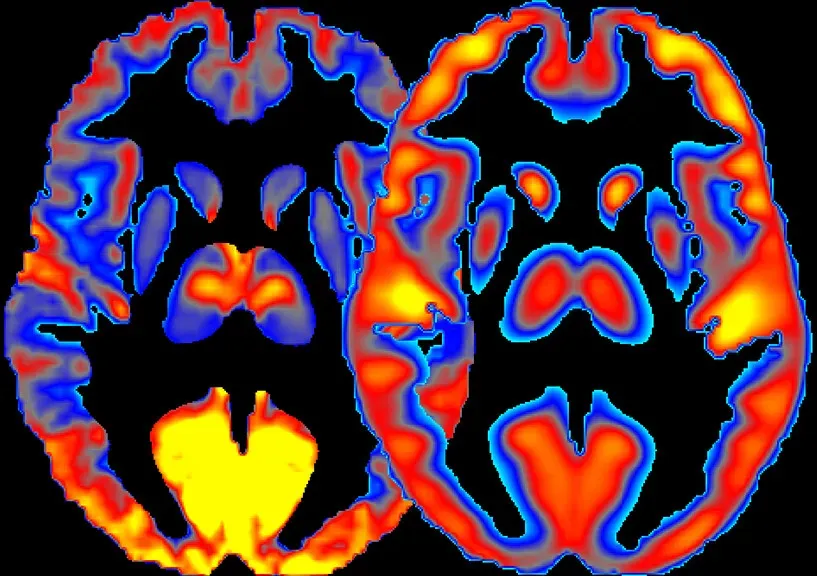
When you believe you’re receiving effective treatment, your brain doesn’t just sit there passively. It involves a complex neurobiological reaction that includes increases in feel-good neurotransmitters, like endorphins and dopamine. Think about that for a moment. Your brain is essentially manufacturing its own painkillers and mood enhancers based purely on what you expect to happen.
Emerging neuroscience evidence implicates multiple brain systems and neurochemical mediators, including opioids and dopamine. This isn’t some vague psychological phenomenon anymore. Scientists have identified specific chemicals flooding your system when placebo treatments are administered. Let’s be real, the idea that your thoughts can trigger the same biochemical cascades as actual drugs is pretty mind-blowing.
The Ritual of Healing Matters More Than You Think

Here’s the thing about placebos that most people don’t realize. The entire environmental and ritual factor is at work when you go to a clinic at certain times and are examined by medical professionals in white coats, receiving exotic pills and undergoing procedures, which can have a profound impact on how the body perceives symptoms. The setting itself becomes part of the treatment.
I think we underestimate how much context shapes our healing. The external context includes treatment, place and social cues along with verbal suggestions, while the internal context consists of memories, emotions, expectancies and appraisals of the meaning of the context for future survival and well-being. Everything from the doctor’s tone to the color of the pills contributes to whether your body decides to activate its self-healing mechanisms.
Even Knowing It’s Fake Can Still Work
This part genuinely surprised researchers when they first discovered it. You’d think that once someone knows they’re taking a sugar pill, the magic would disappear. A study explored how people reacted to migraine pain medication, and the placebo was fifty percent as effective as the real drug to reduce pain after a migraine attack, even when people knew exactly what they were taking.
Emerging research suggests that even when people know they are receiving a placebo, the inactive treatment still has effects on the brain and reported levels of improvement. Honestly, this challenges everything we thought we knew about how belief works. The simple act of engaging in treatment, the ritual itself, seems to hold power independent of deception.
Specific Brain Regions Light Up During Placebo Responses
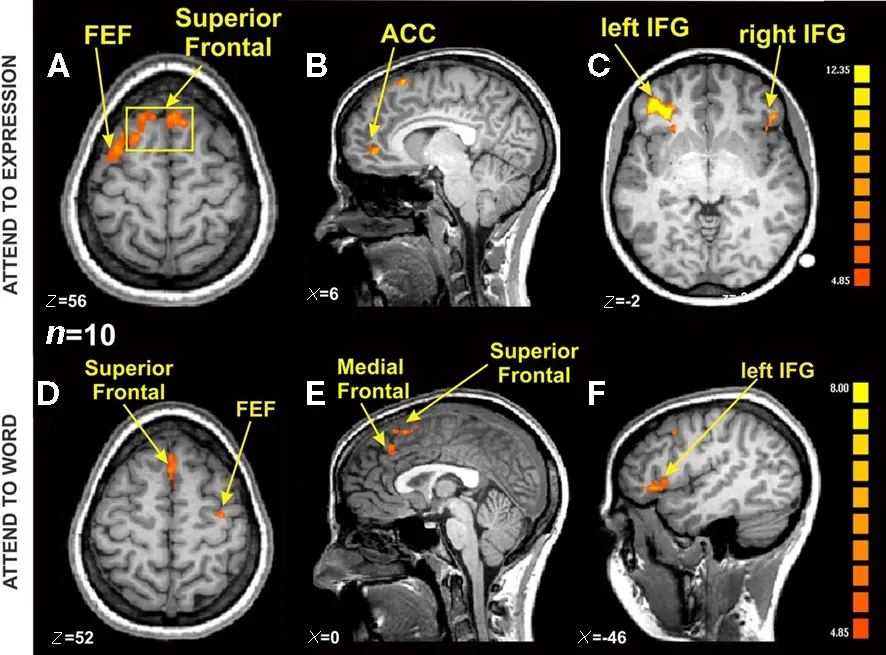
Modern brain imaging technology has allowed scientists to peek inside and see what’s actually happening. A specific neural circuit involving the rostral anterior cingulate cortex, pontine nucleus, and cerebellum was identified that reduced pain perception through enhanced neuronal excitability and synaptic plasticity, with the rACC playing a pivotal role. These aren’t abstract concepts anymore.
Brain regions including anterior cingulate cortex, dorsolateral prefrontal cortex and basal ganglia have been activated following administration of placebo. Scientists can literally watch certain areas of your brain become more active when you believe you’re getting effective treatment. The connection between expectation and physical response has left the realm of speculation and entered hard neuroscience.
Pain Isn’t the Only Thing Your Mind Can Control

While pain management gets most of the attention in placebo research, the effects reach much further. Placebos have been shown to be most effective for conditions like pain management, stress-related insomnia, and cancer treatment side effects like fatigue and nausea. That’s a surprisingly broad range of symptoms responding to essentially nothing but belief and context.
Placebo responses can significantly improve symptoms in different conditions, such as pain, Parkinson’s disease, depression, anxiety, and addiction. Studies using positron emission tomography found that placebo-induced expectation of motor improvement activates endogenous dopamine in the striatum of parkinsonian patients. Movement disorders, mental health conditions, and digestive problems all seem vulnerable to the mind’s influence over the body.
You Might Be Able to Train Yourself to Activate This Power

New research is exploring whether people can deliberately trigger placebo-like responses without any external treatment. Scientists propose a framework to investigate the potential for individuals to self-induce placebo effects through conscious and deliberate psychological mechanisms, such as mental imagery, somatic focusing, and perceived control. This could represent a fundamental shift in how we think about healing.
Increasing activity in a deep-brain region can boost the immune system’s response to vaccines, and people can be trained to do it themselves using brain scans and positive thinking, with participants encouraged to try different mental strategies such as thinking of a positive memory or focusing on their body. The possibility that you could learn to consciously harness your brain’s pharmacy without pills or procedures opens up fascinating possibilities for the future of medicine.
The Ethical Questions Keep Getting Trickier
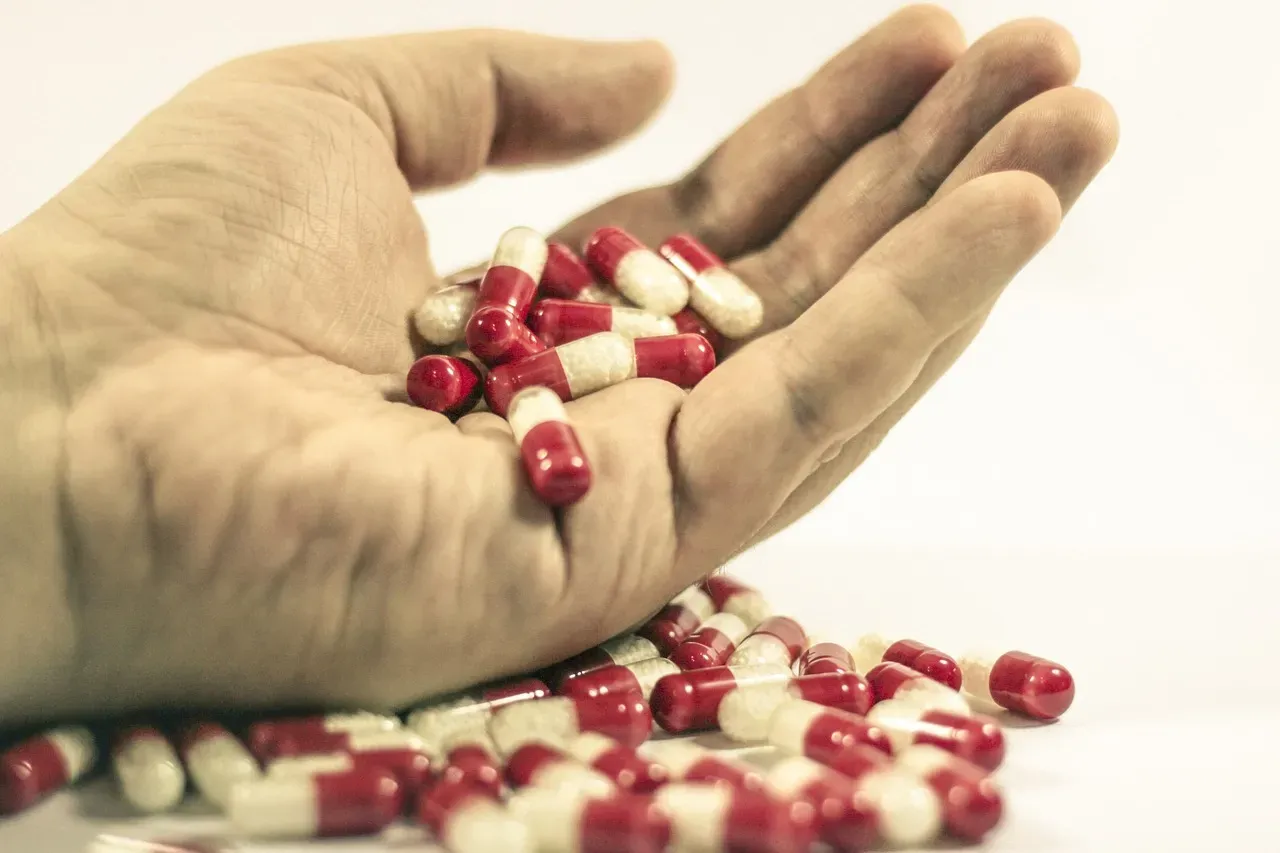
All this knowledge creates complicated situations for doctors and researchers. The placebo effect comes with ethical challenges, especially when it involves deception. How do you use something that seems to require belief without lying to patients? It’s a genuine dilemma that medicine is still wrestling with.
Evidence regarding placebo mechanisms generated from robust research studies should be utilized in clinical practice as an add-on to the available standard of care so that maximum treatment efficacy can be achieved with minimum risk to patients and other possible ethical and medicolegal litigations. The goal isn’t to replace real medicine with sugar pills. Rather, it’s about understanding how to amplify the effectiveness of legitimate treatments by optimizing the psychological and contextual factors that make healing more likely. The line between ethical enhancement and deceptive practice remains something we’re still figuring out together.
Conclusion

The study of the placebo effect is fundamentally about how the context of beliefs and values shape brain processes related to perception and emotion and ultimately mental and physical health, with subjective constructs such as expectation and value having identifiable physiological bases that are powerful modulators of basic perceptual, motor, and internal homeostatic processes.
The placebo effect reveals something profound about being human. Your brain isn’t just a passive observer of your body’s condition. It’s an active participant in your healing, capable of releasing powerful chemicals and altering the function of entire neural networks based on what you believe is happening. The boundaries between mind and body turn out to be far more porous than we ever imagined. What other capabilities might be hiding inside you, waiting for the right conditions to emerge? The research continues, but one thing seems certain: you’re more powerful than you think.