

If you looked around the room you’re in right now, you’d probably see a handful of things you barely notice anymore: a mug, a zipper, a light switch, your phone charger. They all feel boringly familiar, almost invisible. But behind some of the most ordinary objects in your daily routine are wild backstories involving war, accidents, failed inventions, and pure stubbornness that borders on obsession.
I still remember the first time I learned that a common office supply on my desk was once considered a serious threat to public morality, and it completely changed the way I look at small things. When you dig into the history, everyday objects become tiny time capsules of human struggle, genius, and luck. Let’s pull back the curtain on a few of them – you might never see your pockets, your kitchen, or your bathroom the same way again.
The Zipper: A Frustrating Invention That Took Decades To Catch On
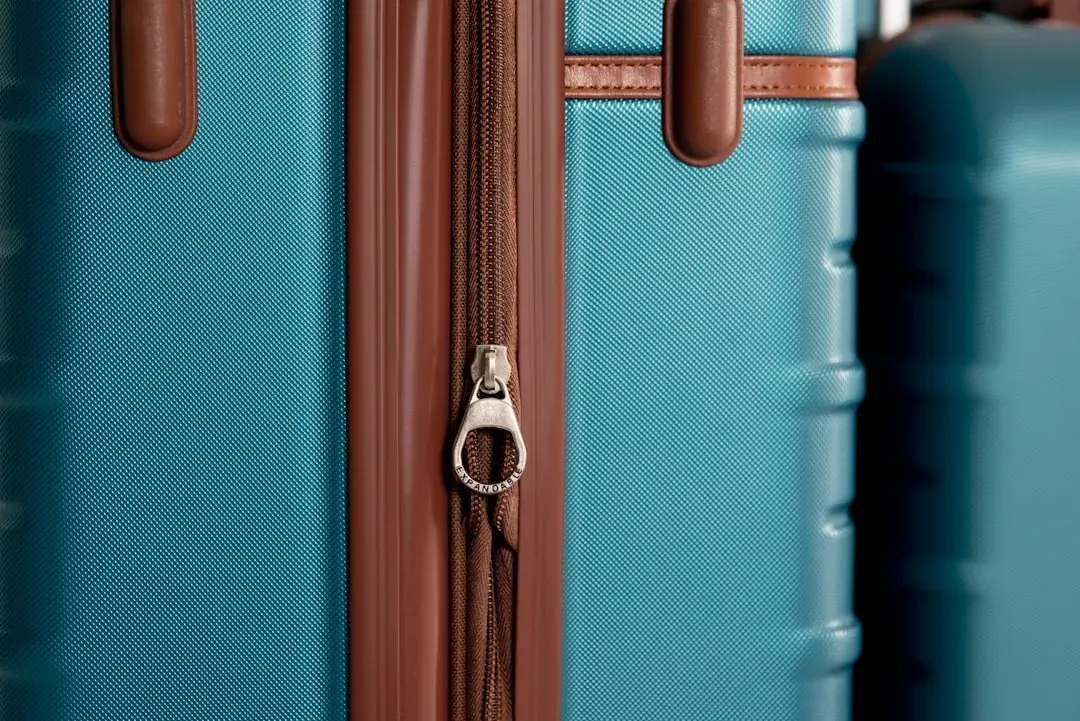
Imagine inventing something as useful as the zipper and then spending years watching the world basically shrug at it. The earliest version of the zipper appeared in the late nineteenth century as a clunky “clasp locker” for boots and tobacco pouches, and it was such a hassle to use that nobody really cared. It took years of redesigns, small tweaks, and humiliating failures before it even started to resemble the smooth, satisfying zip we know today.
The real turning point came only when manufacturers started using zippers on men’s trousers and children’s clothing, selling convenience and speed instead of fancy engineering. Suddenly, this weird, fiddly gadget became the quiet hero of morning routines everywhere. It’s funny to think that something we now casually break and curse over was once a radical idea that fashion houses and consumers resisted for ages. Next time your zipper jams, it’s almost like you’re arguing with more than a century of stubborn design history.
Tea Bags: Born From a Packaging Mistake
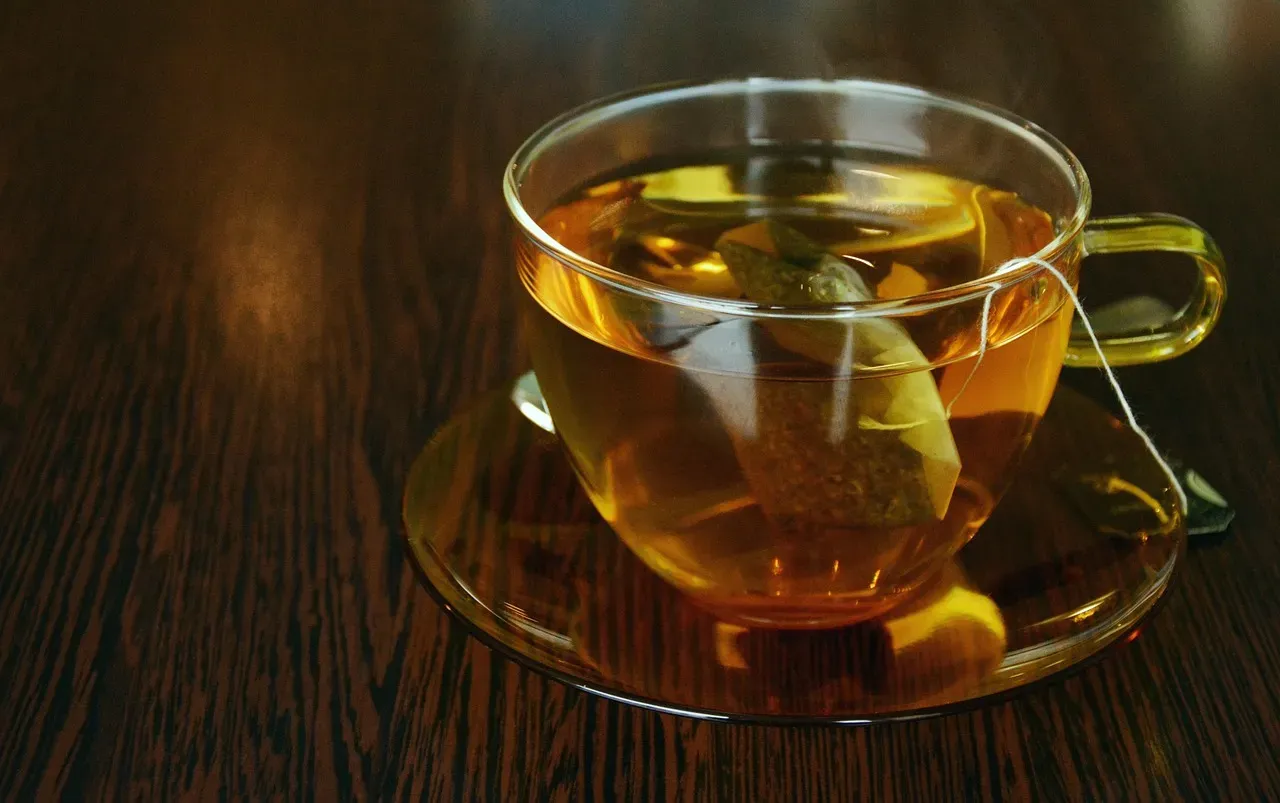
Tea bags feel like the result of careful planning, but their origin story is closer to an accidental life hack than a masterplan. In the early twentieth century, a New York tea merchant started sending out small samples of tea in silk or gauze bags, probably expecting people to empty the leaves into a pot. Instead, many customers just dunked the entire little bag straight into hot water because it was easier and made less mess.
That simple act turned into a quiet revolution in how people made tea, especially in countries that wanted speed and convenience over ceremony. Over time, manufacturers replaced silk with cheaper materials like paper, and tea bags became the go-to method in much of the world. Purists still swear loose-leaf tastes better, but it’s hard to argue with the appeal of tossing a small paper pouch into a mug at midnight. One careless assumption about how people would use packaging ended up reshaping one of the world’s oldest drinks.
Paperclips: From Desk Tool To Symbol Of Resistance
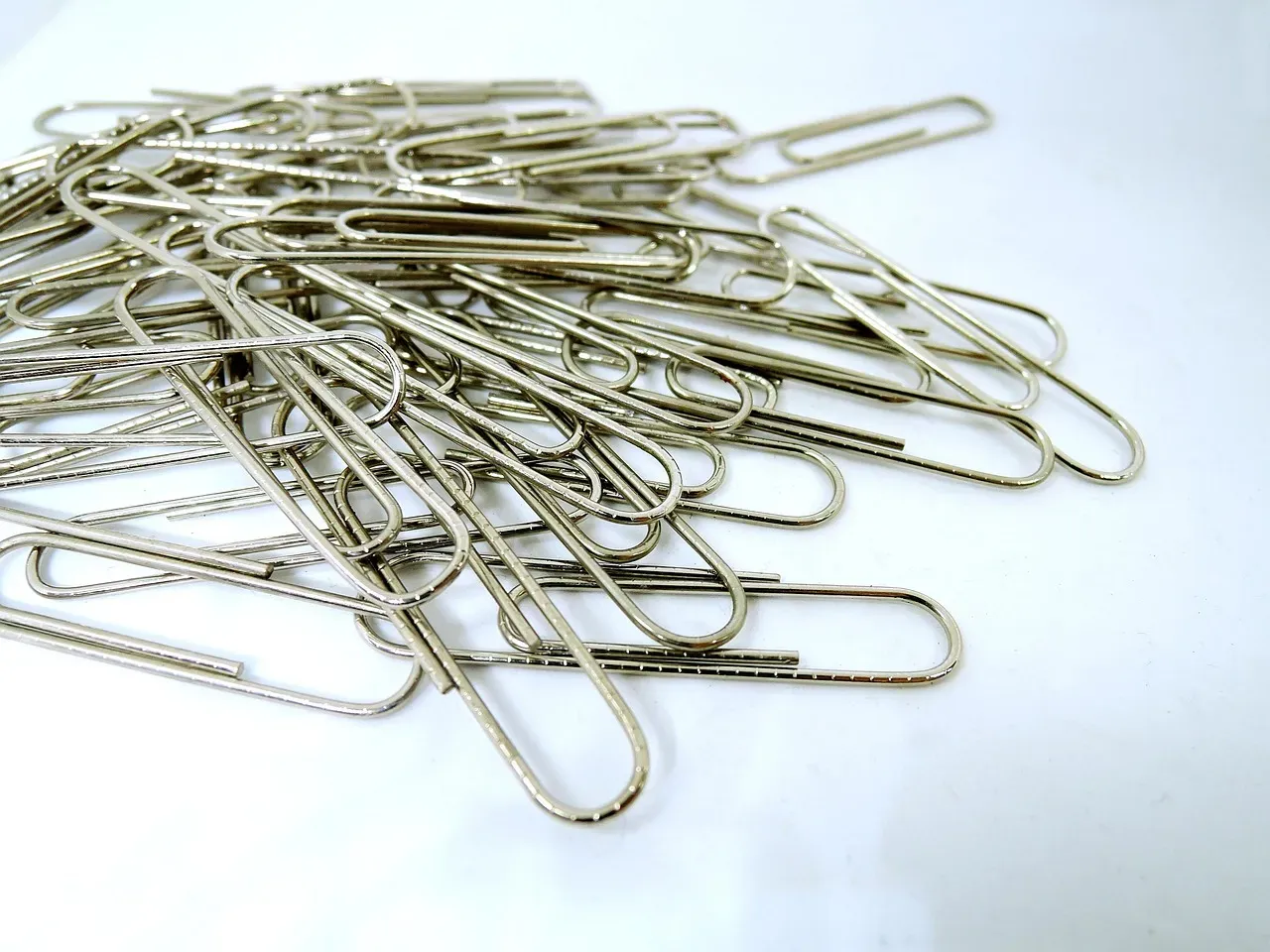
At first glance, paperclips are as boring as stationery gets, just little bent bits of wire that keep your chaos together. The most common design, the double-looped Gem clip, became dominant not because it was heavily advertised, but because it simply worked better than its fussy competitors. Early paper fasteners were complicated, sometimes sharp, and occasionally damaged the paper; the smooth looped clip was gentle, cheap, and reusable, which quietly made it the winner.
But during the Second World War, the paperclip briefly took on a completely different role. In Norway, people began wearing paperclips on their jackets as a subtle sign of unity and resistance against occupying forces, since more obvious symbols were banned. That tiny piece of office metal suddenly stood for loyalty, bravery, and quiet defiance. Every time I fidget with one during a meeting, it’s a bit surreal to remember that the same simple shape once carried so much hidden meaning pinned to someone’s coat.
Toothpaste: From Charcoal And Crushed Bones To Squeezable Science
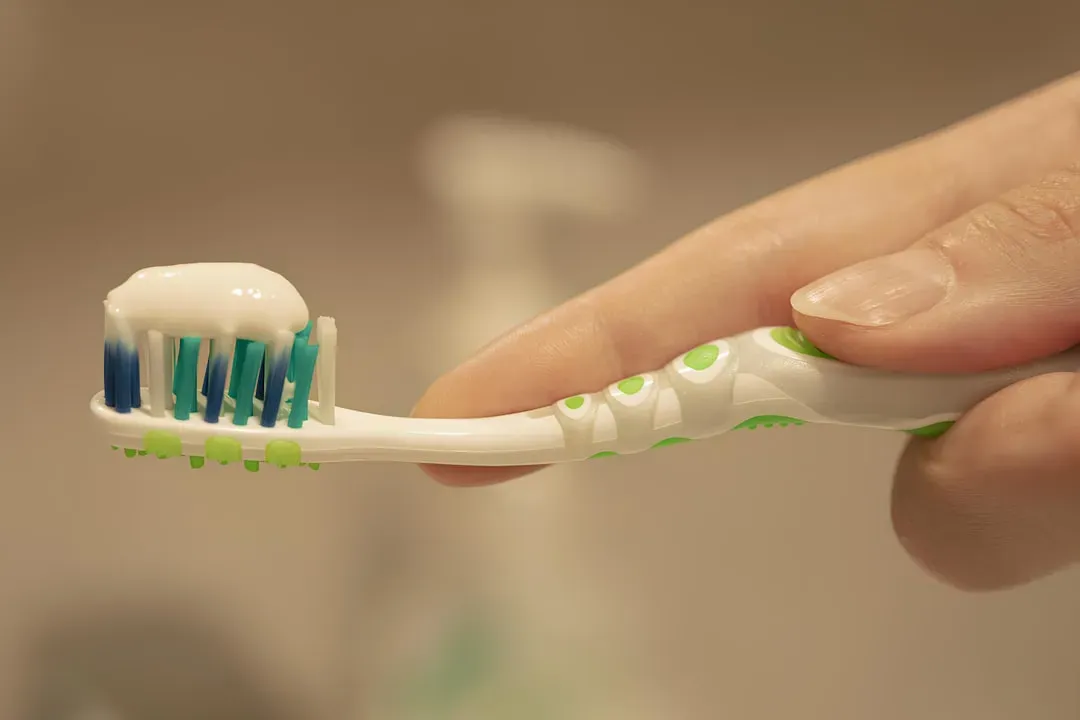
Toothpaste feels so modern and clinical that it’s hard to imagine its brutal origins. Long before minty gels and whitening strips, people scrubbed their teeth with powders made from charcoal, ground bones, crushed shells, and other rough materials that would probably make your dentist wince today. These early mixtures sometimes cleaned, sometimes damaged, and often tasted terrible, but they were better than nothing in a world without modern dental care.
The real game changer was the combination of safer abrasives, fluoride, and eventually the metal – and later plastic – tubes borrowed from paint packaging in the late nineteenth and early twentieth centuries. Squeezable tubes helped keep the contents from drying out and made daily brushing cleaner and quicker. Over time, toothpaste turned into a kind of tiny chemical lab on your sink, balancing cleaning, cavity prevention, freshness, and marketing promises. When you lazily squeeze a line across your brush, you’re unknowingly using the latest version of a product shaped by centuries of trial, error, and sore gums.
Microwave Ovens: War Technology That Wandered Into The Kitchen

The microwave oven’s story starts not in a kitchen but in wartime radar research. During the Second World War, engineers were working with high-power magnetrons to improve radar systems when one of them noticed that a chocolate bar in his pocket had melted unexpectedly. Instead of just being annoyed about the mess, he got curious, and that curiosity kicked off experiments that led to the first microwave cooking devices.
Those early machines were enormous, expensive, and mostly used in restaurants and on ships, not in regular homes. It took decades of miniaturization, cost-cutting, and marketing to convince families that this buzzing box shooting invisible waves at their leftovers was safe. Now, reheating food in under a minute feels so ordinary we barely think about it. The next time you stand impatiently watching your plate spin, it’s worth remembering that the technology started as a military tool, not a convenience for late-night pizza.
Velcro: Inspired By A Dog Walk And A Plant’s Irritating Trick
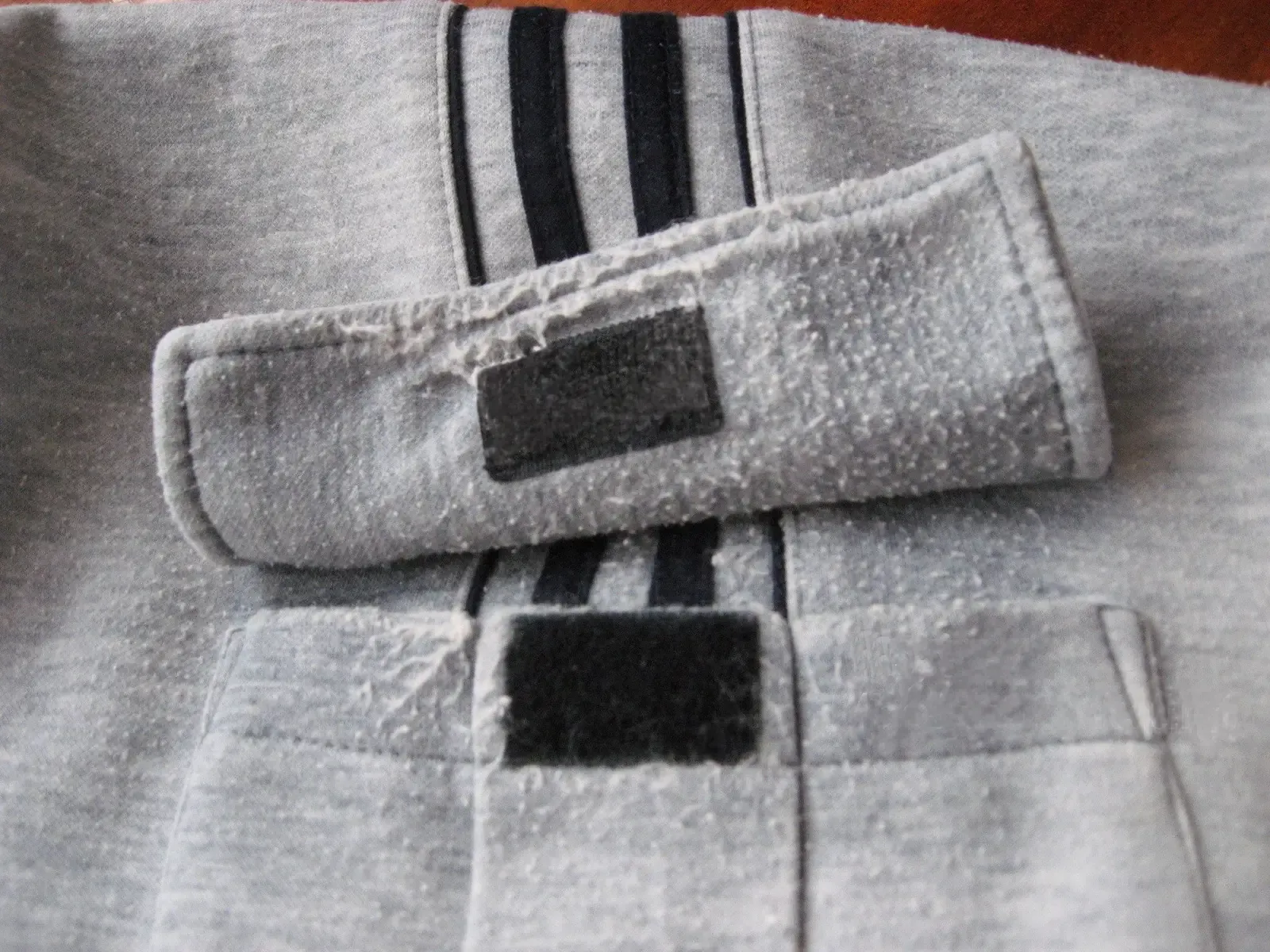
Velcro sounds like something a committee of engineers might have dreamed up in a sterile lab, but its spark came from something much more everyday: a walk outside and a stubborn burr. A Swiss engineer noticed how the tiny hooks on plant burrs clung relentlessly to his clothes and his dog’s fur, and instead of just brushing them off with annoyance, he looked at them under a microscope. What he saw was a miniature hook-and-loop system that nature had been using effortlessly for who knows how long.
Turning that idea into a commercial product was anything but effortless, though. Developing the right synthetic materials, scaling up production, and convincing people it was useful took years, and at first many saw it as a novelty. Its big break came from specialized uses, including aerospace and sports gear, where easy fastening without buttons or laces was priceless. From kids’ shoes to cable management behind your TV, Velcro sneaks into your life as a quiet tribute to one very observant dog walk and a plant’s sticky survival strategy.
Jeans: Workwear For Miners That Took Over The World
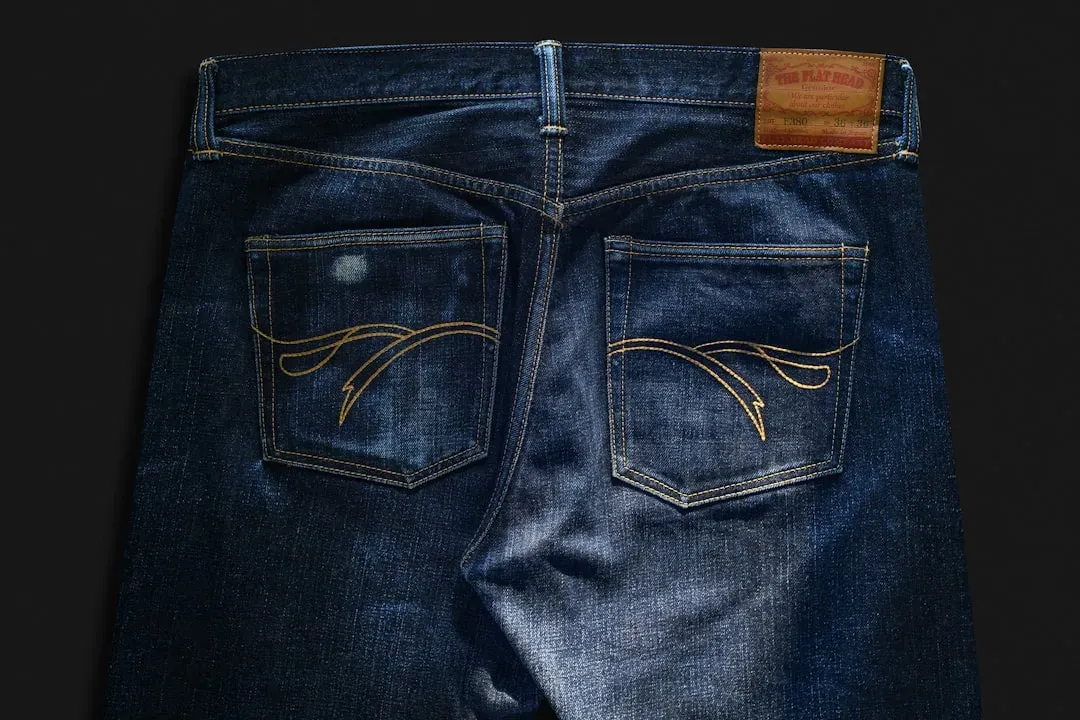
Pulling on a pair of jeans might be the most casual act imaginable, but their origins are anything but relaxed. In the nineteenth century, rugged trousers reinforced with rivets were designed for miners, laborers, and people doing hard physical work who kept ripping through their clothes. The combination of strong cotton denim and metal rivets at stress points made these pants sturdy enough to survive brutal conditions where ordinary fabric failed.
Over time, jeans slowly migrated from dusty work sites to city streets, helped along by changing fashion trends, movies, and music scenes that turned them into symbols of rebellion, youth, and eventually everyday comfort. What started as practical gear for digging and hauling became a global uniform that crosses age, class, and culture. Today you’re just as likely to see pricey designer jeans at a fancy restaurant as you are to see faded work jeans on a construction site. It’s a strange journey for a piece of clothing originally meant to get dirty, torn, and taken for granted.
Once you start uncovering the backstories of ordinary objects, it gets hard to stop. A zipper turns into a lesson in persistence, a paperclip into a quiet symbol of courage, a burr on a dog into a global fastening system. These items were shaped by accidents, wars, stubborn inventors, and billions of tiny decisions made by people who mostly never imagined their creations would become so common they’d disappear into the background.
The next time you make tea, brush your teeth, or shove something in the microwave, you’re not just saving time – you’re brushing up against a long line of experiments, failures, and lucky breaks. Everyday objects are like little ghosts of the past hiding in plain sight, waiting for you to notice them. Which familiar thing around you right now suddenly feels a lot less boring?