
Some places feel like they’ve slipped loose from the clock. You step off a plane, a boat, or a dusty road, and suddenly your sense of time gets scrambled: hours stretch into something that feels like days, or entire afternoons vanish in a blink. It’s not magic, and it’s not science fiction – it’s the weird way our brains, bodies, and emotions react to certain environments on this very real planet.
I still remember standing on a black-sand beach in Iceland, watching the waves slam against the shore and realizing I hadn’t checked my phone in what felt like an entire day. It had been forty minutes. Some places slow you down with silence and stillness; others speed you up with lights, noise, and constant motion. Here are ten spots on Earth where time doesn’t exactly behave the way your calendar says it should.
1. Svalbard, Norway – The Land of Midnight Sun and Polar Night
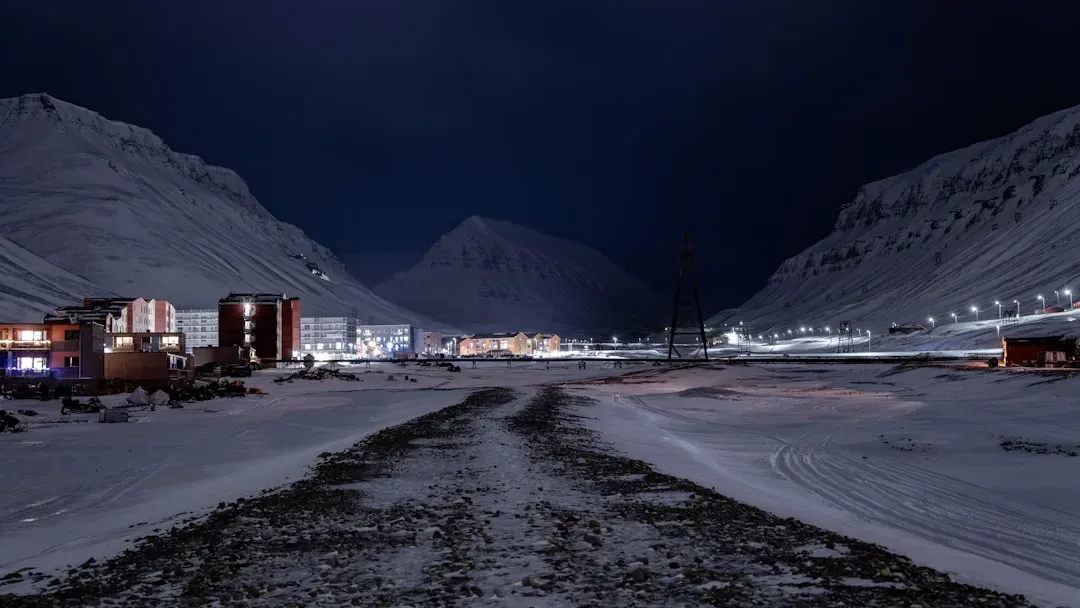
Imagine walking outside at midnight and needing sunglasses, or eating breakfast in total darkness at eleven in the morning. On the Arctic archipelago of Svalbard, the sun doesn’t rise for months in winter and barely dips below the horizon in summer. During the long polar night, the world feels like permanent late evening, and your internal clock starts to drift; people talk about sleeping in strange patterns and losing track of what day it is.
In summer, the opposite happens: the midnight sun keeps everything strangely bright, and time speeds up because you don’t get the usual cues that it’s time to stop. Locals often joke that you need to schedule sleep like an appointment. I found it oddly disorienting to see kids playing outside at one in the morning under a bright sky that looked like late afternoon. It’s a reminder that our sense of time isn’t only about minutes and hours – it’s deeply tied to the rhythm of light and dark.
2. Tokyo, Japan – Where Neon Nights Make Days Disappear
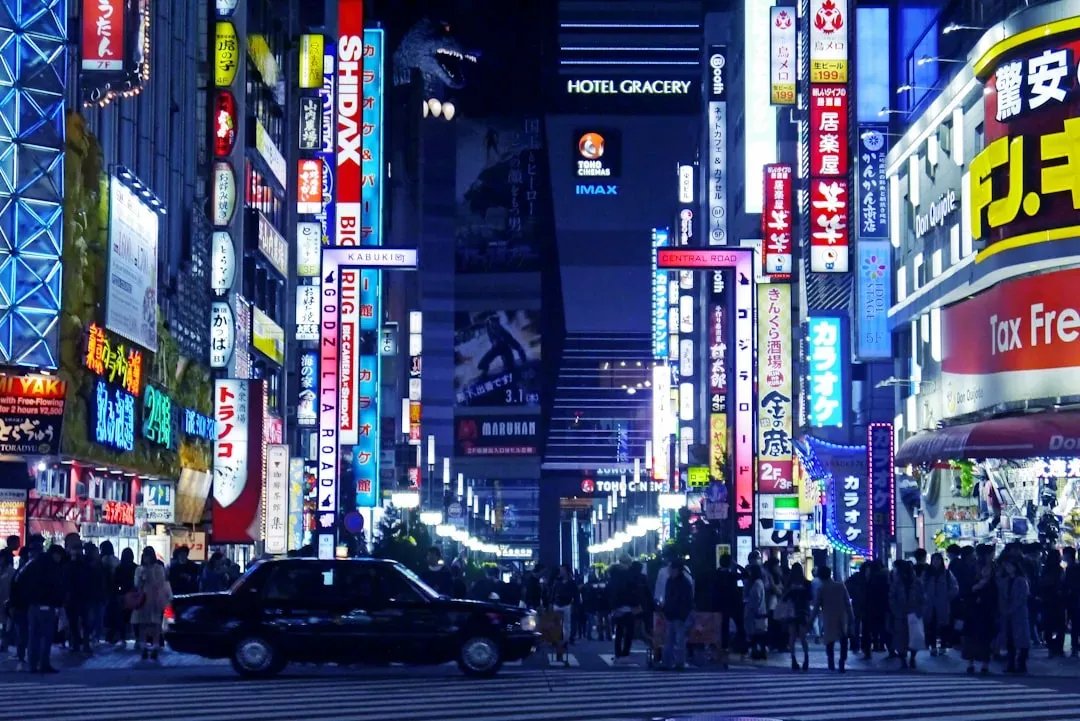
Tokyo has a way of swallowing hours without you noticing. The city pulses with constant movement: trains whisk you underground, screens flash from every direction, and there’s always another side street, ramen shop, or arcade pulling you forward. It’s easy to step out for a quick dinner and somehow end up wandering through Shibuya or Shinjuku until the first trains start running again.
Part of why time feels so strange here is the density of experiences per hour. You can visit a quiet shrine, a high-tech shopping mall, a tiny bar with only six seats, and a futuristic convenience store in the span of an afternoon. Your brain is processing so much novelty that the day feels packed and long, yet it passes in a blur. I once looked at my watch in Tokyo convinced it was maybe ten at night; it was nearly three in the morning, and the city around me still felt wide awake.
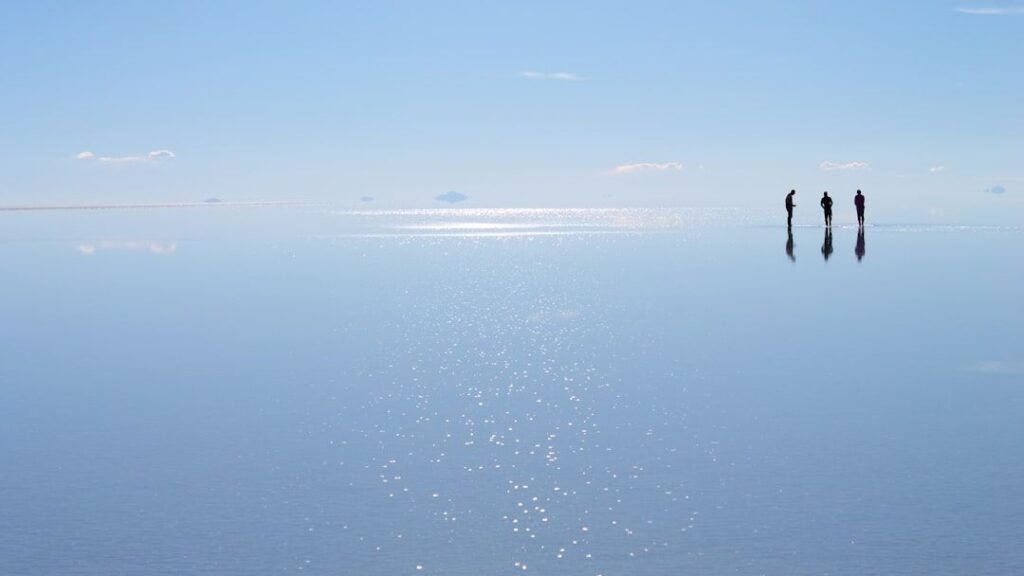
3. Salar de Uyuni, Bolivia – The Endless White Mirror
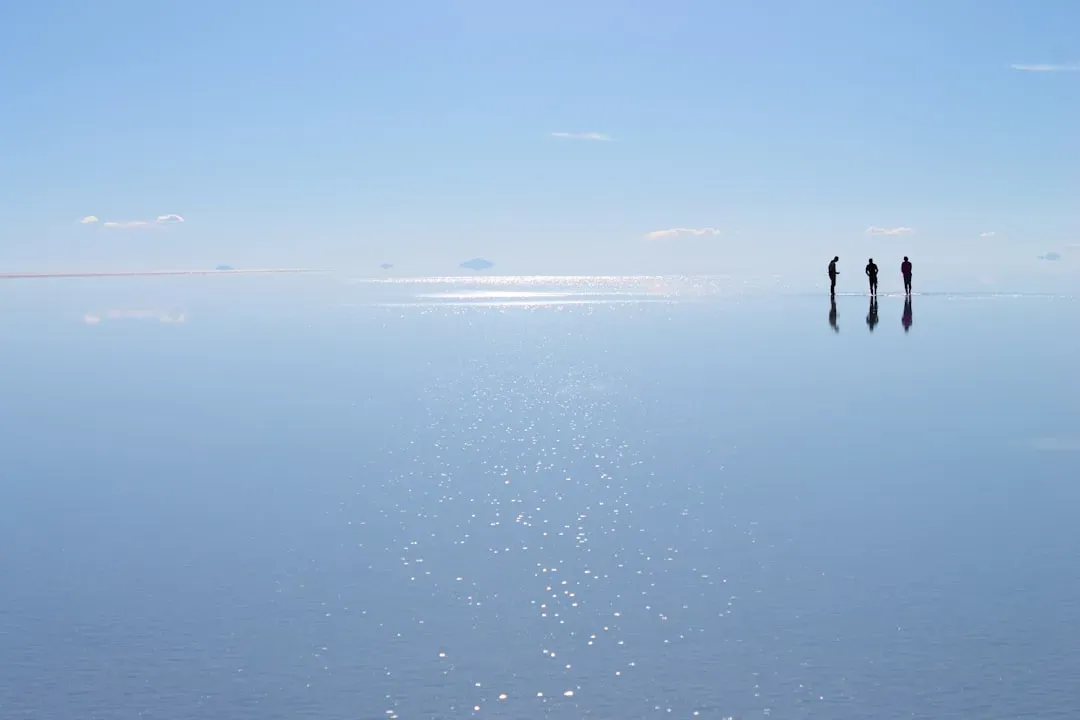
Standing on the world’s largest salt flat feels like stepping outside ordinary reality. The Salar de Uyuni stretches so far that the horizon blurs, and in the wet season, a thin layer of water turns it into an almost perfect mirror. With no familiar reference points – no trees, no buildings, barely any shadows – your sense of distance and duration starts to fall apart. A short walk can feel impossibly long, or the other way around.
The sky and ground blend into each other, creating a sense that you’re suspended in an empty, endless space. Time seems to slow because there’s so little clutter to distract you; it’s just you, the salt, the sky, and the sound of your own footsteps crunching underfoot. I remember watching a jeep drive away and assuming it had moved only a little, then realizing it was already a tiny dot on the horizon. In a place that looks infinite, your usual mental clock just stops working properly.
4. Venice, Italy – A City That Refuses to Rush
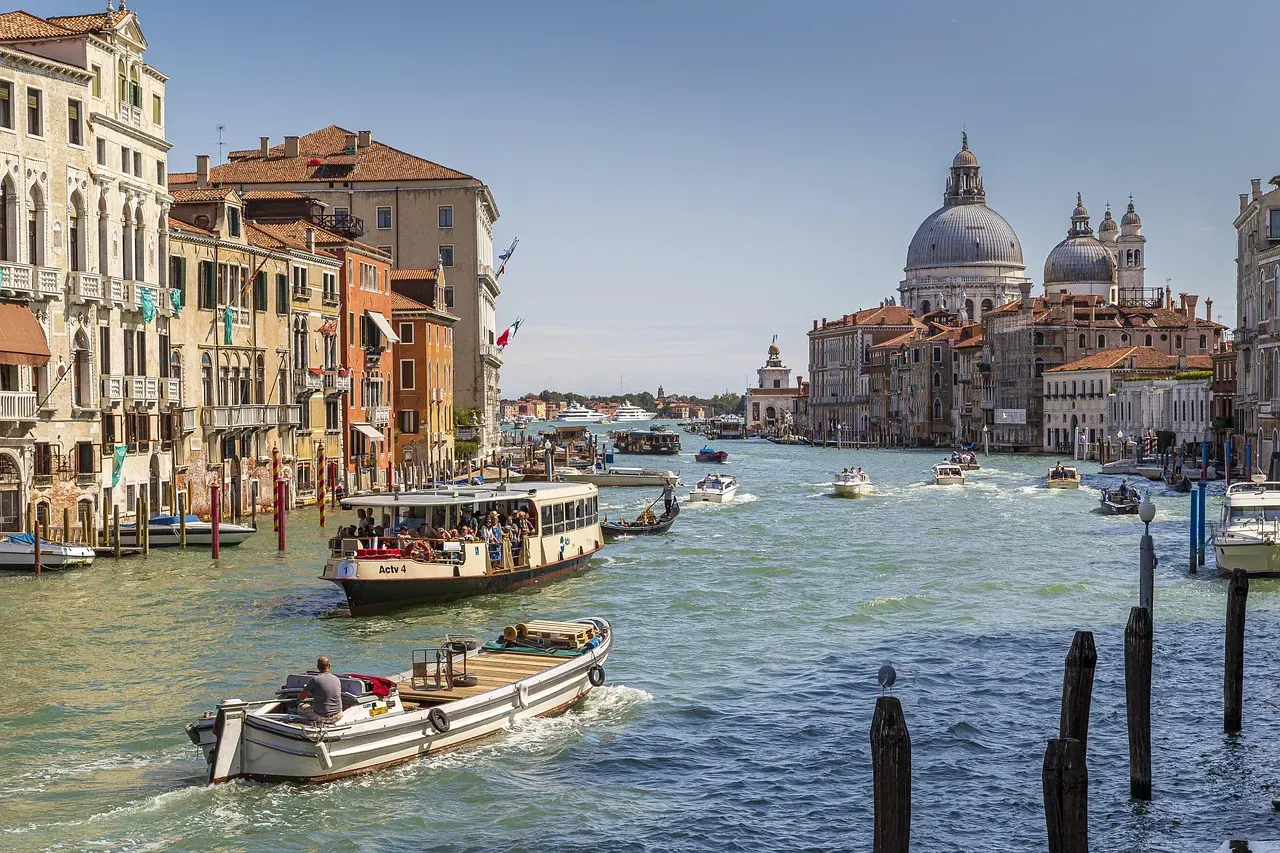
Venice moves at the speed of water and footsteps, and that alone changes everything. With no cars and no bikes in the historic center, you’re forced to walk or drift along in boats. Alleyways twist and dead-end at canals, and it’s surprisingly easy to get lost in a maze of bridges and narrow passages. You might plan a ten-minute walk and end up wandering for an hour, happily pulled off course by a hidden square or an old stone doorway overgrown with flowers.
The city’s pace is stubbornly unhurried, especially in the early morning and late evening when day-trippers are gone. You hear church bells instead of traffic, and the echo of footsteps bouncing off the stone walls. Time stretches in the way it does in an old movie: laundry hanging overhead, gondolas sliding past, old men chatting by the water. I found that even my usually frantic urge to check my phone faded here; Venice quietly forces you to live slower, whether you meant to or not.
5. Death Valley, USA – Heat, Silence, and Strange Horizons
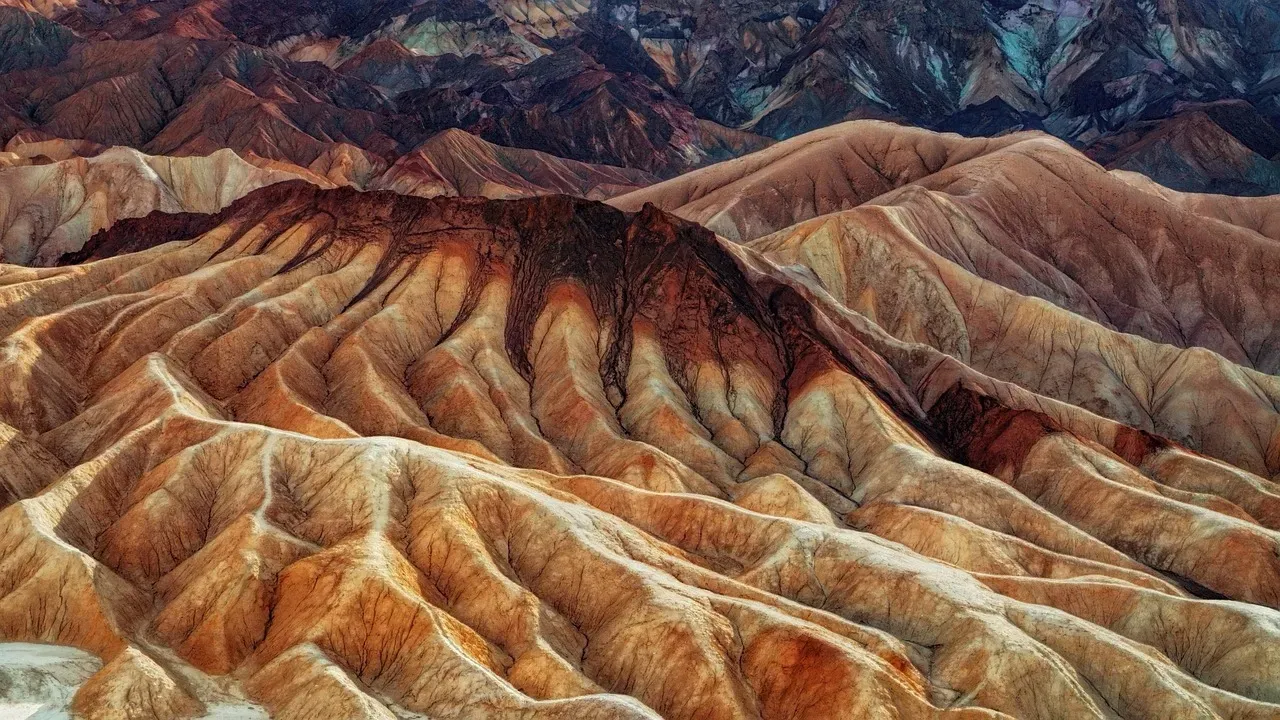
In Death Valley, the world feels stripped down to the basics: rock, sand, heat, and sky. It’s one of the hottest places on Earth, and the landscape is so stark that it can feel almost alien. When you’re out on the salt flats of Badwater Basin or looking over the ripples of sand dunes, there’s almost no sound – no wind in the trees, no city hum, just the occasional rustle of air and your own breathing.
This emptiness makes time mutate in odd ways. An hour-long hike in the heat can feel like an entire day, each minute stretching under the weight of the sun. Yet at sunrise or sunset, when the cliffs around Zabriskie Point change colors minute by minute, the time flies because your attention is locked on the shifting light. I remember sitting on a rock, convinced I’d been there for about fifteen minutes, only to realize a full hour had slipped past while I watched the sky change.
6. Iceland’s Highlands and Hot Springs – Fire, Ice, and Slow Moments
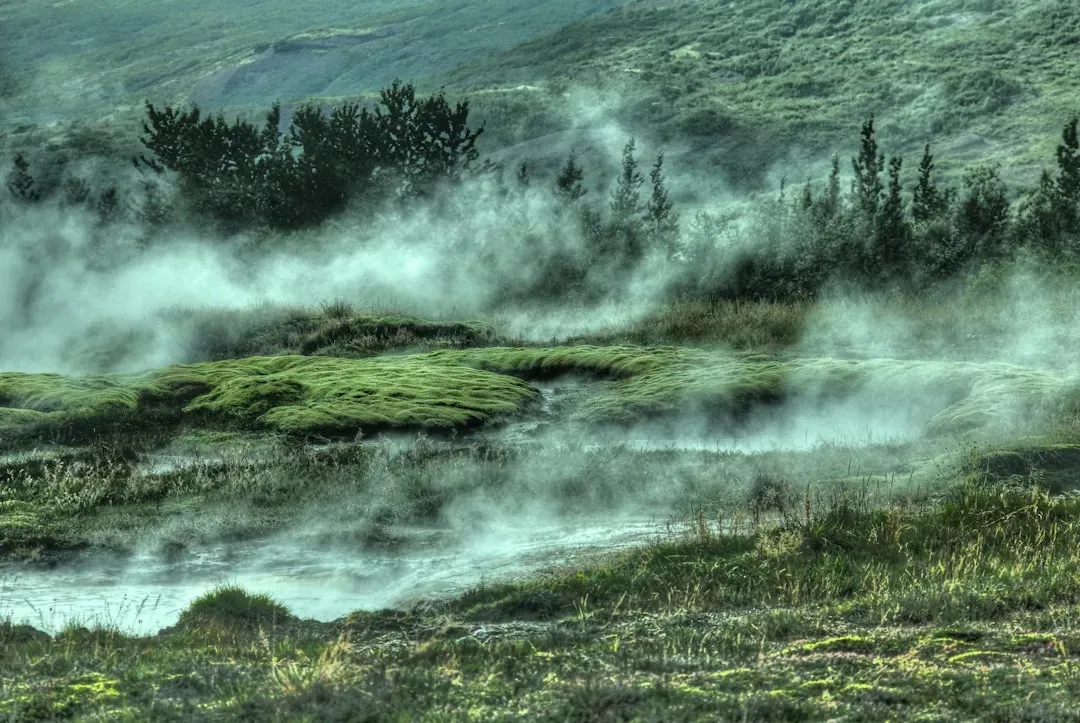
Iceland messes with your sense of time in both loud and quiet ways. Out in the highlands, with their volcanic deserts, steaming vents, and distant glaciers, you can drive for long stretches without seeing another person. The landscape changes constantly – lava fields, mossy hills, black sand – and your day fills with small, intense scenes: a sudden waterfall, a patch of steaming earth, a rainbow caught in the mist.
Then there are the hot springs, where time simply dissolves. Sitting in naturally warm water, surrounded by cold air and dramatic cliffs or snowy fields, your body relaxes so deeply that an hour can drift by without you really noticing. I once got into a small community hot pot thinking I’d stay fifteen minutes; I left when my fingers were wrinkled and the sky had gone from pale blue to dark violet. Between the long summer days and the almost meditative pace of soaking, Iceland nudges you into a slower relationship with the clock.
7. Bhutan – Gross National Happiness and the Pace of the Himalayas
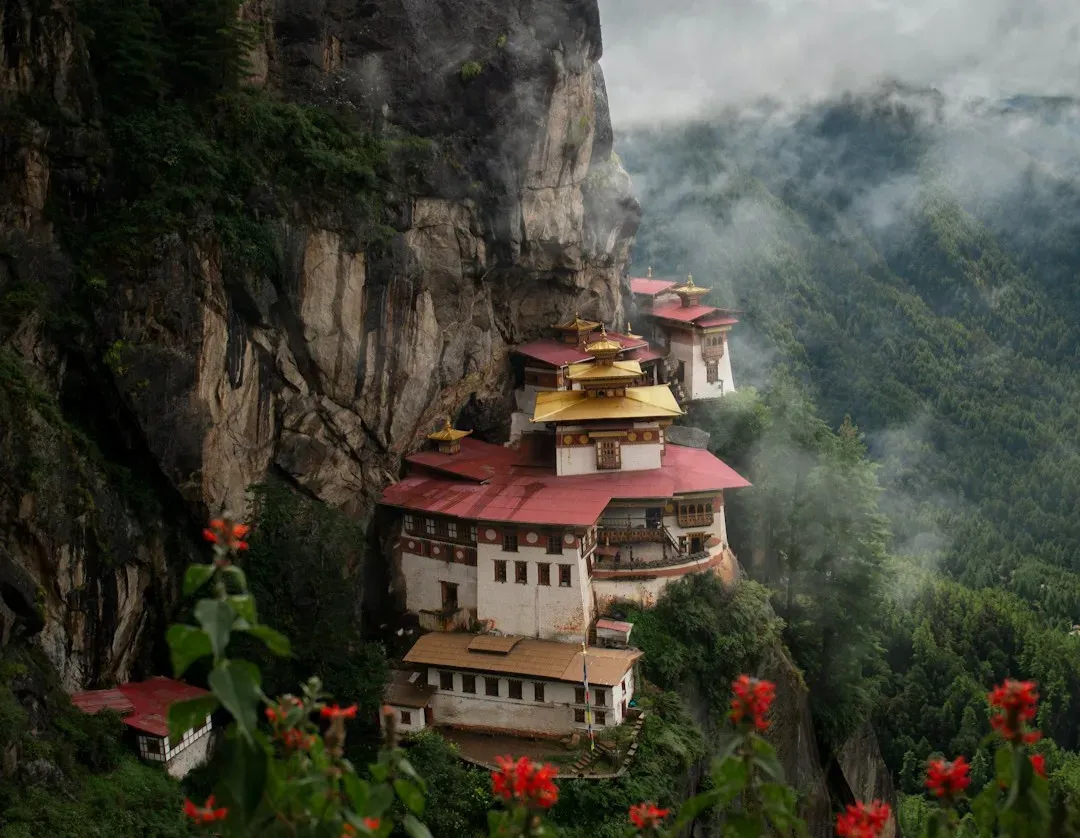
Bhutan feels like a country that quietly opted out of the global rush. Tucked in the eastern Himalayas, it’s known for focusing on well-being rather than just economic output, and you can feel that in the way days unfold. Roads wind through valleys and mountains, so getting from one place to another takes as long as it takes. That built-in slowness changes how you plan your time; you start measuring days in experiences instead of tasks.
Monasteries perched on cliffs, prayer flags fluttering in the wind, and the sound of distant chanting create a strong sense that life is about something deeper than schedules. Mornings might start with mist hanging in the valleys and end with evenings around a simple meal, with not much technology in sight. Time stretches here because very little feels urgent. When you’re watching monks walk in single file around a courtyard, or following a mountain trail toward a temple, the idea of racing through a day suddenly seems ridiculous.
8. Las Vegas, USA – The City That Edits Out the Clock
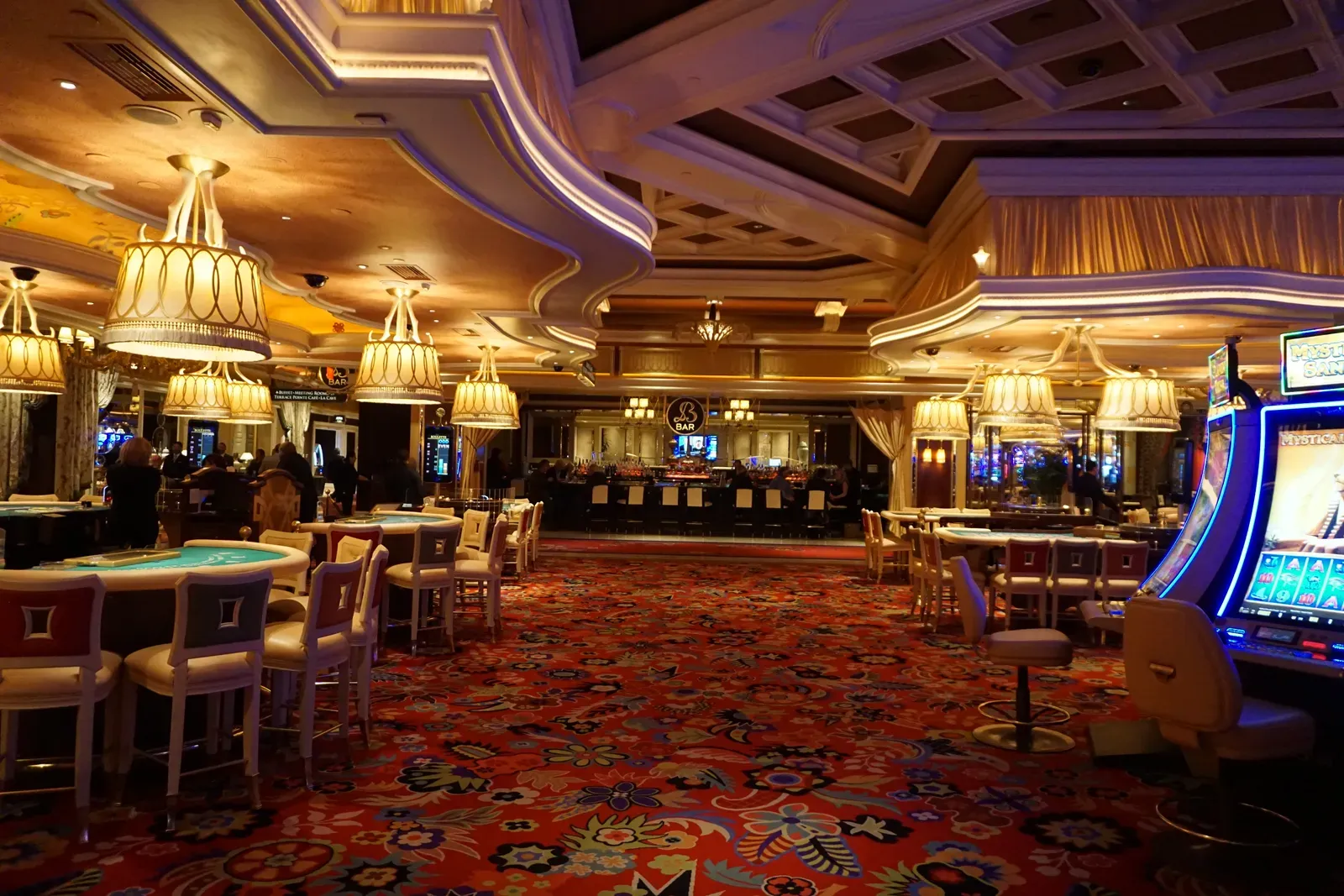
Las Vegas is built to make you forget what time it is. Casinos rarely have windows, the lighting stays the same whether it’s noon or three in the morning, and the carpeted corridors seem to twist forever through rows of machines and tables. You can sit down for what feels like a short round of cards or a few pulls on a slot machine and realize later that several hours have evaporated.
Outside, the Strip is its own alternate world, lit up so brightly at night that it can feel brighter than daytime inside some buildings. Late-night buffets, twenty-four-hour bars, and shows that start close to midnight all blur the line between day and night. I remember stepping out of a casino expecting darkness and instead being slapped by harsh desert sunshine; my body insisted it was evening, but the clock said otherwise. In Las Vegas, time doesn’t exactly slow down or speed up – it just gets scrambled and conveniently ignored.
9. The Camino de Santiago, Spain – Walking Life into Simpler Pieces
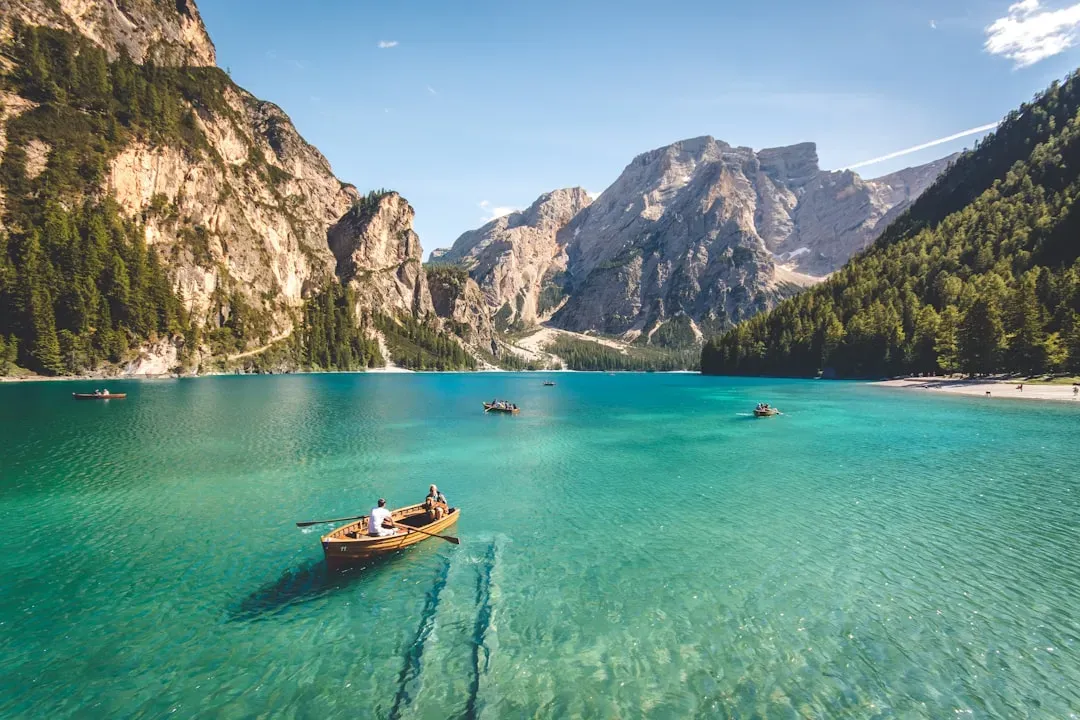
Walking the Camino de Santiago is like pressing a slow-motion button on your life. This centuries-old pilgrimage route across northern Spain breaks your days into simple, predictable chunks: wake up, walk, eat, rest, repeat. Distances are measured in how many hours it will take your feet to cover them, not how fast a car can get you there. Days start early, often before sunrise, and end in small villages or towns where there isn’t much to do beyond eat, talk, and sleep.
The routine sounds dull on paper, but in reality it makes time feel fuller and calmer. Conversations with strangers, the rhythm of your footsteps, and the changing scenery – fields, forests, small streets – fill the hours in a quiet, steady way. I remember being surprised at how long each day felt, even though the tasks were so simple. Without constant notifications and obligations, your internal sense of time stretches, and suddenly a week on the Camino feels as rich as a month back home.
10. Remote Pacific Atolls – Where Days Blur into Tide and Sky
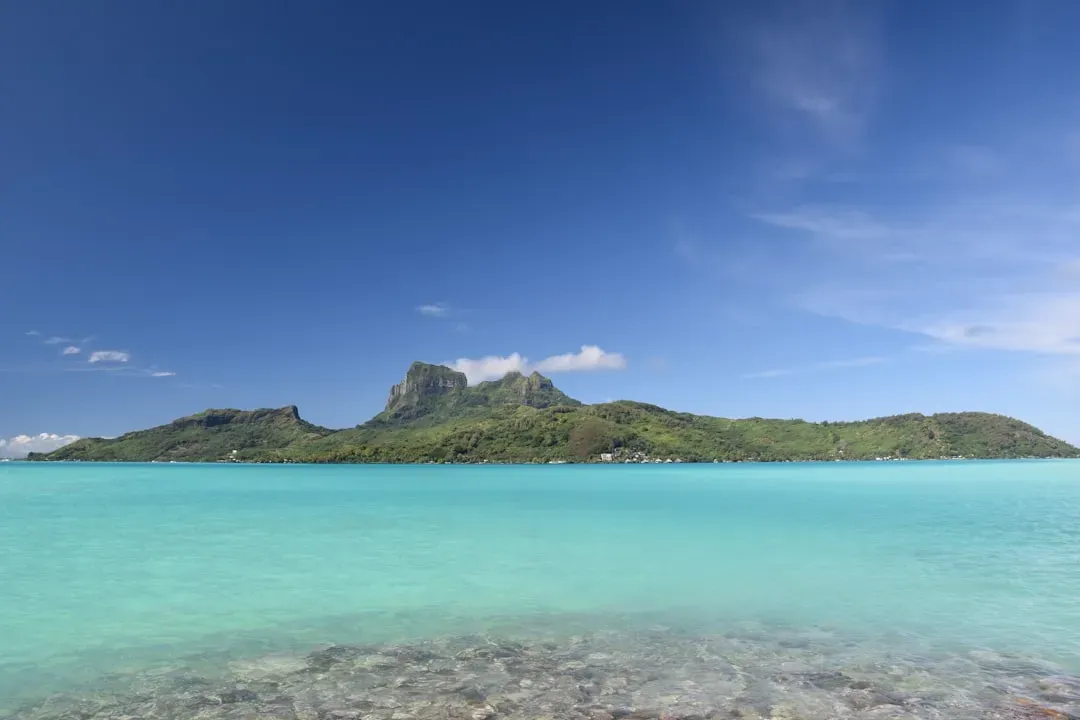
On tiny coral atolls scattered across the Pacific, life runs on tides, not timetables. These low, ring-shaped islands are often so small you can walk from one side to the other in minutes. There are no skyscrapers, almost no traffic, and sometimes only basic infrastructure. The most noticeable daily events are the position of the sun, the changing color of the lagoon, and the sound of wind pushing through palm trees.
Here, time feels like a lazy loop instead of a straight line. You wake with the sun, nap in the shade, fish when the tide is right, and watch the sky bleed into an outrageous sunset every evening. I once spent a few days on a small island where no one seemed particularly interested in the exact hour; people met “when it’s cooler” or “before it gets dark.” After a while, I stopped checking the time, too. Days stopped feeling like blocks on a calendar and became more like gentle waves rolling in, one after another.
Time itself doesn’t actually change in these places, but how we feel it absolutely does. Our brains stretch or compress moments based on light, sound, routine, emotion, and how much we’re paying attention. Maybe that’s the real secret: if you want time to slow down, go somewhere that forces you to notice every small detail; if you want it to fly, plunge into a place that overwhelms your senses. Which kind of place are you secretly craving right now?