
Some of the smartest engineers alive today can design rockets, quantum computers, and AI systems, yet they still look at certain ancient ruins and quietly admit: we don’t fully know how they did this. That gap between what we can prove and what we can only guess is where things get really interesting. The stones, metals, and mysterious artifacts left behind feel like postcards from people who were far more sophisticated than most of us were taught in school.
We’re not talking about wild theories or secret lost continents, but about real civilizations, real constructions, and real objects that modern researchers still argue about. From stone blocks that seem to defy gravity to brain surgery done long before antibiotics, these ancient achievements force us to rethink what “primitive” actually means. As you move through these eight civilizations, you may find yourself wondering whether our ancestors were really behind us at all – or just brilliant in different ways.
Ancient Egypt: Precision Stonework and Mysterious Engineering

Imagine standing at the base of the Great Pyramid of Giza and realizing that this mountain of stone is aligned to true north with an accuracy that rivals modern instruments. The pyramid contains millions of blocks, many weighing several tons, cut and placed with seams so tight that it’s hard to slide a razor blade between them. Engineers have proposed ramps, counterweights, and ingenious workforce logistics, but no single construction method has been universally accepted, especially for lifting and positioning the highest stones.
What puzzles scientists isn’t just the scale – it’s the combination of scale, speed, and precision using copper tools and human labor. The internal passages, some only slightly off from perfect straightness over long distances, suggest careful surveying and planning that would be difficult even with modern equipment. Add in the long-lived mortar that has survived thousands of years of heat and wind, and you get a picture of an engineering culture that clearly understood materials, measurement, and project management at a very high level, even if we still argue endlessly over the exact techniques.
Mesopotamia: The Birthplace of Complex Mathematics and Early Computers
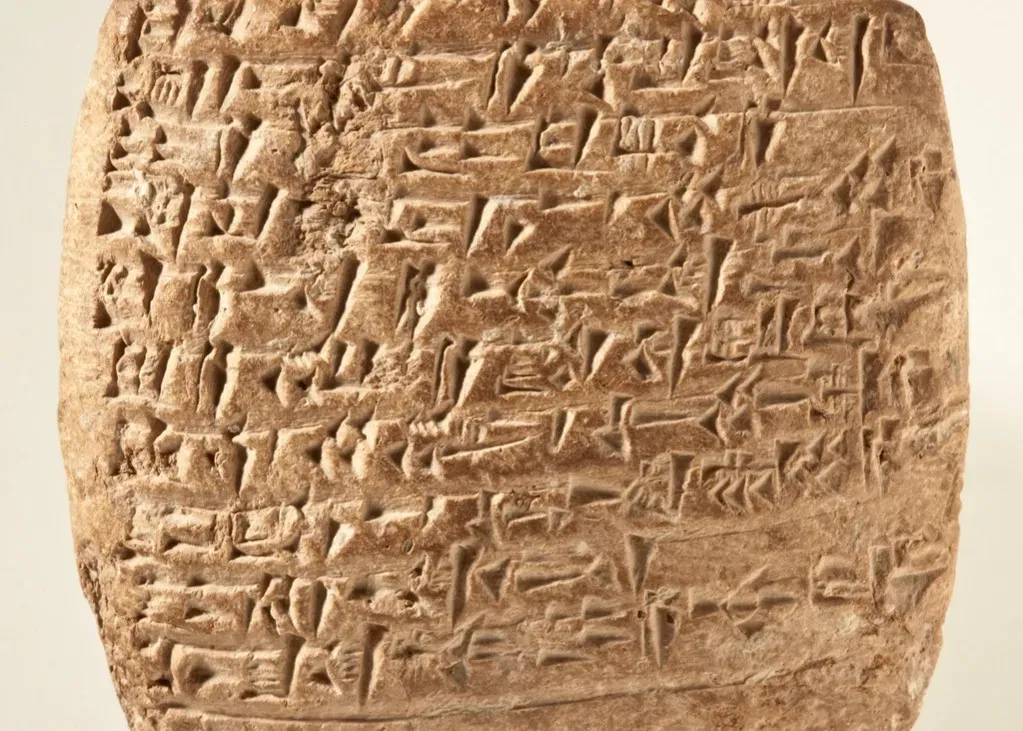
Long before calculators and laptops, scribes in ancient Mesopotamia were pressing numbers into clay tablets using a base-sixty (sexagesimal) number system. This system is the reason we still use sixty seconds in a minute and three hundred sixty degrees in a circle. Some surviving tablets show incredibly accurate calculations of square roots, Pythagorean triples, and even methods that resemble modern trigonometry, which suggests a level of abstract mathematical thinking that still surprises historians of science.
One tablet in particular, often discussed by researchers, appears to encode a kind of “trigonometric table” that predates similar ideas from classical Greece by many centuries. Combined with sophisticated accounting systems, astronomical observations, and intricate timekeeping, it almost feels like Mesopotamian scholars were building early “software” for running a complex society on clay “hardware.” The puzzle today is how such advanced math emerged, was taught, and spread in a world without printing, mass education, or the kind of scientific institutions we take for granted.
Indus Valley Civilization: Urban Planning and Uncracked Script
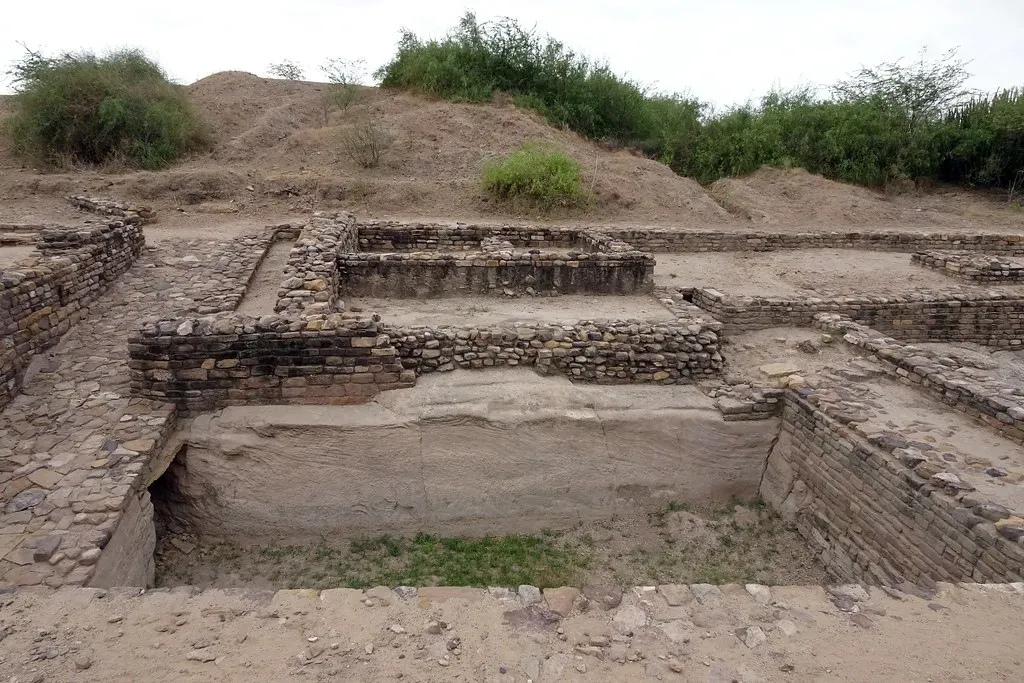
In the ruins of Mohenjo-daro and Harappa, you find something quietly astonishing: cities laid out on grid systems, with standardized bricks, covered drains, and what appear to be remarkably advanced sanitation and water management systems. Many homes had access to private bathing areas and carefully designed drainage, which suggests a social priority on cleanliness and public health. The uniformity of brick sizes across distant sites implies centralized standards or shared technical norms that were followed consistently for a very long time.
Yet, for all this visible order, the civilization still keeps its biggest secret hidden behind an undeciphered script. Hundreds of short inscriptions on seals and tablets have been found, but no bilingual texts or long narratives have surfaced to crack the code. Without the ability to read what they wrote about trade, governance, or technology, modern researchers are left to infer their methods from bricks and pottery alone. It’s like staring at the blueprints of a well-designed house while all the instruction manuals and emails between the architects are locked in an unreadable file.
Ancient China: Earthquake Detectors and High-Precision Metallurgy
When people think of early Chinese inventions, they often list paper and gunpowder, but some of the most intriguing technologies appeared even earlier. Historical records describe a mechanical device used to detect distant earthquakes using a suspended central mass and dragon heads that would drop metal balls in the direction of the tremor. Modern reconstructions have shown that such a design could work, but the exact original mechanism, tolerances, and sensitivity remain debated among scientists and historians.
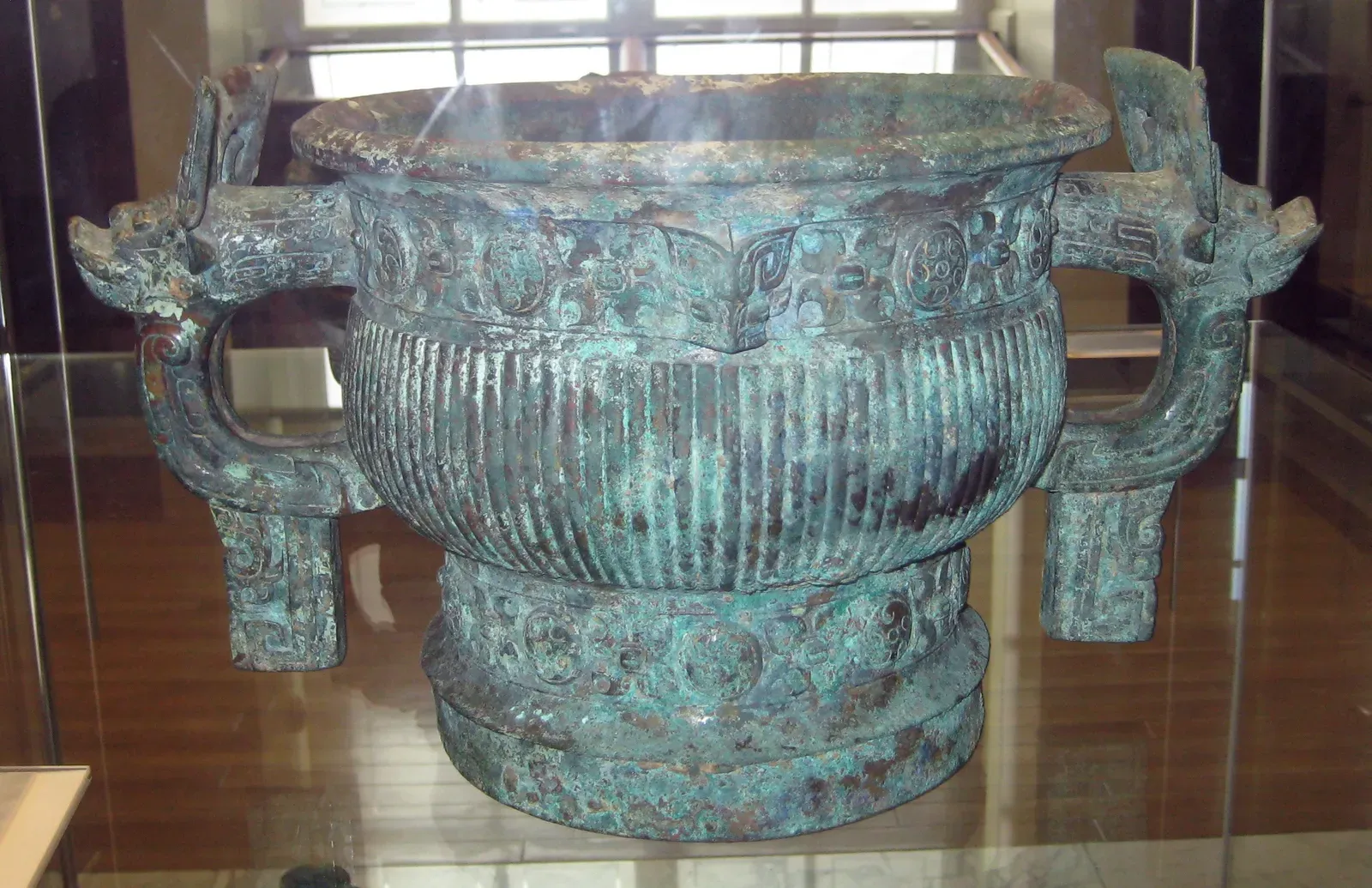
Equally puzzling is the level of metallurgical skill found in ancient Chinese bronzes and later steels. Bronze ritual vessels display highly controlled alloy compositions and extremely fine, crisp decorative patterns that require mastery of casting techniques and mold-making. Later developments in high-quality steel – produced in furnaces that carefully balanced air, fuel, and ore – suggest an empirical understanding of materials that, while not expressed in modern chemistry, was sophisticated enough to rival much later European methods. It raises the question of how much technical knowledge can thrive in workshops and oral traditions without ever being written in formulas.
Ancient Greece: Mechanical Computers and Automated Theaters
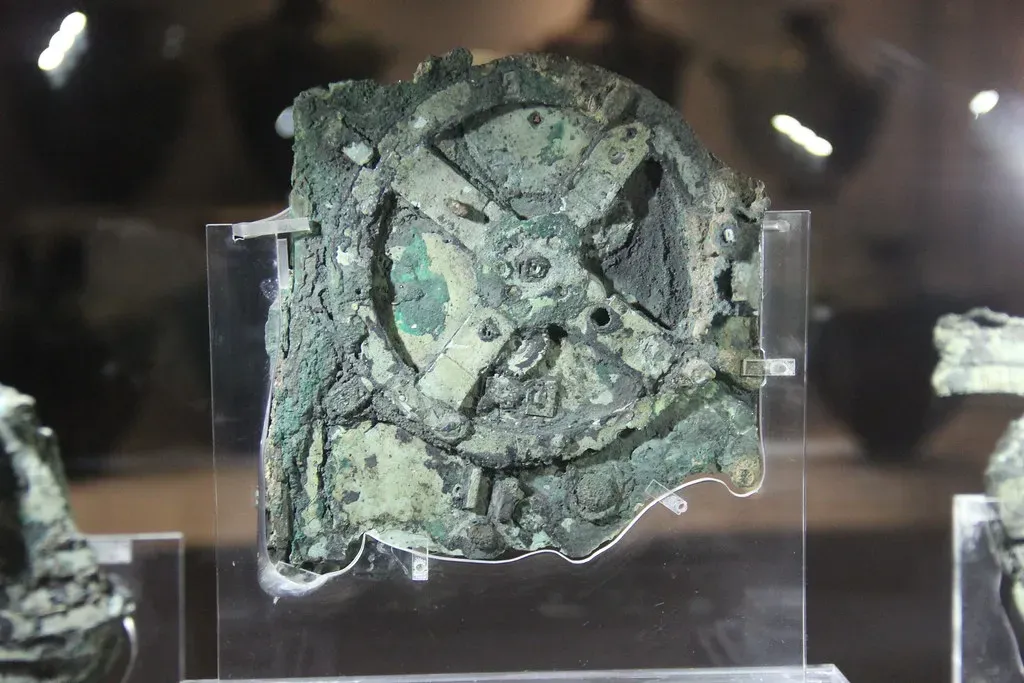
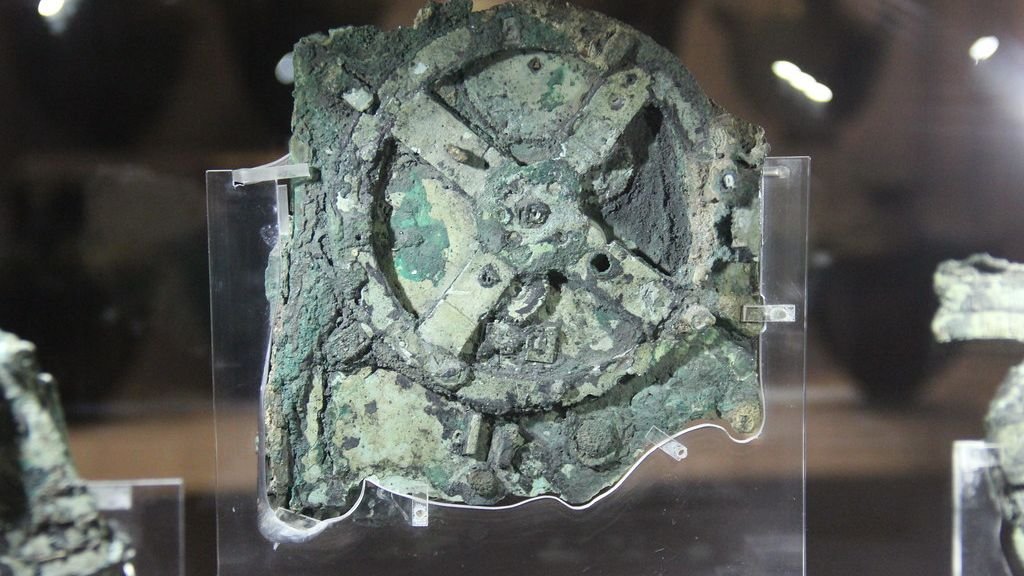
When divers found a corroded mass of gears off the coast of a Greek island in the early twentieth century, nobody guessed it would turn out to be a device that some modern engineers call the first known analog computer. Careful imaging of the so-called Antikythera mechanism has revealed complex gear trains capable of predicting eclipses, tracking the motions of the Sun, Moon, and possibly planets, and displaying multiple cycles at once. The level of miniaturization and mechanical design in this device was so advanced that nothing comparable appears again in the historical record for many centuries.
Ancient Greek engineers also built automata – self-moving figures powered by weights, water, and air pressure – that could open temple doors, pour wine, or move in theatrical performances. Written descriptions of these machines read like early robotics manuals, combining geometry, pneumatics, and clever illusion. The mystery today is not whether they existed, but how widespread such engineering knowledge really was and why so little of it seems to have been preserved in working form. It’s a bit like discovering a single working smartphone in a world that otherwise only left behind paper letters and stone tools.
Pre-Columbian Andes: Brain Surgery and Anti-Seismic Architecture
In the high Andes, long before modern medicine, people were performing trepanation – surgically opening the skull – on a scale and with a survival rate that has astonished modern surgeons. Analysis of skulls from different periods shows healing around the openings, meaning many patients lived for months or years afterward. These procedures may have treated head injuries from warfare or accidents, but what stands out is the combination of surgical precision, knowledge of where to cut, and some form of infection control in an environment without modern antiseptics.
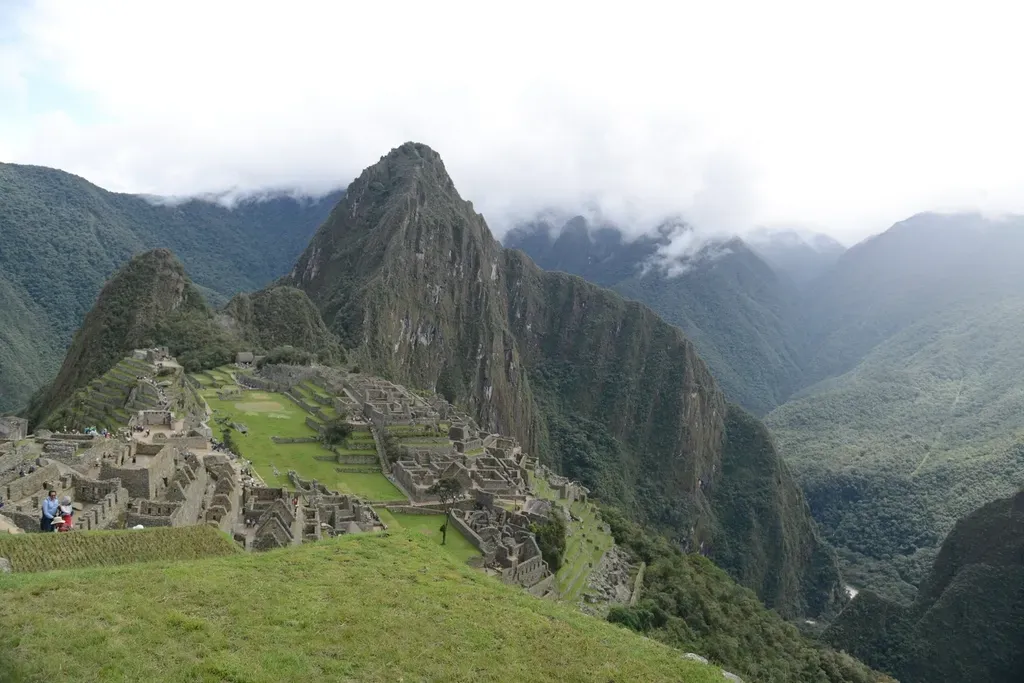
Meanwhile, the stone architecture of cultures like the Inca shows another form of practical genius. Massive stone blocks were carved to fit together so precisely that no mortar was needed, and the walls were often slightly inclined and irregularly shaped to dissipate the energy of earthquakes. In a region where the earth shakes regularly, many of these structures have survived while later constructions have crumbled. The exact construction sequences and methods for moving and fitting such stones are still reconstructed from educated guesses and small-scale experiments rather than from any surviving technical manuals.
Ancient Mesomerica: Astronomical Calendars and Acoustic Engineering
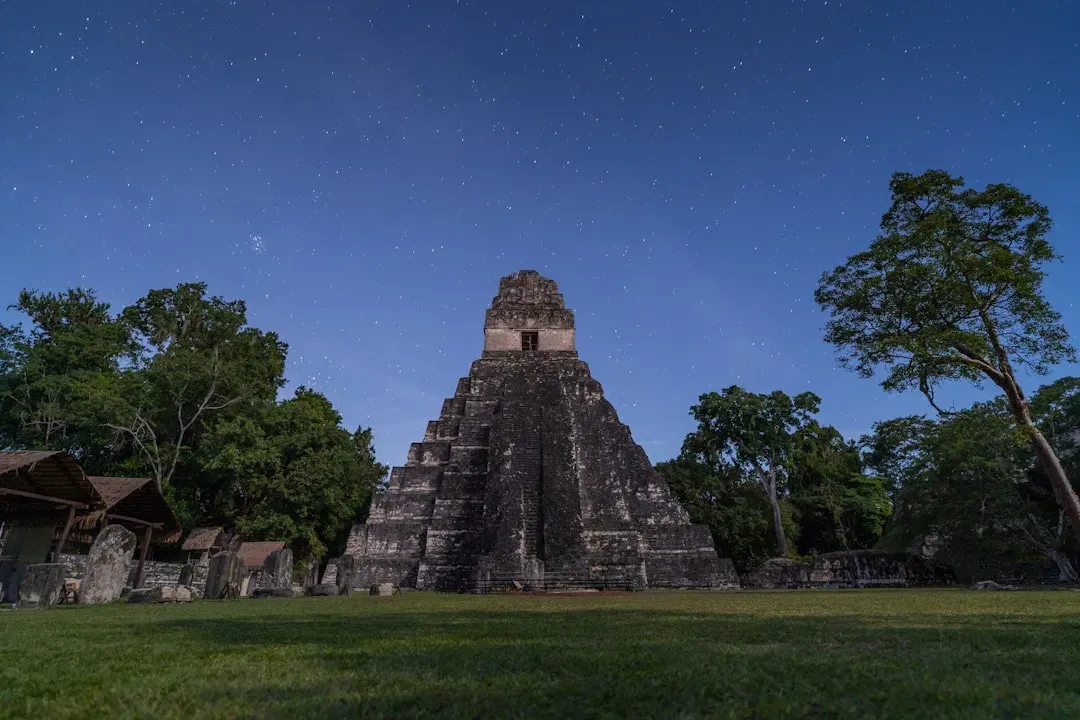
In Mesoamerica, cultures like the Maya and later the Aztecs developed calendar systems that tracked multiple interlocking cycles of time, including solar years and ritual counts. Their observations of planetary movements, eclipses, and seasonal changes were precise enough to anchor agriculture, religious festivals, and political events. The mathematical frameworks behind these calendars, based on complex cycles rather than our simple linear year, continue to impress astronomers and historians who recreate their sky models with modern software.
Some temples and ballcourts also display acoustic properties that feel almost intentional, such as echoes that produce bird-like sounds or focused reflections that carry voices unusually well. At certain sites, claps or calls made at the base of stairs bounce back as distinctive, sharp echoes, suggesting careful attention to shape and placement. Whether every effect was deliberately engineered or partly accidental, the recurring patterns of alignment, sound behavior, and astronomical orientation hint at a merging of science, ritual, and architecture. It leaves modern visitors with the eerie sense that these spaces were designed to interact not just with people, but with the sky and even with sound itself.
Ancient Rome: Concrete That Refuses to Die
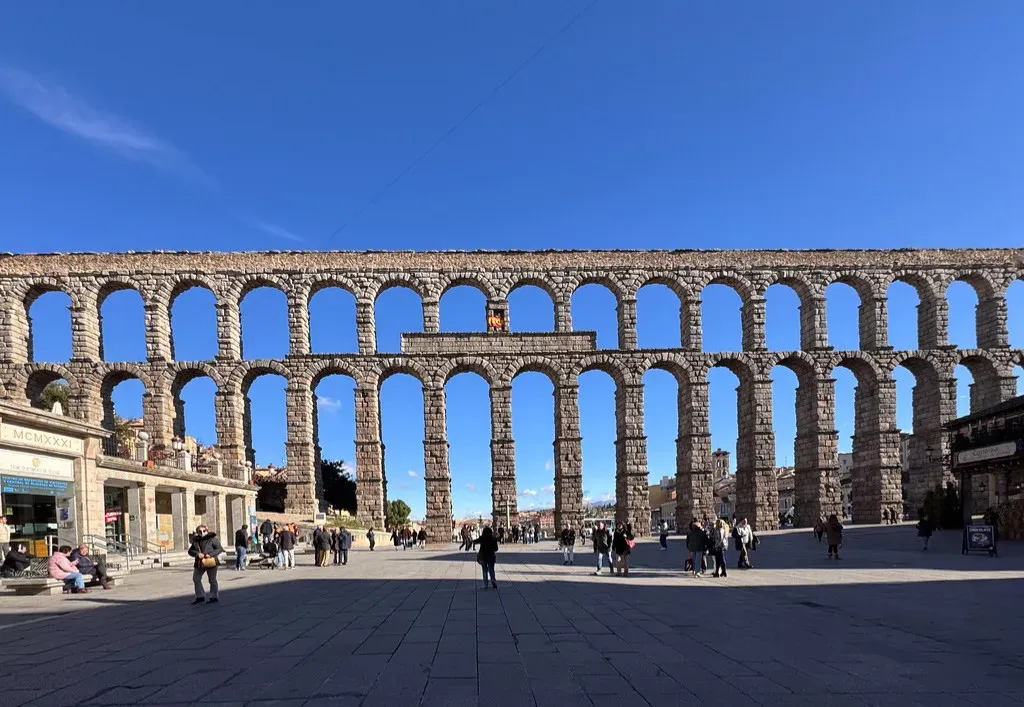
Walk along the remains of Roman harbors or aqueducts, and you’ll notice something infuriating for modern engineers: a lot of those structures are still standing, despite centuries of waves, earthquakes, and weather. Roman concrete, especially the kind used in marine environments, has proven far more durable than many modern concretes, which can crack and deteriorate in mere decades. Recent studies have shown that the Romans mixed volcanic ash and special aggregates in ways that allowed new minerals to form inside the concrete over time, effectively letting it “self-heal” small cracks.
Researchers today can identify ingredients and reactions but still struggle to fully replicate the long-term performance. The Romans managed to standardize and scale this technology across a massive empire without analytical chemistry, digital simulations, or global supply chains. Their bridges, vaulted ceilings, and domes like the Pantheon demonstrate not just clever recipes, but an intuitive grasp of structural forces and materials behavior. Looking at those still-surviving structures, it’s hard not to feel that in some respects, we may be relearning what they already knew how to do astonishingly well.
Rethinking What “Advanced” Really Means
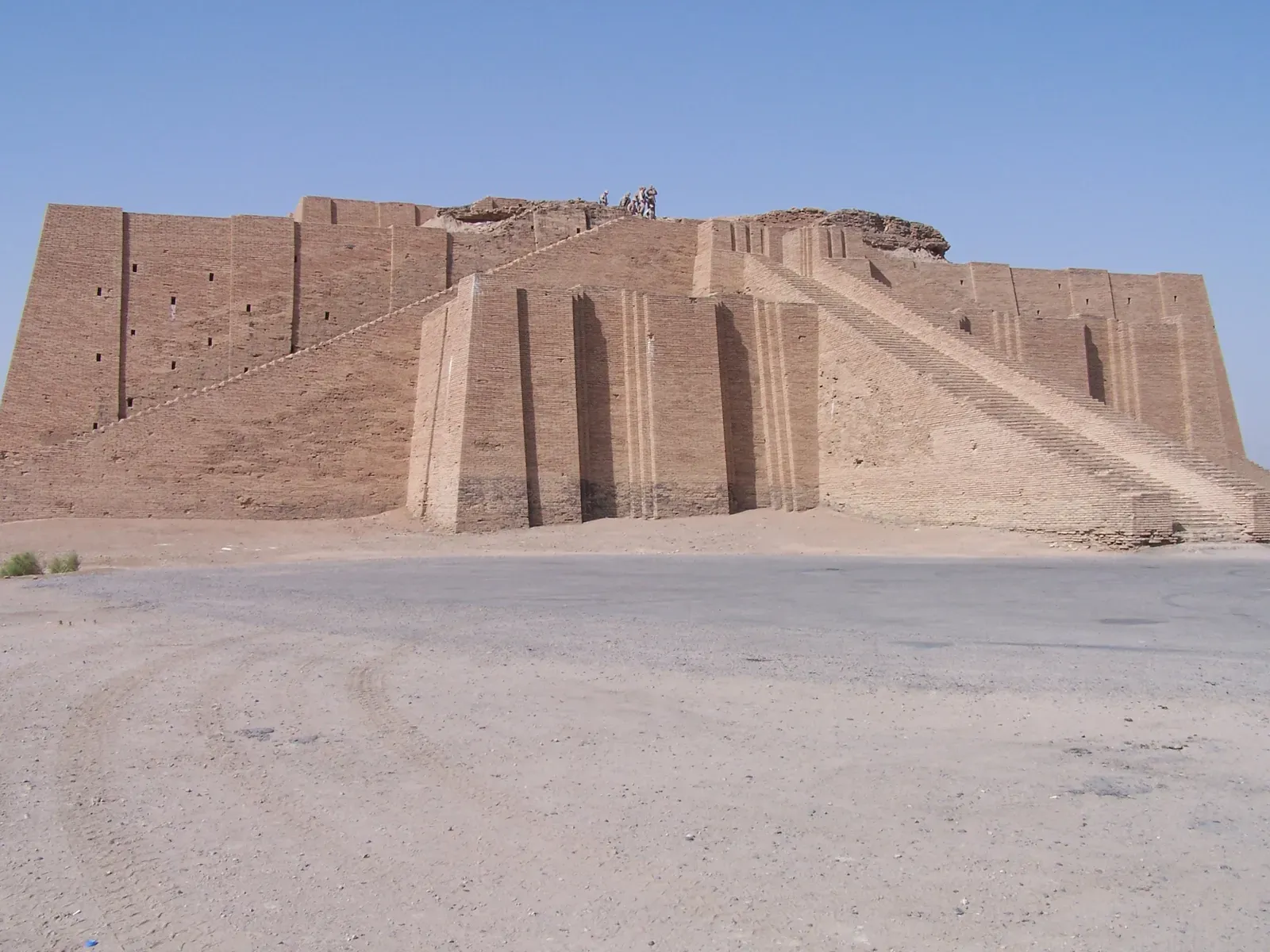
Across these eight civilizations, a pattern emerges: people working with simple tools but incredibly deep practical knowledge kept producing results that challenge our assumptions about progress. Whether it’s stones that resist earthquakes, skull surgeries that saved lives, or machines that predicted eclipses, many of these technologies feel less like crude beginnings and more like alternative peaks of human ingenuity. The fact that we still argue over how they were built or how the knowledge was organized is a reminder of how much can be lost when traditions break and texts disappear.
Standing in front of an ancient ruin or a mysterious artifact, you can almost sense the invisible web of skills, trial-and-error, and lived experience that once supported it. Our modern world runs on code and electricity; theirs ran on muscle, memory, and careful observation of the natural world. Both are forms of high technology in their own context. As we keep digging, scanning, and reanalyzing the traces they left, one question quietly hangs in the air: how many other brilliant ideas from the past are still lying there, unrecognized, waiting for someone to notice them?