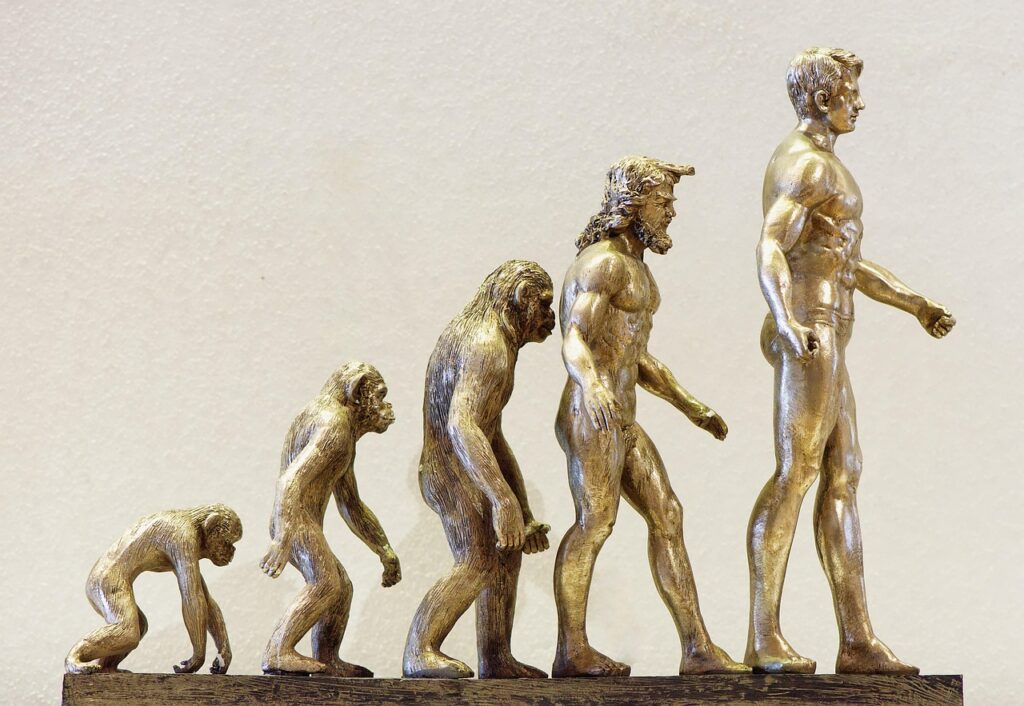

If you grew up thinking humans sit alone at the top of the intelligence pyramid, the last few years of research have been quietly tearing that idea apart. From crows that can plan for tomorrow to fish that recognize themselves in the mirror, science keeps finding new ways animals are bending, breaking, and completely rewriting the rules we once set for them.
I still remember the first time I watched a video of a parrot calmly doing a logic puzzle that many people would struggle with. It felt slightly uncomfortable, almost humbling, like someone had pulled back the curtain on a secret world that was there all along. These discoveries aren’t just cute; they challenge how we think about consciousness, emotion, and even what it means to be “smart” in the first place.
1. Crows That Outsmart Human Children on Logic Puzzles
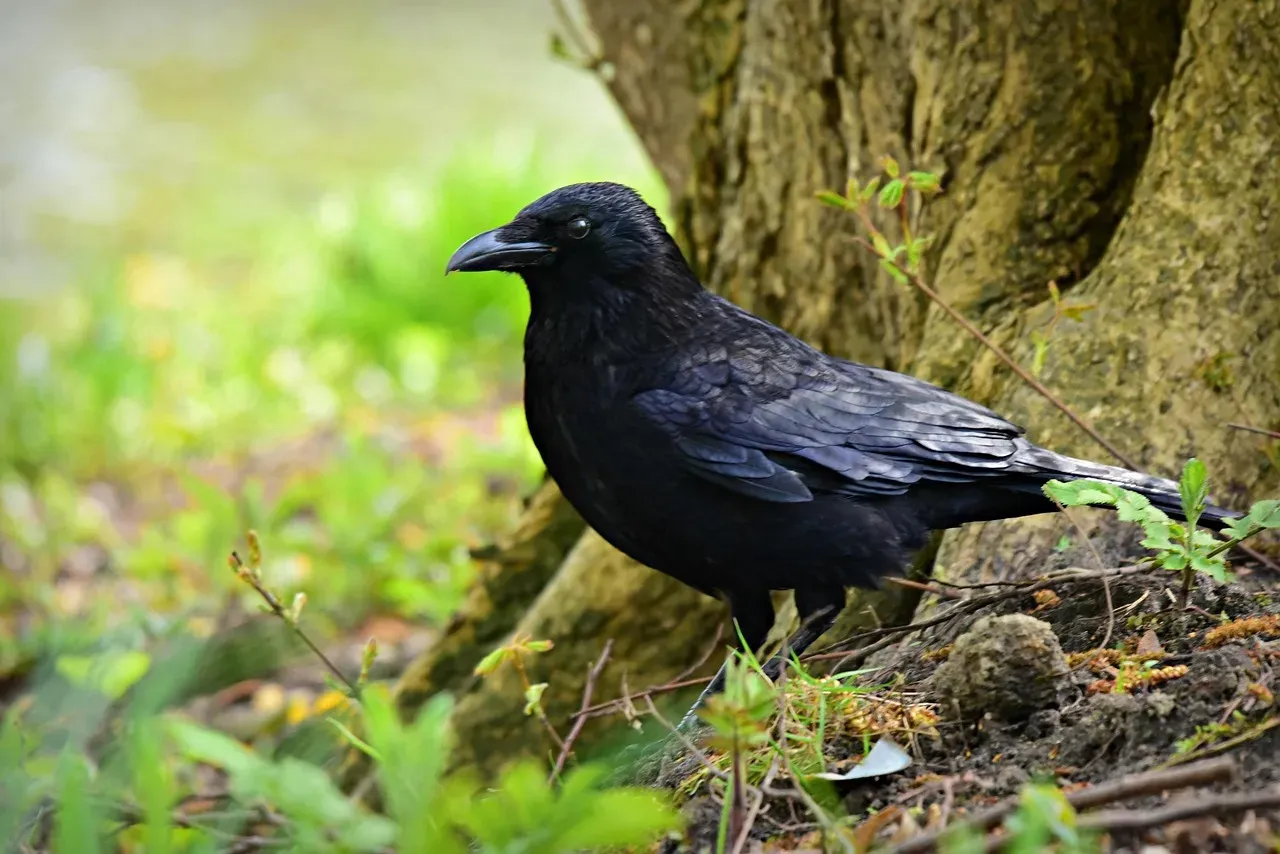
Imagine giving a puzzle to a young child and a crow, and watching the bird win. That’s not science fiction. Research on New Caledonian crows has shown they can solve multi-step problems that require understanding cause and effect, like dropping stones into water to raise the level and reach a floating reward. They’re not just pecking randomly; they choose the right tools in the right order, which suggests real understanding rather than blind trial and error.
In several experiments, crows performed at a level comparable to a young child on tasks that test basic reasoning. They pick the heavier object when weight matters, avoid objects that don’t work, and even adapt when researchers change the rules. What’s wild is that their brains are much smaller than ours and shaped completely differently, yet somehow they pack in a kind of flexible intelligence we used to reserve for primates and humans. It’s like discovering a powerful computer hiding in a device that looks like an old calculator.
2. Parrots That Use Words With Understanding, Not Just Mimicry
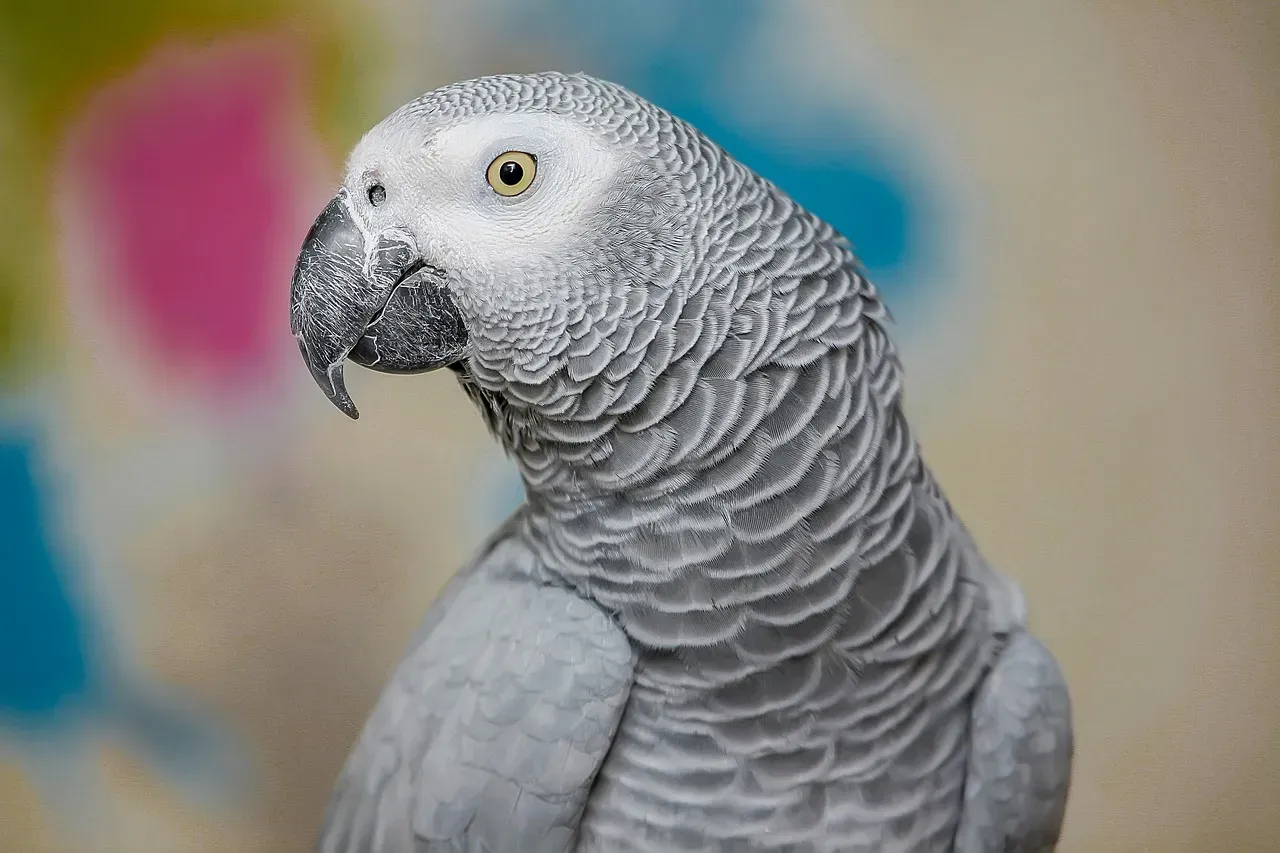
For years, people laughed off parrots as feathered tape recorders that just parroted back what we said. But research with African grey parrots has flipped that view upside down. Carefully trained birds have shown that they can label colors, shapes, numbers, and even concepts like “bigger” or “smaller,” and use those words appropriately in new situations. They’re not just repeating sounds; they’re choosing meaningful words from their vocabulary to answer questions.
Some parrots have demonstrated the ability to combine words in ways that suggest a grasp of simple grammar and categories. They can distinguish between objects, ask for specific items, and even show signs of understanding the idea of zero or “none.” Watching a bird calmly answer a question about how many red blocks are on a tray feels almost surreal. It forces you to consider that under those feathers is a mind that can negotiate, request, and sometimes stubbornly refuse, much like a strong-willed toddler who happens to fly.
3. Octopuses That Escape, Solve Mazes, and Hold Grudges
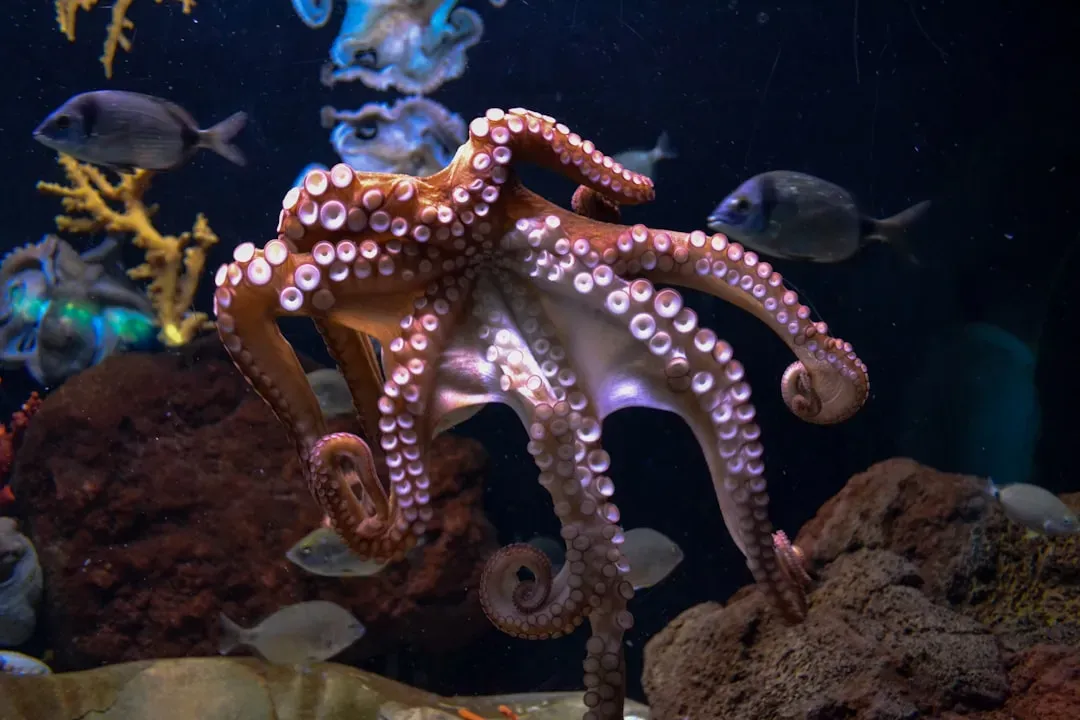
If there’s any animal that feels like it wandered in from a science fiction movie, it’s the octopus. These soft-bodied, short-lived creatures have shown an eerie mix of problem-solving, curiosity, and what looks suspiciously like personality. In labs and aquariums, octopuses have opened jars, solved mazes, unplugged drains, and quietly escaped tanks at night to raid neighboring exhibits before slipping back as if nothing happened.
What makes this so striking is that most of their neurons are not clustered in a brain like ours but spread throughout their arms, almost like having eight semi-independent brains working together. Some individuals seem to recognize specific people and react differently depending on whether they’ve had good or bad experiences with them. There are reports of octopuses deliberately squirting water at certain keepers and ignoring others, which sounds a lot like holding a grudge. For an animal that lives only a couple of years, the level of flexible, creative problem-solving they show is hard to dismiss as just instinct.
4. Dolphins That Recognize Themselves and Understand Complex Signals
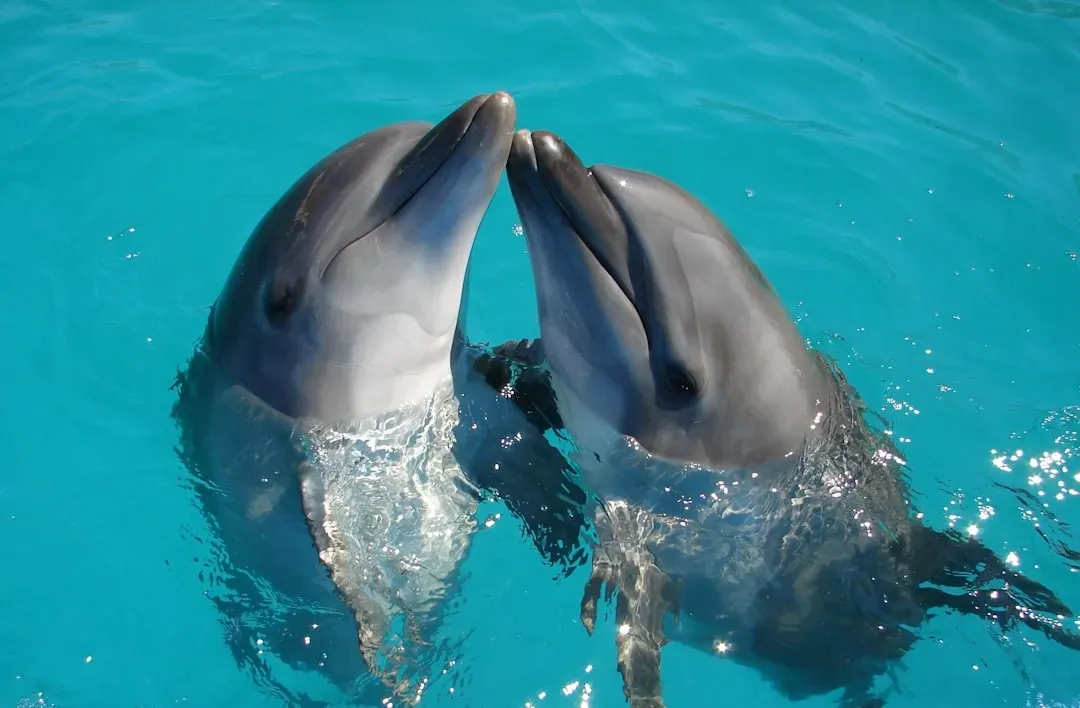
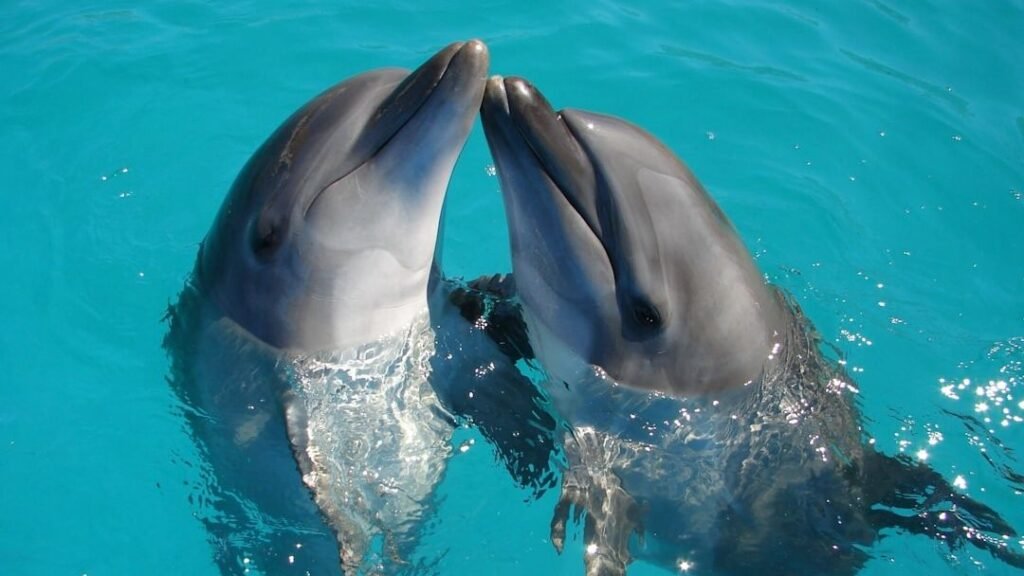
Many people already think of dolphins as smart, but the depth of that intelligence keeps surprising researchers. Dolphins pass the classic mirror test: they use reflections to inspect marks on their own bodies, a sign of self-recognition that only a small group of species has ever demonstrated. That suggests some level of self-awareness, an ability to see themselves as individuals rather than just reacting to stimuli.
On top of that, dolphins use a sophisticated system of whistles and clicks that appears to function like names and social calls. Studies have shown they can understand artificial symbol systems, following multi-step instructions given through gestures or visual cues. They can be told something like “swim to the hoop, then touch the ball” and get it right, even when the order changes. It’s a kind of flexible understanding of syntax, not just single commands. At some point, you stop thinking of them as trained animals and start wondering if you’re just talking to someone who doesn’t happen to speak your language.
5. Dogs That Read Human Emotions and Understand Hundreds of Words
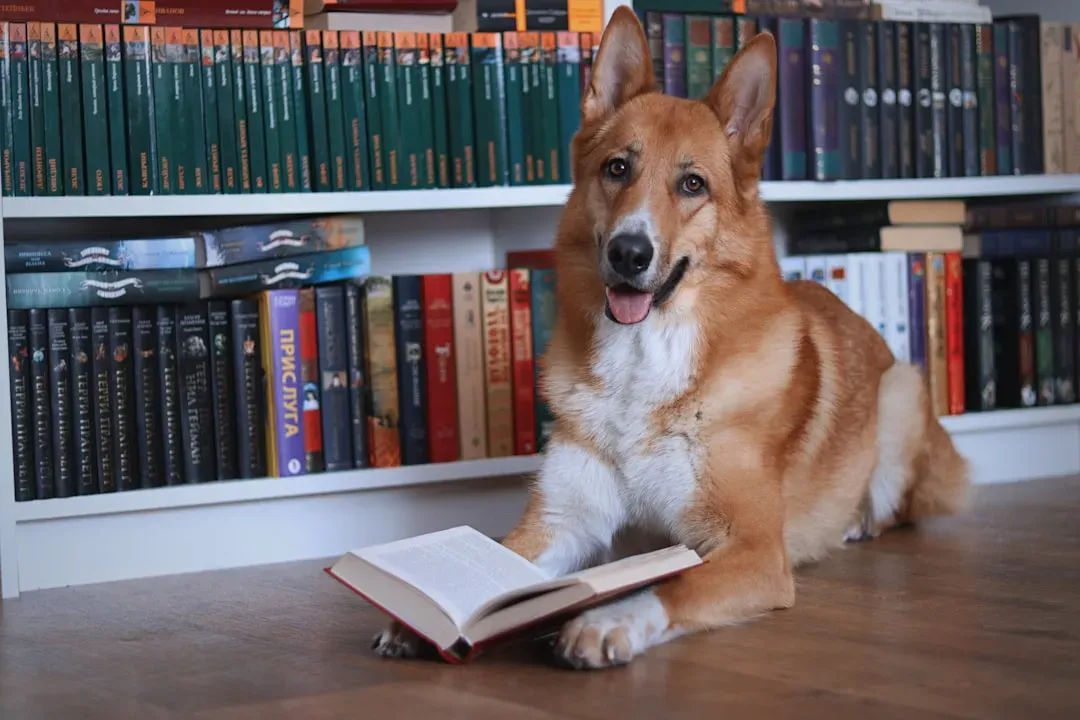
We’re so used to dogs that their intelligence almost feels invisible, like background noise in daily life. But when you pull back and look at the science, what they do is stunning. Many dogs can learn the meanings of dozens or even hundreds of spoken words, distinguishing names of toys, people, locations, or activities. Some individuals have been documented correctly retrieving specific items from large sets after hearing the spoken name, and even making reasonable guesses about new words they’ve never heard before.
Beyond vocabulary, dogs show an uncanny ability to read human emotions and body language. They follow our gaze, respond differently to happy and angry faces, and can even pick up on subtle cues in our voices. Brain imaging studies suggest they process certain aspects of human speech in ways that parallel our own brains. It’s not just that dogs are clever; it’s that they’ve become experts at decoding us, which might be one of the most impressive long-term intelligence experiments in history, quietly unfolding in every living room and backyard.
6. Fish and Cleaner Wrasses Passing the Mirror Test
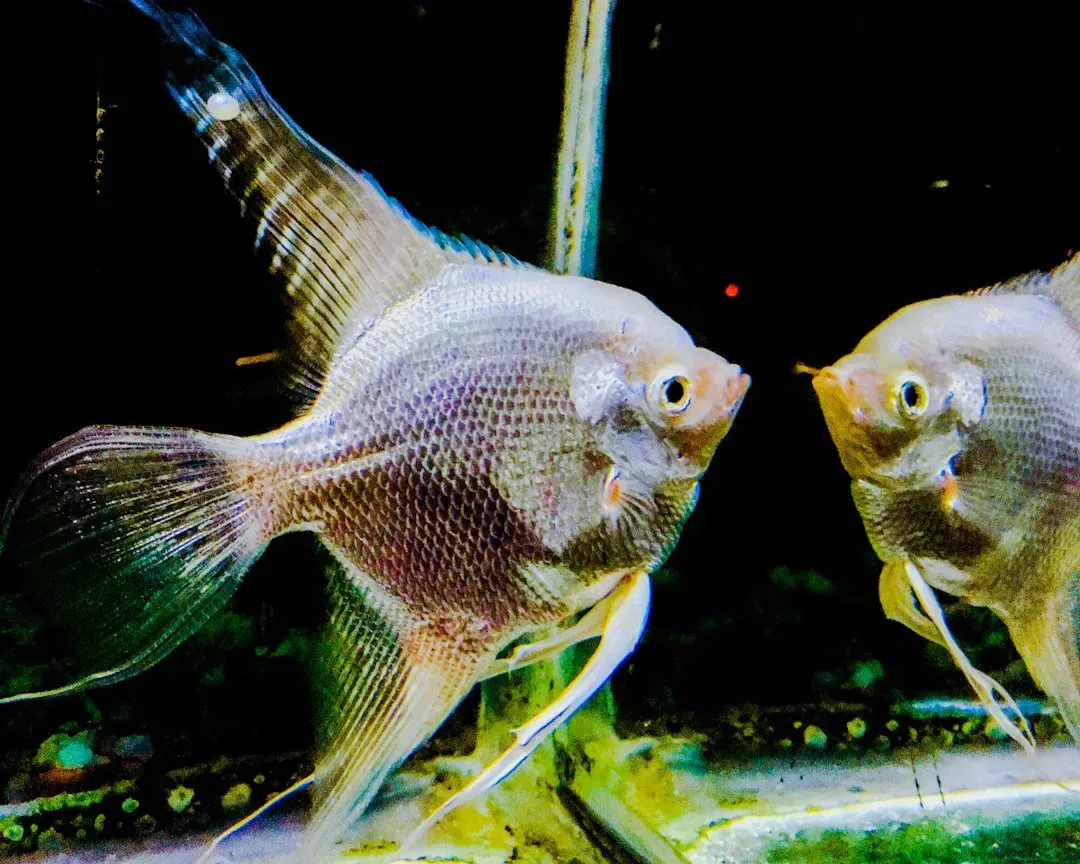
If you’d asked most scientists a decade or two ago whether a small reef fish could recognize itself in a mirror, the answer would have been an easy no. Yet research on cleaner wrasses, tiny fish that groom parasites off larger fish, has shaken that assumption. In controlled tests, some wrasses responded to a colored mark on their own bodies only when they could see it in the mirror, rubbing themselves against surfaces in ways that looked very much like deliberate self-directed behavior.
This has triggered a heated debate, because the mirror test was long treated as a simple all-or-nothing marker of self-awareness. When a creature as small and “simple” as a fish seems to pass it, the test itself comes under scrutiny, along with our ideas about what kind of brain is needed for self-recognition. Either way, something is clearly going on that we once thought only larger-brained mammals and a few birds could do. It’s like finding out the quiet neighbor you barely noticed is secretly solving advanced math problems at their kitchen table.
7. Rats and Primates Showing Empathy and Moral-Like Behavior
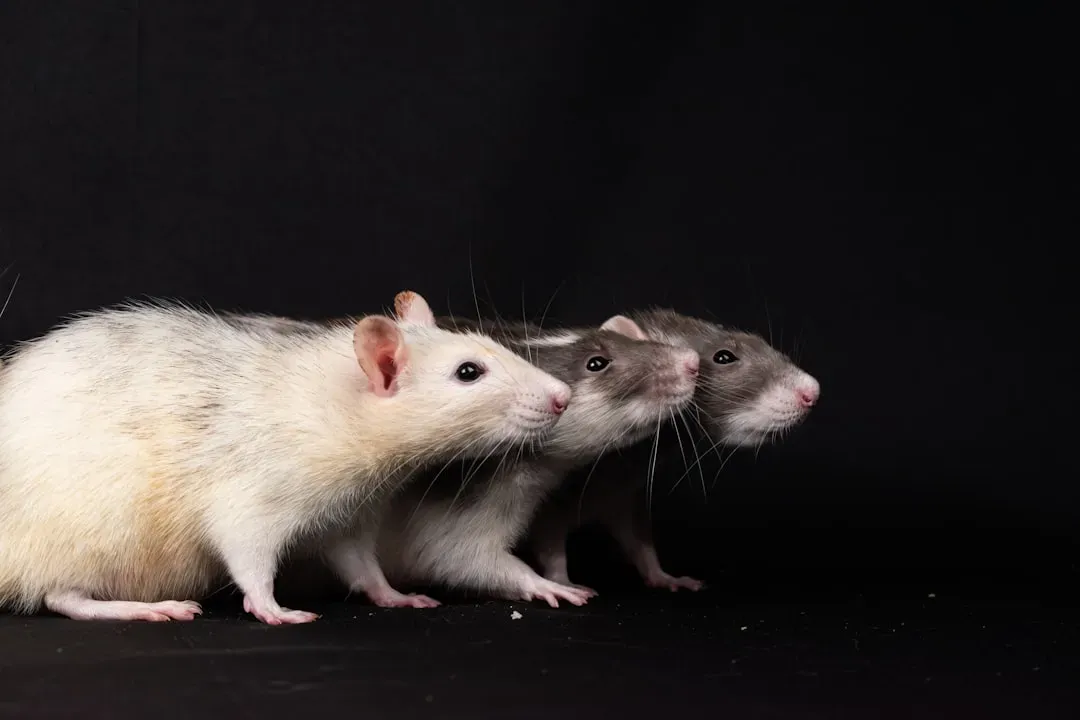
Intelligence is often framed as problem-solving or tool use, but there’s another angle that’s just as important: the social mind. Studies with rats have found that they will work to free a trapped companion, even when there is no clear direct benefit to themselves. When offered a choice between getting a treat only for themselves or a treat for both themselves and another rat, they often choose the option that helps both. That starts to look less like mindless instinct and more like a basic form of empathy.
Non-human primates deepen that picture further. Some monkeys show what appears to be a sense of fairness, refusing to cooperate when they see another individual getting a better reward for the same task. Great apes comfort distressed companions, share tools, and can even take another’s perspective to some degree when hiding or sharing food. These behaviors hint at a moral-like landscape where choices, feelings, and relationships all matter. It raises an unsettling but important question: if animals can feel and respond to fairness, kindness, and distress, how do we justify treating them as if none of that is there?
Rethinking What It Means to Be “Smart”
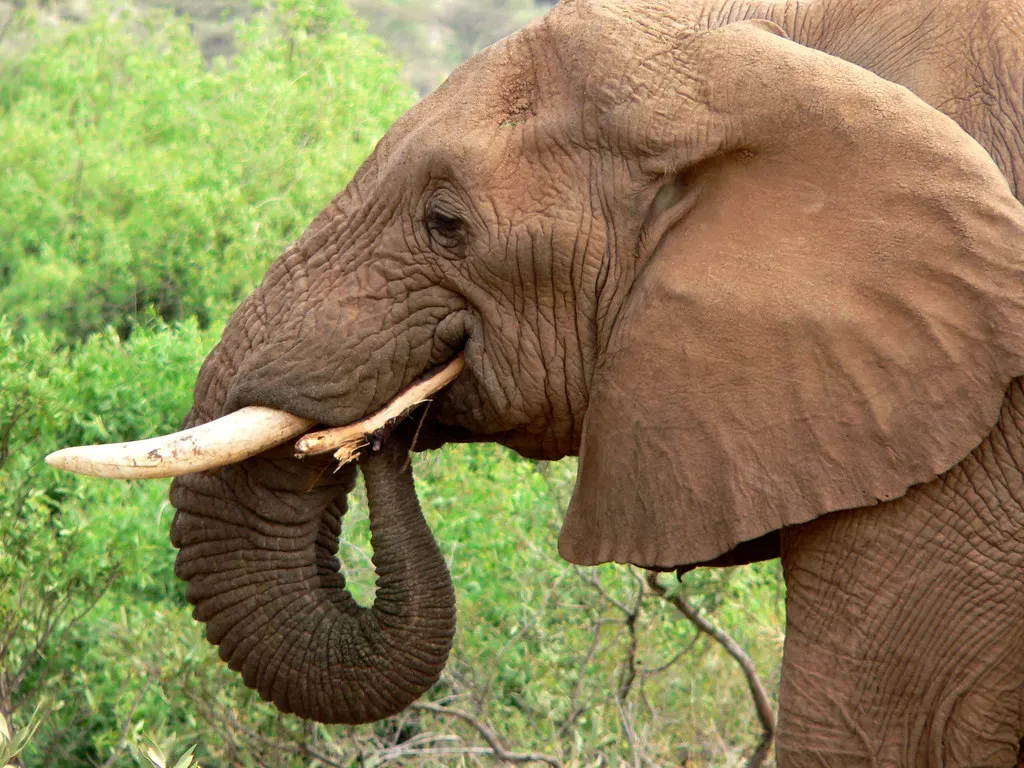
Put all of these discoveries together, and a clear pattern emerges: intelligence is not a single ladder with humans at the top and everyone else stuck on lower steps. It’s more like a forest of different trees, each species climbing its own path, shaped by its environment, body, and social world. Crows plan with tools, octopuses explore with arms, dolphins communicate underwater, dogs navigate human emotions, and even small fish and rats show glimmers of self-awareness and empathy.
Once you see that, it becomes very hard to look at animals as simple, feelingless beings or as moving decorations in the background of our lives. They are thinking, choosing, sometimes suffering, sometimes playing, and often understanding far more than we gave them credit for. Maybe the real question is not whether animals are smart enough, but whether we’re finally ready to notice how much intelligence has been living all around us this whole time.