
If you’ve ever stared at the night sky and felt tiny, confused, or weirdly emotional, you’re not alone. The more scientists learn about the universe, the stranger it looks, and somehow that strangeness always loops back to one uncomfortable question: what does that make us?
Some of the wildest ideas in modern physics and cosmology sound like science fiction at first glance. But many of them are serious attempts to explain real data, paradoxes, and gaps in our understanding. Once you let these theories into your head, everyday reality starts to feel a lot less solid than it used to.
1. The Simulation Hypothesis: Are We Living in a Cosmic Computer?
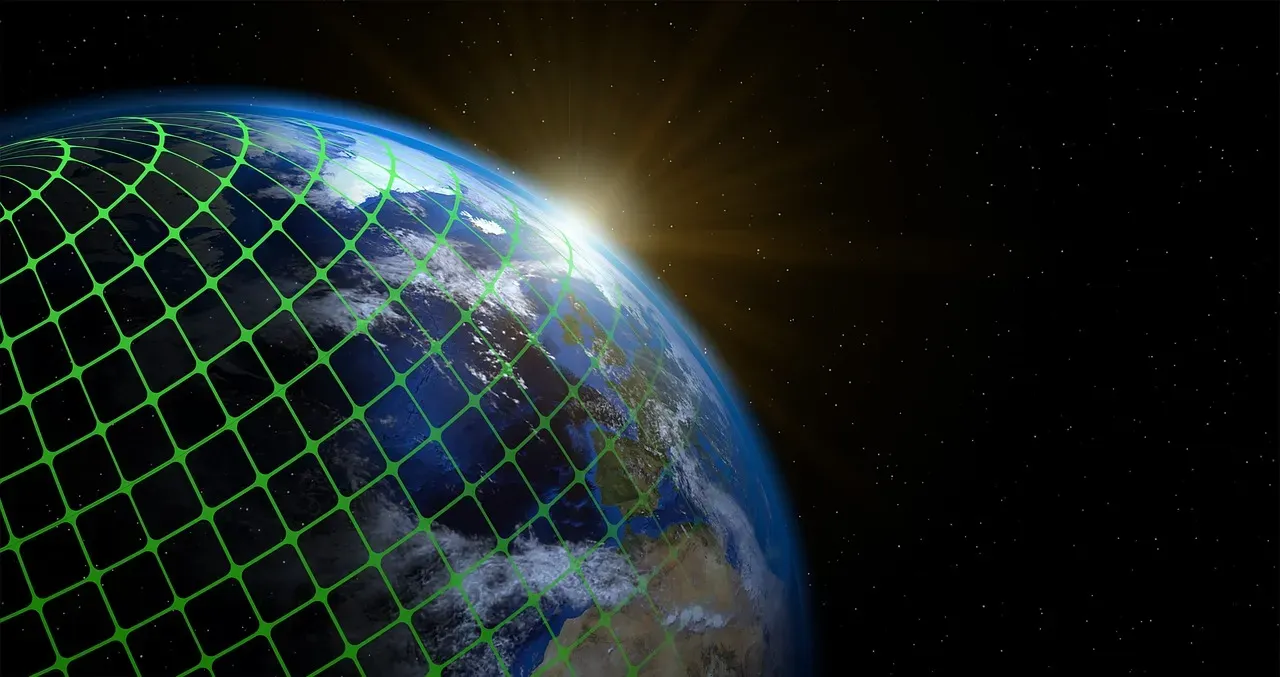
Imagine waking up one day and learning that everything you see, feel, and remember is running on someone else’s hardware. That’s the unsettling core of the simulation hypothesis: the idea that our universe might be an advanced computer simulation created by a far more developed civilization. This isn’t just an internet meme; some philosophers and scientists seriously argue that if any civilization can simulate conscious beings, then simulated universes might vastly outnumber “base reality.”
What makes this theory so disturbing isn’t just the idea of being simulated, but the logical implications. If we’re inside a simulation, constants of nature could in principle be changed, “patches” could be applied, or the whole thing could be shut down without warning. On a personal level, I find this theory both claustrophobic and strangely liberating: if reality is code, then meaning comes less from the universe itself and more from how we choose to live inside it.
2. The Multiverse: An Ocean of Parallel Realities
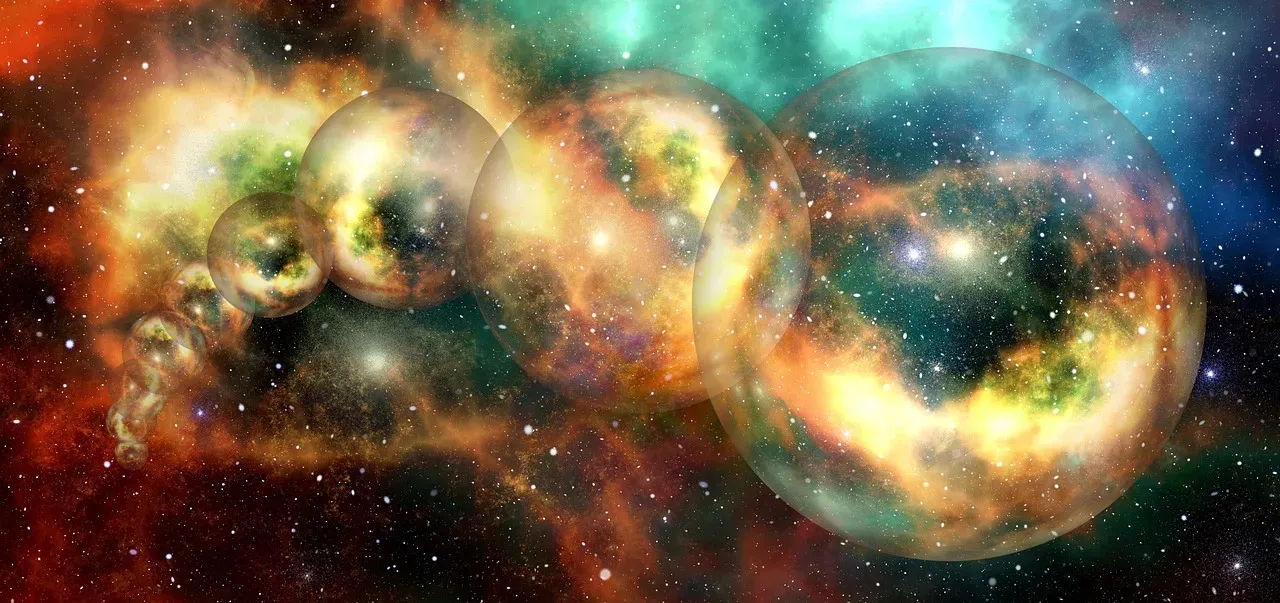
It sounds like a plot from a sci‑fi movie, but parallel universes show up in several serious physical theories. The multiverse idea suggests that our universe could be just one bubble in a vast cosmic foam, with countless other universes coexisting, each with different physical laws or initial conditions. Some versions come from inflationary cosmology, where rapid expansion in the early universe could have created separate “pocket” universes.
There’s also the many‑worlds interpretation of quantum mechanics, which claims that every quantum event spawns branching realities where each possible outcome really happens. If that’s true, then there might be a version of you who made every choice you did not, living out an unimaginable number of alternate lives. Thinking about this too long can feel like standing at the edge of a cliff with no guardrail: suddenly, your own timeline seems like just one thread in a massive cosmic carpet.
3. The Holographic Universe: Reality as a Cosmic Projection
The holographic principle suggests something almost poetic: everything we experience in three dimensions might actually be encoded on a distant two‑dimensional surface. It emerged from attempts to understand black hole physics and quantum gravity, where researchers found hints that the information in a volume of space could be described by data on its boundary. In a strange way, this makes our universe feel more like a hologram than a solid object.
Some versions of this idea go even further, proposing that spacetime itself emerges from deeper quantum information. It’s like discovering that the “pixels” of reality are bits of information, not tiny particles. To me, this theory hits a weird emotional nerve: it shrinks our sense of physical solidity, but it also makes the universe feel like a giant, intricate story written in cosmic code. We’re not just in space; we might literally be patterns in a higher‑dimensional data set.
4. The Block Universe: Time Is an Illusion
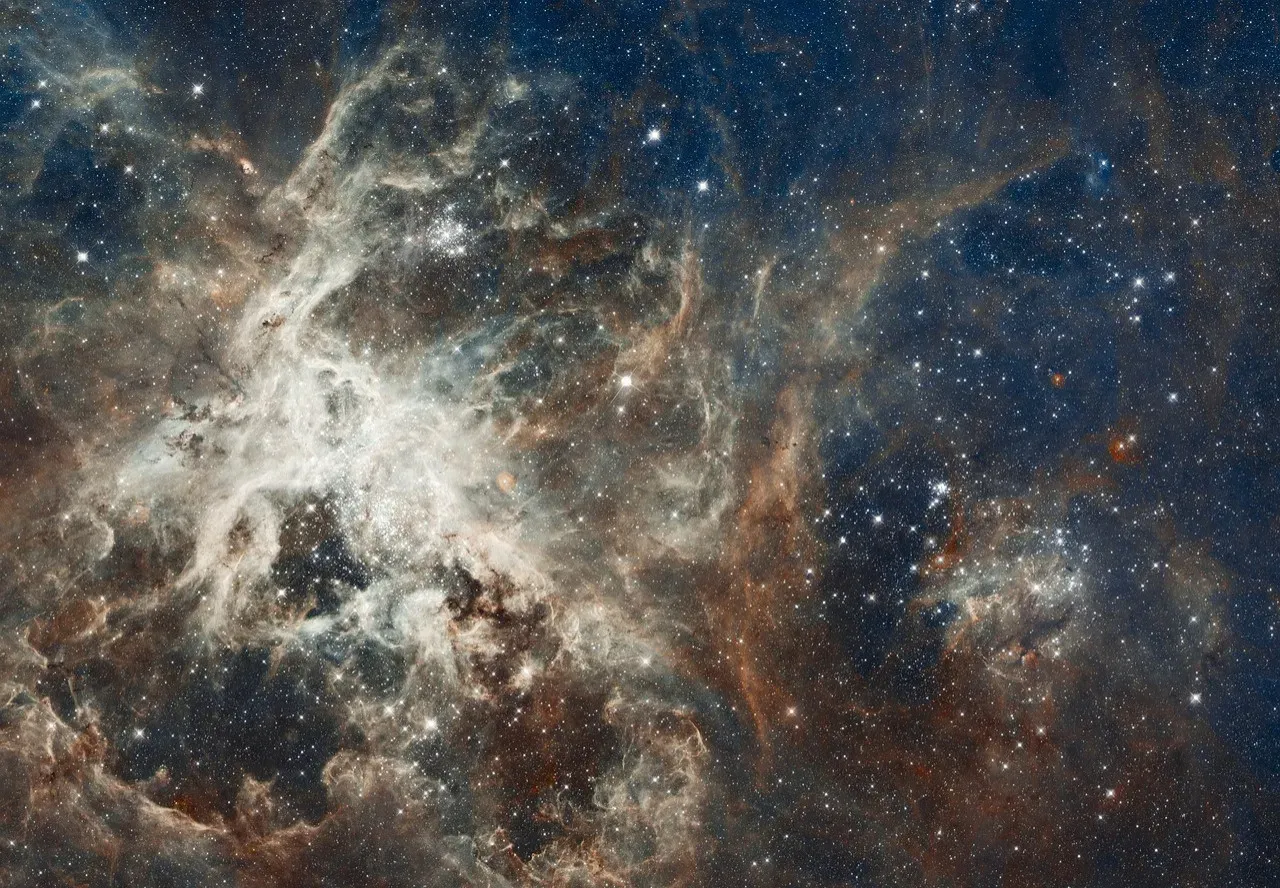
Most of us experience time as a flowing river: past behind us, future ahead, now slipping away with every heartbeat. The block universe theory, rooted in relativity, claims this feeling is an illusion. Instead, past, present, and future all coexist in a four‑dimensional “block” of spacetime, with every event fixed like frames on an eternal film strip. From this perspective, you at age six and you at age eighty are equally “real,” just located at different coordinates.
This view is deeply unsettling if you like the idea of an open future and genuine free choice. If the whole spacetime block is already laid out, then your life is more like a novel that’s already been written, even if you haven’t read the last chapters yet. At the same time, there’s something strangely comforting in it: no moment is ever truly lost, it just lives in a different slice of the cosmic structure. The universe, in this sense, is less a story being told and more a story that simply exists.
5. Quantum Entanglement: Spooky Connections Across the Cosmos
Quantum entanglement is one of those ideas that sounds fake until you realize it’s been repeatedly confirmed in experiments. When two particles become entangled, measuring one instantly affects the state of the other, even if they’re separated by vast distances. It doesn’t send a message faster than light in a way we can use, but it does hint that our usual picture of separated objects in space might be incomplete.
Some researchers think entanglement is not just a weird quantum sideshow but a foundational ingredient of reality. There are theories suggesting that spacetime geometry itself might arise from networks of entangled bits of information. In that picture, the fabric of the universe is woven out of relationships rather than things. The emotional punch of this, at least for me, is that it nudges us away from seeing the universe as a collection of isolated objects and toward a deeply interconnected whole where separation is more of a convenient illusion than a fundamental truth.
6. Cosmic Inflation and the Birth of Everything from “Almost Nothing”
Cosmic inflation is the idea that, in the tiniest fraction of a second after the Big Bang, the universe expanded faster than you can comfortably imagine, smoothing everything out. This rapid expansion explains why the universe looks so uniform on large scales and why space appears nearly flat. What’s truly mind‑bending is that this enormous, structured cosmos could have emerged from an extremely tiny, high‑energy region.
Inflation theories also flirt with the notion of “eternal inflation,” where parts of space keep inflating and budding off new universes indefinitely. That turns the origin of our universe into just one event in a vast and ongoing cosmic process. It’s a bit like realizing your whole life story is one chapter in a library that never stops adding new books. Thinking about this made me drop the lazy idea that the Big Bang was a neat, singular beginning; instead, it starts to feel like just one spark in an endless cosmic fire.
7. The Anthropic Principle: Are We Here Because We Can Be?
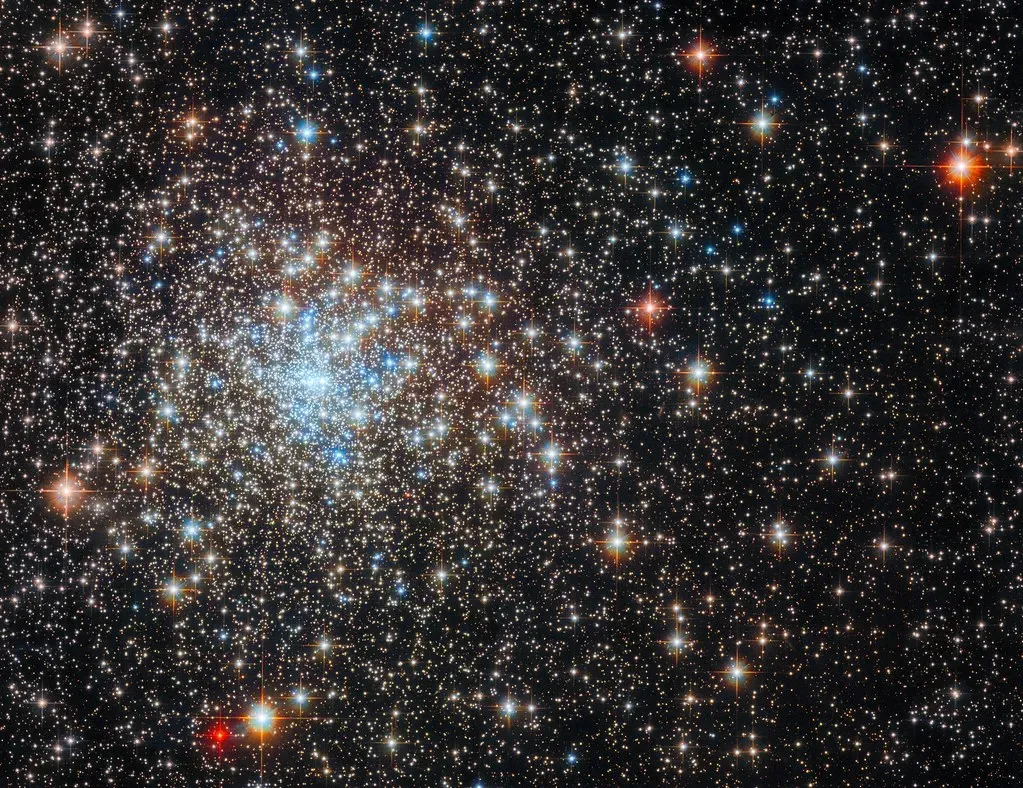
The anthropic principle basically points out an uncomfortable fact: the universe’s physical constants seem eerily well‑tuned to allow life as we know it. Slight changes in the strength of gravity, electromagnetism, or nuclear forces and we might not get stable stars, chemistry, or anything resembling biology. One response is that we should not be surprised to find ourselves in a universe compatible with our existence, because if it weren’t, we wouldn’t be here to notice.
When combined with the multiverse idea, this becomes even more provocative. If there are countless universes with different parameters, then of course conscious observers will only arise in the rare ones where conditions are just right, so our “fine‑tuned” universe may simply be one of the habitable ones. Personally, I find this explanation both annoyingly unsatisfying and hard to dismiss. It dodges the “why” in a way that feels almost cheeky, yet it might be the cleanest way to make sense of how absurdly lucky our cosmic circumstances appear.
8. Dark Matter and Dark Energy: The Invisible Majority of Reality
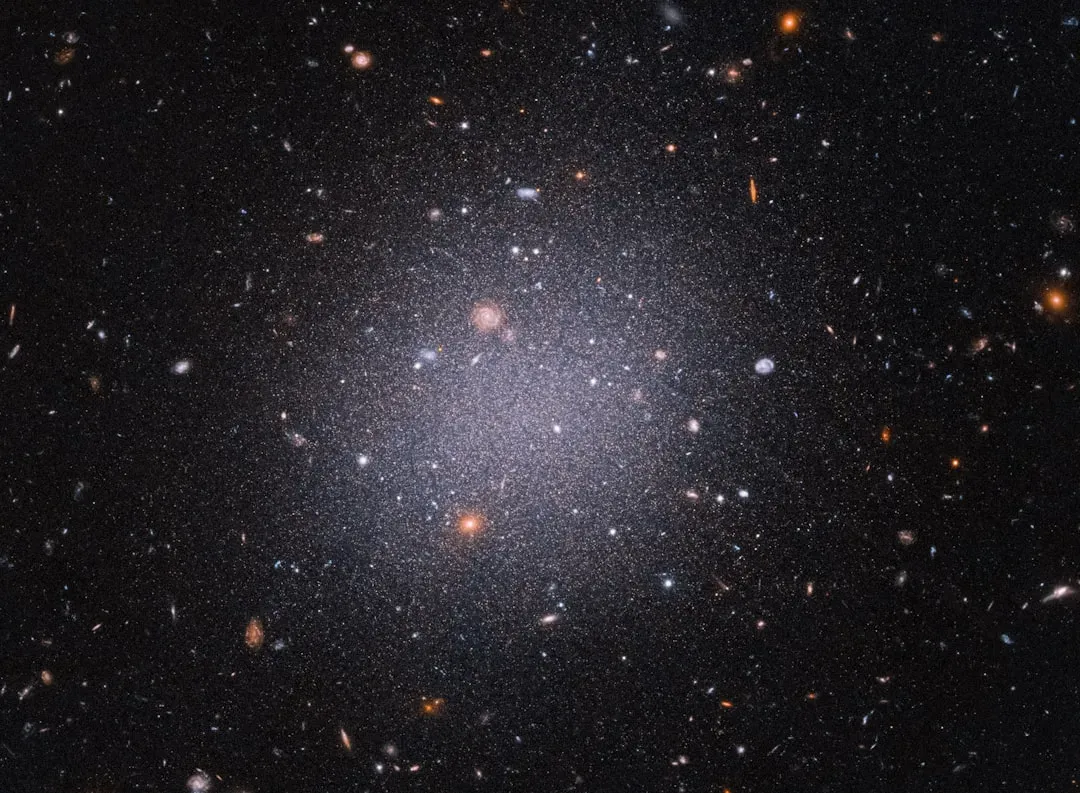
Look around: everything you see – stars, planets, people, your coffee mug – is made of ordinary matter. Now here’s the twist: that ordinary matter is only a small fraction of what the universe contains. Observations of galaxies and cosmic expansion tell us that most of the cosmos is made of dark matter and dark energy, mysterious components we can’t directly see or touch. They don’t glow, reflect light, or behave like anything we fully understand.
Dark matter seems to act like an invisible scaffolding, holding galaxies together with its gravity, while dark energy is driving the universe’s expansion to speed up over time. Together, they dominate the cosmic budget and yet remain fundamentally unexplained. To me, this is one of the most humbling facts in all of science: the vast majority of reality is effectively invisible and poorly understood, and we’re building our grand theories on the thin sliver we can actually detect. It’s like trying to understand an iceberg by studying the ice cube floating at the top.
9. The Cosmic Censorship and Black Hole Mysteries
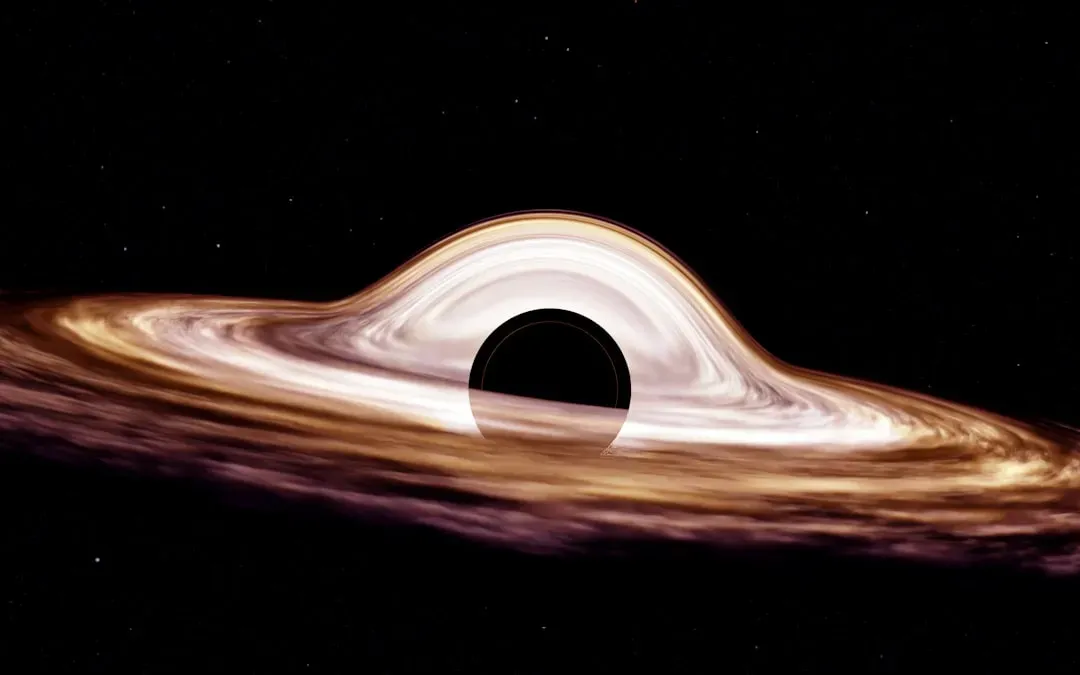
Black holes are already wild: regions of spacetime where gravity is so strong that nothing, not even light, can escape. Inside, general relativity predicts a singularity, a point where density and curvature blow up and our equations stop making sense. Cosmic censorship is the idea that nature hides these singularities behind event horizons, so the worst breakdowns of physics are always out of direct view. In other words, the universe might be quietly sweeping its ugliest secrets under a cosmic rug.
Recent studies of black hole information, quantum effects, and gravitational waves have only deepened the mystery. There are arguments that black holes might encode information in subtle ways on their surfaces, linking back to the holographic principle and quantum gravity. The more we learn, the more black holes start to look less like simple “cosmic drains” and more like gateways to a deeper layer of physics we barely grasp. Standing under a clear night sky, it’s strange to realize that somewhere out there are objects that may hold the key to a unified picture of the universe – and yet they refuse to give up their secrets easily.
10. Emergent Reality: Space, Time, and Self as Convenient Illusions
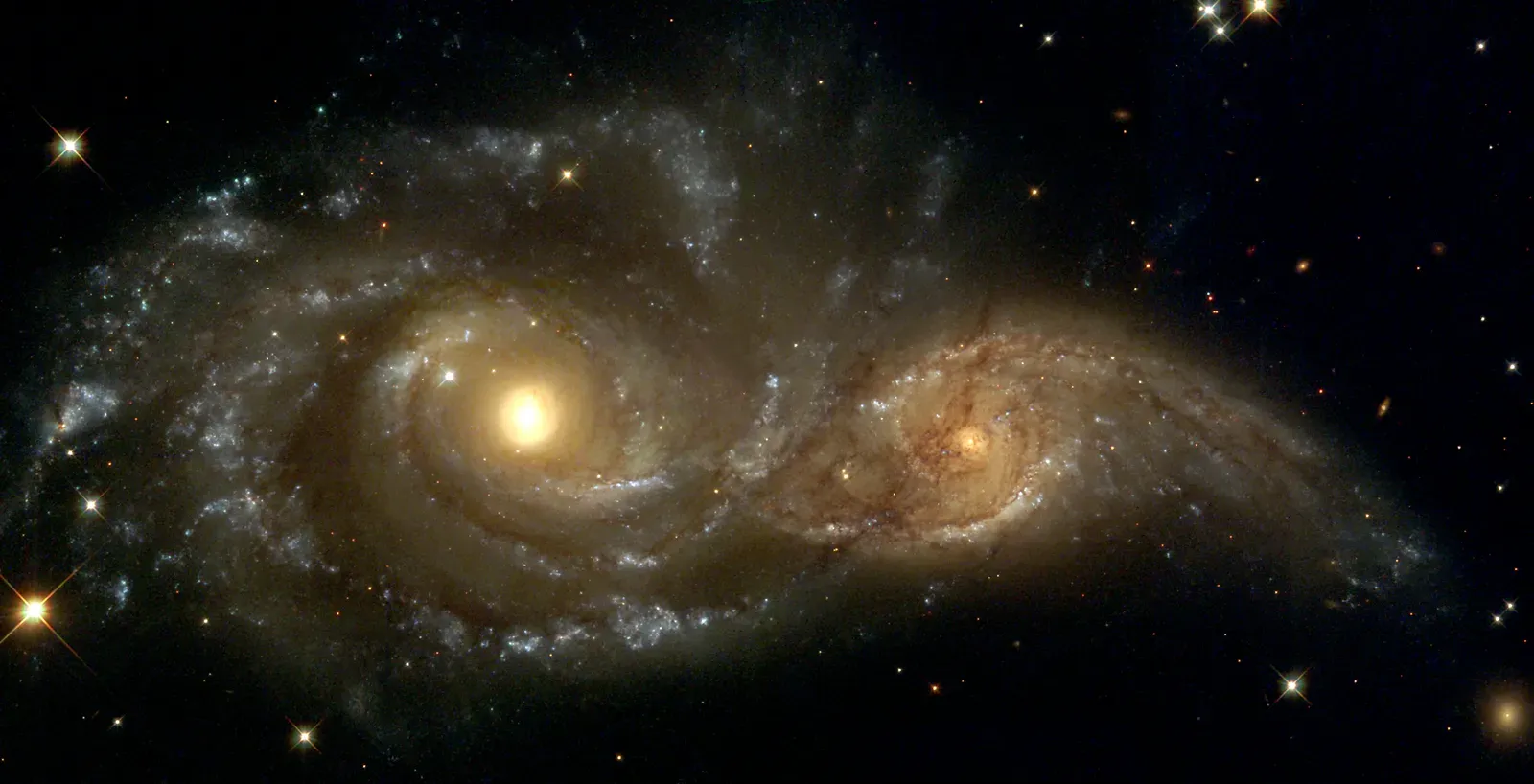
One of the boldest ideas floating around theoretical physics and philosophy is that things we treat as fundamental – like space, time, and even the “self” – may actually be emergent. That means they arise from deeper, more basic elements, the way temperature emerges from molecules moving or waves emerge from vibrating strings. Some models suggest spacetime could emerge from quantum entanglement networks, while consciousness might emerge from complex information processing in the brain.
Viewed this way, what we call “reality” is more like the interface of a colossal operating system than the hardware itself. We experience the user‑friendly front end – solid objects, flowing time, stable identities – because that’s the only way our brains can cope with the underlying complexity. I remember the first time this really hit me; I felt like I’d just learned that my entire life had been spent staring at the home screen of a device whose internals I’d never even imagined. It’s unsettling, but also strangely empowering: if so much of reality is emergent, then understanding those deeper layers might completely change how we see ourselves and our place in the cosmos.
Living with a Shaky Reality
When you stack these theories side by side – simulations, multiverses, holograms, emergent realities – it’s hard not to feel the ground move a little under your feet. The universe stops being a simple stage for human lives and becomes something far stranger, more layered, and less human‑centered than we like to admit. In a way, these ideas collectively attack our oldest comfort: the sense that what we see is what there is.
Yet there’s also something deeply human about pushing into this weirdness. We keep asking questions even when the answers make us small, or temporary, or not nearly as central as we hoped. In the end, maybe the most mind‑bending thing about the universe is that a species on a small rock around an average star can even imagine these possibilities at all. Which of these realities, if it turned out to be true, would unsettle you the most?