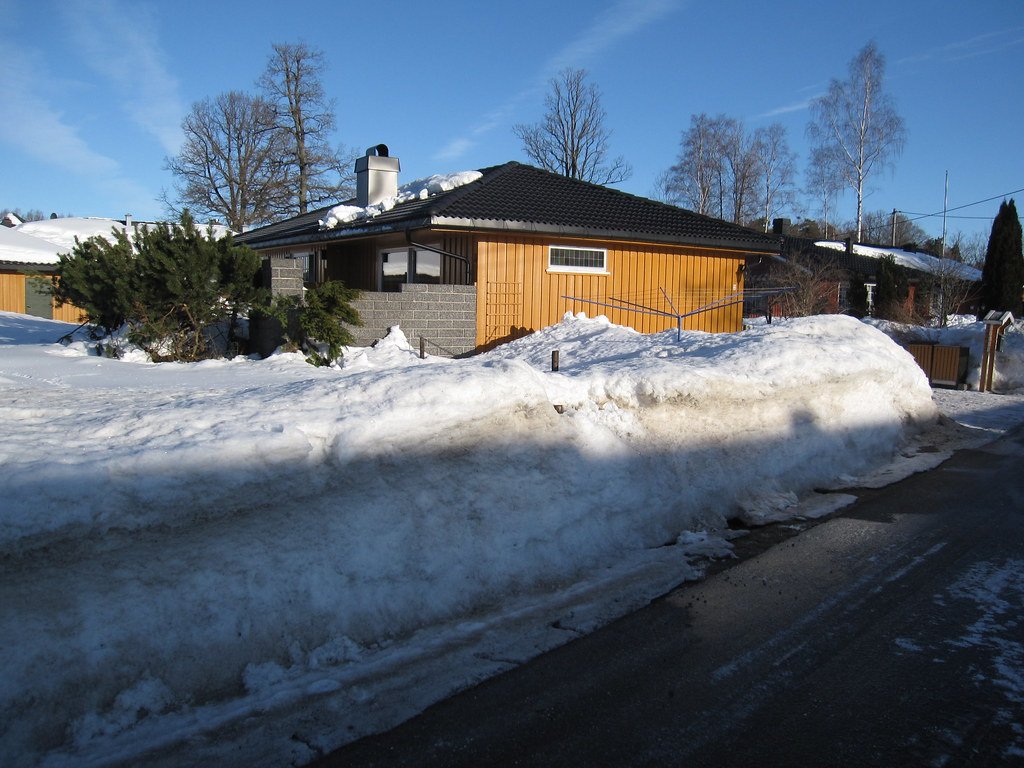
Pollutants Build Up Silently in Snowdrifts (Image Credits: Flickr)
Winter snow across northern regions absorbs contaminants throughout the cold months, only to release them into waterways during the spring thaw, threatening delicate ecosystems and wildlife.
Pollutants Build Up Silently in Snowdrifts
Road salt dominates the list of winter accumulators. Municipalities spread millions of tons of de-icing chemicals each year to clear streets and highways.[1][2] These salts dissolve as temperatures climb, flowing unchecked into nearby streams.
Other hazards join the mix. Vehicle exhaust, tire particles, oil residues, and sand from plowing settle into snow piles. Pet waste and lawn chemicals add nutrients and bacteria. Heavy metals from brake pads and industrial sites complete the toxic cocktail.[3][4] Environmental agencies classify this snowmelt runoff as nonpoint source pollution, the nation’s leading cause of water impairment.[4]
Aquatic Life Faces Dire Consequences
Freshwater species suffer most from elevated chloride levels. Fish, amphibians, and invertebrates experience disrupted osmoregulation, where salt draws vital moisture from their bodies.[1][5] Reproduction rates plummet, and sensitive juveniles often perish outright.
Oxygen depletion follows in affected waters. Dense saltwater layers sink, preventing seasonal turnover and creating dead zones at lake bottoms. Macroinvertebrates vanish, collapsing food chains that sustain fish populations.[6] Recent studies highlight tire-derived compounds like 6PPD-quinone, lethal to salmon at concentrations found in urban runoff.[7]
Broader ecosystem shifts emerge over time. Native plants die along shorelines, eroding habitats. Birds and mammals dependent on healthy fisheries face starvation risks.
Recent Alerts Underscore the Urgency
In Boston, recent thaws swept street debris directly into the Charles River, amplifying contamination concerns.[8] Maryland experts warned of brackish conditions harming freshwater species as snowmelt peaked last week.[9]
Alaska transportation officials urged residents to avoid dumping plowed snow near streams, citing chloride’s permanent damage to lakes.[10] Scientists in Cincinnati described slushy meltwater as a “toxic flood” carrying sand, exhaust, and waste into local waterways.[3] These events, reported in early 2026, reveal patterns repeating annually in snowbelt areas.
Practical Steps to Curb the Damage
Communities and individuals hold the power to intervene. Agencies promote salt-reduction strategies, such as pre-wetting roads and using sand-salt blends sparingly.
- Store plowed snow in designated lots away from waterways to allow filtration before melt.
- Scoop pet waste promptly and dispose of it in trash, not storm drains.
- Opt for eco-friendly de-icers like calcium magnesium acetate on private driveways.
- Maintain vehicles to minimize leaks of oil and antifreeze.
- Plant riparian buffers to trap runoff naturally.
Proper practices during plowing and storage cut pollutant loads significantly, preserving water quality for future seasons.[4]
Key Takeaways
- Snowmelt carries road salt, chemicals, and waste, turning pristine flakes into waterway poisons.
- Aquatic species face toxicity, habitat loss, and food web collapse from chloride and particulates.
- Targeted actions like better snow management and waste control yield immediate conservation gains.
Winter’s thaw need not spell disaster for wildlife if vigilance prevails now. Simple changes protect rivers today and sustain biodiversity tomorrow. What actions will you take in your community? Share your thoughts in the comments.