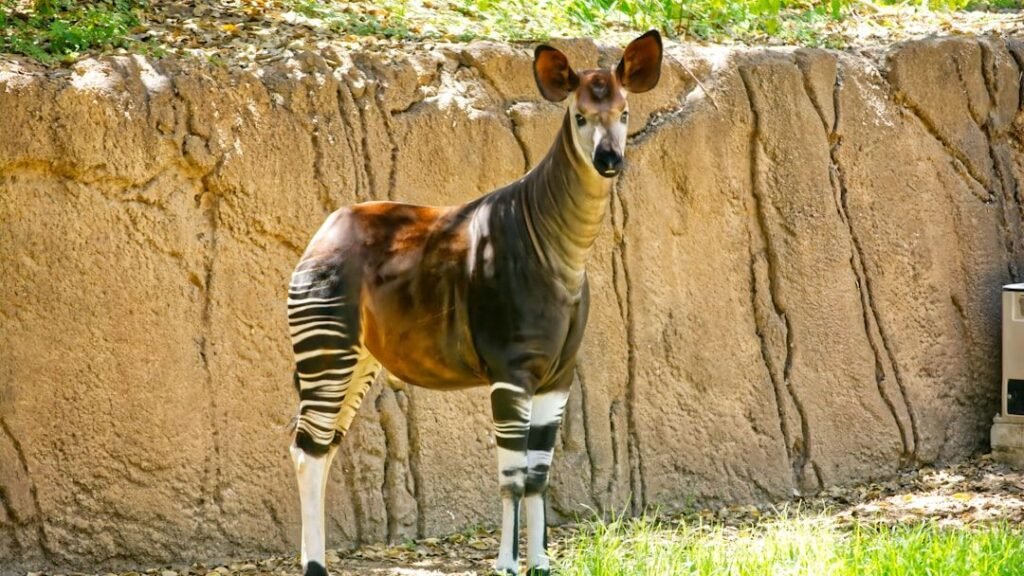

Deep within Africa’s dense rainforests lives an animal so unusual, so unexpected, that early explorers thought it was a legend. With stripes like a zebra, a body reminiscent of a horse, and a mysterious connection to the giraffe, the okapi remained unknown to Western science until the early twentieth century. Even today, this creature continues to baffle and fascinate those lucky enough to glimpse it.
What makes the okapi so captivating? It’s not just its appearance. From its remarkably long tongue to its secretive behavior and tragic recent history, this animal holds secrets that will surprise even wildlife enthusiasts. Let’s dive in.
The Okapi Is the Giraffe’s Only Living Relative
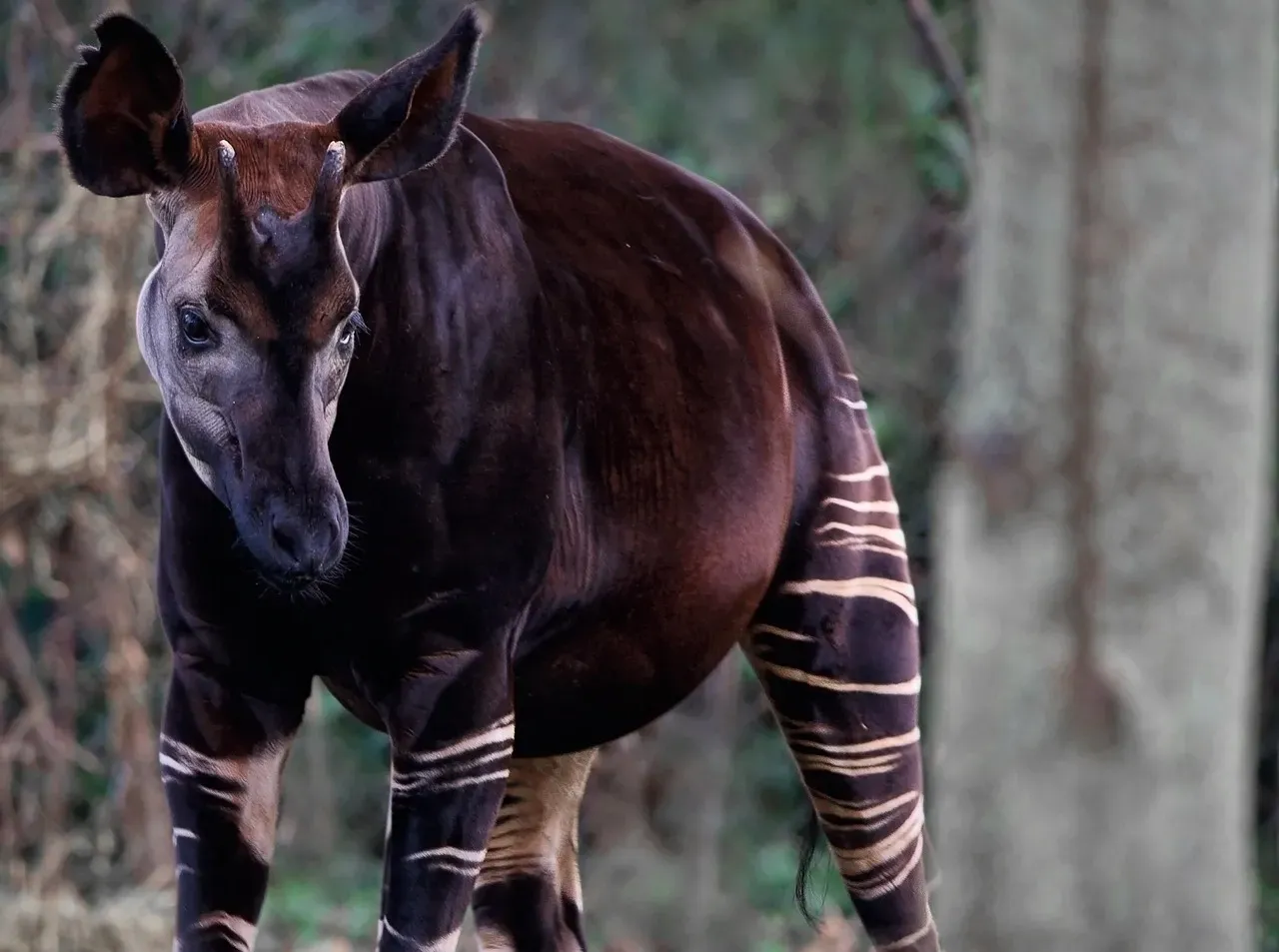
Here’s the thing most people don’t realize when they first see an okapi. Although the okapi has striped markings reminiscent of zebras, it is most closely related to the giraffe. That’s right, those zebra-like stripes are basically nature’s way of playing a trick on us.
The okapi and the giraffe are the only living members of the family Giraffidae. Imagine being the sole family member left to carry on a legacy. A genetic study found that the common ancestor of giraffe and okapi lived about 11.5 million years ago. They’ve been walking separate evolutionary paths for millions of years, yet they still share distinctive features like skin-covered horns and that incredibly long tongue.
It Remained Hidden From Western Science Until 1901
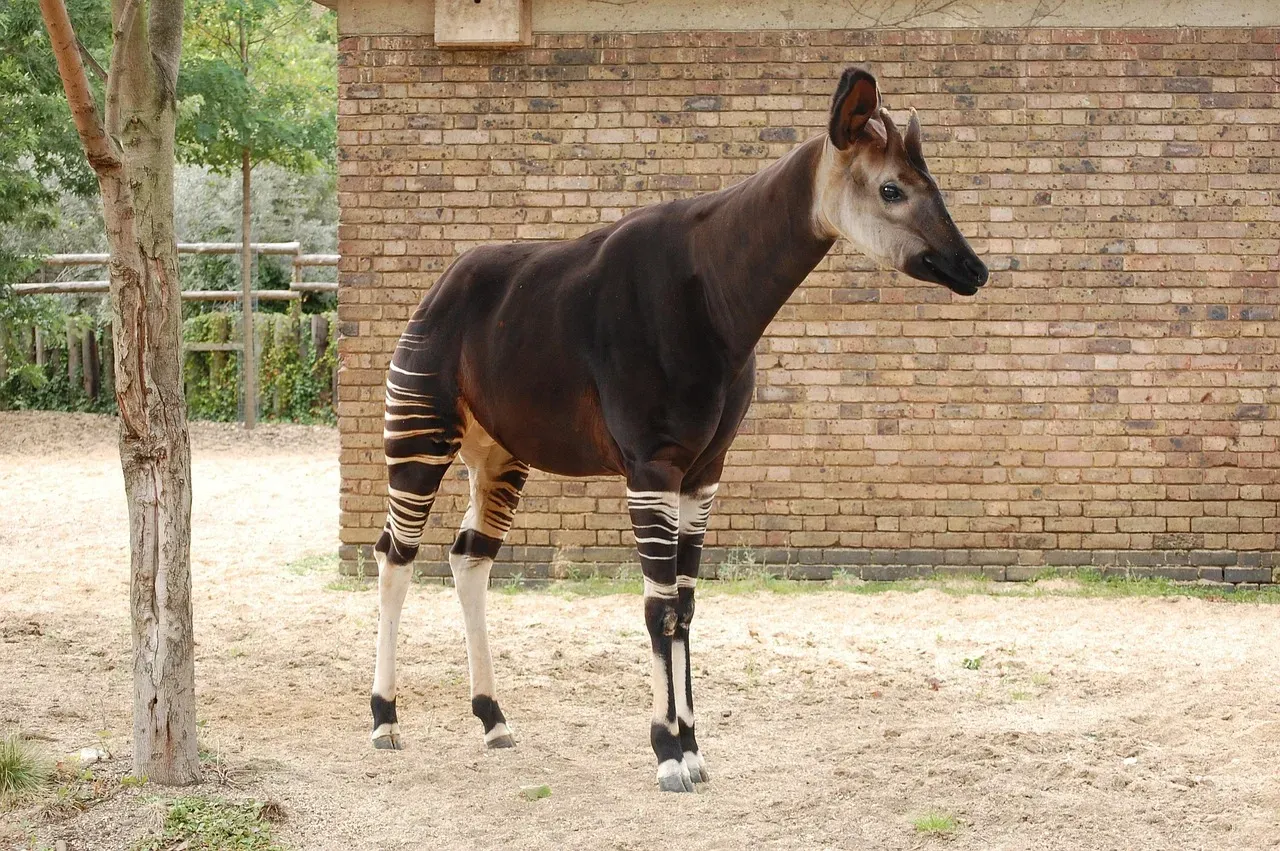
The okapi was unknown to science until 1901, when British explorer Sir Harry Hamilton Johnston sent the first bits of hide to the British Museum. Think about that for a moment. At the turn of the twentieth century, when we thought we’d mapped most of the world, this large mammal was still completely unknown to European scientists.
For years before its official discovery, Europeans in Africa had heard of an animal that they came to call the African unicorn. Indigenous communities, particularly the Mbuti people, had known about the okapi for generations. Based on the description of the okapi by Pygmies, who referred to it as a “horse”, Sclater named the species Equus johnstoni. The initial confusion about what exactly this animal was speaks volumes about how unusual it truly is.
The Okapi’s Tongue Is Unbelievably Long and Versatile
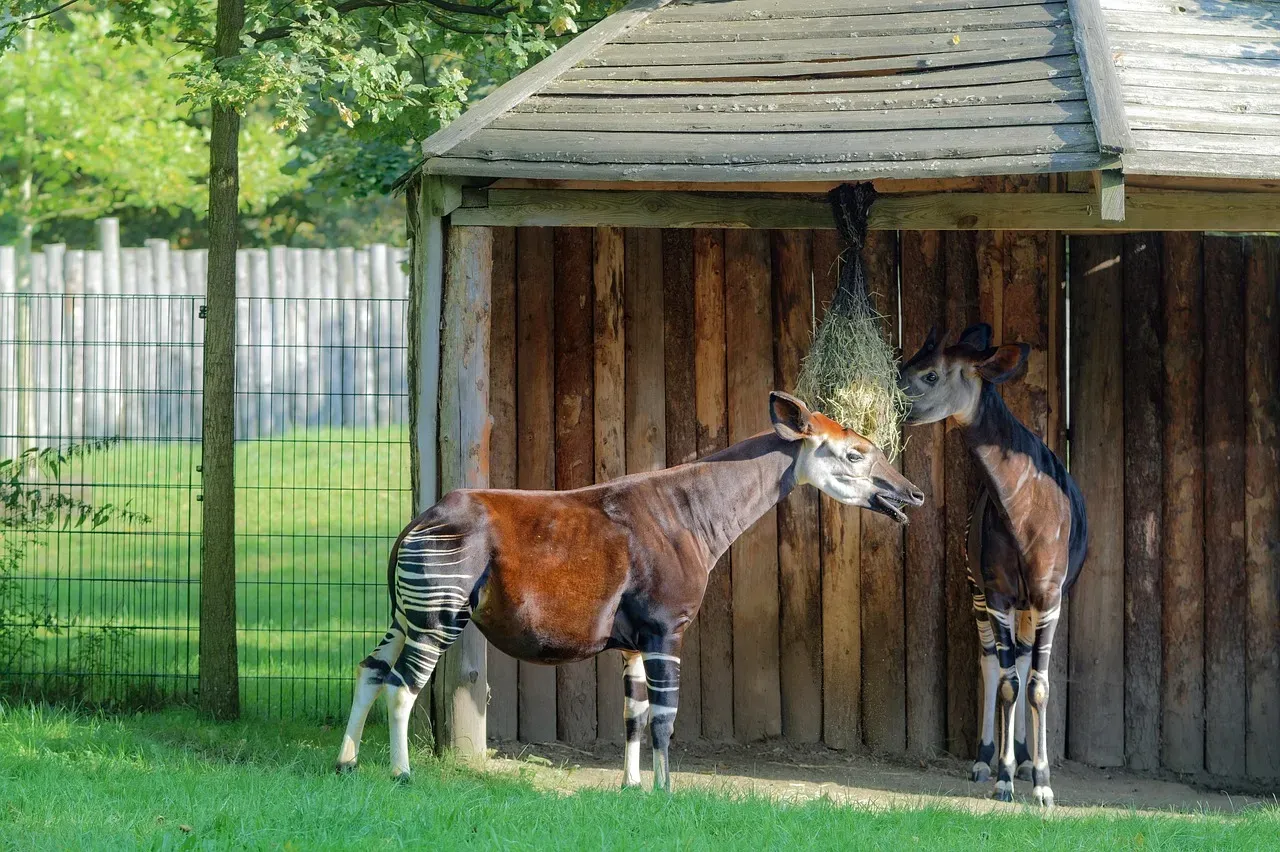
Let’s be real, the okapi’s tongue is one of the most extraordinary features in the animal kingdom. They use their 18-inch-long (46 cm) tongues to selectively browse for suitable plants. That’s longer than many rulers you’d find in a classroom.
The versatility of this tongue is genuinely impressive. The tongue is also used to groom their ears and eyes. In fact, the okapi, thanks to its extra long tongue, is one of the only mammals in the world that can lick its own ears! It’s a feature that seems almost designed to make you do a double take.
Its Stripes Serve as Perfect Rainforest Camouflage
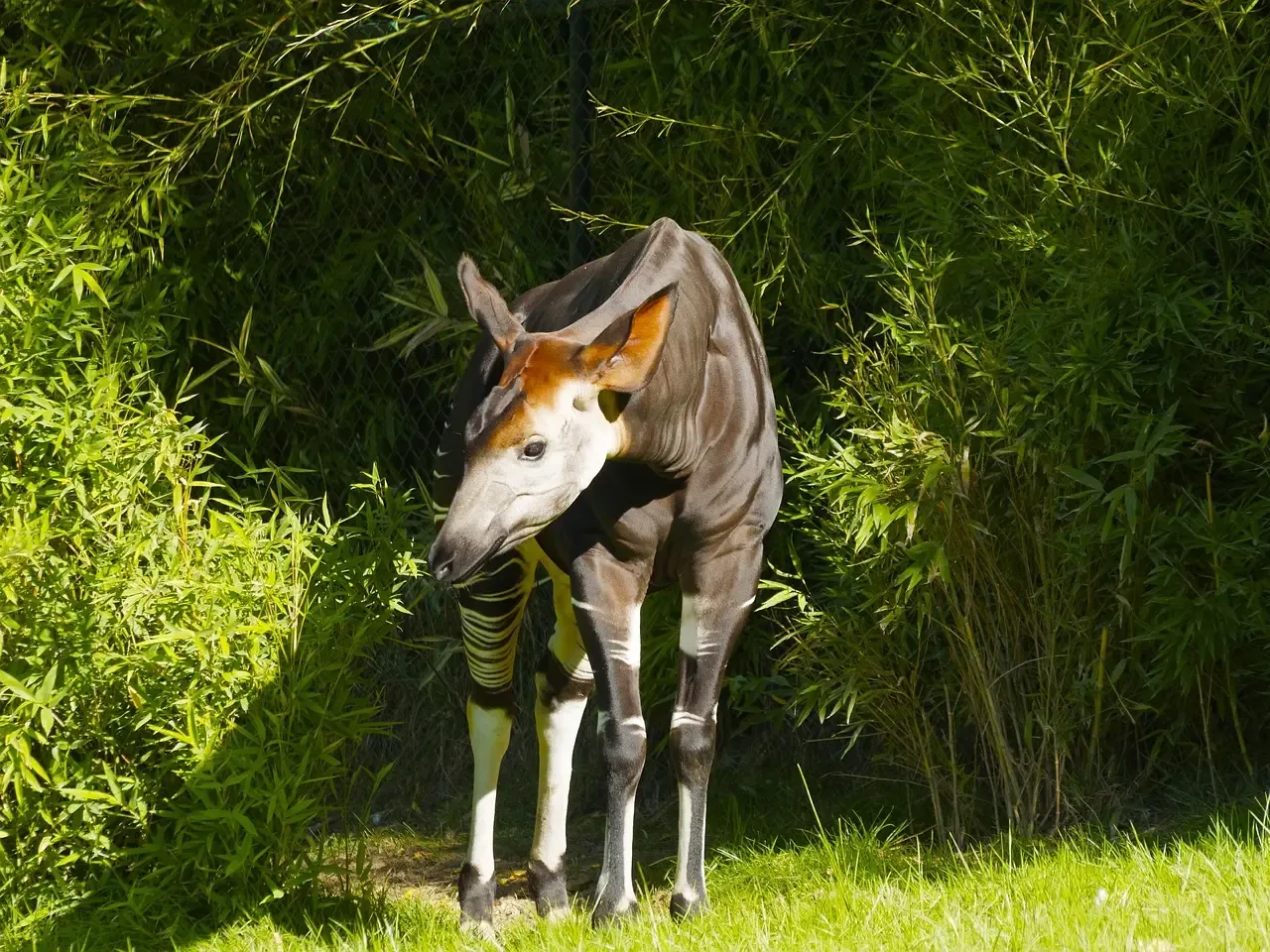
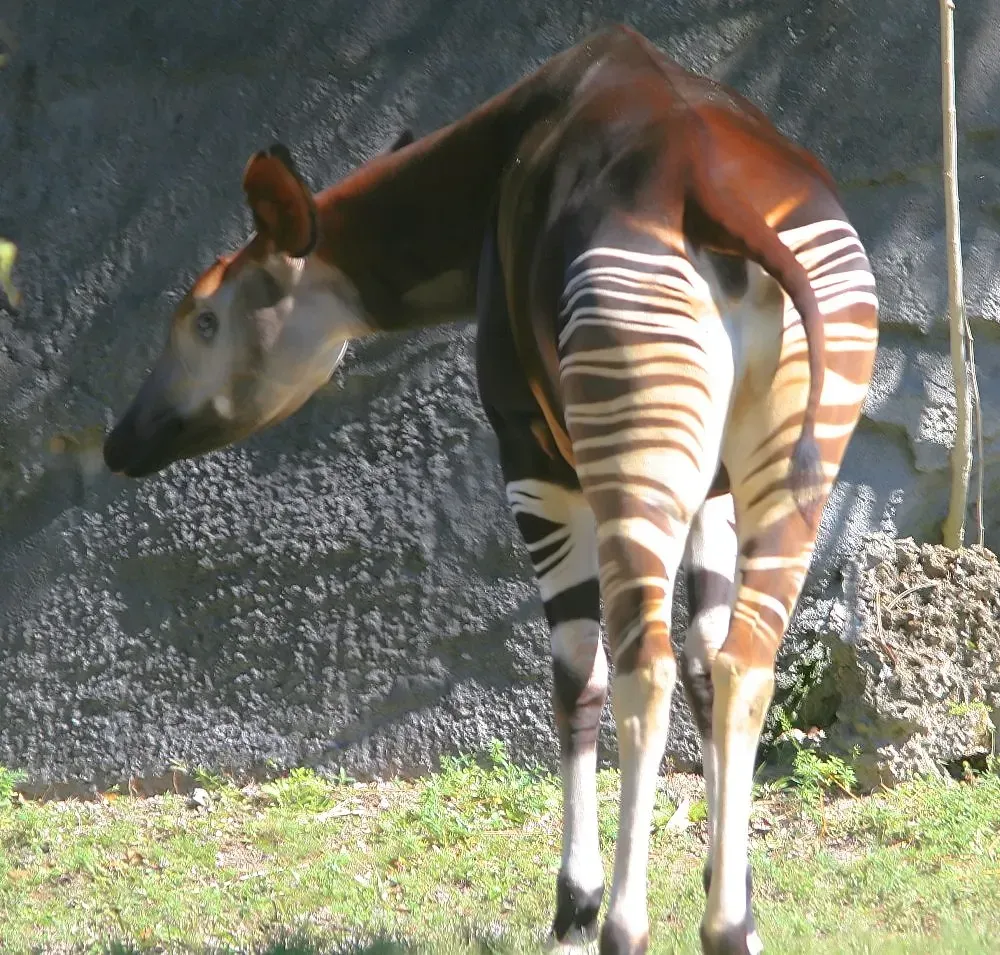
The distinctive stripes resemble those of a zebra. These features serve as an effective camouflage amidst dense vegetation. When you see an okapi in a zoo, the stripes seem bold and obvious. Yet in their natural habitat, they’re masterfully deceptive.
The stripes are thought to resemble streaks of sunlight penetrating the dark forest, enabling the okapi to blend in with its surroundings. It’s honestly clever how evolution has painted these animals to disappear into dappled forest light. From the back, the white stripes against the brown fur help the okapi blend into the shadows of the rainforest.
Okapis Have a Bizarre and Selective Diet
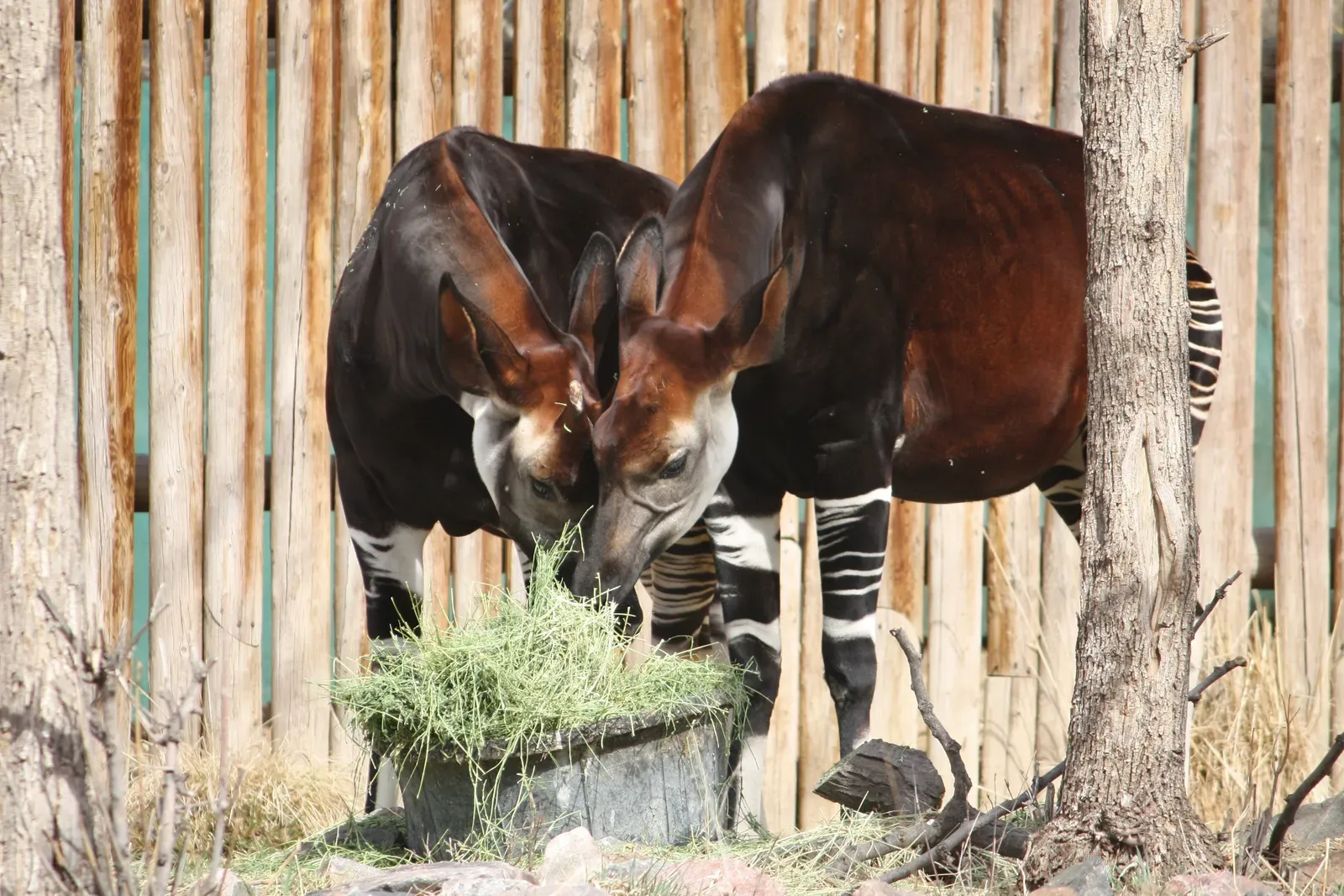
The okapi has been known to feed on over 100 species of plants, some of which are known to be poisonous to humans and other animals. That’s not a typo. They eat plants that would make us seriously ill, maybe worse.
An okapi consumes between 45 and 60 pounds of food each day, including riverbed clay for minerals and salt. The clay isn’t just filler. They need it for essential nutrients. Even stranger? It will occasionally eat bat excrement for nutrients. Nature doesn’t always follow the rules we’d expect, honestly.
They’re Solitary Creatures With Invisible Communication
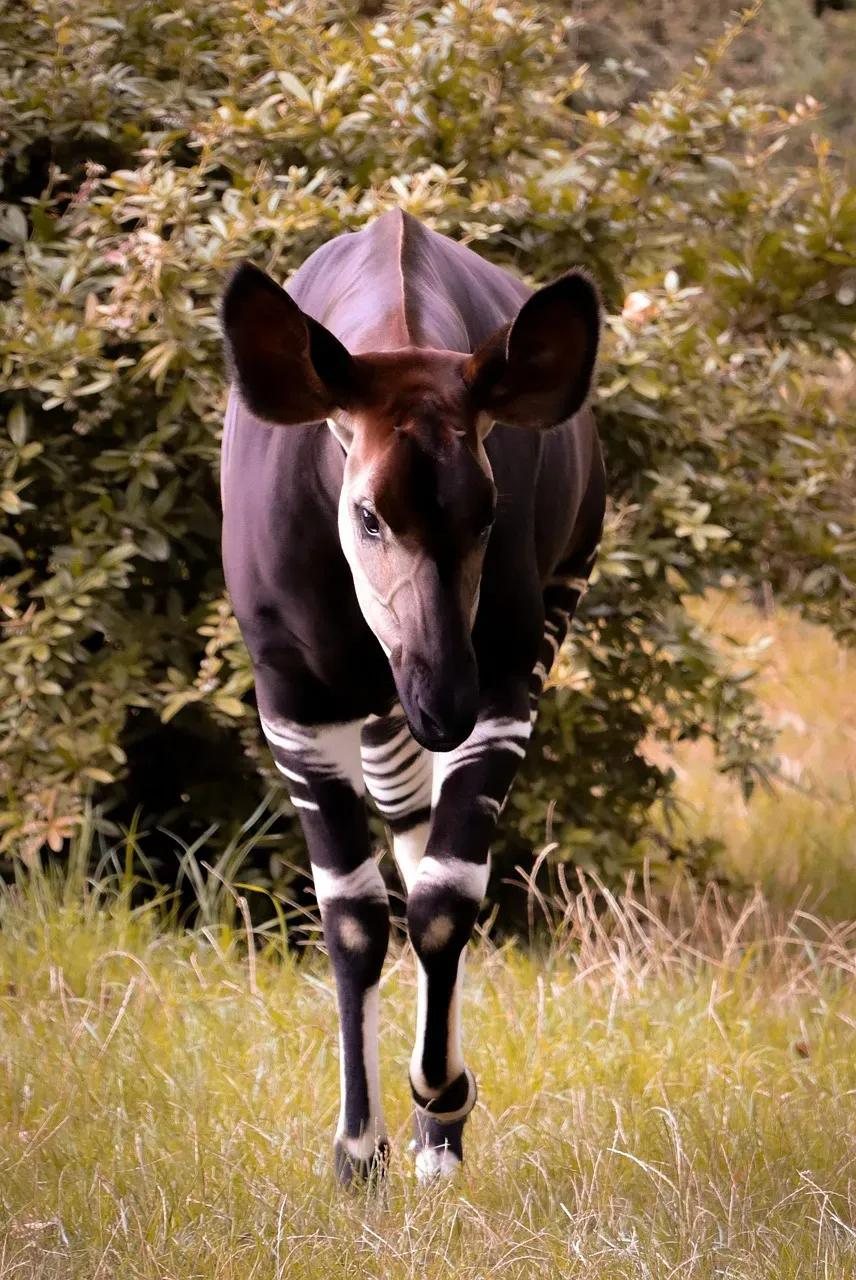
Active during the day, the elusive okapi prefers to be alone. Unlike many animals that travel in herds for safety, okapis have chosen the path of solitude. They’re perfectly content wandering the forest on their own terms.
Their communication methods are equally mysterious. Okapi mothers communicate with their calves by making infrasounds, which are noises that are undetectable to the human ear. You could be standing right next to a mother and calf having an entire conversation, and you’d hear absolutely nothing. Okapi emit low frequency sounds beyond the range of human hearing. Only computer analyses can reveal these infrasonic communications.
Baby Okapis Have a Survival Strategy That Seems Impossible
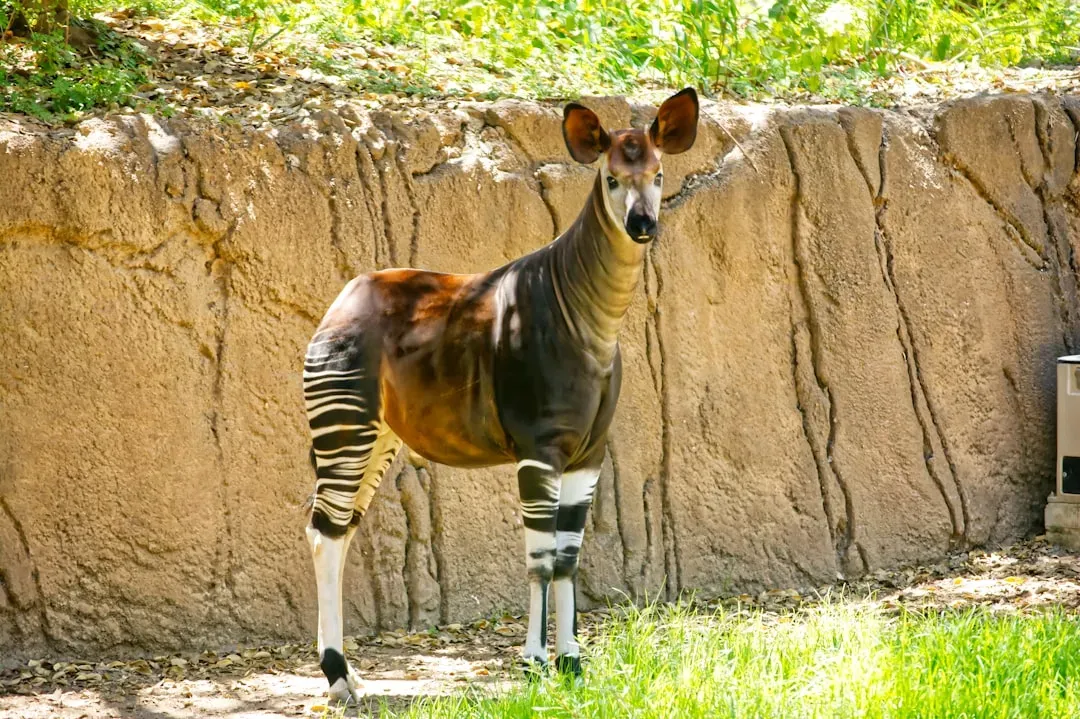
An okapi calf is able to walk just 30 minutes after it’s born but can’t defecate until it’s at least a month old – that way, the smell of feces won’t attract predators. I know it sounds crazy, but this biological adaptation is crucial for survival.
The calf’s early life is defined by hiding. The juveniles are kept in hiding, and nursing takes place infrequently. Calves are known not to defecate for the first month or two of life, which is hypothesized to help avoid predator detection in their most vulnerable phase of life. It’s a stark reminder of how harsh life can be in the wild, where even the smallest scent can mean the difference between life and death.
The Okapi Has Four Stomachs Like a Cow
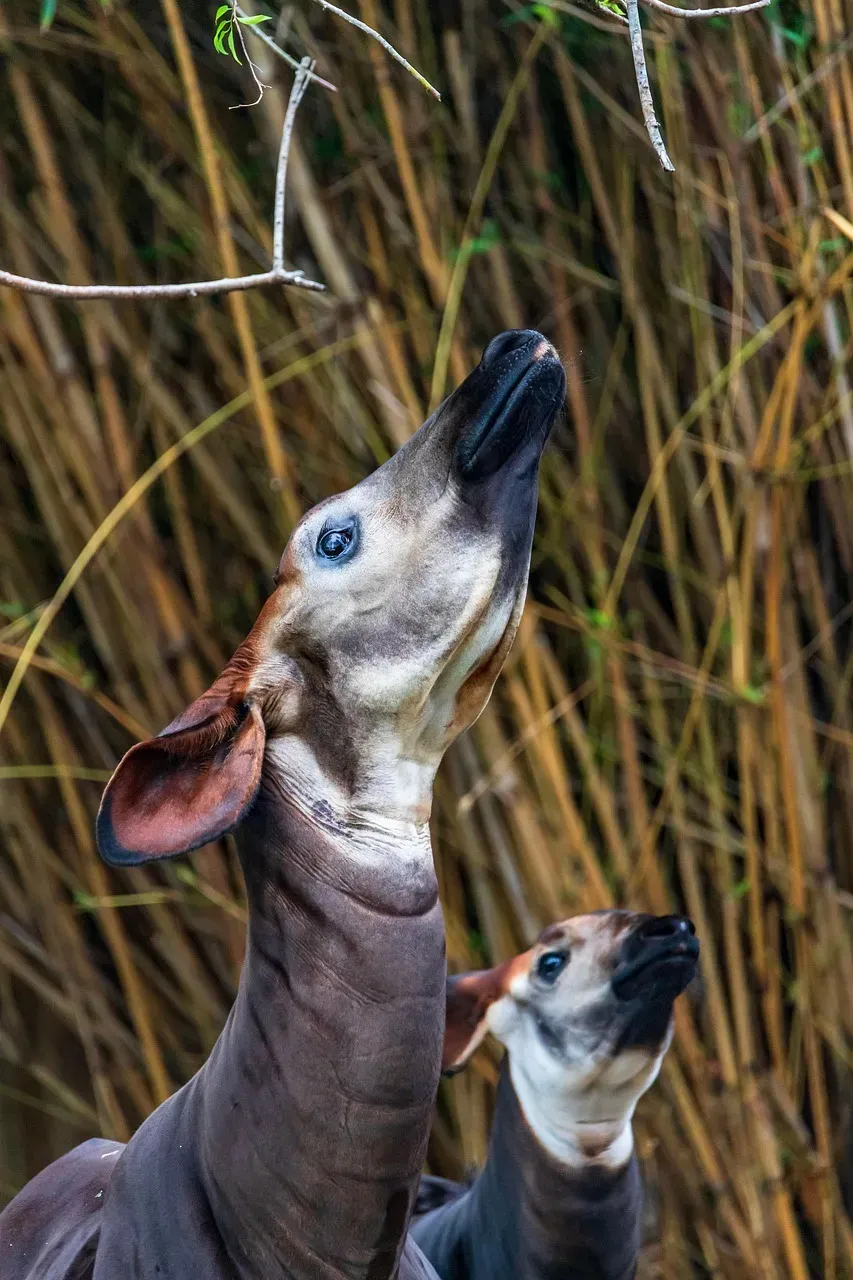
If you thought the okapi couldn’t get any stranger, wait until you learn about its digestive system. Just like the giraffe and cow, the okapi has four stomachs that aid with digesting tough plants. This multi-chambered system allows them to break down vegetation that would be impossible for most animals to digest.
Like their giraffe cousins, okapis are ruminants – animals with four chambered stomachs that allow the digestion of very tough plant matter. This adaptation is essential given the tough, fibrous plants they consume daily. Without this specialized system, their survival in the dense rainforest would be virtually impossible.
They’re Found in Only One Place on Earth
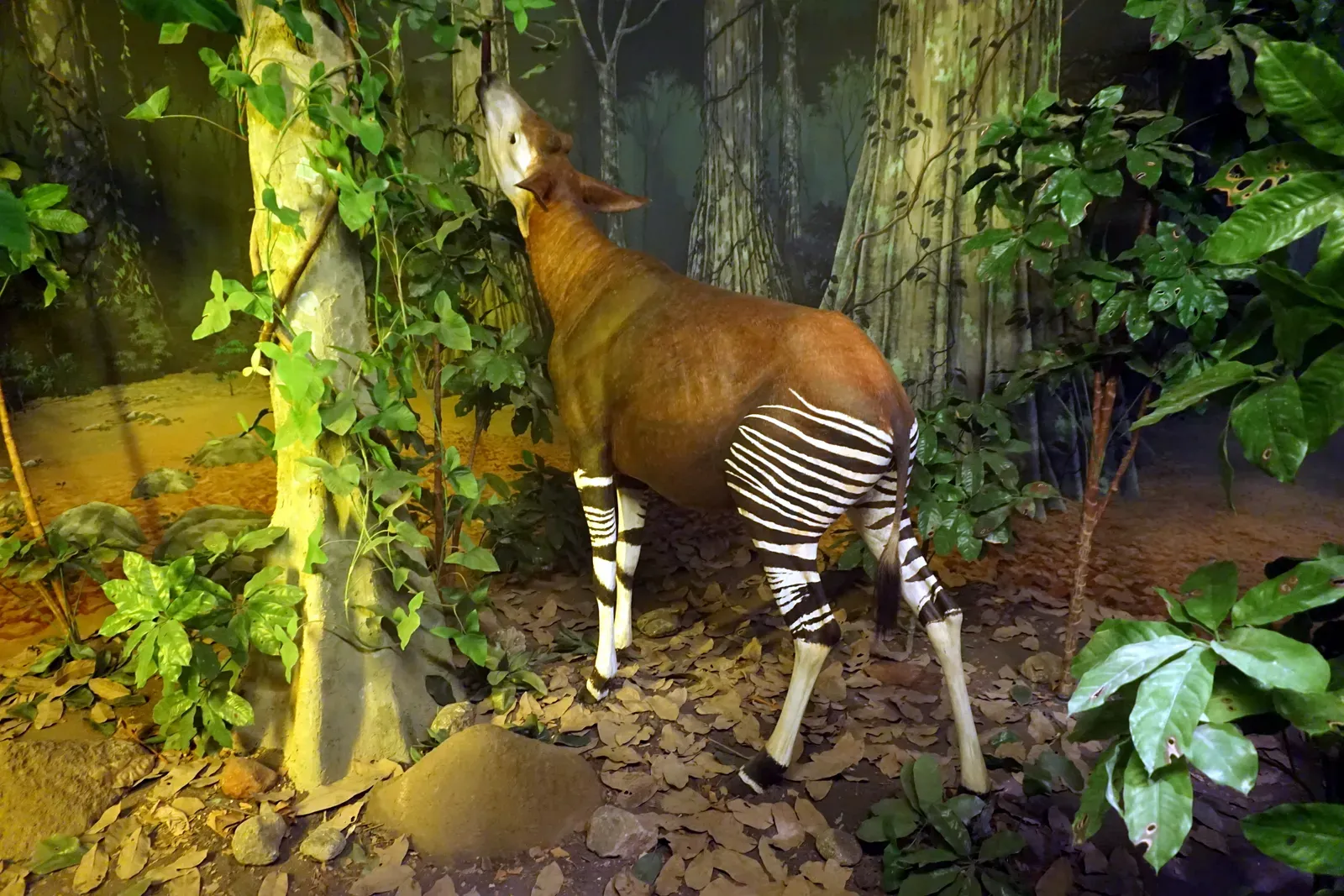
The okapi is native to the Ituri Rainforest in the Democratic Republic of Congo – the only place where it can be found in the wild – and has thick, oily fur to stay dry in the rain. There’s something both wonderful and terrifying about this fact. It means every okapi depends on this single forest ecosystem.
The okapi inhabits canopy forests at elevations of 500–1,500 m (1,600–4,900 ft). Their habitat requirements are specific and unforgiving. It occasionally uses seasonally inundated areas, but does not occur in gallery forests, swamp forests, and habitats disturbed by human settlements. This pickiness makes conservation even more critical.
Okapi Populations Have Been Devastated by Human Activity
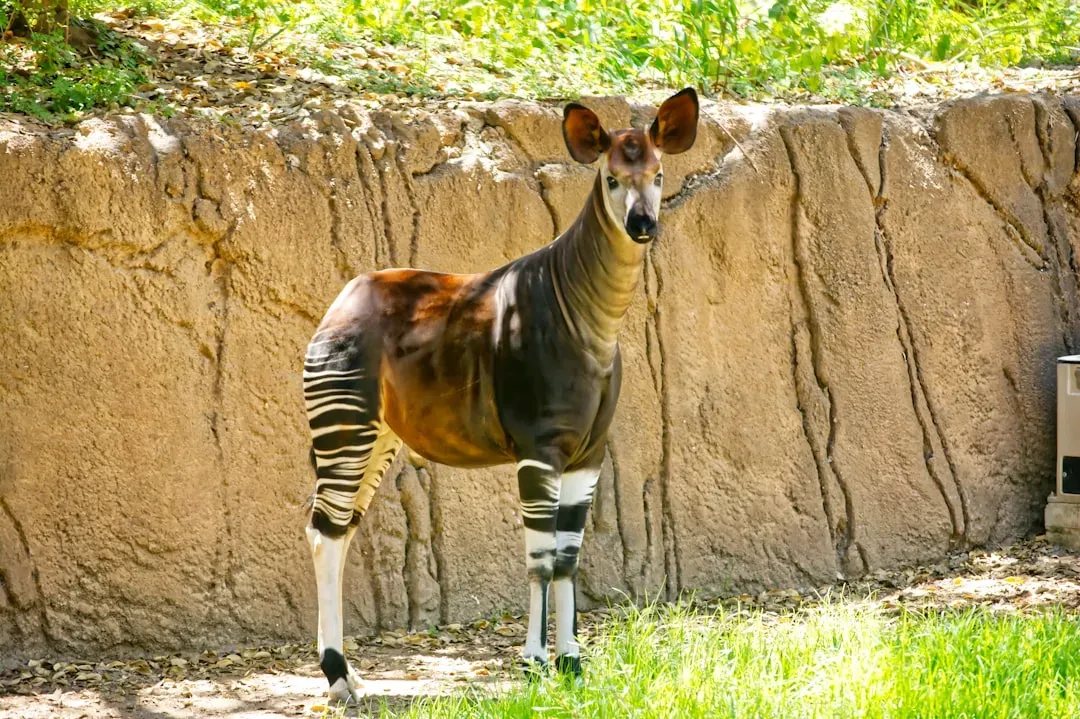
According to the International Union for Conservation of Nature’s (IUCN) Red List of Threatened Species, the okapi is endangered. While it’s not clear how many remain in the wild, scientists estimate that populations may have been slashed in half over the past two decades. The numbers are genuinely alarming.
In 2012, a militia group killed 14 okapis at a conservation center located at the headquarters of the Okapi Conservation Project. Today, poachers continue to kill okapis for their meat and skin, and civil unrest in the Democratic Republic of Congo makes enforcement of wildlife protection laws increasingly difficult. The tragedy goes beyond just habitat loss. Illegal mining and extensive hunting for bushmeat and skin have also led to a decline in populations. It’s heartbreaking to think that an animal that survived for millions of years might disappear in our lifetime.
Conclusion
The okapi represents something truly special in our natural world. It’s a living reminder that mysteries still exist, that nature still has secrets hidden in the deepest forests. From its extraordinary tongue to its silent communications and tragic vulnerability, the okapi challenges everything we think we know about forest animals.
These gentle, solitary creatures deserve our attention and protection. With conservation efforts underway and awareness growing, there’s still hope. What strikes you most about the okapi’s incredible adaptations? Did any of these facts surprise you?