
Ever wondered why you can perfectly recall a summer evening from twenty years ago, but you totally blank on someone’s name just moments after being introduced? Your brain is constantly working like a massive library, filing away experiences, facts, and skills in intricate systems that science is only beginning to understand.
We are living through something of a revolution in memory research. New imaging techniques and groundbreaking studies are reshaping everything scientists thought they knew about where memories live in your brain and how they’re preserved. Some memories stick around forever while others vanish within hours. The process is far more dynamic and fascinating than you might imagine.
Your Brain’s Memory Architecture: More Than Just One Storage System
Let me tell you, your memory isn’t one single filing cabinet tucked away in a corner of your brain. Your brain has a very specific strategy for gathering, encoding, storing and retrieving memories, involving the coordinated efforts of neurons, neurotransmitters, synapses and many different brain regions. Think of it more like a complex network of interconnected systems, each handling different types of information.
Short-term memory is a temporary storage space that holds information for a few seconds to minutes and is easily accessible, while long-term memory is a mostly permanent storage space where you can hold information for years with no limit on how much information you can store. Honestly, it’s wild when you consider how much your brain can actually hold. Between these two major systems, your brain processes everything from fleeting sensory impressions to deeply embedded life experiences.
The Hippocampus: Your Brain’s Memory Gateway
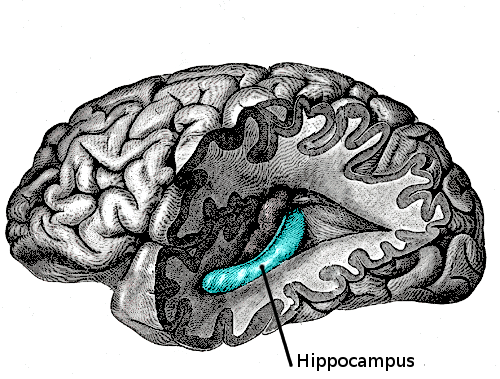
The hippocampus, located in the brain’s temporal lobe, is where episodic memories are formed and indexed for later access. Picture this small, seahorse-shaped structure as the gatekeeper deciding what gets stored permanently and what gets tossed out. It’s fascinating, really.
The hippocampus, the brain region that stores memory, also reorganizes memories to anticipate future outcomes. This internal model is not static; it is updated day by day as the brain learns from prediction errors, and hippocampal neurons start to respond earlier as they learn what will happen next. Recent studies from 2026 have completely changed how researchers view this region. Memories are passed among neurons, and the exact same experience will involve different neurons every time. Your brain is constantly rewriting its own playbook.
How Memories Actually Form: The Encoding Process
The moment you experience something new, your brain begins a complex translation process. You take in information from your environment, your brain translates the information into an easily stored format, organizes and keeps the translated information, and then you select and find the stored information you want to remember. It happens so fast you’d never notice all these steps.
Here’s the thing, though. Not all experiences get encoded equally. The amygdala, an almond-shaped structure in the brain’s temporal lobe, attaches emotional significance to memories, and strong emotional memories associated with shame, joy, love or grief are difficult to forget. Ever notice how you can remember embarrassing moments from decades ago with painful clarity? That’s your amygdala doing its job, perhaps a bit too well.
Short-Term vs Long-Term: Two Parallel Pathways
For years, scientists believed memory formation was a simple linear process. Learn something, store it briefly, then maybe move it to long-term storage. Turns out, reality is much more interesting. The prevailing theory suggested a single pathway where short-term memories were consolidated into long-term memories, but there is now strong evidence of at least two distinct pathways to memory formation – one dedicated to short-term memories and another to long-term memories, which could mean our brains are more resilient than previously thought.
Your brain stores a short-term memory of an experience in the hippocampus, and those memories are later consolidated – that is, transferred to another part of the brain for longer-term storage – but memories are actually formed simultaneously in the hippocampus and the long-term storage location in the brain’s cortex. This discovery upends decades of memory research and suggests your brain hedges its bets by creating multiple versions of memories right from the start.
Synaptic Plasticity: The Physical Changes Behind Memory
Let’s get real about what actually happens at the cellular level when you learn something new. Synaptic plasticity is the ability of synapses to strengthen or weaken over time in response to increases or decreases in their activity, and it is one of the important neurochemical foundations of learning and memory. Every time you remember something, you’re literally rewiring your brain.
The process involves something researchers call long-term potentiation. Changes in neuronal connections are the primary mechanism for learning and memory and are known as synaptic plasticity, a concept that emerged in 1894 when neuroanatomist Santiago Ramon y Cajal proposed that memories must be formed by the strengthening of existing neuronal connections. It sounds almost too simple, yet this fundamental principle explains so much about how you adapt and grow throughout your life. Research now shows that plasticity continues throughout the lifespan, supporting learning, memory, and recovery from injury or disease.
The Role of Sleep in Memory Consolidation

You’ve probably heard people say they need to “sleep on it” when facing a difficult decision. Science backs this up completely. A night of sleep reportedly enhances memory for associations between word pairs, and similar overnight improvements on virtual navigation tasks have been observed, which correlate with hippocampal activation during sleep. Your brain doesn’t just rest at night – it’s actively working through the day’s experiences.
Daytime events followed immediately by sharp wave-ripples are replayed more during sleep and so consolidated into permanent memories, while events followed by very few or no sharp wave-ripples failed to form lasting memories. Think of sleep as your brain’s filing clerk, sorting through everything that happened and deciding what deserves a permanent spot in the archives.
Why We Forget: The Forgetting Curve Explained

Here’s something that might surprise you. Humans forget roughly half of new information within an hour of learning it, and an average of nearly all new information is forgotten within the first seven days, clearly showing that the brain remembers less and less information as the hours and days go by. It sounds depressing, honestly, but there’s actually a logic to it.
Forgetting isn’t a linear process but a predictable decay shaped by several factors: the strength of the original encoding, the method of learning, emotional salience, and the frequency of review. The brain’s natural tendency is to prioritize efficient storage, meaning information that isn’t used or recalled is quickly de-prioritized or pruned. Your brain can’t possibly keep everything, so it makes constant decisions about what matters and what doesn’t. It’s harsh but necessary.
Memory Retrieval: A Complex Detective Story
Pulling up a memory isn’t like accessing a file on a computer. Neuroscientists who study memory have long believed that when we recall memories, our brains turn on the same hippocampal circuit that was activated when the memory was originally formed, however, recalling a memory requires a detour circuit that branches off from the original memory circuit. Your brain takes shortcuts you never knew existed.
Recall of a visual cue is accompanied by a transient increase in the ratio between glutamate and GABA in visual cortex, and these excitatory-inhibitory fluctuations are predicted by activity in the hippocampus, suggesting the hippocampus gates memory recall by indexing information stored across neocortical circuits using a disinhibitory mechanism. The chemistry involved is staggeringly complex. Yet somehow your brain manages all this seamlessly, usually within milliseconds.
How Memories Change and Drift Over Time
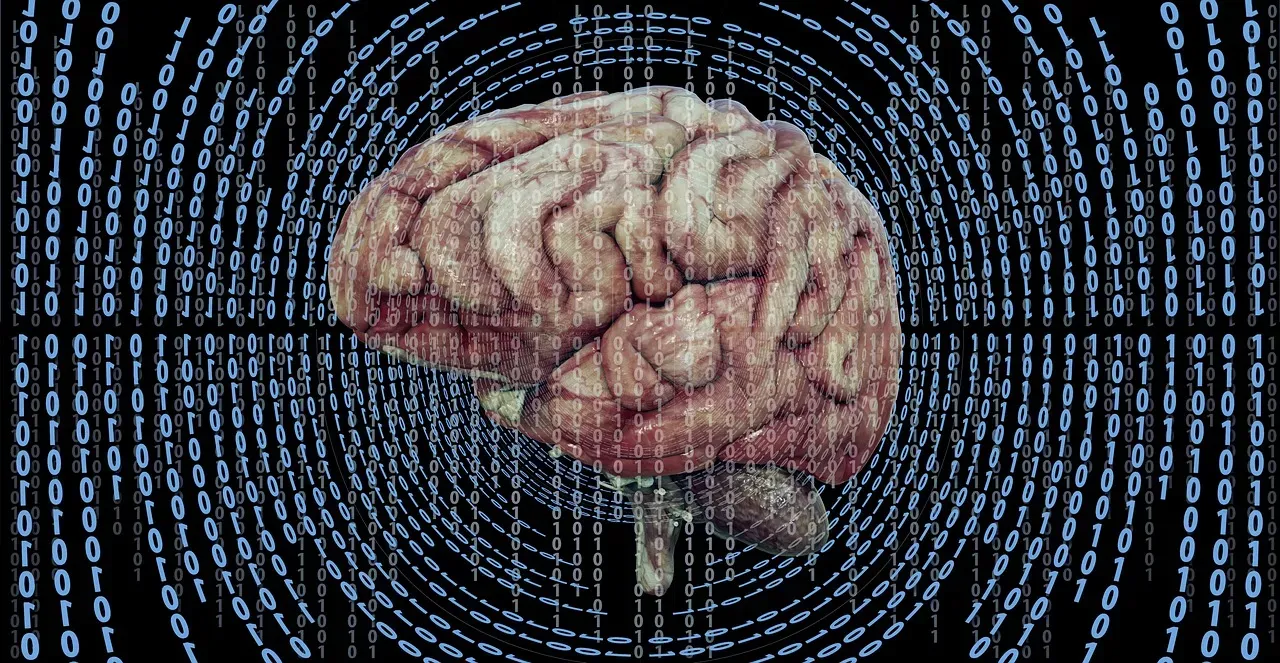
You might think your oldest memories are fixed like photographs. A new brain imaging study reveals that remembering facts and recalling life events activate nearly identical brain networks, and researchers expected clear differences but instead found strong overlap across memory types, challenging decades of memory research. The lines between different types of memories are far blurrier than scientists once believed.
Long-term memories form through a sequence of molecular timing mechanisms that activate across different parts of the brain, and using a virtual reality behavioral system, scientists identified regulatory factors that help move memories into increasingly stable states or allow them to fade entirely, with several brain regions working together to reorganize memories over time. Memory isn’t a static photograph – it’s more like a painting that gets touched up and revised throughout your entire life. What you remember from your childhood is actually a reconstruction colored by everything that’s happened since.
The Future of Memory Science and What It Means for You
Scientists at NYU have found that cells outside the brain – like those from kidneys – can actually learn and form memories, and by mimicking how the brain processes information using spaced repetition, researchers showed that even non-brain cells can activate a key memory gene in response to patterns, suggesting memory isn’t just a brain thing – it might be a basic feature of many cells in the body. If this holds up under further research, it could revolutionize how we think about learning and memory disorders.
The implications are profound. Understanding how memories form, persist, and sometimes fail could lead to better treatments for Alzheimer’s disease, PTSD, and other conditions where memory goes wrong. It could also help you study more effectively, retain important information longer, or even preserve precious memories as you age. We’re standing at the edge of discoveries that could fundamentally change what it means to remember and forget.
What’s remarkable is how much remains unknown. Your brain continues to be one of the most mysterious and magnificent structures in the known universe. Every memory you form, every moment you recall, involves an orchestra of billions of neurons working in harmony. Did you expect that something as seemingly simple as remembering where you left your keys involved such incredible complexity?