

Have you ever noticed your furry friend acting differently and wondered what was going on? Maybe your pet seems a bit more withdrawn, or they’re just not as interested in their favorite activities anymore. These subtle shifts in behavior can sometimes be your pet’s way of communicating something profound, something you might not be ready to hear.
Let’s be real, no pet owner ever wants to think about losing their beloved companion. But understanding what signs your dog or cat might show as they approach the end of their life is actually one of the most compassionate gifts you can give them. It’s hard to say for sure when the time is near, but being aware of these indicators helps you prepare emotionally and practically for what lies ahead. So let’s dive in to explore the signals your pet might be sending you during their final journey.
Loss of Appetite and Interest in Food
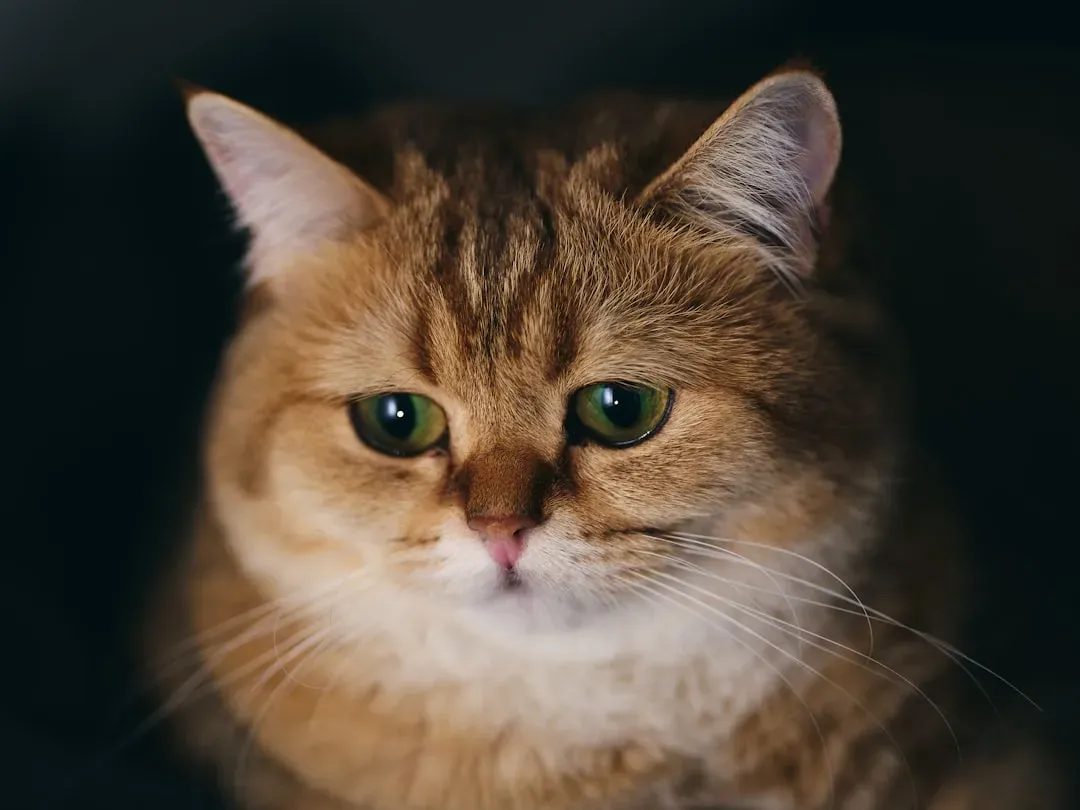
When your pet approaches the end of their life, changes in appetite become extremely common, with veterinary studies showing appetite loss is one of the strongest indicators of declining quality of life. You might notice your dog or cat leaving food untouched for long periods or avoiding their water bowl entirely. This isn’t just pickiness or a passing mood.
When the body begins to shut down, your pet may become averse to food or eat far less than they usually do, and dehydration is normal as they may even avoid drinking water. The thing is, their digestive system is slowing down and they simply don’t feel hungry anymore. You might try offering their favorite treats or easy to digest foods like bone broth, but if they continue refusing meals, it’s time to have a conversation with your veterinarian about what this means.
Extreme Lethargy and Reduced Energy

Many pets become less active and energetic towards the end of their lives, starting to sleep more and showing less interest in going out for walks or participating in their regular activities. Think about it, if your once energetic pet who used to bounce to the door at the sound of a leash now barely lifts their head, something significant is happening. This isn’t just typical aging fatigue.
A sharp decline in your pet’s daily activity is a big sign that your pet is nearing death, and activities that were once fun such as walks and car rides may now be disinteresting or exhausting for them. Your pet might spend most of the day sleeping, wake only for short periods, and seem completely uninterested in things that used to bring them joy. Honestly, watching this transformation is heartbreaking, but recognizing it allows you to adjust their environment to keep them comfortable.
Seeking Solitude or Becoming Unusually Clingy
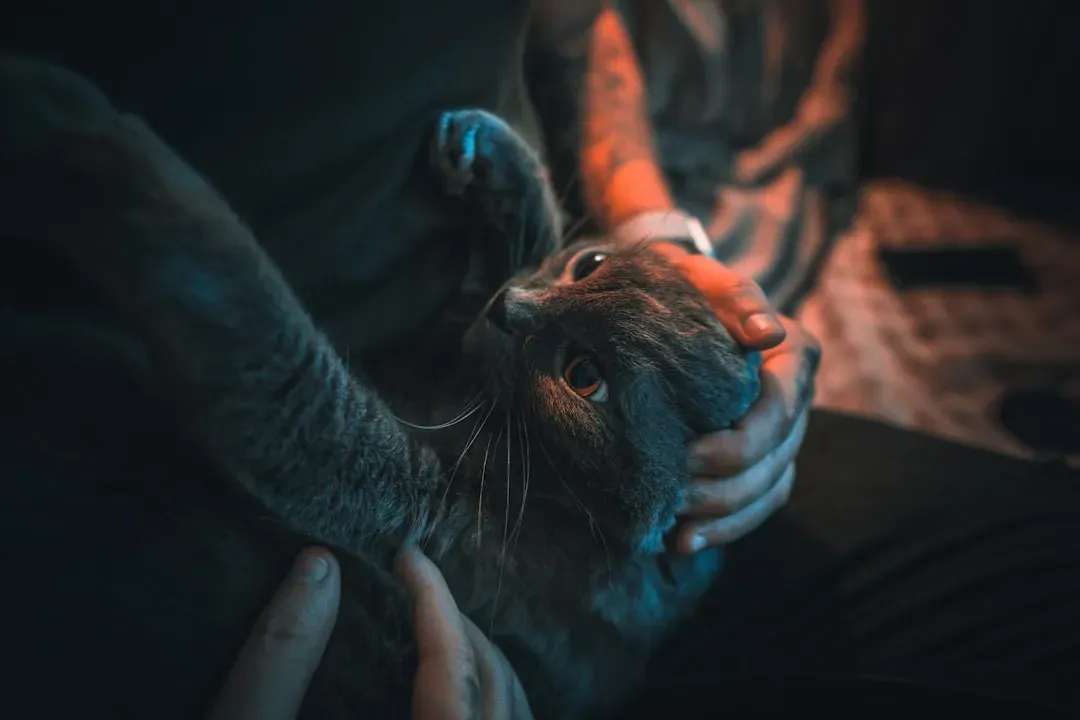
Here’s something that sounds contradictory but makes perfect sense when you understand it. A dying pet may socially distance itself and start spending more time alone, or it can do the opposite and become unnaturally clingy or needy. Your pet might suddenly retreat to quiet corners, hide under furniture, or seek out isolated spots in the house where they’ve never spent time before.
On the flip side, some pets become incredibly attached to their owners in their final days. This behaviour will be unique to each pet, so keep an eye out for an unusual change in their level of needs. They might follow you from room to room, rest their head on your lap constantly, or seem anxious when you leave their side. Both behaviors are completely normal responses to the discomfort and confusion they’re experiencing.
Difficulty Moving and Loss of Coordination

Decreased mobility and poor coordination are common in senior pets and can steadily worsen with age, with changes often beginning slowly like walking instead of running, then becoming more progressive like stumbling when walking. You might see your pet struggling to stand up after lying down, or they may slip on surfaces where they used to walk confidently.
Signs include difficulty rising or walking, struggling to stand or walk steadily or climb stairs, muscle wasting with noticeable weight loss or thinning of limbs, and tremors or shaking particularly when standing or attempting to move. Sometimes your pet might fall or stumble more frequently, suggesting weakness or neurological decline. It’s tough to watch them lose the physical abilities they once had, but providing soft bedding and helping them move when needed can offer some comfort.
Loss of Bladder and Bowel Control
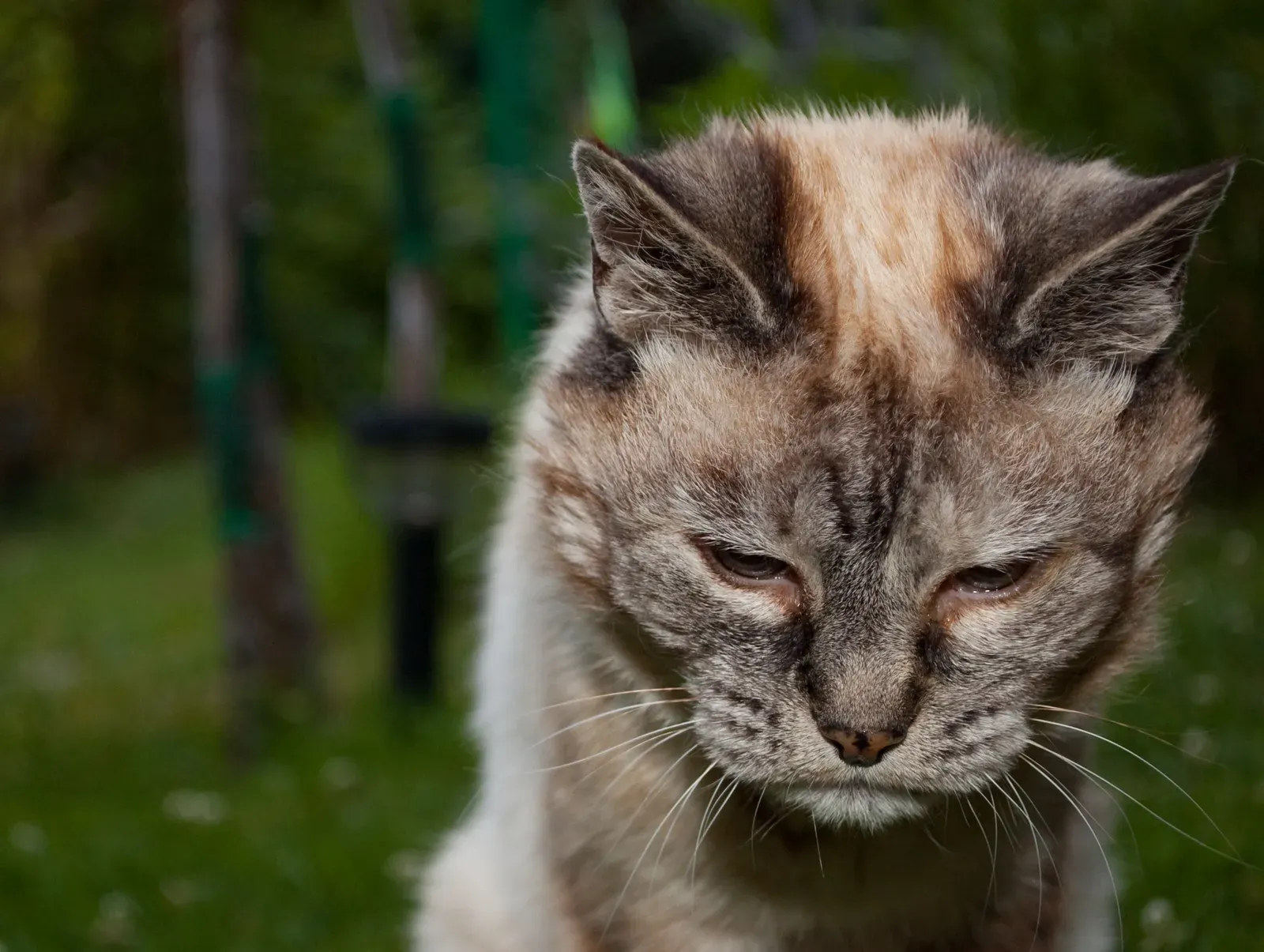
Urine incontinence and fecal incontinence are both common dying symptoms, as pets may be physically unable to rise from their beds to go outside, or they may have deterioration that affects their urethral and anal sphincters. Your previously housetrained pet might start having accidents indoors, even in their sleep. This is genuinely distressing for them because they know it’s not right.
Incontinence is often upsetting for our pets because they usually don’t mean to soil the house, so avoid yelling at your pet or punishing them if they have an accident, as this will generally cause even more stress. Instead, you can help by encouraging more frequent trips outside if they’re still mobile, using washable pads, and maintaining their hygiene with gentle cleaning. Remember, this isn’t something they can control anymore.
Changes in Breathing Patterns
Breathing patterns may change noticeably as a pet’s condition worsens, including panting at rest especially when not warm or stressed, or abnormally slow or fast breathing with shallow, irregular breaths. You might hear unusual sounds when your pet breathes, or notice their chest moving differently than normal. Some pets stop breathing for a moment periodically and then resume again.
Labored breathing often indicates that a pet is at the very end of life. When you notice these respiratory changes, it’s a signal that their body is struggling to maintain basic functions. This can be frightening to witness, and it’s one of those signs that typically means you should contact your veterinarian immediately to discuss comfort measures or end of life decisions.
Behavioral Changes Including Anxiety and Confusion
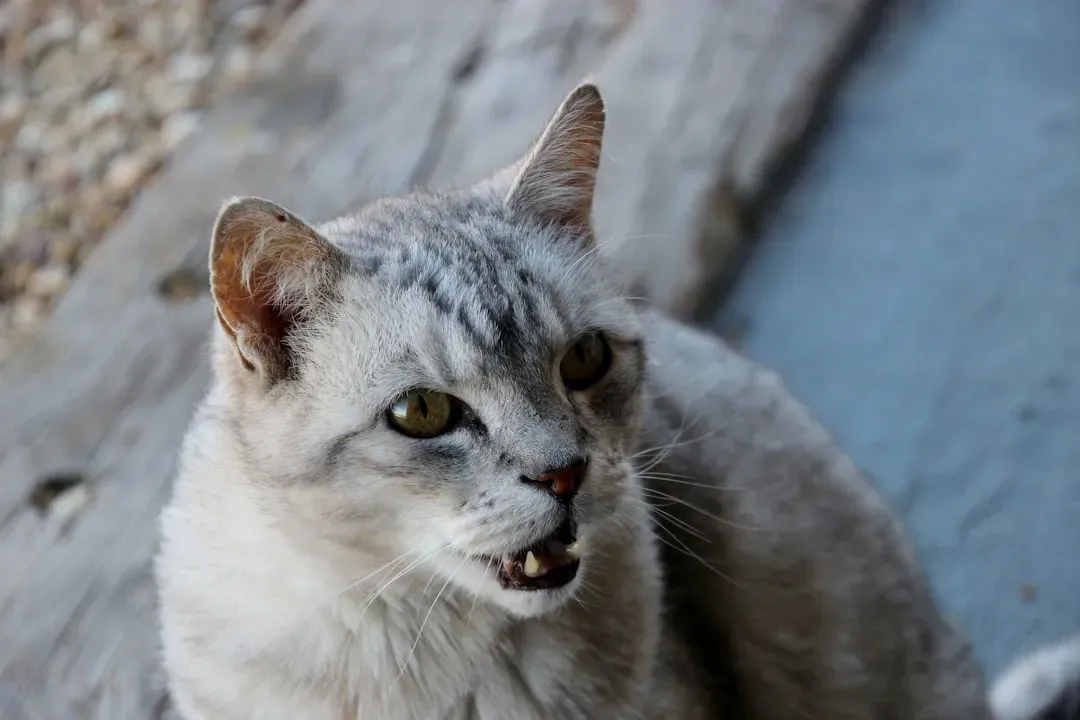
Pets can experience anxiety when they don’t understand what’s happening around them or within their bodies, especially if they’re in pain, and you may notice your pet whining, pacing, crying or panting. Your dog or cat might seem restless, unable to settle down, or they could become disoriented in familiar spaces. It’s hard to say exactly what they’re experiencing, but these are clear distress signals.
Sometimes pets near the end of their life experience extreme confusion, may wander the house aimlessly or get lost in the backyard, and there may be times when you think they don’t recognize you or your family members. This cognitive decline can be heartbreaking to witness. Your once alert companion might stare at walls, walk into corners, or seem completely lost in their own home.
Withdrawal from Favorite Activities

One of the clearest indicators that something is wrong is when your pet completely loses interest in things they used to love. As a pet’s health declines, it may no longer show interest in its favorite activities. That ball they used to chase obsessively? They won’t even glance at it now. The walks they lived for? They might refuse to move when you put on their leash.
Pets may show loss of interest by ignoring toys, treats, or previously enjoyed activities like walks or cuddles. This emotional withdrawal is different from physical limitations. Even if your pet could physically participate, they simply don’t want to anymore. Their world has become smaller, and their focus has shifted inward as their body prepares for what’s coming.
Changes in Body Temperature Regulation
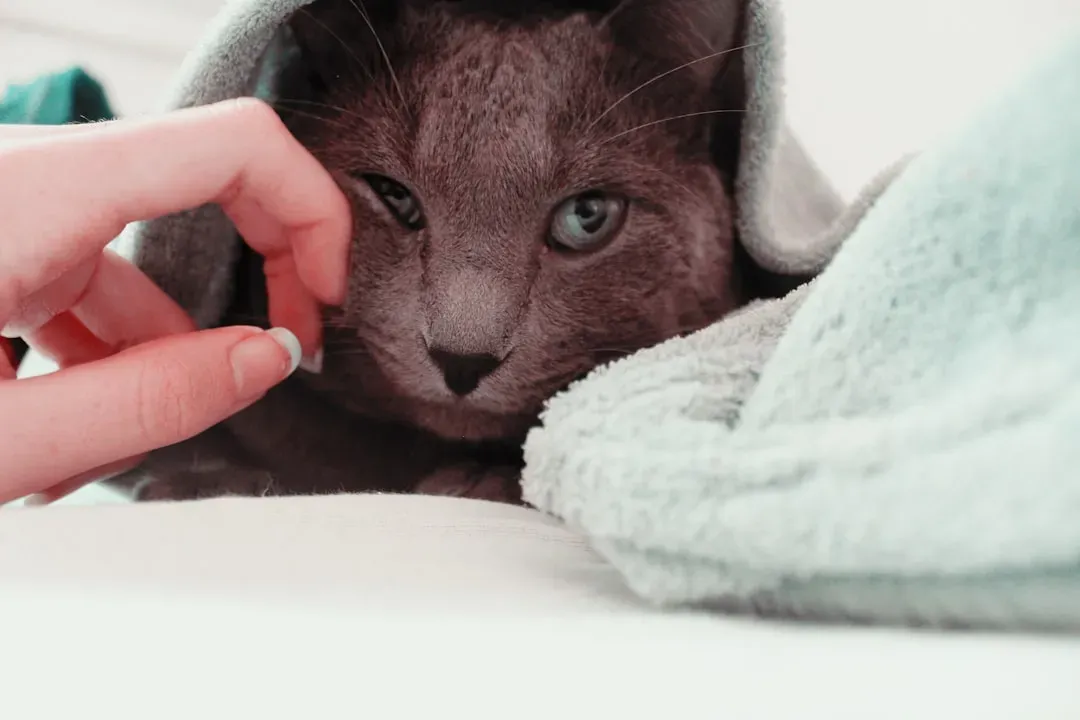
Near the end of life, your pet’s body temperature will begin to fall, and their extremities may feel cooler to the touch. You might notice their ears, paws, or nose feeling unusually cold when you pet them. This happens because their circulation is slowing down and their body is no longer able to maintain normal temperature effectively.
Pets that are sick, aging or dying are susceptible to becoming hot or cold and often have trouble regulating their body temperature. They might seek out warm spots like sunny patches on the floor or curl up near heaters, or conversely, they might pant and seem uncomfortable in temperatures that wouldn’t normally bother them. Providing comfortable bedding and helping them stay at a moderate temperature can ease some of their discomfort during this time.
Poor Grooming and Unkempt Appearance

Near the end of life, pets may be in too much pain or discomfort to groom, and they may also simply be too tired or unable to coordinate the movement required to keep themselves clean. If you have a cat, you’ll notice this particularly quickly since cats are typically fastidious groomers. Their coat might look matted, dull, or dirty.
Due to decreased hygiene and grooming behavior, your pet’s coat may also look dull or unkempt. Dogs might develop a distinctive odor, and their fur may feel greasy or rough to the touch. This physical deterioration is a visible sign of their declining state. You can help by gently grooming them yourself with soft brushes or wiping them down with warm damp cloths, which also provides comforting physical contact in their final days.
Conclusion: Recognizing the Signs with Love and Compassion

Understanding these signs isn’t about predicting exactly when your pet will pass, but rather about recognizing when their quality of life is diminishing so you can make compassionate decisions. When the bad days start to outnumber the good, it may be time to speak to your veterinarian about the right time to say goodbye and your options. Every pet’s journey is unique, and there’s no perfect formula for knowing when it’s time.
What matters most is that you’re paying attention, that you’re present with your beloved companion during this difficult transition, and that you’re willing to make the hardest decision out of love rather than holding on out of fear. Trust yourself, lean on your veterinarian’s guidance, and know that recognizing these signs allows you to give your pet the peaceful, dignified farewell they deserve. Have you noticed any of these changes in your own pet? Remember, you’re not alone in this journey, and seeking support during this time is not just okay, it’s necessary.