
Somewhere out there, space is whispering. Sometimes it shouts. Every so often, radio telescopes on Earth catch a strange blip, a repeating pattern, or a mind-bending blast of energy that doesn’t fit neatly into any existing theory. These signals are real, measured, cataloged, and argued about late at night by exhausted astronomers staring at noisy graphs and wondering if they’ve just seen something that changes everything.
What makes these signals so captivating isn’t just the raw data; it’s the sense that we’re overhearing a universe-sized conversation and only catching fragments. Are these signs of extreme cosmic violence, unknown physics, or something even weirder? Let’s dive into eight of the most mysterious space signals scientists are still struggling to fully explain.
Fast Radio Bursts: Millisecond Flashes With Mega Power
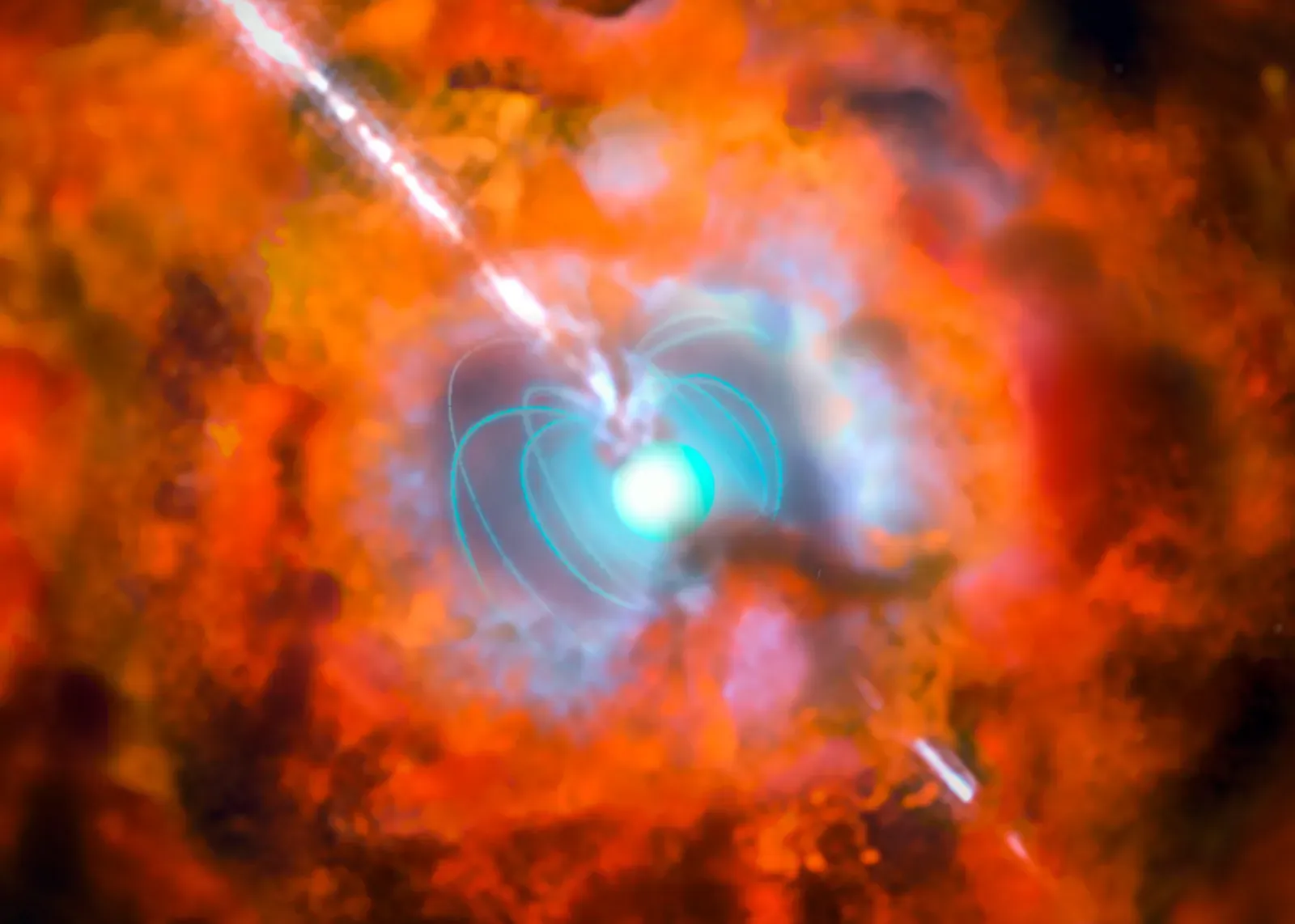
Imagine a signal that lasts less than the blink of an eye but releases more energy than our Sun produces in days. That’s what fast radio bursts, or FRBs, are like: ultra-brief radio pulses coming from far outside our galaxy, popping up randomly all over the sky. The first was found in archived data in 2007, and since then, astronomers have detected hundreds, thanks to powerful instruments like CHIME in Canada and MeerKAT in South Africa.
Some FRBs repeat from the same location; others fire once and vanish forever. A few have been traced back to galaxies billions of light-years away, often in regions that don’t look particularly exotic. The leading idea links many FRBs to magnetars, extremely magnetic neutron stars, but the details still don’t add up neatly, especially for the repeating ones that show strange patterns and changing brightness. It’s like hearing fireworks with no idea who’s lighting the fuse or why they’re going off in such bizarre rhythms.
The Wow! Signal: A 72-Second Cosmic Shout
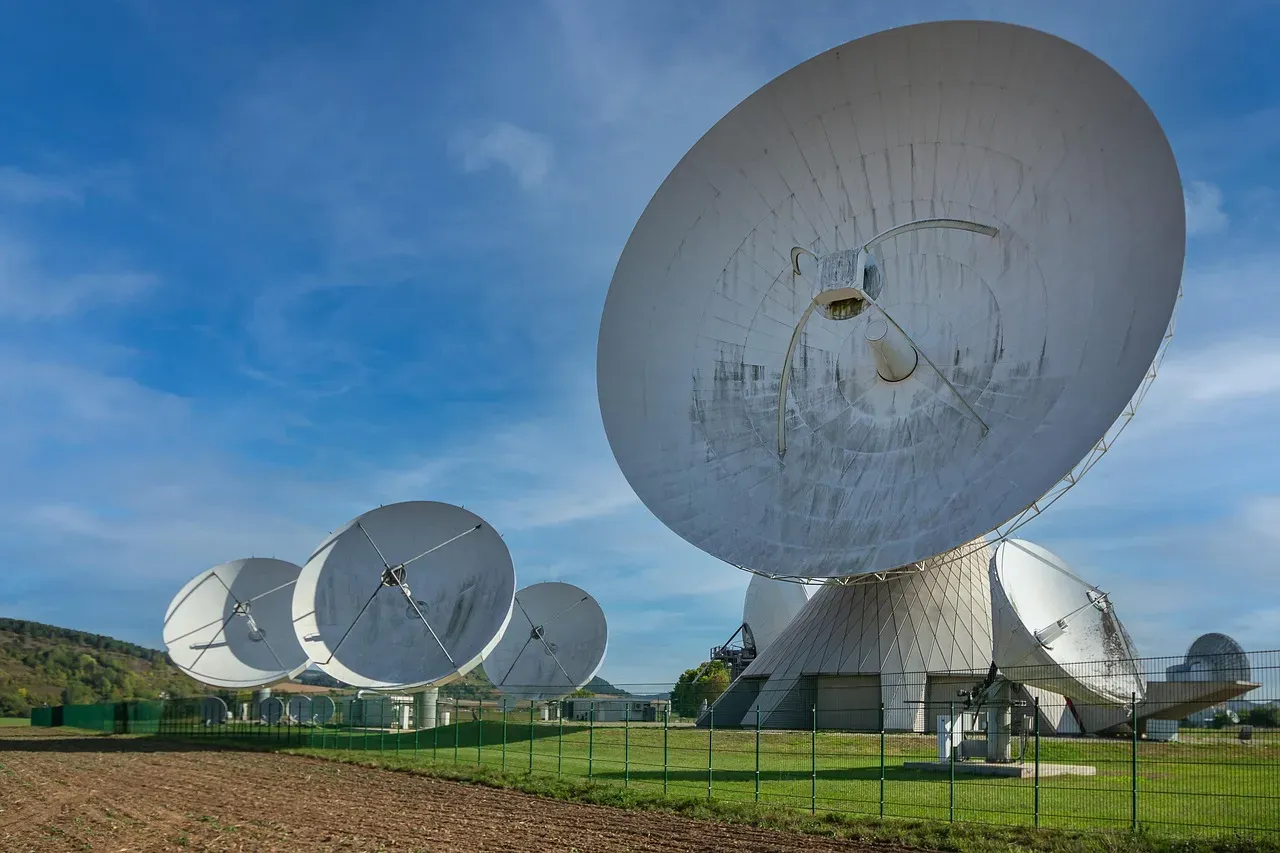
On a quiet August night in 1977, a radio telescope in Ohio picked up a 72-second signal so striking that the astronomer on duty circled it on the printout and scribbled “Wow!” in the margin. That single burst, stronger than the background noise and appearing near a frequency some had speculated might be used by intelligent civilizations, has become one of the most iconic puzzles in the search for extraterrestrial signals. The telescope heard it once and never again, despite repeated attempts to look back at the same patch of sky.
Decades later, no one has convincingly shown that the Wow! signal was caused by something as mundane as a satellite, aircraft, or terrestrial interference. A few ideas have linked it to passing comets or natural hydrogen emissions, but none have truly closed the case. For many astronomers, it sits in this frustrating middle ground: too intriguing to ignore, too thin on data to solve. It’s like finding a single, perfectly clear footprint on a beach and then watching the tide wash everything else away.
Repeating FRBs and Their Strange Patterns
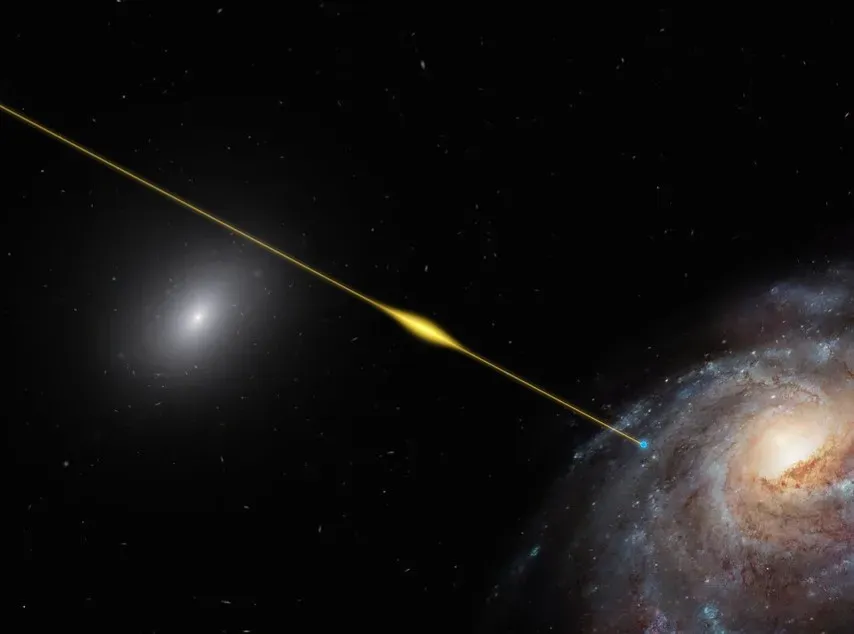
Fast radio bursts were already weird, but then some of them started doing something even stranger: repeating. Unlike “one-off” FRBs, these repeaters send multiple bursts from the same spot in the sky, sometimes clustered, sometimes quiet for weeks or months. One of the best-studied repeaters shows an almost clock-like cycle, staying active for a stretch of days and then going silent for a longer, regular interval. That kind of predictability screams “underlying structure,” but no one is quite sure what that structure is.
Some models picture a magnetar orbiting another object, perhaps a massive star or a black hole, with bursts only visible when the geometry lines up just right. Others suggest that powerful winds, disks of matter, or twisted magnetic fields are shaping when and how we see the radio flashes. The repeating FRBs are particularly exciting because scientists can keep watching them, nudging theories forward with each new burst. Still, we’re stuck in that limbo where every new dataset answers a couple of questions and raises half a dozen more.
Periodic Radio Bursts From the Milky Way’s Dark Corners
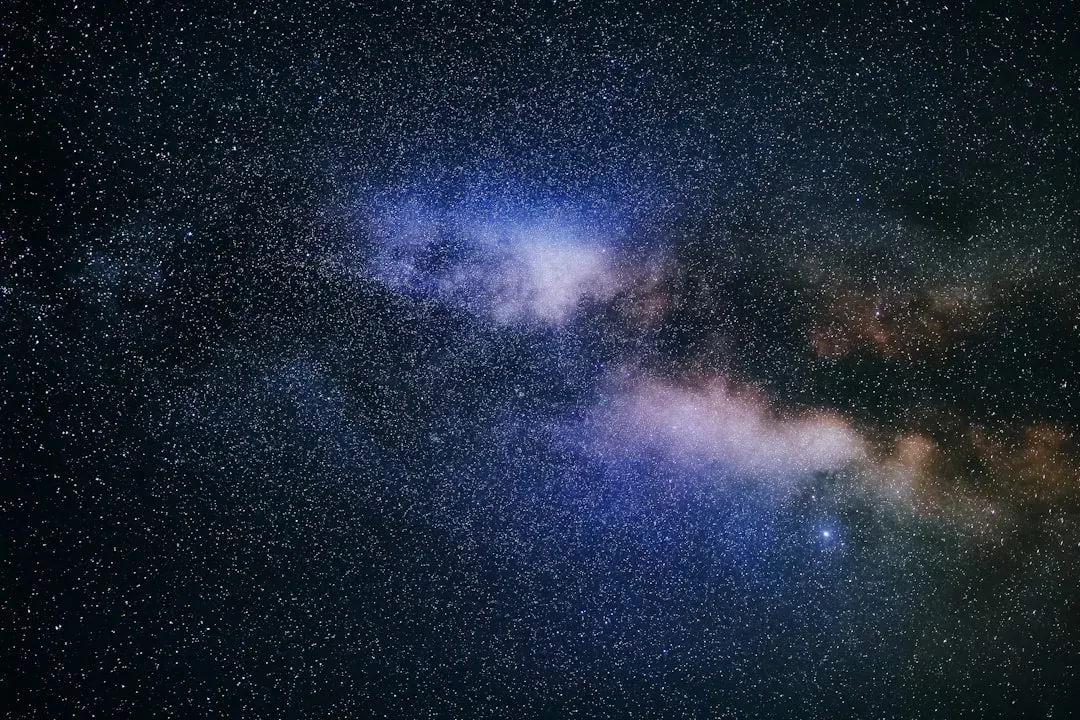
In recent years, astronomers have spotted radio sources in our own galaxy that behave like cosmic lighthouses gone rogue. One object near the center of the Milky Way turned on and off in a way that didn’t match known pulsars, which are the classic spinning neutron stars that flash in precise, clockwork fashion. Another source showed bursts so polarized and oddly shaped that existing models struggled to explain how they could be produced by any familiar object.
These signals are especially unnerving because they come from regions crowded with stars, black holes, and intense magnetic fields – places where extreme physics is the norm. It’s entirely possible we’re just seeing new flavors of neutron stars or magnetars in environments we don’t yet understand. But the data hint that we might be missing whole categories of objects hiding in our own galactic backyard, sending out radio messages that don’t fit any standard template.
Gamma-Ray Bursts With Hidden Radio Echoes
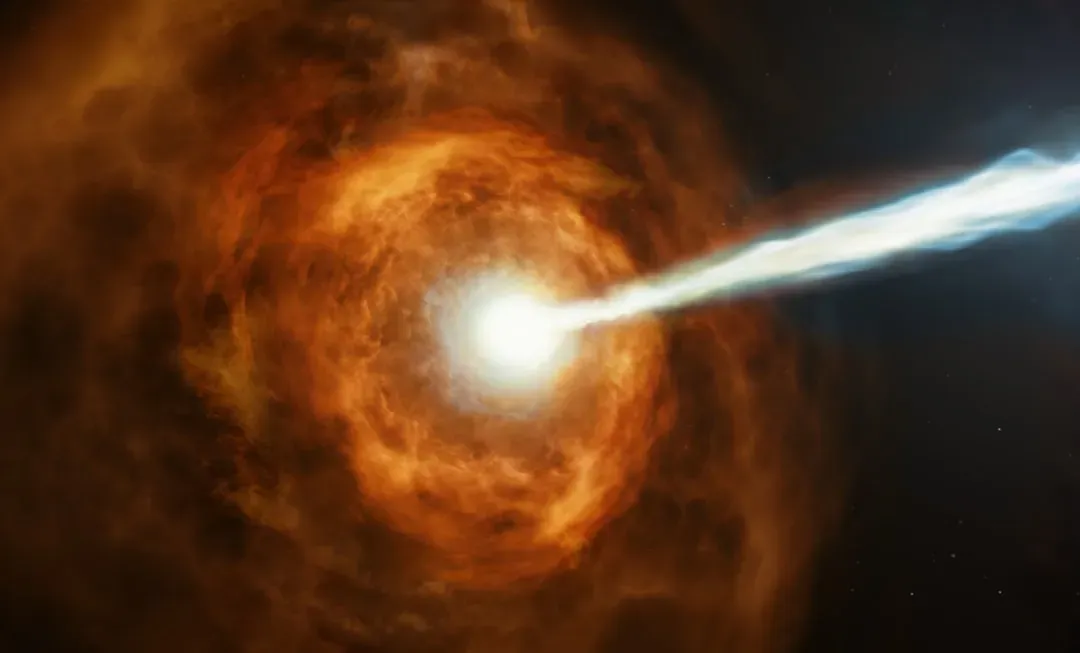
Gamma-ray bursts, or GRBs, are among the most violent events in the universe, likely tied to collapsing massive stars or the mergers of neutron stars. They flood space with high-energy gamma rays, often followed by an afterglow in X-ray, optical, and sometimes radio wavelengths. While GRBs themselves are not new, some of their radio counterparts behave in ways that refuse to sit comfortably in the neat explanations astronomers prefer. In a few cases, late-time radio flares appear long after the initial explosion, as if something is reigniting the drama.
These lingering or unexpected radio signals raise questions about what’s really happening in the environment around the burst. Are we seeing jets that were initially hidden, shockwaves colliding with dense clumps of gas, or some delayed engine turning back on? The challenge is that every GRB seems a little different, like a series of explosions each leaving its own messy forensic trail. The radio “echoes” feel like clues from a crime scene where the suspect keeps changing costumes just when you think you’ve identified them.
Mysterious Low-Frequency Radio Hums
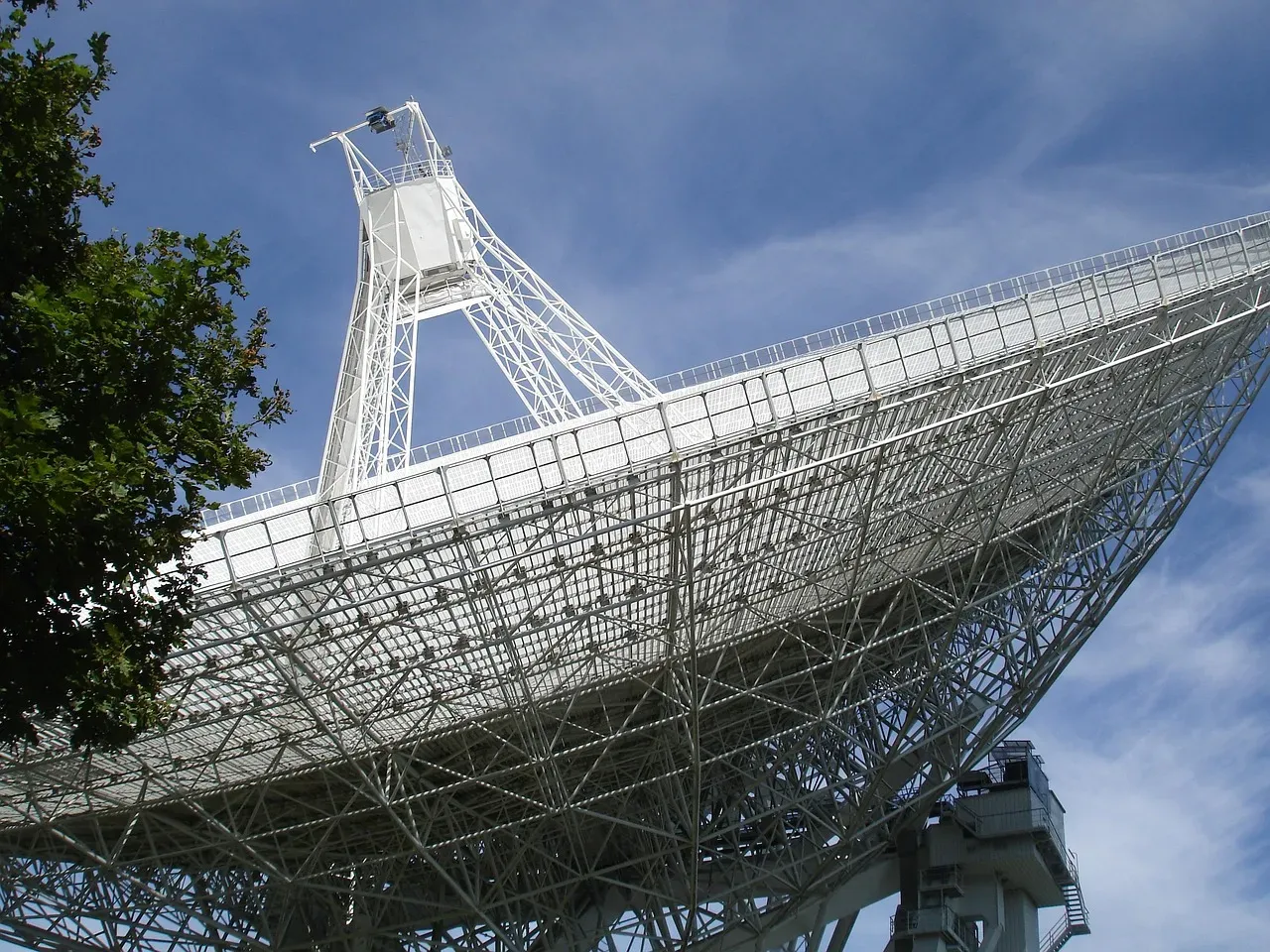
Above Earth’s atmosphere, far from FM stations and cell towers, some telescopes sensitive to very low radio frequencies have picked up broad, subtle hums that don’t fit easy explanations. These signals aren’t sharp bursts but more like background murmurs or faint glows that seem stronger than predicted from known galaxies and cosmic processes. When astronomers carefully subtract all the usual suspects – our own galaxy, instrumental noise, known radio sources – there’s still leftover signal that should not be there if our models are complete.
One possibility is that we’re underestimating certain populations of faint galaxies or black holes, each contributing a tiny piece to this extra background. Another is that there’s some new kind of emission process or early-universe activity we haven’t properly accounted for. It feels a bit like listening to a crowded room through a wall: you can’t make out individual voices, but you know more people are talking than you expected. That discrepancy is both annoying and deeply exciting because it suggests the universe still has surprises hidden in its static.
The Cosmic Radio Background That Won’t Behave
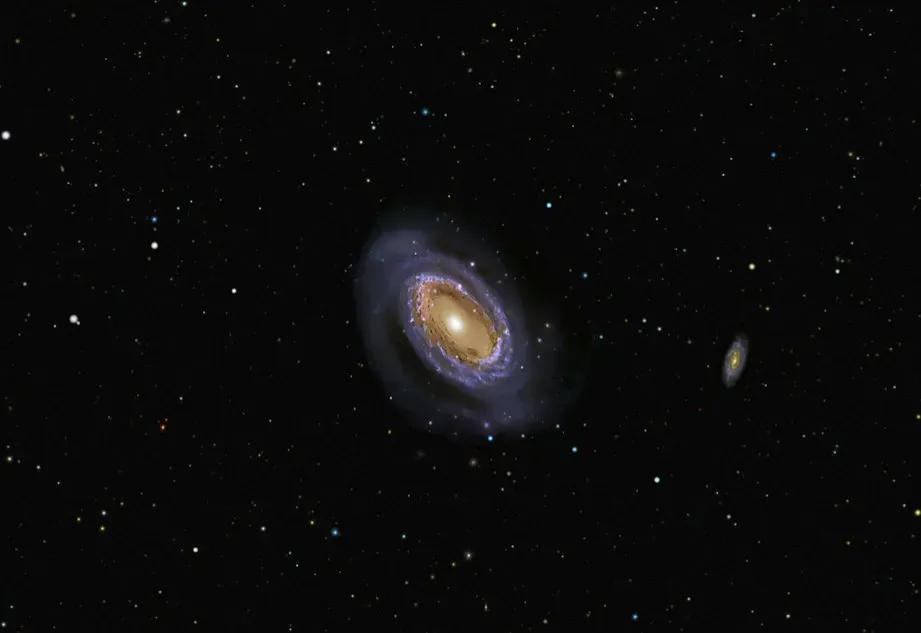
The universe is filled with a sea of faint radio waves, a background glow that should mostly come from known galaxies, active black holes, and diffuse gas. But measurements from some experiments have hinted that this glow is stronger or shaped differently than expected. When teams add up all the bright and faint radio sources we can see and simulate what should be there, the numbers don’t quite match the observed level of background radiation. That mismatch suggests something important is missing from the inventory.
Some ideas propose vast populations of ultra-faint galaxies or black holes beyond the reach of current telescopes, like an unseen city just below the horizon. Others speculate about entirely new phenomena in the early universe that could have left behind a radio imprint. The difficulty is that these measurements are incredibly hard to make without contamination from Earth, our own galaxy, and instrumental quirks. So scientists are stuck juggling two possibilities: either the measurements are subtly off, or the universe is more crowded and complicated than we thought.
Odd Radio Circles and Other Baffling Shapes
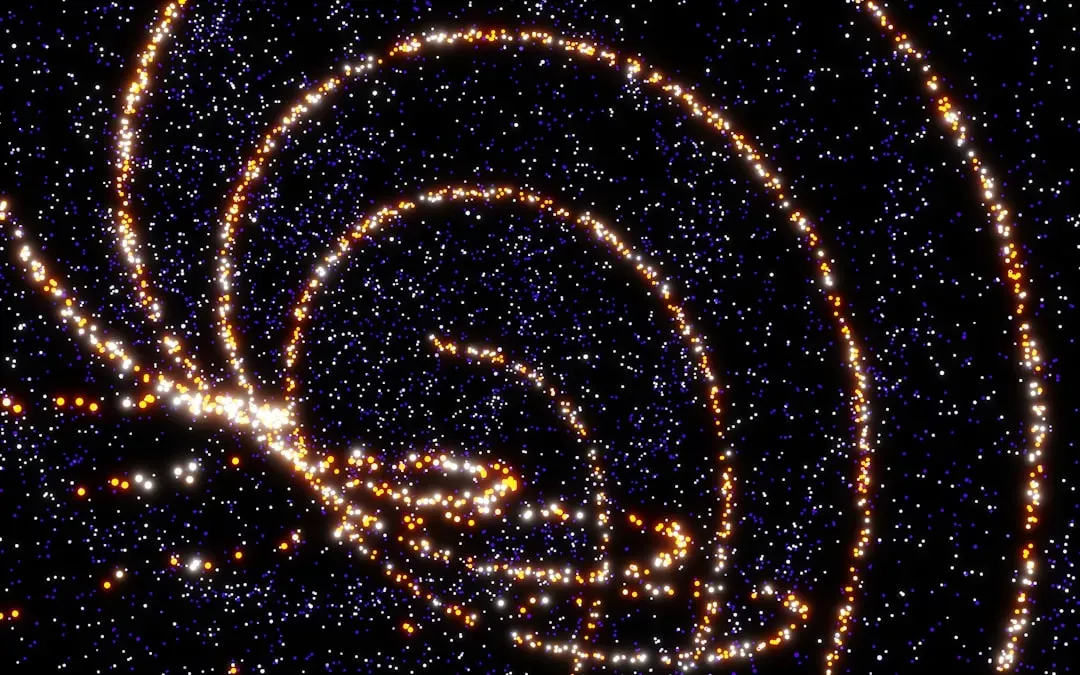
A few years ago, survey images revealed something no one expected: giant, faint rings of radio emission, now often called odd radio circles. These ghostly halos, larger than whole galaxies, appeared in deep radio maps with no obvious counterpart in visible light. They weren’t simple imaging artifacts; multiple telescopes confirmed them. Yet they didn’t match the classic signatures of known radio galaxies, supernova remnants, or galaxy clusters. It was as if someone had drawn enormous, almost perfect circles in the sky and then erased everything in the middle.
Some models suggest they could be shockwaves from enormous outbursts in distant galaxies, or the remnants of past activity from supermassive black holes. Others consider more subtle explanations involving large-scale cosmic structure and the behavior of hot gas over huge distances. The truth is, we simply don’t have enough examples yet to be sure. They feel like the kind of puzzle piece that obviously belongs to a bigger picture, but until we see more of the puzzle, we’re just guessing what the full image will look like.
Conclusion: Listening to a Universe That’s Not Done Surprising Us
These eight kinds of signals – blazing FRBs, one-time oddities like the Wow! signal, eerie background hums, and giant radio rings – are all reminders that the universe is not a finished textbook; it’s a draft full of scribbles in the margin. Astronomers are getting better at catching these whispers and shouts, building new instruments that watch huge swaths of the sky around the clock, and even then, strange things slip through the cracks. I still remember the first time I looked at a noisy radio plot and realized that, to the people who collect this data, every weird bump is a potential doorway to something completely new.
Most of these mysteries will probably turn out to have natural, non-dramatic explanations, rooted in extreme versions of physics we already half understand. But that’s the beauty of it: even the “ordinary” answers expand our sense of what’s possible, showing us stars, black holes, and galaxies behaving in ways we never guessed. We’re effectively eavesdropping on a cosmos that’s been talking for billions of years, and we’ve only just started to recognize a few of the words. When the next inexplicable signal arrives – and it will – what do you think it will overturn first: our theories, or our expectations?