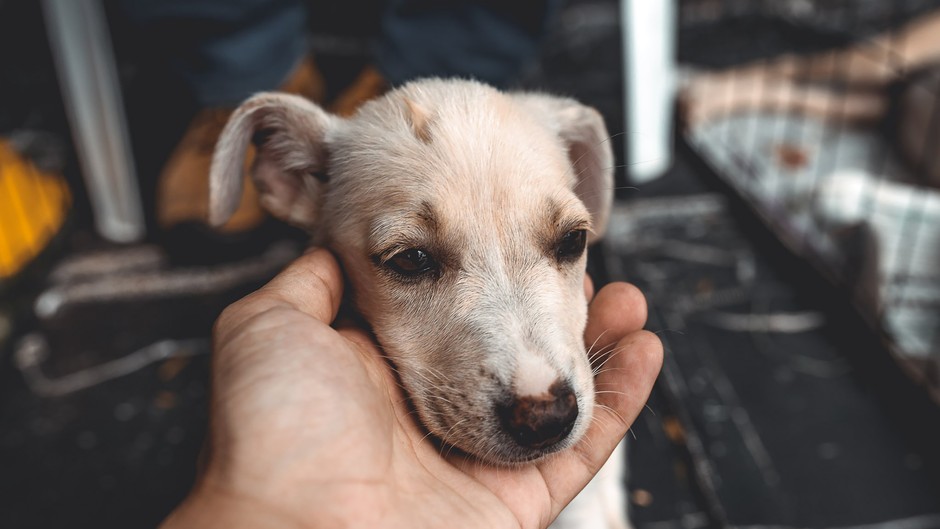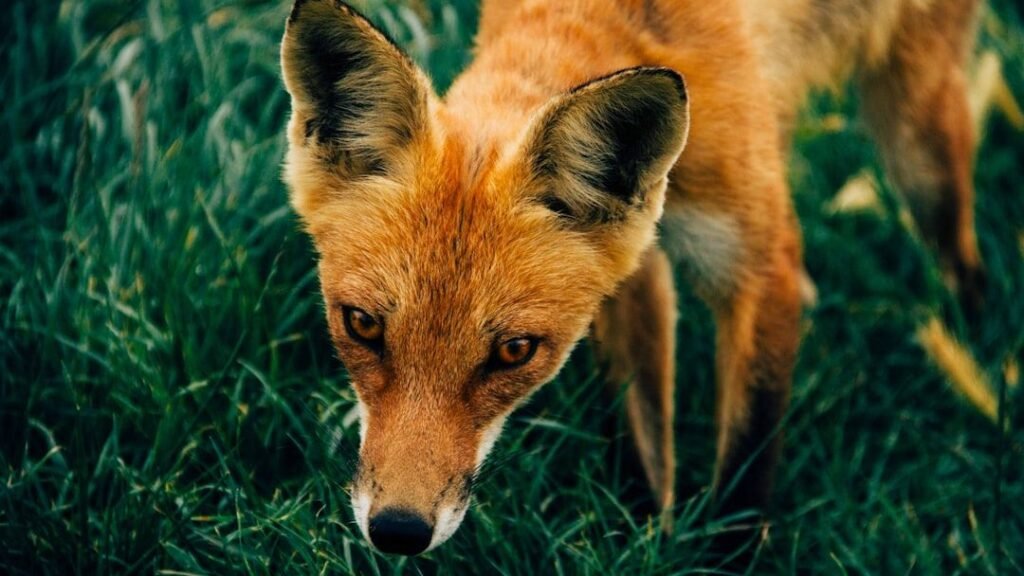

Moments before a powerful earthquake hit the Indian Ocean in 2004, tourists later reported something eerie: elephants breaking their chains and running for higher ground, flamingos abandoning their low-lying breeding sites, and dogs refusing to go outdoors. Stories like these keep coming back every time disaster strikes, like ghostly echoes reminding us that maybe animals are sensing something we can’t. It feels almost supernatural, as if they carry a built‑in early warning system we still don’t fully understand.
Yet when you strip away the drama and look at the science, the picture becomes even more fascinating, not less. Researchers across the world have been watching livestock with GPS trackers, monitoring wildlife with motion sensors, and combing through old disaster records to see whether these stories are just coincidences or actual patterns. The result is a growing, but still incomplete, puzzle: animals really do sometimes behave strangely before earthquakes, storms, and tsunamis – but the reasons are messier, more physical, and more mysterious than a simple “sixth sense” myth.
The Strange Stories People Swear They Saw

If you ask people who’ve lived through a major disaster, many will tell you that the animals knew something first. In some earthquake zones, farmers describe cows pacing restlessly, chickens refusing to roost, or dogs barking at seemingly nothing hours before the ground shook. During the 2011 Tōhoku earthquake and tsunami in Japan, some pet owners later said their cats suddenly hid, went silent, or tried to escape outside for no obvious reason.
There are older stories too, stretching back centuries: toads leaving ponds before quakes, horses panicking before landslides, or birds suddenly changing their migration routes ahead of violent storms. On their own, any one of these tales could just be a coincidence, like remembering the one time you dreamed of rain and it actually rained. But what makes them hard to ignore is how similar they sound across countries, cultures, and decades, as if people are all watching different storms but telling the same story.
What Science Actually Says About Animal “Precognition”
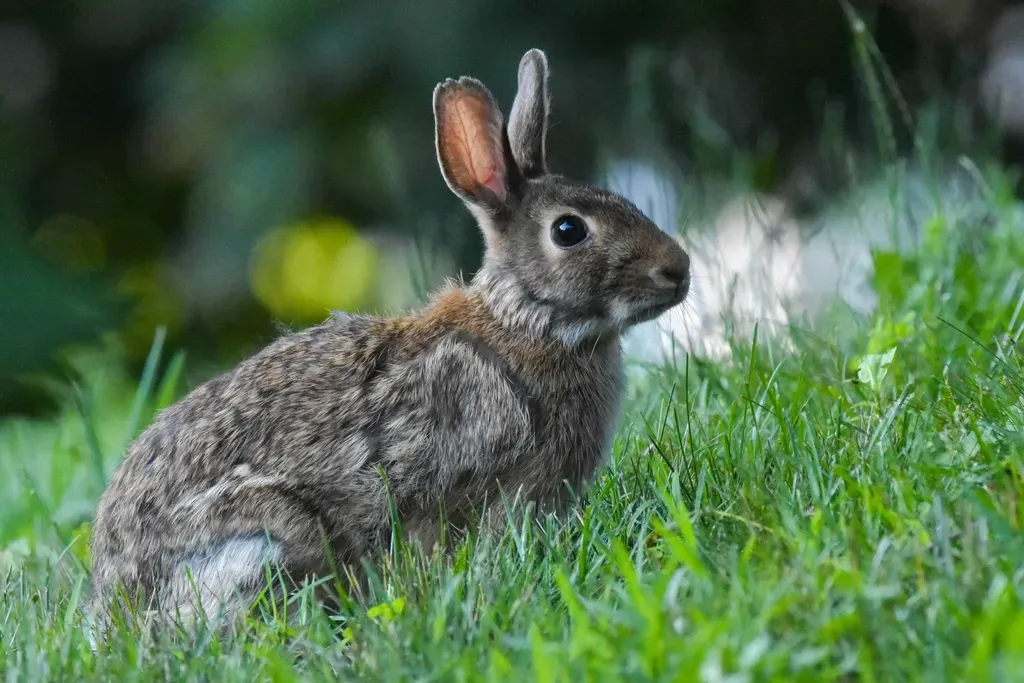
When scientists step in, they don’t just take stories at face value; they ask the annoying questions: how often does this happen, how many animals behaved normally, and could we be cherry‑picking only the weird cases? That skepticism matters, because humans are great at connecting dots after the fact and terrible at noticing all the times nothing unusual happened. In earthquake regions, animals are restless plenty of days when no quake follows, but those uneventful days rarely make headlines.
Still, some research is too intriguing to ignore. A few studies have found that farm animals fitted with GPS collars and motion sensors move more intensely than usual in the hours before certain earthquakes, as if something in their environment suddenly changed. These signals aren’t clean or perfectly predictive, but they pop up often enough that scientists are wondering if they might become one piece of a broader early‑warning system. It’s not magic or prophecy; it’s more like picking up on signals so faint that our own bodies just miss them.
Hidden Senses: How Animals Detect What We Can’t
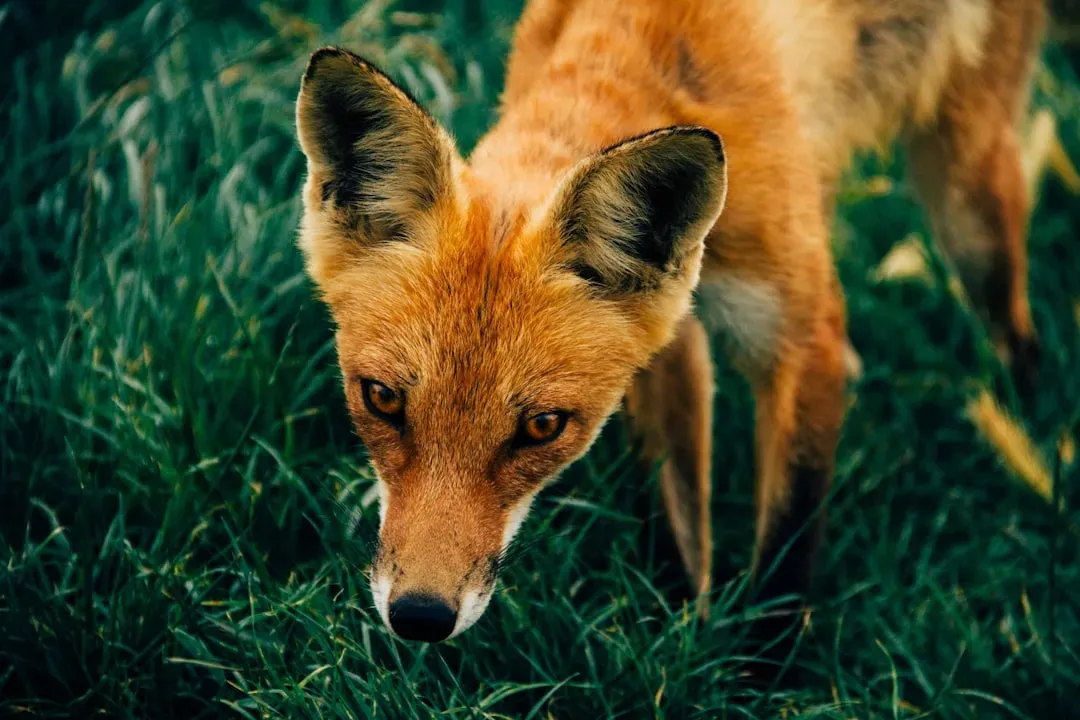
To understand what’s going on, it helps to remember that animals don’t experience the world the way we do. Dogs hear much higher‑pitched sounds, elephants feel low‑frequency vibrations through their feet, and many birds can sense magnetic fields to navigate. Imagine trying to explain color to someone who only sees in black and white; that’s basically us trying to understand how animals feel the planet shifting under their paws, hooves, or wings.
One leading idea is that animals sense tiny vibrations, pressure changes, or electric and chemical shifts long before we notice anything. An underground fault might creak and grind for hours before a big rupture, sending out waves too subtle for human ears but not for an animal with sharper hearing or more sensitive skin. Likewise, as the atmosphere churns before a violent storm or hurricane, changes in air pressure, humidity, and low‑frequency sounds might feel like a kind of background noise that only they can hear – an invisible drumbeat warning them to move.
Earthquakes, Tsunamis, and the Mysterious Early Escape
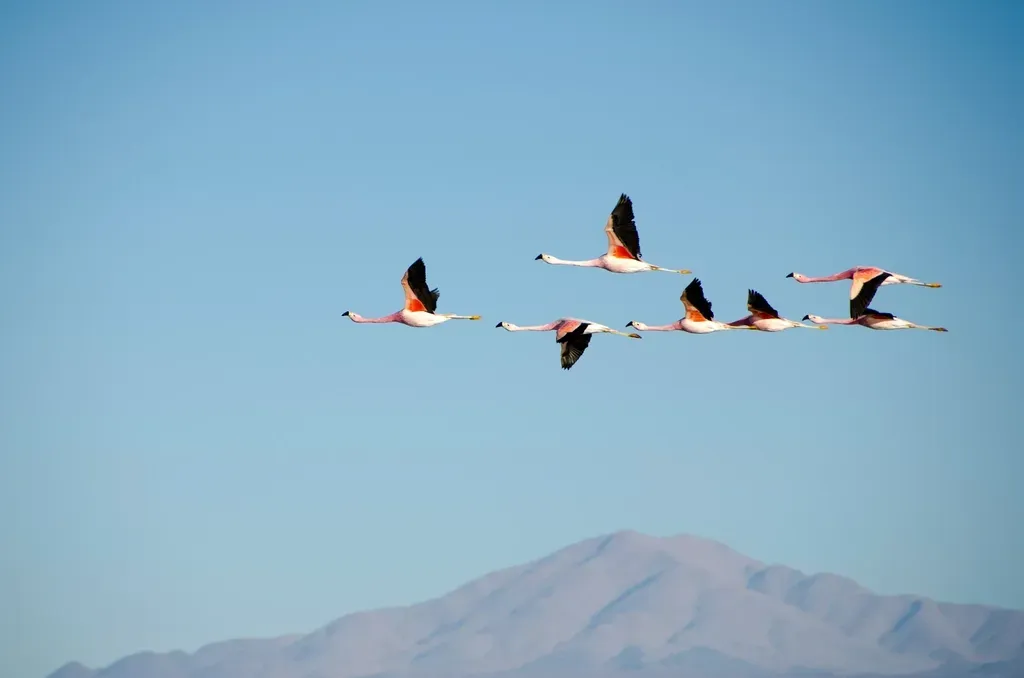
Earthquakes are the classic case where animals seem to react early. Long before we feel the violent shaking, small pre‑slips along fault lines can generate low‑frequency waves or tiny vibrations. Large animals like elephants, cattle, or horses may pick these up through their bones and hooves, the way you can feel a passing train rumble through the ground even if you can’t see it yet. To them, the earth might feel “wrong” or out of tune, which could trigger panic, flight, or strange agitation.
Tsunamis add another twist. They are often triggered by undersea earthquakes, but the first local changes are subtle: the sea may retreat oddly, or there might be low, distant booming sounds, sometimes described as like a long, rolling thunder. Marine animals and coastal wildlife are more tuned to water movement and sound than we are; sudden shifts in currents, pressure, or ocean noise may push them to swim deeper or flee inland. To people watching from the beach, it can look like the animals are predicting the wave, when they’re really just reacting to the earliest, quietest signs of it forming.
Storms, Hurricanes, and Birds That Outsmart the Weather
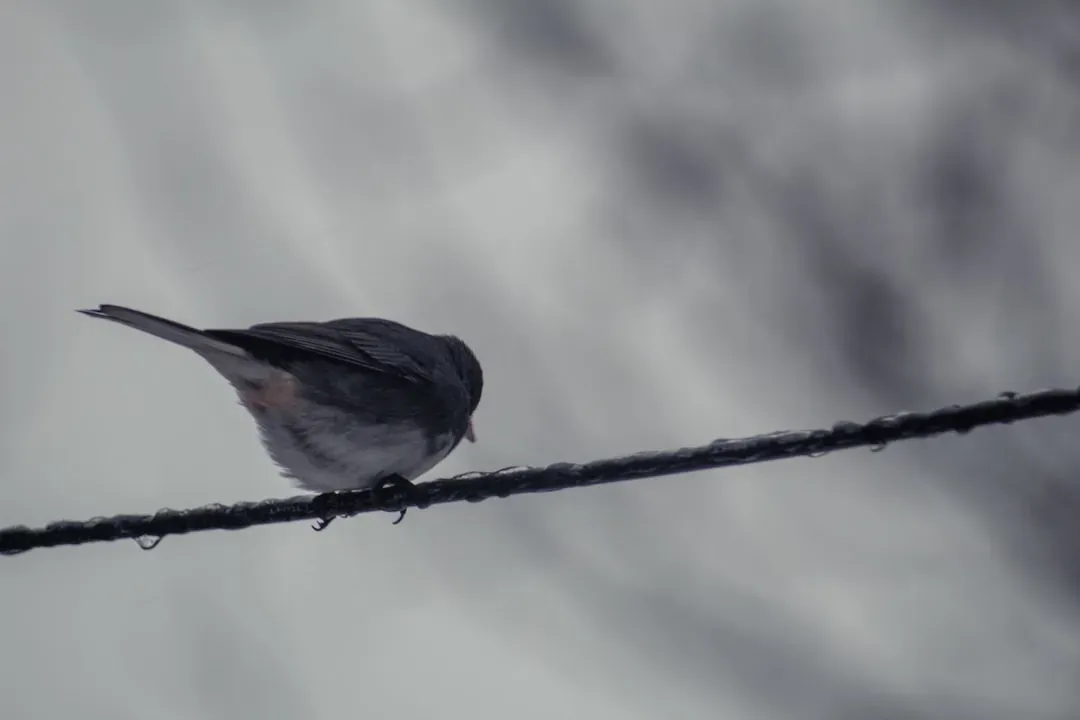
When storms are involved, birds might be the closest thing nature has to a flying weather station. Some species can sense changes in barometric pressure and wind patterns that hint a major storm is coming days away. Tracking data from tagged birds has shown them suddenly altering migration routes or pausing their journeys to dodge incoming cyclones, as if they’ve read a warning written in the sky that our weather apps haven’t fully updated yet. To a casual observer, that can feel eerily like foreknowledge.
Other animals seem to respond to storms too, though in less dramatic ways. Frogs may start or stop calling, insects could go strangely quiet, and farm animals sometimes huddle or seek shelter earlier than usual. These reactions are likely tied to pressure shifts, temperature drops, and subtle changes in wind and humidity. It’s not that they “know” a hurricane is coming in the human sense, but their survival depends on treating those invisible cues like urgent messages rather than background noise.
Can We Actually Use Animals as Natural Early‑Warning Systems?
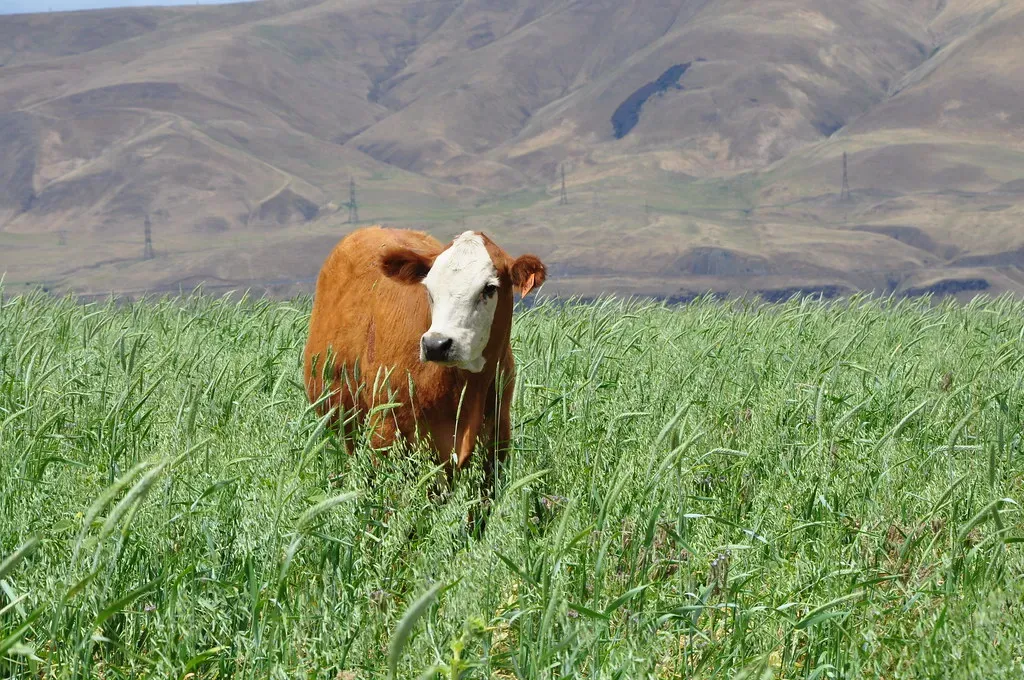
The idea of using animals as a living network of sensors is incredibly tempting. Imagine if farmers’ cows, dogs, and chickens were all part of an alert system where sudden, synchronized changes in their movement triggered a warning for nearby villages. Some early experiments are already trying something like this, putting GPS trackers and accelerometers on livestock in quake‑prone areas to see if abnormal movement patterns could provide even a few minutes of extra warning. In disaster science, those minutes can mean the difference between scrambling blindly and getting to safer ground.
But turning animals into reliable warning tools is much harder than it sounds. Animals get stressed, hungry, spooked by predators, disturbed by loud trucks, or annoyed by each other, so their behavior is full of noise and false alarms. You’d need to combine their data with geological sensors, weather monitoring, and careful statistics to filter out all the random weirdness. At best, animals might become one layer of a multi‑layered safety system – useful, especially in rural areas with fewer instruments, but not something you’d bet everything on without backup.
The Line Between Instinct, Myth, and Human Hope
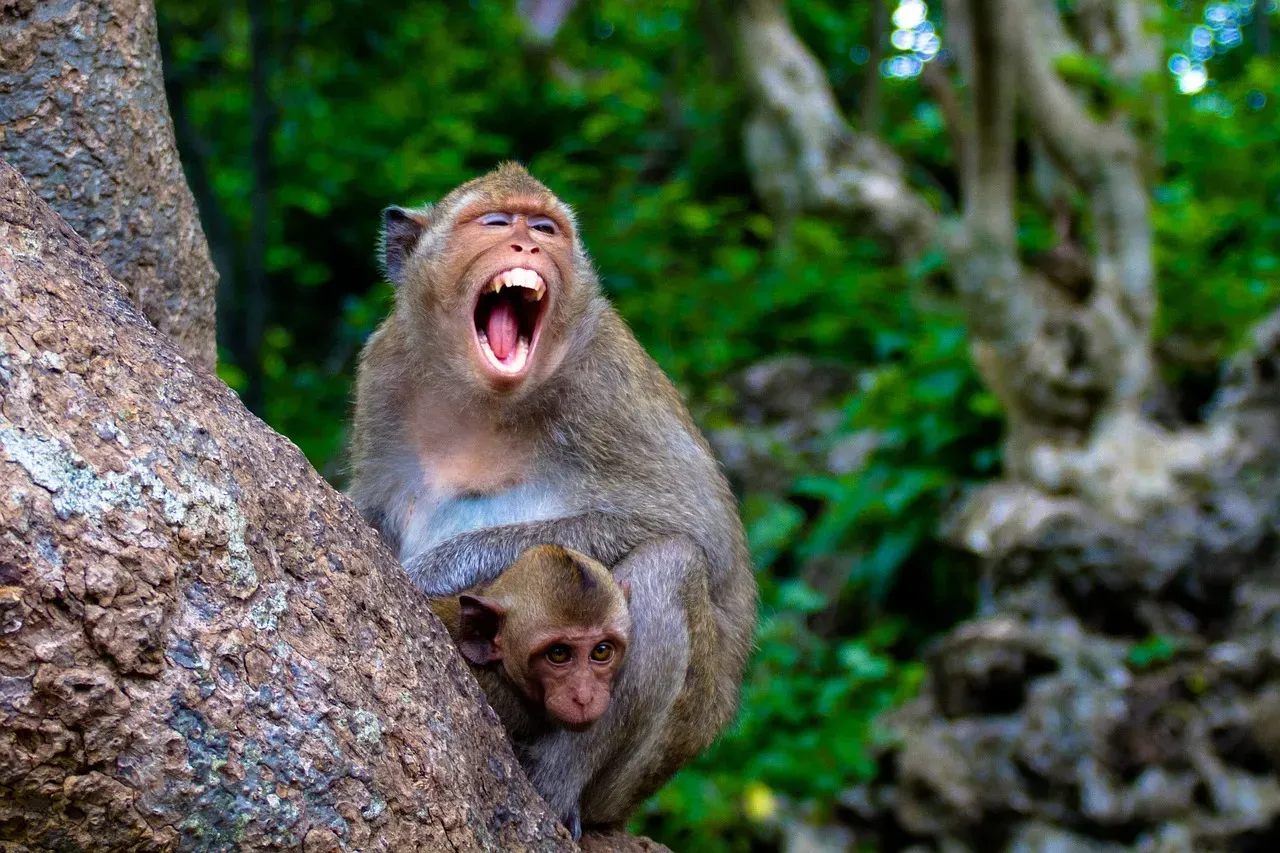
There’s also a psychological side we can’t ignore: we desperately want the world to offer hints before bad things happen. When disaster strikes, it’s comforting to believe that nature tried to warn us and that next time we’ll be better listeners. That hope can sometimes turn old stories into legends, and legends into unshakeable beliefs, even when the data is mixed or unclear. Our minds naturally spotlight the dramatic memory of a dog acting strangely before a quake and quietly erase the hundred calm evenings when nothing followed.
Still, it would be a mistake to dismiss every animal story as fantasy. Instinct is real, and animals have survived on this planet for far longer than we have by paying attention to the slightest sign of trouble. Somewhere between hard science and human storytelling lies a simple truth: they’re tuned to the environment in ways we lost when we moved indoors, built cities, and started trusting screens over the sky. Maybe the real lesson is not that animals are mystical prophets, but that the planet is constantly whispering – and they, more than us, still know how to listen.
What This Mysterious “Sixth Sense” Really Teaches Us
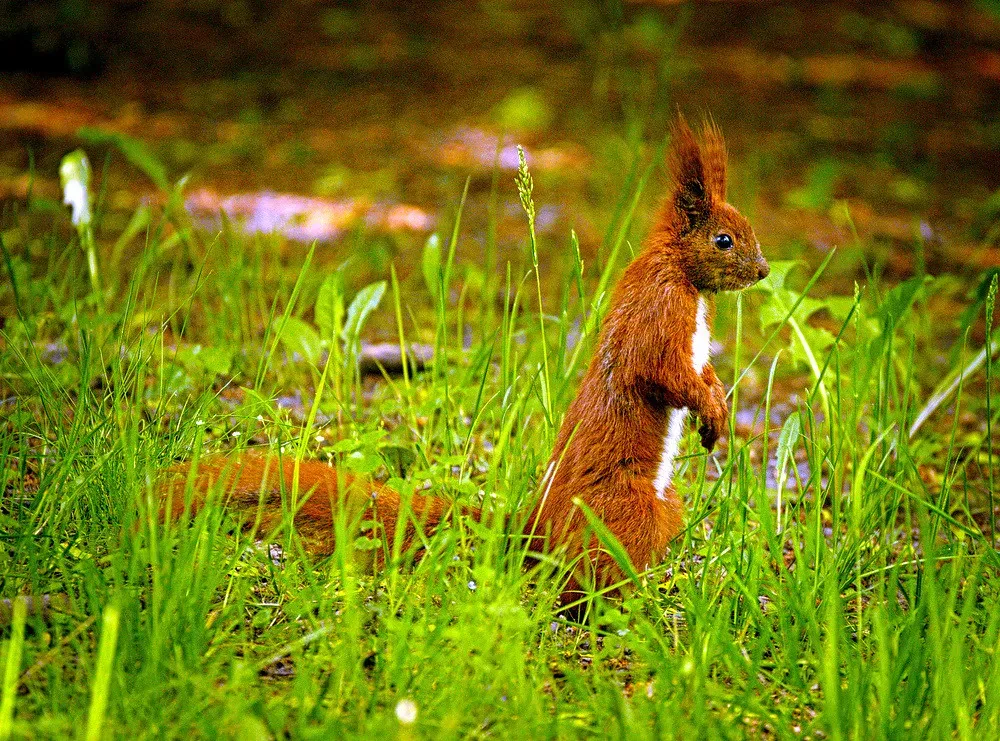
In the end, the so‑called sixth sense of animals is less about magic and more about extreme sensitivity to very real physical signals. They pick up low‑frequency sounds, subtle ground vibrations, electromagnetic and atmospheric changes, and they react fast because hesitation in the wild can be lethal. That can look uncanny from the outside, like a kind of prediction, but it’s really just evolution refining their early‑warning reflexes over millions of years. We’re the ones who turned it into a mystery by forgetting how much information the world constantly sends out.
I find this oddly humbling. Whenever I read about cows pacing before a quake or birds swerving around a storm, it feels like the planet is having a conversation we’re only half invited to. We may never turn animals into perfectly reliable disaster alarms, but paying attention to them could nudge us toward a more respectful relationship with the environments we live in. Maybe the real question isn’t whether animals can predict disasters, but whether we can learn to stop ignoring them when they’re trying to tell us something.