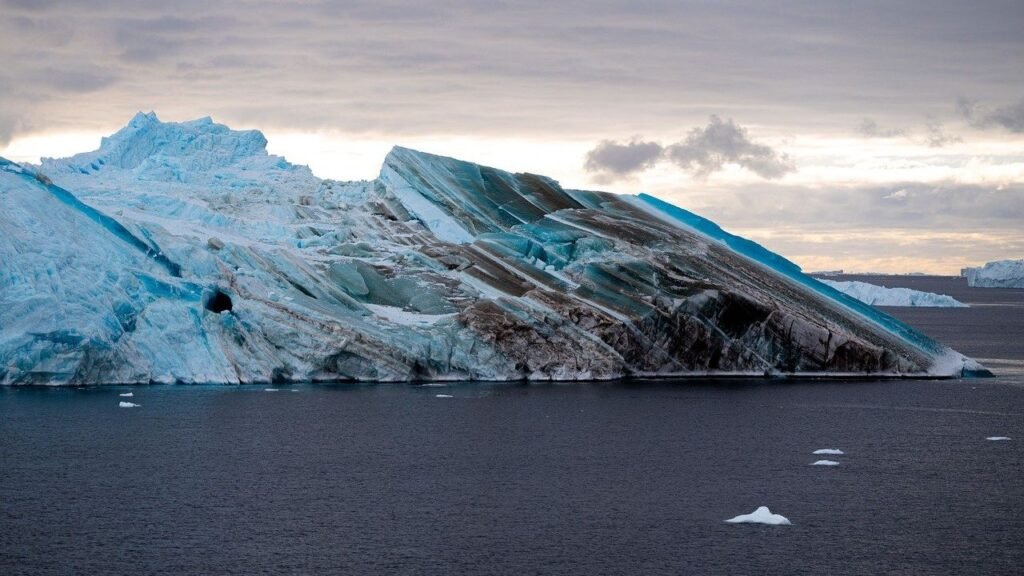

The Arctic has always felt a bit like the final chapter of a book we never quite finished reading. For decades, it was shown to us as an endless white desert, beautiful but empty, somewhere far away from our everyday lives. Now the ice is melting faster than scientists expected, and suddenly this “empty” place is starting to look more like a locked vault that someone has accidentally left open.
What’s emerging from beneath the thinning ice is both astonishing and deeply unsettling: rare minerals, powerful new shipping routes, ancient landscapes, frozen viruses, and fragile ecosystems that are finally being exposed. The world is circling this region like it’s the next gold rush, while researchers warn that we might be prying open something we don’t fully understand. The Arctic is no longer just a symbol of climate change; it’s becoming a high-stakes frontier where opportunity and risk are tangled together.
The New Map: Shipping Routes Through a Thawing Ocean
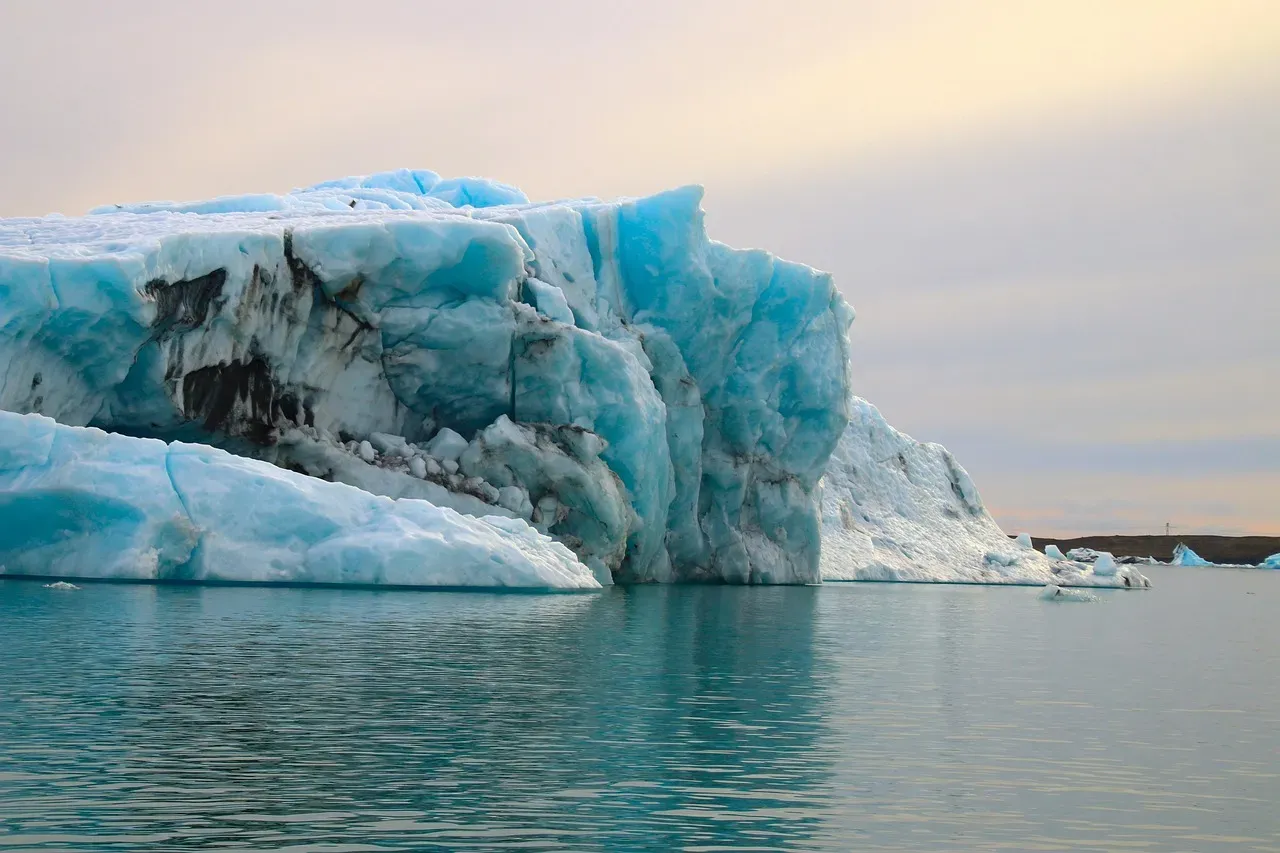
Imagine sailing straight across the top of the world instead of taking the long way around continents. As the Arctic sea ice shrinks, previously impassable waters are opening into seasonal shipping routes that could cut travel times between Europe and Asia by more than a third. The Northern Sea Route along Russia’s coast and the Northwest Passage through the Canadian Arctic are at the center of this transformation, turning once-mythical passages into real commercial lanes. For global trade, that’s a huge deal: shorter routes mean lower fuel costs, fewer emissions per trip, and faster delivery times.
But there’s a darker side to this new Arctic map. The waters are still dangerous, poorly charted, and far from rescue infrastructure if something goes wrong, and an accident in icy, remote seas is far harder to clean up than in warmer regions. Heavy ship traffic brings black carbon emissions that darken ice and snow, causing them to absorb more heat and melt even faster. Coastal communities, many of them Indigenous, are watching giant vessels pass close to their shores, raising fears about noise, oil spills, and disruption of marine life they depend on. The new shipping lanes aren’t just shortcuts; they’re stress tests for an ecosystem already pushed to the edge.
Mineral Riches Under the Ice: The Arctic as a Global Treasure Chest
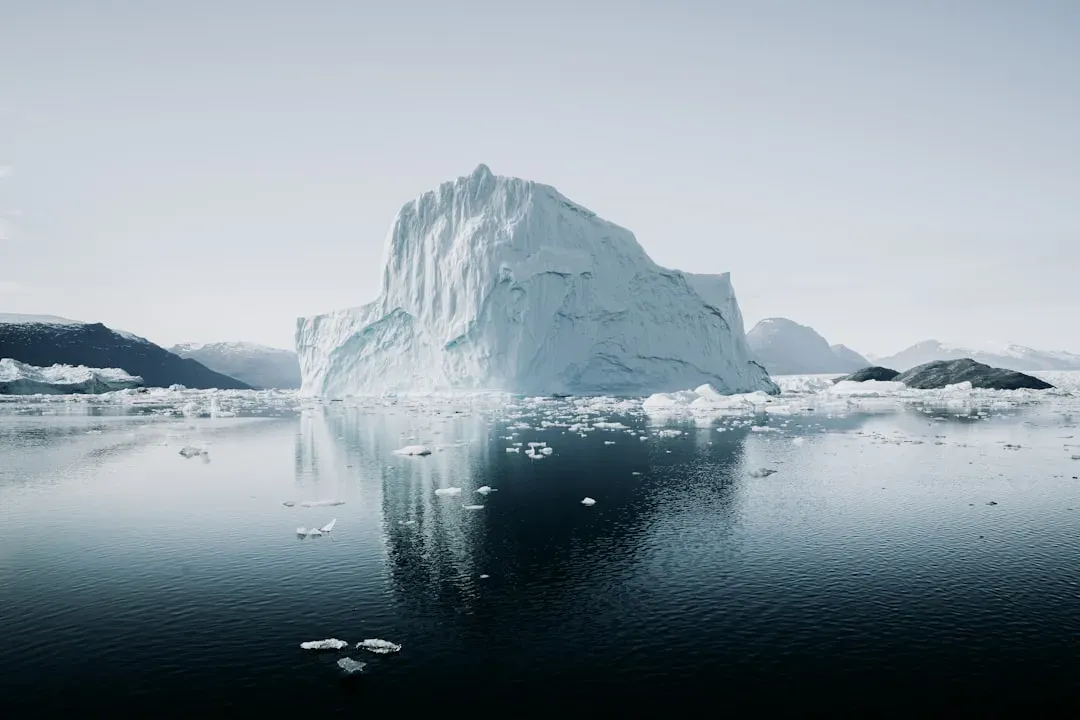
Beneath the Arctic seabed and permafrost lies an astonishing cache of resources that many governments and companies are eyeing with growing intensity. Estimates suggest that the region holds a significant portion of the world’s untapped oil and gas reserves, along with critical minerals like nickel, cobalt, rare earth elements, and copper that are essential for batteries, wind turbines, and other clean energy technologies. In a twist that feels almost ironic, the same climate crisis that’s melting the ice is making it easier to reach the materials needed for a low-carbon transition.
Still, pulling these resources out of such a fragile environment is like trying to mine a glass sculpture without cracking it. Arctic drilling and mining are logistically difficult, incredibly expensive, and fraught with environmental risk, from blowouts and spills to habitat destruction and long-term pollution in cold waters that break down contaminants very slowly. There’s also intense geopolitical competition, as countries within and beyond the Arctic circle push to secure future supplies and extend their claims on seabed territory. The Arctic’s mineral wealth may help fuel the global transition away from fossil fuels, but if exploited recklessly, it could deepen the damage that climate change has already set in motion.
Ancient Life, Frozen Viruses, and the Microbial Wildcard
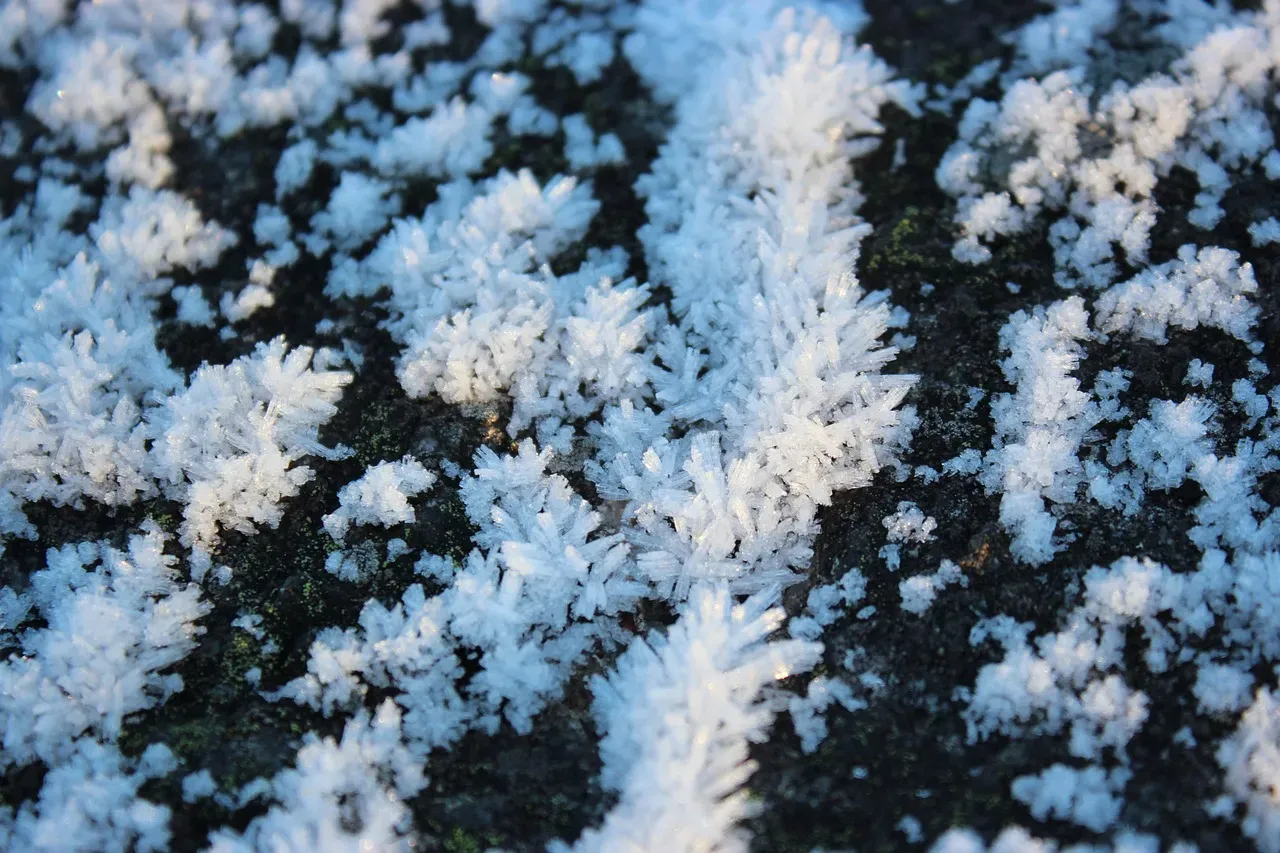
When people talk about melting ice, they usually mean rising seas and stranded polar bears, but there’s another layer that feels straight out of a science fiction story: the invisible life locked inside permafrost. As ice and frozen soil thaw, long-dormant microbes and viruses, some of them tens of thousands of years old, are being exposed to the modern world again. In controlled lab conditions, scientists have successfully revived ancient viruses from Siberian permafrost that can still infect specific hosts, proving that deep freeze is not always permanent death for microorganisms.
Most of these microbes probably pose little or no direct threat to humans, but that’s not really the point; the real issue is uncertainty. Thawing permafrost can release pathogens that may interact with wildlife, livestock, and water systems in ways we don’t fully understand, while also unleashing massive amounts of greenhouse gases trapped in frozen ground. It’s like opening a time capsule that was never meant to be opened, spilling both natural history and biochemical surprises into a world already under stress. Beyond the dramatic headlines, this microbial wildcard is yet another reminder that the Arctic isn’t just scenery – it’s an active part of the planetary life support system.
Hidden Ecosystems and Species on the Brink
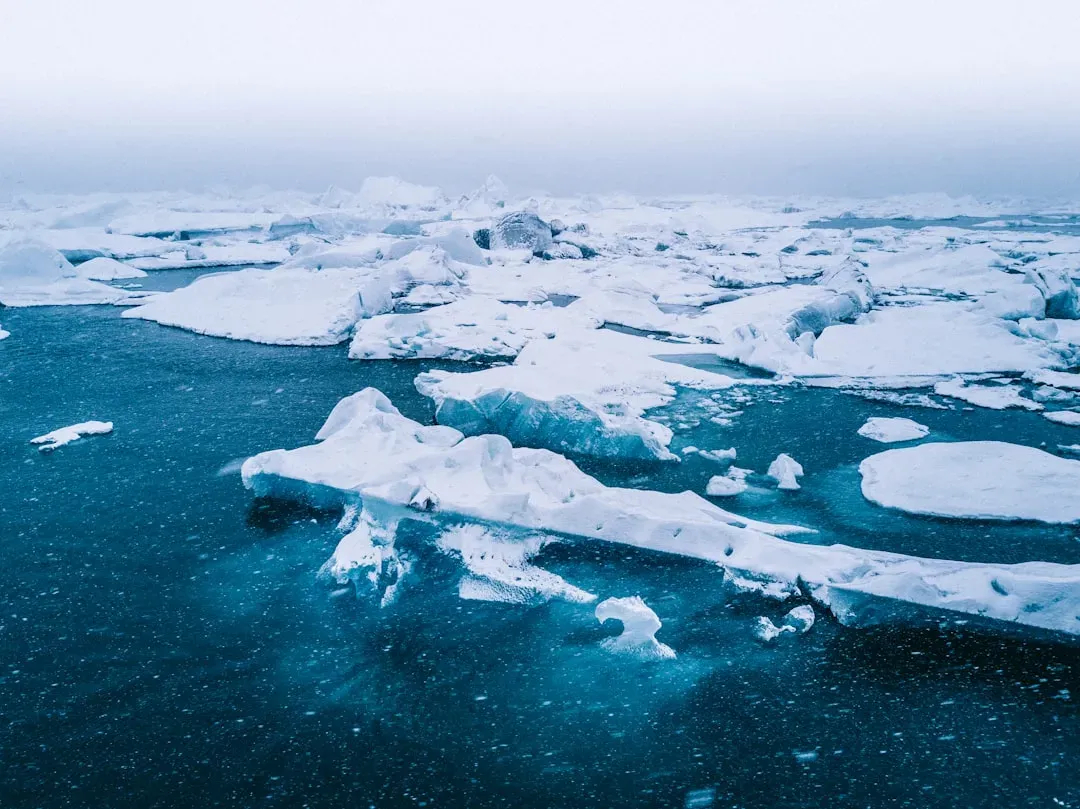
Beneath the sea ice and inside the dark, cold waters of the Arctic Ocean lies a world that looks nothing like the stereotype of empty white wasteland. There are vibrant algal blooms that cling to the underside of ice, tiny zooplankton that feed larger fish, and entire food webs built around the brief but intense burst of summer sunlight. As ice retreats, researchers are discovering previously unknown species, mapping deep-sea coral gardens, and recording migrations of whales, seabirds, and seals that have followed these rhythms for centuries. It’s like turning the lights on in a room we barely realized existed.
Yet the same melting that reveals these hidden ecosystems is also dismantling them. Walruses crowd onto shrinking beaches because their sea ice platforms have vanished, polar bears travel longer distances to find food, and some fish species are shifting north as waters warm, disrupting traditional predator-prey relationships. New species are moving in as the Arctic becomes more accessible, bringing competition, disease, and more human fishing pressure. The Arctic’s biodiversity is both richer and more fragile than many people imagine, and what we’re seeing now is a race between discovery and loss.
I remember looking at satellite images of sea ice as a kid and assuming that underneath it, nothing much lived; realizing how wrong that was changed how I see the planet. The Arctic is not a blank space on the map waiting to be filled – it’s already full, and we’re barging in late to a very delicate party. The question is whether we treat what we’re finding as treasure to be extracted or as a living archive that needs room to breathe.
Indigenous Knowledge: The Arctic’s Most Overlooked Treasure
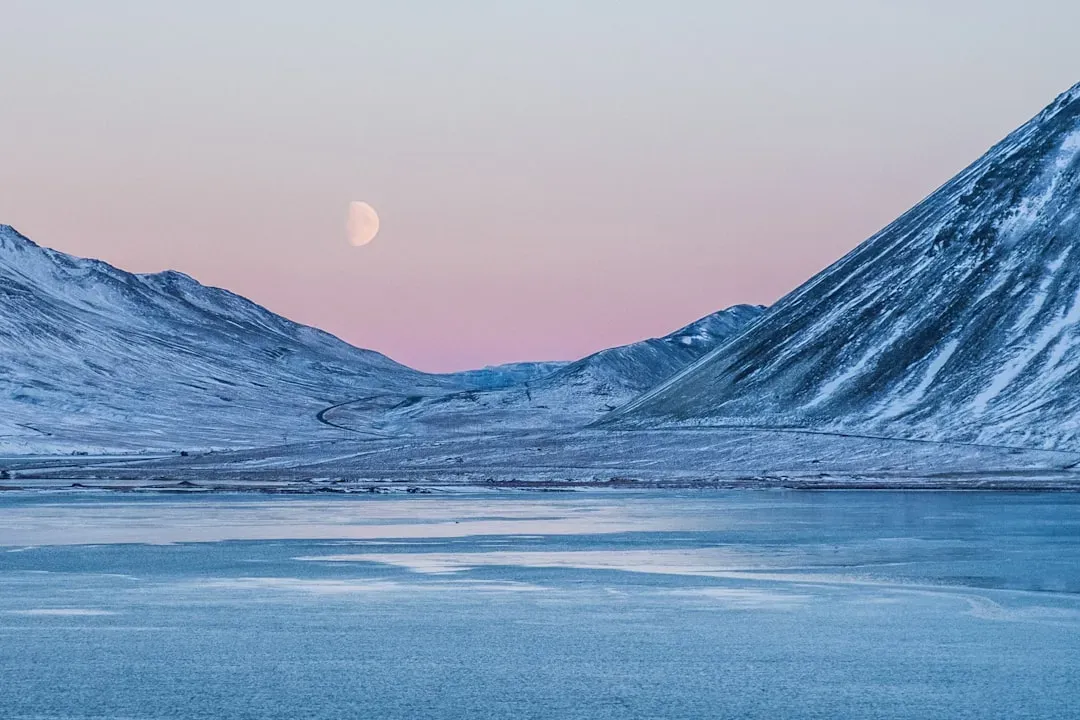
For many people, the Arctic is a faraway headline, but for Indigenous communities like the Sámi, Inuit, and many others across Alaska, Canada, Greenland, and Siberia, it’s home. These communities have built detailed knowledge over generations about animal migrations, ice behavior, weather patterns, and subtle changes in the landscape, long before scientists arrived with sensors and research vessels. Their observations have been crucial for understanding shifting sea ice, dangerous travel conditions, and the health of species that the rest of the world only hears about in documentaries. In a very real sense, Arctic Indigenous knowledge is one of the most valuable and underappreciated datasets on Earth.
Yet as interest in Arctic resources grows, so does the pressure on these communities, who often bear the brunt of industrial activity while seeing only a fraction of the benefits. New ports, shipping routes, and extraction projects can disrupt hunting grounds, sacred sites, and traditional ways of life that are already challenged by climate change itself. When people talk about the Arctic as a frontier, it can sound as if no one lives there, which is simply not true. The real mark of whether the world has learned anything from past mistakes will be how seriously it takes the rights, voices, and leadership of the people who actually know this region best.
Geopolitics at the Top of the World
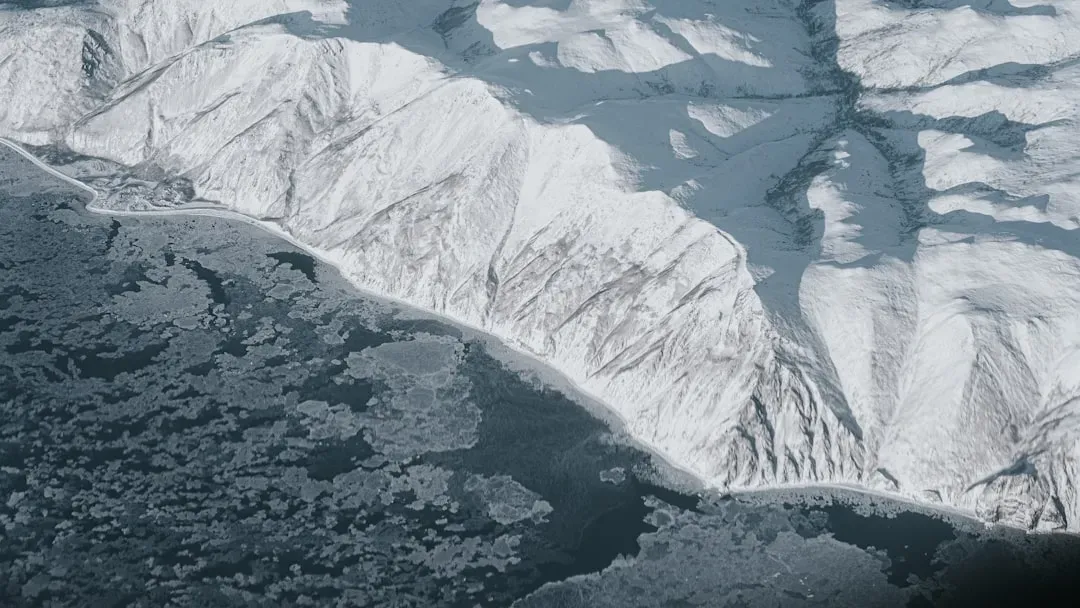
The Arctic once felt like a buffer zone, a cold, distant space where politics thinned out along with the air temperature. That illusion is gone. As ice recedes, the region is turning into a strategic crossroads where military interests, resource claims, and shipping lanes overlap. Arctic and non-Arctic countries alike are boosting their presence with icebreakers, patrol vessels, satellite surveillance, and bases, turning what used to be remote outposts into critical assets. The idea of the Arctic as a peaceful, untouched sanctuary is giving way to something more tense and crowded.
The legal framework that governs much of the Arctic, focused on continental shelves and Exclusive Economic Zones, was not really built with a rapidly warming world in mind. As nations file overlapping claims to the seabed and contest navigation rights, the risk of disputes and miscalculations grows. Meanwhile, scientific cooperation – once a rare area of relative calm – is feeling the strain of broader geopolitical conflicts, which can slow down the very research needed to manage this region safely. The Arctic’s hidden treasures are not just minerals and microbes; they’re also influence, leverage, and access, and that makes them inherently political.
Climate Feedbacks: The Arctic’s Dangerous Boomerang Effect
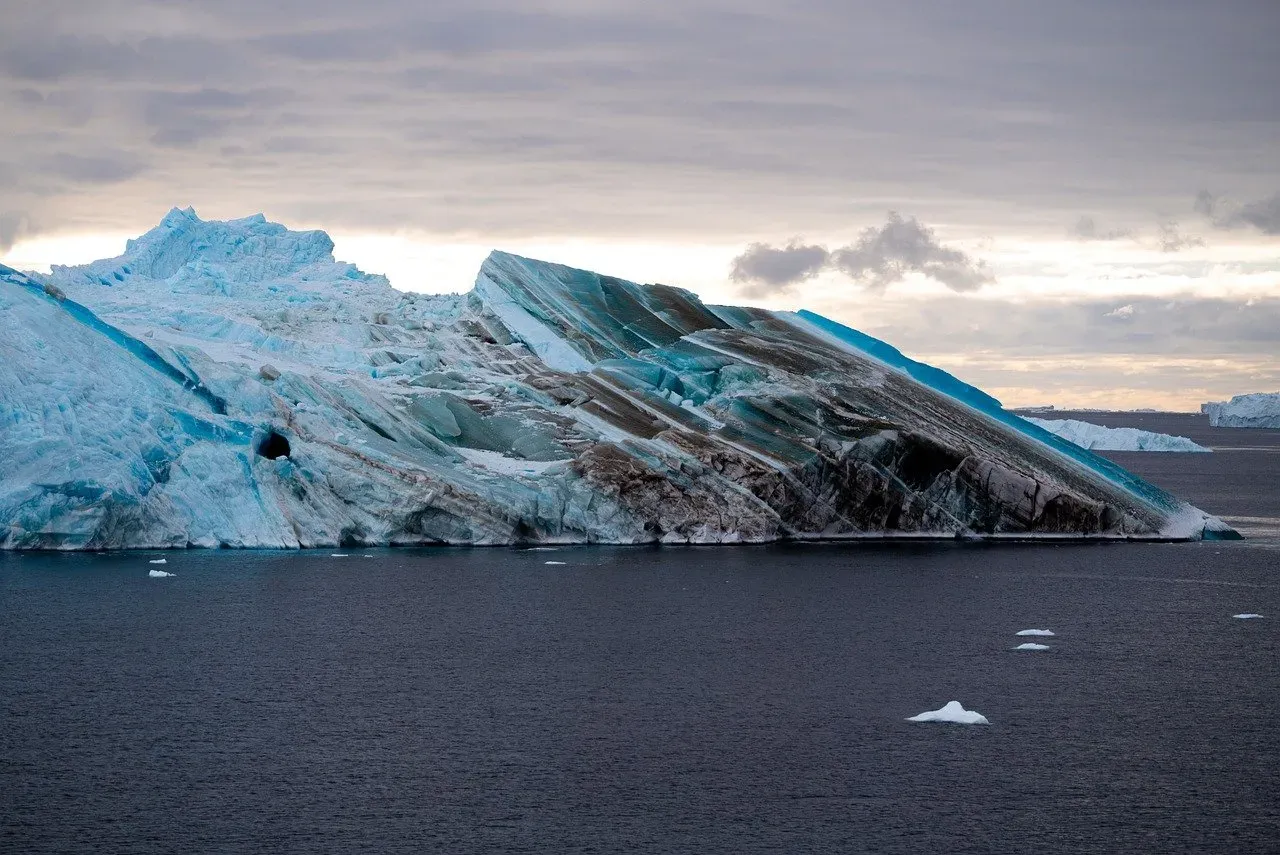
The most unsettling treasure the Arctic holds is not something we can dig up or sail through; it’s the climate feedbacks that are being unlocked as ice and permafrost disappear. Sea ice acts like a giant mirror, bouncing sunlight back into space, and when it melts, dark ocean water absorbs more heat, which in turn melts more ice in a vicious loop. Thawing permafrost releases carbon dioxide and methane, both powerful greenhouse gases, which further warm the planet and speed up the very changes that caused the thaw in the first place. The Arctic is warming far faster than the global average, and that acceleration is not staying neatly contained at the poles.
These feedbacks are a reminder that what happens in the Arctic doesn’t stay in the Arctic; it ripples out through weather patterns, sea levels, and climate systems worldwide. Communities thousands of kilometers away feel the impact as shifting jet streams bring unusual heat waves, heavy rains, or deep freezes. When we focus only on the visible treasures – oil, minerals, trade routes – it’s easy to miss that we’re also unlocking a biochemical chain reaction that’s much harder to control. The real jackpot here isn’t wealth; it’s the chance, quickly slipping away, to keep the world’s climate within a range that humans and countless other species can actually handle.
Choosing What Kind of Treasure This Will Be
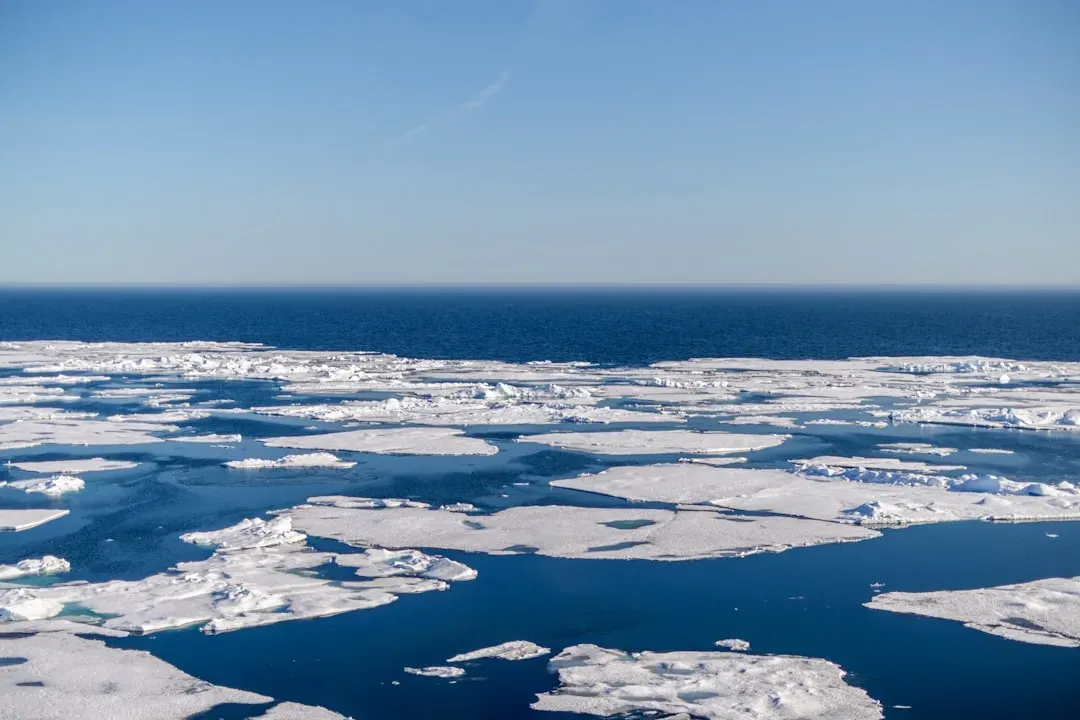
What lies beneath the Arctic’s melting ice is more than a list of resources or scientific curiosities; it’s a mirror held up to our priorities as a species. We’re being offered faster trade routes, new energy sources, critical minerals, and unprecedented scientific insight, all wrapped up in one remote, unstable region. At the same time, we’re exposing ourselves to unknown microbes, intensified climate feedbacks, deep cultural upheaval, and geopolitical friction. The Arctic is forcing us to decide whether we treat a changing planet as something to be harvested or something to be safeguarded.
In a way, the biggest hidden treasure might be the opportunity to get this story right before it fully plays out, to learn from a place that is changing in fast-forward what happens when we push Earth’s systems too far. We can choose slower exploitation, stronger protections, real partnerships with Indigenous communities, and science that leads policy rather than chases after it. Or we can rush in, convinced that whatever lies beneath the ice is ours for the taking, and deal with the consequences later. When you picture the top of the world cracking open, which future do you see?