
New Research Reveals Drug Transfer Pathway (Image Credits: Unsplash)
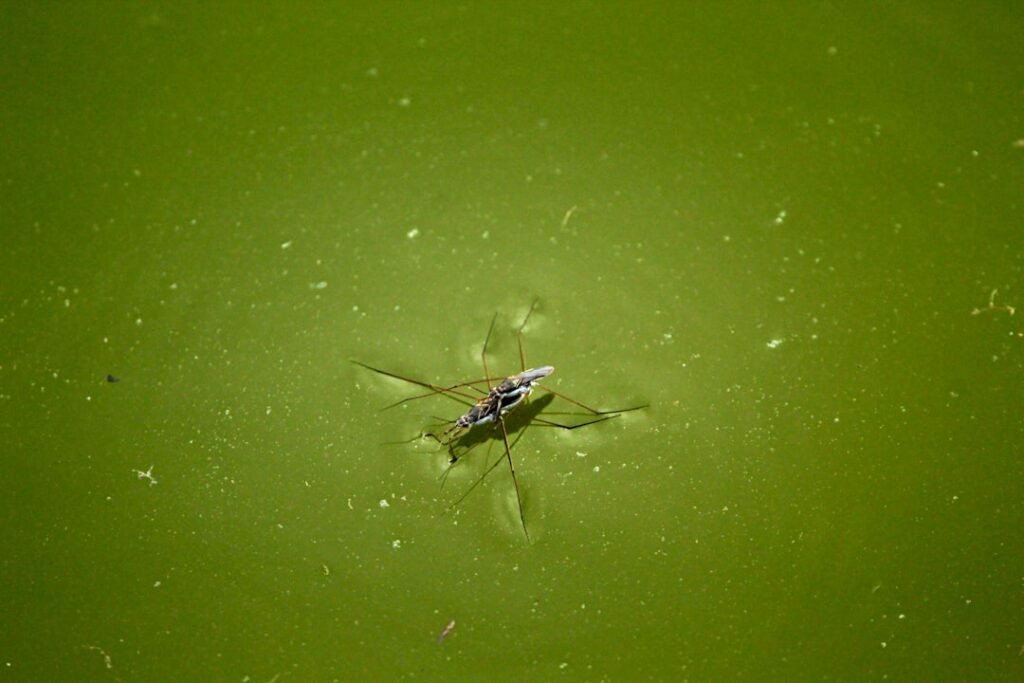
Common medications such as antibiotics, antidepressants, and painkillers flow into rivers through wastewater, where insects absorb them and deliver the contaminants to birds, bats, and other land dwellers upon emergence.[1]
New Research Reveals Drug Transfer Pathway
Scientists recently documented how aquatic insects accumulate pharmaceuticals at multiple life stages, with concentrations sometimes rising as the bugs mature into flying adults. Researchers led by Marek Let at the University of South Bohemia examined larvae and adults from a Czech brook affected by treated urban wastewater. They found a range of drugs building up in species like caddisflies and mayflies, varying by insect type and compound.[1]
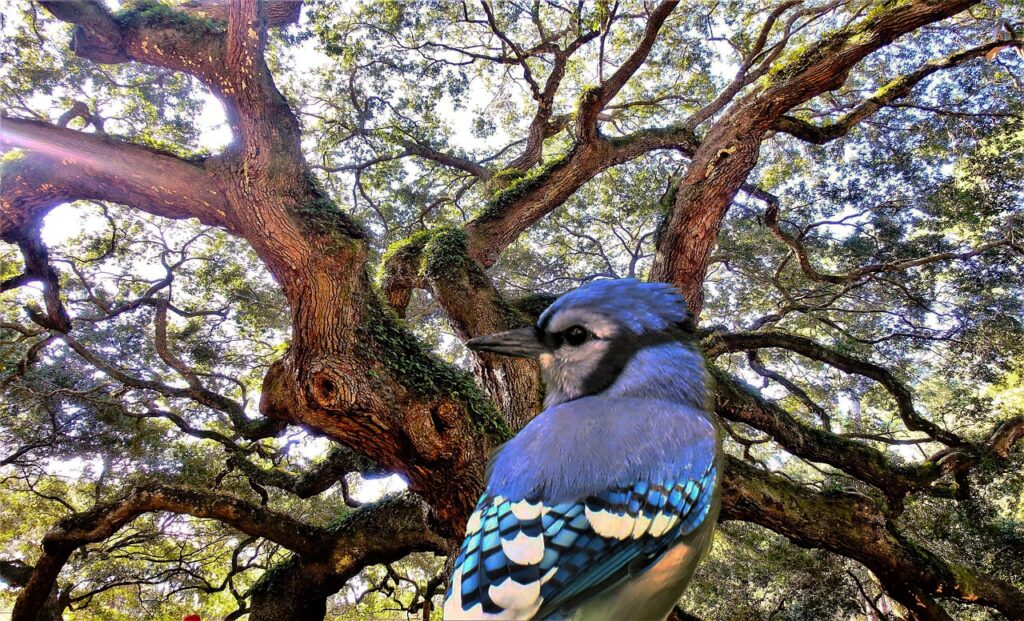
This process connects water and land ecosystems. When winged insects emerge, predators such as spiders, birds, and bats consume them, ingesting the pollutants. Let noted that these substances do not remain confined to water but enter terrestrial environments, potentially contaminating wildlife.[1]
Antidepressants Lead the Charge
Several antidepressants stood out in the analysis for their tendency to bioamplify, meaning levels increased through the insects’ life cycles. Sertraline, the key ingredient in Zoloft, along with norsertraline, venlafaxine from Effexor, and the asthma treatment theophylline, showed this pattern in caddisflies.
- Sertraline: Bioamplifies, highly toxic at low doses.
- Venlafaxine: Accumulates in adults after larval uptake.
- Theophylline: Rises in concentration during development.
- Norsertraline: Follows similar bioaccumulation trends.
These findings highlight how even low wastewater levels persist in insects, despite treatment plants’ efforts. Global surveys have detected pharmaceuticals in remote rivers, from the Brazilian Amazon to streams near Melbourne.[1]
Behavioral and Physiological Shifts Emerge
Exposure to these drugs triggers subtle changes in insects, altering behavior and body condition. Antidepressants often dulled threat responses, leaving bugs more vulnerable to predators. One study observed caddisfly larvae like Drusus croaticus losing weight when faced with drug cocktails and warmer water.
Ana Previšić from the University of Zagreb reported that emerging adults of Stenophylax nycterobius shed fat reserves critical for reproduction and survival. Such losses in abundant stream species could ripple through food webs, impacting amphibians and birds. Continuous low-dose pollution mimics constant exposure, complicating detection of effects amid other stressors like pesticides and metals.[1]
Uncertainties Demand More Scrutiny
Experts emphasize that population-level consequences remain unclear, though early evidence points to ecosystem disruptions. Michael Bertram of the Swedish University of Agricultural Sciences called the work vital for tracing wastewater contaminants into riparian food webs. Australian research estimated platypuses might ingest near-human doses of antidepressants via tainted invertebrates.
Combined threats from climate-driven warming amplify risks, as seen in fat loss experiments. Researchers like Erin McCallum stress the nascent understanding of aquatic-to-terrestrial transfers. Policymakers need better data to assess full ecological tolls.[1]
- Aquatic insects bioaccumulate and sometimes amplify pharmaceuticals like sertraline from wastewater.
- Predators on land, including birds and bats, ingest these contaminants through insect diets.
- Sublethal effects on bugs could subtly reshape food webs and nutrient flows.
While immediate collapses seem unlikely, accumulating evidence urges reduced pharmaceutical releases and expanded monitoring. Greater awareness could guide wastewater improvements and safeguard cross-ecosystem health. What steps should communities take to stem this flow? Share your thoughts in the comments.