
Have you ever wondered how life can exist where it seems impossible? From deserts where temperatures soar beyond what most of us can imagine, to oceans so deep that light never reaches them, animals have found ways to not just survive but actually thrive. It’s honestly mind-blowing when you start looking at the specific tricks nature has come up with.
Think about it this way. We humans need our heated homes, air conditioning, and layers of clothing to handle even modest temperature swings. Yet there are creatures out there that can withstand conditions that would kill us in minutes. Let’s explore some of the most remarkable survival strategies the animal kingdom has developed.
The Camel’s Water Conservation System

Camels can survive temperatures as high as 120 degrees Fahrenheit and go a week or more without consuming water, which is pretty extraordinary when you think about it. What makes this possible is a combination of clever body chemistry and efficient design. These animals have developed efficient water conservation mechanisms, such as highly concentrated urine and nasal passages that trap moisture from exhaled air.
Here’s something that might surprise you about how camels work. They store up to 36 kg of fat in their humps, producing around 10 liters of water through metabolic breakdown. The fat isn’t directly storing water like some people think. Instead, when their bodies break down that fat for energy, water becomes a byproduct of the chemical process. Pretty clever biological engineering, honestly.
Emperor Penguins Huddling for Warmth
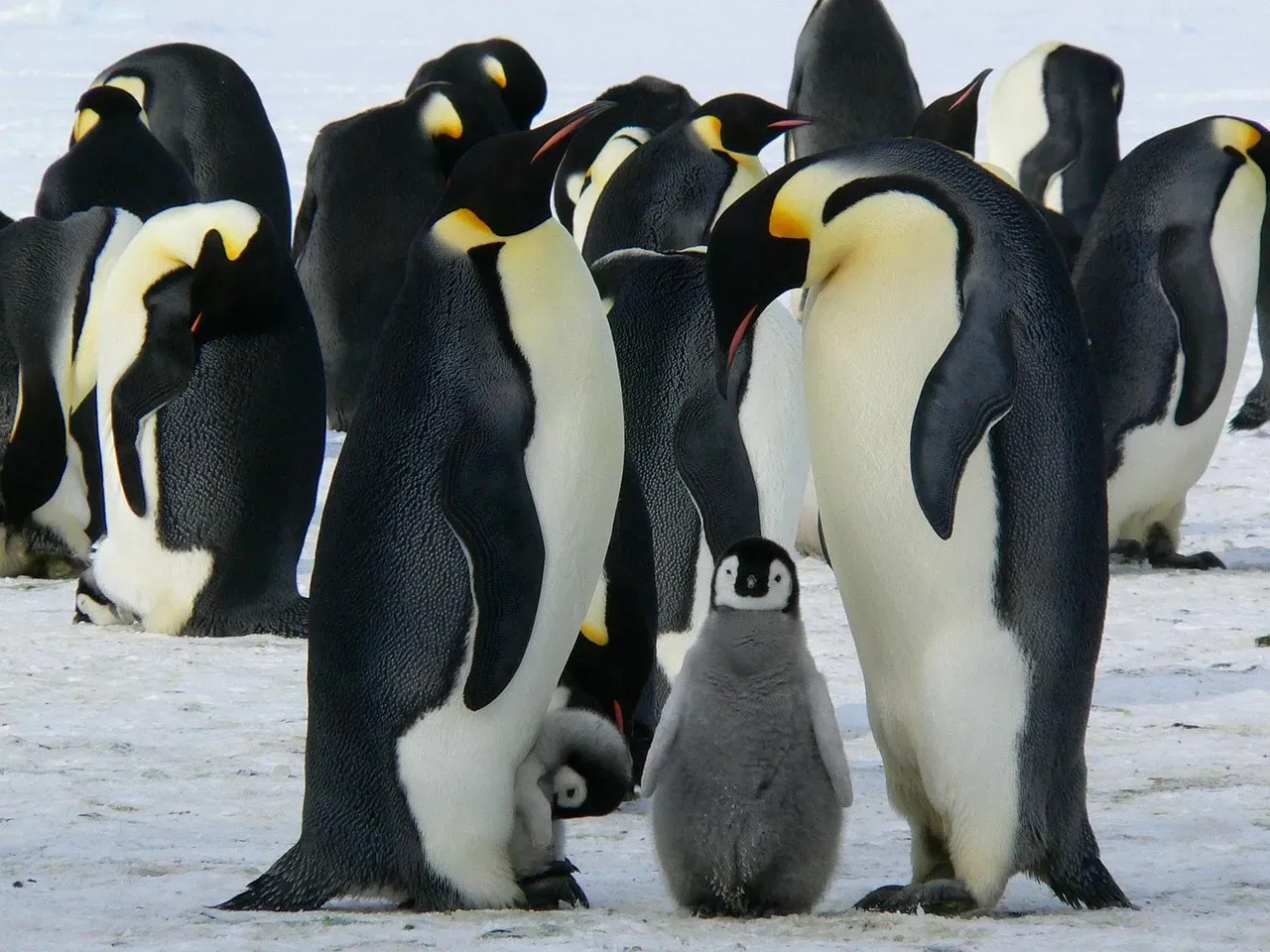
Emperor penguins can survive in extremely low temperatures of up to minus sixty degrees Celsius, tolerate winds of 200 kilometers per hour, and also deal with blizzards, ice storms, and other harsh cold conditions. It’s hard to even comprehend those numbers. Their secret weapon is actually remarkably simple: teamwork.
Large huddles form in extreme Antarctic cold and wind, with groups consisting of hundreds of individuals, and the penguins take turns occupying the warmer centre of the huddle, where ambient temperatures can reach 37.5°C. This rotation system ensures everyone gets a chance to warm up, showing that sometimes social behavior matters just as much as physical traits. They also possess dense feathers and substantial fat reserves that provide essential insulation in one of Earth’s harshest habitats.
Fennec Fox Ears as Cooling Radiators
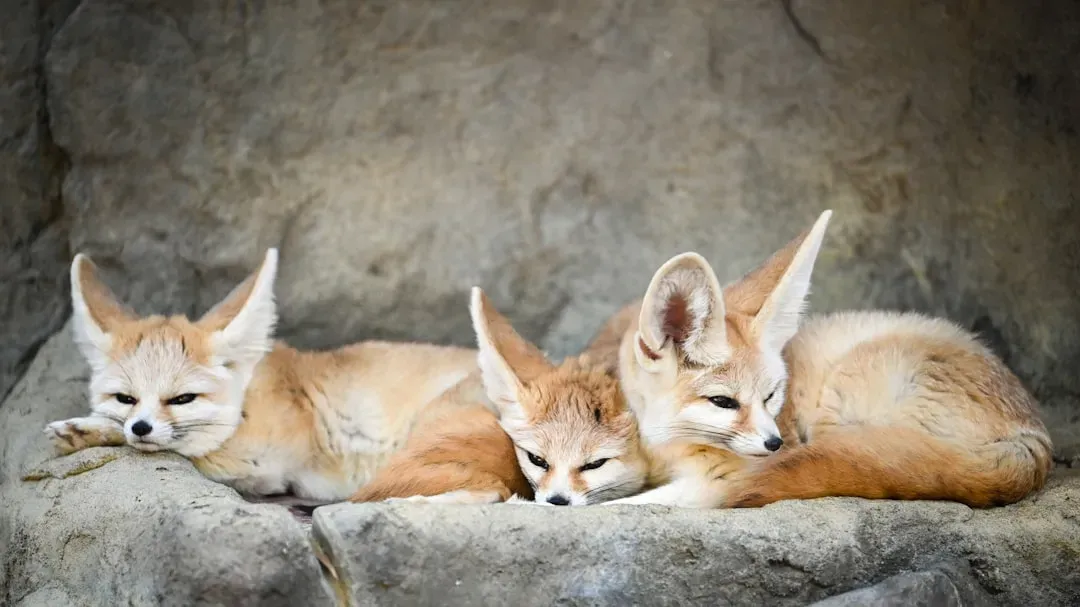
You’ve probably seen pictures of fennec foxes with their adorably oversized ears. Those aren’t just for show. The Fennec fox has large ears that dissipate heat and aid in thermoregulation, which is critical for desert survival. These foxes dissipate heat through oversized ears, losing up to 100W, and hunt during cooler evenings to avoid daytime peaks exceeding 50°C.
Their light-colored fur also plays a dual role. During scorching days, it reflects sunlight to reduce heat absorption, while at night when desert temperatures plummet, it provides necessary insulation. It’s fascinating how one animal can pack so many adaptations into such a small package. They’ve essentially evolved built-in climate control systems that work both ways.
Tardigrades Entering Cryptobiosis
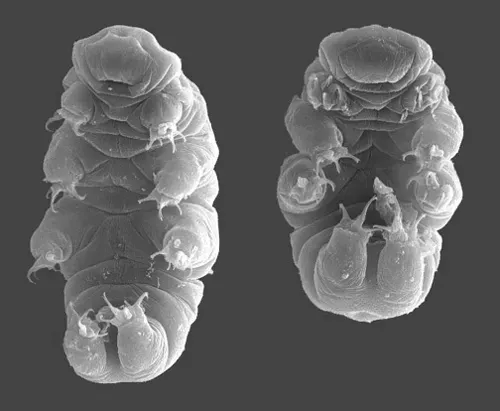
Let’s be real: tardigrades are absurdly tough. These amazing microscopic organisms have yet to find an environment they can’t survive, and have been found in deserts, glaciers, and hot springs and at the top of the world’s highest mountains. Their superpower is something called cryptobiosis.
The adaptation mechanisms are attributed to their ability to enter a state of cryptobiosis, during which the body shuts down all metabolic activity and becomes dormant. In this state, they can go without food or water for several years, and become highly resistant to environmental stresses, including temperatures from as low as negative 272 degrees Celsius to as much as plus 149 degrees Celsius. It’s essentially suspended animation, and it allows these tiny creatures to outlast conditions that would destroy almost any other form of life.
Arctic Cod Antifreeze Proteins
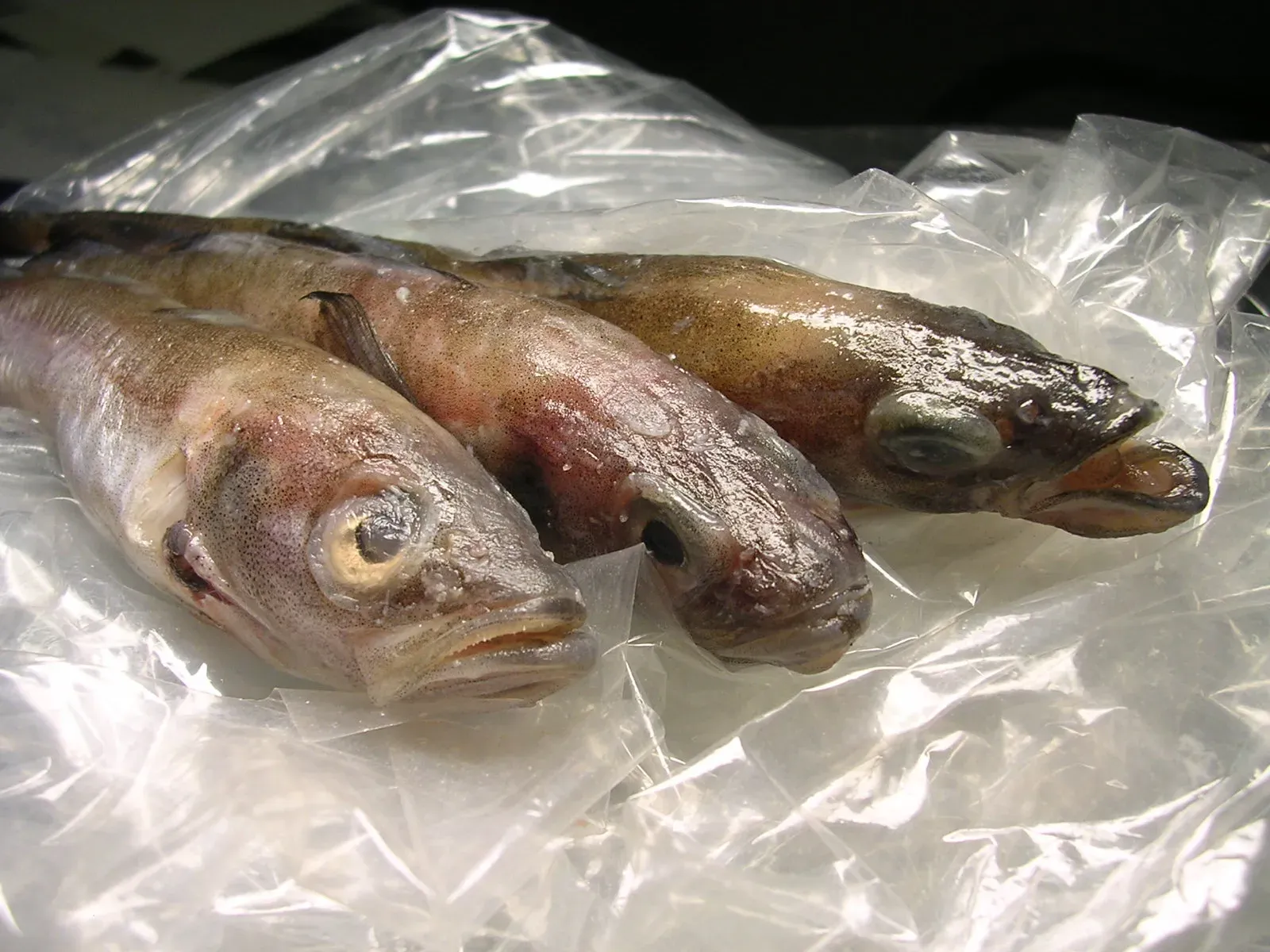
Swimming in water that’s actually below the normal freezing point sounds impossible. Yet Arctic cod do it every day. These fish have adapted to the extreme cold and can survive in water temperatures close to freezing, having antifreeze proteins that prevent ice crystals from forming in their blood.
Think of it like adding antifreeze to your car’s radiator, except this version is produced naturally by the fish’s own body. Without this adaptation, ice crystals would form in their bloodstream and tissues, destroying cells and killing them. The proteins work by binding to tiny ice crystals and preventing them from growing larger. Nature came up with chemical antifreeze millions of years before we invented it for automobiles.
Bar-Headed Geese Flying Over Everest

Oxygen gets seriously thin at high altitudes. Most of us would struggle to even walk at elevations where bar-headed geese fly effortlessly. Bar-headed geese fly over Mount Everest using hemoglobin with 30% lower P50 affinity, loading oxygen efficiently at 7% atmospheric pressure, and increasing breathing rate and heart output during flight.
Their hemoglobin, the protein that carries oxygen in blood, is specially modified to grab and hold onto oxygen molecules even when there aren’t many around. During their incredible migrations, these birds are navigating through air that would leave most creatures gasping. The respiratory adaptations they’ve evolved allow them to function where oxygen is scarce enough to incapacitate nearly any other animal.
Kangaroo Rat Water Extraction
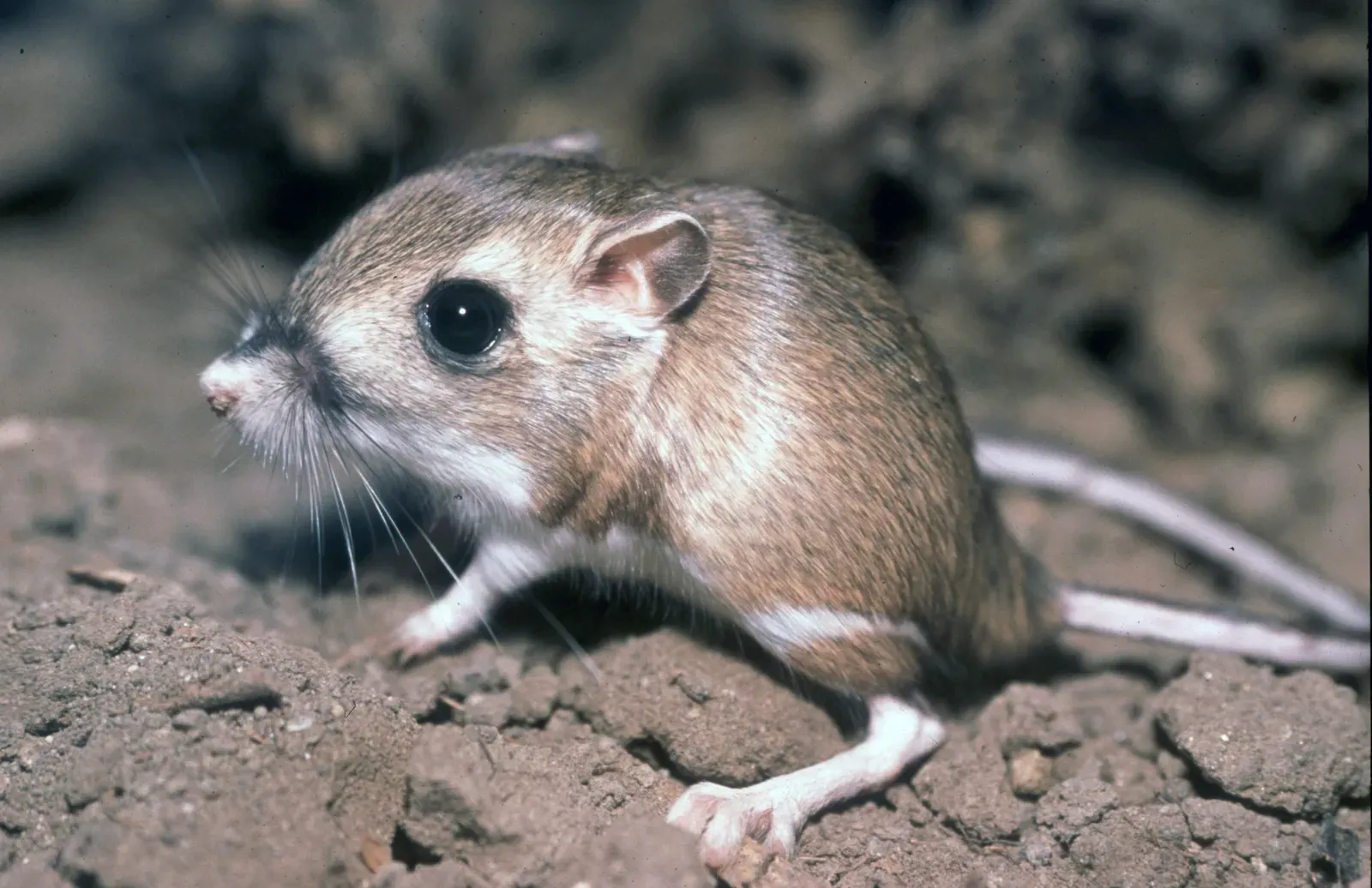
The kangaroo rat is a desert rodent that can survive without drinking water for its entire life, obtaining all the water it needs from the food it eats, and its kidneys are highly efficient at conserving water. I know it sounds crazy, but it’s completely true. Kangaroo rats have kidneys that concentrate urine up to 5,500 mOsm/L, extracting up to 90% of water from dry seeds.
Their bodies are so efficient at recycling and conserving every drop of moisture that they never need to drink. Even their breathing is adapted to minimize water loss. When you’re living in an environment where water is the most precious resource, evolution finds incredibly efficient solutions. These little rodents represent peak water conservation in the mammal world.
Wood Frog Freeze Tolerance
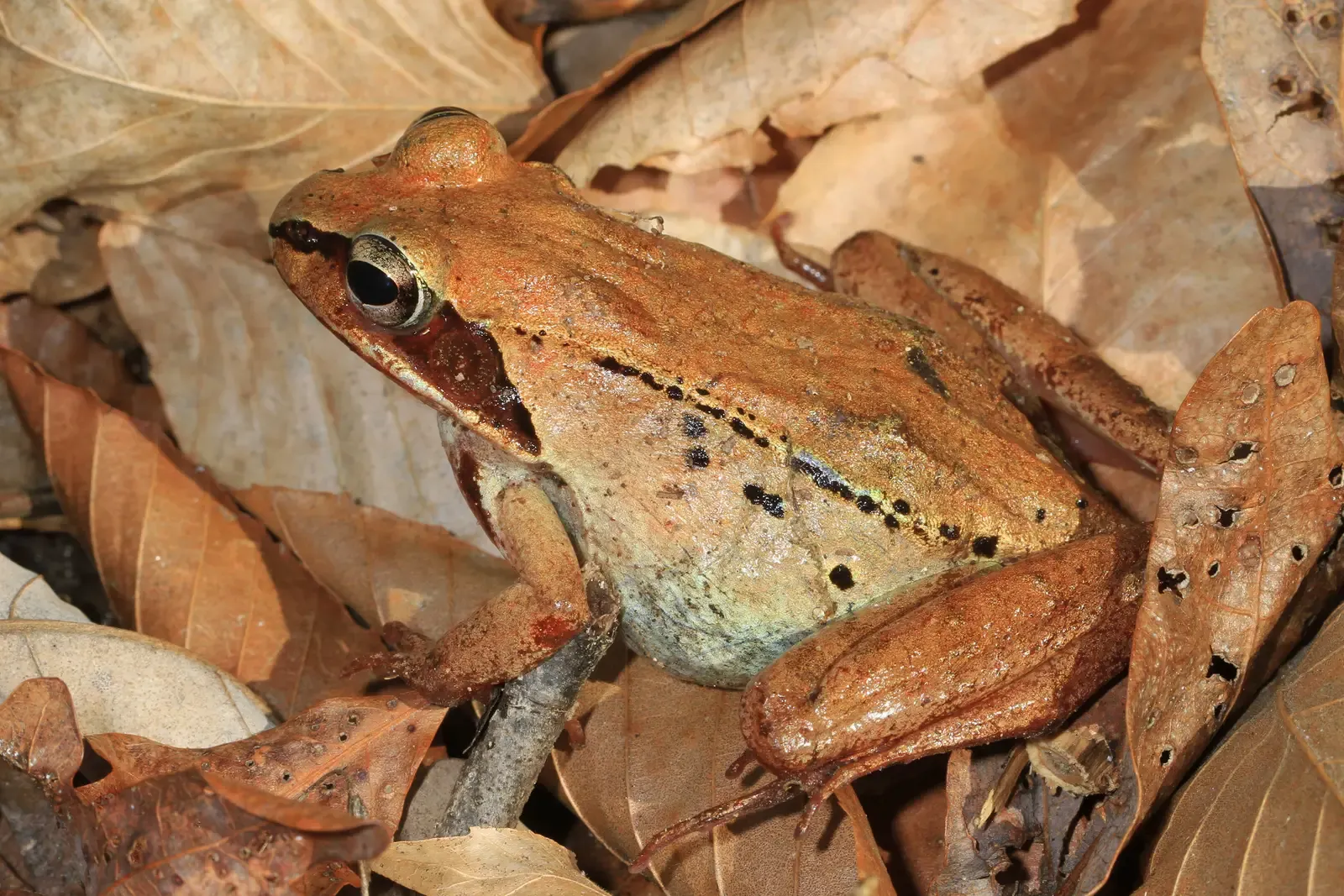
This small frog adapted to survive in the cold, freezing low-oxygen climates common in North America’s northern regions, and survives freezing temperatures by entering a state of hibernation in which its body temperatures drop to near-freezing levels. What’s remarkable is that they actually let themselves freeze solid. The ability to do this comes from producing high glucose in its tissues, with the concentrated glucose acting as a natural antifreeze, preventing ice formation in its tissues.
When spring arrives and temperatures rise, they simply thaw out and hop away as if nothing happened. While ice does form around cells, the glucose prevents ice from forming inside the cells themselves, which would rupture and kill them. It’s basically controlled freezing, and it allows these frogs to survive winters that would be lethal to nearly any other amphibian.
Pompeii Worm Heat Resistance
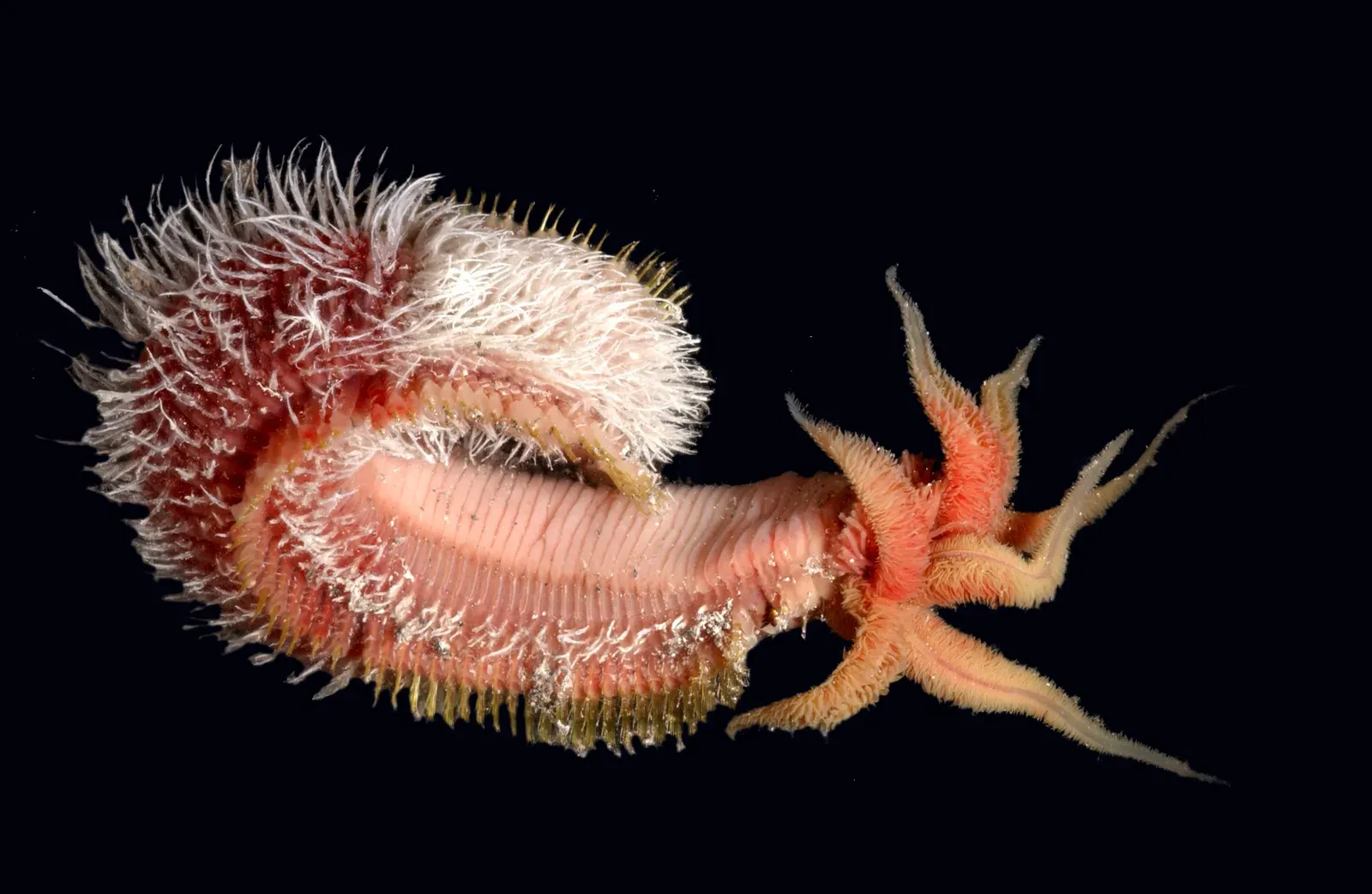
Far below the surface of the ocean, unique ecosystems have developed around extremely hot mineral-rich hydrothermal vents that form near undersea volcanoes, including the Pompeii worm, which can survive temperatures as high as 175 degrees Fahrenheit. That’s hot enough to brew tea, yet these worms thrive there.
They live with their tails anchored near the scorching vent openings while their heads extend into slightly cooler water. The temperature gradient along their bodies can be extreme, but they’ve evolved heat-shock proteins and other molecular defenses that prevent their tissues from cooking. They have bright-red hemoglobin-rich branchial plumes, do not prey on other sea creatures but only feed on small bacteria, and their survival is attributed to the symbiotic association with their chemosynthetic gut bacteria. Life finds a way in the strangest places.
Himalayan Jumping Spider Temperature Regulation
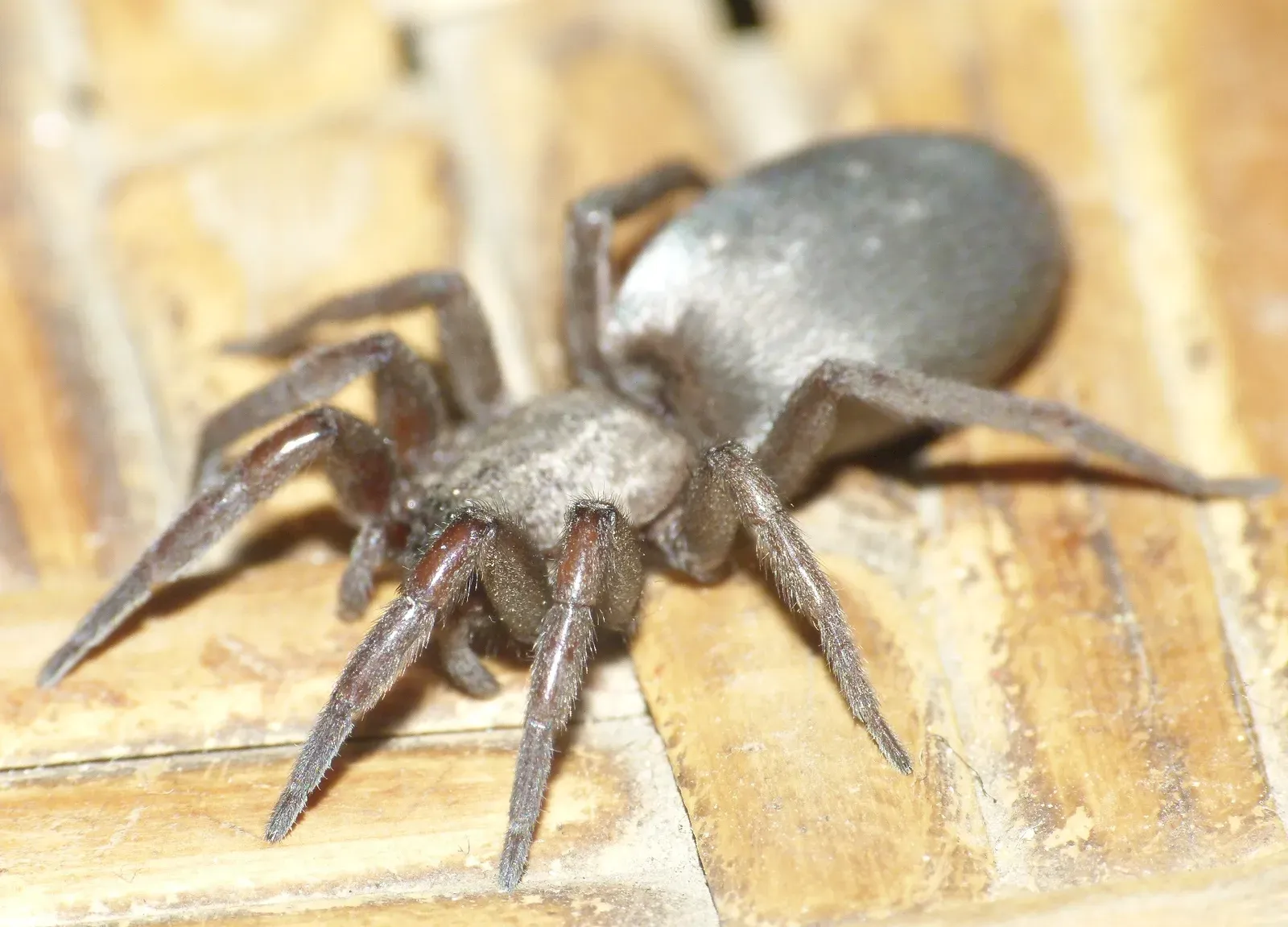
Living at elevations of about 22,000 feet, including Mount Everest, these spiders reside permanently at such places where the oxygen supply is critically limiting for most species, at an altitude of at least 5,300 feet higher than the highest permanently inhabited place on earth. They’re among the highest-dwelling creatures on the planet.
They can survive all the hostilities of extreme altitudes, including freezing conditions, living in rocky crevices feeding on insects, and the key adaptation is their ability to regulate their body temperature by moving to different areas in their environment to find warmer or cooler temperatures as needed. Simple behavioral flexibility combined with extreme hardiness lets these tiny arachnids thrive where almost nothing else can. They’re living proof that you don’t have to be large or complex to conquer extreme environments.
Thorny Devil Water Collection System
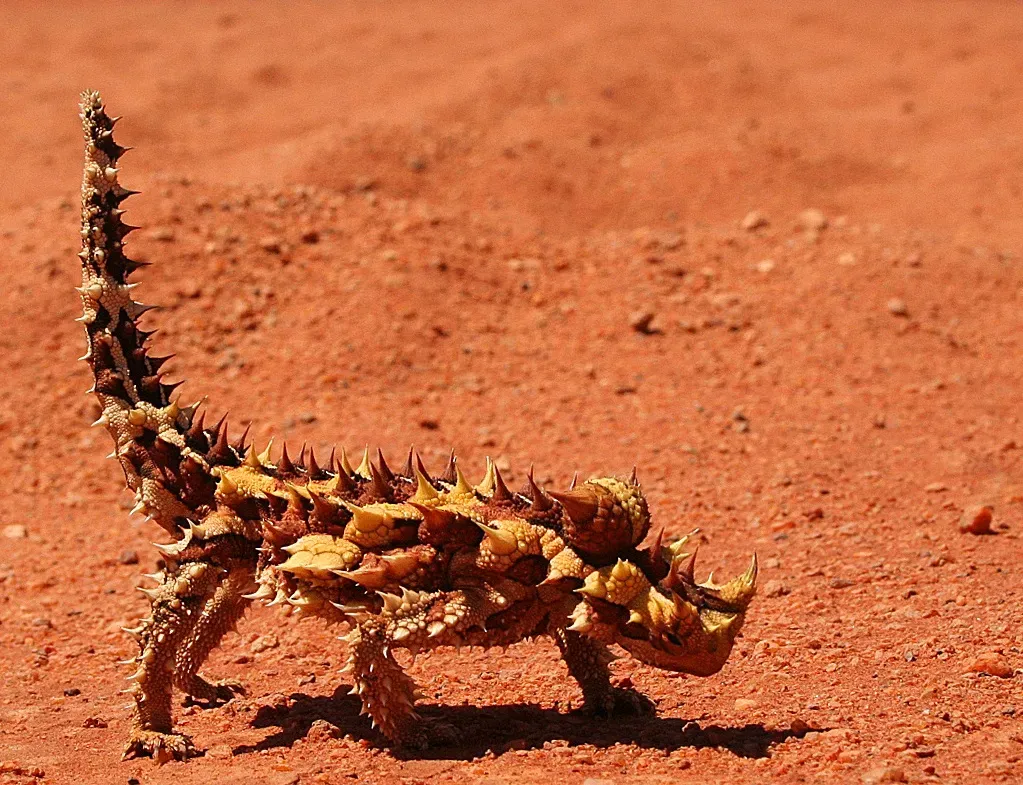
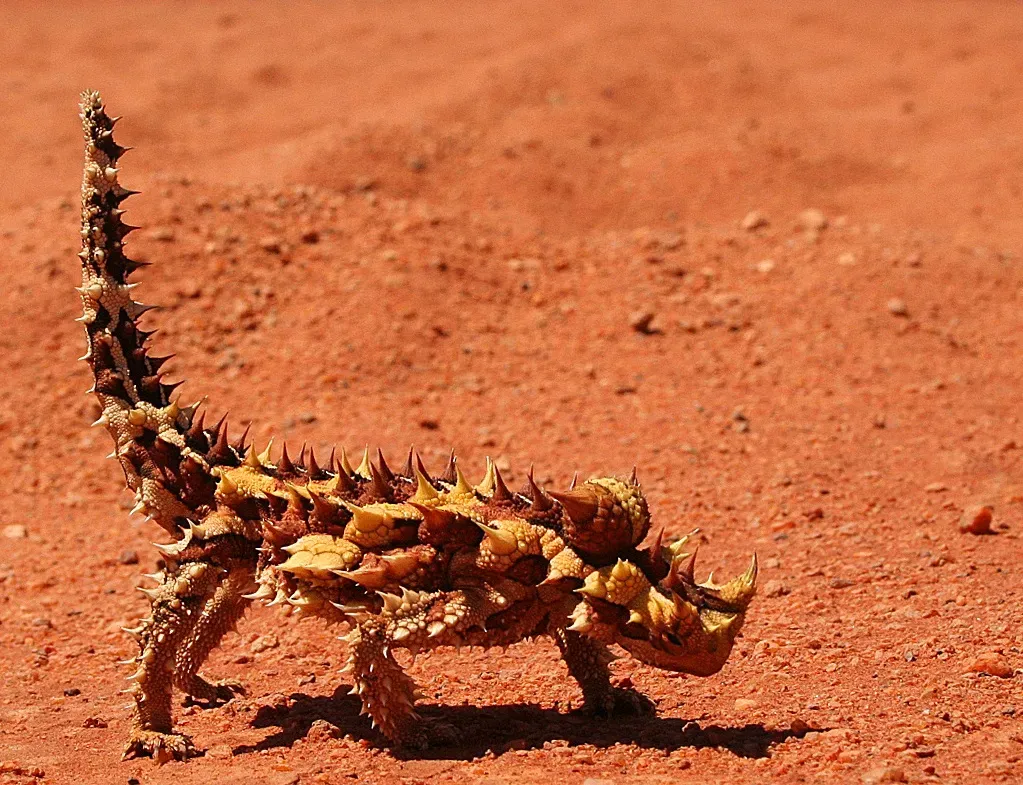
The thorny devil lizard has one of the most ingenious water collection systems in nature. Thorny devils channel rainwater across their scale grooves directly to their mouths at a rate of 1 mL/hour; they also tilt their bodies to maximize moisture capture during rare rainfall. Every scale on their body is connected by microscopic channels that act like drinking straws.
They can even collect morning dew this way, sipping moisture from their own skin without having to find a water source. In the harsh Australian desert where they live, this adaptation means they can harvest water from sources other animals can’t access. The entire surface of their body becomes a moisture collection system. It’s like having a built-in plumbing network across your entire skin.
Conclusion: Nature’s Ingenuity Never Stops Amazing
When you look at all these adaptations together, a picture emerges of life’s incredible persistence and creativity. From molecular changes in blood proteins to behavioral strategies like huddling, animals have found countless ways to push the boundaries of where life can exist. These extreme specialists remind us that survival isn’t about being the biggest or strongest, but about being perfectly suited to your specific environment.
What’s perhaps most striking is how many of these adaptations are invisible to the naked eye. Chemical modifications, protein structures, metabolic adjustments work silently within these creatures, enabling them to accomplish what seems impossible. The next time you complain about the weather, remember there’s probably some animal out there that would consider your conditions a tropical paradise. What’s your favorite extreme adaptation? Tell us what amazed you most in the comments.