Walk outside and listen for a moment: birds calling, insects buzzing, maybe a dog barking in the distance. It sounds like background noise, but hidden inside those sounds is an entire world of messages we barely understand. For most of human history, we treated animal communication as simple instinct, like a reflex instead of a real language.
Now, with better technology and more careful observation, that belief is cracking. Scientists are discovering patterns, rules, even what looks like grammar in the way animals communicate. From whales that seem to sing in regional “dialects” to bees that dance maps in the dark, the animal world is basically whispering detailed information right under our noses. The biggest twist? We might be the ones who are behind.
The Hidden Complexity Behind Animal Sounds
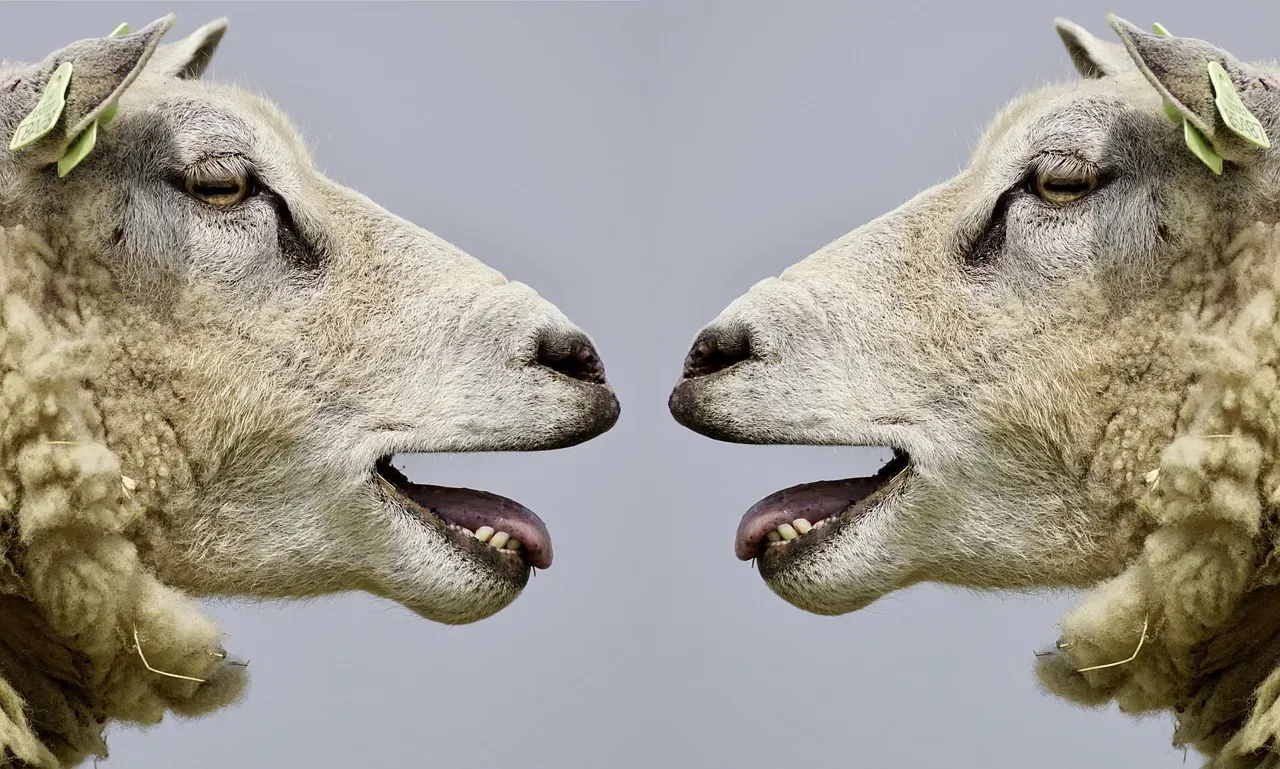
It’s tempting to think of a bird call or a bark as a one-note message: danger, food, mate. But when researchers slow those sounds down, visualize them, and analyze how they change in different situations, the picture becomes surprisingly complicated. Many species use different sequences, rhythms, and combinations of sounds in ways that resemble simple phrases, not just single words repeated over and over.
For example, some primates combine calls like building blocks, using one call for “eagle” and another for “leopard,” then tweaking or sequencing them to signal more specific threats. Certain songbirds change their songs depending on who is listening: rivals, potential mates, or neighbors they already know. Once you notice that pattern, the idea that animals are just making noise starts to feel like seriously underestimating them.
Whale Songs and Dolphin Whistles: Voices in the Deep
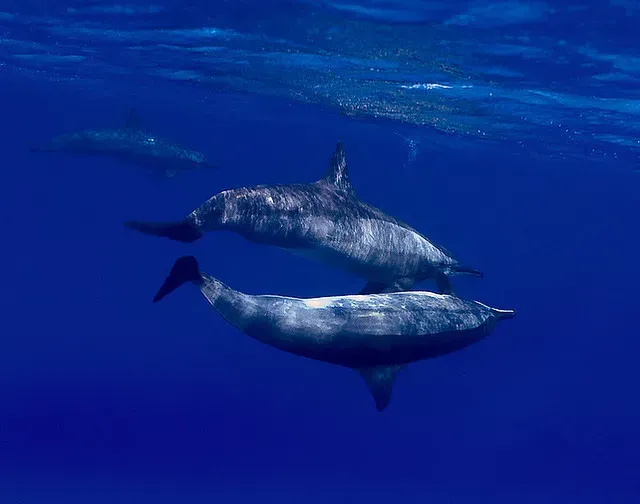
In the ocean, sound travels farther and faster than light, so marine animals lean hard on acoustic communication. Humpback whales produce long, structured songs that can last for many minutes and travel across vast stretches of water, and individuals in the same region tend to share similar versions. Over time, those songs slowly change, almost like popular tunes evolving with cultural trends in different ocean “communities.”
Dolphins go even further, using signature whistles that function almost like names, with individuals responding more strongly to their own unique sound pattern. They also mix clicks, whistles, and body movements in complex ways that vary with context, such as hunting, playing, or coordinating group movements. Sometimes when I listen to recordings of dolphin chatter, it feels less like simple signals and more like listening to a language I just never learned in school.
Primate Calls, Gestures, and the Roots of Human Language
Among primates, the links to human language are especially intriguing. Monkeys like vervets have distinct alarm calls for different predators, and others, such as Campbell’s monkeys, seem to modify calls with small acoustic “suffixes” that change the meaning in systematic ways. That starts to look suspiciously like the beginnings of syntax, where sound patterns aren’t just labels, but parts of a flexible communication system.
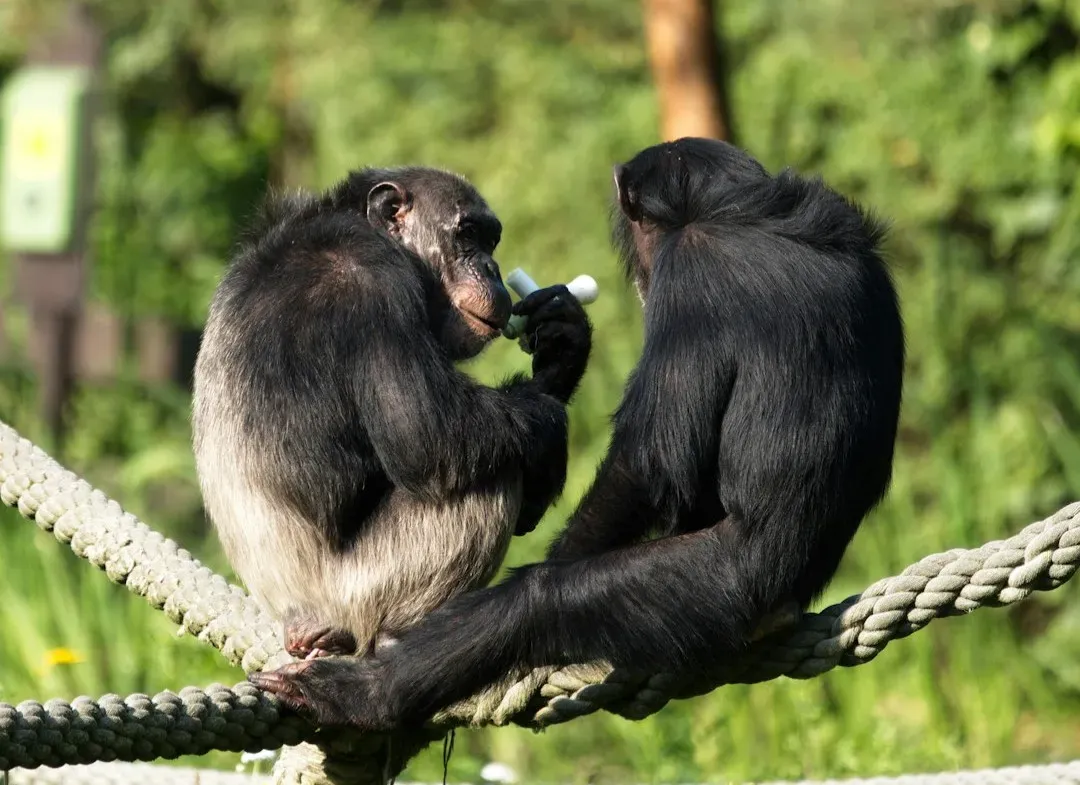
Great apes add another layer with gestures: chimps, bonobos, and gorillas rely heavily on hand signals, posture, and facial expressions to get their point across. They use dozens of recognizable gestures to request grooming, initiate play, or demand food, often waiting to see if the other individual responds correctly and then repeating or adjusting if they don’t. Watching them, it’s hard not to feel that the gap between “them” and “us” is more like a shallow ditch than a massive canyon.
Birdsong, Dialects, and Cultural Transmission
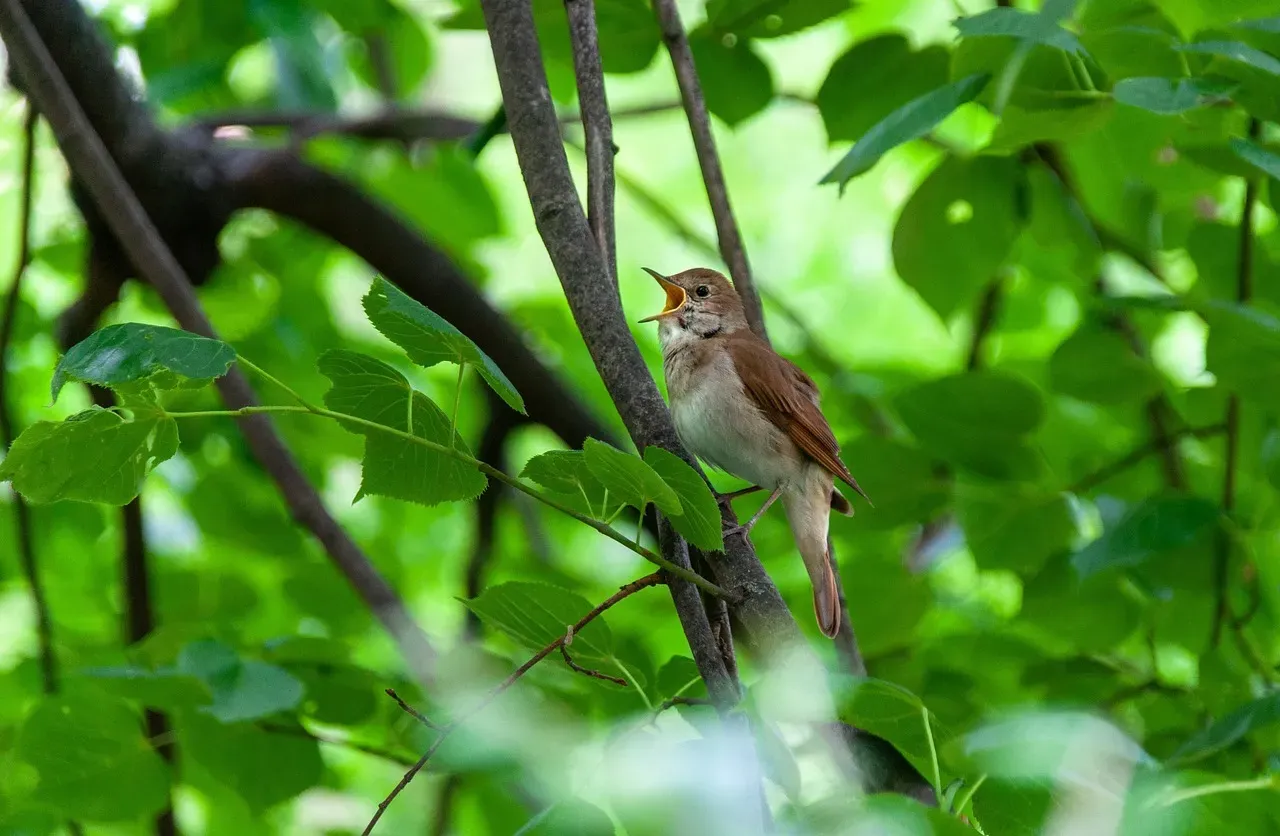
Birdsong might be the most underestimated communication system on the planet. Many songbirds learn their songs the way human infants learn language: by listening, practicing, and refining over time. Young birds often go through a “babbling” phase, producing messy, imperfect versions before settling into the adult song that matches their local group. That alone hints at something more than simple hardwired instinct.
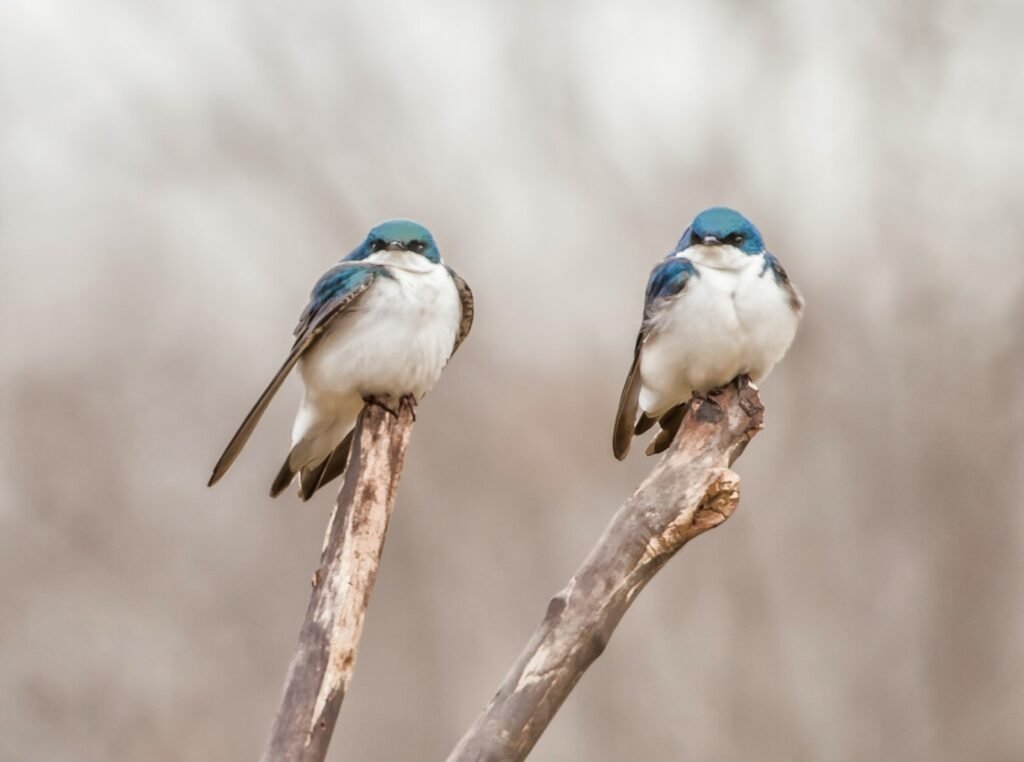
Different populations of the same species can develop distinct song dialects that persist and spread socially, which means they’re not just born with these playlists, they inherit them from their neighbors. When individuals move into a new area, they sometimes adapt their song to match, much like people adjusting their accent after relocating. Once you see birds as cultural learners rather than tiny singing robots, the morning chorus feels a lot more like a neighborhood conversation.
Bees, Ants, and the Power of Silent Signals
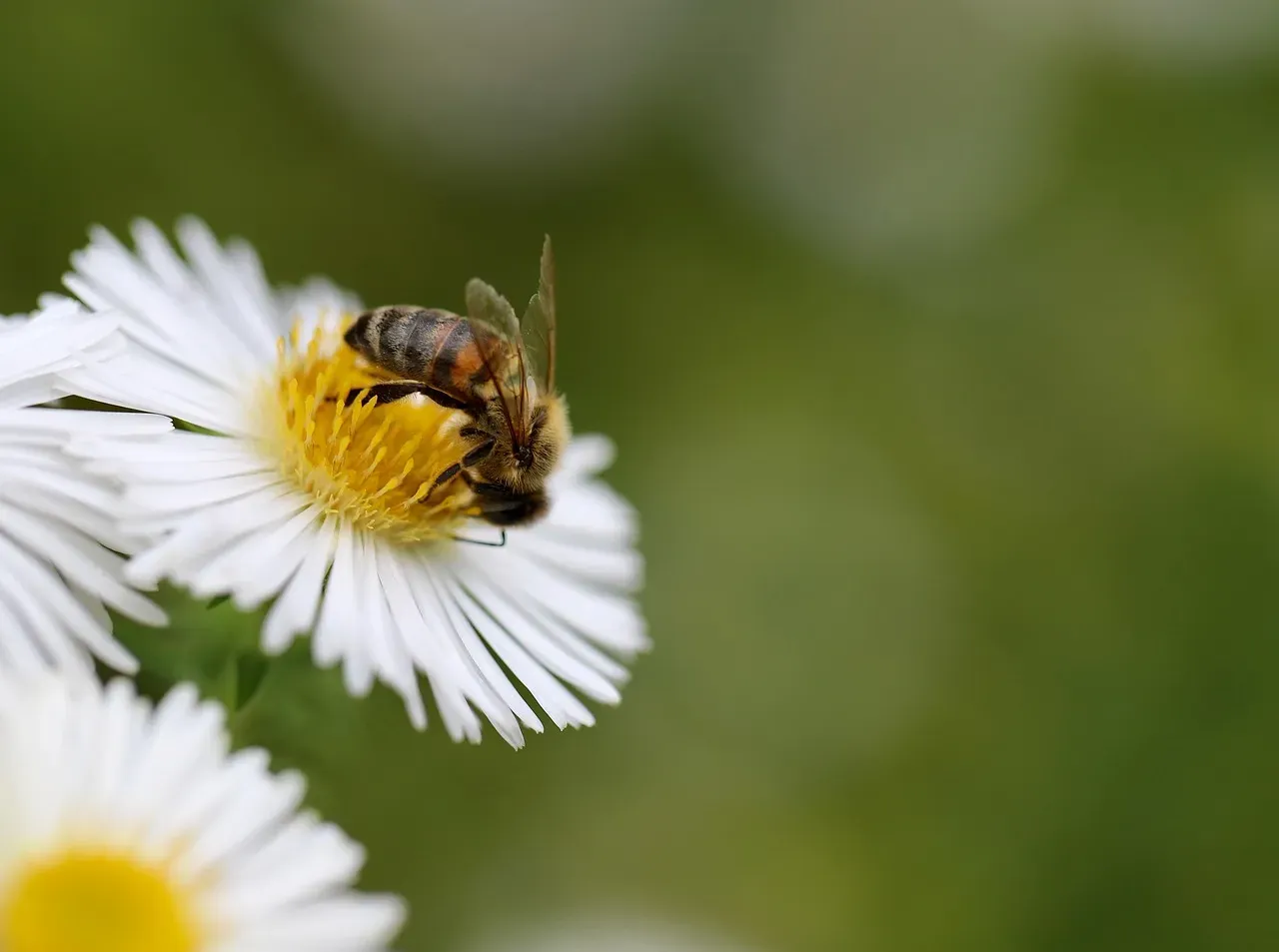
Not all animal language uses sound. Honeybees transmit incredibly precise information about food using the famous “waggle dance,” a movement pattern on the comb that tells other bees both the direction and approximate distance of a nectar source relative to the sun. It’s like watching a living GPS unit operating in the dark. The fact that a small insect can encode such complex spatial data with body motion alone still feels almost unreal.
Ants, on the other hand, lean heavily on chemical signals. They lay down pheromone trails that act like invisible highways, guiding nestmates to food, new nests, or alarm sites. Different blends and concentrations can encode different messages, from “follow this path” to “attack now.” If we could see those chemical trails with our eyes, ant colonies might look less like random swarms and more like coordinated cities lit up with glowing signs.
Beyond Voice: Colors, Light, and Body Language
Animals also “speak” through color, pattern, and posture in ways we often miss because we’re tuned to words and sound. Cephalopods like cuttlefish and octopuses can shift their skin color and texture in fractions of a second, sending rapid visual signals to potential mates or rivals while also blending into the background. Some of those patterns are clearly social messages, not just camouflage, like flashing certain colors during courtship or confrontation.
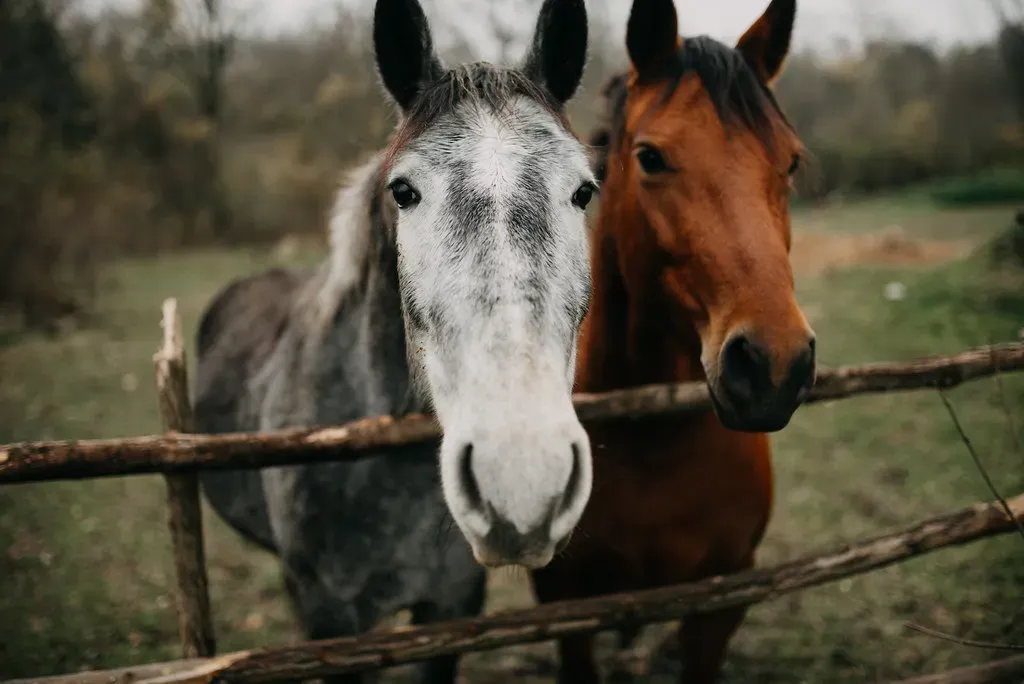
Even common animals around us rely heavily on body language: dogs use tail position, ear angle, and overall posture to show fear, playfulness, or aggression far more precisely than barking alone can. Lizards perform push-up displays and head bobs as territorial warnings, while birds puff up feathers, bow, or spread wings in elaborate rituals. Once you start treating these movements as sentences instead of random quirks, a quiet field or forest suddenly looks full of conversations.
AI, Decoding Animal Languages, and What Comes Next
In the last few years, artificial intelligence has become a powerful new tool for decoding animal communication. Machine learning systems can sift through massive archives of recordings from whales, birds, insects, and more, spotting patterns and correlations that humans would never catch by ear alone. These systems can cluster similar calls, map them to behaviors, and sometimes identify subtle differences that line up with context, individual identity, or group membership.
There are still big limits, of course: recognizing patterns is not the same as truly understanding meaning, and we’re far from having a universal translator for animals. But projects using AI-linked underwater microphones, forest sound networks, and even on-animal tags are already revealing previously hidden structure in wild communication. The idea that one day we might hold a device that gives us even a partial glimpse into what a whale or an elephant is “saying” no longer feels like pure science fiction. Did you expect that?