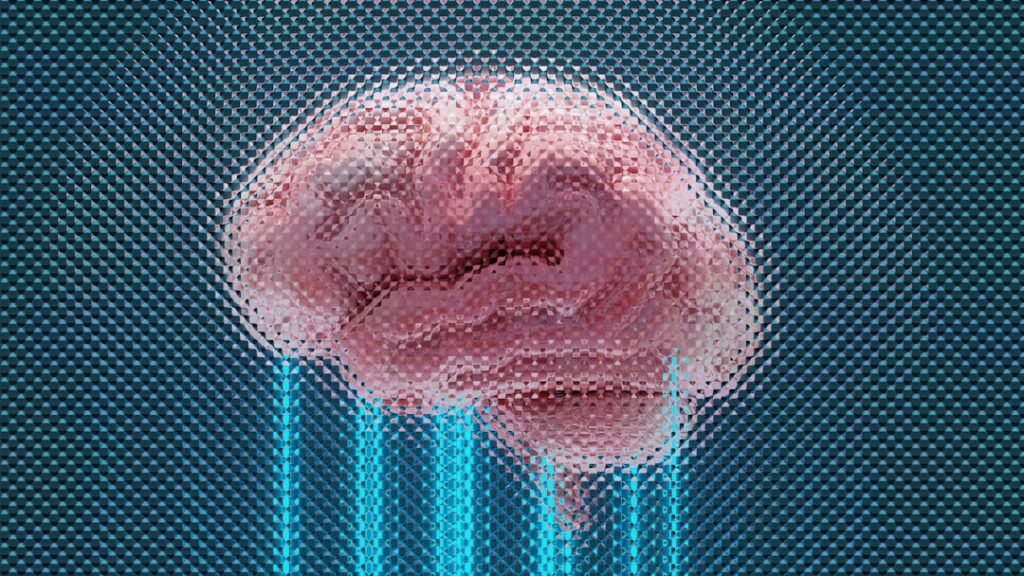

Most people walk around using a tiny fraction of what their brain could actually do, not because of some mystical ten percent myth, but because they never learn how to truly work with it. The surprising truth is that your brain is wildly adaptable, constantly rewiring itself, and capable of changes that would’ve been called impossible a few decades ago. The hidden power isn’t a secret region waiting to be switched on; it’s the unrealized capacity to reshape how you think, feel, remember, and create.
Once you understand how this three‑pound organ really works, everyday life starts to look different. Stress becomes something you can train for, not just tolerate. Focus becomes a skill, not a personality trait. And things that used to feel like “just the way I am” start to look more like settings you can tweak. Let’s dig into what science actually says about your brain’s untapped potential, and how you can start to tap into it in real, practical ways.
The Myth of “Ten Percent” and the Reality of Neuroplasticity
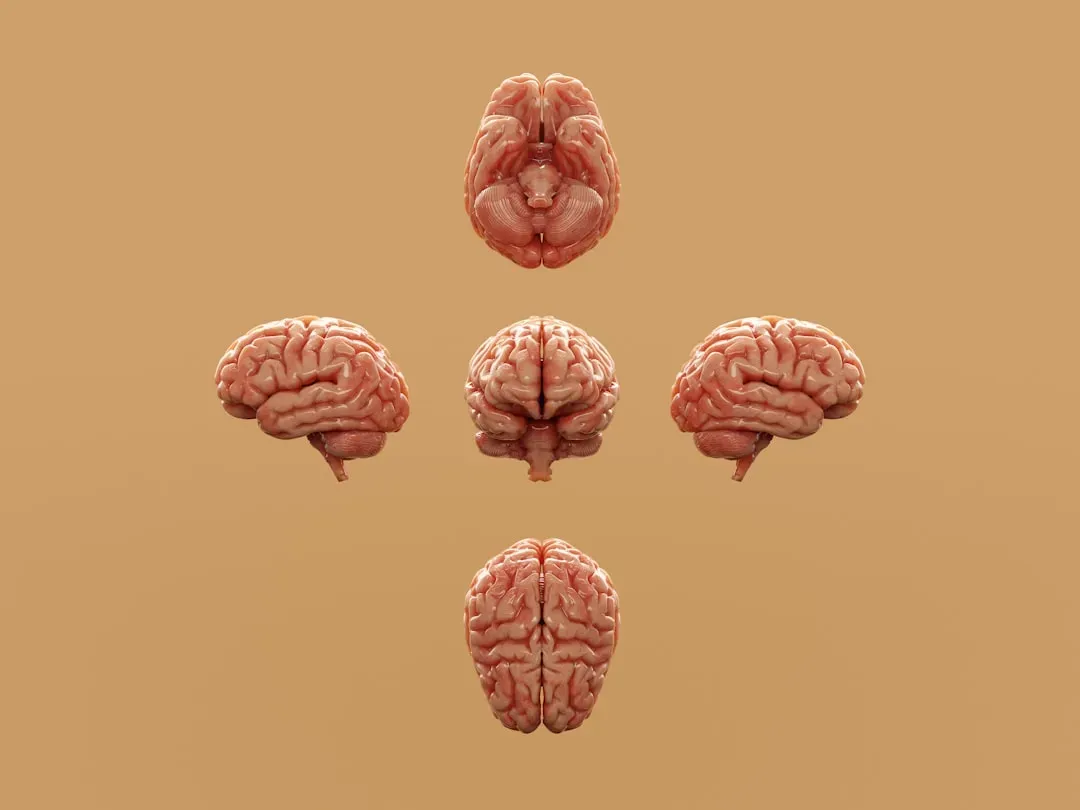
One of the most persistent myths about the brain is that we only use ten percent of it, which sounds dramatic but simply isn’t true. Brain imaging shows that over the course of a normal day, almost every part of the brain is active at different times, even when you’re resting or daydreaming. The real story is more interesting: it’s not that most of your brain is unused, it’s that most of its potential patterns and connections are unexplored. That’s where neuroplasticity comes in.
Neuroplasticity is the brain’s lifelong ability to change its structure and function based on what you do, think, and experience. When you practice a new skill, recall certain memories, or repeat certain thoughts, you’re literally reinforcing specific neural pathways, a bit like turning a faint walking path into a well‑paved road. This also means unhelpful patterns, like chronic worry or self‑criticism, can become deeply grooved if you rehearse them often. The hidden power lies in choosing, deliberately and repeatedly, which paths you want your brain to strengthen.
Cognitive Reserve: How Your Brain Builds a Hidden Safety Net
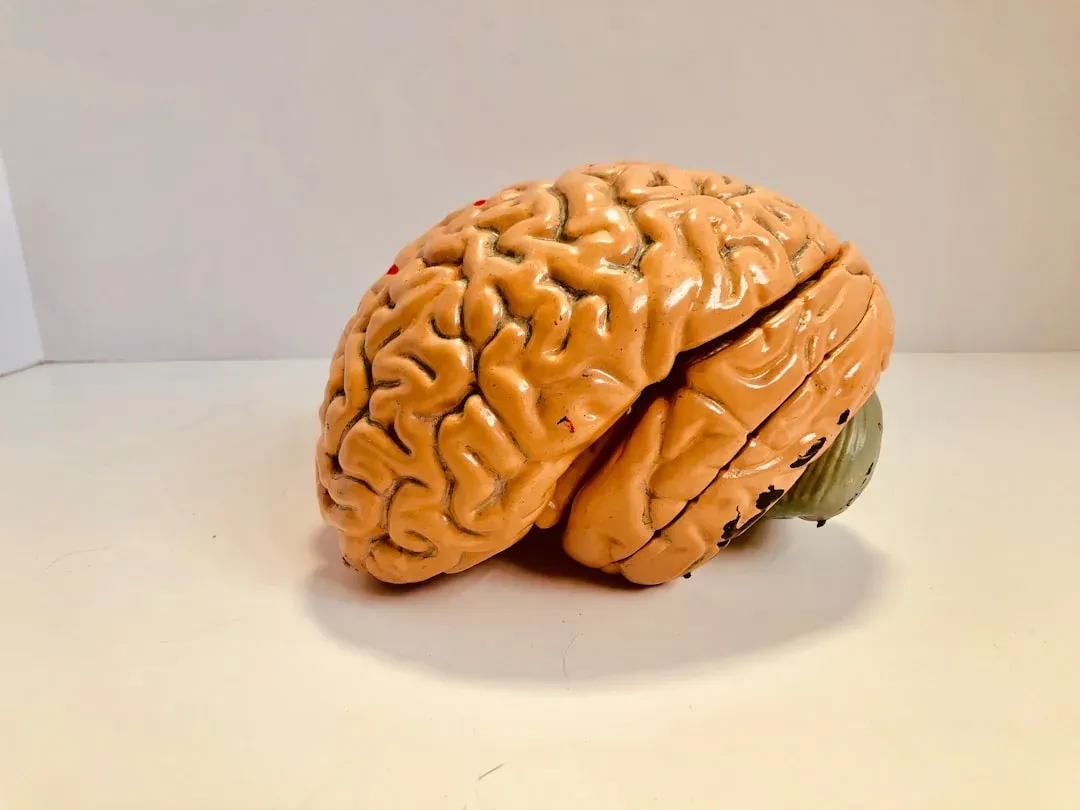
One of the most quietly powerful ideas in brain science is cognitive reserve, the brain’s built‑in buffer against aging and damage. People who regularly challenge their brains with learning, problem‑solving, and social engagement often show fewer cognitive problems later in life, even when scans reveal physical changes or damage. It’s like having extra mental scaffolding that helps you stay functional when the structure takes a hit.
Cognitive reserve isn’t about being naturally smart; it’s more like building a backup system through how you live. Learning a new language, picking up an instrument in your fifties, or staying socially active can all contribute to this invisible resilience. Think of it as paying into a brain savings account: small, consistent “deposits” over the years can make a huge difference when life inevitably throws stress, illness, or aging your way. The hidden power here is that you can start building this reserve at almost any age, and every bit helps.
Focus, Attention, and the Superpower of Deep Work

In a world full of notifications, pings, and endless scrolling, the ability to focus deeply has become almost a superpower. Your brain isn’t designed to rapidly switch tasks all day; every “just checking” moment carries a mental cost, leaving you more drained and less sharp. Neuroscience research shows that when you concentrate without interruption, your brain can enter states that allow for faster learning, better problem‑solving, and more creativity. It’s like switching from jogging through mud to running on a clear track.
Deep work doesn’t mean you have to become a monk or disappear into a cabin in the woods. It’s often as simple as carving out pockets of time where your phone is in another room, your browser has only what you need, and your brain knows, “This is focus time.” Over days and weeks, your ability to drop into that state gets stronger, just like a muscle. Many people think they have “bad attention,” when in reality they’ve just trained their brains to expect constant interruption. The hidden potential here is that you can retrain attention, and once you do, everything from learning a skill to finishing a project becomes radically easier.
Memory Enhancement: Beyond “I Just Have a Bad Memory”
Most people underestimate how much control they actually have over their memory and overestimate how fixed it is. Your brain naturally remembers things that are emotional, meaningful, or structured in a memorable way, which is why you can recall an embarrassing moment from ninth grade but forget what you went into the kitchen for. Memory champions aren’t born with special brains; they use specific strategies like visualization, association, and spatial mapping to turn random information into something the brain cares about.
Simple methods like the “memory palace” technique, chunking information into meaningful groups, or connecting new facts to vivid images can dramatically boost recall. Sleep is also a massive, underrated factor; your brain consolidates memories while you’re sleeping, especially during deep and REM stages. When you regularly cut sleep short, it’s like hitting “save” halfway through a file and wondering why parts are missing later. The hidden power of your memory is less about superhuman talent and more about learning how to feed your brain information in the way it was built to store it.
Emotion, Stress, and the Brain’s Hidden Capacity to Rebalance

It’s easy to feel like your emotions are in charge and your rational brain is just along for the ride, especially under stress. But the brain’s emotional systems, like the amygdala, are not destiny; they’re trainable. Practices like cognitive reframing, mindfulness, and even simple breathing exercises can change how your brain responds to triggers over time. You’re not just calming your mind in the moment; you’re teaching your nervous system new patterns.
Chronic stress, on the other hand, can shrink certain brain regions involved in memory and self‑control while strengthening the circuits of fear and vigilance. The powerful flip side is that when you consistently practice stress‑reduction habits, those changes can partially reverse. Regular movement, quality sleep, supportive relationships, and even short daily relaxation drills give your brain a chance to reset its baseline. The hidden potential here is emotional flexibility: the ability to feel big emotions without being consumed by them, and to recover more quickly when life hits hard.
Creativity and Insight: Tapping the Brain’s “Background Processing”

Some of the best ideas don’t show up when you’re trying your hardest; they appear in the shower, on a walk, or while you’re doing something completely unrelated. That’s not magic. When your conscious mind takes a break, your brain’s default mode network lights up, connecting distant ideas and making sense of scattered information. Creativity often depends on giving your brain both focused effort and space to wander.
You can tap into this hidden power by deliberately alternating between intense focus and relaxed, unfocused time. Work hard on a problem, then walk away and let your mind drift without distractions, almost like marinating an idea. Exposure to different fields, hobbies, and cultures also feeds your creative system with raw material to recombine in new ways. The more varied your inputs, the more surprising your insights tend to be. Creativity isn’t reserved for artists and inventors; it’s your brain’s built‑in way of seeing more possibilities than are visible at first glance.
Training the Brain: Habits, Learning, and Lifelong Growth

One of the most empowering discoveries in modern neuroscience is that adult brains can keep growing, adapting, and learning well into later life. New neurons can form in certain regions, and existing networks can rewire in response to what you consistently do. Every time you form a habit, you’re essentially teaching your brain to automate a pattern so it takes less energy and willpower. This works for habits you love and habits you hate.
Skill‑building follows a similar path: at first, a new activity feels clumsy and effortful, but repetition gradually strengthens the pathways until it becomes smoother and faster. The trick is embracing being a beginner long enough for your brain to catch up. Tiny, repeated actions shape your mental landscape far more than grand resolutions once a year. The hidden power here is accepting that your brain is a work in progress, and that almost every day you can choose, in small ways, what kind of brain you’re building.
Turning Hidden Potential Into Daily Practice

The human brain’s hidden powers aren’t locked away in some unreachable vault; they’re woven into everyday choices that either reinforce old patterns or create new ones. Neuroplasticity, cognitive reserve, focused attention, reliable memory strategies, emotional regulation, creativity, and habit formation are all levers you can actually pull. None of them require perfection, extreme talent, or superhuman discipline, just consistent, realistic practice over time.
If there’s a quiet message buried inside all this science, it’s that you’re far less “fixed” than you probably think. Your brain listens carefully to how you live, then reshapes itself to match. Every book you read, walk you take, conversation you have, night of sleep you protect, and distraction you resist is a small vote for the kind of mind you want. The potential has always been there; the real question is, what are you going to train your brain to become?