
Have you ever wondered what secrets might still be hiding beneath our feet? Think about it. Every day we walk across ground that could conceal ancient artifacts, forgotten cities, or the remains of our long-lost ancestors. The truth is, our understanding of is constantly shifting, shaped by remarkable finds that challenge everything we thought we knew.
Each generation of archaeologists uncovers something that forces scholars to rethink timelines, question established theories, or completely reimagine what life was like thousands of years ago. These aren’t just dusty relics in museums. They’re windows into worlds we’d otherwise never see, stories that would have been lost forever. Let’s dive into some of the most groundbreaking discoveries that completely changed how we view our past.
The Rosetta Stone Unlocked Ancient Egypt
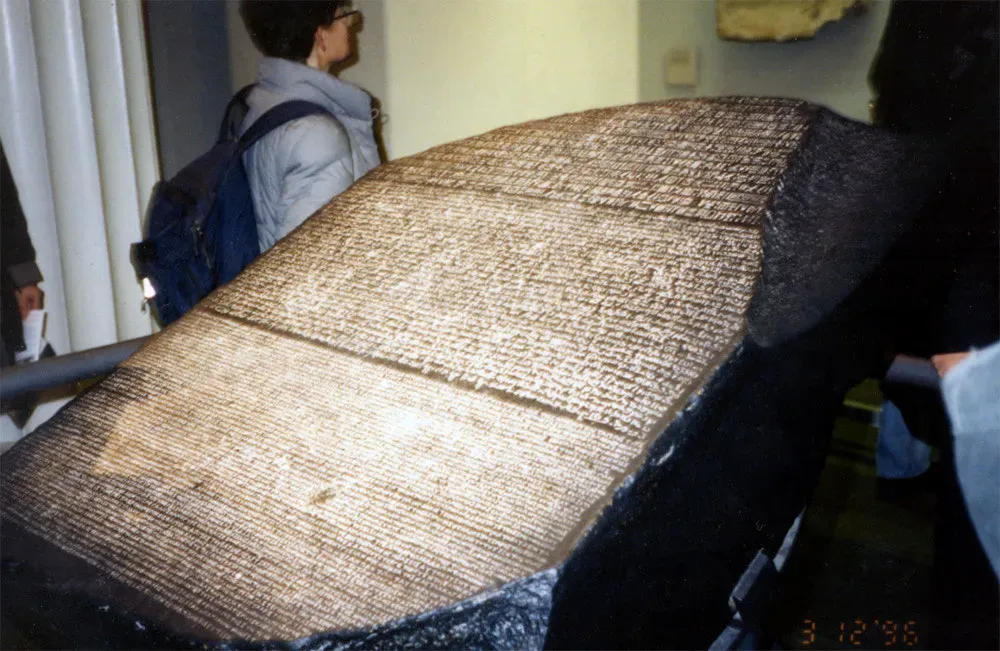
Picture French soldiers in 1799, rebuilding a fort in Egypt, when suddenly they hit something extraordinary buried in the ground. The ancient slab was carved in 196 B.C. and bears a royal decree issued by priests on behalf of Ptolemy V, ruler of the Ptolemaic Empire at that time.
What made this chunk of rock so special was that it contained the same text written in three different scripts: hieroglyphic, demotic, and ancient Greek. Here’s the thing though. Nobody in the modern world could read hieroglyphs anymore. That knowledge had been lost for centuries. Discovered in 1799 by a French soldier during Napoleon’s Egyptian campaign, the Rosetta Stone proved to be the key to deciphering ancient Egyptian hieroglyphs. This remarkable artifact features a decree issued in 196 BC, inscribed in three scripts: hieroglyphic, demotic, and ancient Greek. The presence of Greek allowed scholars, particularly Jean-François Champollion, to decode the hieroglyphs, finally opening up thousands of years of Egyptian history and culture to modern understanding.
Lucy Changed Our View of Human Evolution
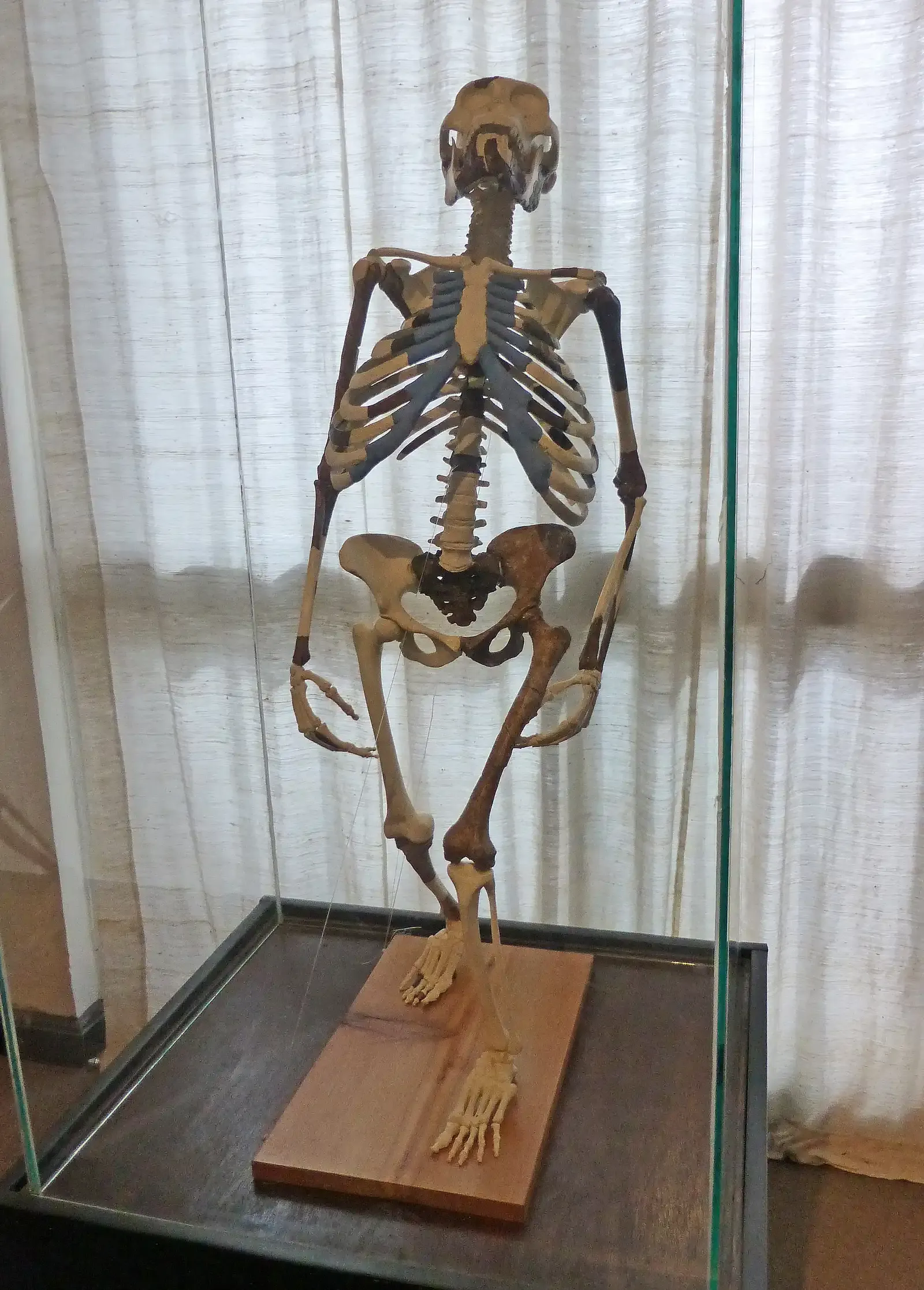
In 1974, the discovery of the fossilized remains of a hominin named “Lucy” in Ethiopia revolutionized our understanding of human evolution. Belonging to the species Australopithecus afarensis and dated to around 3.2 million years ago, Lucy’s partial skeleton provided evidence that our ancestors began walking upright before the development of a larger brain.
This completely flipped the script on how scientists thought we evolved. Before Lucy, many researchers assumed that our ancestors developed bigger brains first, then started walking on two legs. Turns out, it was the other way around. She was small, standing only about three and a half feet tall, yet she walked upright millions of years before early humans developed the cognitive abilities we associate with modern intelligence. This groundbreaking discovery has been instrumental in shaping our understanding of human evolutionary history.
The Dead Sea Scrolls Revealed Biblical Secrets
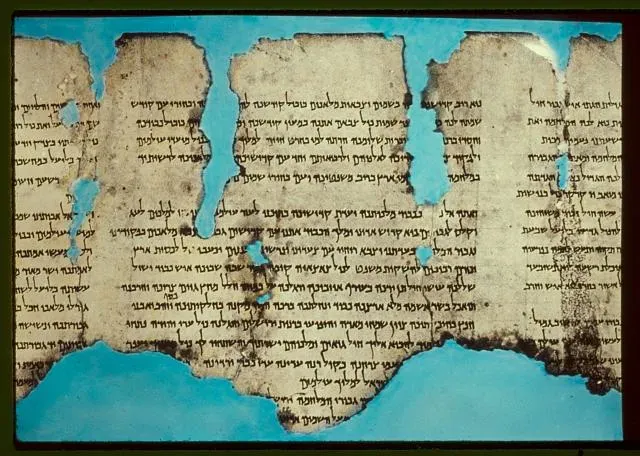
Let’s be real, finding ancient religious texts in caves sounds like something straight out of an adventure movie. One of the most elucidating archaeological finds yet, the Dead Sea Scrolls were discovered in caves near Jericho by a young goat herder. Primarily in Hebrew, the scrolls record over 500 years of history (from the third century B.C. to the second century A.D.) including Jesus Christ’s birth and the subsequent rise of Christianity. One of the scrolls, the Copper Scroll, even told researchers where to find dozens of other scrolls.
The scrolls weren’t just religious texts either. They included community rules, biblical commentary, and apocalyptic visions. The Dead Sea Scrolls were monumental for rewriting history books. First reportedly mentioned in the timeline between 300 BCE and 100 AD in Israel, they included sectarian works and ancient Hebrew texts that have survived years of biblical analysis. That said, controversies about their origins and how they relate to Christianity and Judaism in various interpretations make these relics quite an insightful find. The discovery transformed our understanding of early Judaism and the origins of Christianity in ways scholars are still unpacking today.
Troy Wasn’t Just a Myth After All
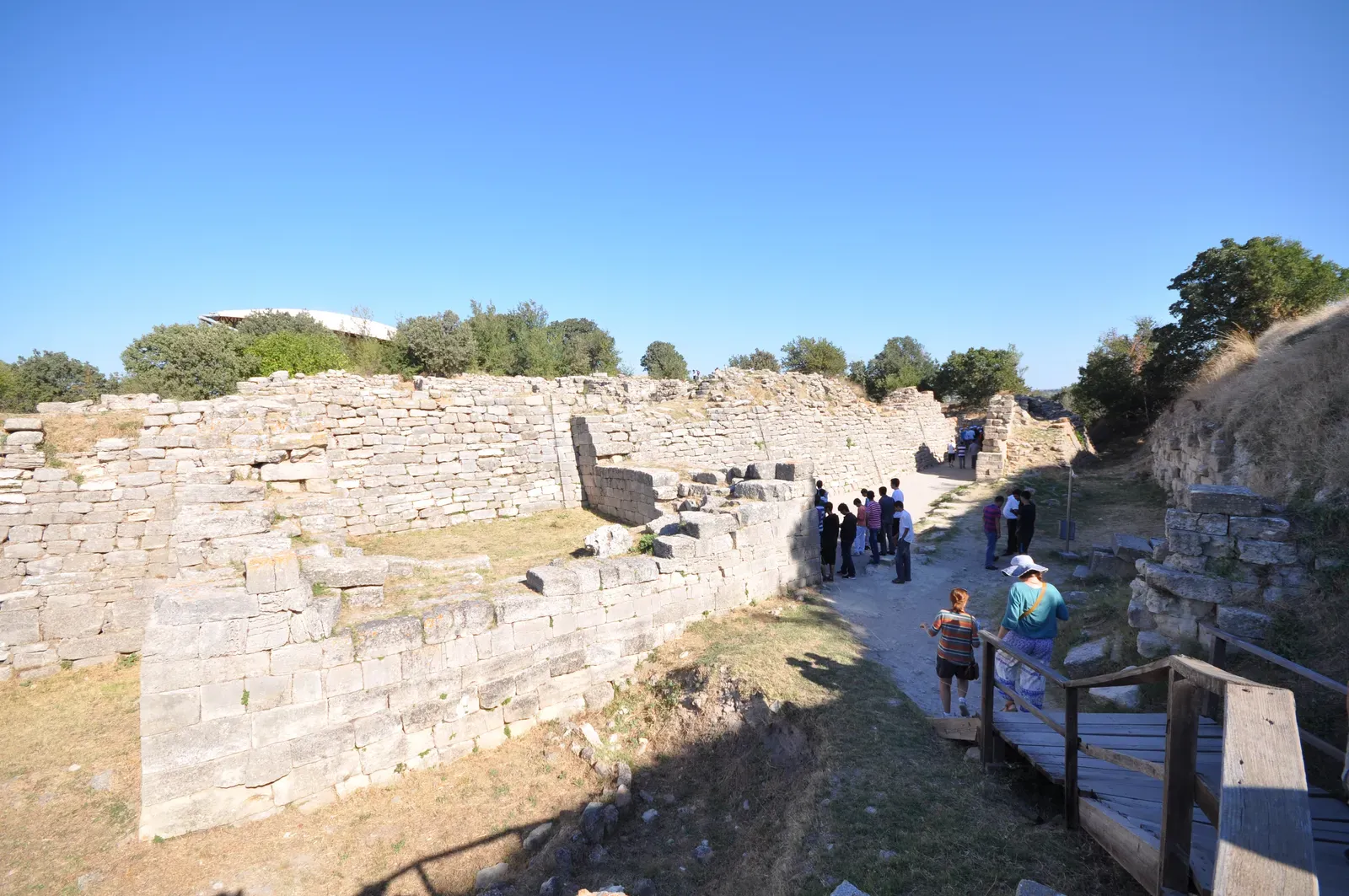
For centuries, the story of Troy was dismissed as pure fiction, a tale spun by Homer for entertainment. For hundreds of years, classicists regarded the epic stories of Homer as just that: stories. That all changed in 1870, when excavations led by celebrity archaeologist Heinrich Schliemann began at an old city near Hisarlik, Turkey. Shortly afterwards, archaeologists excitedly announced they’d found the lost city of Troy.
Now here’s where it gets interesting. From 1870 to 1890, Schliemann excavated the actual site of Troy, and his initial finds of gold and silver convinced him that he had found Homer’s Troy. As it turned out, Schliemann had excavated the right city, but the wrong period: his initial finds dated from about 1000 years before the Trojan War. The site actually held the remains of 9 different Troys, built atop each other. Even more remarkable, fresh excavations at the legendary city of Troy in northwestern Turkey have uncovered what may be the most compelling evidence yet that Homer’s Iliad describes real events. Turkish archaeologists discovered thousands of 3,500-year-old sling stones concentrated in a small area outside the palace walls, along with arrowheads, charred buildings, and hastily buried human remains. The destruction layer dates to around 1200 BC, precisely matching the period Greek historians assigned to the Trojan War.
Pompeii Froze a Moment in Time
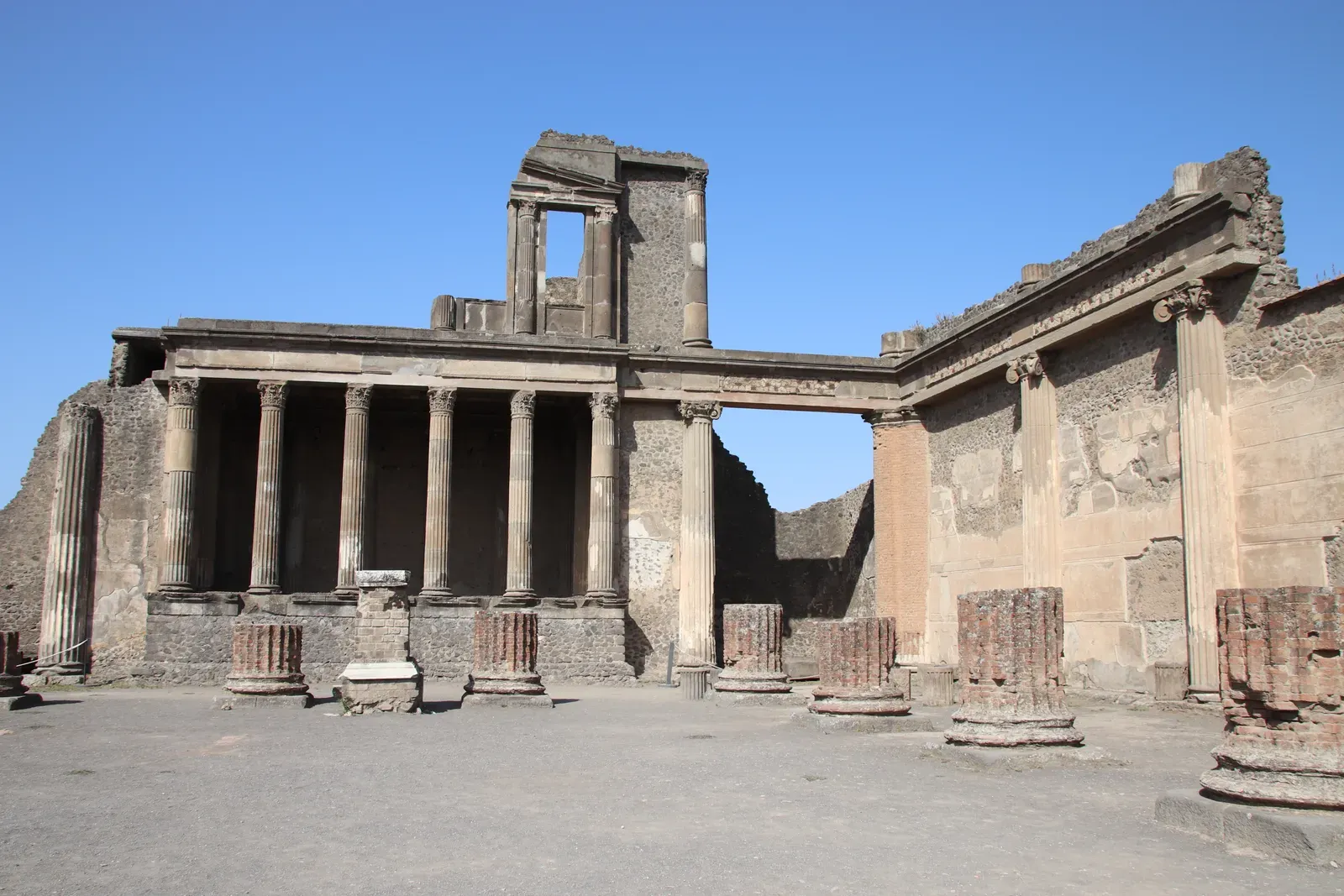
The unearthing of the lost city of Pompeii was a groundbreaking archaeological discovery that rewrote history. In 1748, the ancient city was rediscovered by Spanish engineer Rocque Joaquin de Alcubierre, who was excavating a well in the area. What he found was a remarkably preserved city that had been buried under layers of volcanic ash and pumice since the eruption of Mount Vesuvius in 79 AD. This extraordinary find provided archaeologists with a unique glimpse into the daily life, architecture, and culture of an ancient Roman city.
Think about how rare this is. Most ancient cities were slowly abandoned, rebuilt over, or looted. Pompeii was different. Glimpses into what everyday life was like in eras gone by are always extremely valuable to archaeologists, which makes sites like Pompeii and the less famous Akrotiri treasure troves of daily minutiae. Both cities were destroyed by volcanic eruptions, which buried them in ash and preserved them largely as they were at the moment of their destruction. By studying these ruins, archeologists can get a much clearer picture of what life was like for the everyday people who once lived here. You can see preserved loaves of bread, graffiti on walls, and even the haunting plaster casts of victims frozen in their final moments.
Tutankhamun’s Tomb Revealed Egyptian Splendor
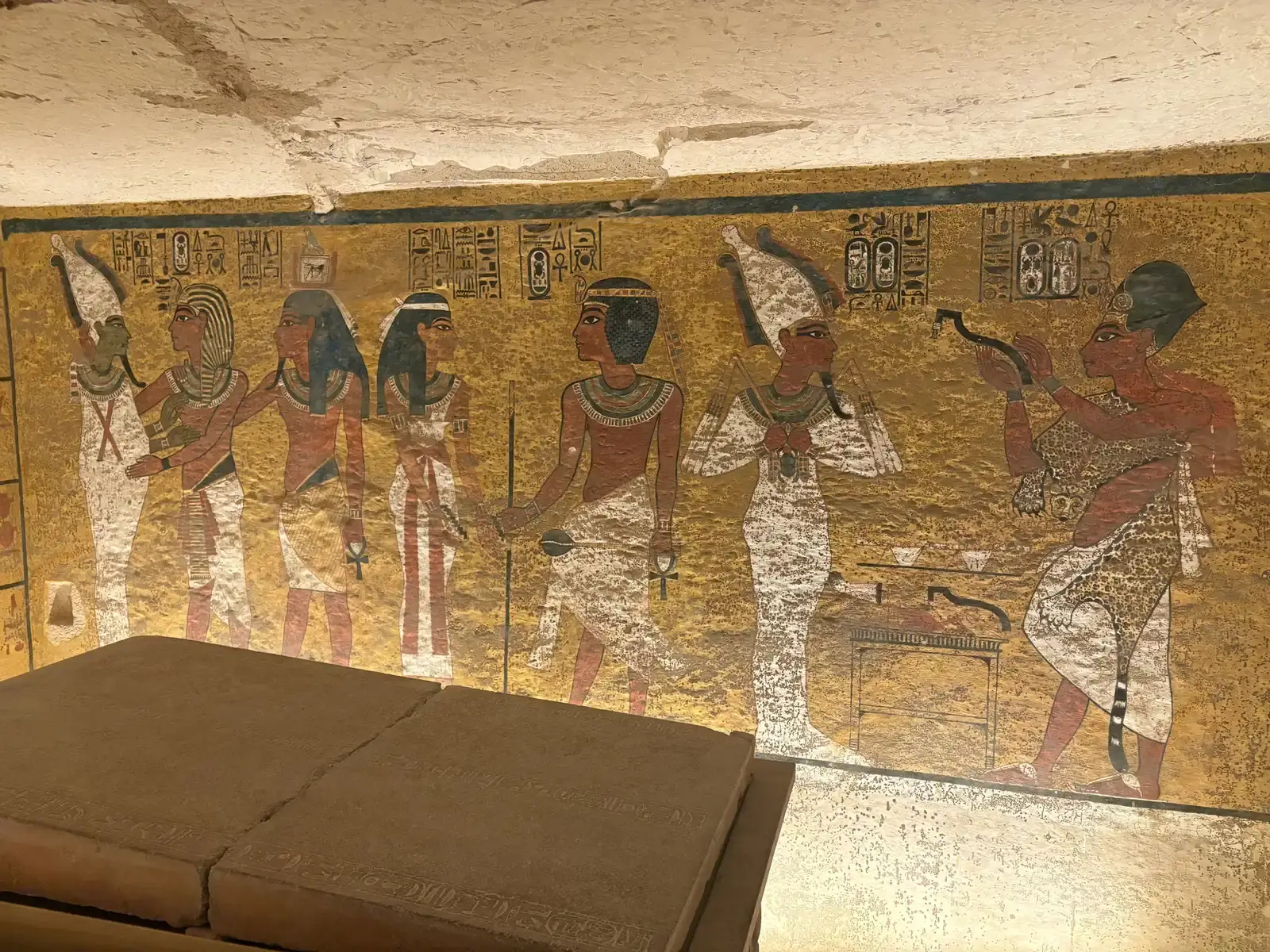
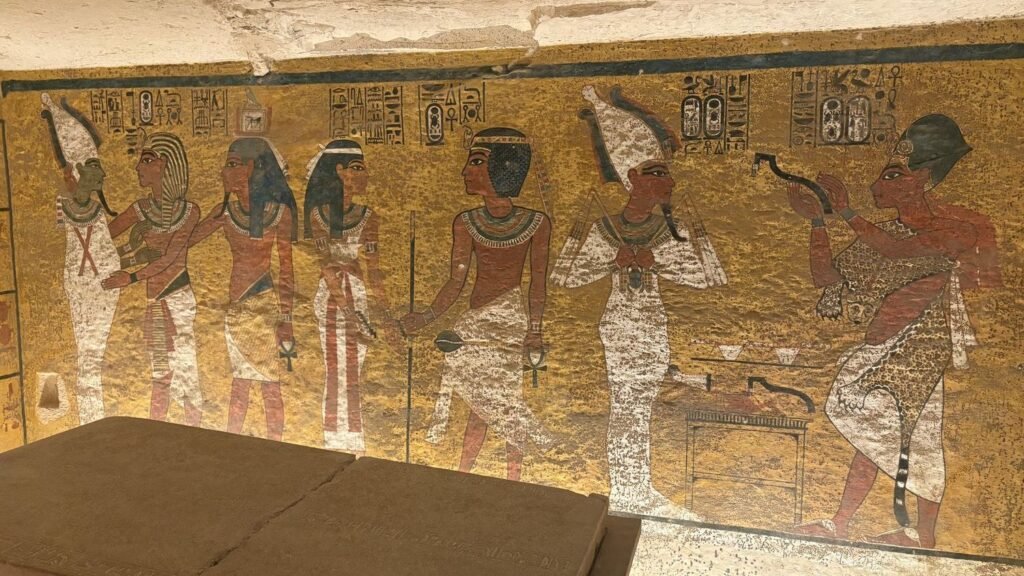
Arguably one of the most famous – and spectacular – archaeological discoveries of all time, Howard Carter’s excavation at the Valley of the Kings in 1922 propelled a short-lived and perhaps rather politically unimportant pharaoh into the history books. Tutankhamun may have died while still in his teens but his tomb had been packed with beautiful objects befitting his royal status – and, unusually, had escaped detection by robbers. Howard Carter had discovered a treasure trove of ‘wonderful things’.
What makes this discovery so significant isn’t just the gold and treasures, though they’re certainly impressive. It’s the sheer completeness of the find. Most Egyptian tombs had been plundered thousands of years ago, their contents scattered or melted down. Tut’s tomb gave archaeologists an intact snapshot of royal burial practices, religious beliefs, and the incredible craftsmanship of ancient Egypt. The discovery captured the world’s imagination in a way few archaeological finds ever have. It sparked a global fascination with Egyptology that continues to this day.
Machu Picchu Emerged from the Mist
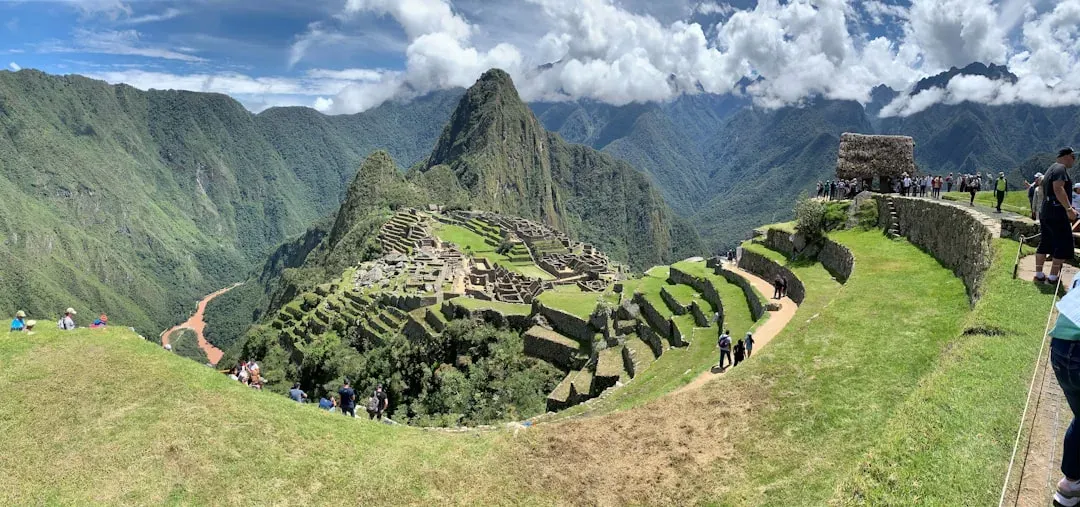
Rediscovered by Hiram Bingham in 1911, this monumental ‘lost’ Inca citadel was built in the mid-15th century on a dramatic mountain top. The site had been abandoned and swallowed by jungle vegetation, unknown to the outside world for centuries.
One of the most popular archaeological sites on Earth, Machu Picchu is a 15th-century Inca site seated high on a mountainside in Peru. The late Hiram Bingham III, a professor at Yale University, rediscovered the site in 1911. Until then, the ancient ruins had gone under the radar of Spanish conquistadors and settlers, leaving them remarkably well preserved. Many archaeologists believe that Machu Picchu was once the royal estate of Pachacuti Inca Yupanqui, a 14th-century Inca ruler. The large complex covers an area of about 126 square miles (326 square kilometers) and includes walls, terraces, houses and several temples. The sophistication of its engineering, positioned on such challenging terrain, revealed just how advanced Inca civilization truly was.
The Terracotta Army Protected an Emperor
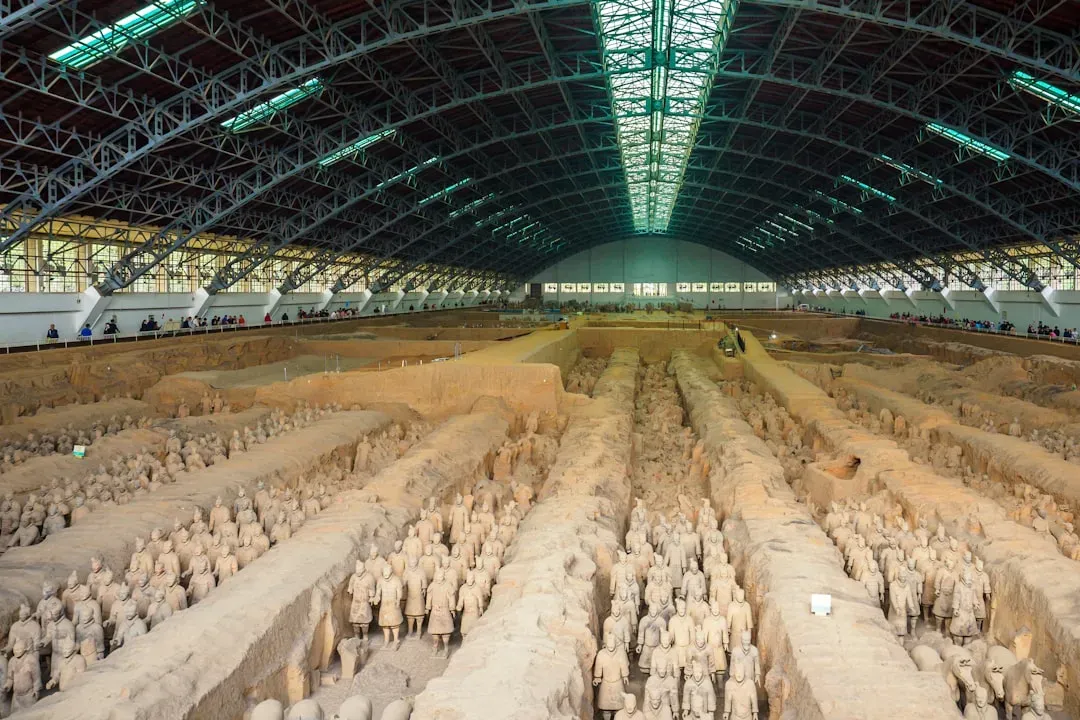
In 1974, workers digging a well outside Xi’an, China, discovered a life-sized clay soldier, marking the start of a major archaeological excavation. This excavation uncovered over 8,000 individualized warriors, now called the Terracotta Army.
It’s hard to overstate how incredible this find really is. Each warrior has unique facial features, different expressions, varying hairstyles. These figures were buried near Qin Shi Huang Di (also known as Ying Zheng) to serve as his companions in the afterlife. The site also includes clay horses, wooden chariots, and well-preserved weapons. It is believed that more than 700,000 workers contributed to this intricate and impressive project. The scale of this undertaking revealed the massive organizational power and resources of China’s first emperor, fundamentally changing how historians understood early Chinese civilization and the Qin Dynasty’s capabilities.
Human Footprints Pushed Back American History
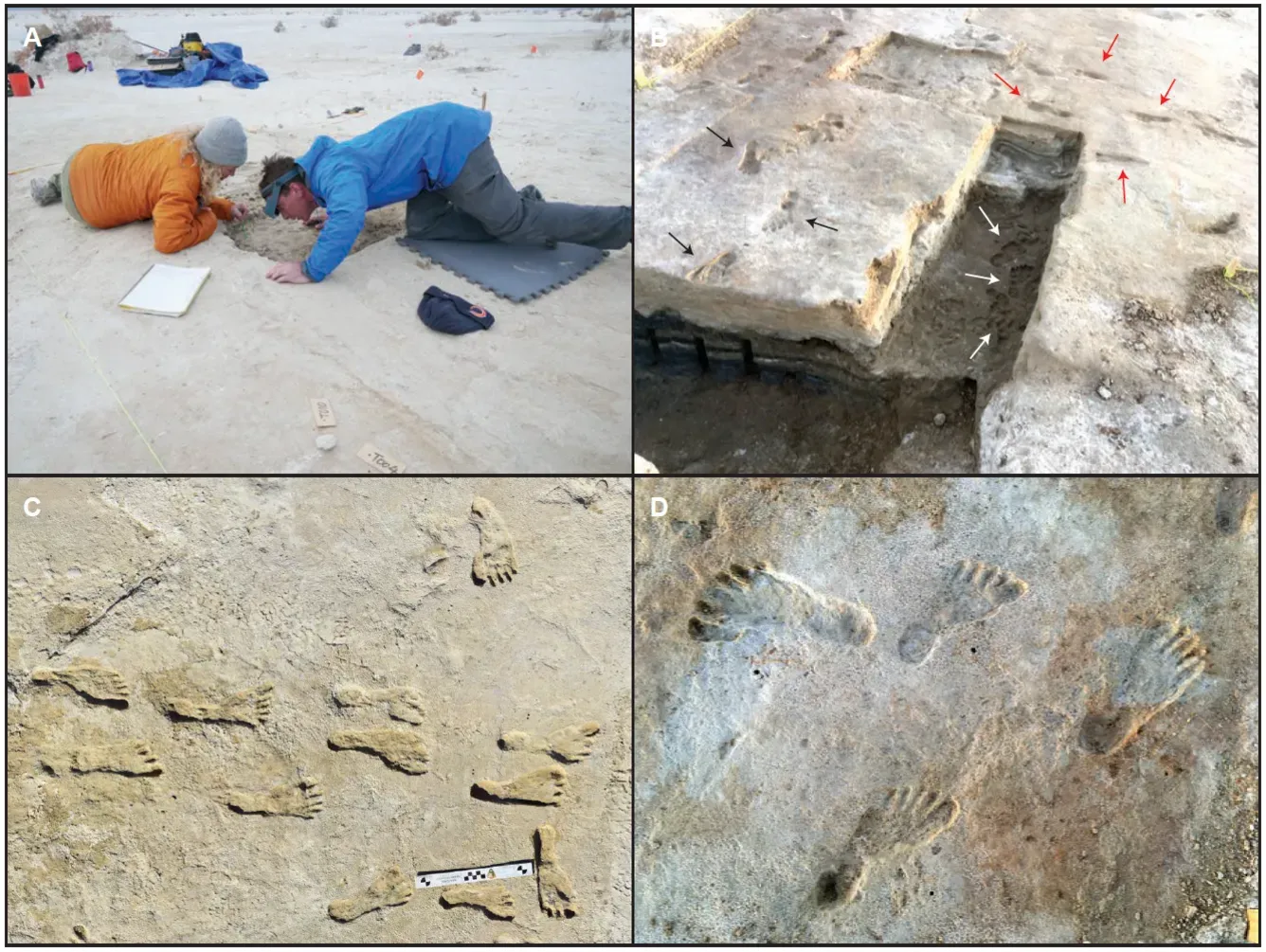
When their fossilised footmarks were discovered in 2021, it pushed back the earliest known arrival of humans in the Americas by up to 10,000 years. The footprints appear and disappear with the shifting sands, but replicas of the trackways are always on view at a visitor centre at White Sands National Park in New Mexico.
This discovery completely challenged the established timeline of when humans first arrived in North America. For decades, the prevailing theory held that people crossed from Asia roughly 13,000 years ago. The discovery of fossilised footprints in the White Sands National Park in New Mexico suggests that humans roamed North America between 21,000 and 23,000 years ago. That’s a difference of nearly 10,000 years. Think about what that means. Entire ice ages came and went during that time span. It fundamentally rewrites the story of how and when the Americas were populated, opening up new questions about migration routes, survival strategies, and the interactions between early humans and megafauna like mammoths.
Conclusion
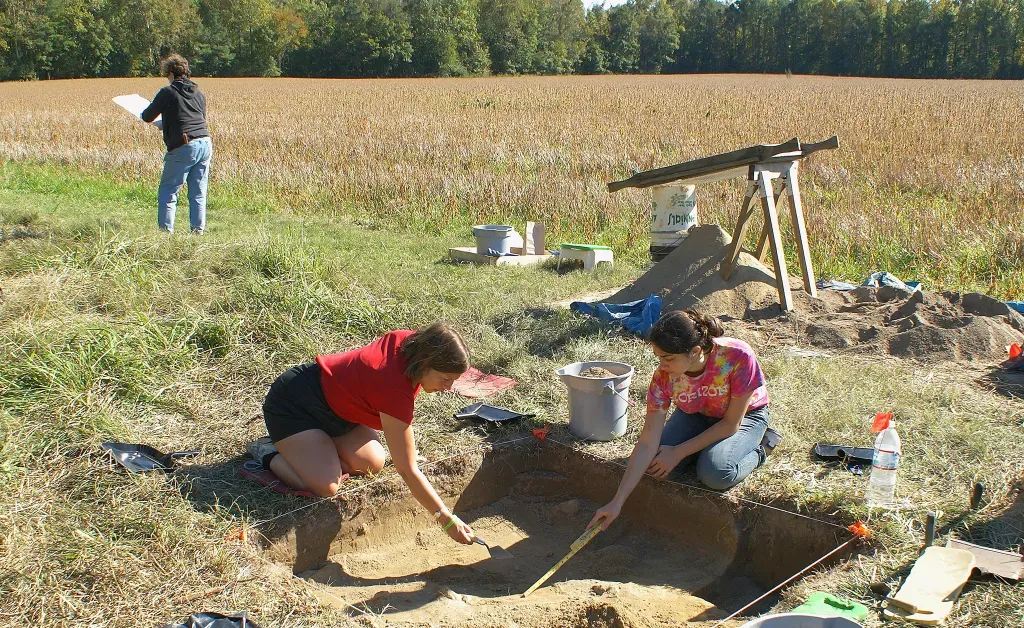
These remarkable discoveries remind us that history isn’t fixed or finished. It’s constantly being revised, expanded, and rewritten as new evidence emerges from beneath the earth. Each find tells us something profound about who we were, how we lived, and what we valued. From the soldiers protecting an emperor’s tomb to footprints frozen in ancient mud, these discoveries connect us to people who lived thousands of years ago yet faced many of the same fundamental human experiences we do today.
The most exciting part? We’ve probably only scratched the surface. Advanced technology like satellite imaging, DNA analysis, and ground-penetrating radar are revealing sites that were invisible just a generation ago. Who knows what tomorrow’s archaeologists might uncover that will force us to rethink everything once again? What do you think is still out there waiting to be found?