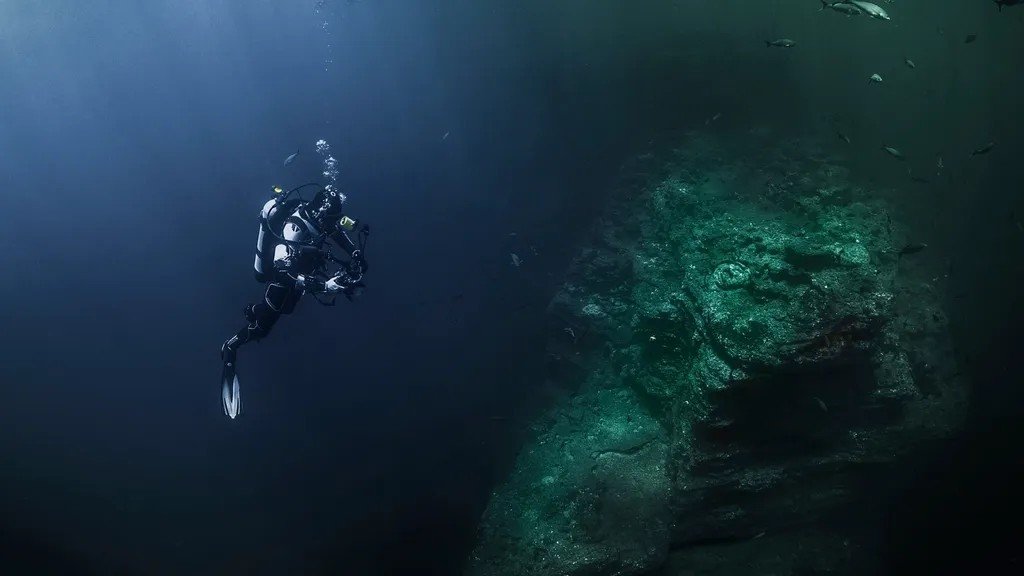

Have you ever stopped to think about what really lies beneath the surface of our seas? Sure, we’ve all seen the documentaries showing coral reefs and sharks. Those are spectacular, no doubt. Yet the truth is, the ocean conceals far stranger and more mysterious wonders than most people can even imagine.
Think about this for a second. We’ve explored less than twenty percent of the ocean floor. That means the vast majority of our planet’s underwater realm remains completely unknown to us. Strange sounds echo through the depths, bizarre creatures thrive in crushing darkness, and geological formations defy explanation. What you’re about to discover might just shift how you see the world’s oceans forever.
Brine Pools: Lakes Hidden Beneath the Sea
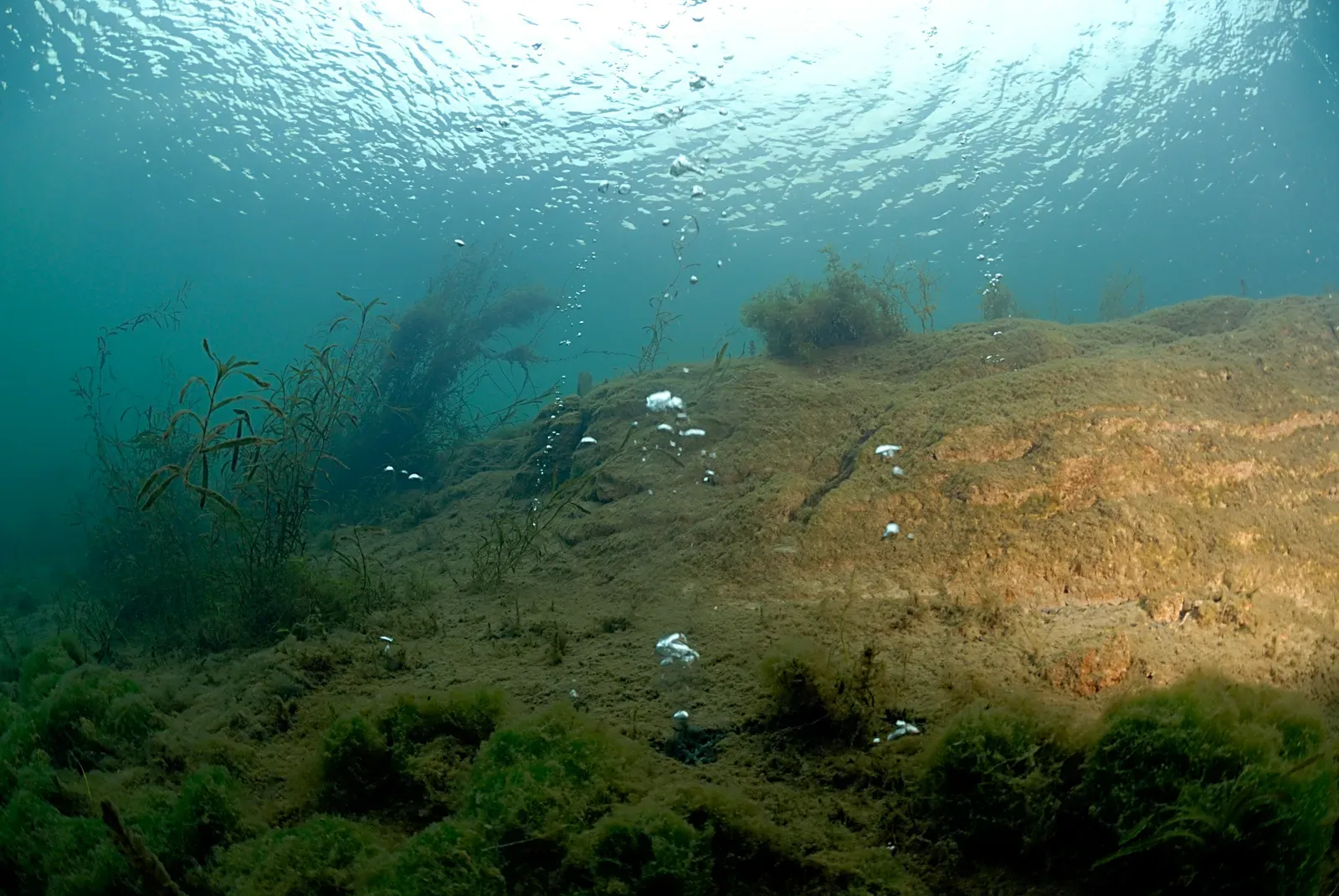
You might find it hard to wrap your head around, but there are actual lakes sitting at the bottom of the ocean. These underwater bodies of water are quite literally the same as any river you would see on land, complete with river banks, waterfalls, and flowing waters. The catch? They exist thousands of feet below the ocean’s surface.
These brine pools form where saltwater concentration is greater than the surrounding ocean, creating lake-like surfaces and shorelines. Swimming into one would be deadly for most marine life because of the extreme salinity and toxic chemicals. Some creatures, though, have adapted to live right at the edges of these pools, thriving in an environment that would kill almost anything else. It’s like stumbling upon an alien world without ever leaving Earth.
The Mariana Trench: Earth’s Deepest Mystery
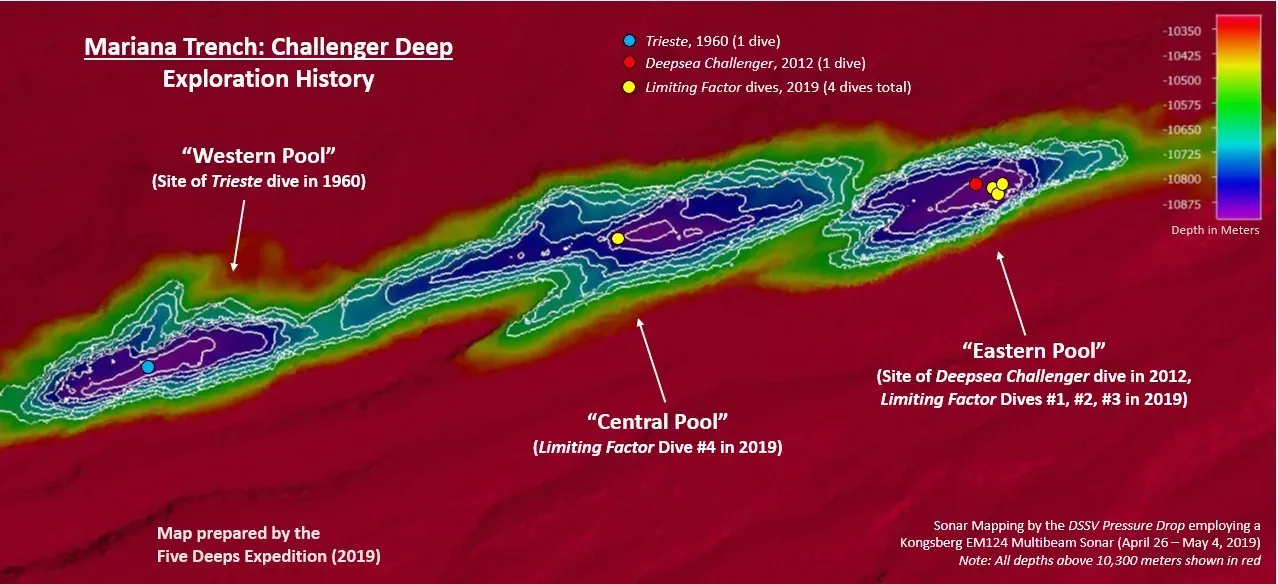
This spot in the ocean off the Mariana Islands near Guam is the deepest point on earth, nearly 7 miles down. In comparison, Mount Everest is only 5.5 miles high. Let that sink in. You could drop the world’s tallest mountain into this trench and it would disappear completely beneath the waves.
In the trench, it’s completely dark and only a few degrees above freezing, with intense pressure of eight tons per square inch. Somehow marine life has managed to survive, even thrive, amid this natural wonder. Recent discoveries in the Kuril-Kamchatka Trench show vibrant ecosystems of tube worms, mollusks, and sea cucumbers, some stretching over a foot in length. Life finds a way, even in places where you’d swear nothing could possibly exist.
Underwater Crop Circles Crafted by Pufferfish
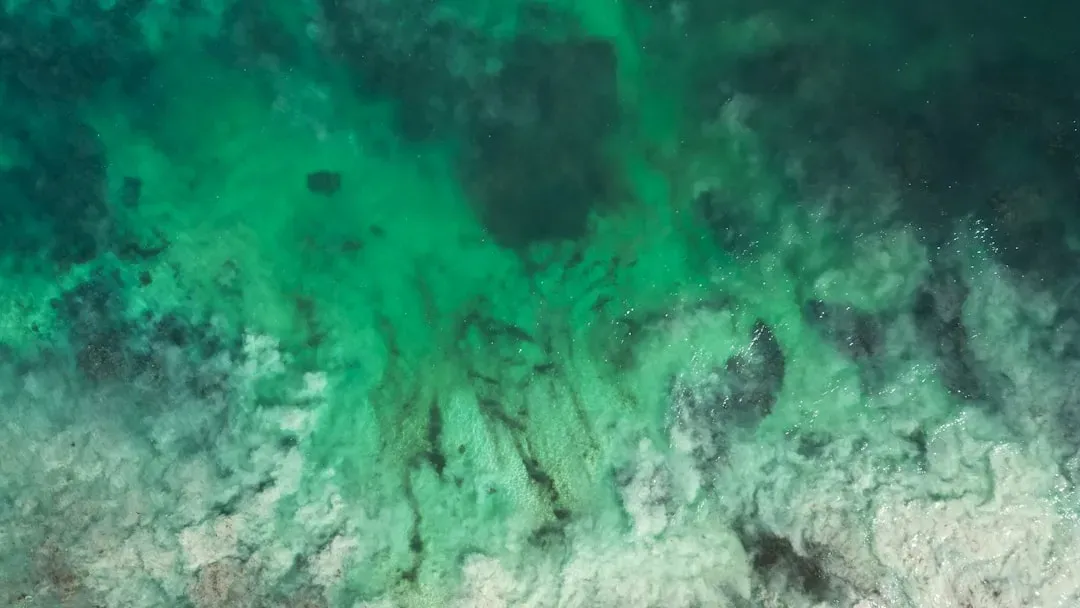
Let’s be real, when you hear the term crop circles, you probably think of conspiracy theories and aliens. Turns out, the ocean has its own version. In 1995, divers discovered strange geometric circles on the seafloor near Amami Oshima Island off the coast of Japan, and they were dubbed underwater crop circles.
For years, nobody had a clue what was creating them. It wasn’t until a decade later that researchers discovered that these 7-feet-in-diameter ornate circles are made by male pufferfish flapping their fins along the seafloor to create the circular patterns in some kind of underwater mating ritual. Imagine a tiny fish spending days sculpting an elaborate piece of art just to impress a mate. It’s both absurd and absolutely beautiful at the same time.
The Yonaguni Monument: Ancient City or Natural Formation?
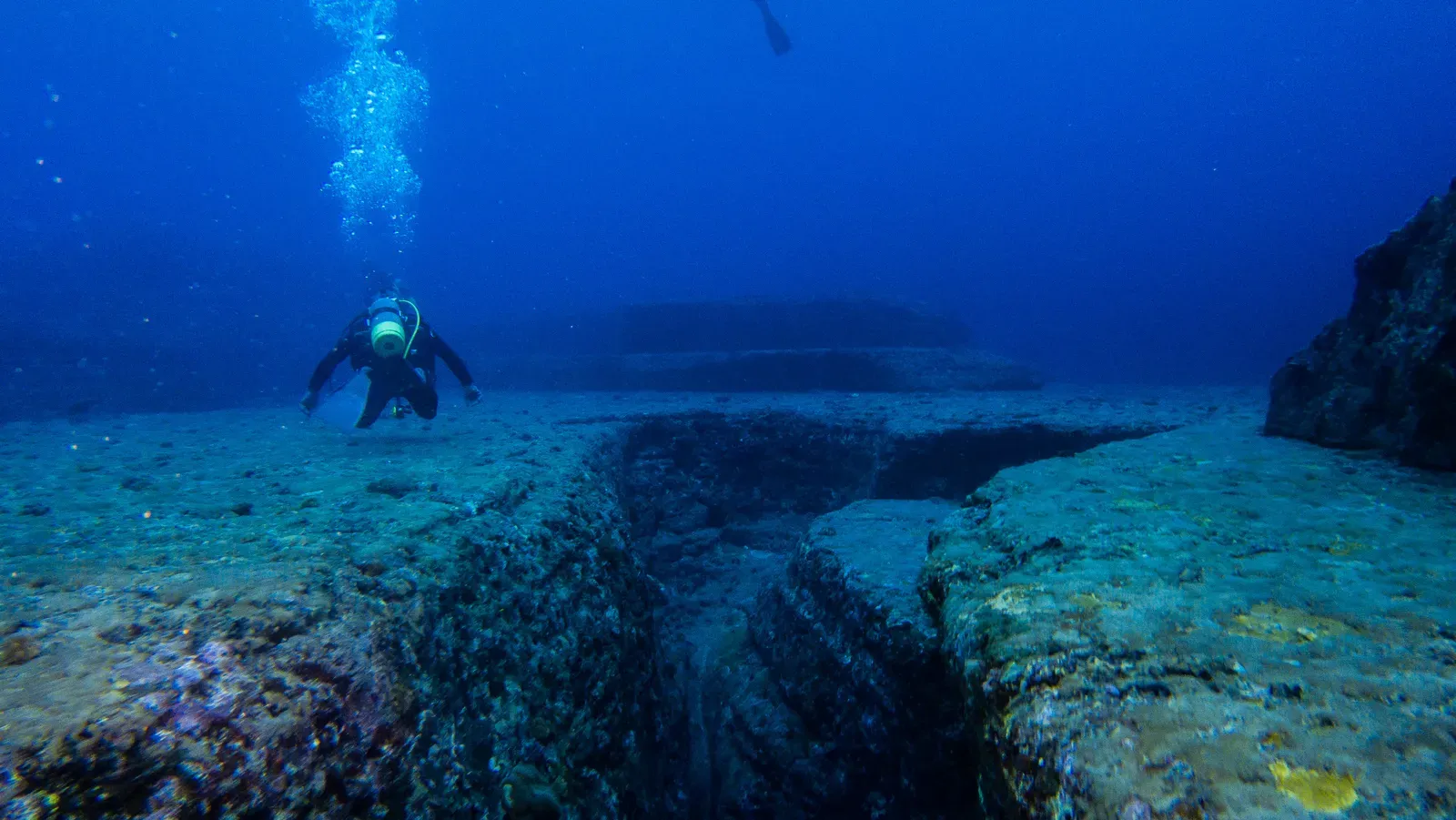
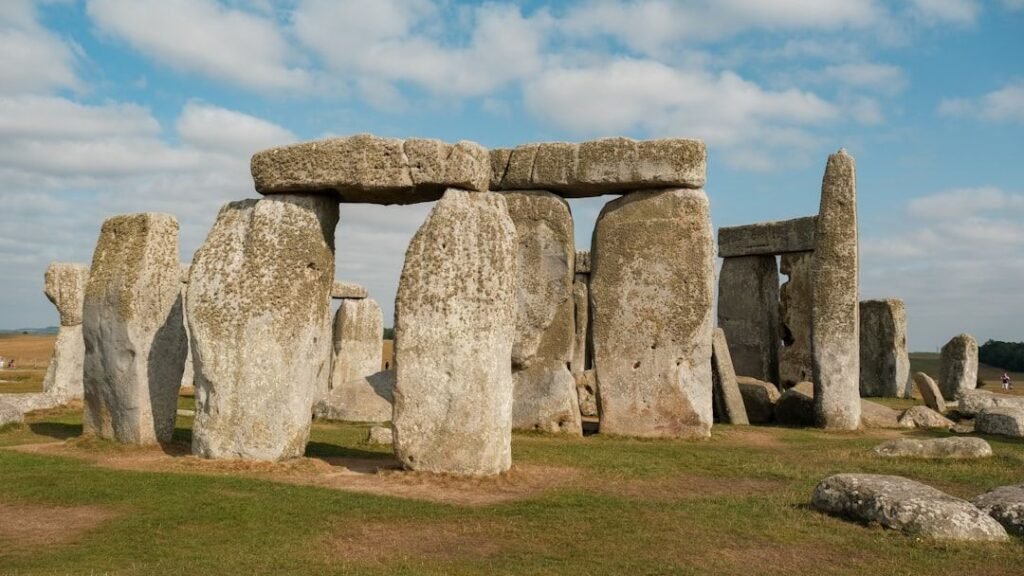
The unique and awe-inspiring site was discovered in 1995 by a diver who strayed too far off the Okinawa shore and was dumb-struck when he stumbled upon the sunken arrangement of monolithic blocks as if terraced into the side of a mountain. The rectangular monument is more than 165 feet long and 65 feet wide and consists of massive, geometric sandstone structures resembling steps, terraces, and columns.
Here’s where things get interesting. While many believe it is proof of a 5,000-year-old submerged city, some researchers also claim that the monument is a natural formation caused by currents in the surrounding waters. Scientists have been arguing about this for decades. Natural scientist Robert Schoch pointed to the fact that the rocks in the region break cleanly along vertical and horizontal planes, and similar formations can be seen on the land. Still, the mystery lingers. Is it the remnant of a lost civilization or just nature playing tricks on us?
Hydrothermal Vents: The Ocean’s Alien Oases
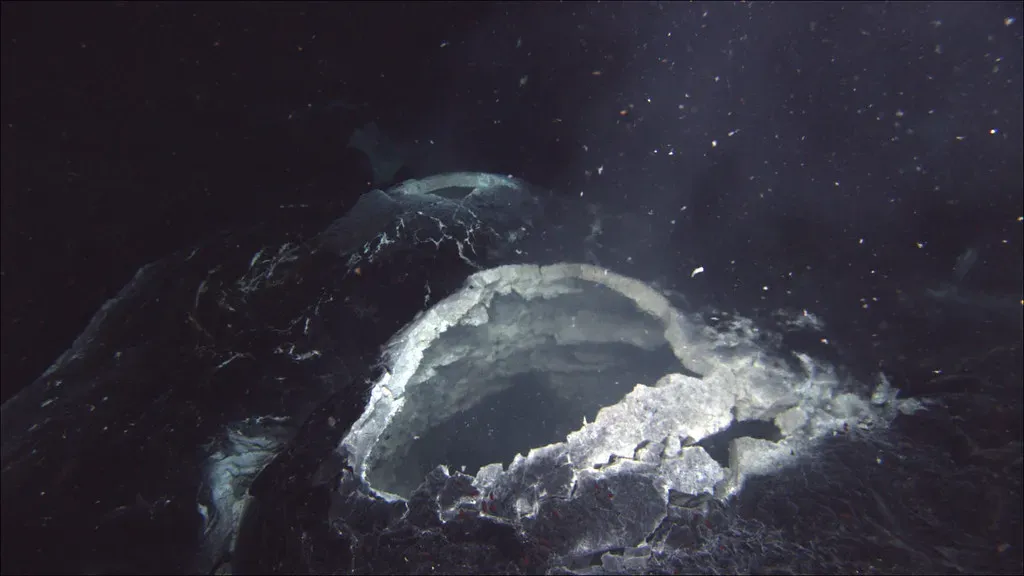
Scientists found the first Arctic hydrothermal vents only in 2003 in the Gakkel Ridge, and these vents are a hot-spot for sea organisms, with up to 100,000 times higher density of organisms than the surrounding ocean. Picture this: chimneys on the seafloor spewing water hot enough to melt lead, surrounded by life forms that shouldn’t logically exist.
The key to survival in this extreme environment lies in a process called chemosynthesis, where bacteria use chemicals like methane and hydrogen sulfide leaking from the ocean floor to generate energy. Vent fauna is diverse and abundant, and 500 new animal species have already been discovered at hydrothermal vents within the mid-ocean ridge system. No sunlight, no problem. These ecosystems prove that life doesn’t need the rules we thought were universal. It’s one of those things that makes you wonder what else might be possible out there in the universe.
The Giant Squid: Real-Life Kraken
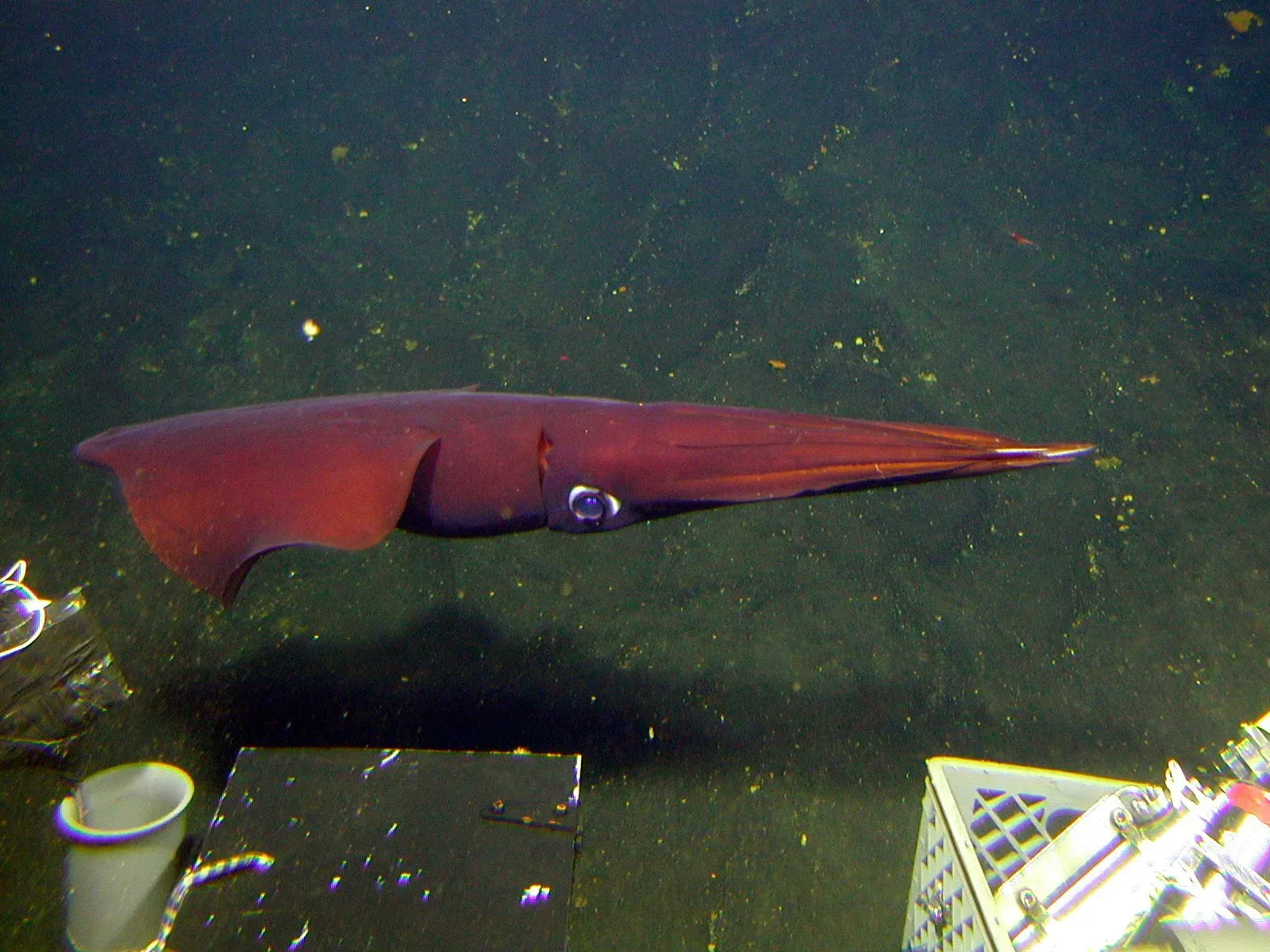
You’ve probably heard tales of the kraken dragging ships to the bottom of the sea. Those stories might be exaggerated, but the giant squid is very real. Very little is known about this mysterious creature of the deep, and it wasn’t even photographed alive until 2004. Scientists have learned virtually nothing about the lives of these deep-sea giants, not even how big they get, although some estimates predict they grow up to 66 feet.
Their cousin the colossal squid can grow up to 45 feet, but even less is known about them: A colossal squid was filmed for the first time in 2025, and it was only a 1-foot-long baby. Think about that. We live in an age where we can send robots to Mars, yet we only just managed to capture footage of one of Earth’s most elusive creatures. The ocean still holds secrets we’re barely beginning to uncover.
Strange Sounds From the Deep
One sound, named the Upsweep, was first recorded in 1991 by the National Oceanic and Atmospheric Administration and continues to be detected today, appearing to radiate from a point between New Zealand and South America. Curiously, activity seems to peak in spring and autumn, but as of yet, scientists have not resolved what’s causing it.
Then there’s the Bloop. Nothing like the mysterious bloop sound recorded in the South Pacific in 1997 had ever been heard before, and it was very loud, low-frequency, with a unique pattern that made some think it was a newly discovered creature lurking in the depths. Scientists finally cracked it in 2005: the Bloop was not the wail of a many-tentacled sea creature, but was the sound of an iceberg breaking away from a glacier. Still, the fact that we spent years trying to figure out what was making such an eerie noise says everything about how little we truly understand about the ocean.
Conclusion
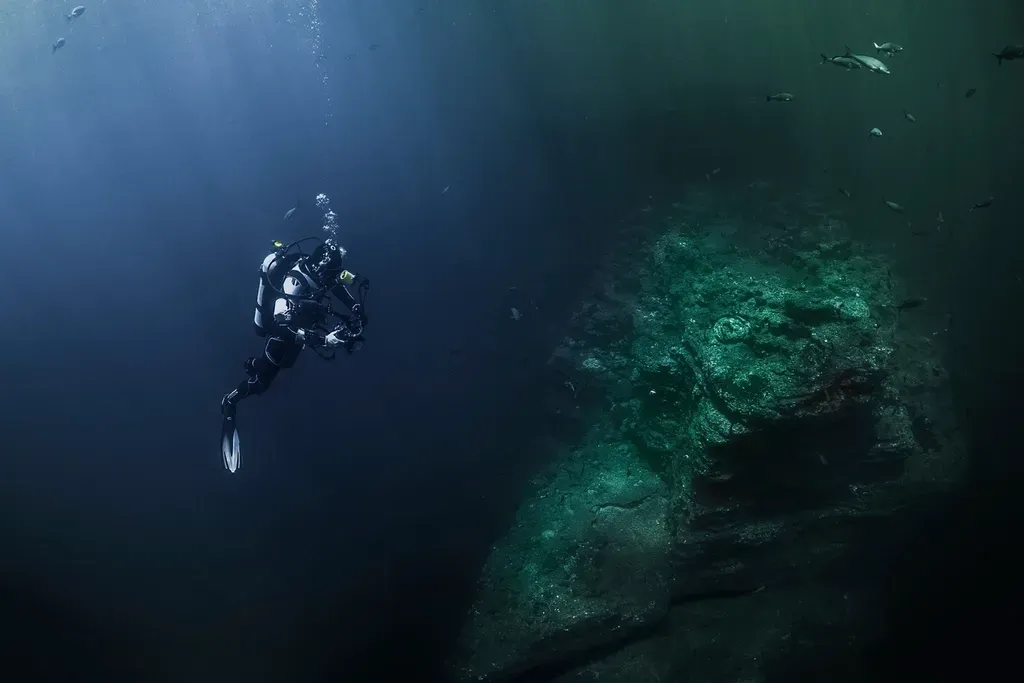
The ocean covers more than seventy percent of our planet, yet we’ve barely scratched its surface. From lakes hidden beneath the sea to sounds we can’t explain, from mysterious monuments to creatures that defy belief, the depths hold wonders we’re only beginning to discover. Researchers documented nearly 800 species over five years and 160 days at sea, many previously unknown. Every expedition reveals something new, something unexpected.
So the next time you stand at the edge of the ocean, remember this: you’re looking at a world that’s far stranger and more magnificent than most science fiction. What do you think is still out there, waiting to be found? Let us know in the comments.