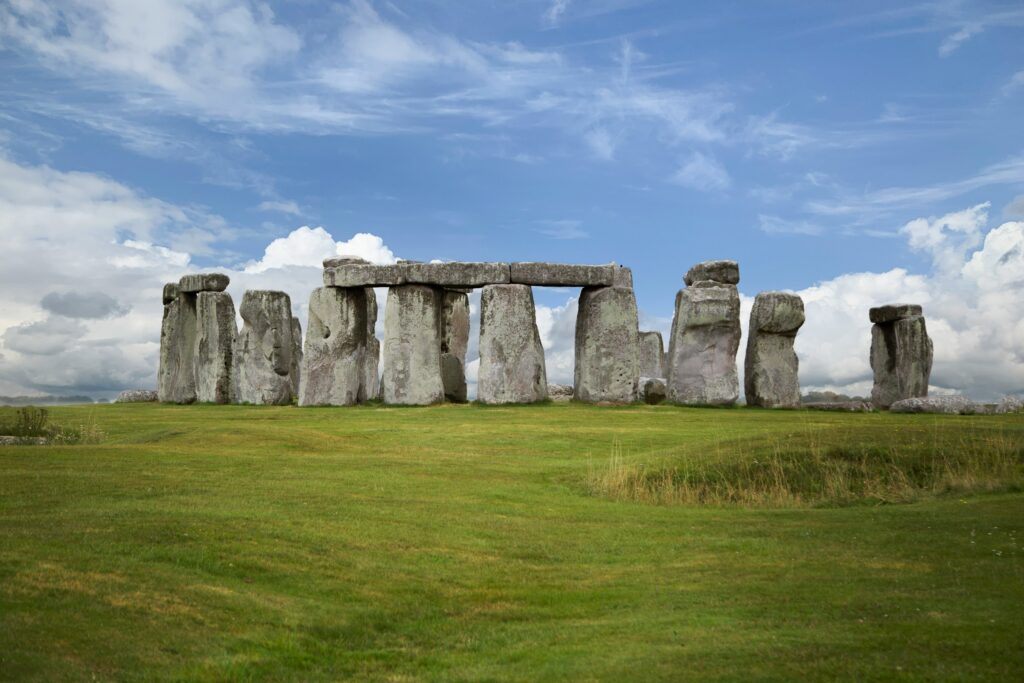

You’d think that with all the technology we have in 2026, scientists would have figured out Mother Nature by now. Powerful computers can map the human genome, telescopes peer deep into space, and we’re constantly discovering new species. Yet some things still leave the world’s brightest minds scratching their heads in confusion.
Nature has a way of keeping us humble. Just when you think you’ve got it all figured out, something shows up that completely defies explanation. Let’s be real, though. That’s part of what makes our planet so fascinating. Ready to dive into some seriously bizarre stuff? Here’s what continues to baffle even the smartest people on Earth.
Ball Lightning Is Real But Nobody Knows How
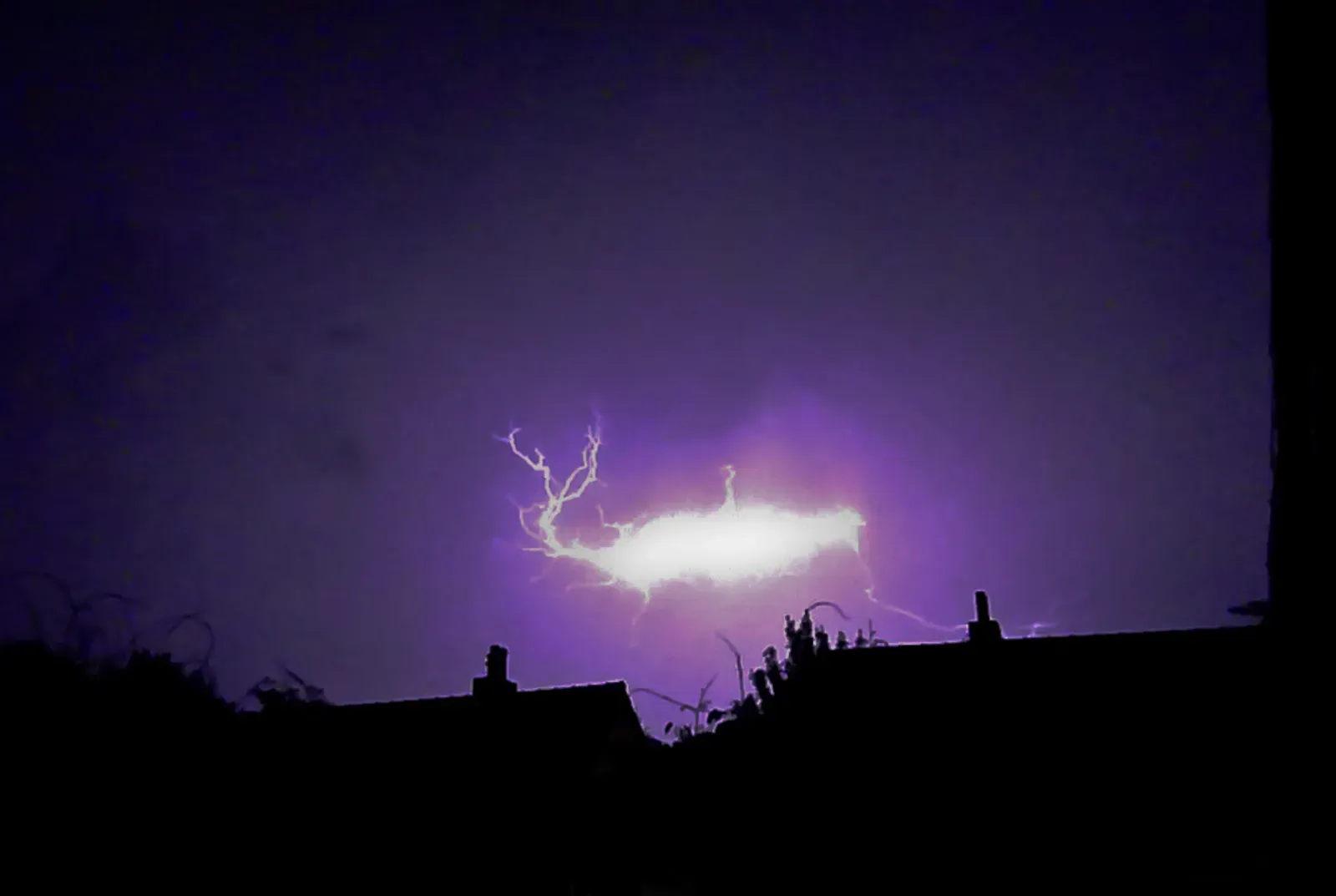
Ball lightning appears as glowing, floating spheres that can last several seconds before vanishing mysteriously during thunderstorms. Honestly, if you saw one yourself, you’d probably think someone spiked your drink. These mysterious orbs have been reported for centuries, yet scientists still can’t definitively explain what causes them.
Theories suggest microwave radiation could become encased in a plasma bubble, or that the orbs are light trapped inside thin air, but scientists remain uncertain about the true cause. Here’s the thing. Ball lightning is so unpredictable that studying it becomes nearly impossible. It’s hard to say for sure, but some researchers believe we’re still years away from cracking this mystery.
Fairy Circles Appear Out of Nowhere

Barren, circular patterns called fairy circles cover the Namib desert in Namibia, mystifying scientists for decades, and can measure between 3.5 to 35 meters across. Think of them as nature’s crop circles, except nobody’s blaming aliens for these ones. You’ll find these strange, regularly spaced patches of bare ground surrounded by grass in both Namibia and parts of Australia.
One theory claims plants compete for water while another suggests termites eat vegetation around their nests create these formations. Yet, researcher Stephan Getzin found fairy circles in areas without termites and argued hexagonal patterns were too precise for termites to make. The debate rages on, with neither explanation fully satisfying scientists who study them.
The Sun’s Corona Shouldn’t Be Hotter Than Its Surface
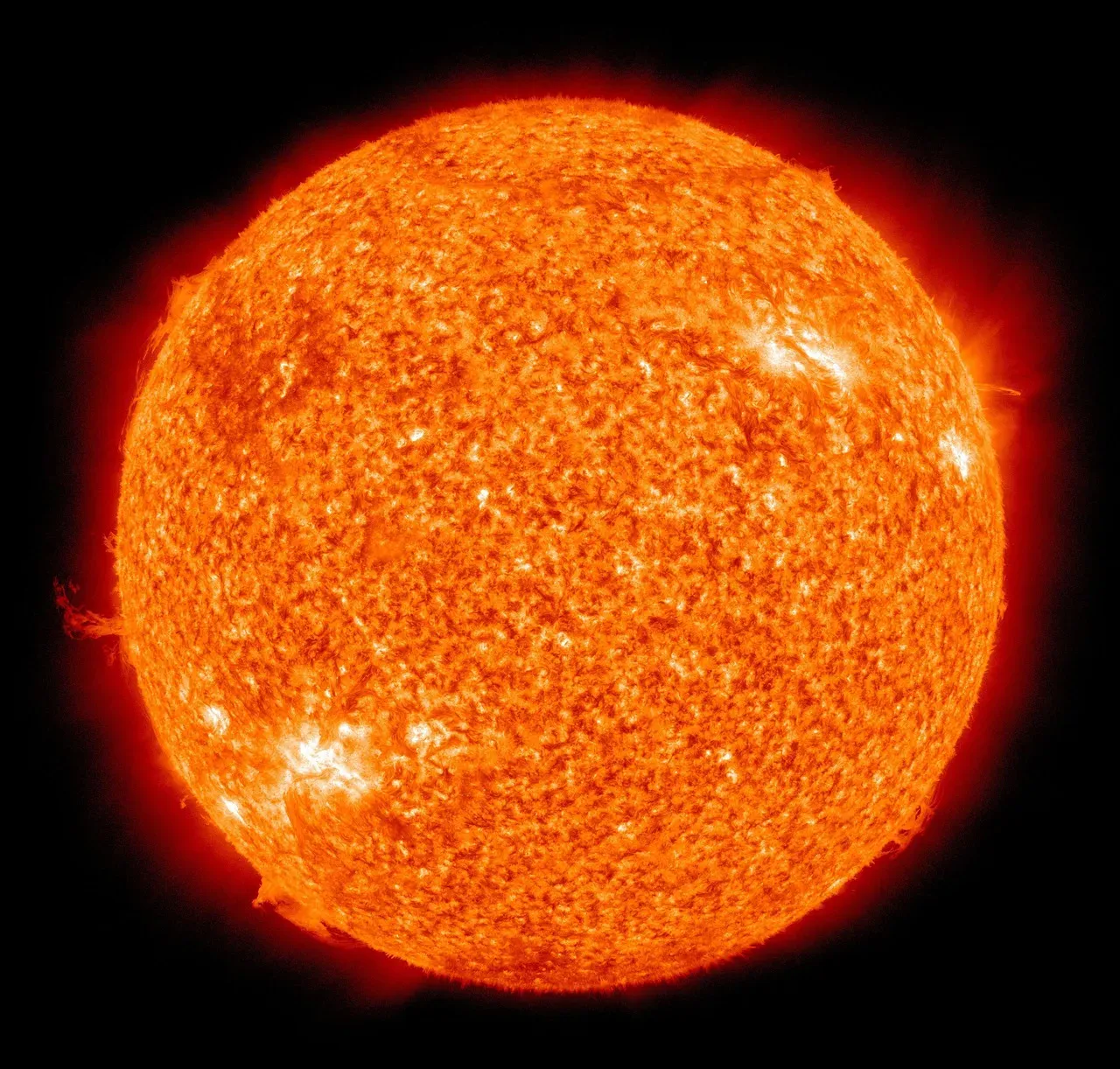
Common sense says a heat source should be hottest at its core, right? Wrong. While the sun’s surface temperature sits around 10,000 degrees Fahrenheit, its outer atmosphere reaches over two million degrees, which is over two hundred times hotter. That’s like standing next to a campfire and feeling colder the closer you get.
The reason remains a baffling mystery, with theories including heat induction from the sun’s magnetic field and upward plasma wave movement from the surface. I think it’s wild that we can land rovers on Mars but still can’t figure out why our own star behaves this way. Scientists have launched special missions to study the corona up close, but answers remain frustratingly elusive.
Skyquakes Boom Without Explanation
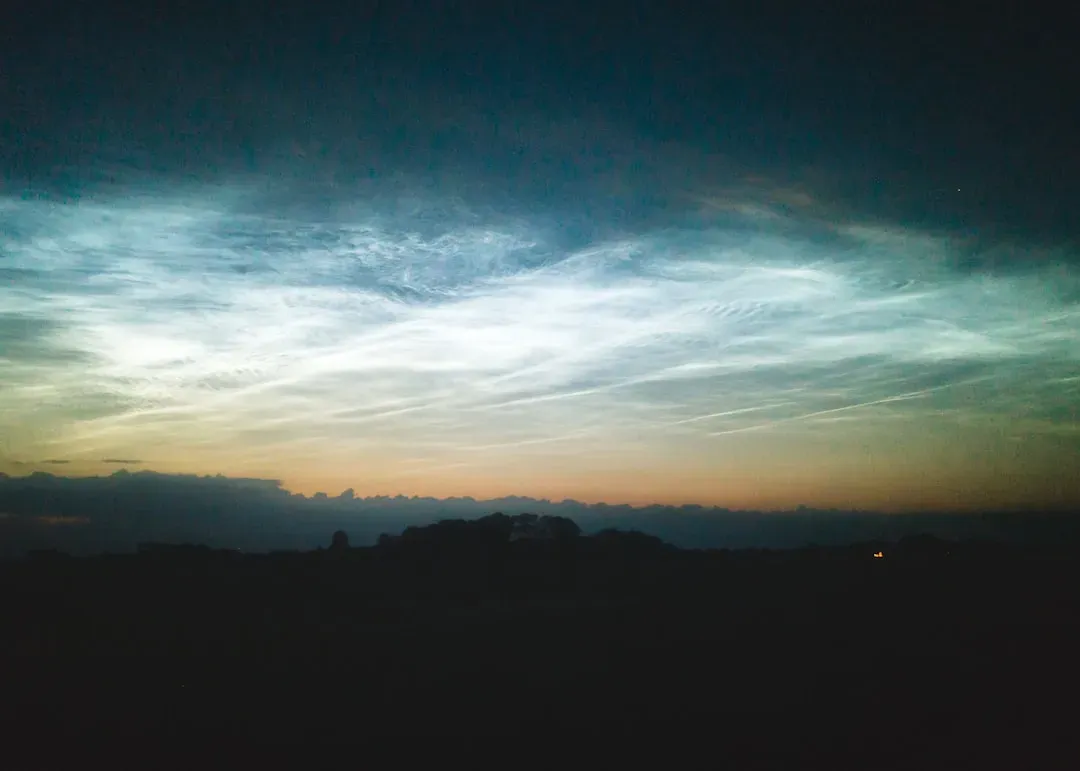
Skyquakes are described as loud, powerful booms reported worldwide for centuries, with over 64 incidents in 2017 alone. Imagine hearing a massive explosion that rattles your windows, yet nothing’s there. No planes overhead. No construction nearby. Just a mysterious boom from the sky.
No one has found the cause, though theories include meteors, clashing air masses, and coronal mass ejections that break the sound barrier. Many believe supersonic aircraft create sonic booms, but this theory fails to explain incidents before supersonic jets existed. These unexplained sounds continue to perplex researchers who can’t quite pin down their origin.
Dark Matter Exists But We Can’t See It
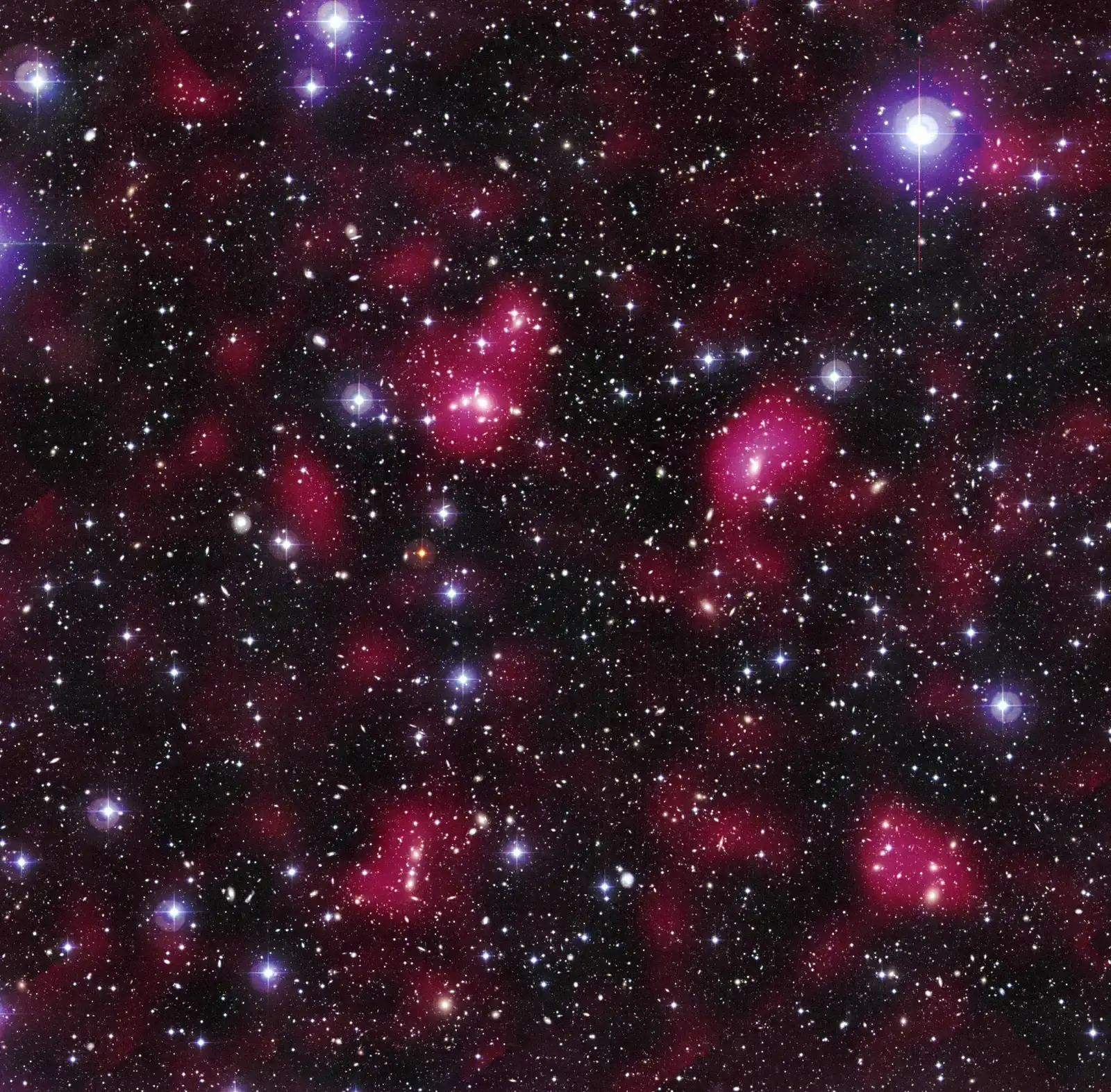
This invisible substance supposedly forms over 80% of matter in the universe, yet we have no idea what it’s actually made of. Let me break this down for you. Scientists know dark matter exists because of how it affects galaxies through gravity. You can see its influence everywhere, bending light and holding galaxies together.
It neither emits light nor interacts with the electromagnetic field, making direct observation impossible. Theories suggest it contains undiscovered elements like weakly interacting massive particles, but experiments continue and scientists remain in the dark. The irony isn’t lost on anyone that the vast majority of the universe consists of something we can’t detect.
Mass Whale Strandings Happen For Unknown Reasons
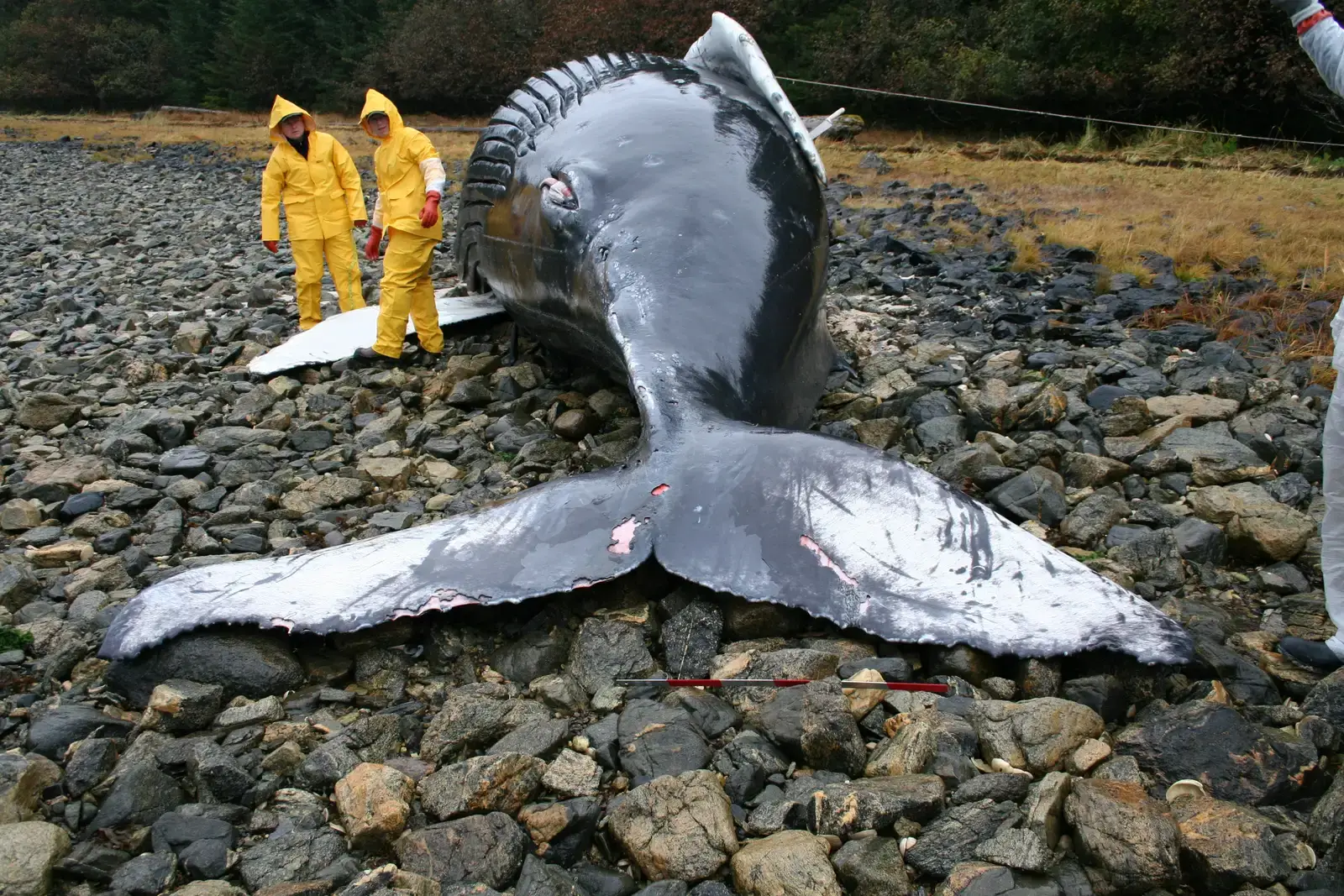
Large numbers of whales strand themselves on land unable to return to water, perishing from dehydration or suffocation, occurring fairly frequently along Australian and New Zealand coasts. It’s one of the most heartbreaking mysteries in nature. These intelligent creatures suddenly beach themselves in groups, and rescuers often arrive too late.
Scientists propose theories including navigation errors from geomagnetic disturbances, hunting gone wrong, or whales following distress calls from troubled individuals, but a single definitive cause remains elusive. Honestly, watching these events unfold on the news never gets easier. Multiple complex factors likely contribute, making prevention nearly impossible until we truly understand what drives these tragic events.
Conclusion

Nature keeps throwing curveballs at us, doesn’t it? From glowing spheres that appear out of nowhere to invisible matter holding the universe together, these mysteries remind us how much we still don’t know about our own planet. Scientists continue working tirelessly to solve these puzzles, using increasingly sophisticated technology and innovative thinking.
The beauty of these unexplained phenomena lies not in their mystery alone but in what they represent. They push the boundaries of human knowledge and challenge us to think differently. Each unsolved mystery becomes a doorway to potential breakthroughs that could revolutionize our understanding of nature. What do you think about these baffling natural phenomena? Share your thoughts in the comments below.
Hi, I’m Andrew, and I come from India. Experienced content specialist with a passion for writing. My forte includes health and wellness, Travel, Animals, and Nature. A nature nomad, I am obsessed with mountains and love high-altitude trekking. I have been on several Himalayan treks in India including the Everest Base Camp in Nepal, a profound experience.