
Have you ever wondered what life would look like completely disconnected from the modern world? No smartphones, no internet, no contact with global civilization. It sounds impossible in 2026, yet there are still communities choosing exactly that existence. These groups live in some of the most remote corners of our planet, fiercely protecting their independence from outsiders.
There are at least 196 uncontacted Indigenous groups living in forests across the globe. Their decision to remain isolated is often misunderstood. Many people assume these tribes are simply lost in time, but honestly, that’s not the full picture. This behaviour suggests that many tribes are aware of the outside world and choose not to make contact unless motivated by fear or self-interest. The truth is far more complex and compelling than simple stories of isolation.
1. The Mashco Piro: Amazon’s Largest Uncontacted Group
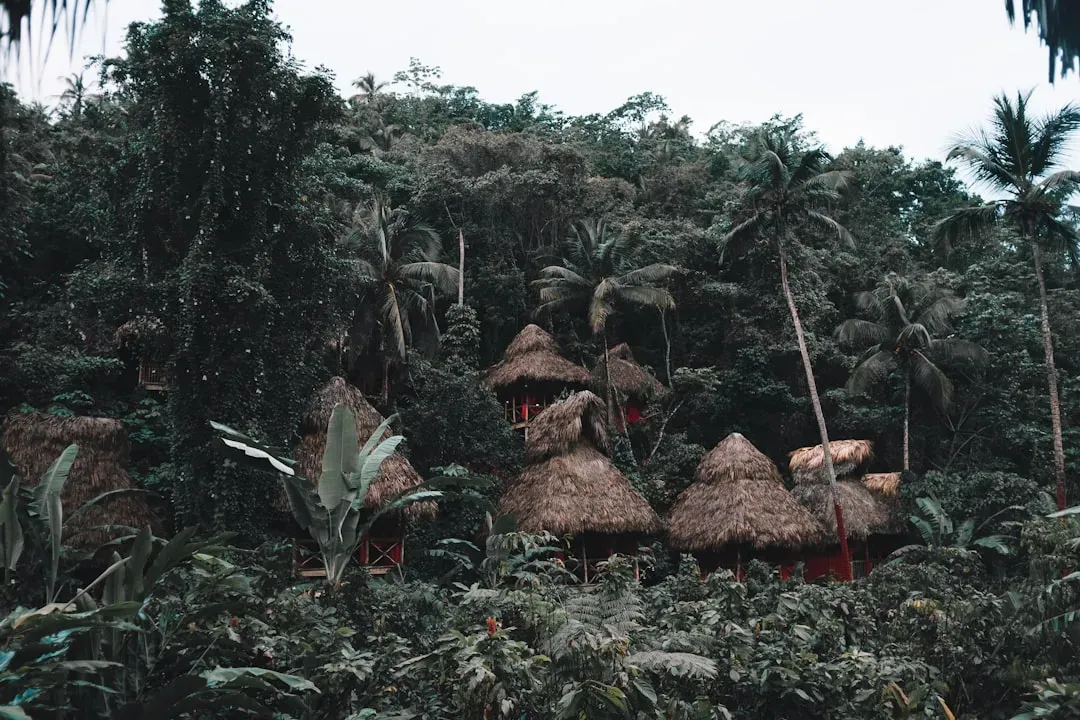
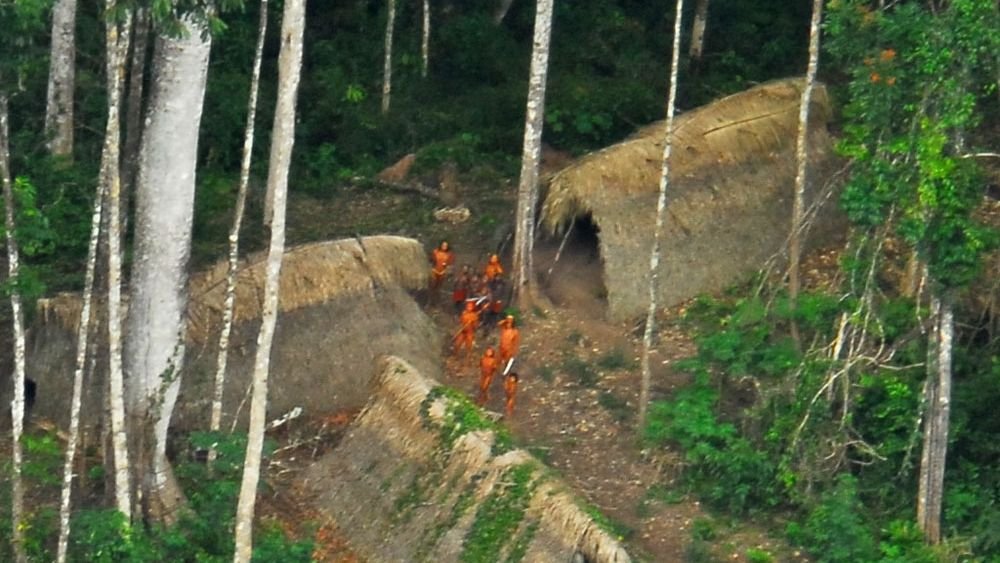
Deep within the Peruvian Amazon lives what might be the world’s largest uncontacted tribe. The Mashco Piro tribe, estimated to have 750 members, lives in the Peruvian Amazon, near the border with Brazil. These nomadic people have become increasingly visible in recent years, emerging from dense jungle to walk along riverbanks. Their appearances aren’t random, though. More than 50 people who belong to the Mashco Piro tribe have been seen leaving the Peruvian Amazon rainforest in recent weeks in search of food, apparently moving away from the growing presence of logging companies.
What makes their situation particularly urgent is the threat they face. More than 70% of the Peruvian Amazon has been leased by the government to oil companies. Much of this includes regions inhabited by uncontacted tribes. The Mashco Piro fled into isolation during the brutal rubber boom of the 1800s, when violence and exploitation were rampant. Today, logging companies have built over 120 miles of roads cutting through their territory, bringing modern dangers closer than ever before.
2. The Sentinelese: Guardians of North Sentinel Island
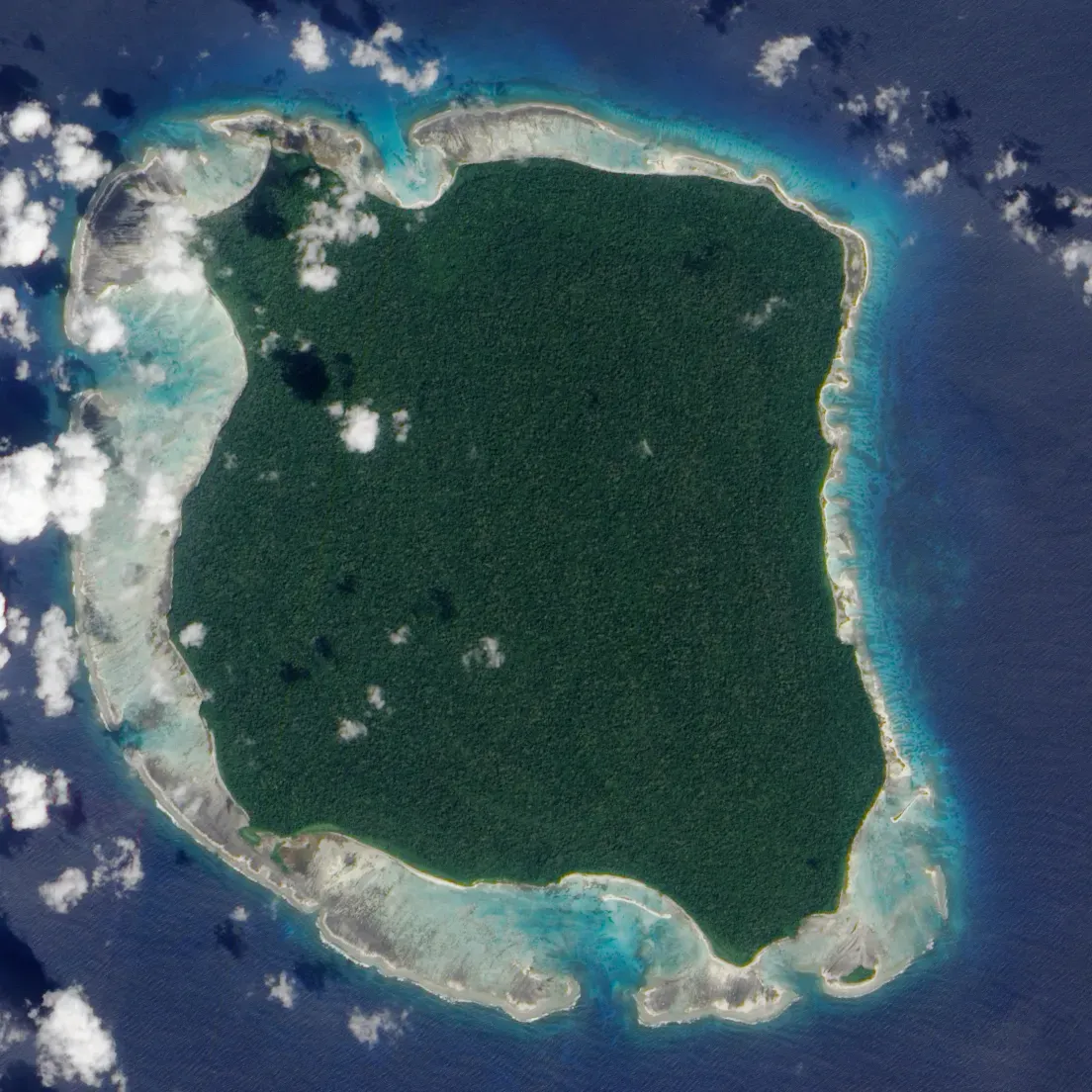
The Sentinelese are the most isolated Indigenous people in the world. Living on North Sentinel Island in the Bay of Bengal, this tribe has rejected virtually all contact with the outside world. Their home is approximately the size of Manhattan, covered in dense tropical forest and surrounded by coral reefs. What we know about them could fit on a single page.
The Andaman and Nicobar Islands Protection of Aboriginal Tribes Regulation 1956 prohibits travel to the island and any approach closer than five kilometres (three miles), in order to protect the remaining tribal community from “mainland” infectious diseases against which they likely have no acquired immunity. The Indian government has essentially granted them autonomy. When helicopters flew over after the devastating 2004 tsunami to check on survivors, the Sentinelese responded by firing arrows at the aircraft. They were fine, thank you very much. Their message has remained consistent over centuries: stay away.
3. Isolated Peoples of West Papua: Hidden in Dense Jungle
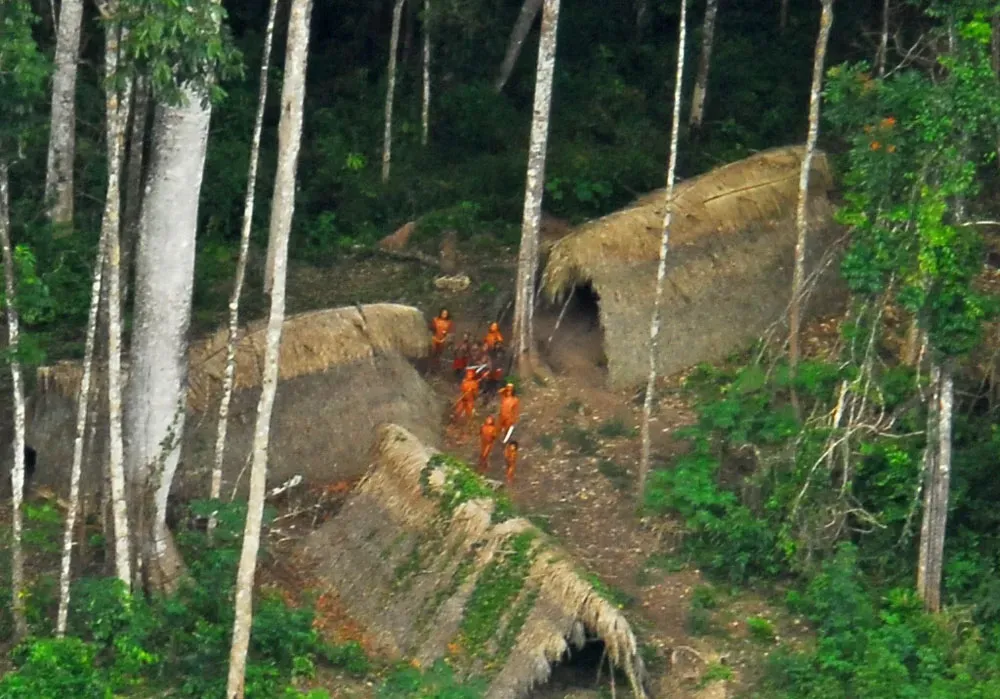
The rainforests of West Papua hold mysteries that few outsiders will ever witness. Researchers believe the rainforests of West Papua on the island of New Guinea in the western Pacific Ocean may be home to as many as forty different uncontacted Indigenous groups. This Indonesian-controlled region presents unique challenges for understanding these communities, as access for journalists and researchers is severely restricted.
Since Indonesia illegally occupied West Papua in 1963, it has embarked on a brutal and ongoing campaign of violence towards the West Papuan people, who have never accepted Indonesian rule. Experts have described such killings as part of a ‘Neglected Genocide’ and it is estimated that over 500,000 Indigenous West Papuan people have died since the Indonesian occupation began. The uncontacted tribes here face threats from massive gold mining operations, deforestation projects, and military expansion. Their survival depends on remaining invisible in increasingly shrinking forests.
4. The Murunahua: Survivors of First Contact Tragedy
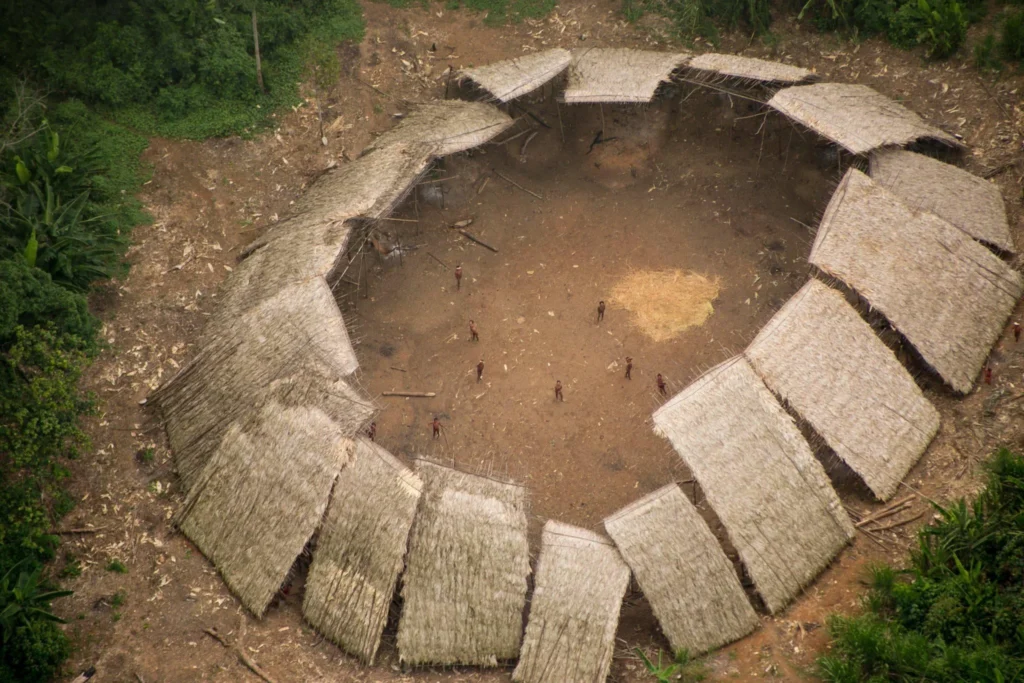
Sometimes contact with the outside world leads to catastrophe, and the Murunahua people know this all too well. This Peruvian tribe experienced devastating losses when illegal mahogany loggers forcibly contacted them in the mid-1990s. In Peru, more than 50% of the previously-uncontacted Nahua tribe were wiped out following oil exploration on their land in the early 1980s, and the same tragedy engulfed the Murunahua in the mid-1990s after being forcibly contacted by illegal mahogany loggers.
The survivors carry physical and emotional scars from that encounter. Disease spread rapidly through their community, killing roughly half the population within months. Those who remain continue to live in the remote Amazon, now acutely aware of the dangers that outsiders bring. Their experience serves as a stark warning about why uncontacted tribes choose isolation.
5. The Ayoreo-Totobiegosode: Last Uncontacted South of the Amazon
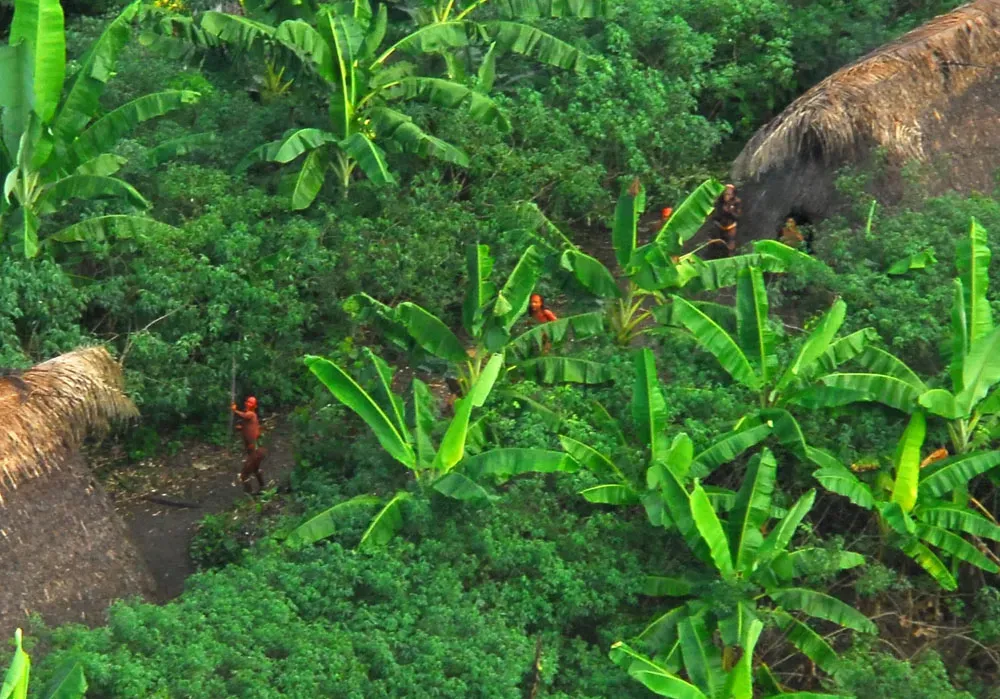
They are the last uncontacted peoples south of the Amazon Basin, and are in Amotocodie. Living in the Gran Chaco region of Paraguay, the Ayoreo-Totobiegosode face an existential crisis. Their ancestral territory is being systematically destroyed and converted into cattle ranching land by Brazilian companies.
According to Survival International, Brazilian company Yaguarete Porá S.A. is converting thousands of hectares of the Ayoreo-Totobiegosode tribe’s ancestral territory into cattle ranching land. Some members of the Ayoreo have made contact with the outside world, and they desperately advocate for their isolated relatives. In 2021, representatives appealed to international human rights bodies to save their land from complete destruction. The clock is ticking for these forest dwellers as bulldozers advance deeper into their home.
6. The Isconahua and Mastanahua: Peru’s Elusive Communities
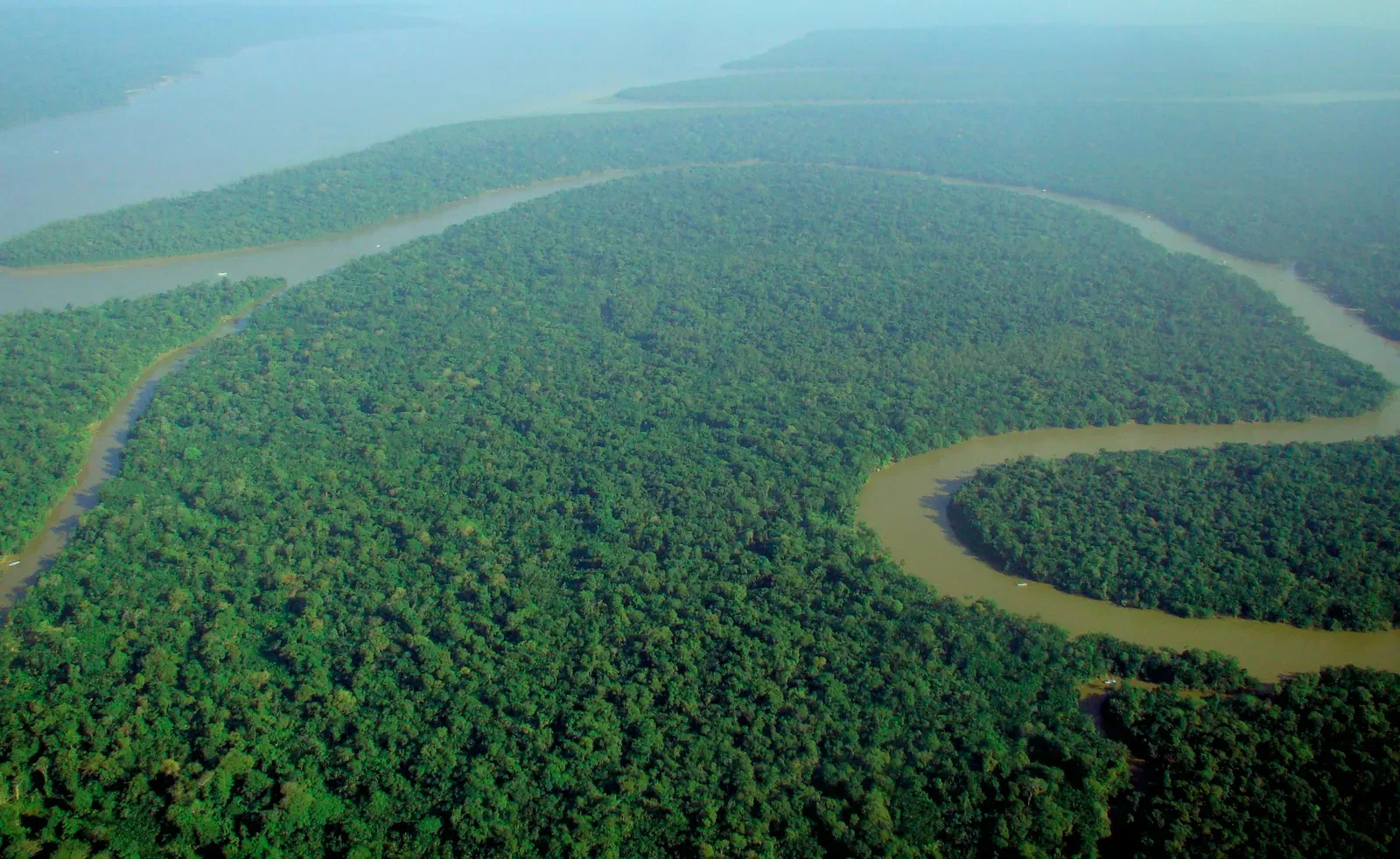
Peru hosts numerous uncontacted groups beyond the Mashco Piro, and among them are the Isconahua and Mastanahua peoples. They include the Kakataibo, Isconahua, Matsigenka, Mashco-Piro, Mastanahua, Murunahua (or Chitonahua), Nanti and Yora. These groups inhabit some of the most remote regions of the Peruvian Amazon, moving through territories that overlap with areas coveted for natural resource extraction.
The greatest threats to Peru’s uncontacted tribes are oil workers and illegal loggers. The Peruvian government has created five reserves for uncontacted peoples, but six more remain unprotected. These tribes speak dialects of Panoan languages and share cultural similarities, yet each maintains distinct practices and territories. Their survival depends on vast stretches of intact forest, which grow smaller each year as development pushes ever deeper into the jungle.
7. The Korowai: Tree House Dwellers of Papua
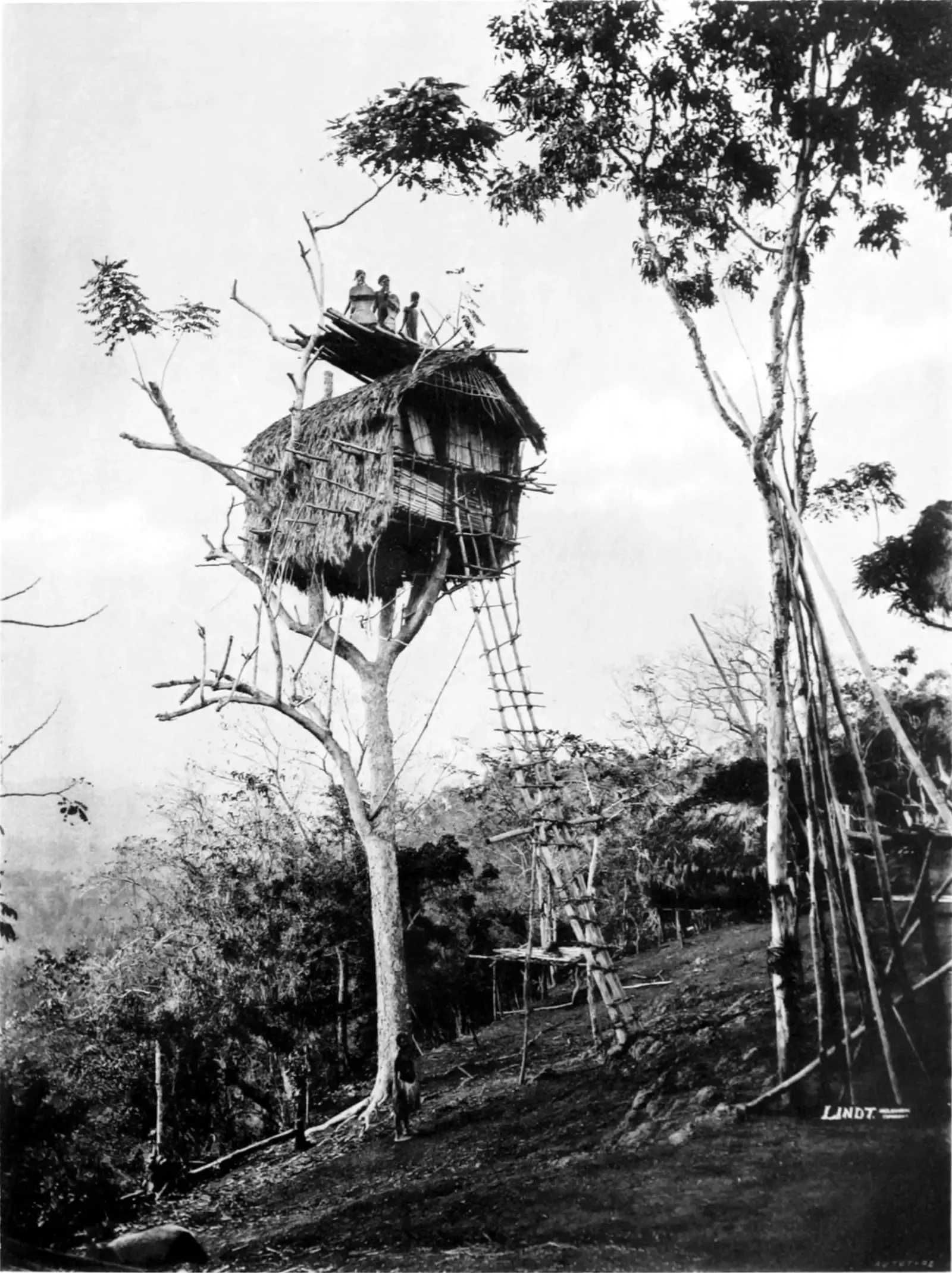
In the swamplands and forests of West Papua lives a group known for their extraordinary architectural achievements. The Korowai people, sometimes called the Kolufo, traditionally built their homes high in the rainforest canopy. While some Korowai have had limited contact with the outside world, isolated groups continue to live in the dense forests near the border with Papua New Guinea.
Their tree houses can reach heights of up to 150 feet above the ground, built as protection from flooding, insects, and potential enemies. These remarkable structures demonstrate sophisticated engineering knowledge passed down through generations. The Korowai hunt, gather, and practice limited agriculture in one of the most challenging environments on Earth. Access to their territory remains difficult, and the Indonesian government’s restrictions on outside access mean much about their current situation remains unknown.
8. The Nukak: A Cautionary Tale of Contact
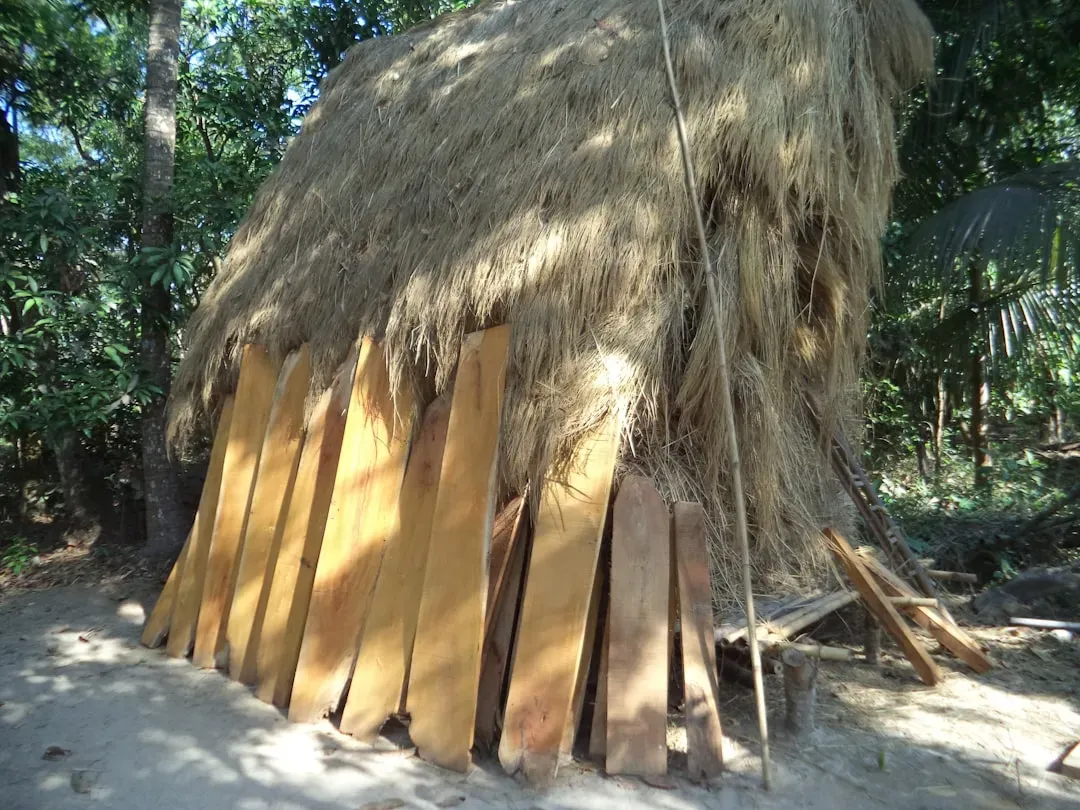
The story of the Nukak tribe from Colombia illustrates exactly why isolation might be the wisest choice for uncontacted peoples. A different outcome occurred in Colombia when an evangelical group contacted the Nukak tribe of Indigenous people. The tribe was receptive to trade and eventually moved to have closer contact with settlers. This led to an outbreak of respiratory infections, violent clashes with illicit drug traffickers, and the death of hundreds of the Nukak – more than half of the tribe.
Eventually, the Colombian government forcibly relocated the tribe to a nearby town where they received food and government support but were reported as living in poverty. The Nukak went from self-sufficient forest dwellers to impoverished dependents within just a few years. Their language is disappearing, their traditional knowledge eroding, and their population continues to decline. This tragedy demonstrates that contact, even when seemingly peaceful, can destroy a people’s entire way of life.
The world’s remaining uncontacted tribes represent humanity’s last truly independent societies. In their 2025 report, Survival International predicted that almost half of the world’s 196 uncontacted peoples could be wiped out within 10 years. Their isolation is not about being stuck in the past but about making an informed choice to protect their cultures, health, and autonomy. These communities have watched from the forest shadows as contact has devastated neighboring tribes through disease, violence, and cultural destruction.
Perhaps the real question isn’t why they choose isolation, but whether we can respect that choice long enough for them to survive. What do you think? Should these tribes be left alone, or does the modern world have a responsibility to reach out?