
You’ve heard them your whole life. Maybe your parents told you, or a teacher mentioned them in passing, or they just became part of what you know about the world. These scientific “facts” are so widely believed that hardly anyone questions them anymore. They float around at dinner parties, pop up in casual conversation, and get passed down through generations like family heirlooms.
Here’s the thing though. Most of them are completely wrong. Science has debunked these myths time and time again, yet they persist with remarkable stubbornness. Let’s be real, it’s kind of embarrassing how many of us still repeat them without a second thought. Ready to find out which ones you’ve been getting wrong? Let’s dive in.
You Only Use Ten Percent of Your Brain
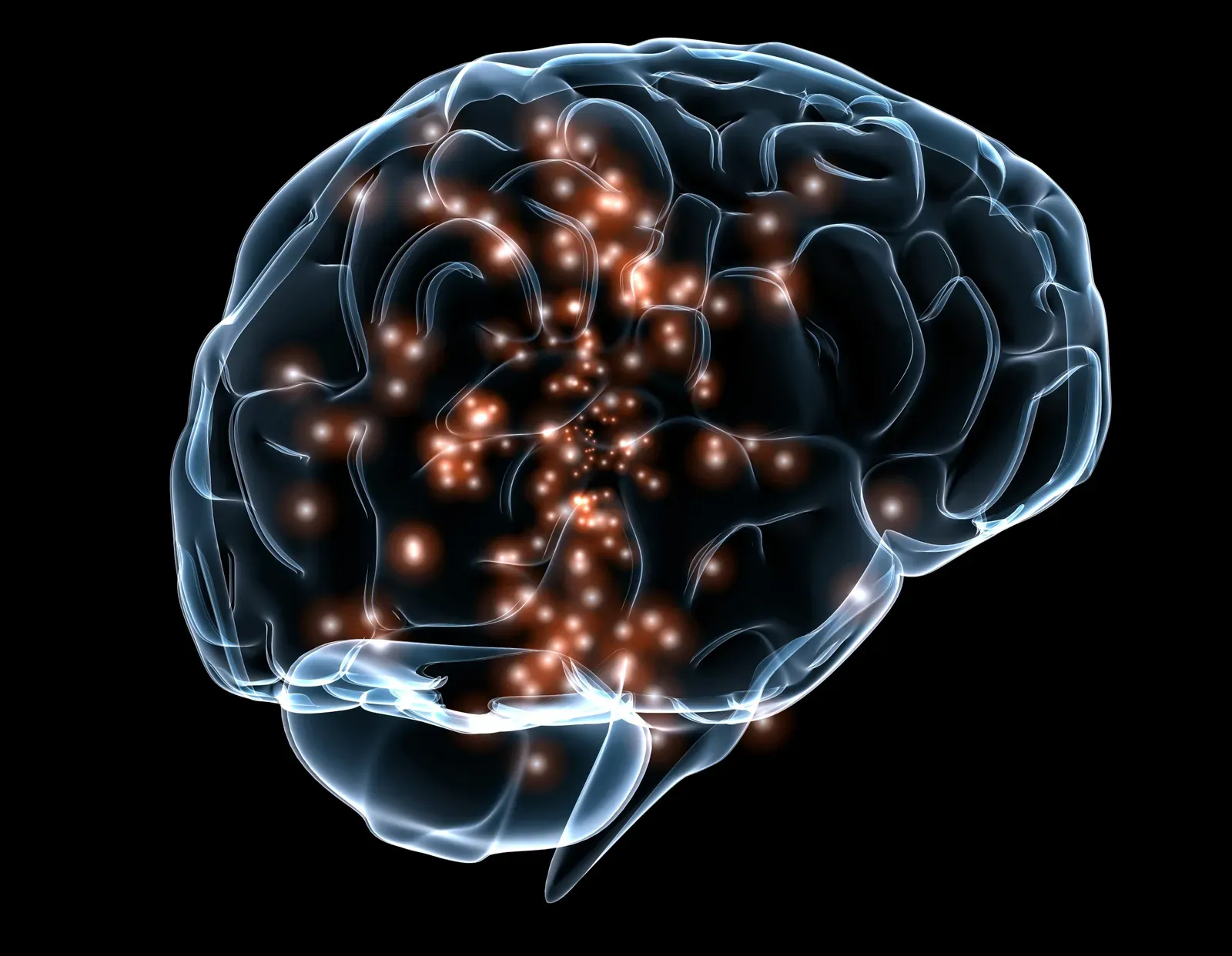
It’s true that there’s a great deal we don’t know about the brain, but we certainly do know that we use our entire brain. Think about it logically for a second. The brain only weighs a couple of pounds, it is incredibly energetically demanding, requiring about 20% of all of the oxygen and glucose brought into the body. Why would your body invest so much precious energy into maintaining an organ that’s mostly sitting idle?
Brain scans show activity throughout the entire brain, even during simple tasks like sleeping or daydreaming. Different regions light up depending on what you’re doing, sure, yet over the course of a day, you’re using all of it. The myth may have originated from a 1936 book that mentioned Harvard Professor William James claiming an average person only utilises 10% of his mental capacity. That’s a long time for a falsehood to stick around, don’t you think?
Lightning Never Strikes the Same Place Twice

This old saying sounds poetic and comforting, I’ll give it that. Lightning is a huge electrostatic discharge searching for a way down, and it isn’t particularly interested in whether or not it has been hit before. Tall structures are actually prime targets for repeated strikes because they offer the shortest path to the ground.
In fact, lightning strikes the Empire State Building around 100 times per year. Lightning strikes are too frequent to not strike the same place on earth multiple times, with around 500 to 1000 lightning strikes happening globally every second. The myth probably started as a metaphor for unlikely events, yet somewhere along the way, people started taking it literally. Nature doesn’t keep a checklist of places it’s already hit.
Bulls Get Angry When They See Red

Bulls can’t actually see red because they’re partially color blind and are only able to make out yellowish-green and bluish-purple shades. So when that matador waves his crimson cape around, the bull couldn’t care less about the color. It’s not the color of the cape that angers the bull but it’s the movement of the cape.
Experiments have proven this repeatedly. Bulls favored movement over the color of the cape every time when tested with different colored capes being stationary and being moved. The whole red thing is just theatrical flair for the audience. Honestly, it makes you wonder what other animal behaviors we’ve completely misunderstood because of showmanship and storytelling.
Antibiotics Can Cure Your Cold or Flu

Antibiotics, by their very definition, kill bacteria, and the common cold and influenza are viruses and are not affected by antibiotic use. This isn’t just a harmless misconception either. Taking antibiotics when you don’t need them has real consequences.
Taking antibiotics in a manner contrary to their intended purpose or dosage instruction could cause other common bacteria within the body to become drug-resistant. That’s how we get superbugs that are incredibly difficult to treat. The CDC has reported that physicians write tens of millions of antibiotic prescriptions each year for illnesses that are viral. Next time you’re sick with a cold, resist the urge to demand antibiotics from your doctor. You’re not doing yourself any favors.
Cracking Your Knuckles Causes Arthritis

While cracking your knuckles may be annoying for those around you, it has no correlation to arthritis in those joints, as several studies that aimed to find a link between the two found no substantial evidence. The satisfying pop you hear is just a bubble forming and popping in the fluid around your joints. Nothing sinister is happening in there.
Those who excessively cracked their knuckles did have slightly weaker grip strength later in life. It causes no trauma to these areas that would accelerate the onset of inflammation to these joints, which is what arthritis is. So go ahead and crack away if it feels good, though maybe not during quiet moments at the library or when your grandmother is trying to nap. She probably still believes the arthritis myth anyway.
Bats Are Blind

The phrase “blind as a bat” has misled generations of people. Bats can actually see quite well, and these flying mammals may actually even have sharper eyesight than humans, with some of the larger fruit-eating bats able to see three times better than people. Their erratic flight patterns and close proximity to objects probably contributed to the misconception.
Since bats are nocturnal, they have highly sensitive vision, allowing them to hunt their prey in the pitch black night sky, as their eyes simply need less light than humans do in order to see clearly. Yes, they also use echolocation, which is incredibly sophisticated. Having both exceptional vision and biological sonar? Bats are basically the superheroes of the night sky, not the fumbling blind creatures we imagined them to be.
Water Drains Opposite Directions in Different Hemispheres
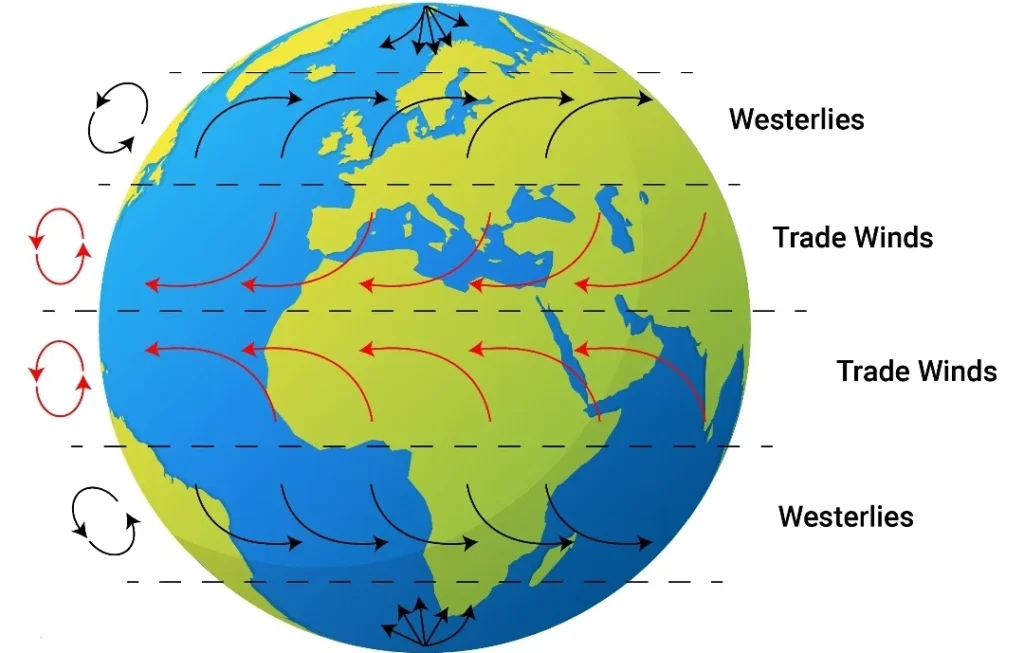
You’ve probably heard this one about toilets or bathtubs. People may have come to believe this was possible because of something called the Coriolis effect, which is the curving of the path of objects or fluids due to the rotation of the Earth, though it only works over very large distances or very long times.
Cyclones and hurricanes do spin in opposite directions in opposite hemispheres, but the direction a toilet flushes has nothing to do with the Earth’s spin. The Coriolis Effect only influences things moving great distances or long periods of time on earth, not a five second toilet flush. The real culprit? The design of your toilet bowl and the angle of the water jets. Sorry to burst that bubble, but your plumbing is not a geography lesson.
Conclusion
Science myths are stubborn little things, aren’t they? They survive because they sound plausible, get repeated often enough, and honestly, because we don’t always take the time to question what we think we know. The truth is that science is constantly evolving, correcting itself, and refining our understanding of the world. What seemed obvious to previous generations often turns out to be completely backwards.
The next time someone confidently declares one of these myths as fact, you’ll know better. Share what you’ve learned, gently correct the record, and maybe we can finally put these misconceptions to rest. Knowledge is meant to be updated, not preserved in amber. What other “facts” have you been repeating your whole life without realizing they’re wrong? Did any of these surprise you?