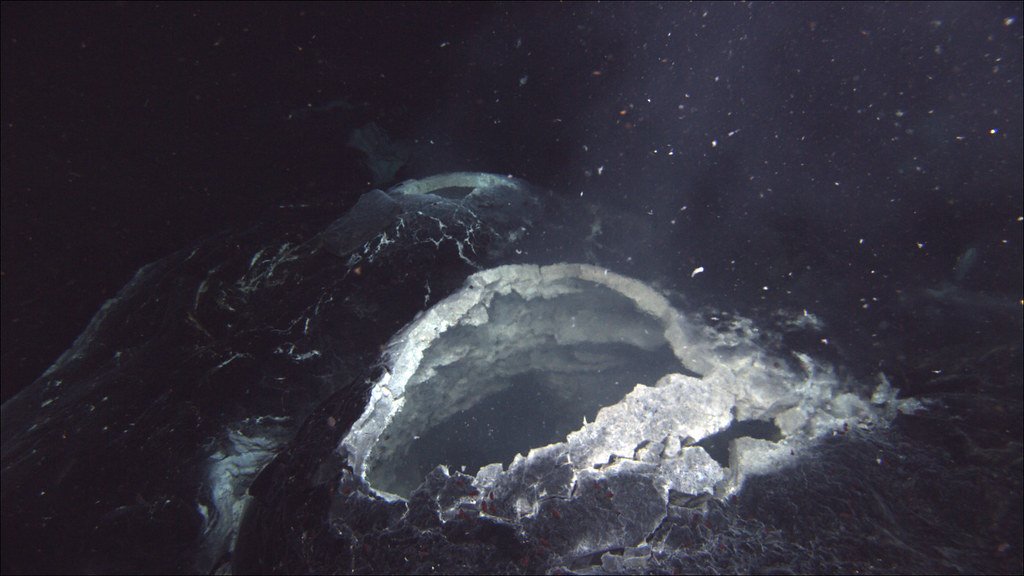

Picture this. You’re descending into complete darkness, miles below the ocean’s surface. The pressure is crushing. The cold is absolute. There’s no sunlight whatsoever, no plants, no photosynthesis. Logic tells us nothing should survive here.
Yet against all odds, you witness something extraordinary. Life doesn’t just exist in this alien world; it thrives with a vitality that rivals tropical rainforests. In 1977, scientists exploring the Galápagos Rift discovered deep-sea hydrothermal vents and realized that an entirely unique ecosystem, including hundreds of new species, existed around the vents. This discovery fundamentally changed how we understand life on Earth. What secrets do these underwater oases hold, and what can they teach us about survival in impossible conditions?
Where Fire Meets Ice: The Birth of Hydrothermal Vents
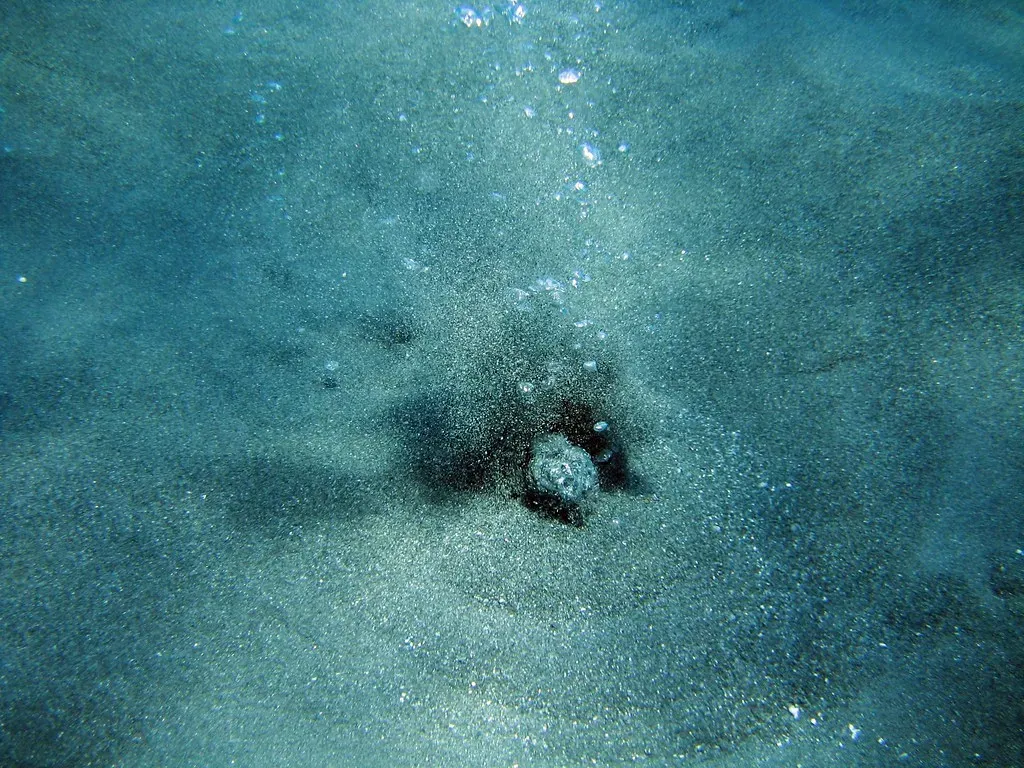
Hydrothermal vents usually occur on divergent plate boundaries, where tectonic plates are moving apart, and they expel a fluid that was heated to extreme temperatures when seeping through the Earth’s crust from the ocean. Think of them as underwater geysers powered by Earth’s internal furnace. Cold seawater seeps down through cracks in the ocean floor, where it encounters scorching magma chambers below.
Seawater circulates deep in the ocean’s crust and becomes superheated by hot magma, and as pressure builds and the seawater warms, it begins to dissolve minerals and rise toward the surface of the crust before the hot, mineral-rich waters exit the oceanic crust and mix with the cool seawater above. The result is spectacular. Water emerges from these vents at temperatures ranging from 60 degrees Celsius up to as high as 464 degrees Celsius, in contrast to the approximately 2 degrees Celsius ambient water temperature at these depths. Seawater in hydrothermal vents may reach temperatures of over 700 degrees Fahrenheit, and hot seawater does not boil because of the extreme pressure at the depths where the vents are formed.
Black Smokers and White Smokers: Nature’s Chimneys
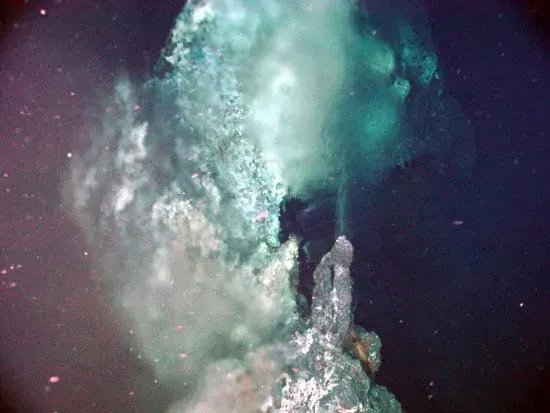
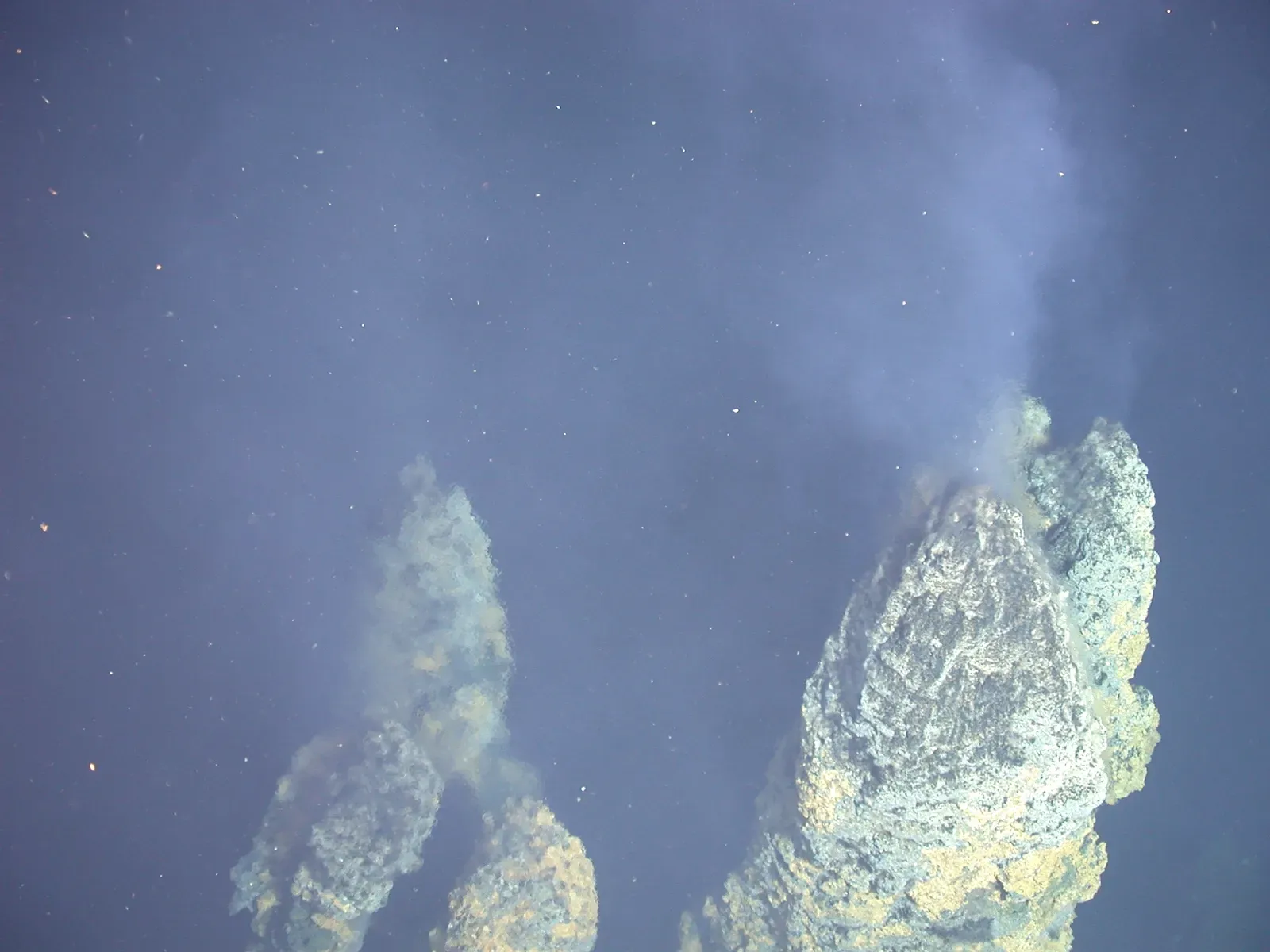
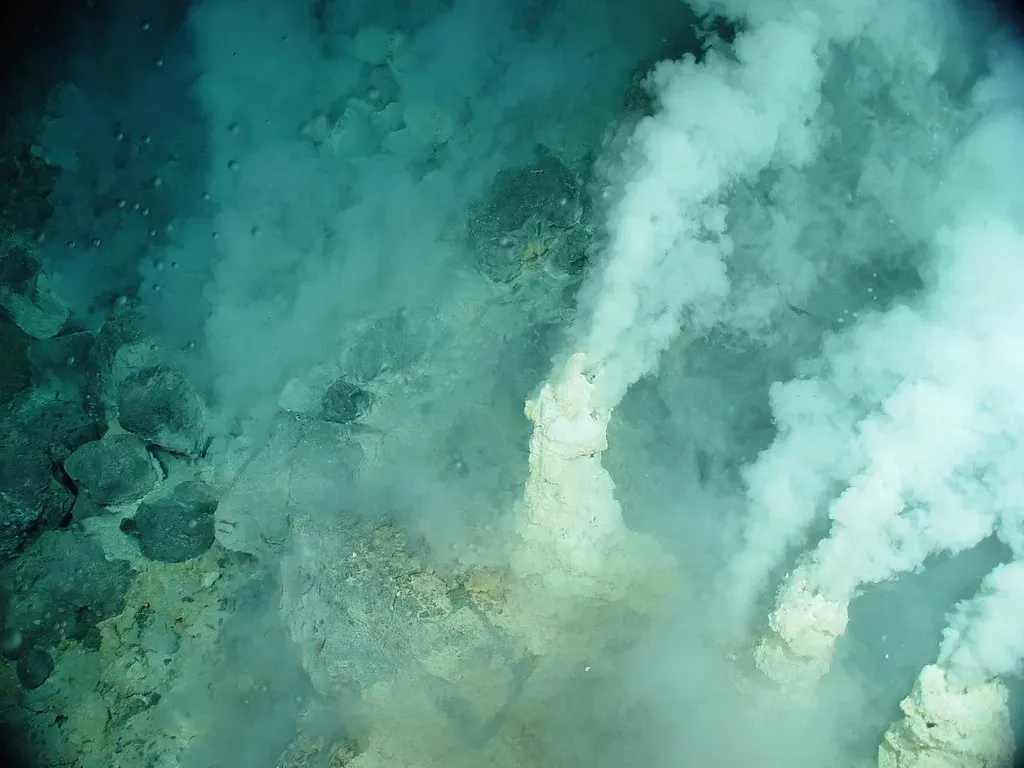
High temperature hydrothermal vents, the “black smokers,” were discovered in spring 1979 using the submersible Alvin while exploring the East Pacific Rise at 21 degrees north. These dramatic structures look like something from a science fiction movie. The sight is mesmerizing: dark plumes billowing from towering chimneys on the ocean floor.
Black smokers emit the hottest, darkest plumes, which are high in sulfur content and form chimneys up to 18 stories tall, or 55 meters. The plumes of white smokers are lightly colored and rich in barium, calcium, and silicon, and compared to black smokers, white smokers usually emit cooler plumes and form smaller chimneys. When the superheated fluid hits frigid seawater, minerals precipitate instantly, creating these chimney-like structures. It’s honestly like watching geology happen in real time, layer by layer.
Chemosynthesis: Life’s Alternative Energy Source
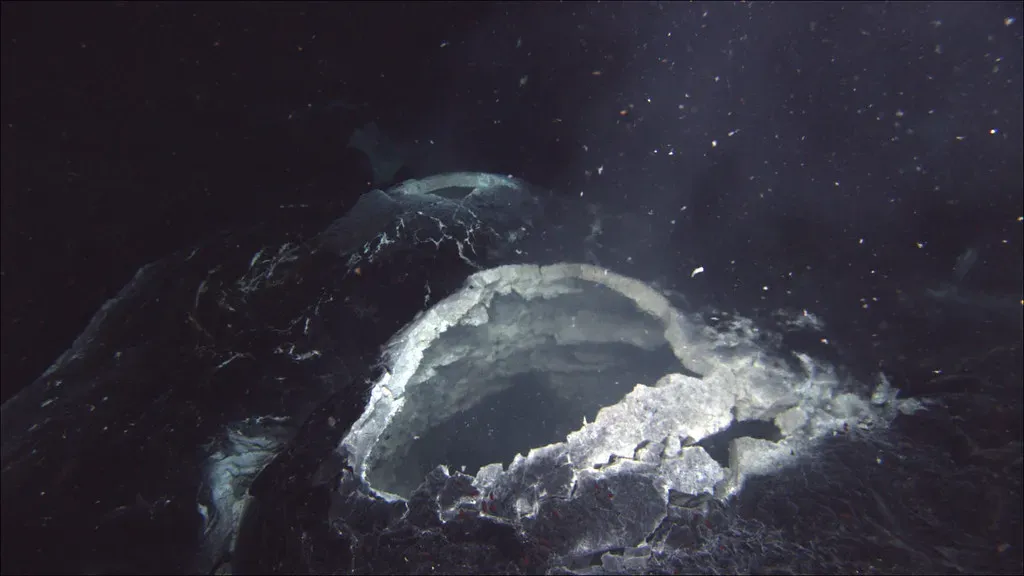
Here’s where things get truly fascinating. Since sunlight does not reach deep-sea hydrothermal vents, organisms cannot obtain energy from the sun to perform photosynthesis; instead, the microbial life found at hydrothermal vents is chemosynthetic, fixing carbon by using energy from chemicals such as sulfide. Instead of photosynthesis, these organisms use chemosynthesis, the process of creating sugars using energy released from chemical reactions.
Instead of using light energy to turn carbon dioxide into sugar like plants do, vent microbes harvest chemical energy from the minerals and chemical compounds that spew from the vents through a process known as chemosynthesis. It’s hard to say for sure, but this might represent one of the most important biological processes on the planet that most people have never heard of. Like plants and algae on land and in shallow waters, the vent microbes are the primary producers in their food web and are eaten by larger animals, with bottom feeders like limpets grazing on microbial mats and suspension feeders like mussels feeding on bacteria floating in the water.
Giant Tube Worms: Masters of Extreme Living
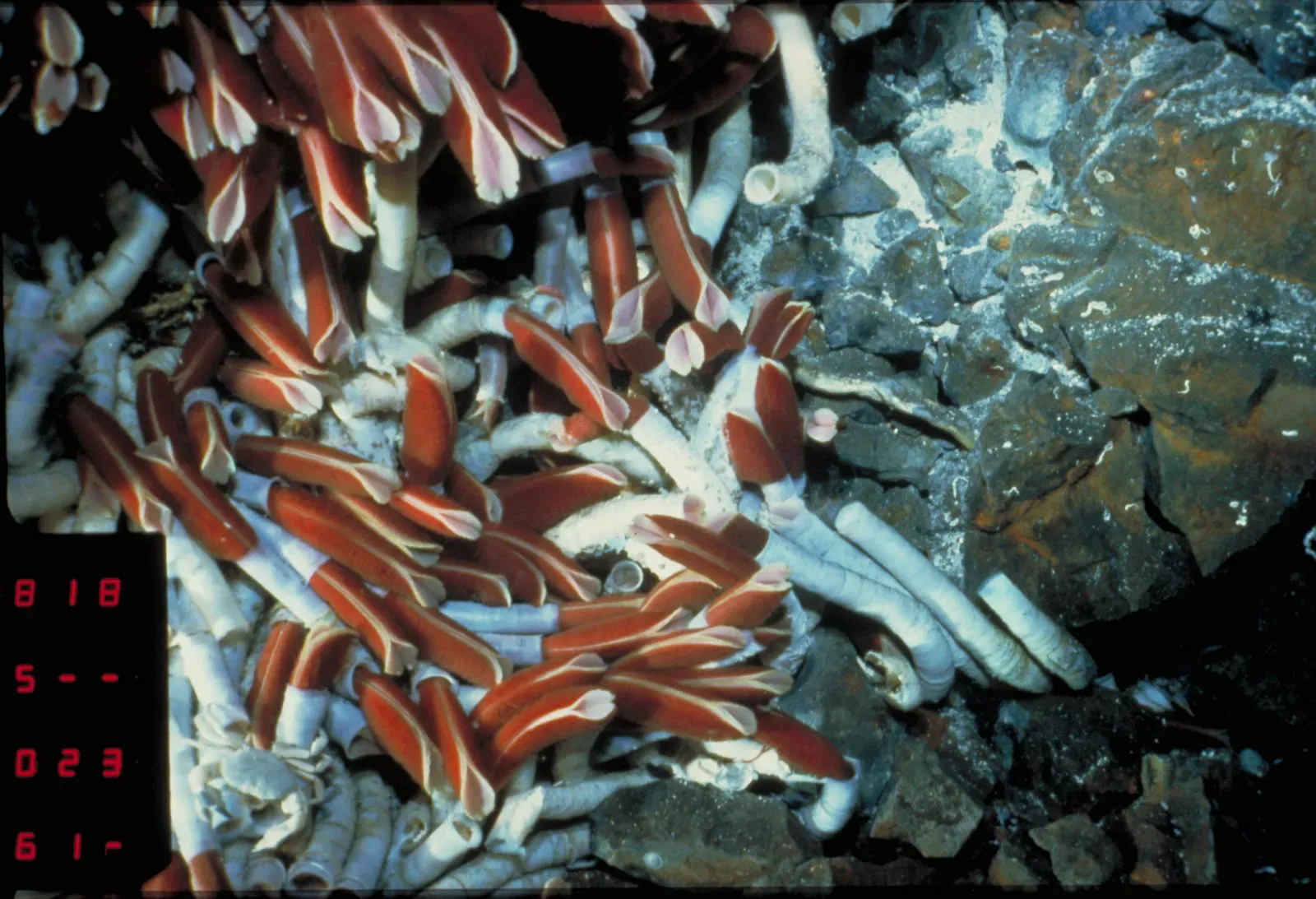
These worms can reach a length of 3 meters, and their tubular bodies have a diameter of 4 centimeters. Let’s be real, giant tube worms are among the strangest creatures you’ve never seen. These tube worms are Riftia pachyptila, also known as the giant tube worms, and they were the first species of tube worms ever discovered while exploring on the Galapagos hydrothermal vents in 1977.
These giant tube worms grow up to eight feet in length and have no mouth and no digestive tract, depending on bacteria that live inside them for their food. Think about that for a moment. No mouth, no gut, no way to eat in the traditional sense. This animal is devoid of a digestive tract and lives in an intimate symbiosis with a sulfur-oxidizing chemoautotrophic bacterium that is localized in the cells of a richly vascularized organ of the worm called the trophosome. Tubeworms are capable of remarkable growth rates and are some of the fastest-growing marine invertebrates, with some species observed to grow up to 33 inches per year in nutrient-rich environments such as hydrothermal vents.
A Community Built on Symbiosis
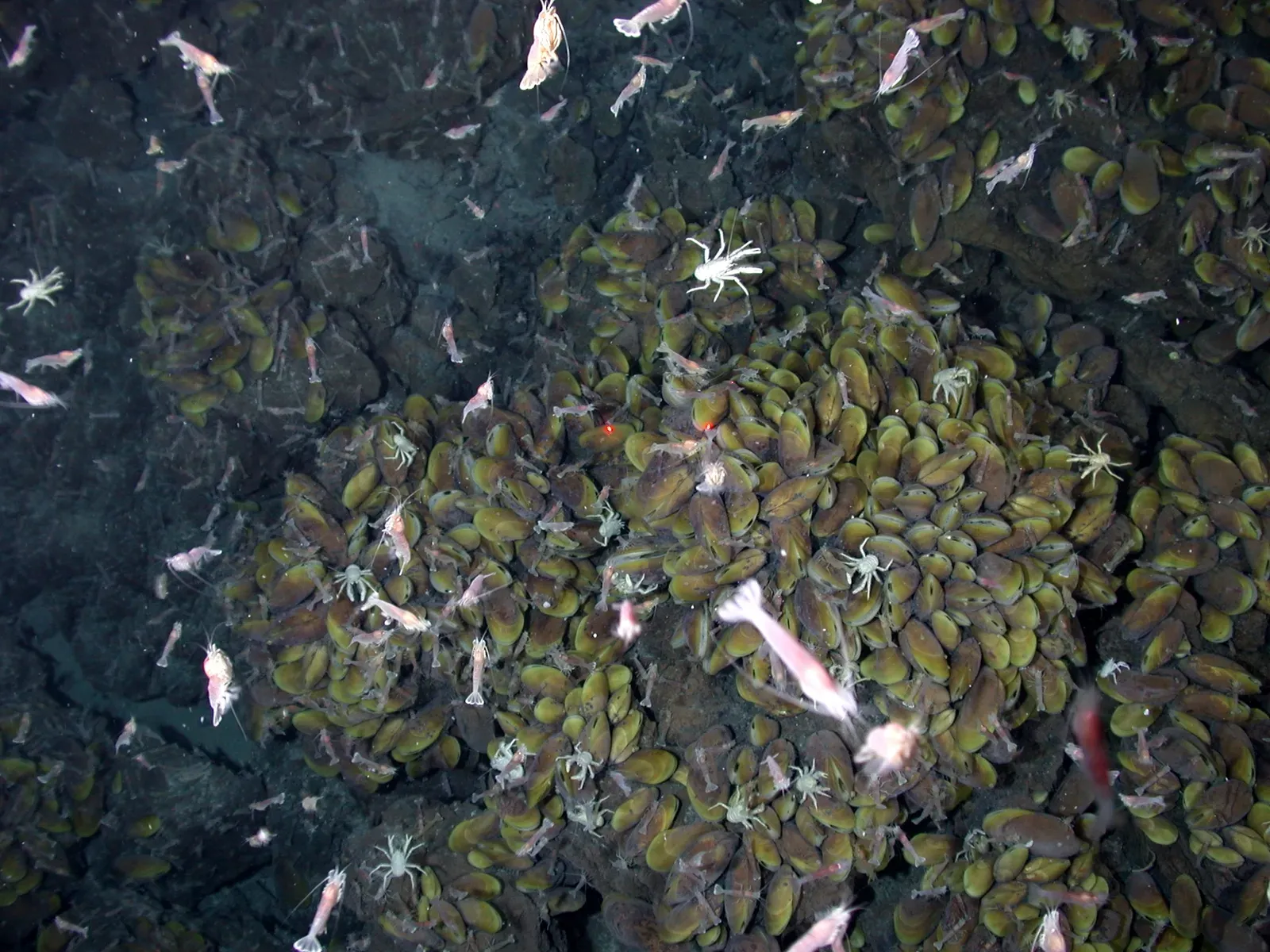
Animals thrive at vents because they live in a nutritional symbiosis with chemosynthetic bacteria that grow on chemical compounds gushing out of the vents, such as sulfide and methane, which animals cannot use on their own. The relationships here are remarkably intricate. The clams, mussels, tube worms, and other creatures at the vent have a symbiotic relationship with bacteria, with the giant tube worms having no digestive system.
Calyptogena magnifica is a species of large white clams that live near these hydrothermal vents, and unlike clams that live in shallower waters that survive on filter feeding of algae, hydrothermal vent clams rely on chemosynthesis to feed themselves. The bacteria in the tubeworm’s trophosome oxidize various chemicals found in hydrothermal vents and cold seeps to generate energy, and the byproducts of this chemosynthetic process are sugars and other nutrients, which the tubeworm absorbs directly from the bacteria. It’s a partnership where both parties bring something essential to the table. The host provides shelter and access to chemicals, while the bacteria provide food.
Surviving the Impossible: Extreme Conditions
The environments of these hydrothermal vents are considered extreme with unique physical and chemical properties such as elevated pressure (up to 420 atmospheres), high and rapidly changing temperature (from 2 to 4 degrees Celsius to 400 degrees Celsius), acidic pH, toxic heavy metals, hydrogen sulfide and complete absence of light. Most life on Earth would be annihilated instantly in these conditions. Yet vent organisms don’t just tolerate this environment; they require it.
Sulfide is an extremely toxic substance to most life on Earth, so scientists were astounded when they first found hydrothermal vents teeming with life in 1977, discovering the ubiquitous symbiosis of chemoautotrophs living in the vent animals’ gills, which is the reason why multicellular life is capable of surviving the toxicity of vent systems. Heat-loving microbes get their energy from hydrogen gas and produce hydrogen sulfide from sulfur compounds from the vents; hydrogen sulfide is highly toxic to most animals, but animals at hydrothermal vents have special biochemical adaptations that protect them from hydrogen sulfide.
Hidden Worlds: New Discoveries Beneath the Seafloor
A new ecosystem has been discovered in volcanic cavities beneath hydrothermal vents at a well-studied undersea volcano on the East Pacific Rise off Central America, with the science team using an underwater robot to overturn chunks of volcanic crust and discover cave systems teeming with worms, snails, and chemosynthetic bacteria living in 75 degrees Fahrenheit water. Think of it as an ecosystem hidden beneath another ecosystem. Mind-blowing, right?
The team is the first to examine and confirm that tubeworm larvae can settle and even live underneath the seafloor. In a network of caves and crevices carved through the rock, the water was a balmy 25 degrees Celsius, providing the perfect conditions for a thriving microbial community of protists, bacteria, viruses and even some larger creatures such as snails and worms, and the oceanic crust along mid-ocean ridges is porous, offering plenty of real estate for fluids, nutrients and microbes. Scientists noted that vent animals above and below the surface thrive together in unison, depending on vent fluid from below and oxygen in the seawater from above, with hydrothermal vents acting like underwater hot springs that flow through cracks in the earth’s crust as a result of tectonic activity.
These discoveries remind us just how much remains unknown about our own planet. Every time we think we understand life’s boundaries, Earth surprises us again. The vents teach us that life is far more adaptable, far more resilient, and far more inventive than we ever imagined. Deep-sea active hydrothermal vents are globally diverse, vulnerable, rare, remote, and isolated habitats, yet they face increasing threats from human activities, including deep-sea mining. Some of the earliest evidence for microbial life on Earth comes from rocks located in Canada that formed within hydrothermal vent environments around 4 billion years ago, and the hostility of the planet’s surface at that time suggests that life is more likely to have begun within the Earth’s crust or in the deep sea, with research indicating that early life relied on chemosynthetic processes, making hydrothermal vents a likely candidate for the origin of life on Earth.
What do you think about these extraordinary ecosystems? Did you expect that some of Earth’s most vibrant communities exist in its darkest depths?