
Have you ever wondered what the universe looked like when it was just a baby? Imagine being able to peer back through time, billions of years into the past, to witness the cosmos in its earliest moments. While time travel remains firmly in the realm of science fiction, there’s something equally remarkable at your disposal: a faint whisper of light that has been traveling through space for over thirteen billion years, carrying secrets from the dawn of creation itself.
This ancient radiation surrounds you right now, invisible to your eyes but detectable with the right instruments. It’s like having a cosmic photograph album, one that captures the universe when it was barely a fraction of its current age. The story this light tells is both humbling and extraordinary, revealing how everything you see around you came to be.
What Exactly Is This Ancient Light?
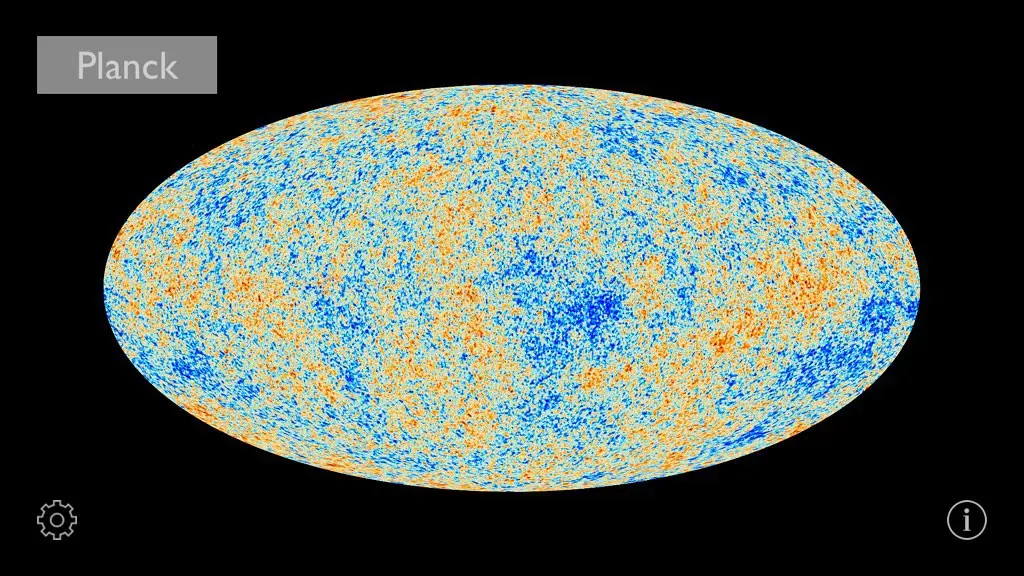
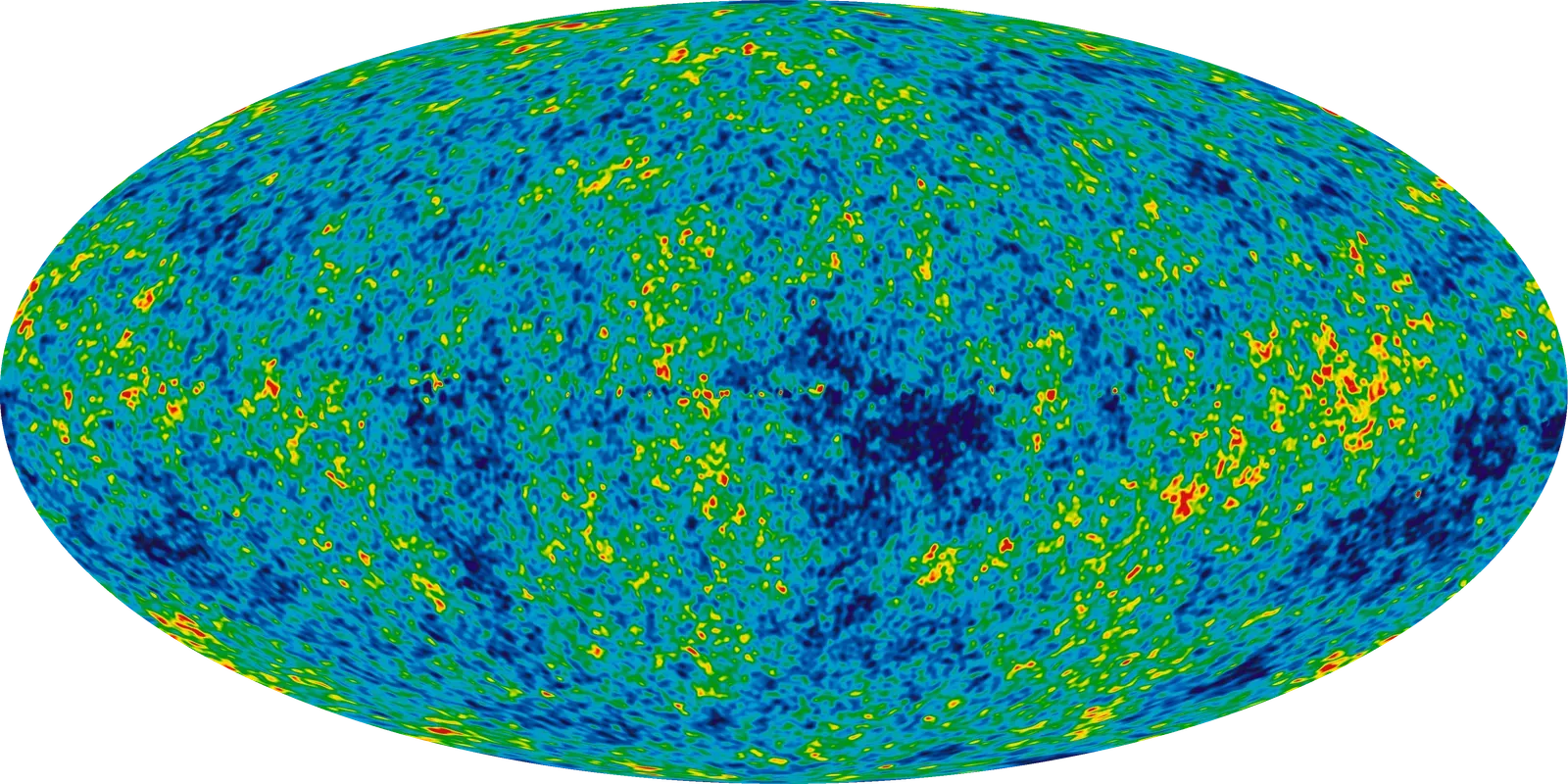
The cosmic microwave background is microwave radiation that fills all space in the observable universe. Think of it as the afterglow from an unimaginably hot beginning. The CMB is the cooled remnant of the first light that could ever travel freely throughout the Universe.
Here’s the thing: For the first 380,000 years or so after the Big Bang, the entire universe was a hot soup of particles and photons, too dense for light to travel very far. However, as the cosmos expanded, it cooled and became transparent. Picture it like a thick fog gradually clearing on a morning landscape. Before this moment, photons were constantly bumping into electrons, unable to stream freely through space. Once the universe cooled enough for atoms to form, light could finally escape and begin its journey across the cosmos.
The Serendipitous Discovery That Changed Everything
The accidental discovery of the CMB in 1964 by American radio astronomers Arno Allan Penzias and Robert Woodrow Wilson was the culmination of work initiated in the 1940s. Honestly, it’s one of the most fascinating accidents in scientific history. These two researchers were trying to eliminate a persistent noise from their radio antenna, thinking it was caused by pigeons nesting in the equipment.
Penzias and Wilson received the 1978 Nobel Prize in Physics for their discovery. The CMB is the key experimental evidence of the Big Bang theory for the origin of the universe. What started as an annoying technical problem turned into one of the most important confirmations of our cosmic origins. Sometimes the universe reveals its greatest secrets when we’re not even looking for them.
Reading the Temperature Map of Baby Universe
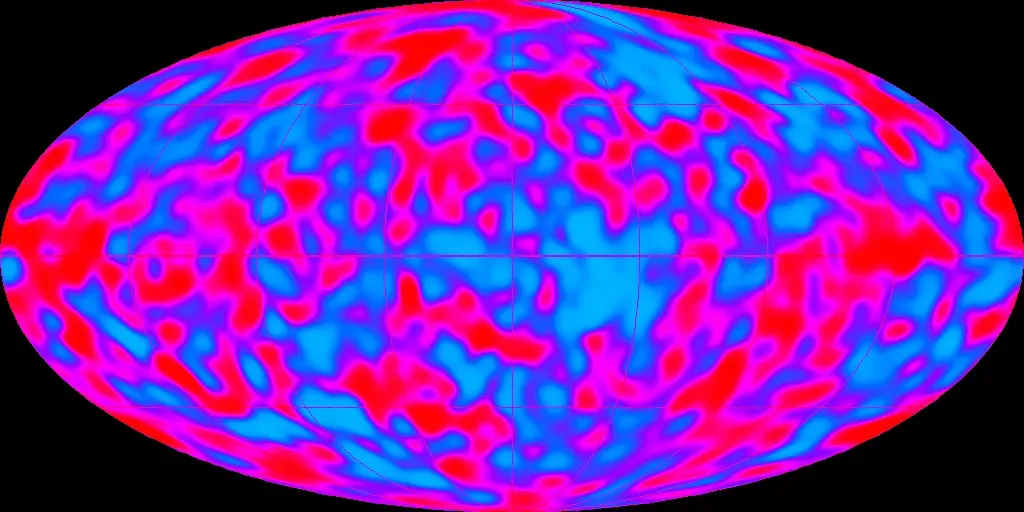
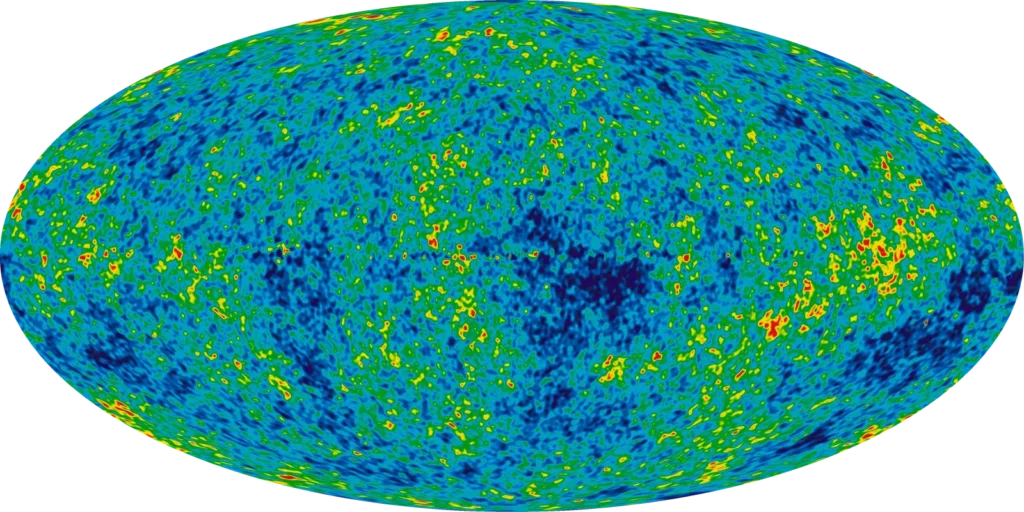
You might think that ancient light from everywhere in the universe would look perfectly uniform, like a blank canvas. There are small fluctuations in the temperature across the sky at the level of about 1 part in 100,000: the microwave background temperature anisotropies. These tiny variations are incredibly important.
These cosmic microwave temperature fluctuations are believed to trace fluctuations in the density of matter in the early universe, as they were imprinted shortly after the Big Bang. Let’s be real: those minuscule temperature differences you see mapped across the sky are essentially the seeds that grew into galaxies, stars, planets, and ultimately you. These tiny wrinkles on the order of ten to the minus five were believed to be the origin of structures in the universe. Without those slight irregularities, the universe would have remained a featureless, uniform expanse forever.
How Scientists Measure Ancient Whispers
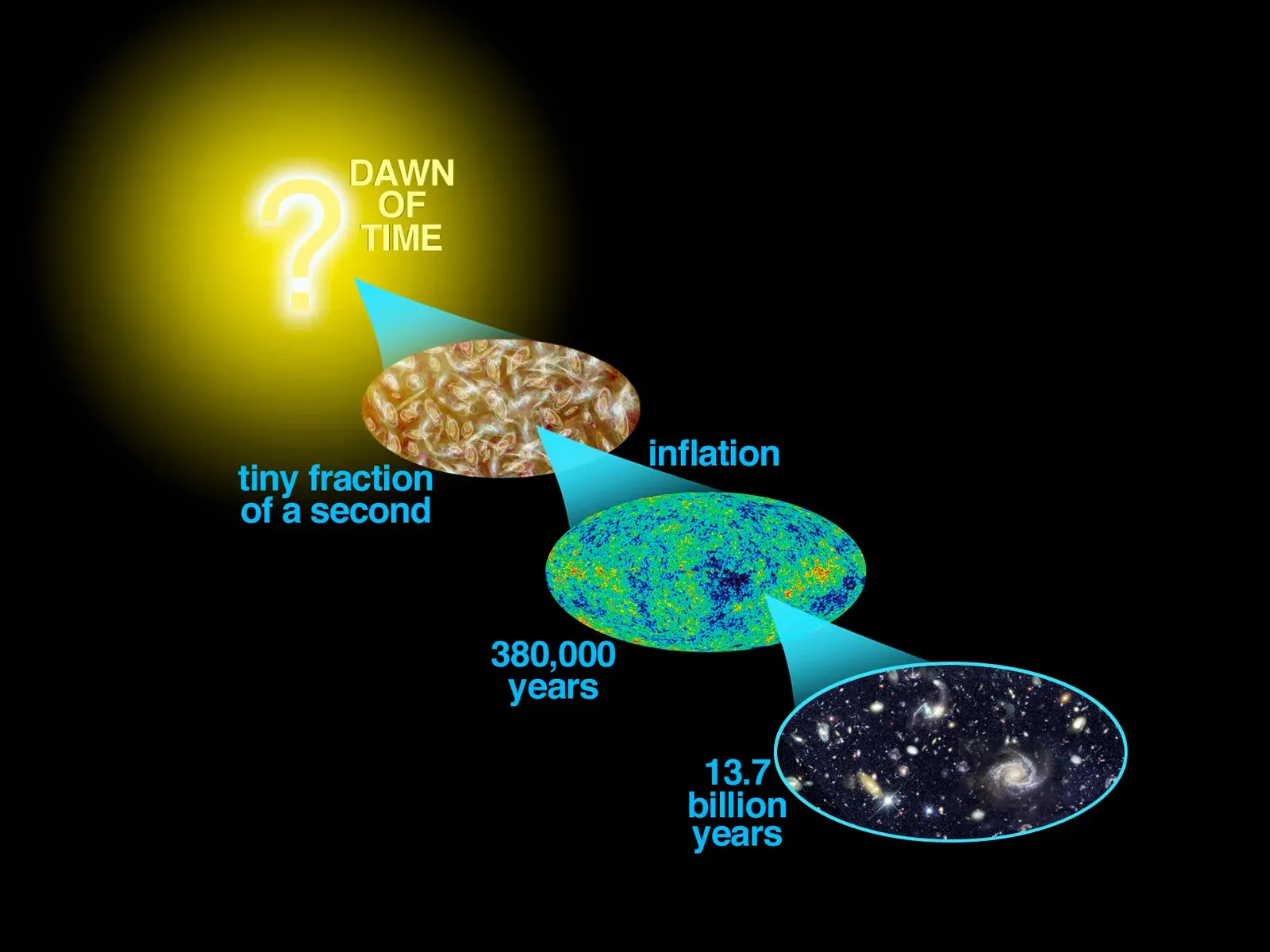
The precision on the fine details of the cosmic microwave background exceeds that of all previous measurements, even those taken from space. Modern telescopes placed in some of Earth’s most remote locations have revolutionized our ability to study this primordial radiation. The Atacama Cosmology Telescope collaboration has produced the clearest images yet of the universe’s infancy when it was about 380,000 years old.
Previously, the gold standard for cosmic microwave background measurements was the data from the Planck satellite, taken more than a decade ago. Now the new South Pole Telescope data, when combined with data from Atacama Cosmology Telescope, set a new standard. The level of precision achieved is staggering. Think about trying to measure temperature differences smaller than one hundred thousandth of a degree across the entire sky. It’s like trying to detect the heat from a candle flame on the other side of the planet.
The Hidden Patterns in Polarized Light
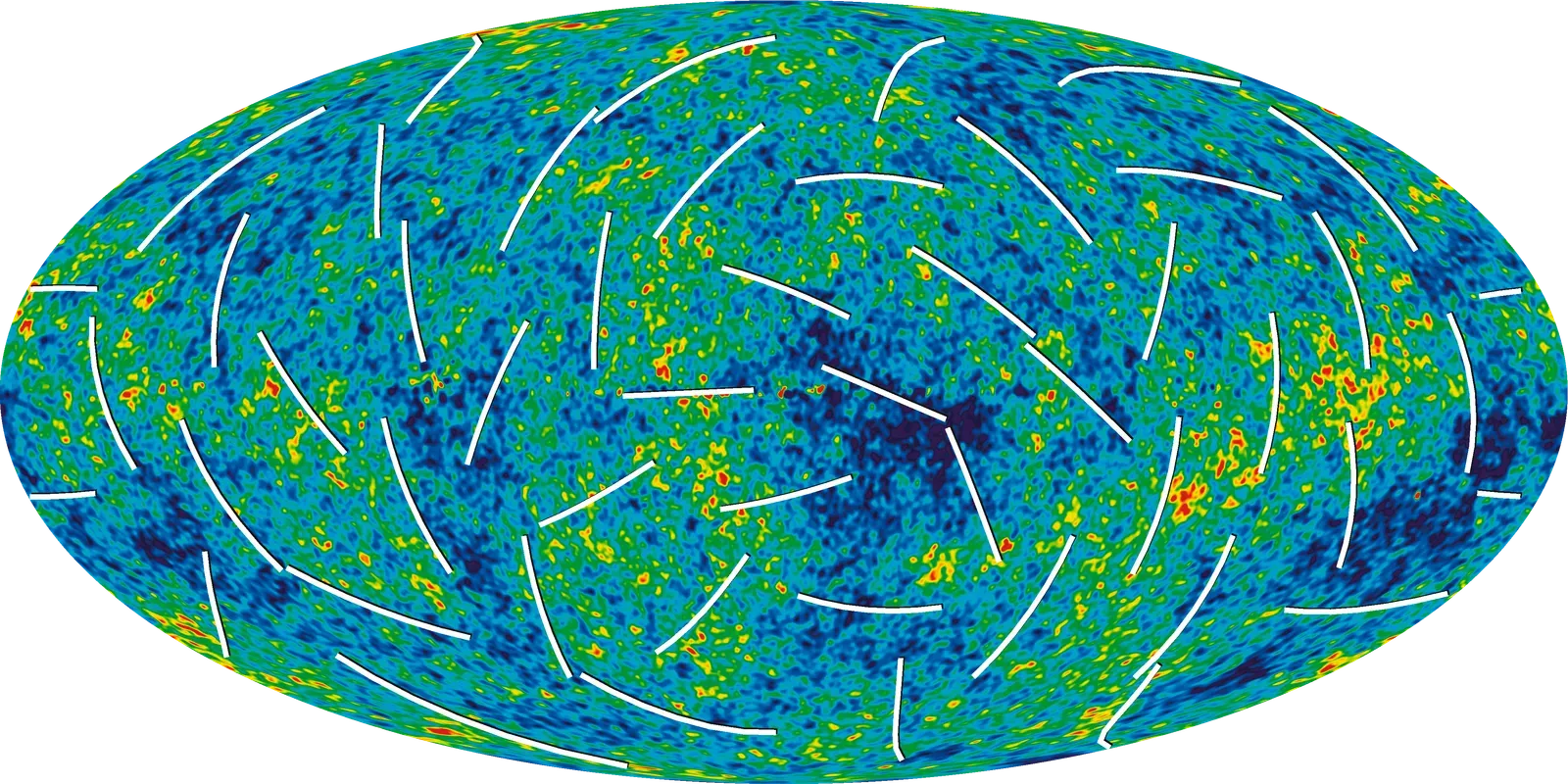
Temperature variations tell only part of the story. Since the first detection by the DASI experiment in 2002, measurements of the polarization of the cosmic microwave background have grown into an important role in testing our understanding of conditions in the early universe and cosmology. Polarization is essentially the direction in which light waves vibrate as they travel through space.
The polarization image reveals the detailed movement of hydrogen and helium gas in the cosmic infancy. The dominant contribution to CMB polarization anisotropies is from density perturbations in the early universe, but gravitational waves from inflation can source B-mode polarization. I think this is where things get truly exciting. Different types of polarization patterns, called E-modes and B-modes, can tell us whether rapid cosmic inflation occurred in the first fraction of a second after the Big Bang. Finding these B-mode signals would be like discovering the universe’s birth certificate.
Sound Waves Frozen in Time
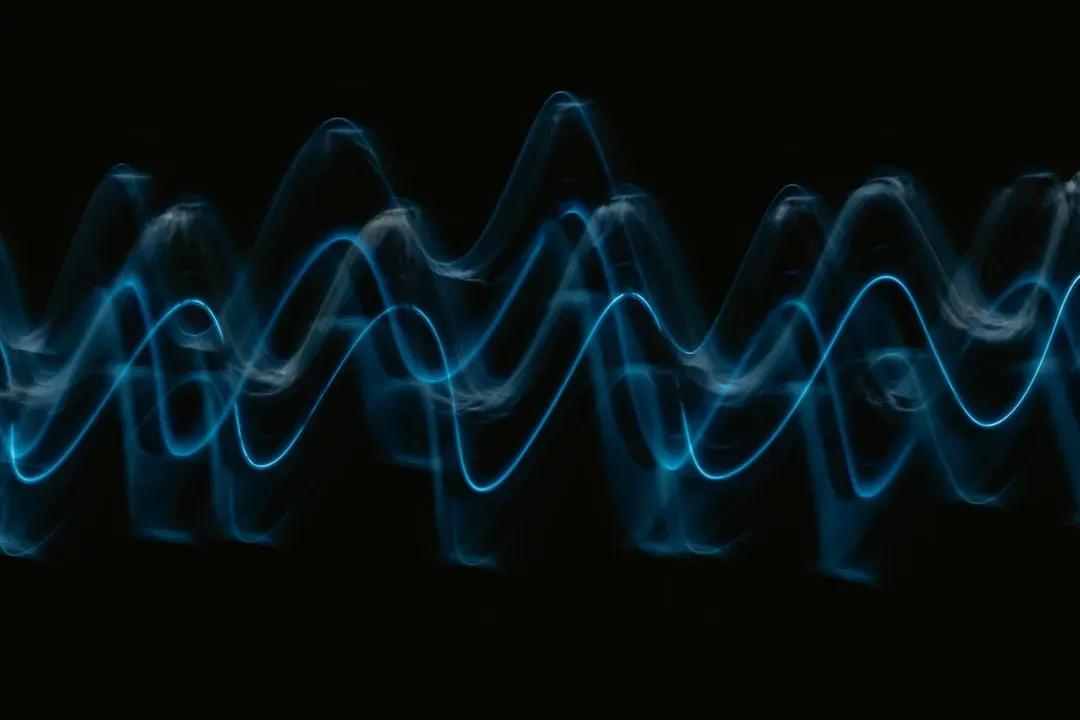
Recent CMB experiments have revealed sound waves in the fine angular scale structure of the temperature anisotropies. It sounds crazy, but the patterns you observe in CMB maps are essentially acoustic oscillations that got frozen when the universe became transparent. These are sound waves from before sound as we know it could even exist.
Phenomena caused the pressure and gravitational effects to act against each other, and triggered fluctuations in the photon-baryon plasma. Quickly after the recombination epoch, the rapid expansion of the universe caused the plasma to cool down and these fluctuations are frozen into the CMB maps we observe today. Picture a bell that was struck once and then instantly frozen solid, preserving the exact pattern of vibrations forever. The peaks and valleys in the CMB power spectrum represent these frozen acoustic oscillations, giving us a kind of cosmic ultrasound image of the infant universe.
What CMB Tells Us About Dark Secrets
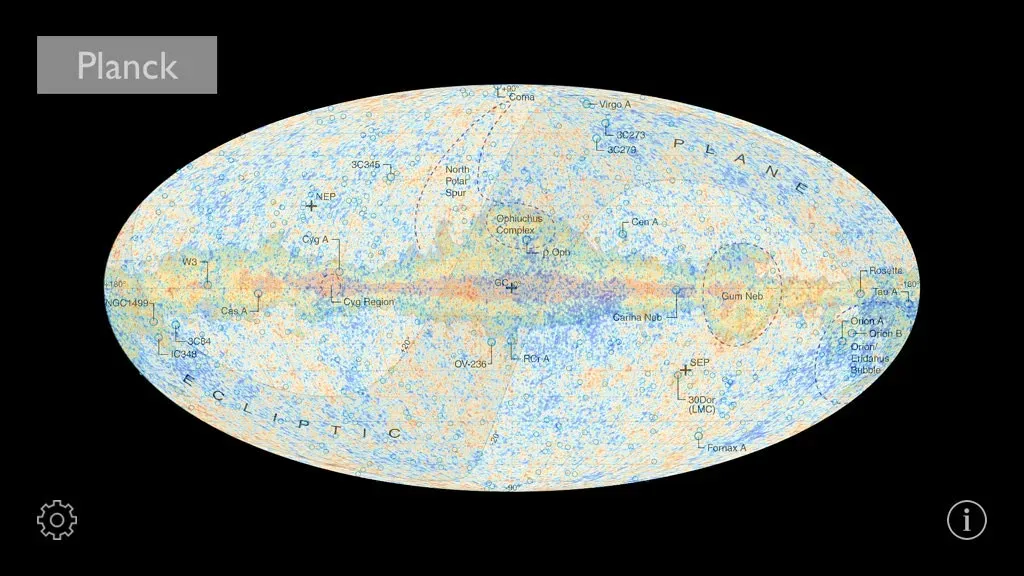
Ordinary atoms make up only about 5% of the universe. Dark matter is about 25%, and dark energy makes up about 70% of the universe. The cosmic microwave background has been instrumental in revealing this shocking cosmic census. Most of what exists remains invisible and mysterious to us.
Polarized light of the cosmic microwave background may hold the answer to fundamental questions about dark matter and dark energy. There is an ongoing debate on the rate of expansion of the universe, known as the Hubble tension, which would have significant ramifications for our understanding of the universe and in which the cosmic microwave background plays a key role. The measurements keep getting more precise, yet puzzling discrepancies persist. Some measurements suggest the universe is expanding at one rate, while others point to a different speed. It’s hard to say for sure, but this tension might indicate we’re missing something fundamental about how the cosmos works.
The Future of Cosmic Archaeology
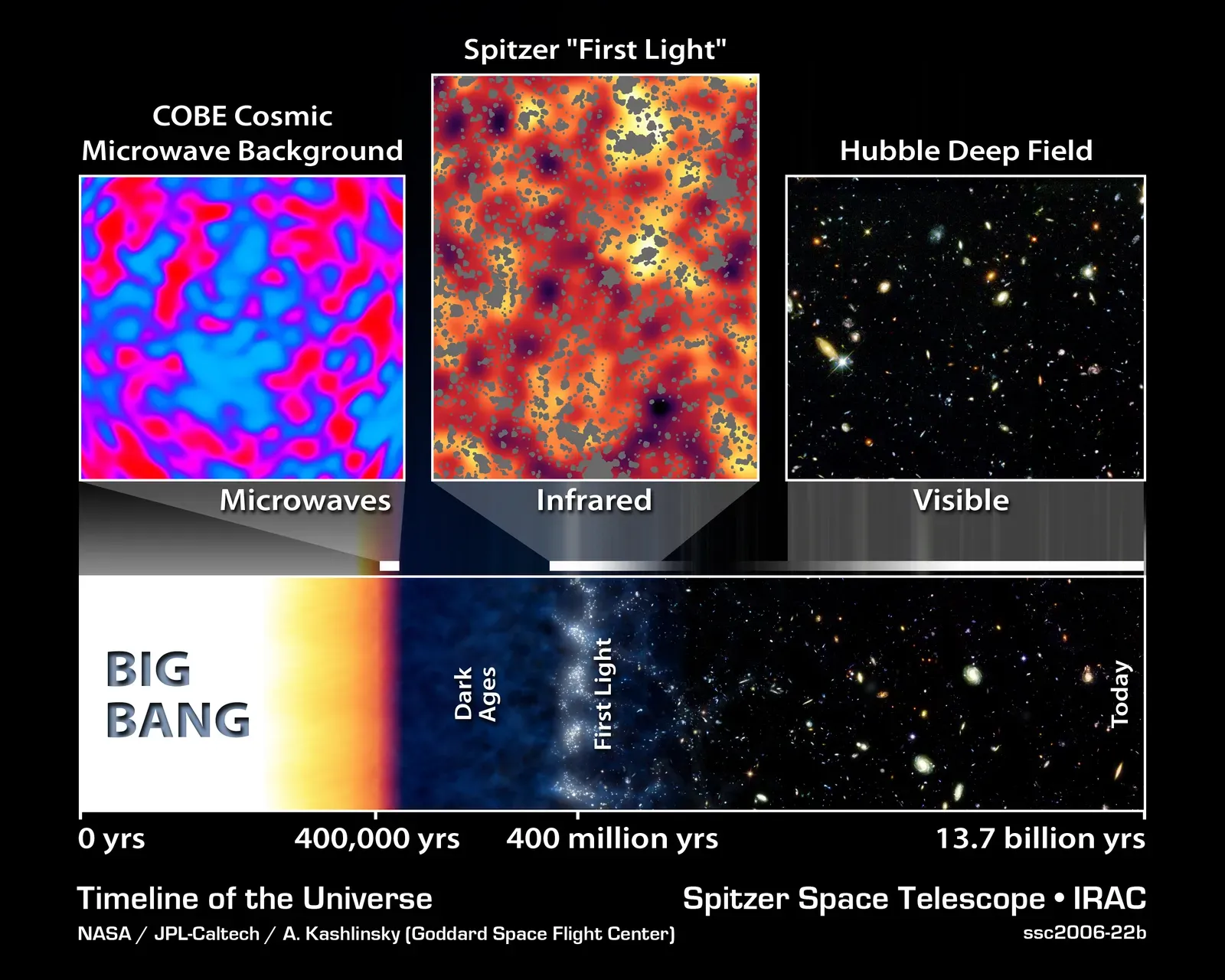
CMB research has advanced to the era of nanokelvin-scale measurements of the CMB temperature and polarization anisotropy, enabling detection of the B-mode polarization signature of gravitational waves produced during inflation and determining the scale of neutrino mass. The next generation of experiments promises to push the boundaries even further. As more data comes online, it will continue to provide an ever more powerful independent way to test hypotheses.
Upcoming missions and ground-based observatories will scrutinize the CMB with unprecedented sensitivity. A detection of a background of primordial gravitational waves would push our understanding of fundamental physics into new regimes of time and energy, revealing the energy scale of inflation and probing energies exceeding that of the LHC by a factor of more than a trillion. We’re talking about accessing physics at energy scales that no particle accelerator on Earth could ever hope to reach. The universe itself becomes our laboratory, and the CMB is the experimental readout.
Why This Matters to You
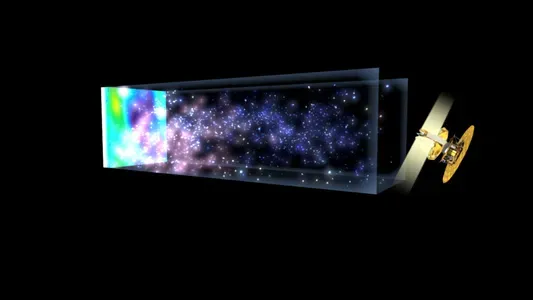
The cosmic microwave background might seem like an abstract concept reserved for astrophysicists and cosmologists. Yet it represents something profoundly human: our quest to understand where we came from. The CMB provides the best data we have on the early universe, and the structure of the cosmos on the largest scales, capturing a snapshot of the oldest light in our universe from when the cosmos was just 380,000 years old.
Every atom in your body was forged in stars that formed from those tiny density fluctuations visible in the CMB. The patterns imprinted in that ancient light determined where galaxies would form, which stars would ignite, and ultimately where planets capable of supporting life would emerge. In a very real sense, the cosmic microwave background is your origin story written in light.
Looking up at the sky, knowing that this faint glow surrounds you from every direction, carrying messages from the universe’s infancy, is humbling. We’ve managed to decode these messages with remarkable precision, revealing a cosmos far stranger and more wondrous than anyone imagined. The universe was once smaller than an atom, hotter than any star, and has been expanding and cooling for nearly fourteen billion years to produce the rich tapestry of galaxies, stars, and worlds we see today. What would you have guessed about our cosmic origins before learning this? Tell us in the comments.