
Every once in a while, history gets ambushed. A clay tablet in a forgotten drawer, a skeleton in a cave, a signal from deep space, and suddenly the story we thought we knew about ourselves and our world tilts sideways. These moments are unsettling and thrilling at the same time, like realizing your favorite childhood photo has a stranger standing in the background.
What follows isn’t just a list of museum pieces. It’s a tour of those shocks to the system: discoveries that forced scientists, historians, and frankly all of us to admit, again and again, that the world is older, stranger, and more connected than we imagined. Some of these finds are famous, others are quietly revolutionary, but each one tore up a chapter of the old script and made us start rewriting.
1. The Rosetta Stone and the Resurrection of Ancient Voices
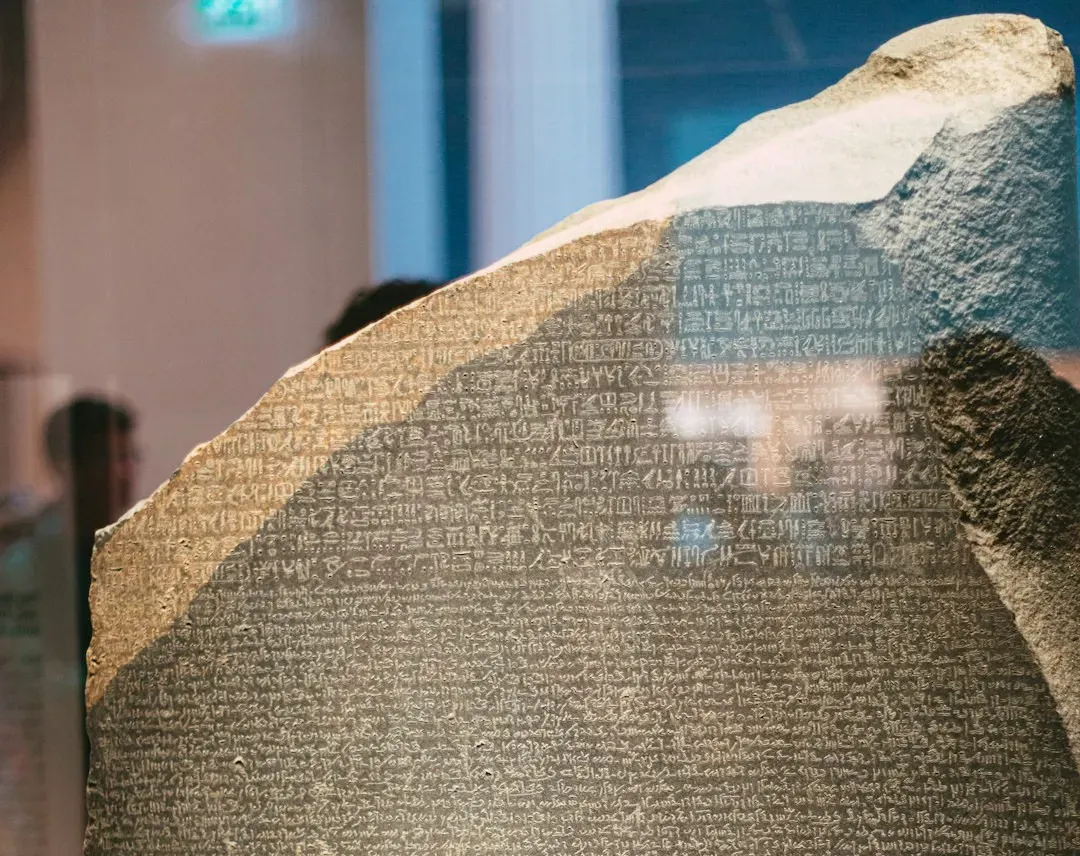
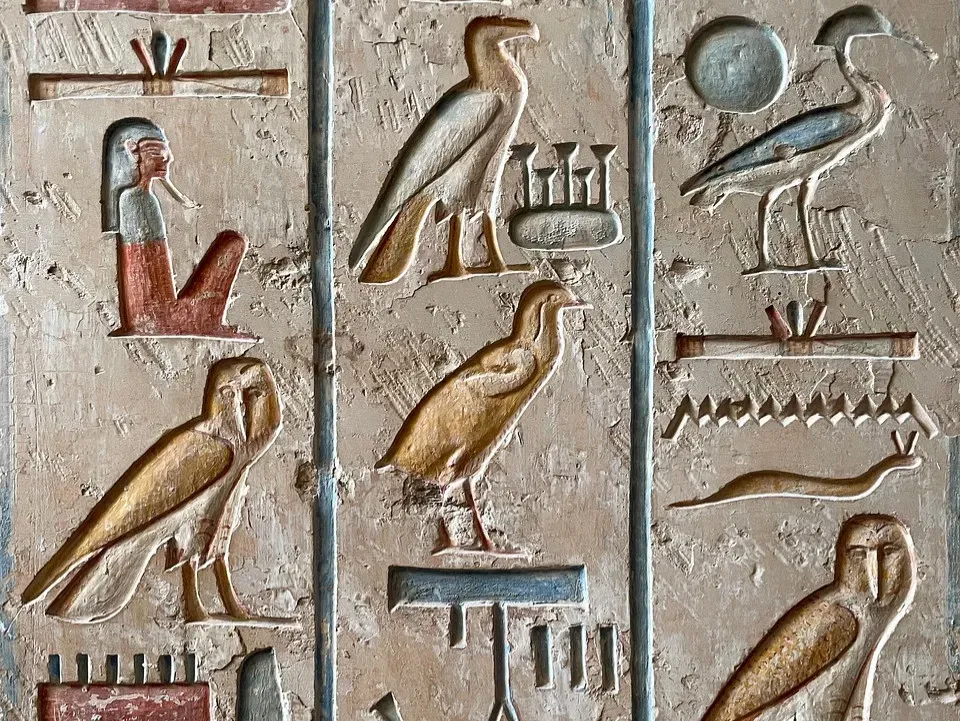
Imagine staring at a wall of symbols for centuries and having no idea what any of it says, and then suddenly finding the key. That’s what the Rosetta Stone did when it was discovered in Egypt in 1799, carved with the same message in three scripts: hieroglyphic, demotic, and ancient Greek. For a long time, Egyptian hieroglyphs were basically a silent movie – beautiful, mysterious, but mute.
By using the Greek text as a kind of linguistic decoder ring, scholars finally cracked hieroglyphs in the early nineteenth century. This didn’t just let us read a few inscriptions; it opened a floodgate into thousands of years of Egyptian religion, politics, and daily life. Entire timelines were corrected, myths were clarified, and people who’d been reduced to carved silhouettes suddenly had names, titles, and stories again.
2. Darwin’s Galápagos Notes and the Birth of Evolution as We Know It
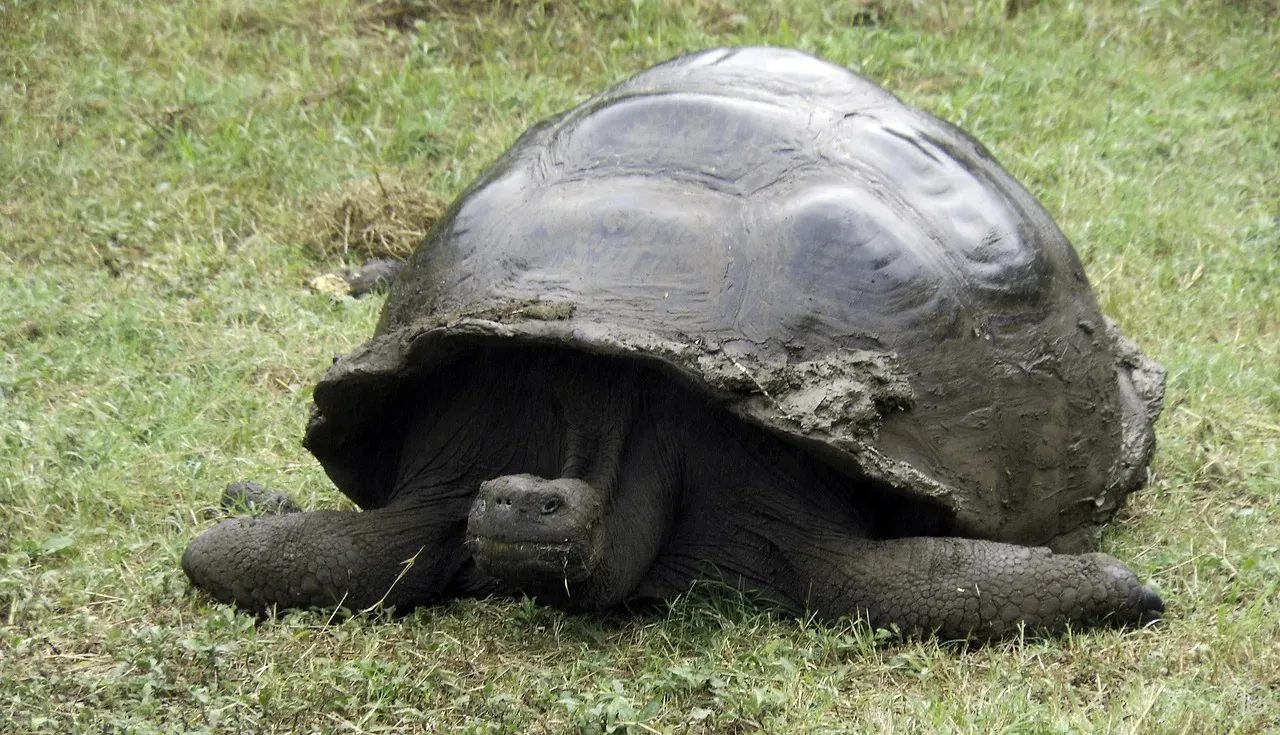
When Charles Darwin stepped onto the Galápagos Islands in the 1830s, he didn’t instantly shout that species evolved; he mostly took notes on odd finches and tortoises. The shock came later, when he pieced those notes together and realized the birds on different islands looked similar but not identical, as if shaped by their surroundings over vast stretches of time. It was like seeing a family photo album, except each picture was separated by thousands of generations.
His later theory of evolution by natural selection didn’t just tweak biology; it detonated it and rebuilt it. Humans were no longer a special, separate creation but part of the same branching tree as every other creature. This rewired philosophy, religion, and science all at once, forcing people to confront a world driven by slow, relentless change instead of fixed, unchanging design. Even today, genetics and evolutionary biology trace their backbone to those patient, almost boring field notes.
3. The Dead Sea Scrolls and the Reframing of Religious History
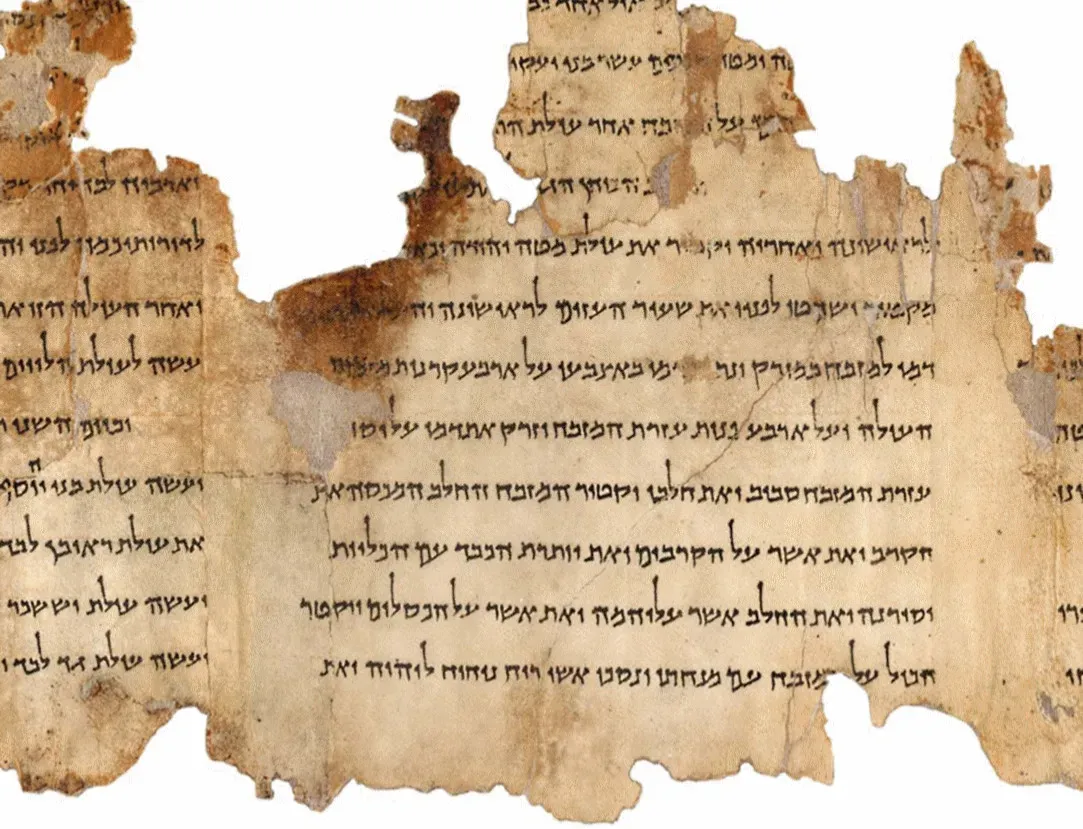
In the late 1940s, a young Bedouin shepherd tossed a stone into a cave near the Dead Sea and heard something crack instead of echo. Inside, hidden in jars, were ancient scrolls that turned out to be some of the oldest known manuscripts of biblical and related texts, dating back roughly two thousand years. Overnight, the study of early Judaism and the world that shaped Christianity had to be re-examined with this new evidence on the table.
The scrolls revealed a religious landscape that was far more diverse and fragmented than many scholars had assumed. Different groups, different interpretations, different expectations about the end of the world – it all painted a picture of intense debate and experimentation, not a single clean line of belief. For historians, it was like someone had added a hidden chapter between the Old and New Testaments, forcing a rethink of how ideas about law, prophecy, and a coming messiah evolved.
4. Lucy and the Realization That Our Story Is Deeper Than We Thought
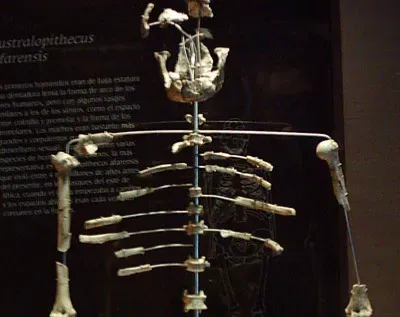
When the partial skeleton nicknamed Lucy was found in Ethiopia in 1974, she didn’t look like anything that fit neatly into the old story of “ape, then suddenly human.” Lucy, an Australopithecus afarensis, walked upright but had a small brain and ape-like features. She lived more than three million years ago, which shoved the timeline of human ancestors further back than many had fully absorbed.
The idea that walking on two legs might have evolved long before big brains flipped the script on how we pictured “progress.” Instead of a straight climb up a ladder, human evolution started to look more like a tangled bush, with multiple related species trying out different survival strategies. That realization forced scientists to abandon comforting simplicity and accept that we’re the accidental survivors of a long, messy experiment, not the inevitable crown of creation.
5. Göbekli Tepe and the Civilization-First Myth Turned Upside Down
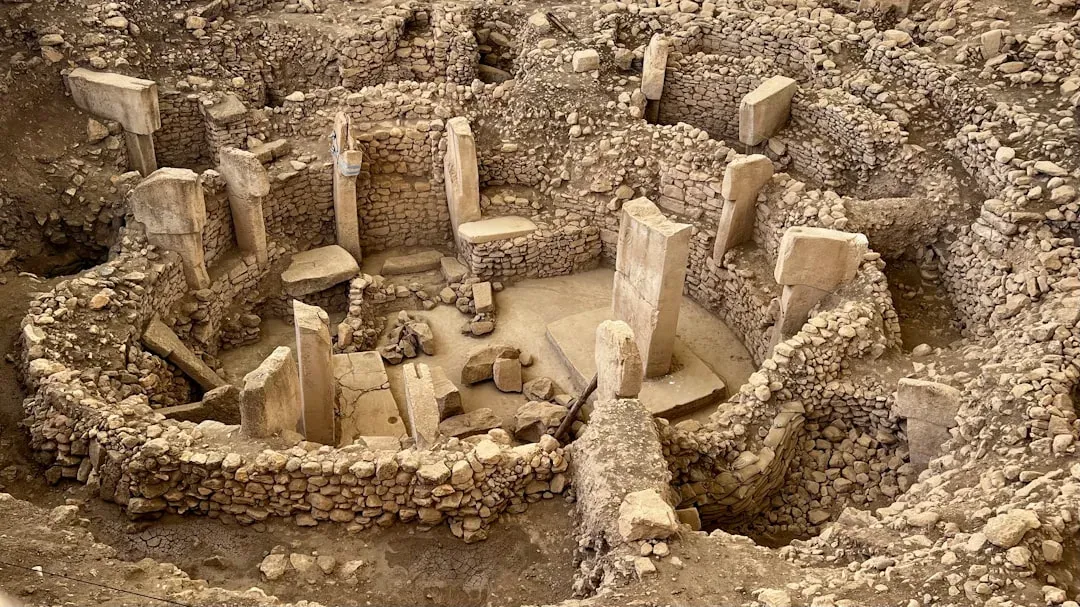
For a long time, the common story was simple: first farming, then villages, then religion and big monuments. Then archaeologists began uncovering Göbekli Tepe in southeastern Turkey, a sprawling complex of carved stone pillars and ritual structures more than eleven thousand years old. It’s older than Stonehenge and the pyramids, built before widespread farming as we understand it.
This forced a gut-check on a core assumption: maybe it wasn’t farming that led to complex rituals and large gatherings, but shared rituals and gathering places that encouraged people to settle and farm. In other words, people might have come together to worship or celebrate long before they decided to grow wheat at scale. The idea that spirituality and social bonding could have driven the rise of civilization, instead of just economic need, gave prehistory a far more human and emotional dimension.
6. Plate Tectonics and the Living, Drifting Planet
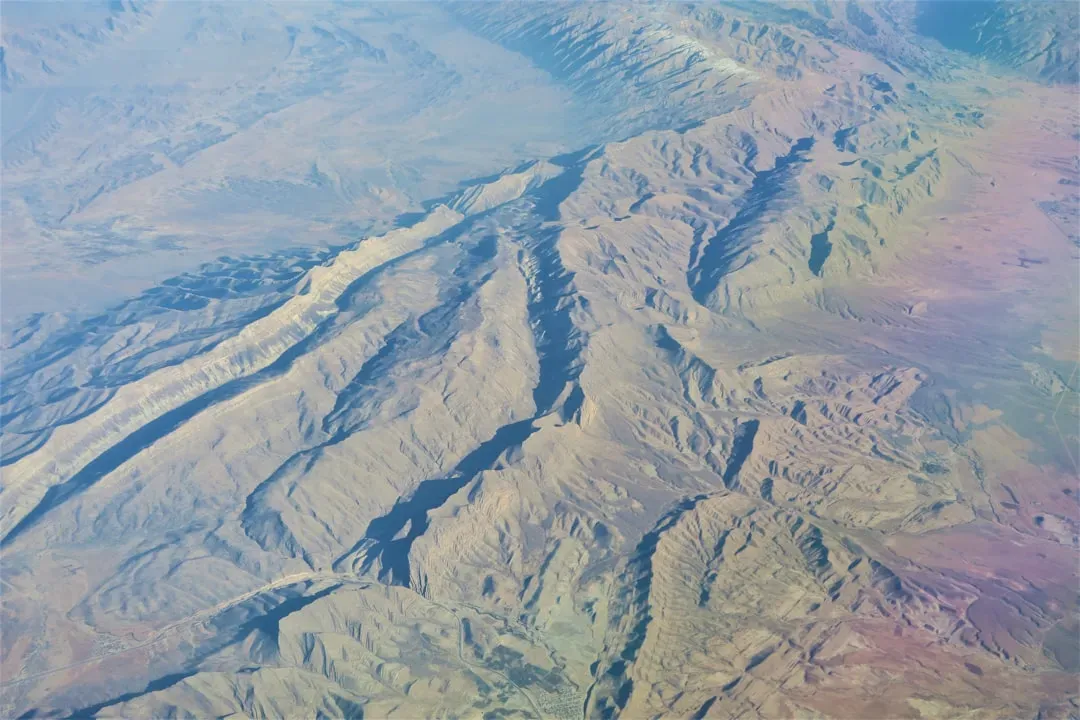
Well into the twentieth century, continents were often treated as fixed backdrops, like painted scenery in a theater. The idea that they actually drifted around the globe was seen as fringe, even a bit laughable. Then the evidence piled up: matching fossils across oceans, mirrored coastlines, magnetic stripes on the seafloor, and finally the detailed mapping of mid-ocean ridges and subduction zones.
The theory of plate tectonics emerged in the 1960s as the unifying framework that made it all click: Earth’s crust is broken into moving plates that collide, slide, and tear apart, creating mountains, oceans, earthquakes, and volcanoes. Geology transformed from a static description of rocks into a dynamic story of a restless planet. It was like switching from a still photograph to a time-lapse video and realizing the ground under your feet is surfing on molten rock.
7. The Cosmic Microwave Background and the Echo of the Big Bang
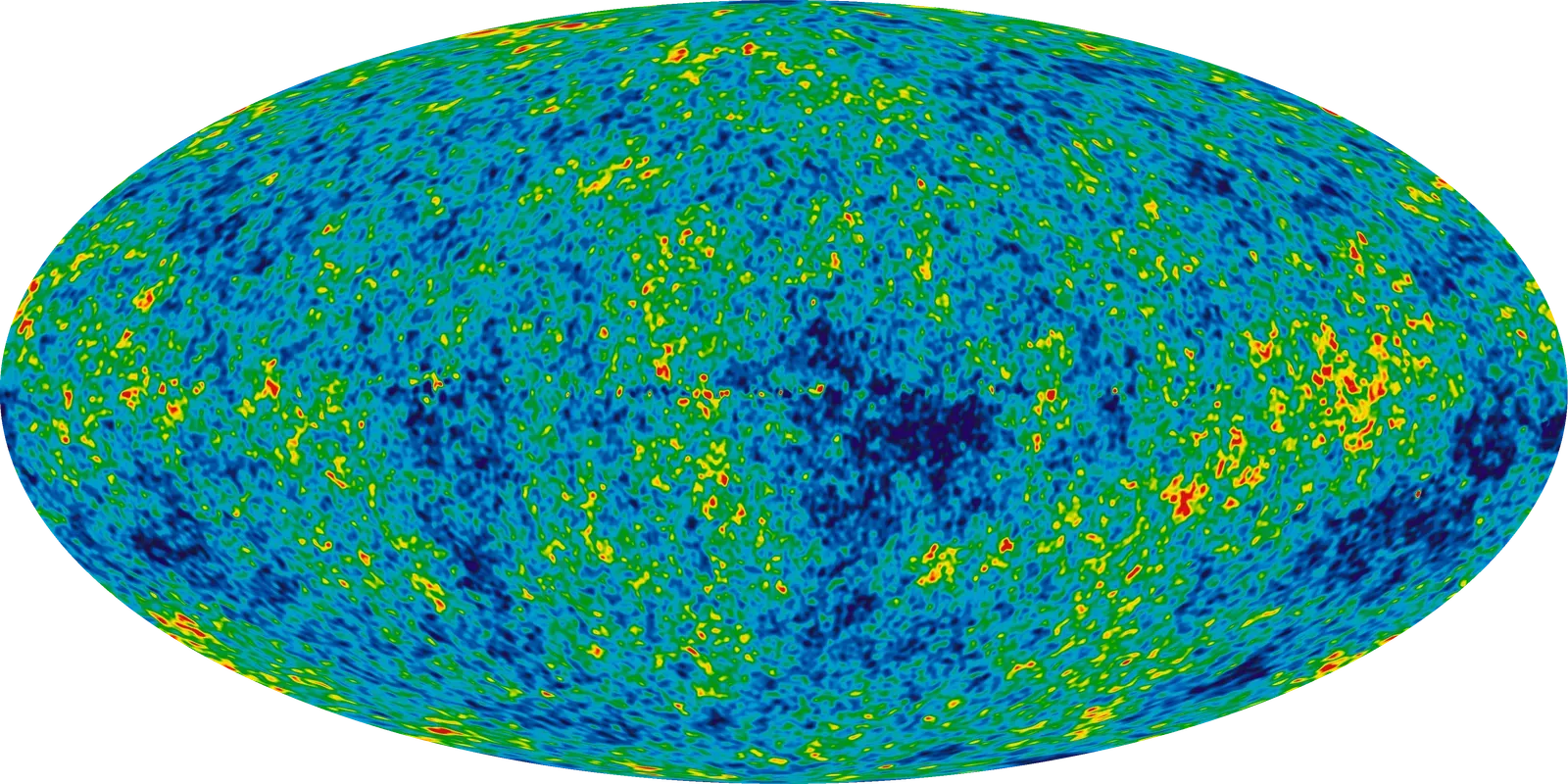
In the mid-twentieth century, there was a real debate about how the universe began: eternal and unchanging, or born in a violent, hot explosion? The turning point came with the detection of the cosmic microwave background radiation, a faint glow of microwaves filling the sky in every direction. This radiation is the cooled leftover heat from the early universe, like the dying embers of a fire that was once unimaginably bright.
Its discovery cemented the Big Bang model and pushed steady-state ideas of an eternal universe to the margins. Suddenly, the cosmos had a clear, fiery beginning and a measurable age, and that changed everything from cosmology to philosophy. The universe wasn’t just big; it was a story with a starting line, and humans, for better or worse, were late arrivals trying to piece together what happened in the first blazing seconds.
8. DNA’s Double Helix and the Code of Life
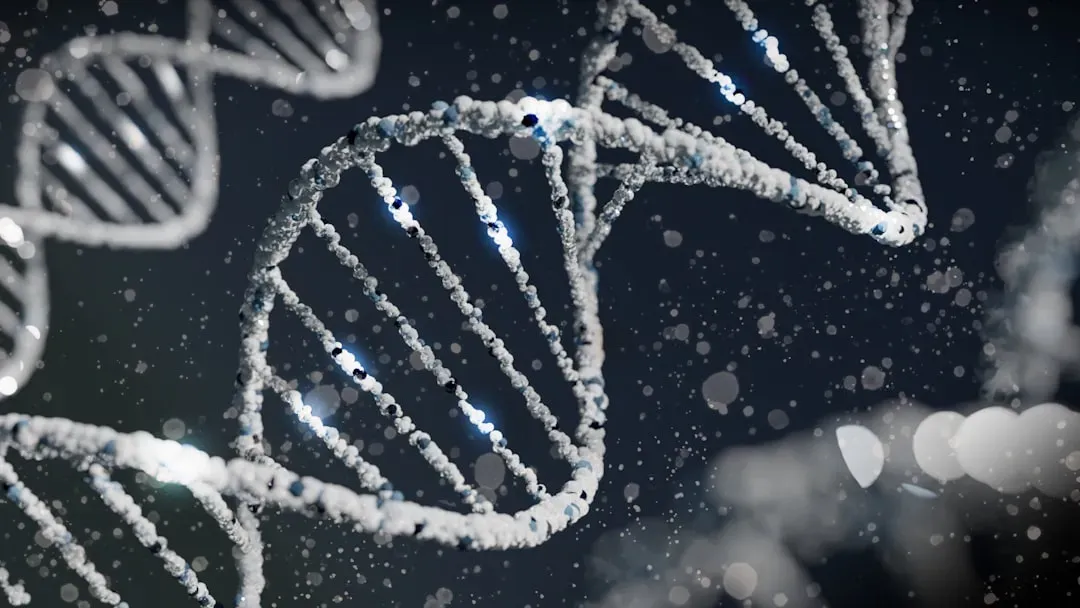
Before the structure of DNA was understood in the 1950s, the question of how traits were passed down across generations felt like a locked box. Scientists knew genes existed in some form, but the mechanism was fuzzy and almost mystical. The discovery that DNA forms a double helix, with information encoded in sequences of four chemical bases, cracked that box open.
Suddenly heredity could be described in concrete, physical terms: a code that can be copied, mutated, and edited. This didn’t just change biology textbooks; it reshaped medicine, agriculture, forensic science, and even how we think about identity and responsibility. Learning that the instructions for building you are stored in a twisting ladder of molecules made life feel both more mechanical and more miraculous at the same time, like discovering that a symphony is just vibrations in air and still somehow being moved to tears.
9. The Antikythera Mechanism and the Forgotten Genius of the Ancients
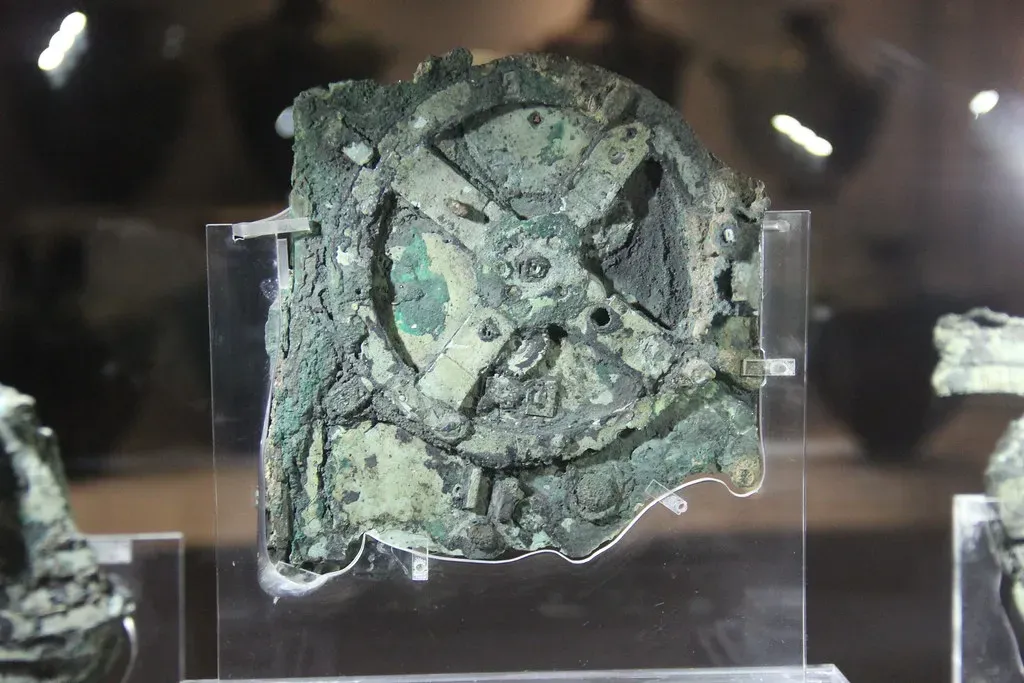
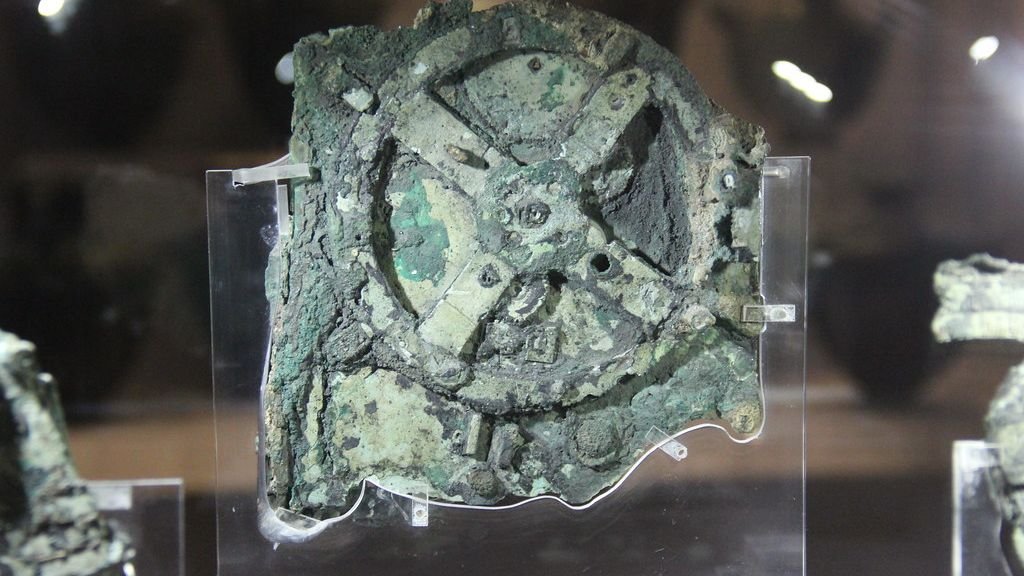
When divers recovered a corroded lump of metal from a shipwreck near the Greek island of Antikythera in the early twentieth century, no one expected it to change the history of technology. Over time, X-rays and advanced scans revealed a shockingly complex gear-based device that could predict eclipses and track the movements of celestial bodies. It has often been described as an ancient analog computer, built more than two thousand years ago.
This shattered the lazy assumption that advanced mechanical engineering was basically born in the modern era. Instead, it suggested that ancient civilizations had achieved levels of precision and sophistication that were later lost and only slowly rediscovered. The Antikythera mechanism turned our image of the past from a simple staircase of progress into something more like a roller coaster, with surprising peaks of knowledge followed by long, forgotten valleys.
10. Lascaux and the Deep Time of Human Imagination
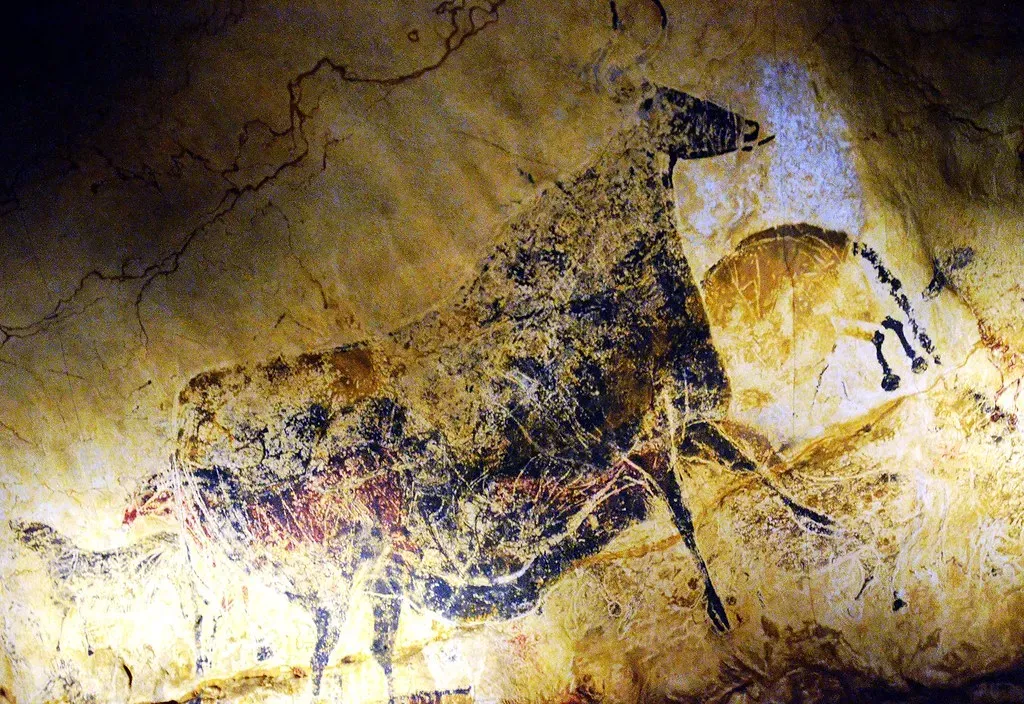
When the cave paintings at Lascaux in France were revealed in the 1940s, the sheer beauty and sophistication of the images stunned the world. These were not crude sketches; they were powerful, flowing depictions of animals and symbols, created roughly seventeen thousand years ago by people who hunted with stone tools. The discovery forced many to rethink early humans as not just survival-obsessed creatures, but storytellers and artists.
The idea that our distant ancestors were capable of complex symbolic thought, ritual, and maybe even a kind of spiritual worldview pushed the origin of art and culture far deeper into the past. It suggested that the urge to make meaning, to decorate, to remember through images, is not some recent luxury but a core part of being human. Standing in front of those painted walls, even in photographs, feels less like looking at “prehistoric” people and more like looking in a very old mirror.
A Past That Refuses to Sit Still
All of these discoveries share a single, unsettling lesson: history is not a finished book sitting on a shelf, it’s a draft with pages constantly being scribbled over. From skeletons that reshape our family tree to ancient instruments that reveal lost genius, each find reminds us that certainty is fragile and humility is essential. The world, it turns out, is far older, more inventive, and more emotionally familiar than we tend to assume.
What’s most striking is how often the biggest shifts began with something small and almost accidental: a cracked jar in a cave, a rusty lump from a shipwreck, a pattern in the background noise of a radio receiver. It makes you wonder what else is still buried under our feet, sitting in a storage box, or hiding in data no one has looked at the right way yet. When the next discovery arrives and rewrites the story again, how ready will we be to let go of what we thought we knew?