

Every time we think we’ve got the universe mostly figured out, nature drops something on our doorstep that basically says: not so fast. From eerie sounds echoing in the ocean’s darkest depths to mysterious lights flickering in the sky, there are still corners of reality that scientists can’t fully explain. Not because no one’s trying, but because the data is incomplete, the patterns are messy, or the phenomenon only shows up when it feels like it.
That’s part of what makes these mysteries so addictive. They sit right on the edge of what we know and what we don’t, daring us to keep asking questions. What follows are seven very real, well-documented natural phenomena that remain stubbornly puzzling in 2026. The science is advancing, but the full answers are still out of reach – and that’s exactly why they’re so fascinating.
The Tunguska Explosion: A Cosmic Mystery Over Siberia

Imagine waking up in 1908 Siberia and seeing the sky literally on fire, followed by a shock wave strong enough to flatten millions of trees across an area larger than some countries. That was the Tunguska event: a massive explosion over a remote part of Siberia that released energy comparable to a large nuclear bomb, yet left behind no obvious impact crater. Eyewitness reports described a blazing object streaking across the sky, but by the time scientists reached the area, all they found was scorched earth and trees knocked down like matchsticks.
The leading theory is that a small asteroid or comet exploded in the atmosphere in a so‑called airburst, disintegrating before it hit the ground. But there are still gaps that bother researchers, like the exact nature of the object, why no clear fragments have ever been confirmed, and why some local reports don’t line up neatly with the models. Over a century later, detailed tree ring analyses, soil studies, and modern computer simulations keep circling the same core idea without fully closing the case. Tunguska is a reminder that even a single event can expose how fragile our certainty about near‑Earth space really is.
Ball Lightning: Ghostly Orbs That Defy Explanation
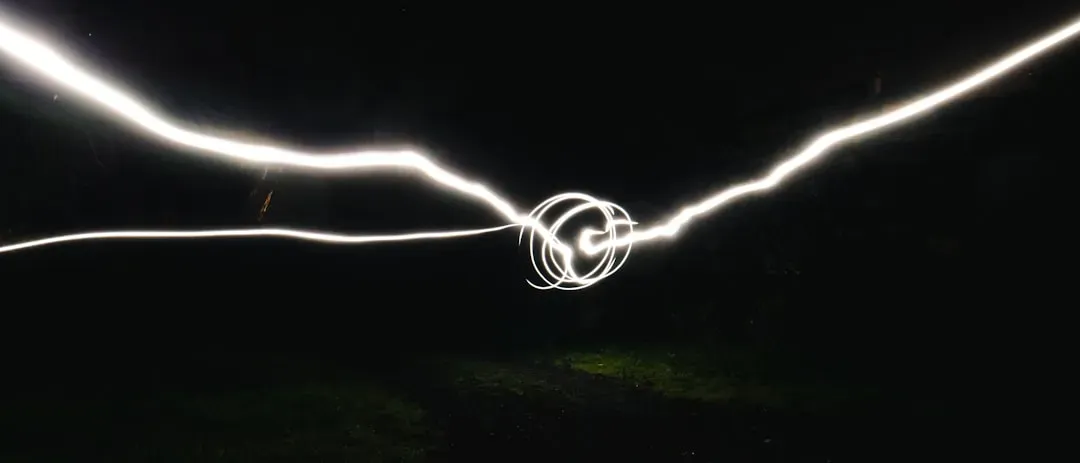
Picture a thunderstorm, the usual flashes and rumbles – and then, out of nowhere, a glowing orb silently drifts through the air, sometimes even gliding indoors, before fading or exploding. That’s ball lightning, a phenomenon so weird it was dismissed as pure myth for decades, even though people across the world kept describing almost the same thing. Reports speak of spheres from the size of a lemon to a basketball, glowing white, blue, or orange, moving in unpredictable ways and occasionally leaving behind a smell of sulfur or burned material.
Scientists have proposed all kinds of explanations: plasma trapped in magnetic fields, vaporized silicon from soil, microwave interference, even optical illusions. A handful of recent measurements and accidental recordings suggest ball lightning might be a real physical object, not just a trick of the eye, but no single theory explains all the strange behavior people report. The big problem is that it almost never appears on command, so experiments are limited and data is thin. In a world of particle accelerators and space telescopes, it’s a bit humbling that a glowing ball in a thunderstorm can still outsmart us.
The Taos Hum and Other Unsettling Global Hums
In some towns around the world, a small portion of people report hearing a low, droning hum that never seems to stop – a sound that others nearby simply can’t hear at all. Taos, New Mexico, became famous for this in the early 1990s, when residents complained of a distant diesel engine–like noise that kept them up at night. Government agencies and acoustic experts brought in sensitive equipment, measured traffic, industry, and even the earth itself, and still couldn’t find a single consistent source that matched what people were describing.
Similar “hums” have been reported in places like Bristol in the United Kingdom and parts of Canada, always heard by a small minority and often resistant to clear measurement. Some scientists suspect the explanation lies in a mix of environmental low‑frequency noise and individual sensitivity – basically, the world is louder and more complicated than we think, and some ears are more tuned in than others. But none of the investigations so far have produced a neat, one‑size‑fits‑all answer, and for many sufferers, the hum is not a curiosity, it’s a torment. This is one mystery where the line between physics, biology, and psychology gets seriously blurry.
Fast Radio Bursts: Cosmic Signals From the Unknown
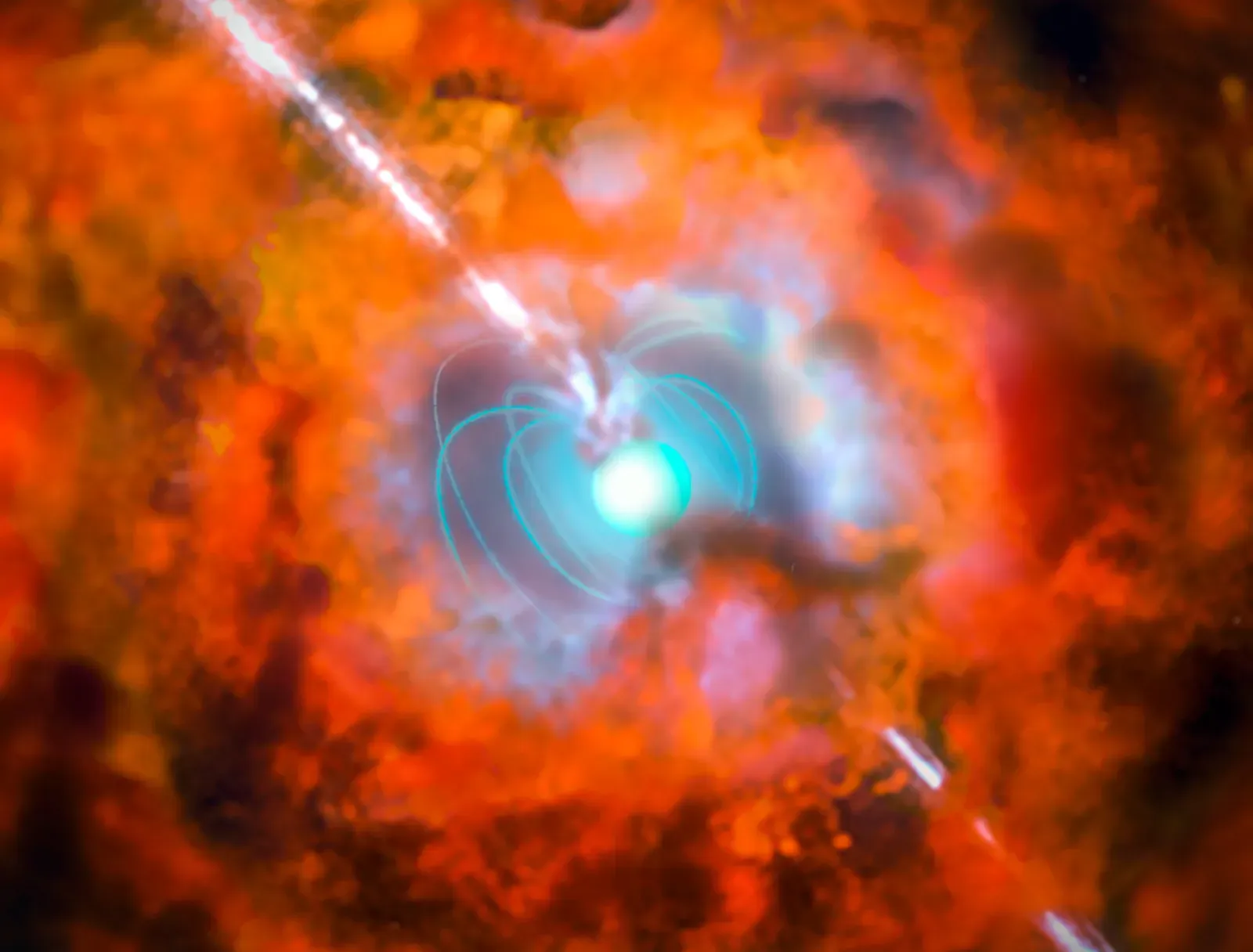
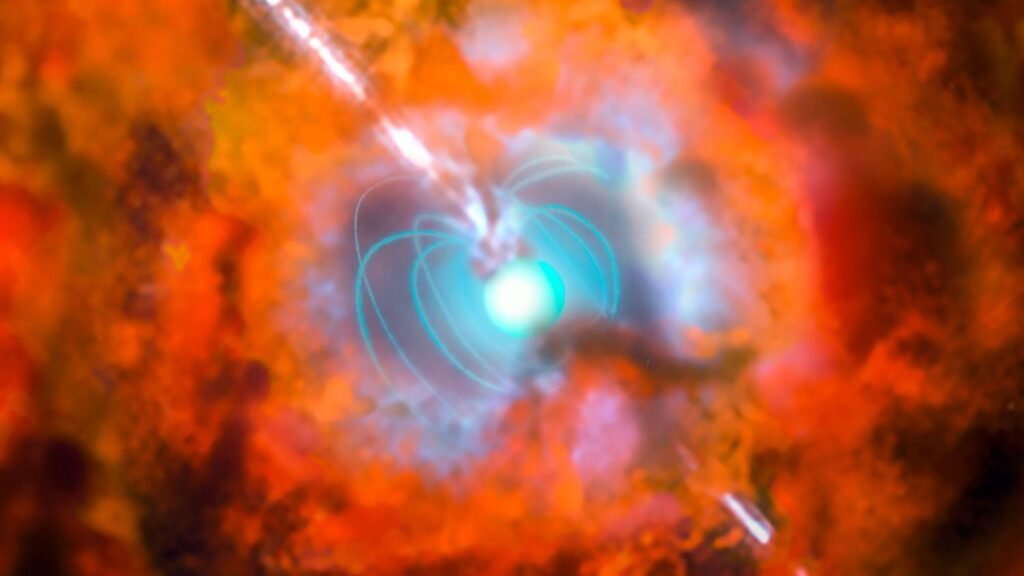
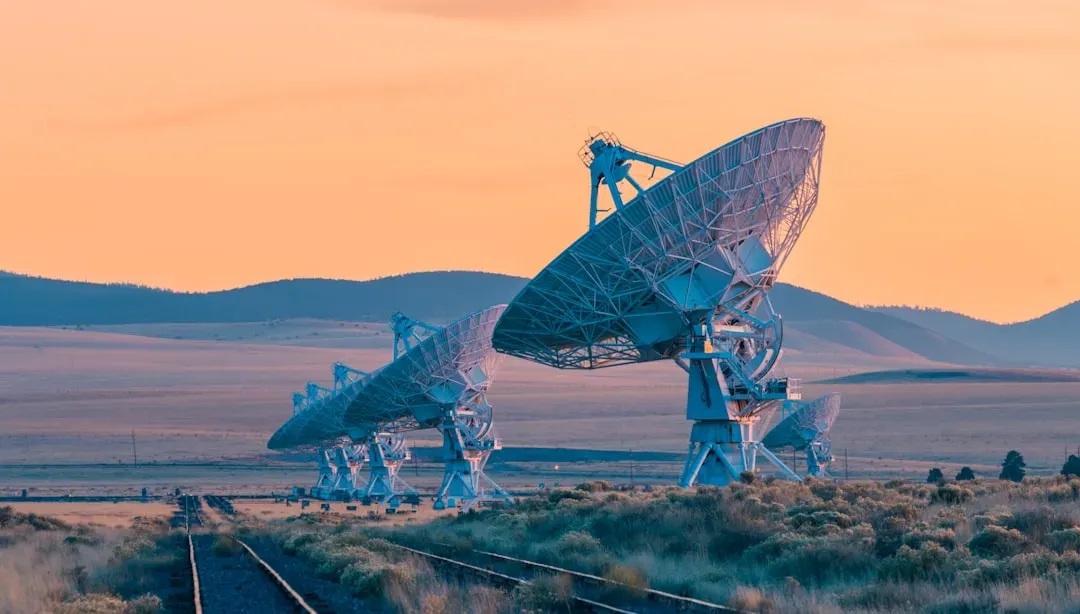
Fast radio bursts, or FRBs, are like the universe sending out random, ultra‑brief radio screams from deep space. Each one lasts just milliseconds but can carry more energy than the Sun emits in days, and they come from distant galaxies far beyond our own. The first FRB was discovered in archival data in the early 2000s, and since then, hundreds more have been found, some repeating and some flashing only once and never again. The sheer power and short duration of these bursts punched a hole in our assumptions about what the cosmos is quietly doing behind our backs.
Current theories lean toward highly magnetized neutron stars, mergers of compact objects, and other extreme astrophysical events, but no single model convincingly explains every type of FRB we see. A repeating FRB located in a particularly strange environment in its host galaxy only deepened the confusion, suggesting that there might be multiple origins or unknown physics at play. High‑tech radio observatories are now hunting them almost constantly, trying to build patterns from the chaos, but many questions remain open. It’s not about aliens; it’s about the unsettling realization that the universe has channels we barely understand.
Dark Matter and Dark Energy: The Invisible Skeleton of the Universe
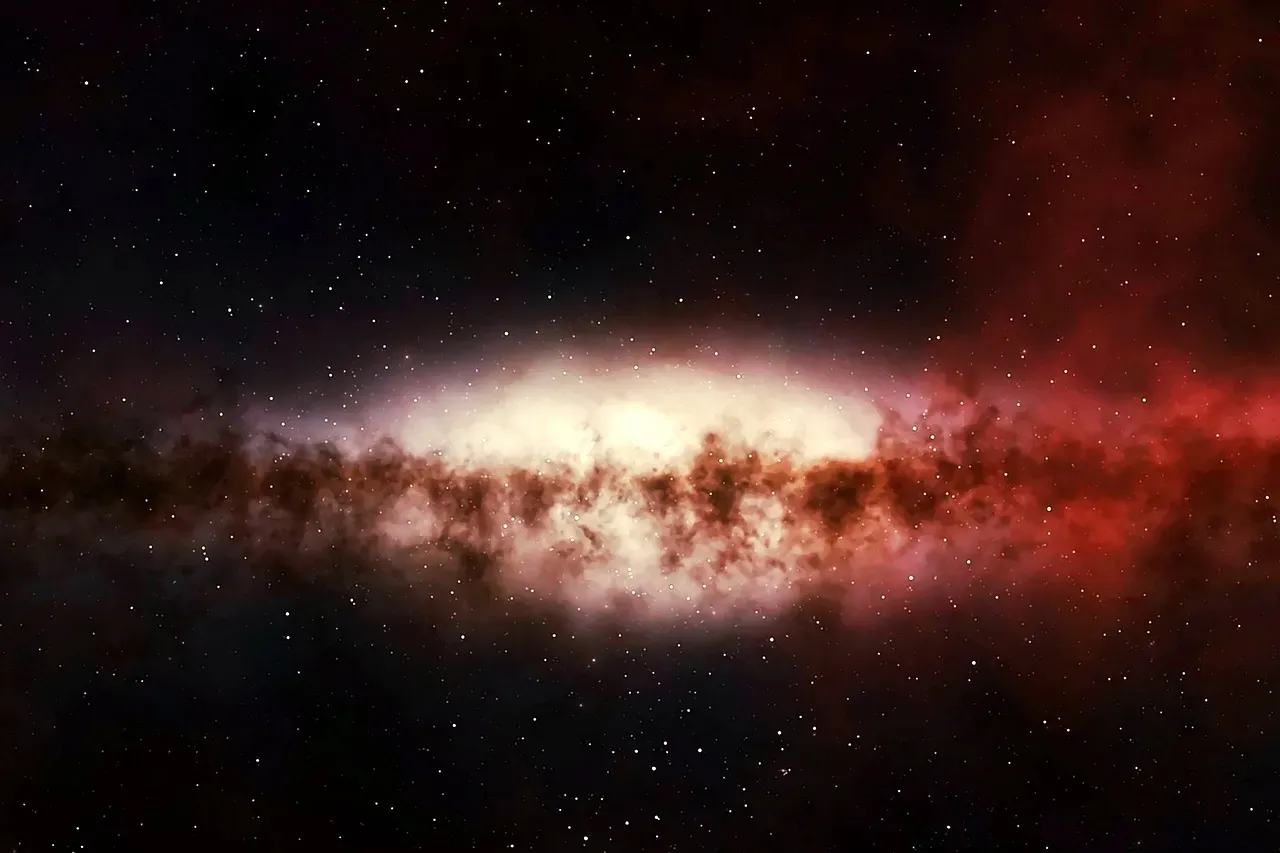
When astronomers carefully measured how galaxies move and how the universe expands, they ran into a brutal conclusion: most of what’s out there is invisible and unknown. The stuff we can see – stars, planets, gas, dust – makes up only a small fraction of the total cosmic budget. The rest seems to be split between dark matter, which behaves like unseen mass holding galaxies together, and dark energy, which acts like a mysterious pressure pushing the expansion of the universe faster and faster. It’s as if reality is built on a scaffold no one can touch or see directly.
What makes this so unsettling is that even after decades of experiments, no one has conclusively detected a dark matter particle, and dark energy is really just a name for something we observe but don’t comprehend. Huge underground detectors, particle colliders, and cosmic surveys have ruled out many popular ideas, but not nailed down a final answer. Some physicists even question whether our theories of gravity need a radical overhaul instead. In everyday life, everything seems solid and familiar, but on the largest scales, we’re basically living in a universe where the main ingredients are still a guess.
Earthquake Lights: Mysterious Glows Before the Ground Shakes

There are countless eyewitness accounts of strange lights in the sky just before or during major earthquakes: glowing clouds, flickering orbs, or pillars of light that seem to rise from the ground. For a long time, these stories were dismissed as superstition or misidentified lightning, but smartphones and security cameras have changed things. In the last couple of decades, multiple videos have captured odd luminous phenomena linked in time and space to seismic events, especially in tectonically active regions.
One popular theory is that intense stress in rocks before an earthquake can release electrical charges that ionize the air, creating brief glows or flashes. Lab experiments with crushed rock and field measurements have shown hints that this is plausible, but scaling those results up to real‑world quakes is far from straightforward. Not all large earthquakes show lights, and the shapes and colors people report vary widely. Scientists are intrigued not just because of the mystery, but because if we understood earthquake lights properly, they might one day help as an early warning sign – though we’re nowhere near that stage yet.
The Wow! Signal and Other Unexplained Cosmic Blips
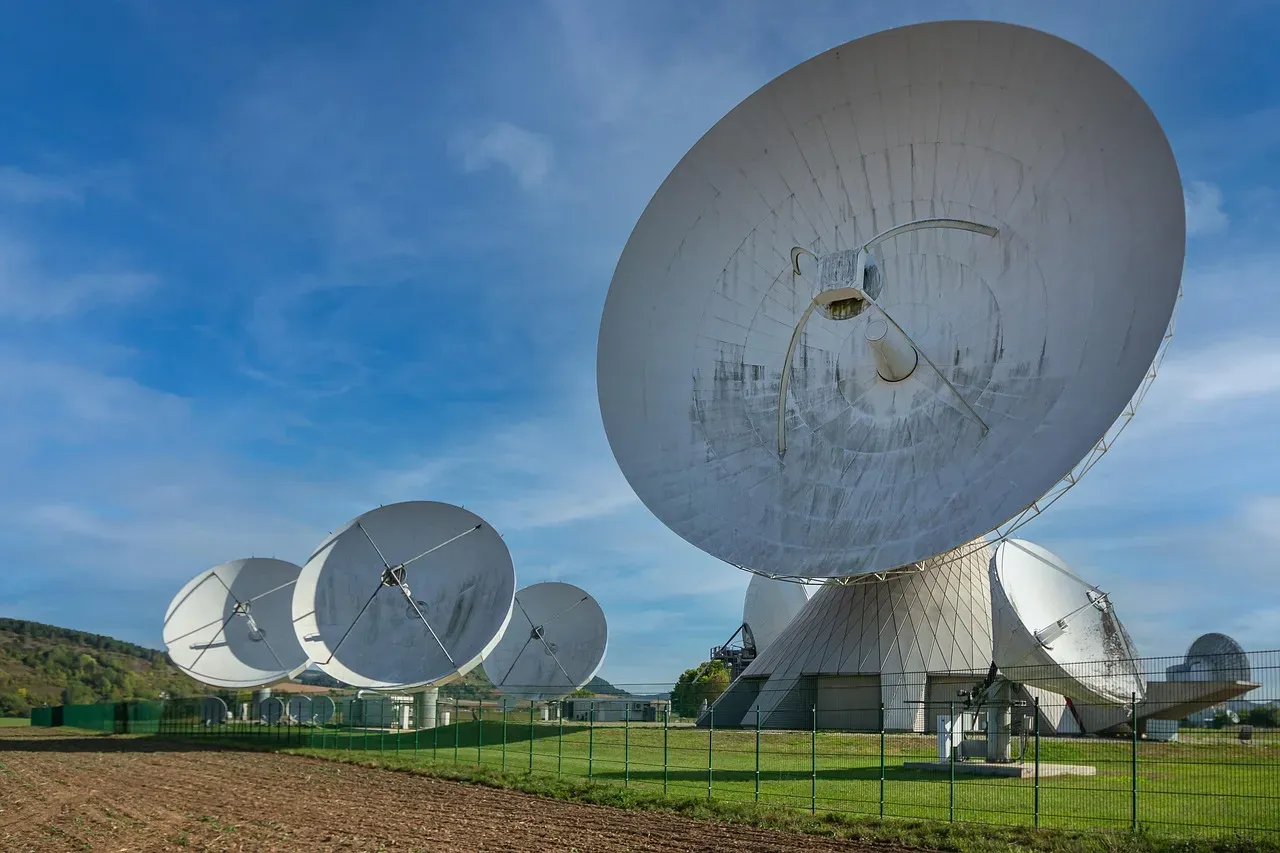
In 1977, a radio telescope in Ohio picked up a strong, narrow‑band radio signal from space that looked exactly like what scientists thought a deliberate transmission from another civilization might resemble. It lasted just over a minute, came from a direction near the constellation Sagittarius, and then vanished. Intensive searches in that same patch of sky never found it again. The scientist who discovered it circled the data on the printout and wrote a single word next to it in amazement, and that’s how it became known worldwide.
Since then, other strange one‑off radio events have appeared in data, though many turned out to be human interference or mundane natural phenomena. The original signal, however, has never been fully explained, and no known natural source fits it perfectly in all its characteristics. Most researchers think it was probably some unusual, unknown natural process rather than a message, but “probably” is as far as anyone can honestly go. The mystery persists, sitting right at that uncomfortable place where science, imagination, and our hopes about not being alone in the universe crash into one another.
Why These Mysteries Matter More Than the Answers
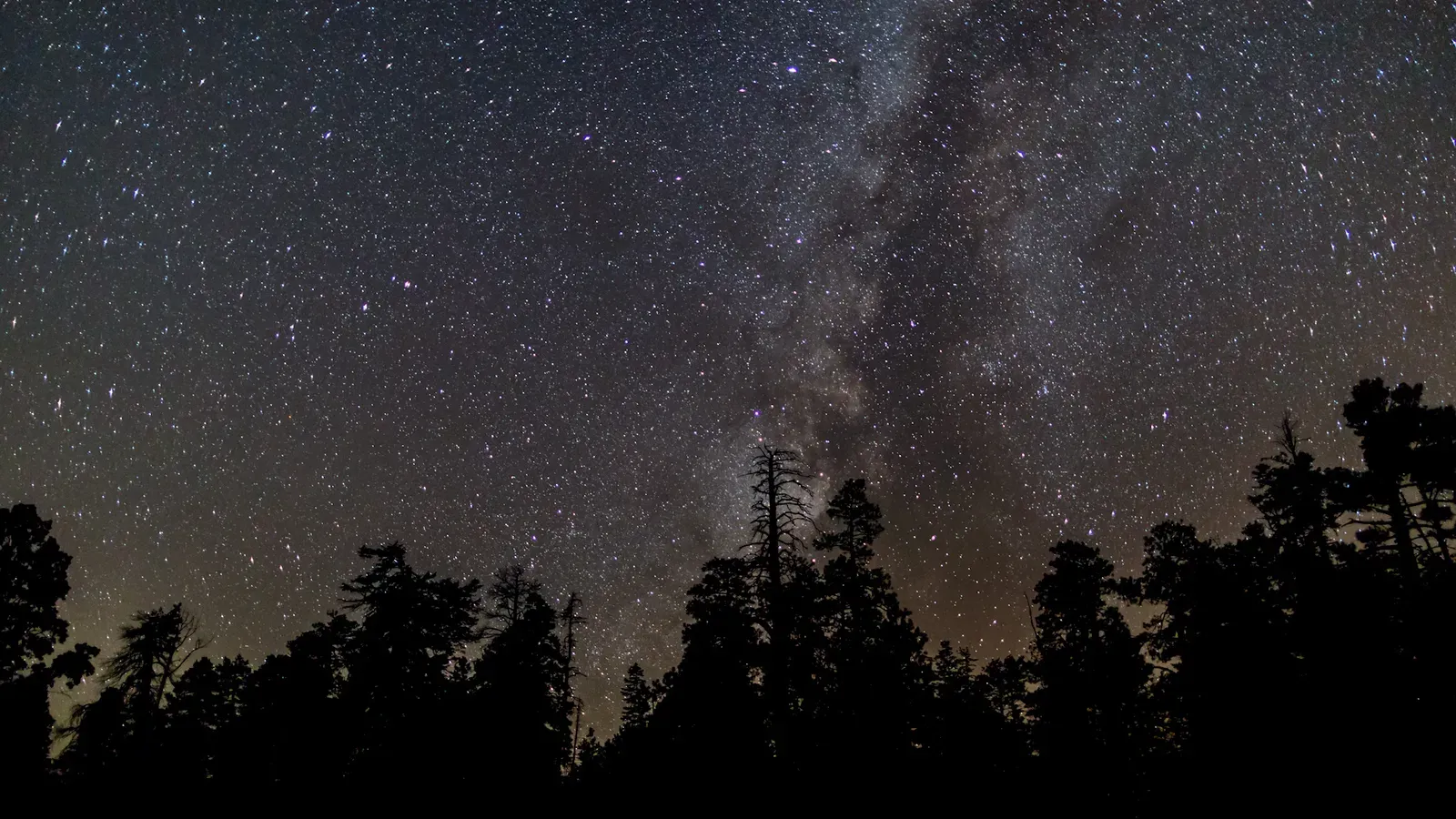
Looking at these phenomena together, it’s tempting to focus only on what we don’t know – why the trees in Tunguska fell just so, what really glows before earthquakes, or what’s hiding behind the veil of dark matter and dark energy. But there’s something quietly powerful about the fact that these are not fringe stories or campfire legends; they’re real, measured, argued over in labs and observatories. The unanswered parts aren’t a failure of science, they’re the checklist for what we still need to explore. They’re like open tabs in the browser of human curiosity that no one can bring themselves to close.
On a more personal level, these mysteries tug at the same part of us that stared at the night sky as kids and wondered what was out there, or listened to a strange sound in the distance and felt a mix of fear and excitement. In a world that often feels over‑explained and over‑mapped, it’s strangely comforting to know that nature still has secrets capable of surprising even the smartest people on the planet. If this is what we’ve found so far, how many other, even stranger things are still waiting just beyond the edge of what we can see and measure?


