Across thousands of years, humans have danced around fires, burned herbs, chanted in unison, fasted for days, and bathed in cold rivers, all in the name of the sacred. At first glance, many of these rituals look mysterious, even irrational, like fragments from a world that no longer exists. But when you look closer with the lens of modern science, a lot of them turn out to be incredibly practical, almost like early user manuals for the human body and mind.
I still remember standing in a smoky temple in South India years ago, coughing and squinting, thinking, “How on earth is this supposed to be good for anyone?” Only later did I learn that some of those scents and practices had antimicrobial and psychological effects people couldn’t yet explain in words. That stuck with me. It’s oddly humbling to realize that our ancestors, without brain scans or lab coats, sometimes stumbled onto habits that modern research is just now starting to validate.
1. Incense and Sacred Smoke: Ancient Air Purifier
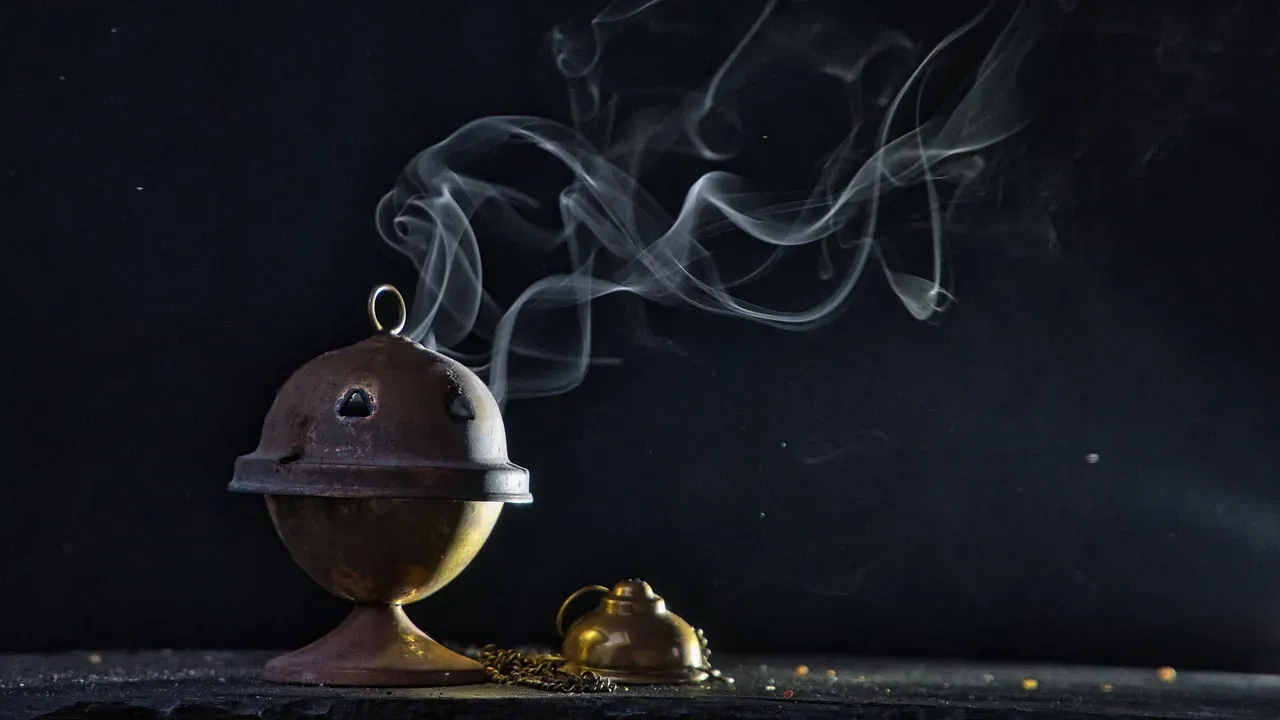
Walk into an old church, temple, or shrine almost anywhere in the world, and you’ll find smoke: frankincense, myrrh, sage, sandalwood, resins, or herbs curling up into the air. For centuries this was framed as a way to carry prayers upward or chase away evil spirits. On a symbolic level that imagery is powerful, but what’s surprising is how often the smoke did something in the real world too, especially in crowded indoor spaces without ventilation.
Modern research has shown that burning certain resins and herbs can reduce airborne bacteria and fungi, acting a bit like a low-tech disinfectant. Some traditional smudging practices using specific plants seem to lower microbial load in the air for hours afterward, which made close gatherings and rituals a little safer long before anyone knew what a germ was. Of course, too much smoke irritates lungs, and not all incense is harmless, but the basic idea that “sacred smoke cleanses” has more scientific bite than it first appears, like an ancient version of opening a bottle of sanitizer in the sky.
2. Fasting and Religious Abstinence: A Metabolic Reset Button

From Ramadan to Lent to Hindu Ekadashi fasts and Buddhist monastic rules, the idea of going without food for spiritual reasons is almost universal. Traditionally, fasting was framed as a way to purify the soul, strengthen willpower, or show devotion to something bigger than yourself. Growing up, I mostly heard it described as “suffering for a higher cause,” which honestly never sounded that appealing.
But medical and nutritional research over the past couple of decades has radically reframed fasting as a physiological tool. Controlled fasting and time-restricted eating can trigger cellular housekeeping processes like autophagy, improve insulin sensitivity, and support metabolic health when practiced sensibly. Periodic abstinence from rich foods also acts as a built-in brake against constant overeating, something our ancestors didn’t write in textbooks but wove into religious calendars. The spiritual language might talk about cleansing the spirit, yet the body was clearly getting its own kind of reset too.
3. Cold-Water Ritual Baths: Stress Training for the Nervous System

Think of ritual river baths at dawn, icy mountain springs in pilgrimage sites, or traditional practices where people immerse themselves in cold water before prayer. On the surface, they look purely symbolic: washing away sin, entering a state of purity, or being reborn. When I first tried an early-morning dip in a freezing river at a pilgrimage site, the only thing I felt getting “purified” was my ability to feel my toes.
Yet modern physiology has a different story to tell. Brief exposure to cold water activates the sympathetic nervous system and releases stress hormones in a controlled way, which over time can improve resilience, mood regulation, and even reduce inflammation in some people. Cold immersion also triggers a rush of endorphins and noradrenaline, often leaving people alert and oddly uplifted afterward, like a natural mood jolt. What was once framed as a harsh test of piety now looks a lot like deliberate stress conditioning for the brain and body, not so far from contemporary cold plunges and cryotherapy trends.
4. Chanting, Mantras, and Hymns: Built-In Nervous System Tuner
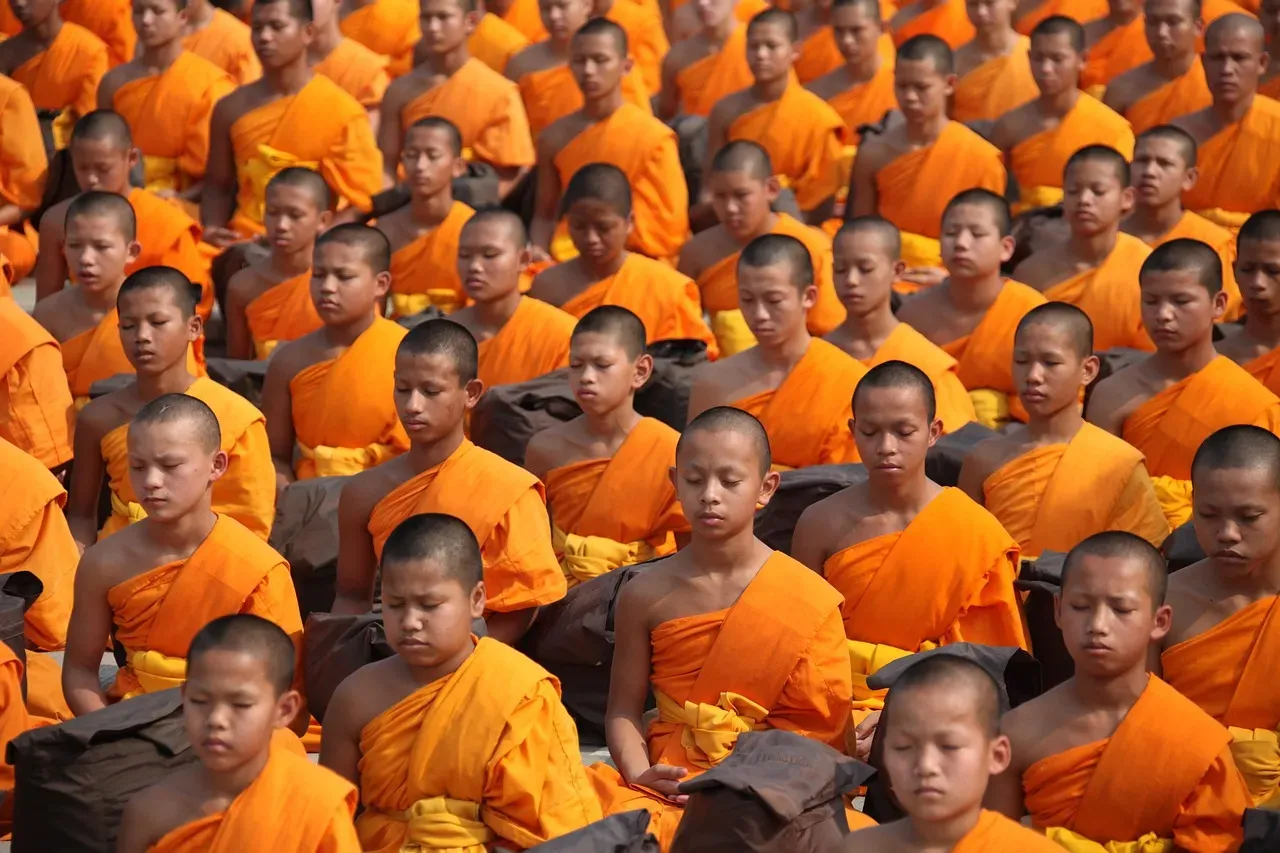
Humans have been chanting together around fires and in echoing halls for a very long time, repeating mantras, hymns, or simple syllables. People used to say that these sounds had mystical vibrations that could transform the mind or call down the divine. Whether you buy the spiritual framing or not, it’s hard to deny the absorbing, almost hypnotic feeling of repeating the same rhythm with a group, your breathing quietly syncing up with everyone else’s.
Studies on chanting, humming, and slow vocalization show they can stimulate the vagus nerve, which is deeply involved in calming the body’s stress response. Slow, rhythmic breathing paired with repetitive sound can lower heart rate, reduce anxiety, and create a sense of connection and safety, especially when done in a group. This is remarkably similar to what you see with some mindfulness and breathing techniques used in modern therapy. The idea that a mantra “centers” you turns out to be less mystical and more about how vibration, breath, and repetition soothe a jumpy nervous system that often just needs a predictable rhythm to hold onto.
5. Pilgrimages and Long Sacred Journeys: Ancient Mental Health Retreats
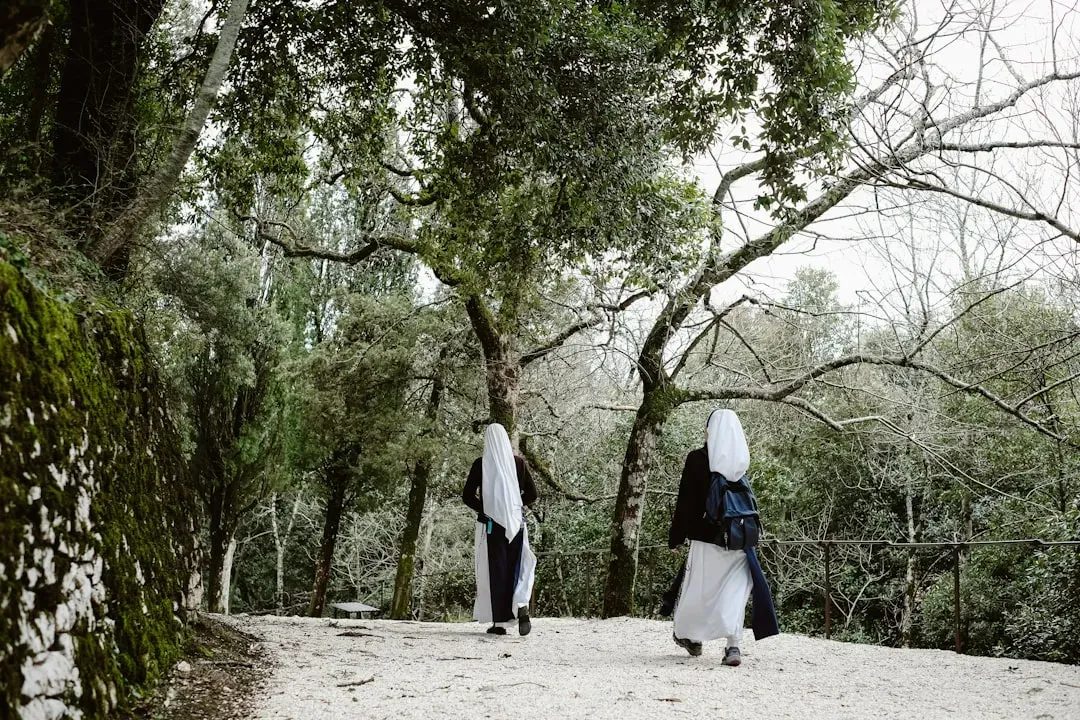
For millennia, people have walked hundreds of kilometers on foot to reach sacred sites: the Camino de Santiago, the Hajj routes, Kumbh Mela journeys, Shikoku pilgrimages, and many more. These trips were framed as a chance for redemption, spiritual merit, or transformation. They also meant stepping out of your daily grind, your social loop, and your usual identity for days or weeks at a time. You suddenly weren’t a shopkeeper or farmer or clerk anymore; you were simply a pilgrim, one of many on the road.
Modern psychology has started to recognize how powerful this kind of structured time away can be. Long walks in nature reduce stress hormones, improve mood, and support cognitive function, while shared journeys foster social bonding and a feeling of belonging. In a sense, a pilgrimage is a historical version of a walking therapy retreat: physical movement, emotional reflection, social support, and a clear narrative of “leaving, changing, and returning.” The story is sacred, but the mental health benefits are strikingly down-to-earth, giving people space to process grief, big decisions, or life transitions with every step they take.
6. Sacrificial Feasts and Communal Meals: Social Glue and Immune Training
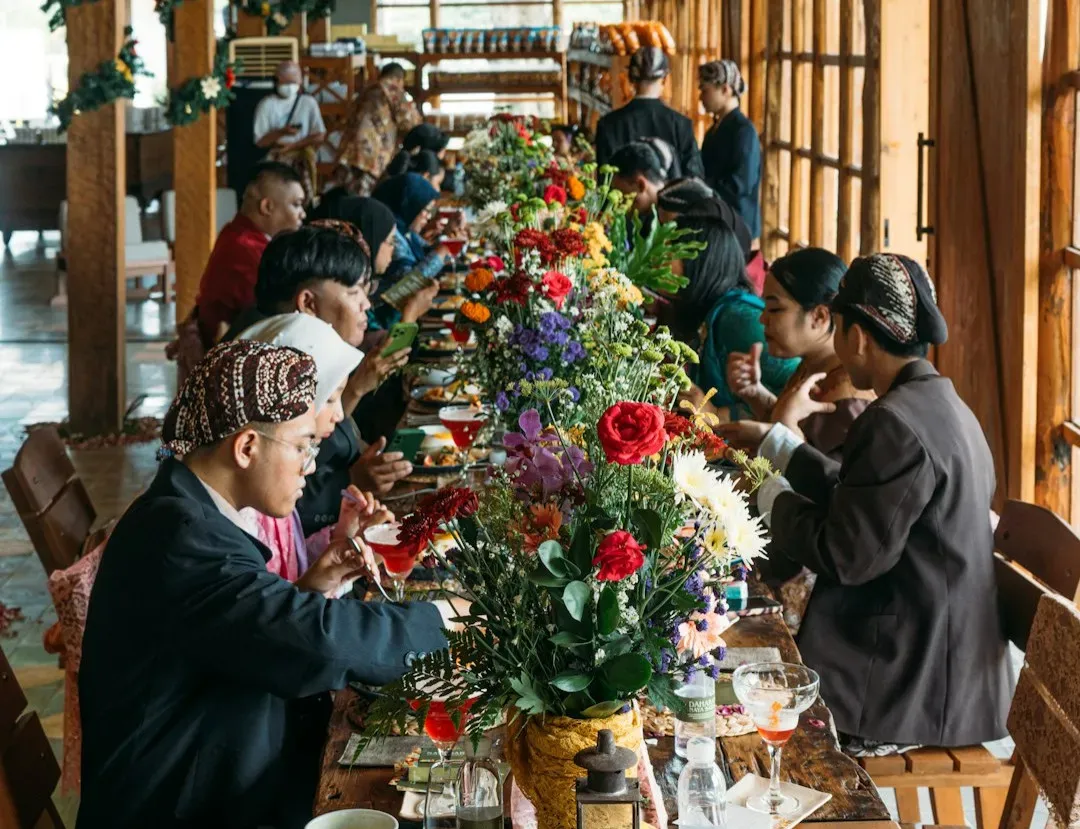
Many ancient rituals centered on sacrifice followed by shared feasting: animals offered to a deity, grains or wine libations, food blessed and then eaten by the whole community. On the surface, it’s about honoring gods and redistributing divine favor. But underneath the stories, these rituals did something incredibly practical: they made sure people in the community sat down together, ate together, and synchronized their lives at regular intervals, which quietly strengthened social trust.
Social connection is not just “nice to have”; it’s deeply tied to health. People with strong social networks tend to live longer and recover better from illness, and communal eating shapes cultural norms around sharing, fairness, and cooperation. There’s also an interesting side note: frequent contact in shared spaces exposes people to each other’s microbes in relatively controlled ways, which can help immune systems calibrate. The feast framed as sacred obligation doubled as a scheduled social reset and subtle immune and cultural training session, the kind of thing we now pay coaches and therapists to help us recreate in far more awkward ways.
7. Anointing with Oils and Sacred Ointments: Early Chemistry and Skincare
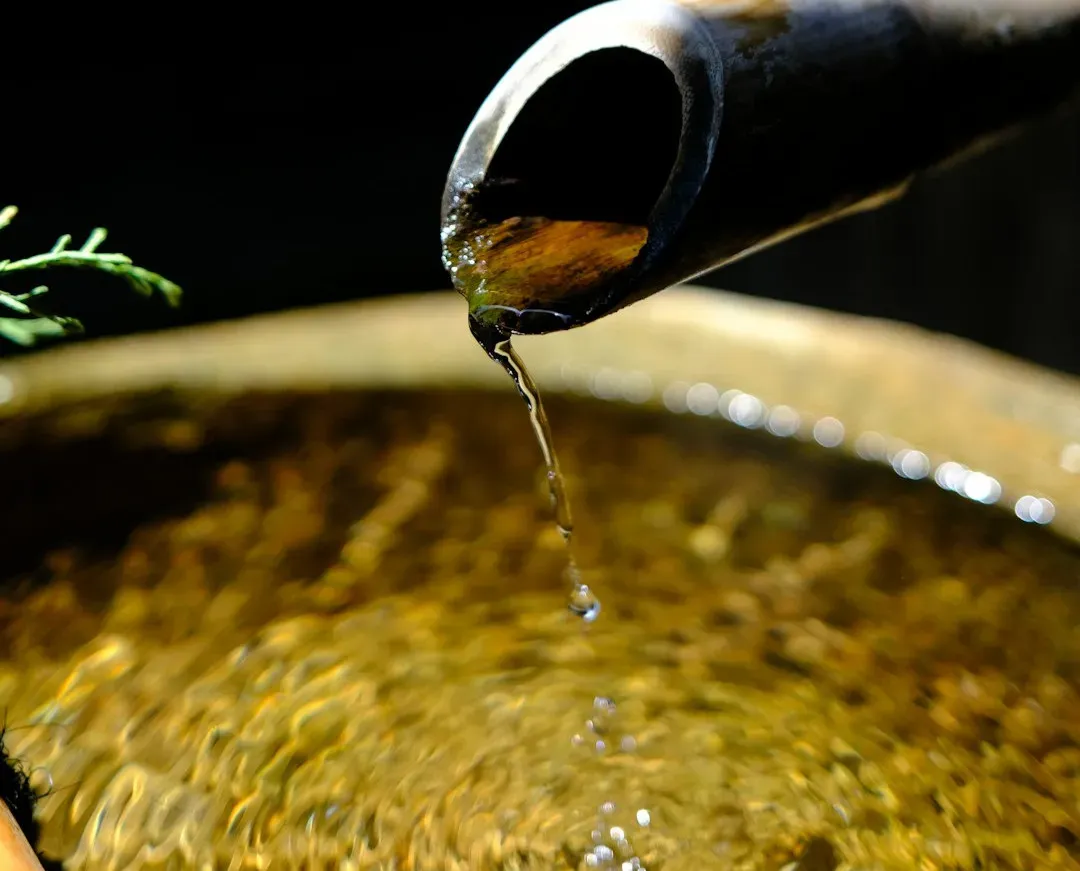
From ancient Egypt and Mesopotamia to India and the Mediterranean, priests and healers anointed people with oils before rituals, coronations, or burials. These substances were often infused with herbs and resins, said to confer protection, divine favor, or purification. As a kid, I used to roll my eyes at the idea that a bit of scented oil could do anything significant, other than leave a stain on your clothes and a smell in the room.
But many of these traditional oils had real biological effects: antimicrobial properties, insect-repelling traits, skin-protective qualities, and aromatherapeutic benefits that influence mood and perception. Certain plant oils support skin barrier function and wound healing, while their scents can modulate stress responses through the olfactory system. So the sacred oil wasn’t just symbolic; it was a genuine protective layer in dusty, hot, and disease-prone environments. The fact that a ritual of “divine protection” also protected skin and sometimes helped ward off infection is one of those moments where myth and medicine quietly shake hands without saying a word.
Of course, not every old practice is harmless or wise, and tradition alone is never proof that something is good. But there is something oddly moving about discovering the logic hiding inside what once seemed like pure superstition, like a quiet reminder that people before us were paying attention, experimenting in their own imperfect ways. Maybe the real lesson is that humans have always been searching for ways to feel whole, long before we could name neurotransmitters or microbiomes. Which of these rituals suddenly makes a lot more sense to you now?