
Most of us think of Earth as a surface world: mountains, oceans, cities, forests. But beneath our feet lies an astonishingly complex planet that almost none of us will ever see. Entire landscapes, vast rivers of rock, lost ecosystems, and microscopic empires are stacked in darkness below every step you take.
Once you start looking down instead of out, the familiar world suddenly feels thin, almost fragile, like the skin of a drum stretched over an unknown depth. What if the strangest places on Earth aren’t in distant galaxies, but a few kilometers under your shoes? Let’s head underground and peel back the planet, layer by layer.
The Shocking Depths: How Far Down Do “Subterranean Worlds” Go?
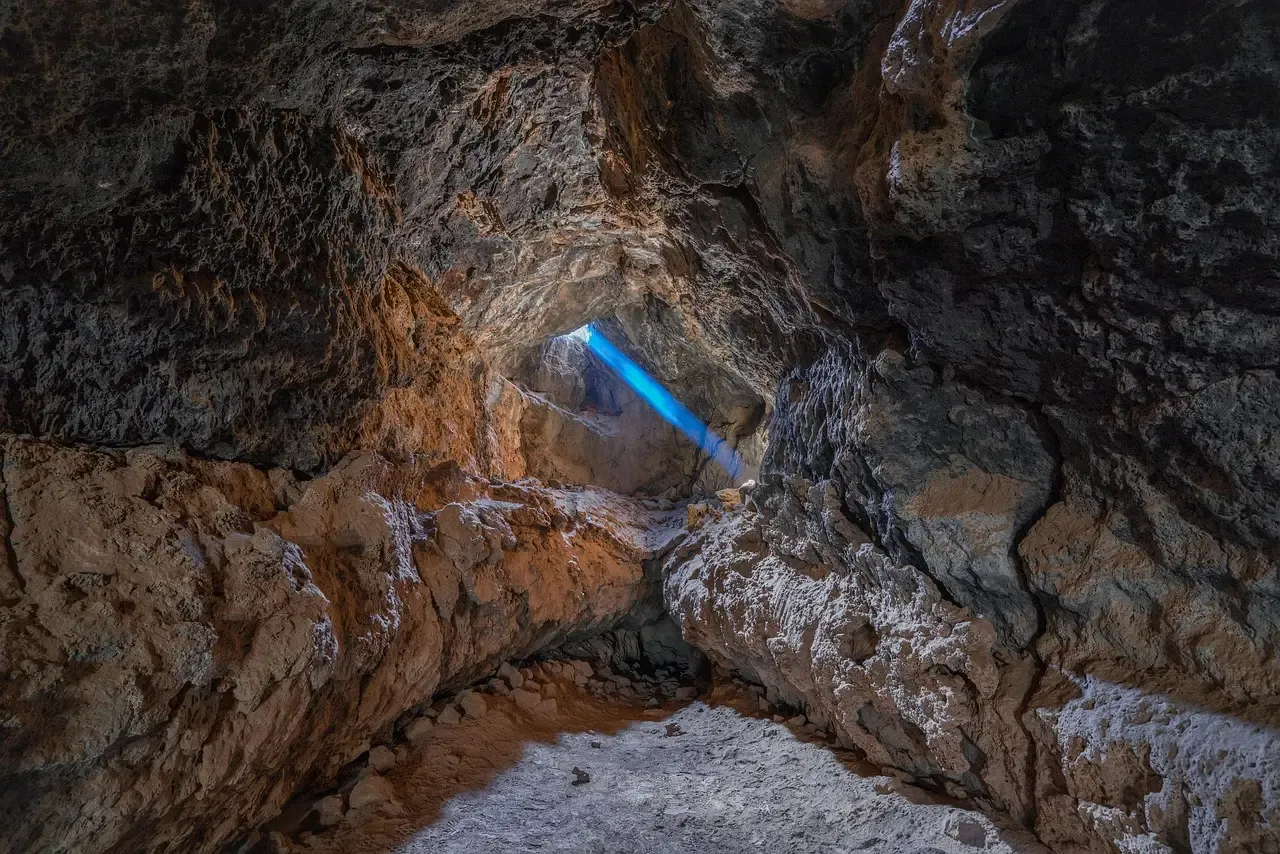
It’s surprisingly hard to grasp how deep Earth’s interior really is until you compare it to something ordinary. If you shrunk the planet down to the size of a typical classroom globe, the deepest hole humans have ever drilled would barely scratch the paint. The Kola Superdeep Borehole in Russia reached about twelve kilometers down, yet Earth’s radius is more than six thousand kilometers; in human terms, we’ve just poked a pinprick into a watermelon and tried to guess what the seeds look like. Almost everything we know about the deep interior comes from indirect clues like seismic waves and gravity measurements rather than direct exploration.
Scientists generally divide the interior into the crust, mantle, outer core, and inner core, but that tidy textbook diagram hides a wild reality of changing pressures, temperatures, and materials. The crust itself is thinner than many people think, roughly like the peel of an apple compared to the whole fruit, and beneath that peel, rock behaves in ways that seem to rewrite the word “solid.” As you move down, temperatures quickly soar past the heat of a pizza oven, then a blast furnace, then rival the surface of the sun in the core. We live on the cooled crust of a roaring engine, and our entire history plays out on a solidified film on top of a churning, mostly inaccessible interior.
Into the Dark: Caves, Underground Rivers, and Hidden Stone Cathedrals
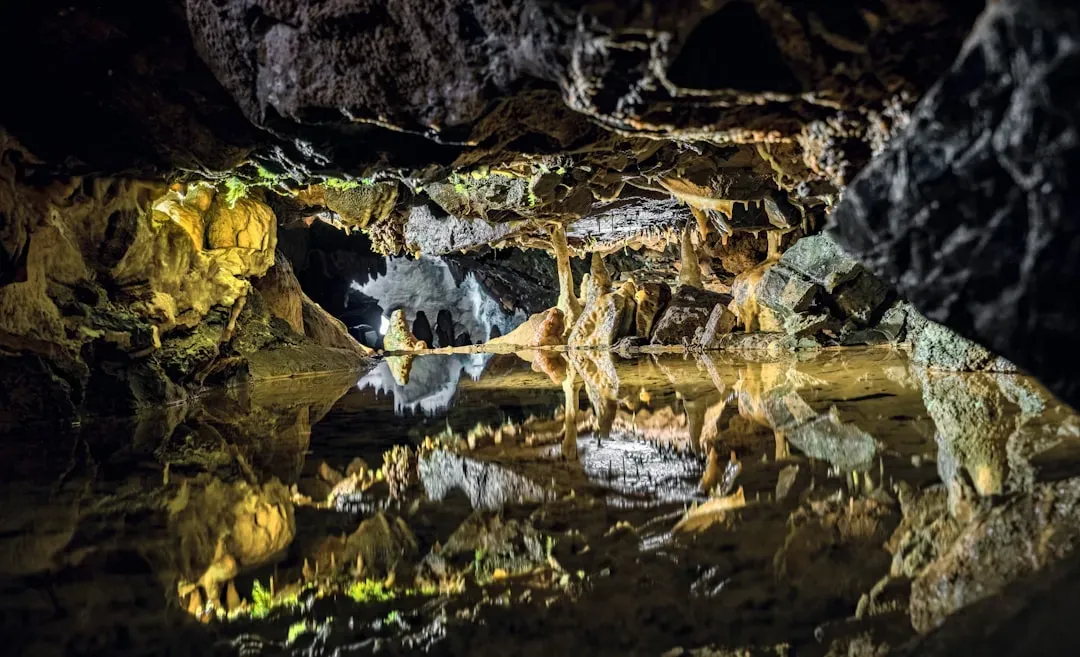
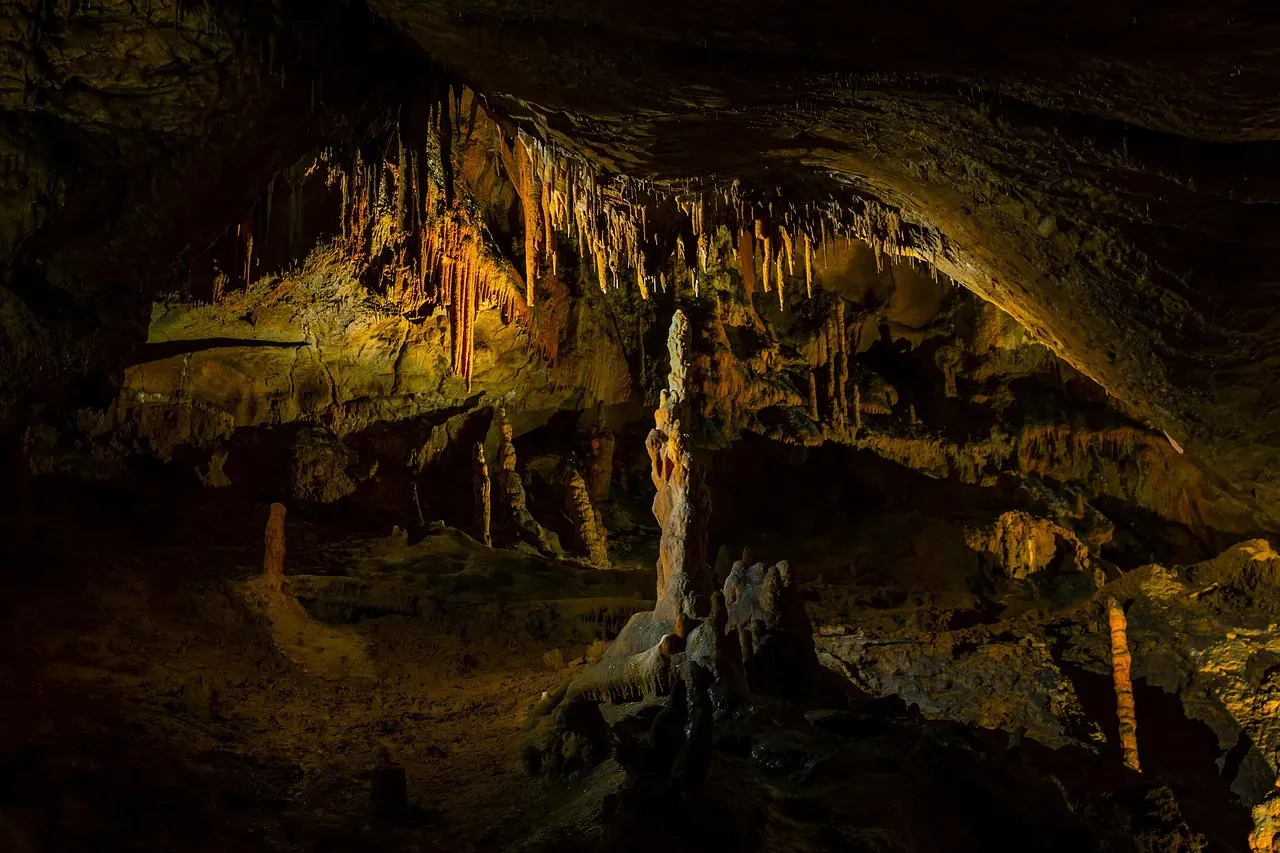
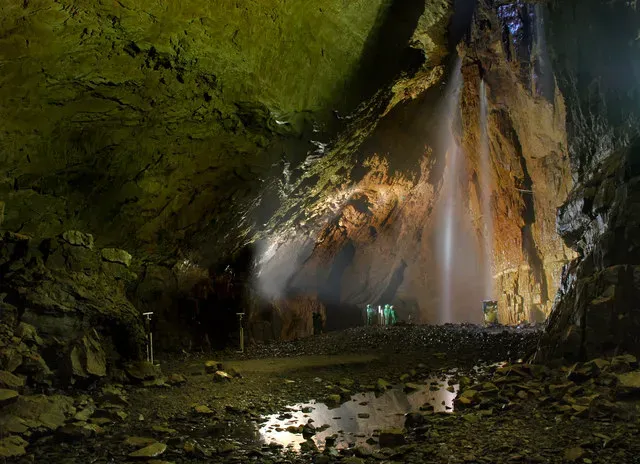
Caves are the most immediate doorway into subterranean worlds, and yet they still feel like stepping into another planet. Walk into a limestone cave and the air tightens, sounds dull, and time seems to slow as you follow dripping water into halls bigger than cathedrals. In places like Son Doong in Vietnam or Mammoth Cave in the United States, entire underground jungles, rivers, and weather-like systems form under the surface, with fog, wind, and isolated ecosystems all sealed away from daylight. It’s hard not to feel tiny under those stone ceilings that took hundreds of thousands of years to grow drip by drip.
The sculpting power of water is on full display underground, where it carves sinuous tunnels, sinkholes, and subterranean lakes that put surface landscapes to shame. Stalactites and stalagmites rise and fall like frozen chandeliers and stone forests, often containing chemical and climate records locked into their layers. Explorers wade through waist-deep black rivers not entirely sure whether the next step is solid ground or a sudden plunge into a flooded chamber. Caves are a reminder that just beneath ordinary farmland or quiet villages, there may be a vast negative space, a hollow Earth in miniature that no one at the surface suspects is there.
Life Without Sunlight: Microbial Worlds Deep Below
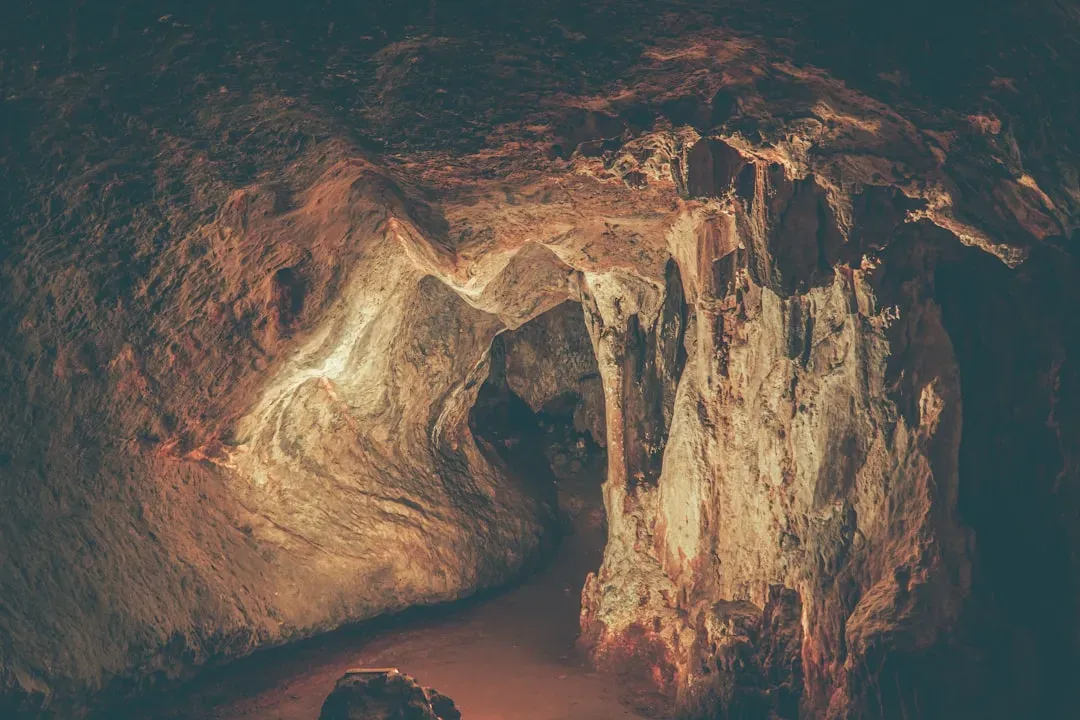
The idea that life needs sunlight turns out to be only partly true. Over the past two decades, researchers have found astonishing microbial communities deep in mines, boreholes, and rock fractures kilometers below the surface, thriving in total darkness. These organisms live off chemical energy from rocks, gases, and groundwater rather than photosynthesis, forming what many scientists now call the “deep biosphere.” Some estimates suggest that if you weighed all this hidden life together, it could rival or even outweigh the life we see on the surface, which is a pretty humbling thought.
In South African gold mines, microbes have been found living in water pockets more than three kilometers underground, surviving on hydrogen produced by natural radioactivity in surrounding rocks. Others live in tiny pores within oceanic crust beneath the seafloor, enduring crushing pressures and near-boiling temperatures that would destroy surface creatures in an instant. This life is slow, patient, almost glacial in its pace; some microbes may divide only once every few decades. When you realize that Earth is teeming with invisible, deep-dwelling organisms that never see the sun, the planet starts to feel less like a rock with life on top and more like a living system soaked with biology all the way through its outer shell.
Below the Seafloor: Abyssal Sediments and Hidden Hydrothermal Kingdoms
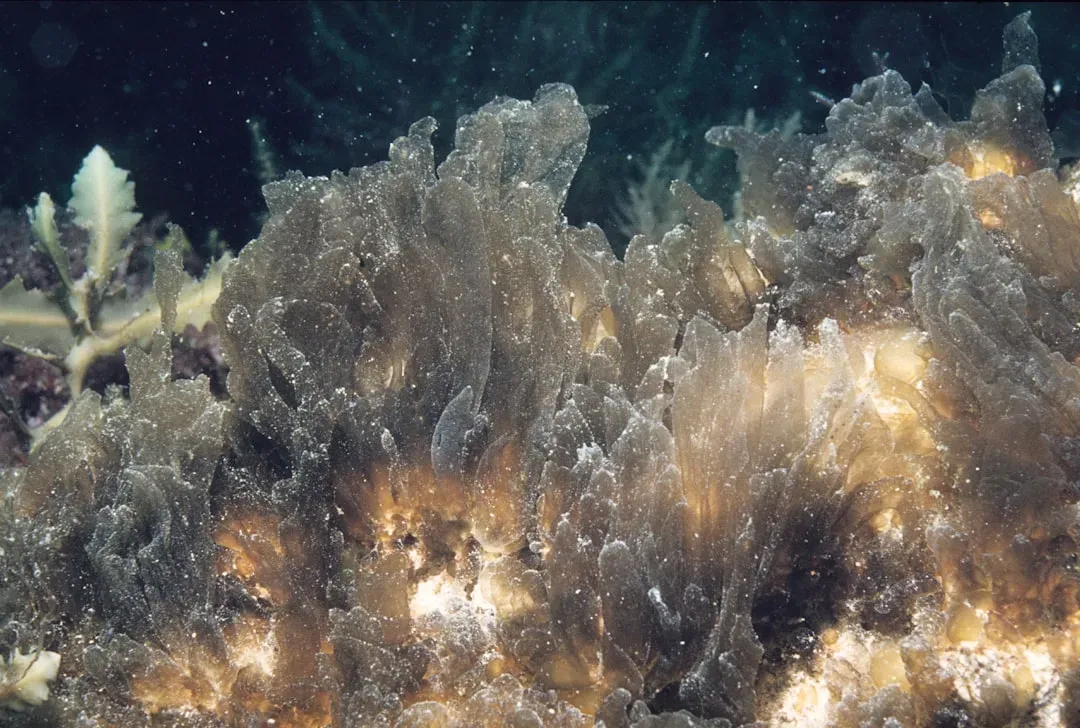
The ocean already feels remote, but below the seafloor’s muddy skin is another layer of mystery. Drilling expeditions have pulled up cores from the deep seabed that read like time scrolls, revealing climate swings, mass extinctions, and volcanic events preserved grain by grain. Beneath those sediments lies ancient oceanic crust riddled with cracks and pores that host still more microbial life, feeding on circulating fluids and chemical gradients. It’s as if the ocean has a secret basement where ancient stories and slow-motion chemistry keep playing out, completely detached from waves and storms above.
Along mid-ocean ridges and subduction zones, hydrothermal vents gush out superheated, mineral-rich fluids that paint the seafloor in surreal blacks, whites, and metallic hues. Entire ecosystems have evolved to live on these chemical oases, from giant tubeworms to strange clams and shrimp that rely on symbiotic bacteria for food rather than plants. These vent fields sit in total darkness, but they shine in a different way: they show that life can flourish powered entirely by geology. Thinking about these hidden hydrothermal kingdoms, you start to see how some of the first life on Earth might have emerged in similar environments, far from sunlight, in the shadowy underworld of the young planet.
The Mantle: A Slowly Flowing “Solid” Ocean of Rock
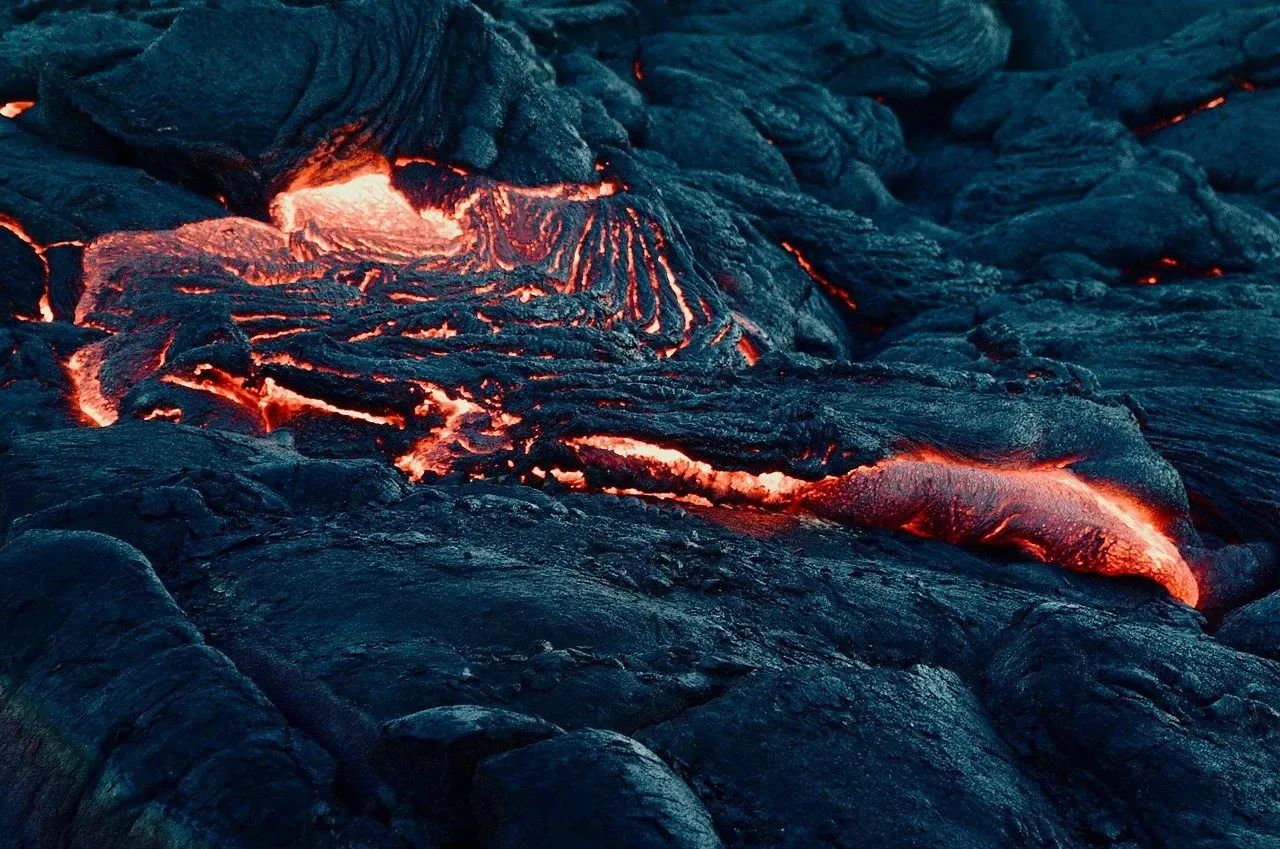
The mantle is where our intuitions about solid and liquid start to fall apart. Technically, most of the mantle is solid rock, but under the immense pressures and temperatures at those depths, it behaves like an extremely slow-moving fluid, creeping over millions of years. If you could somehow speed up time, the mantle would look like a gigantic, sluggish lava lamp, with hot rock rising in plumes and cooler rock sinking back downward. This slow churn drives plate tectonics, which in turn shapes continents, builds mountains, and triggers earthquakes and volcanic eruptions.
We infer the mantle’s structure from how seismic waves bend and bounce through it during earthquakes, revealing zones that are hotter or cooler, stiffer or more sluggish. Some deep-seated features, like huge low-shear-velocity provinces near the core-mantle boundary, are so large they rival continents in scale, yet we still don’t fully understand what they are. The mantle is basically Earth’s engine room, constantly rearranging the surface from below in ways we notice only when they break violently through as quakes or eruptions. It’s unsettling, in a way, to realize that continents are more like rafts on a deep, flowing stone ocean than fixed stages for history.
Subterranean Cities and Human Tunnels: Our Tiny Scratch on the Underground
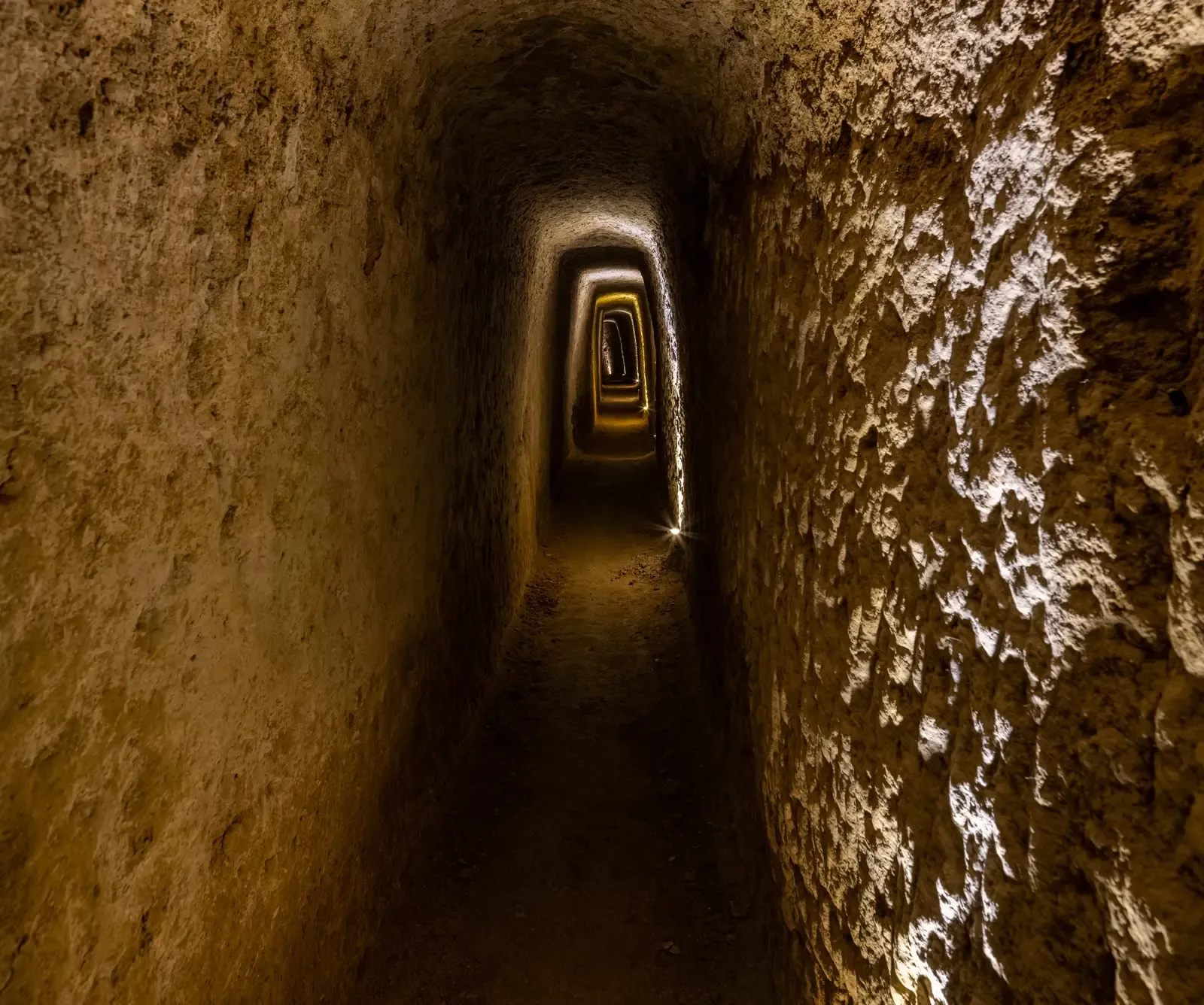
Humans have always dug down, but our underground footprint is still a thin scribble compared to the planet’s depth. From ancient underground cities in Cappadocia, carved to shelter entire communities, to modern subway systems threading beneath megacities, we’ve turned the shallow subsurface into an extension of our built world. Mines reach several kilometers deep to extract gold, diamonds, and other minerals, with workers feeling the pressure and heat rise as they descend into conditions that start to resemble a different planet. Ventilation, cooling, and rock support become life-or-death engineering problems rather than technical details.
At the same time, we’re increasingly using the subsurface to hide what we don’t want on the surface: data centers embedded in old bunkers, underground laboratories shielded from cosmic rays, and long-term nuclear waste repositories buried deep in stable rock. Some cities are even exploring multi-layered underground zoning, stacking transport, utilities, storage, and public spaces beneath streets in several levels. Yet even our deepest tunnels barely scratch a fraction of one percent of Earth’s radius. For all our drilling and blasting, we’re mostly just burrowing into the crust’s outer rind, carving out small pockets in an underground universe we mostly do not control and only partly understand.
Why Subterranean Worlds Matter for Earth’s Future
It’s tempting to see all this underground complexity as fascinating trivia, but it quietly shapes everything about our future on this planet. The deep Earth controls the magnetic field that shields us from harmful solar radiation, the plate motions that rearrange landmasses and influence sea level, and the volcanoes that can cool or warm the climate on long timescales. Underground water reservoirs, from shallow aquifers to deeper rock-bound reserves, determine where people can live and how long cities can survive droughts. Ignoring the subsurface is like judging a person’s health from their skin tone without ever checking their heartbeat or lungs.
At the same time, our activities are starting to reach down with more force: geothermal energy projects, carbon storage in deep rock formations, and large-scale mining all interact with subsurface systems that operate on geological timescales. When things go wrong, like induced earthquakes or groundwater contamination, it’s often because we treated the underground as empty space rather than a delicate web of pressures, fractures, and flows. Understanding Earth’s hidden realms is not some niche scientific hobby; it’s a survival skill for a species that increasingly tweaks the planet’s controls. The more we learn about the worlds beneath us, the clearer it becomes that our future depends on a place we barely see.
Living on the Skin of a Deep, Restless Planet
Standing on solid ground feels reassuring, but once you know what lies underneath, that feeling shifts into something more complicated and awe-filled. We live on the thin outer film of a layered, restless planet whose interior teems with hidden life, slow-moving rock oceans, chemical kingdoms, and human-made burrows. Every cave, mine shaft, borehole, and seismic graph is like a pinhole view into this vast interior theater that runs whether we pay attention or not. The surface world, with all its cities and storms, is just one chapter in a much thicker book.
I find it oddly comforting to think that below all our noise and busyness, Earth is quietly doing its deep-time work, circulating rock, feeding unseen ecosystems, and storing the memory of ages long before us. It means our planet isn’t just a backdrop for human stories but a complex, layered being in its own right, with most of its life and drama hidden from our everyday view. Next time you feel the ground under your feet, it’s worth pausing for a second and imagining everything stacked below that single step. How differently would we treat the Earth if we truly felt the depth beneath us instead of just the surface?