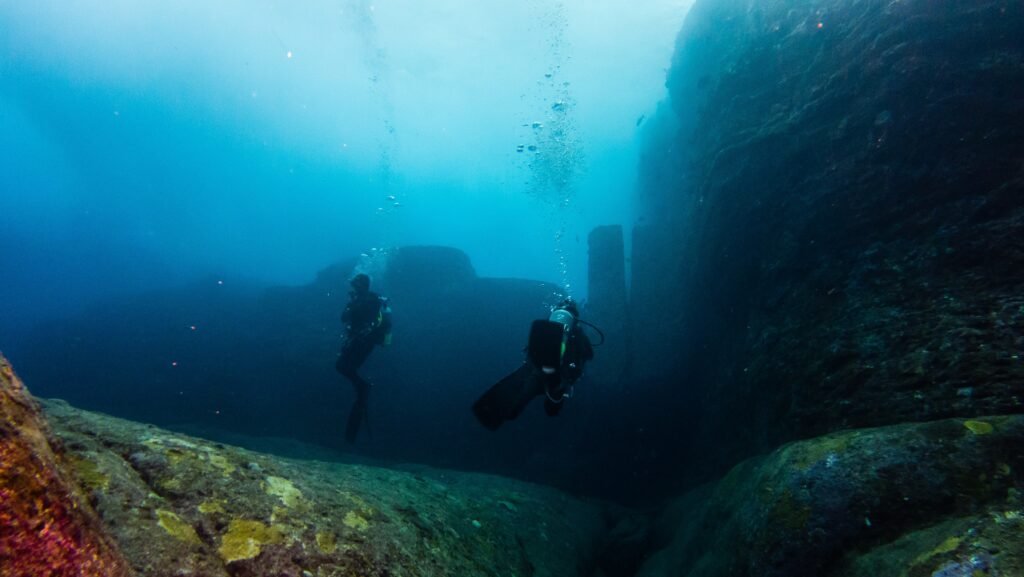

Imagine a city the size of Manhattan, perfectly intact, resting in total darkness three miles below the surface. No sound but slow-moving currents, no light but the faint glow of strange creatures drifting past shattered columns and toppled walls. The idea is both haunting and irresistible: what if entire civilizations have vanished under the sea, erased from history but still preserved in the deep?
Ever since I was a kid staring at old maps, I’ve felt a quiet itch whenever I looked at all that blue space. Land is crowded with stories, but the oceans feel like blacked-out pages in a book. Today, with better technology and a bit more humility about what we actually know, the question of lost cities beneath the waves isn’t just a wild fantasy anymore. It’s a serious, if controversial, scientific puzzle.
The Ocean Is Our Planet’s True Blind Spot
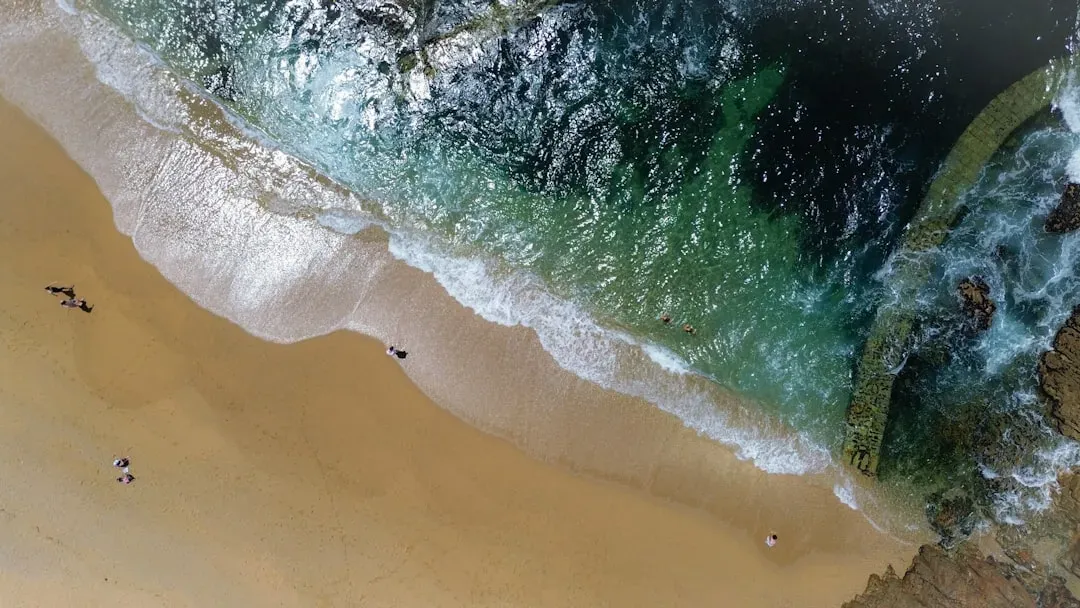
Here’s the uncomfortable reality: we know far more about the surface of Mars than we do about the seafloor of our own planet. Most of the deep ocean has never been seen directly by human eyes or cameras, and the maps we do have are often low-resolution guesses built from satellite data. In other words, when we talk about the deep ocean, we’re speaking about a place that is largely unmapped, unsampled, and unexplored.
That’s not because we don’t care; it’s because the deep sea is brutally hard to reach. Crushing pressure, near-freezing temperatures, and endless darkness turn every expedition into an engineering challenge. Sending a vehicle down to explore a tiny patch of seafloor can take hours, and it may return with just a few minutes of usable footage. When you multiply that by the size of the world’s oceans, you start to see why the idea of entire “silent cities” hiding down there, while dramatic, is at least logistically possible.
How Civilizations End Up Underwater in the First Place
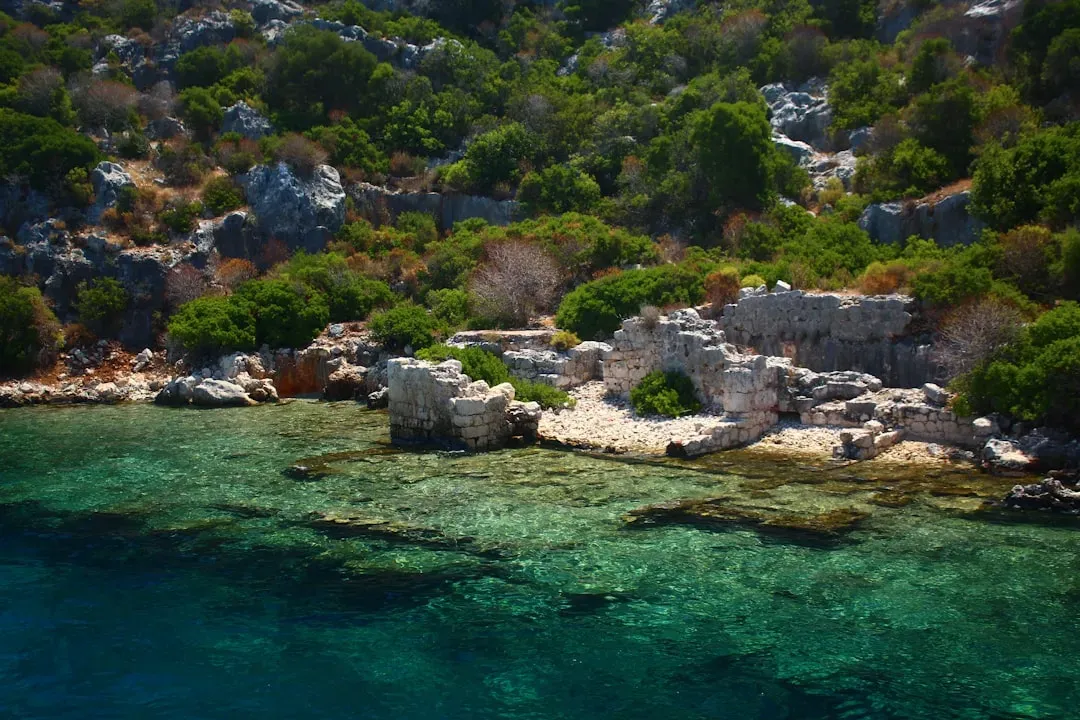
Before jumping to vanished empires swallowed whole by rogue waves, it helps to remember that oceans constantly move, and shorelines are temporary. During the last ice age, sea levels were far lower, and vast areas that are now shallow seabed were once dry land, including fertile plains and river valleys where people would have had every reason to settle. As the ice melted, the water rose, swallowing coastlines, harbors, and low-lying settlements in slow-motion disasters that played out over centuries.
On top of that slow creep, there are sudden catastrophes: earthquakes, landslides, tsunamis, and volcanic eruptions. Whole stretches of land can drop, tilt, or crumble into the sea. We have well-documented cases of towns and villages submerged in historic times, so it’s not a huge stretch to imagine older, more advanced coastal communities meeting the same fate thousands of years ago. The difference is that their stories didn’t survive in writing, only as legends, myths, or not at all.
Real Submerged Ruins We’ve Already Found
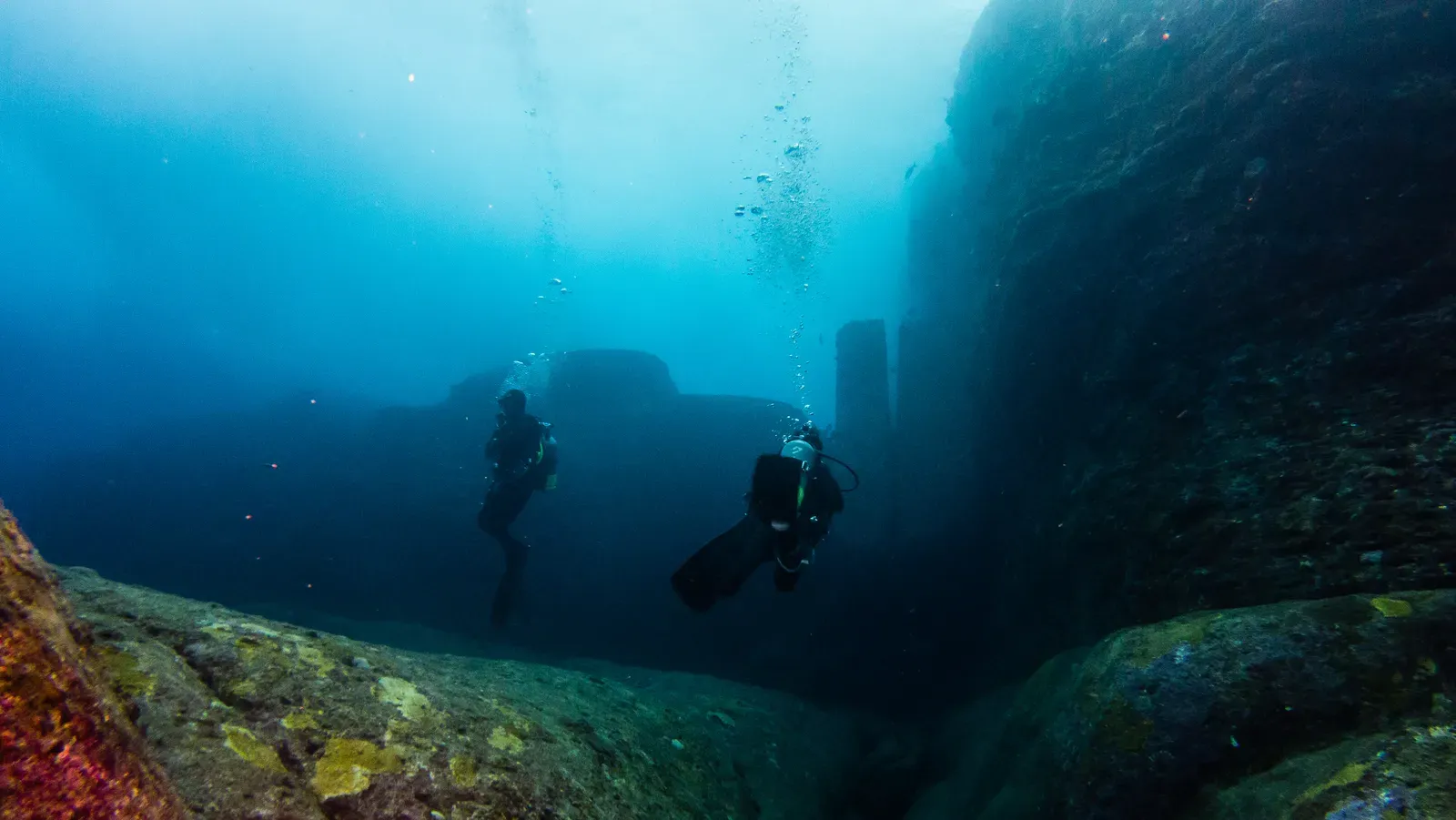
When people hear “lost city beneath the waves,” they often jump straight to Atlantis, but the real world is quietly weirder and more grounded than that. Off the coast of Egypt, for example, archaeologists have discovered the remains of ancient port cities that were once bustling hubs of trade, now resting under meters of water and sediment. These ruins include streets, temples, colossal statues, and everyday objects, all preserved in the calm, muddy bottom like a time capsule.
There are similar stories elsewhere: stone structures off parts of India’s coast, drowned towns in the Mediterranean, submerged medieval villages in European lakes and reservoirs. None of these are sci‑fi cities with crystal towers, but they prove a crucial point: human settlements do end up underwater and can survive there surprisingly well. Once you accept that, the leap from “we’ve found a few coastal ruins” to “there might be more we haven’t even looked for yet” doesn’t feel so outrageous anymore.
What Deep-Sea Tech Is Finally Letting Us See
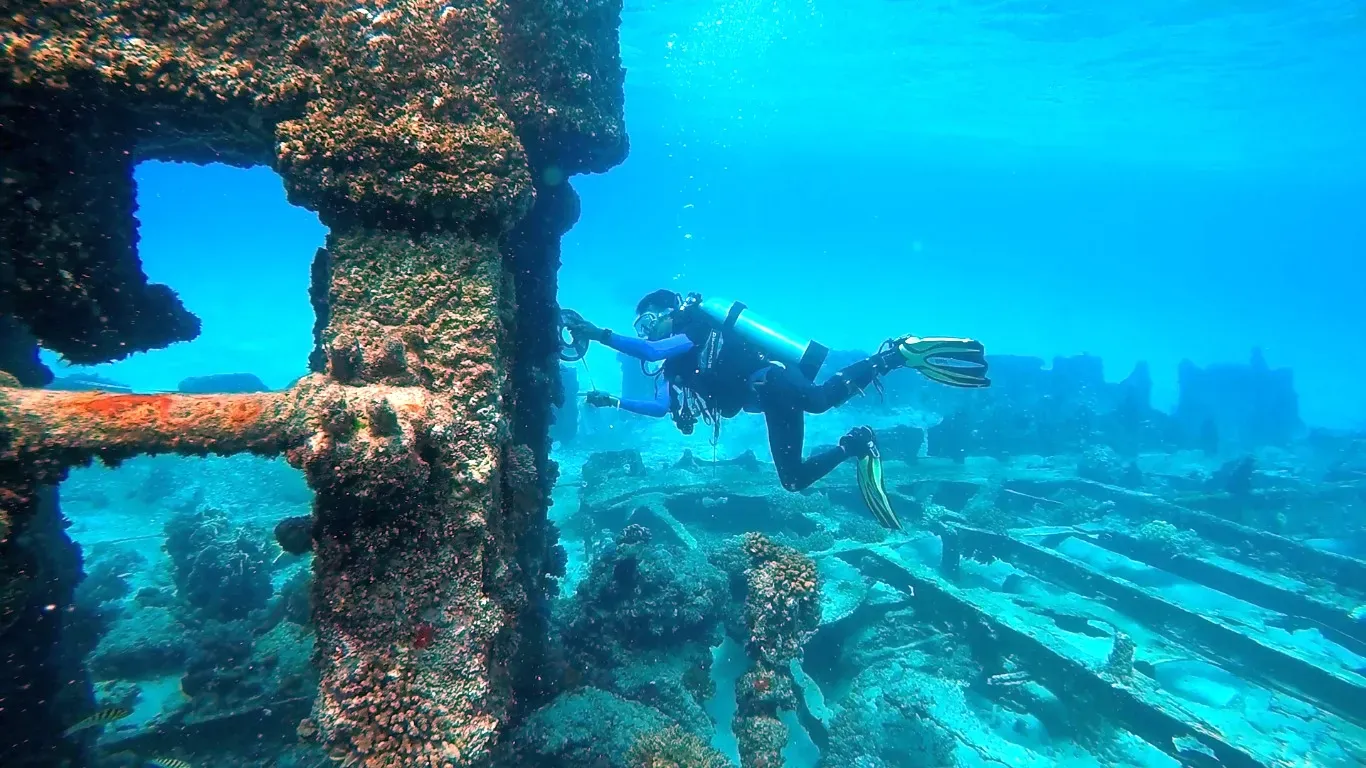
The real plot twist in this story is technology. In the past few decades, high-resolution sonar, autonomous underwater vehicles, and remotely operated robots have transformed the deep sea from a featureless abyss into a landscape we can actually read. Sonar can sweep large areas and reveal shapes on the seafloor that stand out from natural terrain: straight lines, symmetrical patterns, sharp right angles that tend to make geologists and archaeologists sit up a little straighter.
Robotic submersibles can then zoom in, sending back crystal-clear images even in pitch darkness. These machines don’t just look; they can take samples, measure sediment layers, and analyze structures to figure out whether they’re natural formations or the remains of something built. It’s not as romantic as a diver swimming into a hidden colonnade, but it’s far more effective. The more we deploy this tech, the more the deep ocean stops being a blank void and starts being a place where we can ask very specific questions, including the uncomfortable ones about what humans might have lost there.
Between Myth and Evidence: Where Atlantis Fits In
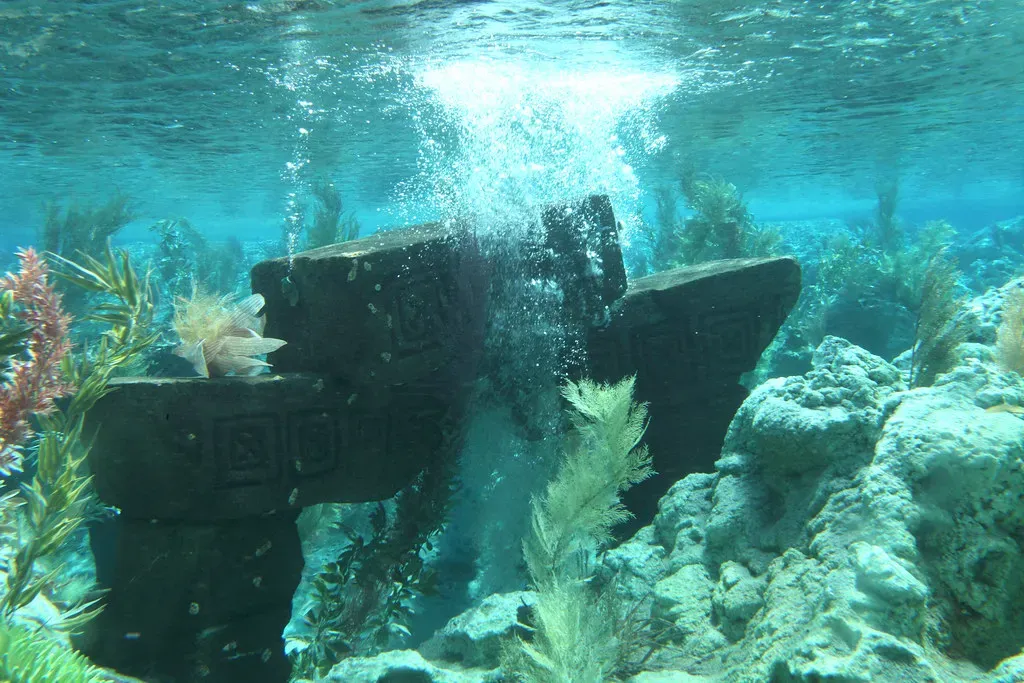
The idea of a grand, advanced civilization that vanished beneath the waves overnight is one of those stories that refuses to die. While there’s no solid evidence that a single legendary city like that actually existed, the emotional pull of the idea is obvious: it suggests that our history might be missing an entire chapter, one that upends what we think we know about ourselves. And to be fair, human history has already surprised us more than once when new discoveries forced us to rewrite timelines and assumptions.
Still, there’s a difference between being open to surprise and swallowing every sensational claim whole. Many supposed “underwater cities” have turned out to be natural rock formations or heavily misinterpreted data. Scientists tend to be cautious, not because they lack imagination, but because the ocean is very good at tricking us. The honest, maybe slightly frustrating truth is that we are caught between myth and evidence: it’s entirely plausible that complex coastal societies were drowned and lost, but any specific claim has to be proven rock by rock, layer by layer, not just wished into reality.
Why These Silent Cities Matter Even If They’re Not Legendary
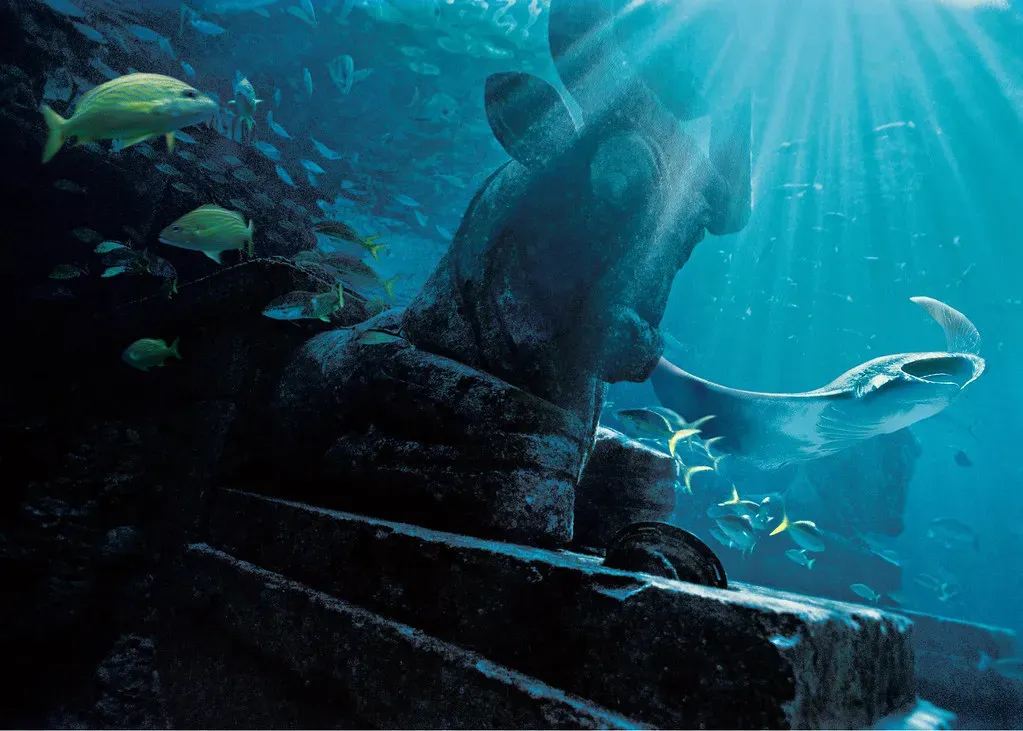
For me, the real power of this whole topic isn’t in proving some famous legend right or wrong; it’s in realizing how fragile and incomplete our picture of the past really is. Every submerged town or forgotten harbor we uncover changes the way we think about trade routes, migration, technology, and even climate. These are not just eerie postcards from the bottom; they’re missing pieces of a massive jigsaw puzzle about how humans spread, adapted, and collapsed long before modern records began.
There’s also a quiet warning hidden in those ruins. Many of those drowned settlements were victims of rising seas or sudden coastal disasters that people either didn’t see coming or couldn’t stop. Standing on today’s crowded shorelines, with modern cities hugging the water’s edge and global sea levels inching upward again, it’s hard not to feel a chill. The deep ocean’s silent cities, real or potential, are not just curiosities; they’re echoes of our own vulnerability. When you think about that, the question almost flips around: instead of asking how many cities are already down there, you start to wonder how many more will join them.