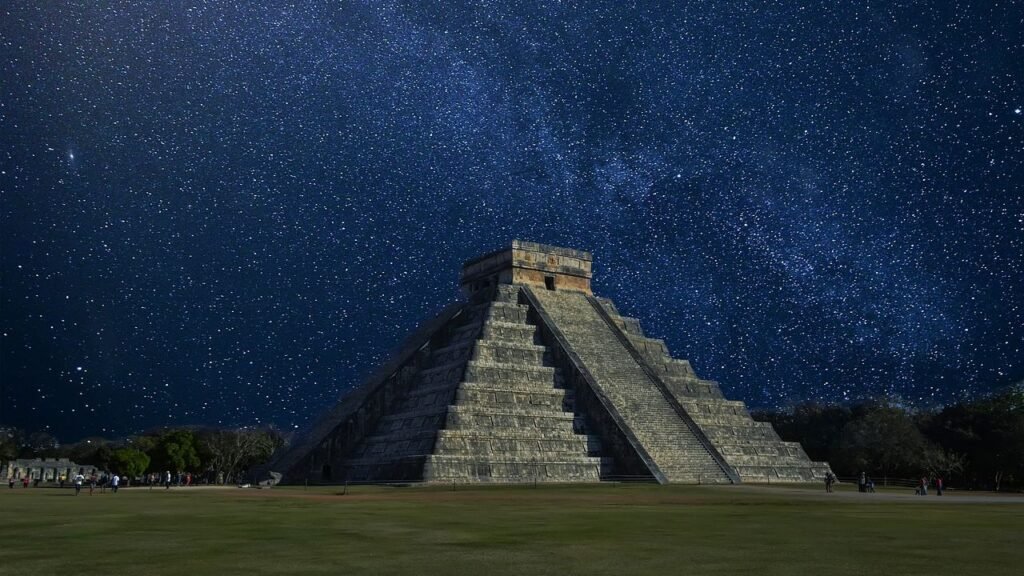

Imagine standing in the desert night five thousand years ago, no streetlights, no phone screen, just an endless black sky punched through with stars. For most of human history, the night sky wasn’t background decoration; it was a clock, a calendar, a warning system, and a storybook all at once. Ancient people watched it obsessively, and over time they noticed patterns so subtle that even with modern tech, some of their achievements still feel almost unbelievable.
In 2026, we like to think satellites and supercomputers make us fundamentally smarter than our ancestors. But when you start digging into what ancient civilizations actually knew about eclipses, comets, solstices, and planetary cycles, another picture emerges. They didn’t just stare at the sky in wonder; they tracked, measured, predicted, and built stone monuments that still line up with cosmic events to this day. It’s like the universe kept whispering, and they did everything they could to write down the echo.
The Sky As The First Science Lab
Here’s a wild thought: the first true science experiments didn’t happen in fancy labs, they happened under open skies. Long before written equations, people in Mesopotamia, Egypt, India, Mesoamerica, and elsewhere kept sky diaries, night after night, generation after generation. They learned that the sun rose a bit differently through the seasons, that certain stars appeared only in particular times of year, and that the moon followed a rhythm that could be counted.
In effect, the sky forced them into careful observation and long-term data collection, even if they wouldn’t have used those words. We now know from clay tablets, carved stones, and temple inscriptions that some cultures tracked celestial cycles for centuries without a break. If you think of the sky as a giant blackboard and time as the chalk, they were patient enough to watch the entire lesson unfold, not just the first few lines.
Eclipses: Terrifying Omens And Accurate Predictions
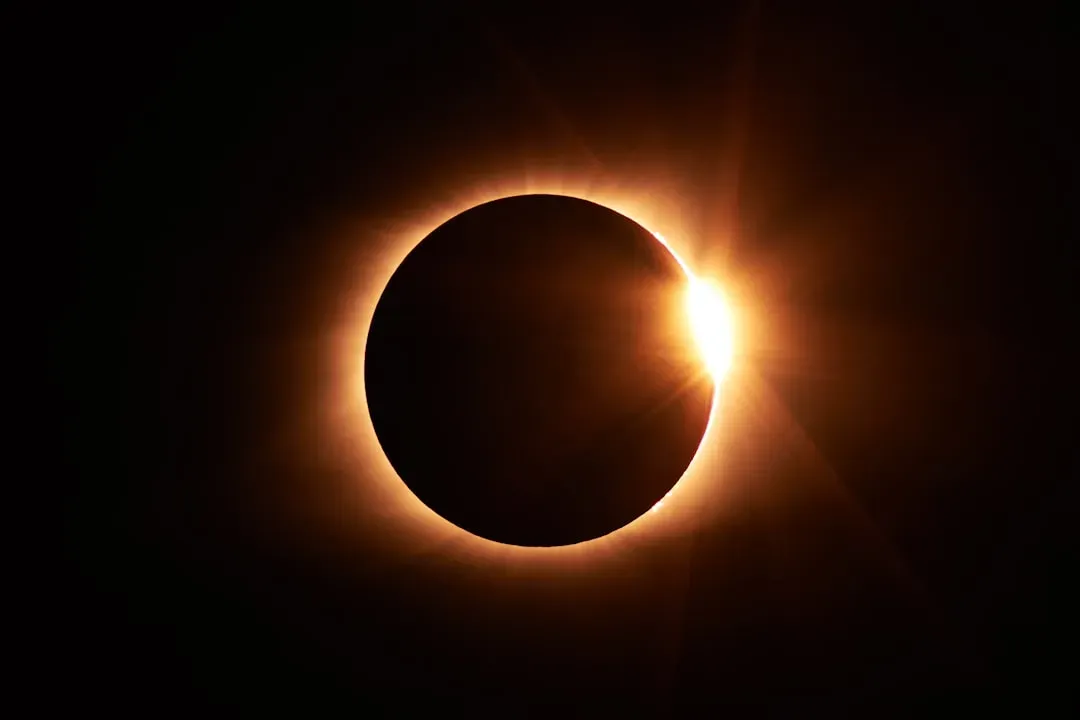
Ancient people watched the sun and moon almost like anxious parents, so when one suddenly disappeared in the middle of the day, it felt genuinely shocking. Many cultures saw total solar eclipses as cosmic alarms: a dragon swallowing the sun, a sign of royal danger, or a warning that order itself had cracked. You can still sense the fear in old records that describe the sky going dark, stars appearing at noon, and animals acting strangely.
What’s astonishing, though, is how quickly fear turned into calculation. In ancient Mesopotamia, sky watchers discovered that eclipses follow repeating cycles lasting a bit over eighteen years, now known as the Saros cycle. Using nothing but observation and patient record-keeping, they got good enough to predict when an eclipse was likely, centuries before telescopes existed. It’s a bit like someone learning to predict ocean tides just by staring at the shoreline for half a lifetime and writing everything down.
Stone Alignments: Temples That Talk To The Sun
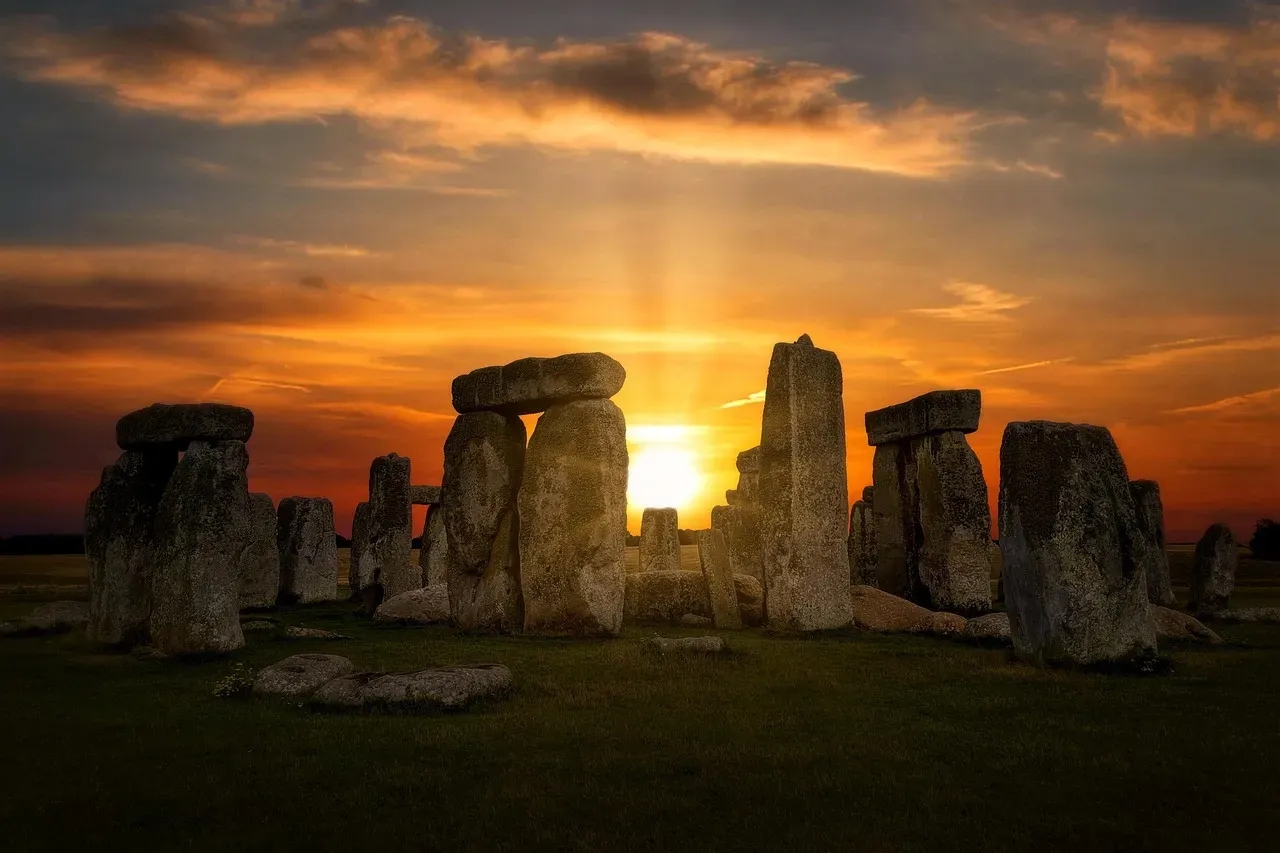
Walk into certain ancient sites and it almost feels like the building itself is pointing at the sky. In places like Stonehenge in England, Newgrange in Ireland, and many temples in Egypt and Mesoamerica, massive stones and corridors are aligned so that on specific days – usually solstices or equinoxes – the sunlight beams through in a strangely precise way. A dark chamber suddenly lights up, a carved symbol glows, or a pillar’s shadow lands exactly on a marked point.
This isn’t architectural coincidence, it’s cosmic choreography. To pull that off, you need years of watching where the sun rises and sets, noticing the farthest points it reaches at midsummer and midwinter, and then building heavy stone monuments around those patterns. In a world without smartphones or printed calendars, these alignments turned sacred buildings into giant, permanent reminders of the solar cycle, like stone calendars that reset themselves every year when the light hit just right.
Calendars Written In The Stars
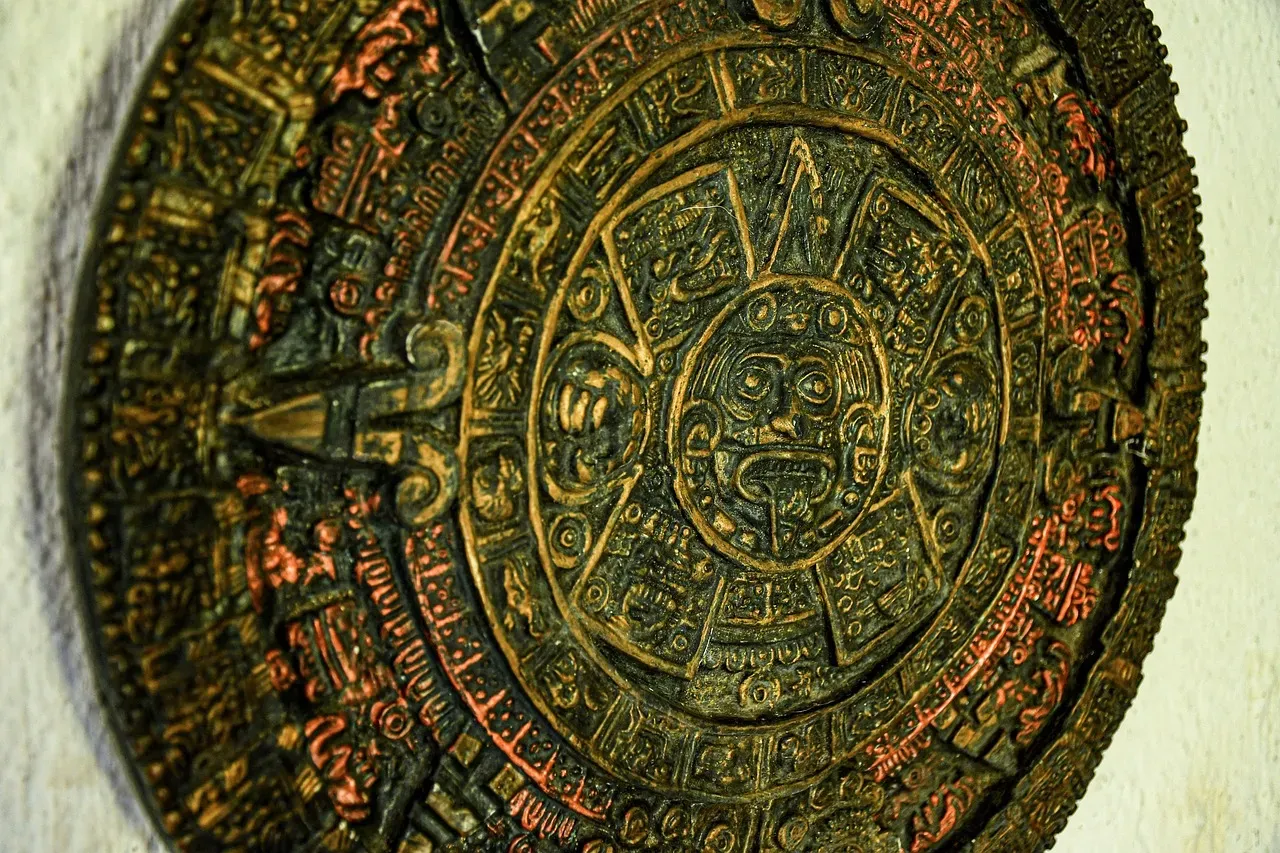
Agriculture doesn’t forgive bad timing, and the sky became the main tool for knowing when to plant, harvest, or prepare for floods. Many ancient civilizations built calendars that weren’t just lists of days but living systems tied to the movement of the sun, moon, and stars. The appearance of certain constellations just before dawn could signal the coming of a flood season or the start of a crucial planting window.
The Maya, for instance, developed several interlocking calendars, including one that tracked the solar year with striking accuracy using only observations. In Egypt, the rising of a bright star before sunrise signaled that the Nile’s flood was approaching, which meant food – or famine – was on the line. These weren’t abstract cosmic curiosities; they were survival tools, created by people who had learned that the universe’s patterns could literally mean the difference between plenty and disaster.
Planets As Wandering Gods
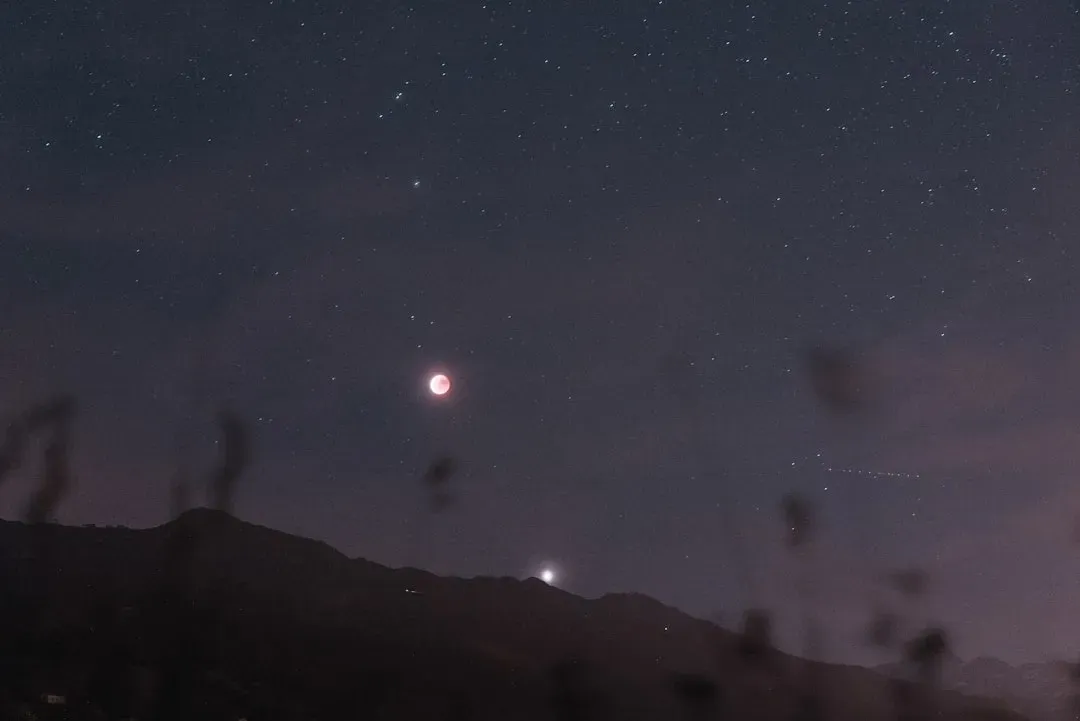
If you look up night after night, you’ll notice something odd: a few bright “stars” wander slowly across the sky instead of staying put like the others. Ancient astronomers locked onto these wanderers – what we now call planets – and gave them enormous importance. To them, the regular stars were like a fixed background, but the planets were actors crossing the cosmic stage, each with its own personality and meaning.
In Mesopotamia, Greece, India, and beyond, these planets were linked with gods, emotions, and earthly events. The fact that planets moved in predictable patterns, sometimes going “backwards” across the sky, was noted with incredible care. Over time, this data fed into both early astronomy and early astrology, two things that started as the same practice: trying to decode what these slow, bright wanderers were saying about the rhythm of the universe and, by extension, human life.
Comets, Meteors, And The Shock Of The Unexpected
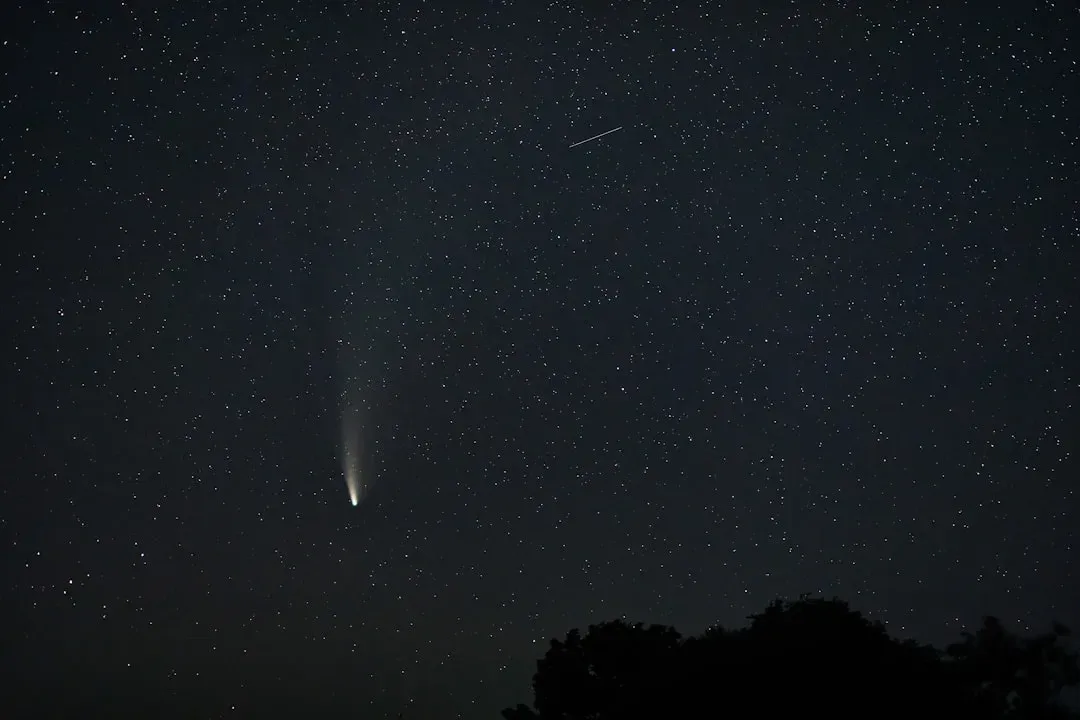
Not everything in the sky behaved nicely. While stars and planets kept to their lanes, comets and bright meteors ripped across the night like cosmic intruders. Many ancient societies took these as bad omens – warnings of war, plague, or a ruler’s downfall – because they shattered the usual sense of order. When you’ve spent generations learning that the heavens move predictably, anything wild and unscheduled hits like a punch.
Yet even with that fear, some cultures still tried to record and categorize these events. Historical records from Asia, the Middle East, and Europe track when comets appeared and how long they stayed visible, and modern astronomers now use some of those notes to check long-term comet orbits. It’s strange, and a little moving, to realize that someone scratching down a description of a “hairy star” thousands of years ago ended up helping us better understand the solar system’s debris field today.
Myths As Memory: Stories Hiding Real Events
This is where it gets really interesting: a lot of ancient myths that sound purely magical may actually preserve memories of real cosmic events. Tales of a sun that “stopped in the sky,” a “sky serpent” swallowing the light, or “fire from the heavens” might be poetic ways of describing eclipses, dramatic meteor storms, or bright comets. When you don’t have scientific vocabulary, you lean on metaphor, and those metaphors can last for millennia.
Some researchers have noticed that certain star patterns and cosmic cycles show up hidden inside myths from very different parts of the world. It’s as if stories became a backup hard drive for astronomical knowledge, passed on through song and ritual even when the original measurements were lost. You can hear echoes of real sky events wrapped in gods and monsters, a reminder that for ancient people, the universe wasn’t separate from their stories – it was the stage their stories were built on.
Cosmic Knowledge As Power And Control
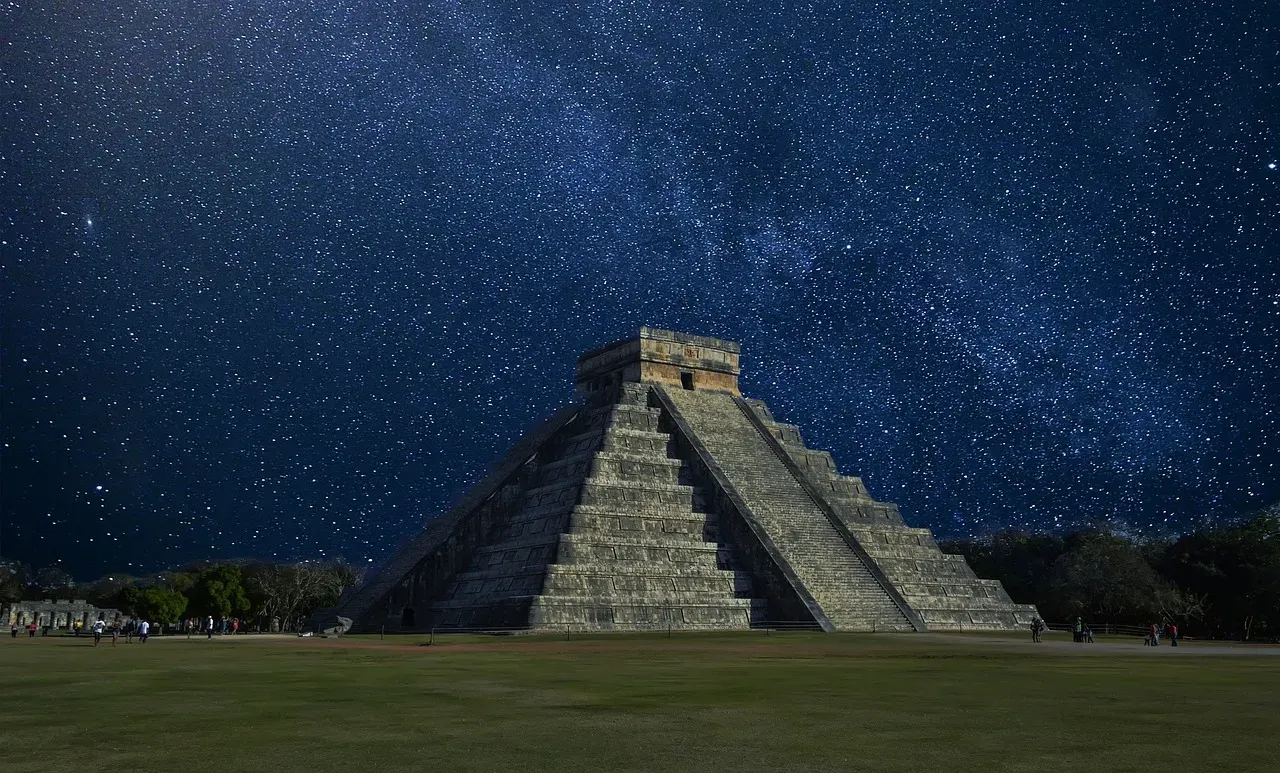
There’s also a more human side to all this: cosmic knowledge was powerful, and people used it. If you’re a priest or a ruler who can announce an eclipse before it happens, or time a ritual to match a rare alignment, it makes you look like you’ve got a direct line to the gods. Many temples doubled as observatories, and many religious calendars were quietly based on careful sky-watching done by a small group of experts.
In a way, the universe became a kind of leverage. Those who could read its rhythms could organize festivals, farming, taxation, and even political moves around them. The average person might not have understood the calculations, but they saw that the high priests or wise elders seemed to always “know” when the sky would do something dramatic. Behind the incense and chants, there was often someone counting days, marking star positions, and quietly turning cosmic echoes into earthly authority.
What We’ve Gained – And What We May Have Lost
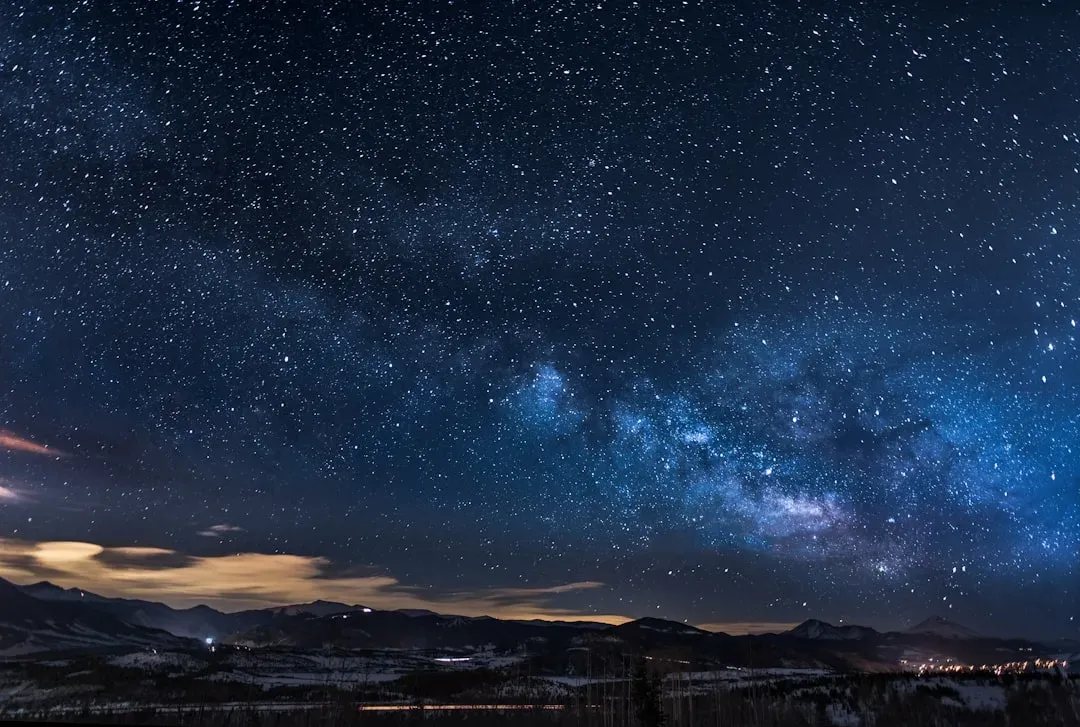
Today, we’ve got space telescopes photographing galaxies billions of light-years away and software that can predict eclipses centuries into the future to the exact second. In terms of raw knowledge, we’re far beyond anything ancient civilizations could’ve imagined. We understand nuclear fusion in stars, the mechanics of orbits, and the physics behind comets and meteors in a way that strips away a lot of the old fear and superstition.
But there’s a trade-off hidden in our glowing screens and city lights. Most of us rarely see a truly dark sky, and we’ve outsourced our sense of cosmic rhythm to apps and algorithms. Ancient people might not have known about black holes or dark matter, but they knew the feel of the seasons in the stars and the comfort – or terror – of recognizing patterns overhead. Maybe the real echo of the universe is still there every night, and the question now is whether we’re still listening closely enough to hear it.