
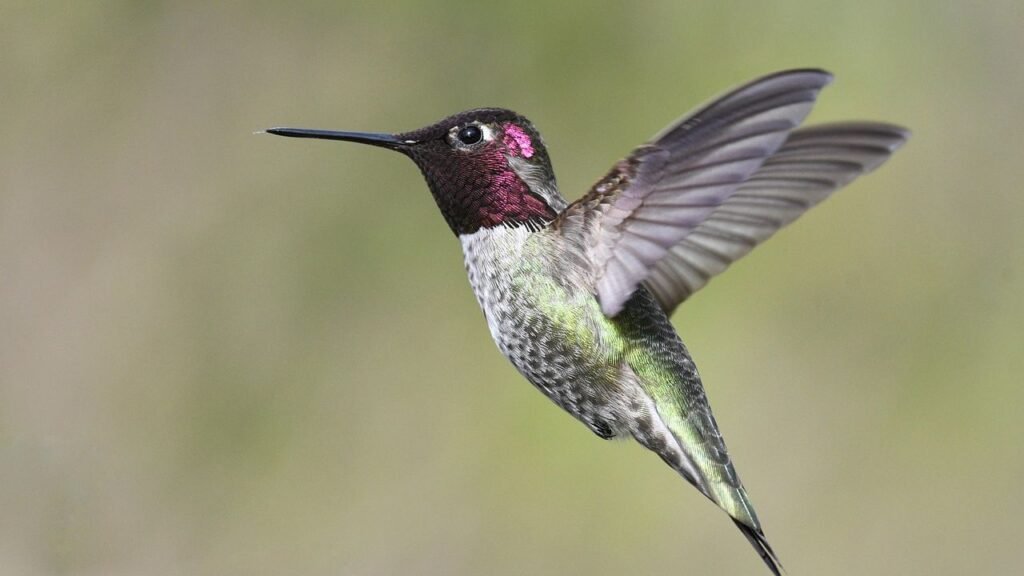

There’s something quietly magical about birds. You can be rushing through a busy day, then suddenly a flash of color shoots past, a strange call echoes above you, and for a split second everything else fades. Birds live in the same world we do, yet they experience it in ways that feel almost superhuman: seeing colors we can’t even imagine, flying thousands of miles without a map, and surviving conditions that would destroy most machines.
I still remember the first time a tiny hummingbird hovered right in front of my face, wings just a blur and eyes locked on mine. It felt like I was staring at a living miracle. The more scientists study birds, the more we realize how little we really know. Below are ten of the most surprising, brain-bending facts about birds that show just how wild, tough, and clever they really are.
1. Some Birds See Colors Humans Can’t Even Imagine
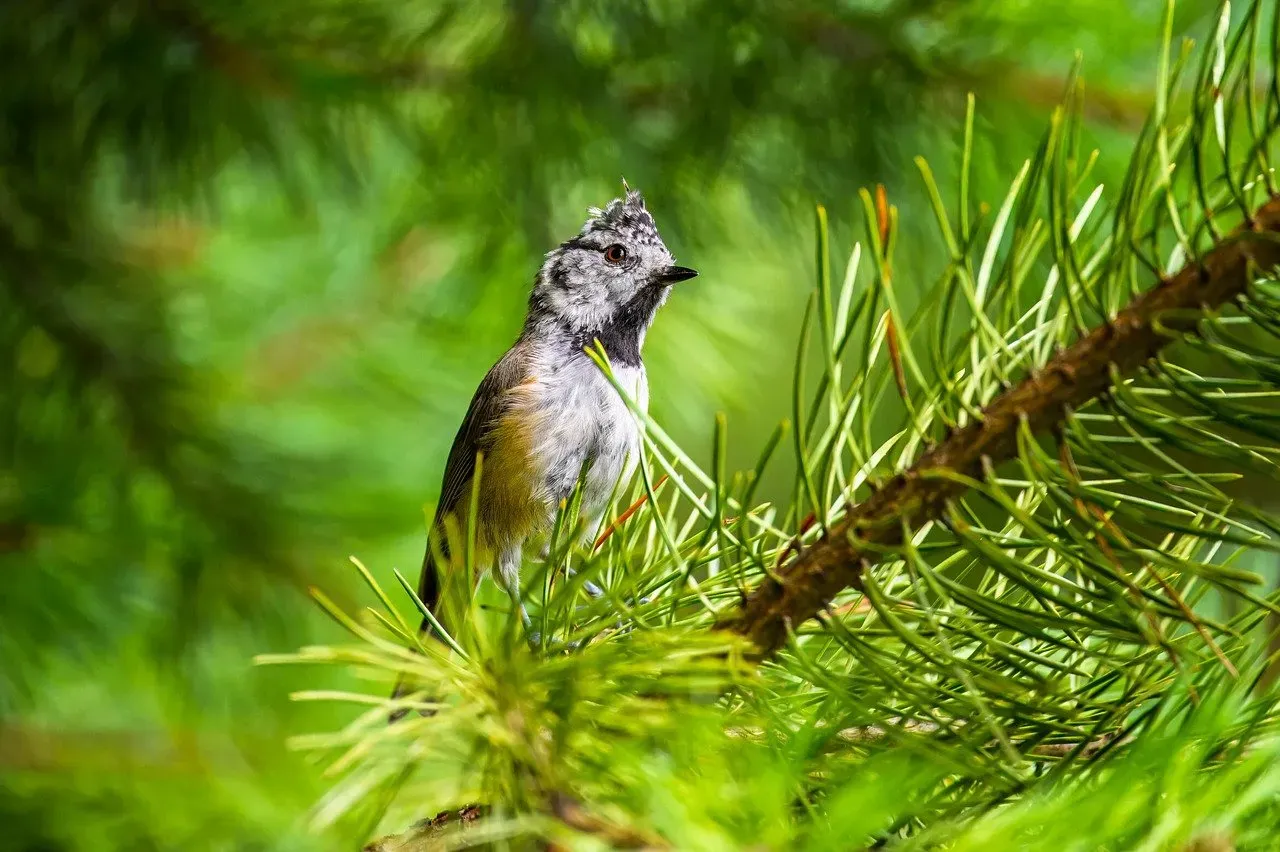
Imagine walking through a world where every leaf glows with hidden patterns and every feather flashes with secret signals. That’s how many birds see the world. Unlike humans, who have three types of color receptors in their eyes, many birds have four, letting them see ultraviolet light that is invisible to us. To them, what looks like a plain white bird to us might be glowing with intricate UV markings.
This extra color channel changes everything about how birds find food, choose mates, and recognize each other. Flowers, berries, and even the urine trails of some animals reflect ultraviolet light, helping birds track food more easily. In some species, males and females look almost identical to us but are vividly different in UV, like they’re wearing secret highlighter only other birds can see. We think we see the full picture, but compared to birds, we’re watching life on a slightly blurry old TV.
2. Hummingbirds Are Tiny Flying Metabolism Monsters
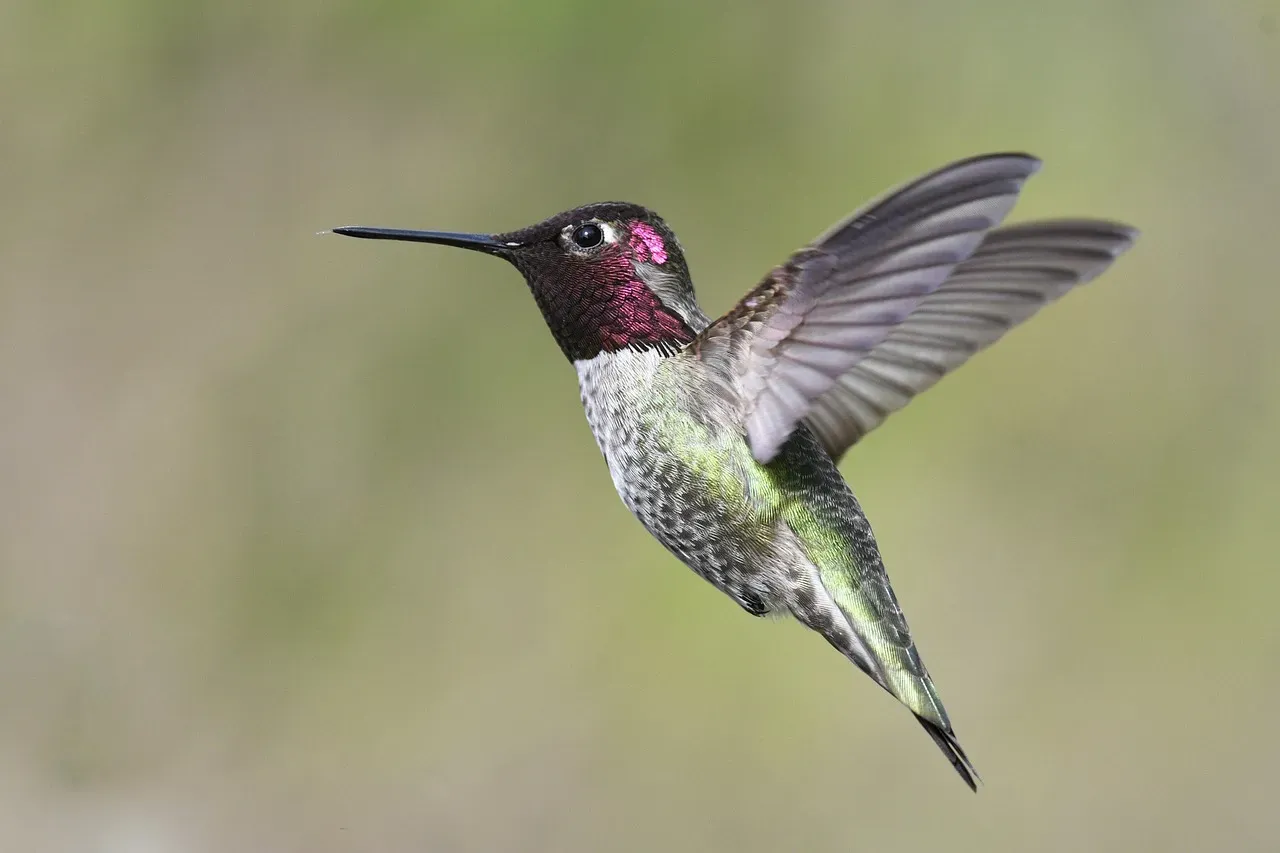
Hummingbirds look delicate and dainty, but under those glittering feathers they’re absolute powerhouses. Their wings can beat more than fifty times in a single second, and some species can sprint their heart rate to over a thousand beats per minute during intense activity. To fuel that kind of engine, they have to eat almost constantly, sipping nectar and snapping up insects like little flying vacuum cleaners.
If your metabolism worked like a hummingbird’s, you’d have to eat hundreds of burgers a day just to avoid collapsing. At night or during cold weather, many hummingbirds essentially “shut down” their systems, entering a state called torpor where their heart rate and temperature plummet to conserve energy. It’s like they carry a built‑in power‑saving mode, flipping between high‑speed sports car and parked electric scooter depending on the time of day.
3. Arctic Terns Fly the Longest Migration on the Planet
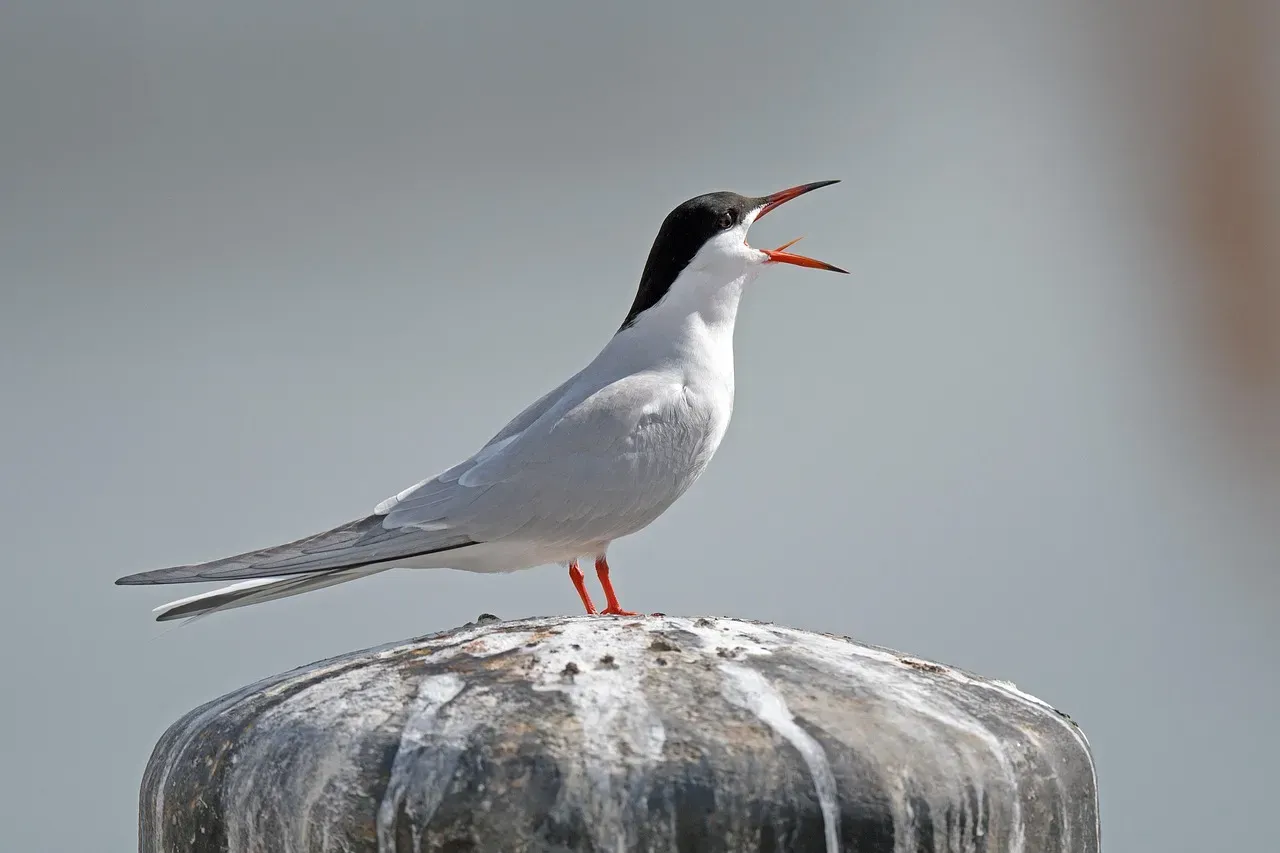
When it comes to long‑distance travel, no frequent flyer card can compete with the arctic tern. These slender gray‑and‑white birds make an epic trip from the Arctic to Antarctica and back every year, chasing summer across the globe. Over their lifetime, a single arctic tern can travel a distance roughly equal to going to the Moon and back several times. All of this happens without GPS, flight attendants, or a single airport lounge.
Scientists tracking them with tiny devices have found that arctic terns often take curved, looping routes that use global wind patterns to save energy, like expert sailors riding invisible oceans of air. They spend most of their lives actually at sea, landing on water to rest and feed. While we complain about a six‑hour flight, these birds casually cross hemispheres like it’s a Sunday drive. It’s migration on a scale that almost feels like science fiction.
4. Crows and Parrots Can Outsmart Small Children
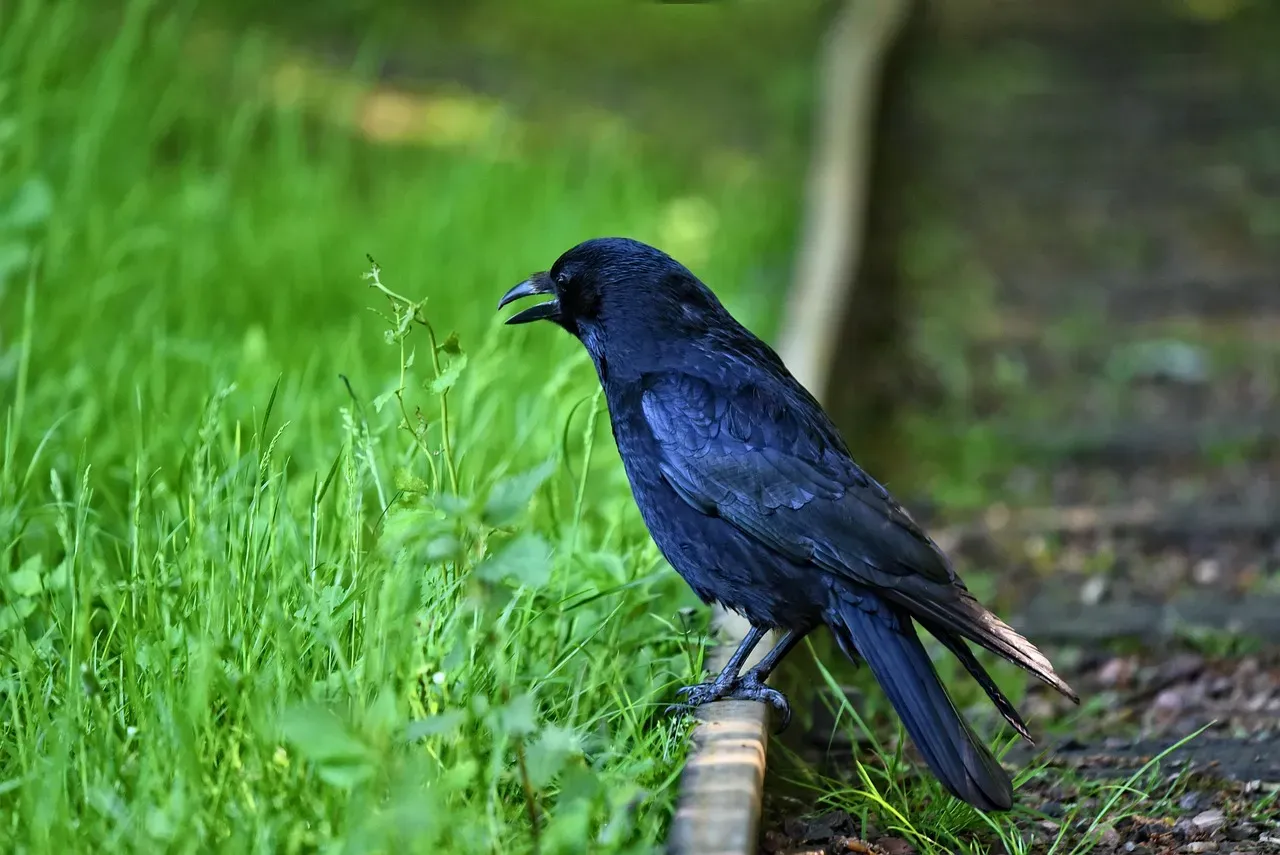
We tend to think of big brains as something mostly for mammals, but some birds are playing in the same mental league as primates. Crows, ravens, and some parrots have shown abilities that match or beat young children in certain problem‑solving tests. They can use tools, remember human faces, and even solve multi‑step puzzles that would stump many adults if we’re being honest. Their brains are small, but they’re wired in an incredibly efficient way.
Researchers have watched crows bend bits of wire into hooks to fish food out of tubes and ravens plan ahead to save the right tools for future tasks. Parrots have been shown to understand concepts like “same” and “different” and can sometimes grasp simple counting tasks. The wildest part is that bird brains evolved very differently from ours, yet landed on similar kinds of intelligence. It’s like nature ran two completely different operating systems and somehow both learned how to do complex reasoning.
5. Some Birds Can Sleep While Flying
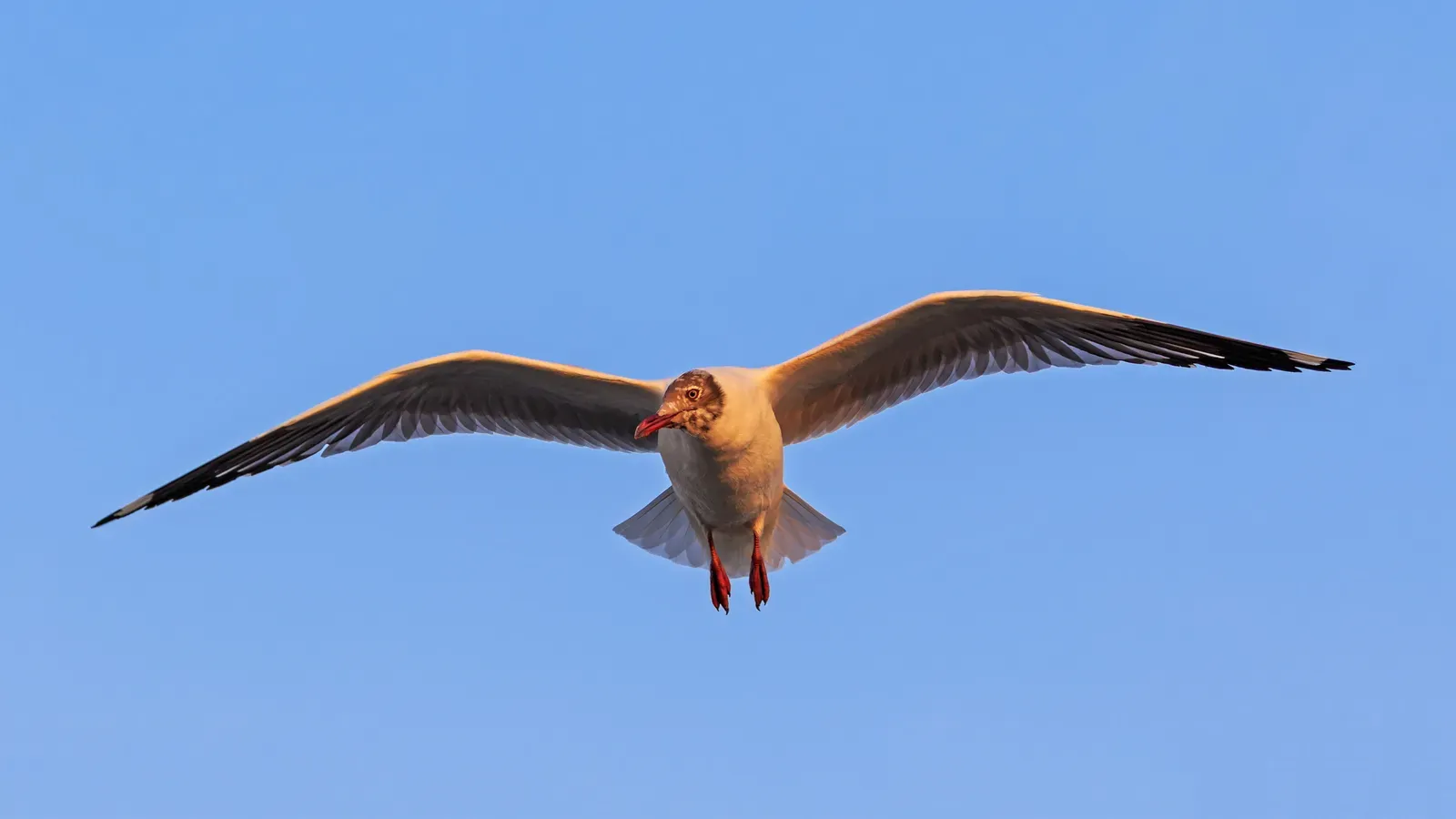
The idea sounds almost ridiculous: a bird dozing in mid‑air and somehow not crashing into the ocean. Yet research on certain species, like frigatebirds, has shown that they can sleep while gliding high above the sea. Their brains seem to switch into a special mode where one half rests while the other stays alert enough to keep them flying and avoid obstacles. It’s the ultimate long‑haul travel hack, built straight into their biology.
These birds can stay over open ocean for days at a time, rarely landing, riding updrafts and circling for hours. During that time, they snatch short, shallow bursts of sleep that add up over the day, almost like taking dozens of micro‑naps. To us, sleep is usually a full stop: lie down, shut off, disappear for hours. For some birds, it’s just another background task they can run while keeping the rest of their brain online.
6. Feathers Are Engineering Masterpieces, Not Just Decoration
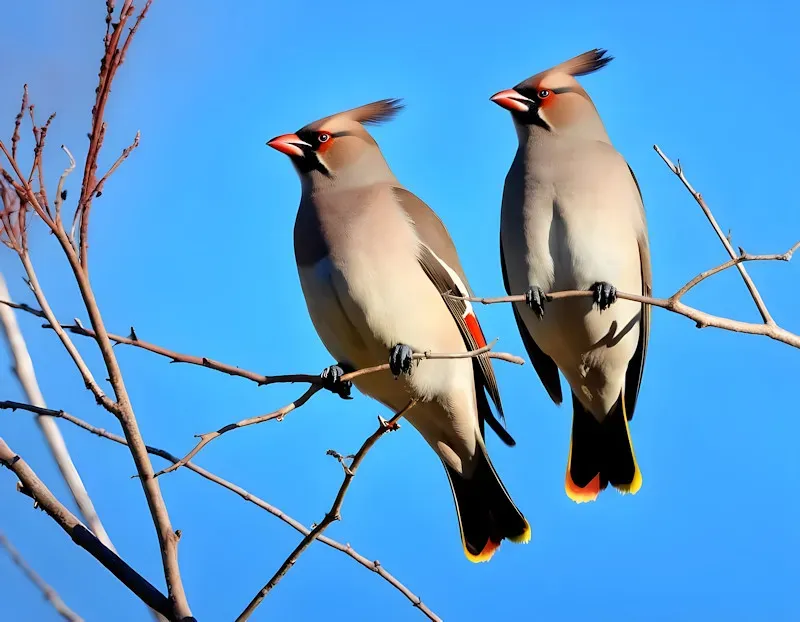
When you look closely at a feather, it’s like zooming into a piece of living architecture. Each one is a tiny, flexible structure with a central shaft, branching barbs, and even smaller hooks that latch together like a zipper. That design gives feathers their strength and smoothness, letting them cut through the air without falling apart. They’re light enough to float on a breeze yet strong enough to survive high‑speed dives and wild weather.
Feathers do much more than just help birds fly. They insulate against heat and cold, protect skin, shed water, and create patterns for camouflage or display. Penguins use densely packed feathers like a super‑insulated wetsuit, while owls have soft, fringed feathers that muffle sound and let them fly almost silently. It’s as if birds are wearing custom‑made, multi‑purpose clothing that grows directly from their skin and can be replaced piece by piece every year.
7. Some Birds Navigate Using the Earth’s Magnetic Field
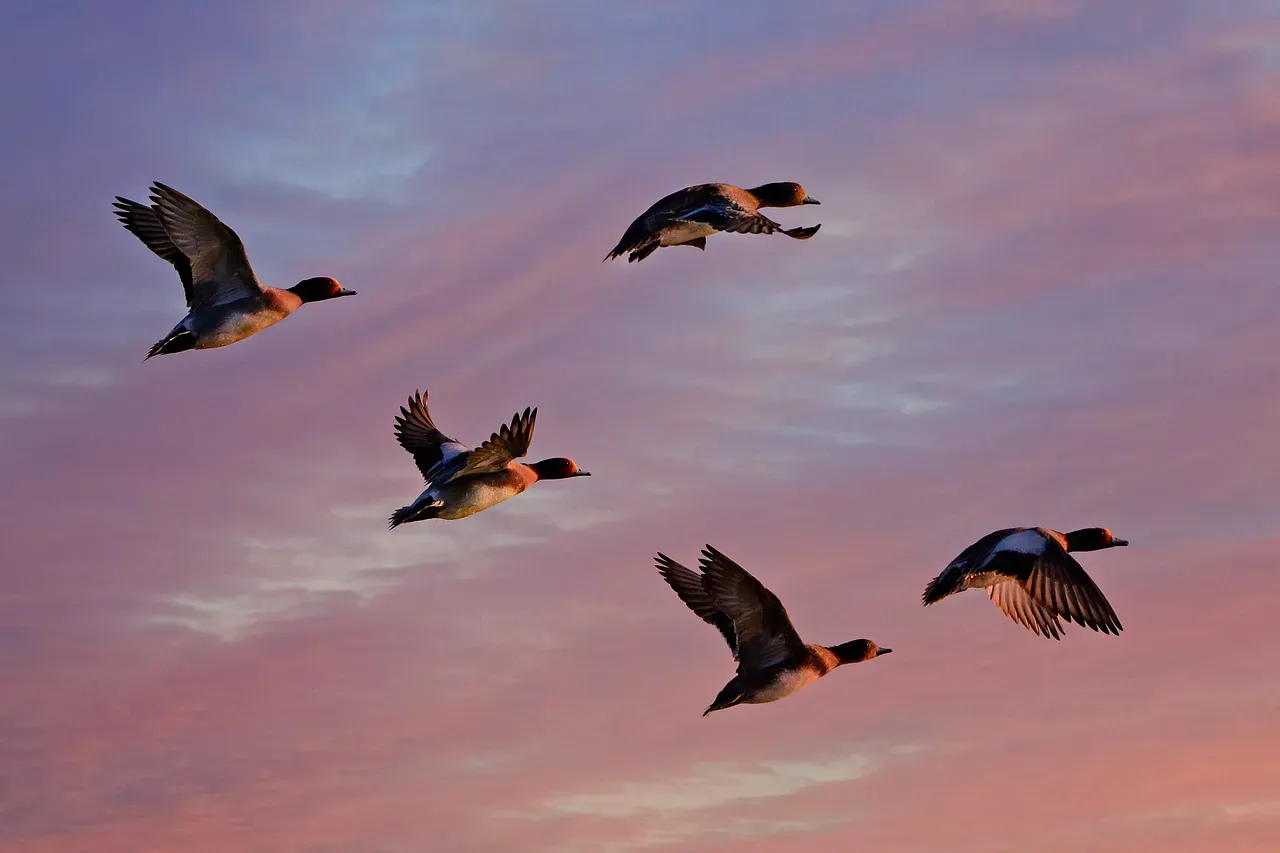
Imagine having an internal compass that you never had to calibrate, one that quietly spins inside your body and keeps you on track even on cloudy nights. Many migratory birds appear to have exactly that. They can sense the Earth’s magnetic field and use it as part of a built‑in navigation system, combining it with star patterns, the position of the sun, and even smells carried on the wind to stay oriented across thousands of kilometers.
Scientists are still piecing together exactly how this “magnetic sense” works, but there are clues that certain proteins in birds’ eyes may let them literally see magnetic fields as faint visual patterns. That means they might look up at the sky and see an invisible grid overlaying their path. While we fumble with maps and dead phone batteries, these birds glide across continents guided by forces we barely notice, like they’re reading secret directions etched into the sky and soil.
8. Birds Communicate with Dialects and Complex Songs
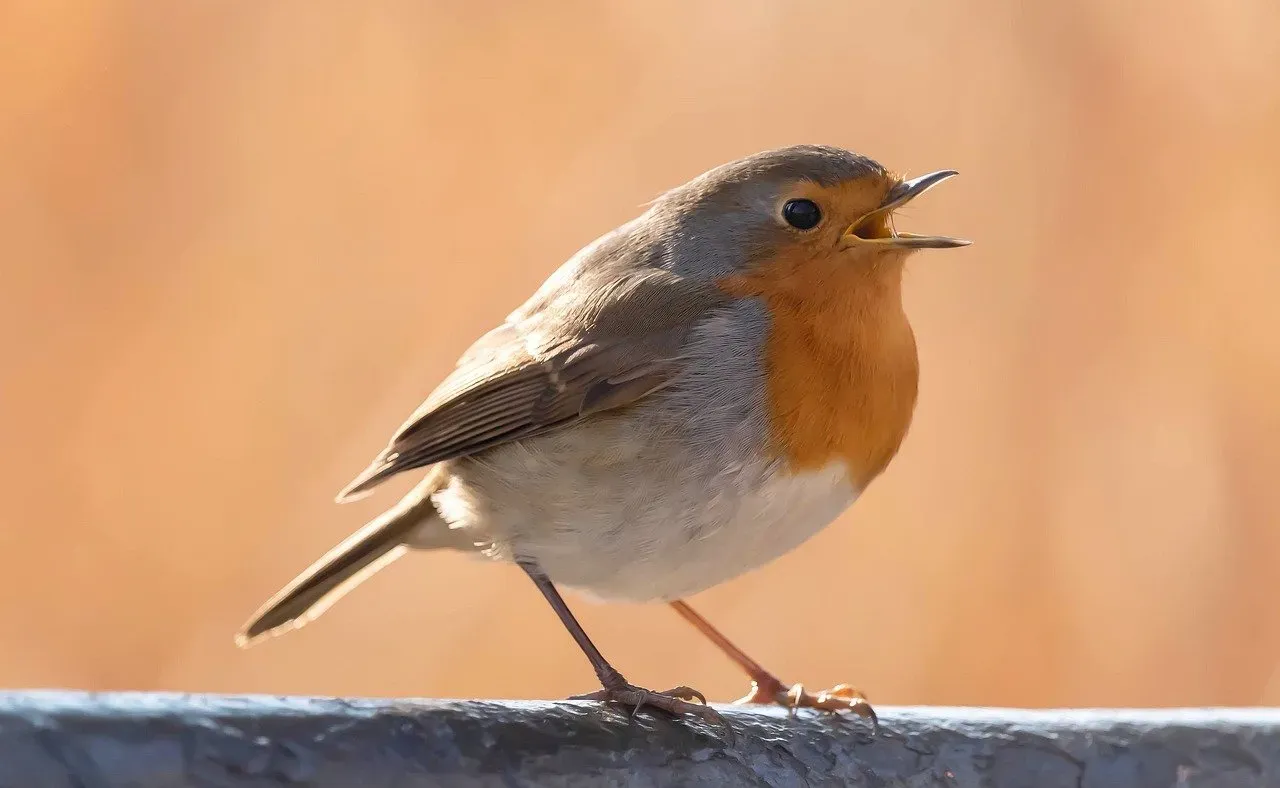
When you hear birds singing at dawn, it might sound like random pretty noise, but to them it’s more like a heated conversation mixed with a love song. Many bird species have songs that vary by region, almost like accents or dialects in human language. A sparrow in one part of a country may sing a slightly different tune than a sparrow of the same species somewhere else, and young birds learn these local “languages” by listening to adults around them.
Some birds can even remix their songs over time, adding new phrases, shortening others, or adapting their calls to cut through city noise. This means urban birds sometimes sing at higher pitches or different rhythms than their rural cousins. A single song can carry information about who the bird is, how strong it is, whether it’s taken a territory, and whether it’s ready to mate. It’s less like a simple chirp and more like a layered audio profile or social media status shouted into the trees.
9. Certain Species Are Extreme Athletes of the Animal World
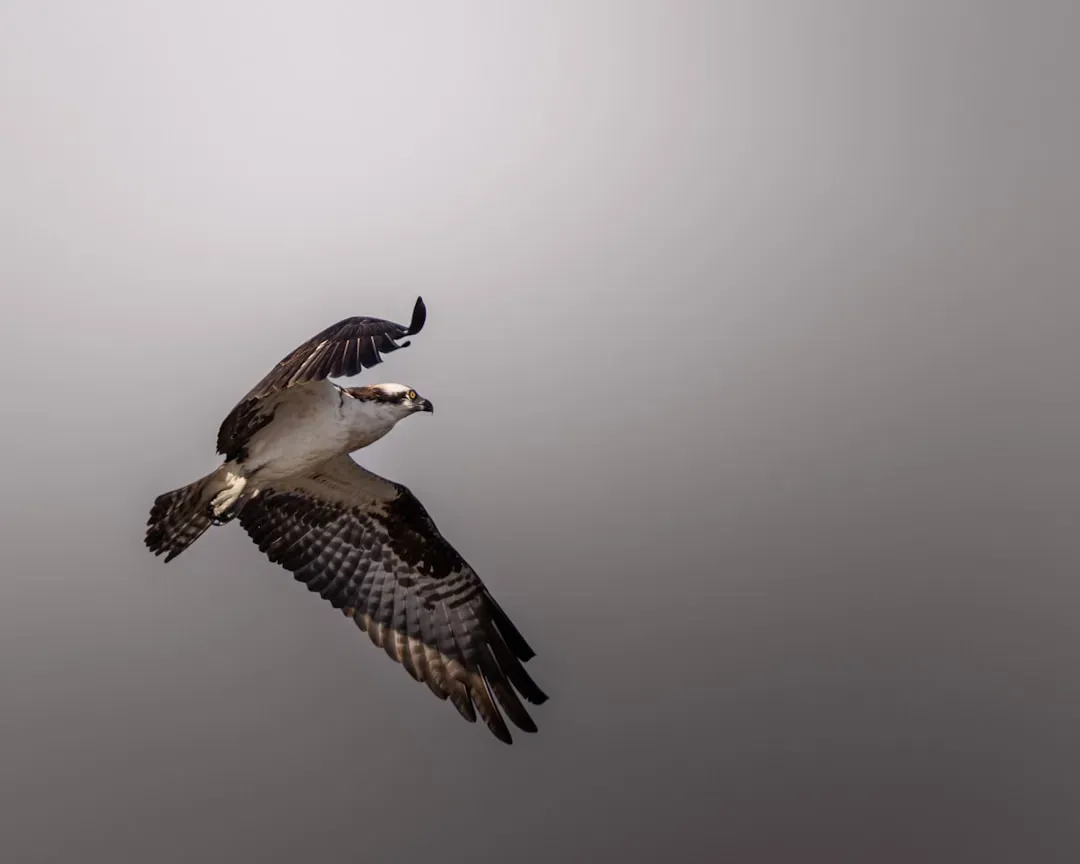
If there were Olympic Games for animals, birds would probably dominate the medal table. Peregrine falcons can dive faster than a racing car, reaching speeds that make even roller coasters look slow. Ostriches can sprint across the ground at highway speeds over short distances, powered by legs stronger than many professional athletes. Tiny bar‑tailed godwits can fly huge nonstop stretches over open ocean without refueling, pushing their bodies to astonishing limits.
These physical feats are supported by lungs and hearts designed for extreme performance. Many birds have highly efficient respiratory systems that keep fresh air flowing through their lungs almost constantly, even as they exhale. Their bones are light but reinforced in the right places, like nature’s version of aerospace engineering. When you see a bird perched calmly on a branch, it’s easy to forget you’re looking at a creature that might be capable of endurance or speed beyond anything we could ever train for.
10. Birds Shape Ecosystems and Even Our Daily Lives
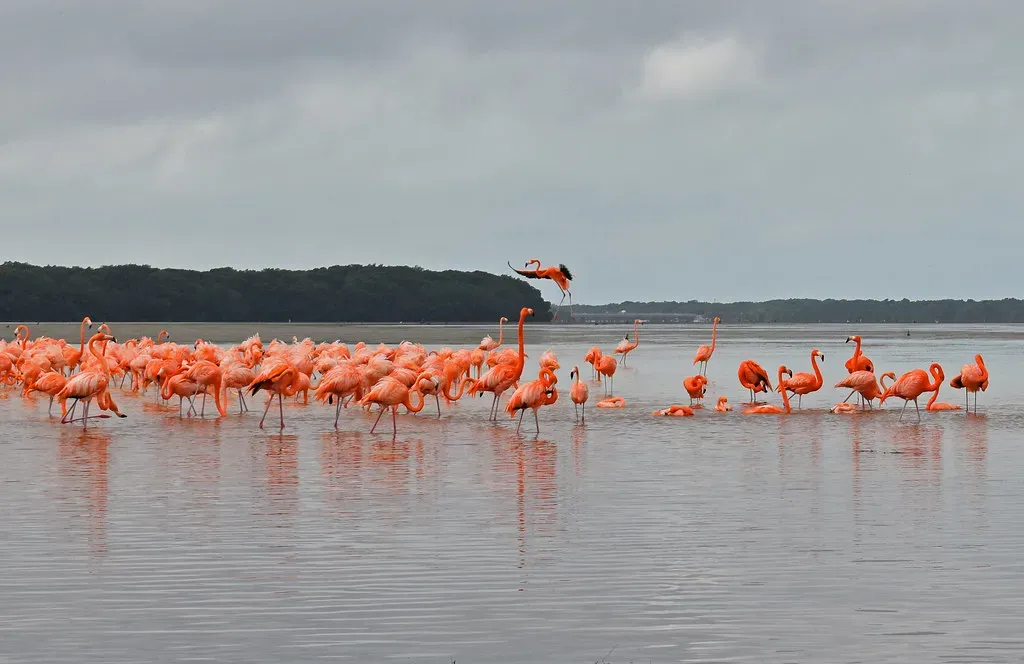
It’s easy to think of birds as background decoration, just part of the scenery, but they quietly keep entire ecosystems running. They spread seeds across forests and grasslands, helping plants colonize new areas and regrow after disturbances. Many birds control insect populations, acting like natural pest managers for crops and gardens. Some species clean up carrion and waste, reducing disease risks and recycling nutrients back into the environment.
On top of that, birds shape how we feel and how we live in ways we rarely acknowledge. Their songs mark the changing seasons, their migrations signal shifts in climate, and their presence or absence can warn us when ecosystems are in trouble. For many people, simply watching birds out a window or on a walk provides a quiet mental reset in a noisy world. The next time a bird flits past, it might be worth pausing for a second longer and wondering: what incredible story is hidden behind those wings?


