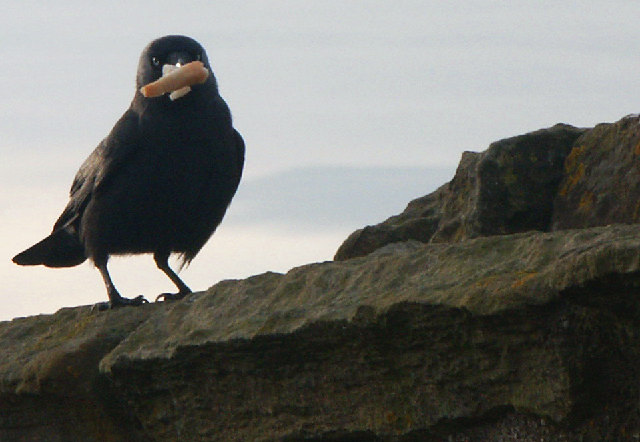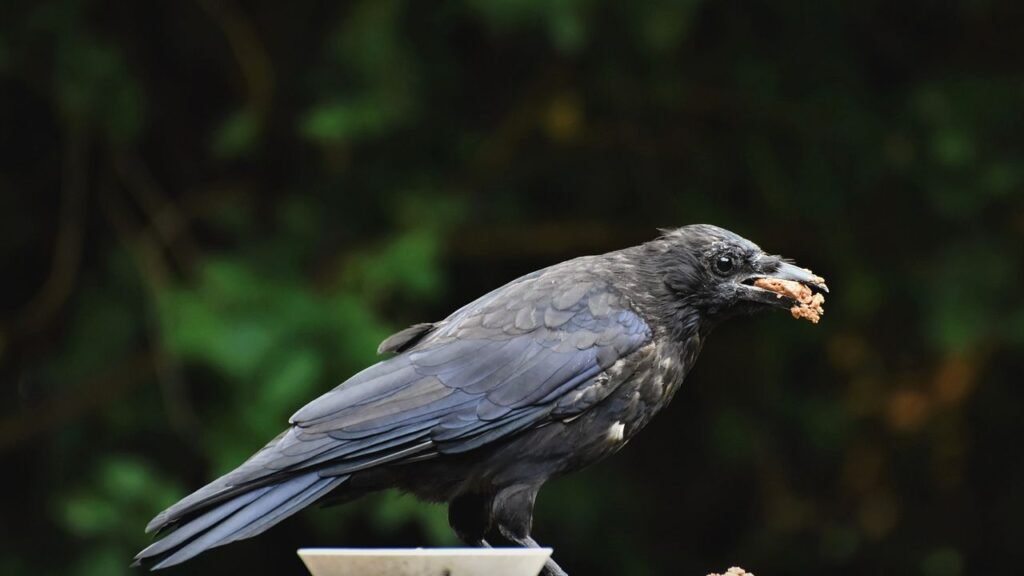

You’ve probably walked past a crow on the sidewalk without giving it a second thought. Maybe you’ve watched a documentary about dolphins or seen elephants at a zoo. These encounters seem ordinary enough. What if I told you that the creatures around us are solving puzzles that would stump most humans? From octopuses escaping tanks to ravens planning days ahead, the natural world is filled with brilliant minds working in ways scientists are only beginning to understand.
Let’s be real: we’ve underestimated animals for centuries. We built our intelligence tests around human capabilities, expecting other species to fit our narrow definitions of what it means to be smart. Recent research is completely flipping that script, revealing cognitive abilities that challenge everything we thought we knew about consciousness and problem-solving. The discoveries are mind-blowing, honestly.
The Crow’s Toolkit: Feathered Engineers That Rival Primates
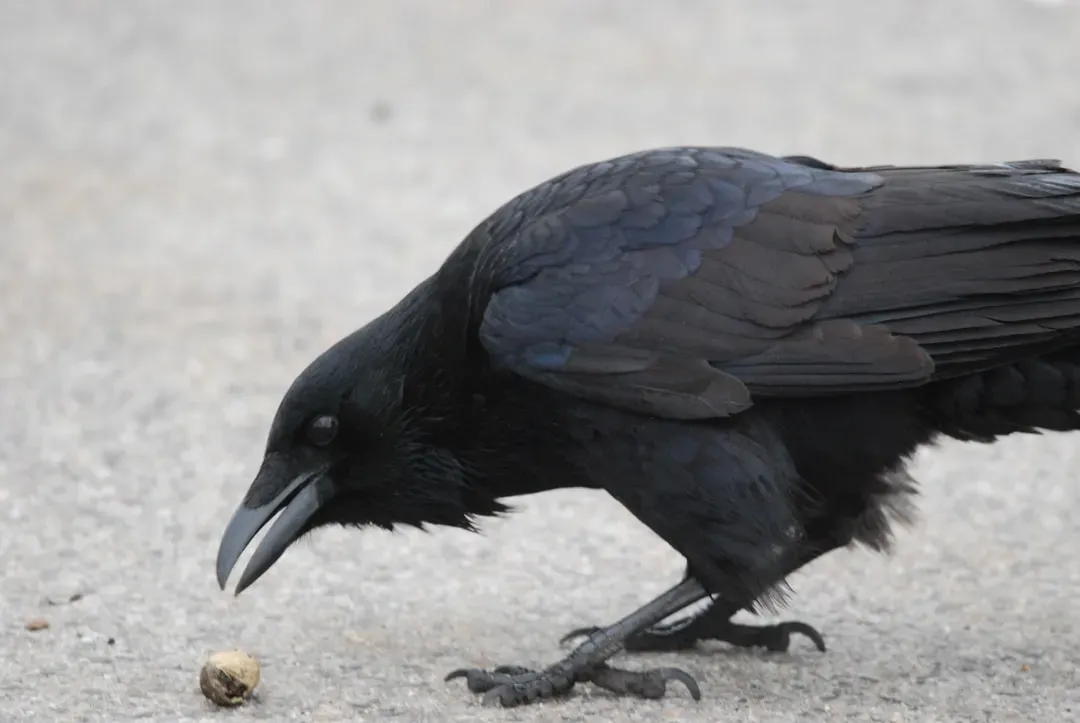
Crows perform water displacement tasks based on Aesop’s fable experiments, dropping stones into tubes to raise water levels and reach floating treats. Even more impressive, they remember these solutions and apply them to different situations. Think about that for a second. These birds are using physics principles that human children don’t grasp until they’re much older.
Crows are capable of making rule-guided decisions and of creating and using tools, and they appear to show an innate sense of what numbers are. New Caledonian crows in the wild actually modify sticks into hooks to fish out grubs from tree bark. This isn’t just using a tool; it’s crafting a specialized instrument for a specific task. A raven’s brain accounts for almost 2% of its body mass, a value similar to humans, which partly explains their remarkable cognitive abilities.
When Ravens Outperform Four-Year-Olds
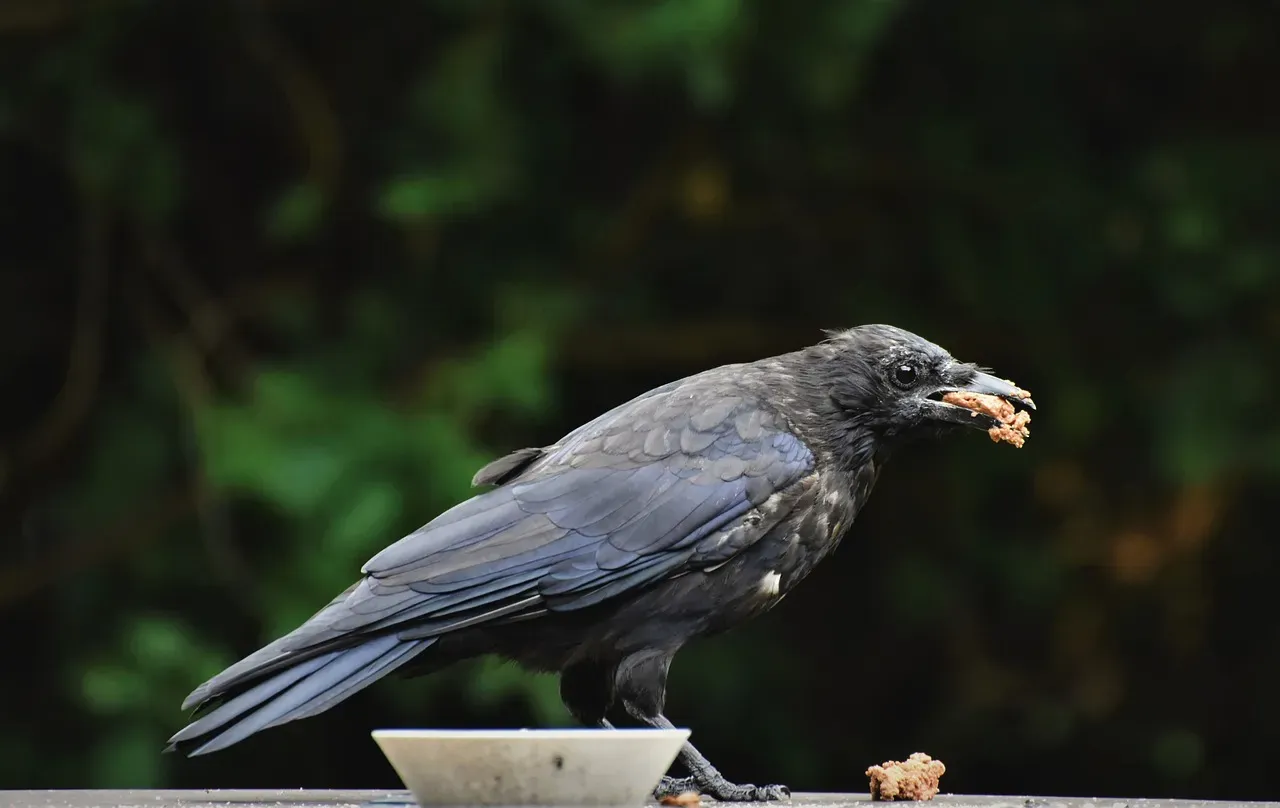
About 80 percent of the time, ravens selected the correct tool and performed the task to get their treat, and with a 17-hour delay, the birds were successful nearly 90 percent of the time. Here’s the kicker: this level of planning was something researchers thought only great apes and humans could manage. Ravens are actually more skilled than human children, technically more successful in planning ahead to open reward boxes than four-year-olds.
Ravens also demonstrate delayed gratification, which is basically the marshmallow test for birds. Ravens selected the tool or token that would get them the better food in the near future over 70 percent of the time. They’re willing to wait for a better reward rather than grabbing the immediate, lesser option. Most humans struggle with this same concept when facing a dessert menu.
Octopus Minds: Eight Arms, Nine Brains, Endless Ingenuity
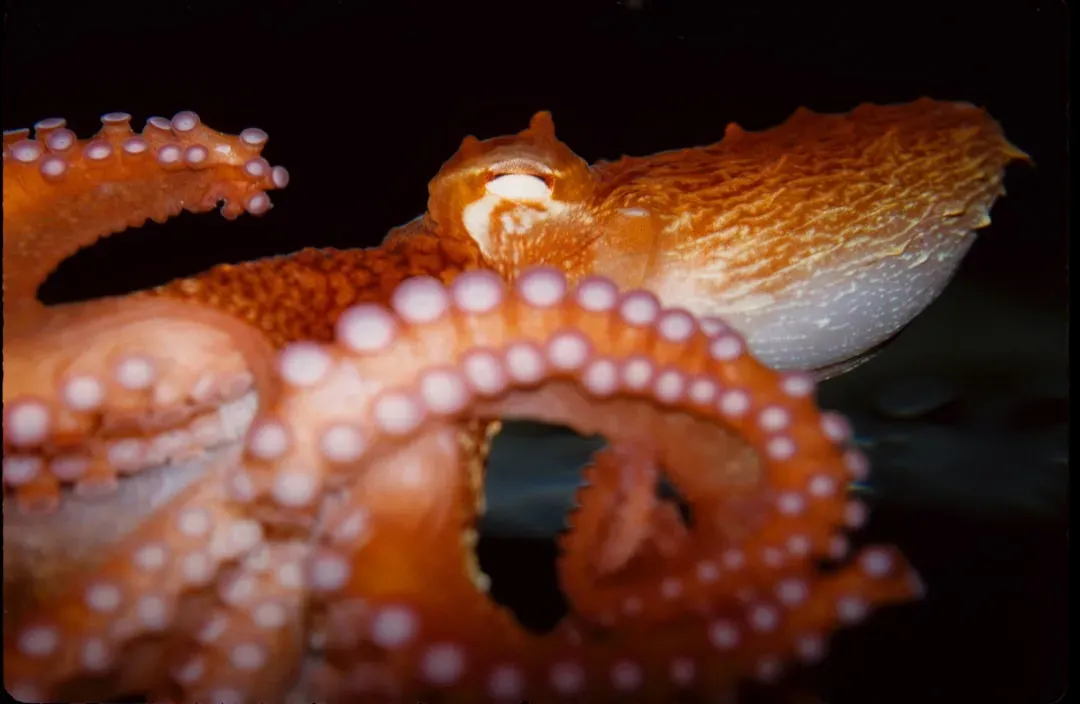
An octopus’s brain-to-body ratio is the largest of any invertebrate, and octopuses have about as many neurons as a dog, with around 500 million neurons, about two thirds of which are in its arms. Each arm essentially has its own mini-brain, operating semi-independently while staying coordinated with the central brain. Imagine if your hands could think for themselves while still following your instructions.
Octopuses have solved mazes and completed tricky tasks to get food rewards, and they’re adept at getting themselves in and out of containers. There’s even footage of octopuses sneaking out of their tanks at night, raiding neighboring fish tanks, eating their fill, then returning to their own tanks and hiding the evidence. The intelligence of cephalopods rivals that of the smartest birds and great apes, despite their evolutionary path diverging from vertebrates over 500 million years ago.
Dolphins Speaking in Whistles: Complex Communication Under the Waves
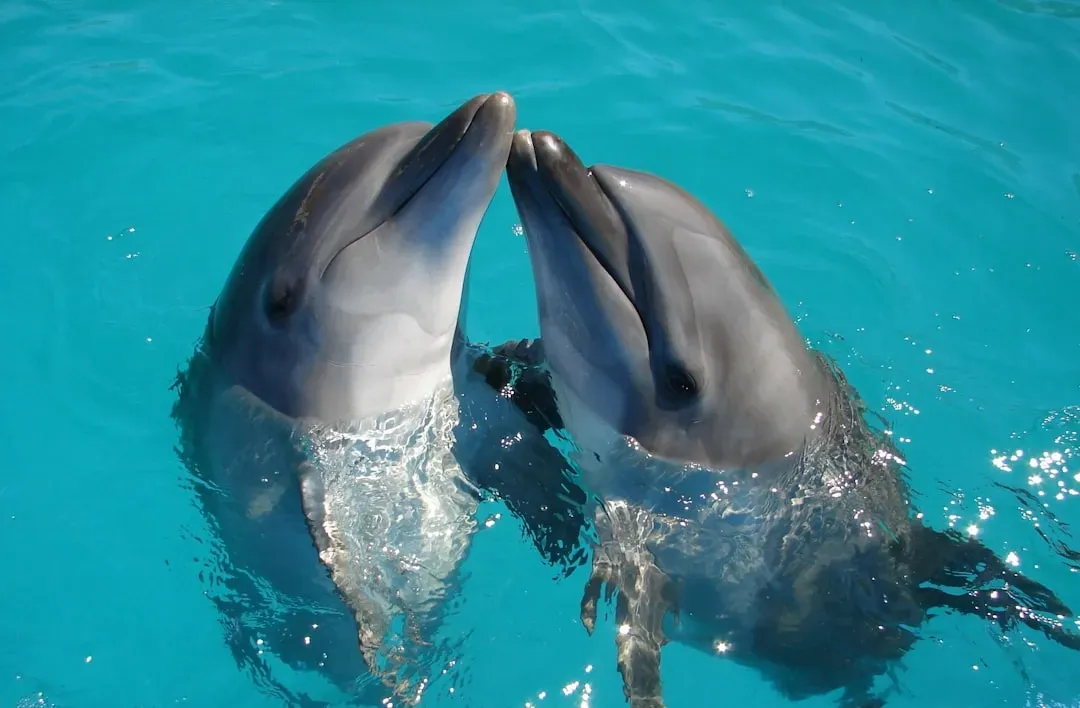
Every bottlenose dolphin develops a distinctive high-pitched whistle, called a signature whistle, which functions like a name, and dolphins each have an individual and unique signature whistle that can identify them. They use these names to call out to each other across vast distances underwater. It’s not just random noise; it’s deliberate identification.
Bottlenose dolphin dyads communicated with vocal signals to coordinate their behaviour, with whistle production leading to significantly shorter button press intervals and more successful trials when they used whistles prior to pressing their buttons. They’re actively using communication to solve cooperative tasks, adjusting their timing based on auditory cues from their partners. Dolphins can understand symbolic language and have been observed using tools, using marine sponges to protect their rostrums while foraging on the ocean floor, a technique passed down through generations.
Elephant Memory: More Than Just a Saying
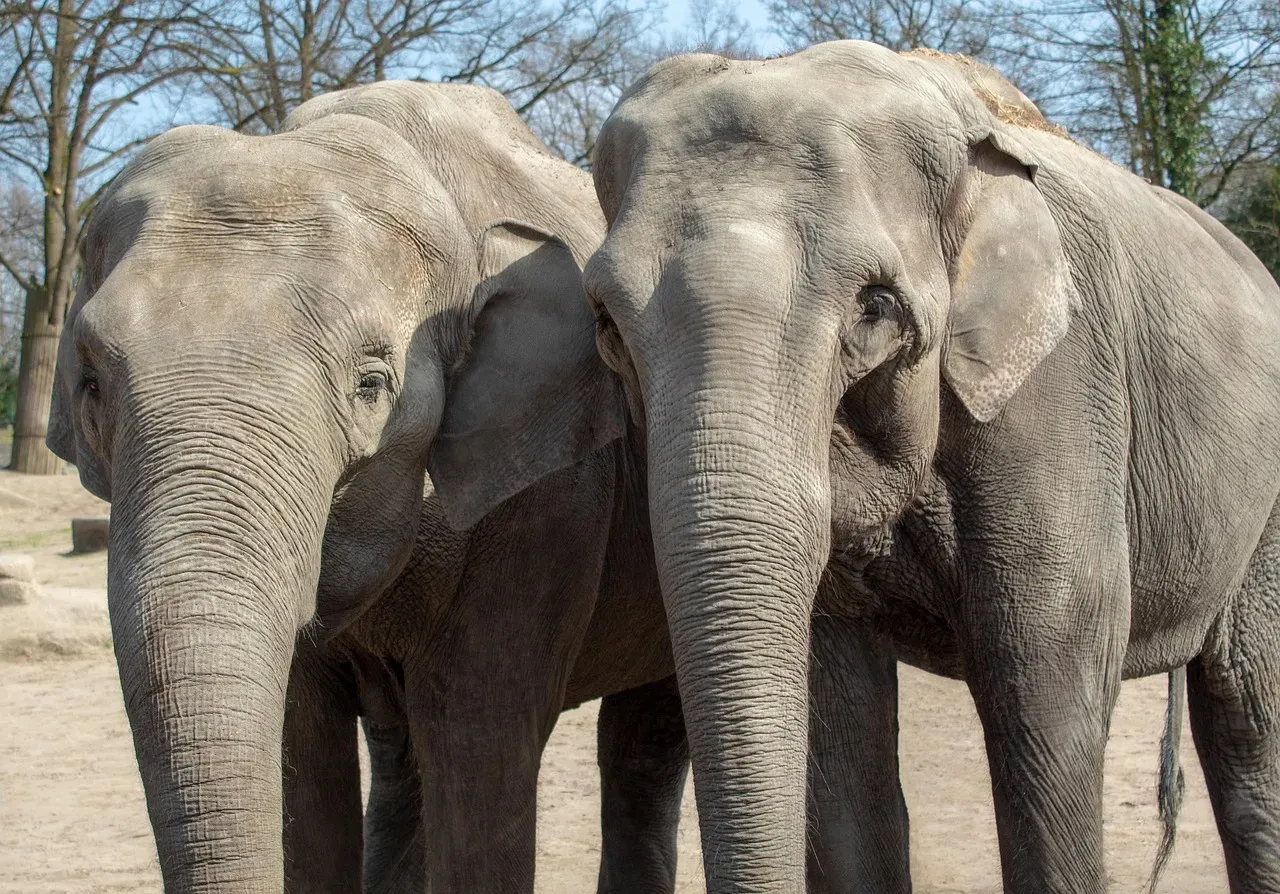
Elephants can recognize and remember hundreds of different individuals, both within their herd and from other groups, and this social memory helps them maintain complex social bonds and hierarchies. They remember faces, voices, and even the scent signatures of other elephants for decades. Elephant offspring respond more strongly to their mother’s urine than to urine from other related or unrelated individuals, and that response was found even after the offspring had been separated from their mothers for up to 27 years.
The matriarch recalls the locations of water sources, safe migration paths, and areas abundant in food, which is crucial during times of drought or scarcity, and this knowledge is passed down through generations. Older elephants essentially serve as living libraries for their herds, storing vital survival information accumulated over lifetimes. An elephant brain weighs around 5 kg, about four times the size of a human brain, and elephants are as smart as chimps and dolphins.
Swarm Intelligence: When Groups Think Better Than Individuals
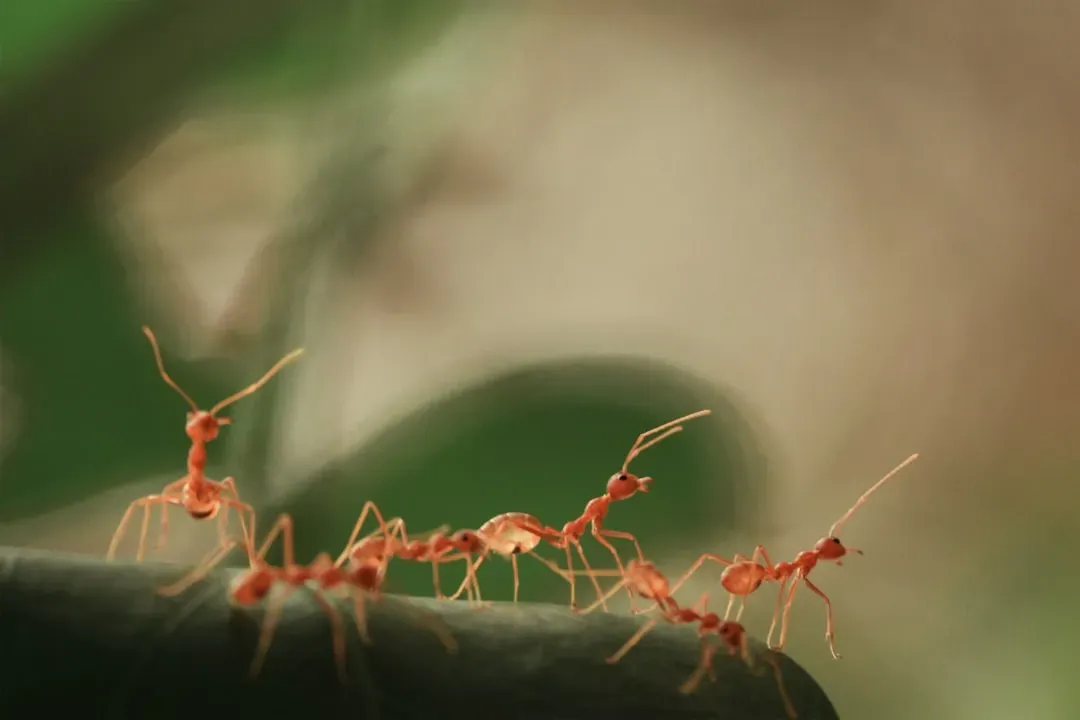
A single ant has only limited information about its environment, yet an ant colony can reliably discover efficient paths to food, adapt to obstacles, and reorganize when conditions change, solving problems no individual could manage alone. This is collective intelligence in action, where simple rules followed by many individuals create sophisticated group-level solutions.
One ant holds very limited information with narrow vision and short memory, yet a colony finds food, selects efficient paths, and adapts after sudden changes with no leader issuing orders, as each ant follows basic rules such as following scent trails. The colony as a whole exhibits intelligence that transcends any single member. When many individuals combine their local decisions, the group as a whole can solve problems no individual could manage alone, like an ant colony optimizing foraging routes.
Self-Awareness Beyond the Mirror: Who Recognizes Themselves?
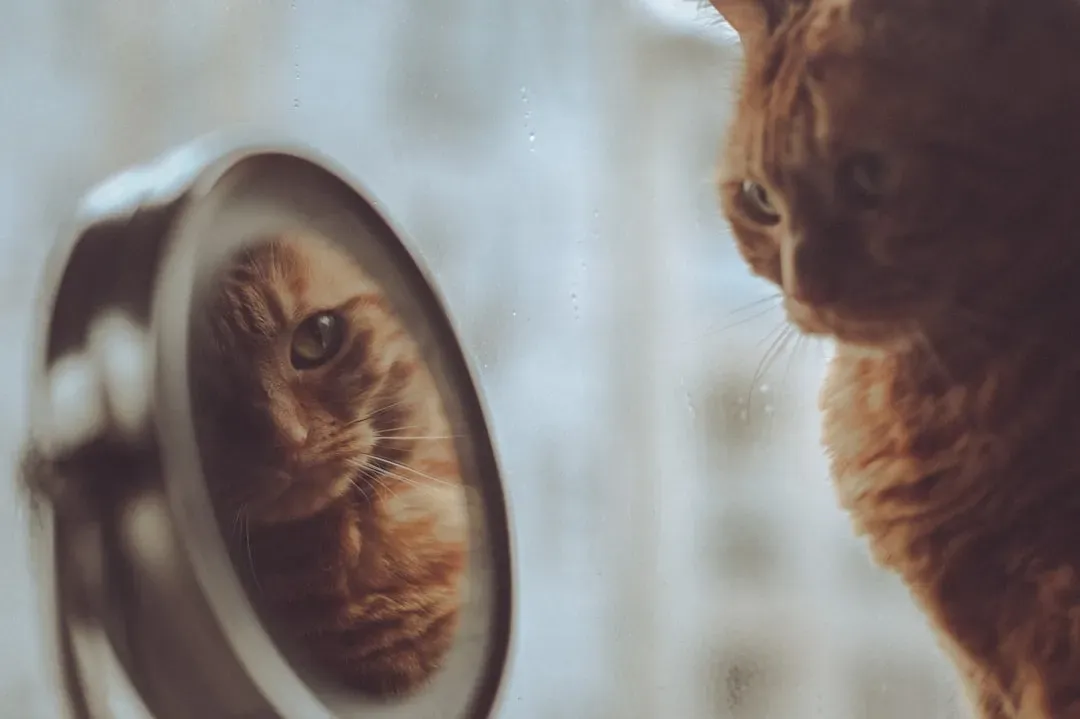
Many species, including dolphins, ravens and elephants, recognize themselves in the mirror, and when researchers put a red dye mark on chimpanzees under anesthesia, once awake, the chimps touched the red mark on themselves rather than on their reflection. This mirror test reveals self-awareness, a trait once considered exclusively human.
Even cleaner wrasse fish have passed recent protocols by scraping marks off their bodies, demonstrating a surprising capacity for visual self-awareness. Fish! We’re talking about fish recognizing themselves, which throws our entire understanding of consciousness into question. Smartest animals like chimpanzees remove marks from their foreheads while viewing reflections, elephants recognize themselves in water, and magpies identify painted dots invisible without mirrors.
Tool Users Across the Animal Kingdom
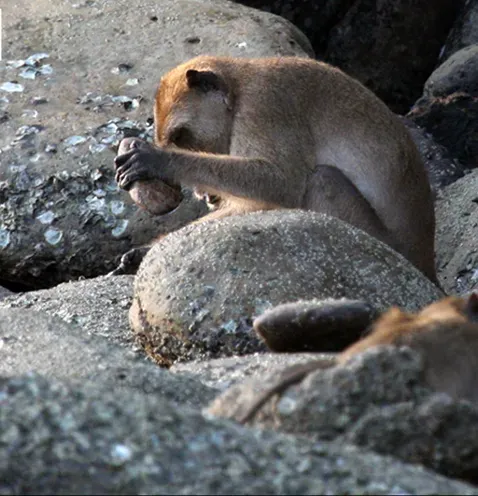
Tool use is relatively rare in the animal kingdom and something we tend to associate with apes, monkeys, dolphins and some birds, and among invertebrates, only octopuses and a few insects are known to use tools. Yet when we look closer, tool use appears in surprising places. Some dolphins in Australia use a technique called sponging, wearing a sea sponge on their beak to uncover food on the seafloor, and the same group invented shelling, trapping prey in a sea snail shell.
Chimpanzees use 70+ types of tools, and nut-cracking techniques are culturally transmitted across 50+ generations, showing advanced social learning. The diversity of these tools and the fact that different populations use different techniques proves that animals have culture. They’re not just following instinct; they’re learning and teaching within their communities.
The Future of Understanding Animal Minds
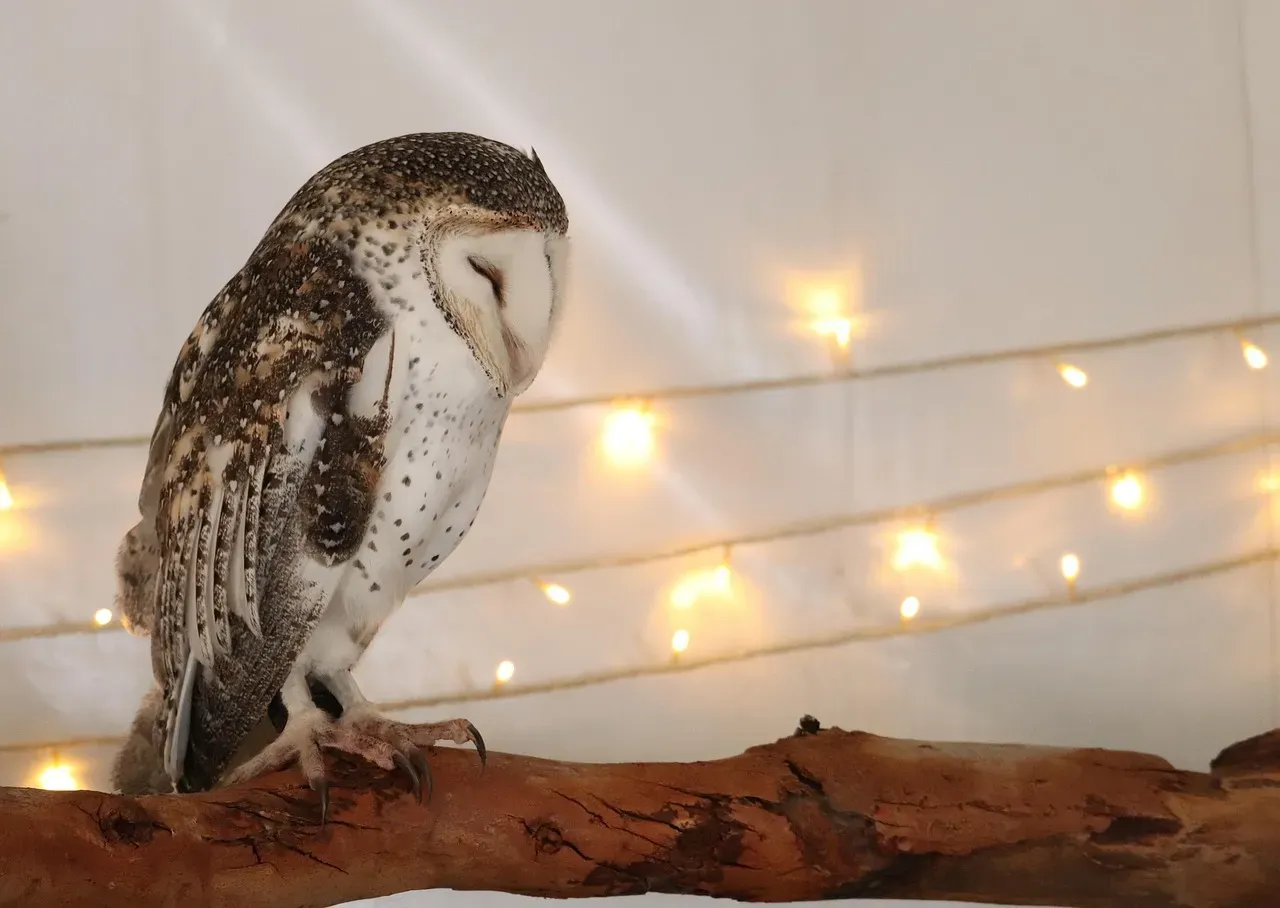
Automated tracking, drone recordings, AI-driven analysis and virtual-reality experiments now allow researchers to follow entire groups of animals in unprecedented detail, capturing patterns that were previously invisible. Technology is opening windows into animal cognition that we never had before. We’re finally developing tools sophisticated enough to study minds that work nothing like our own.
Octopuses demonstrate complex problem-solving, sensory integration, and even self-awareness with neural architectures completely unlike our own, serving as a powerful counterpoint to the idea that intelligence must look and act like us. Every new discovery reinforces a fundamental truth: intelligence evolved in countless different forms across Earth. Knowing the limits to the intelligence of different animals will aid us in appreciating the diversity of animal intelligence and will resolve outstanding questions of how cognition evolves.
The natural world is teaching us humility. We’re not the only clever species on this planet; we’re just one variation in an incredible spectrum of thinking minds. Each species has developed cognitive tools perfectly suited to their ecological niche, solving problems in ways we’re only beginning to appreciate. The more we learn, the more we realize how little we truly understood about the brilliant creatures sharing our world.
Did you expect intelligence to look so different across species? What do you think we’ll discover next about the minds of animals?