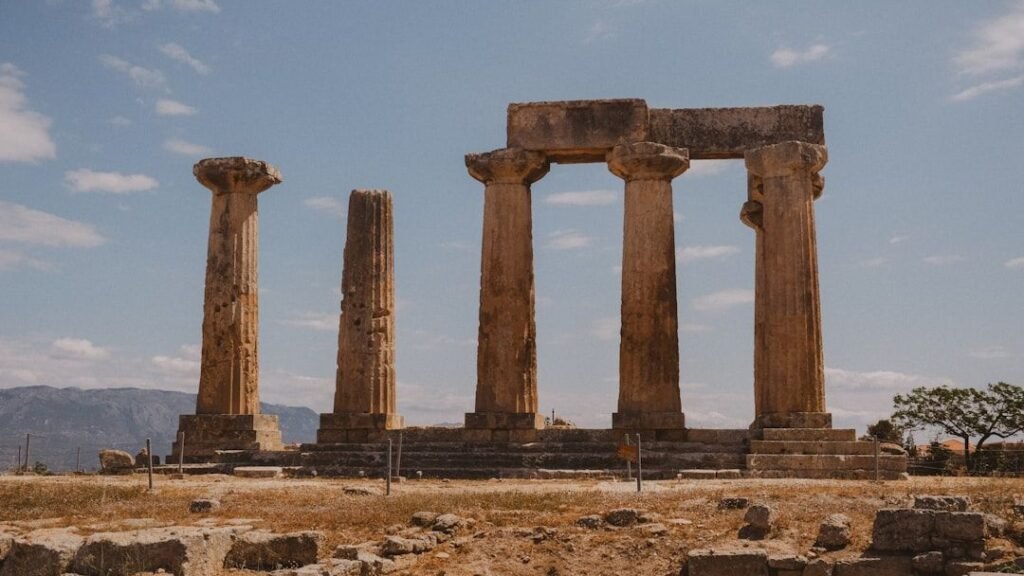

Have you ever wondered what existed before the pages of history books began? Long before anyone thought to etch symbols onto clay tablets or carve stories into stone, humans were building, creating, and organizing in ways that would shock most modern observers. The ruins scattered across our planet tell a story that textbooks often skip over entirely.
We tend to think civilization has a neat timeline. You know how it goes in school. Hunter-gatherers wandered around for ages, then someone figured out farming, villages popped up, and boom, Egypt and Mesopotamia. Simple enough, right? Well, recent discoveries are turning that tidy narrative completely upside down. Structures older than the pyramids, cities swallowed by ancient seas, and evidence of sophisticated engineering from periods we thought were primitive are forcing us to reconsider everything we assumed about our ancestors.
Göbekli Tepe: The Temple That Rewrote Prehistory
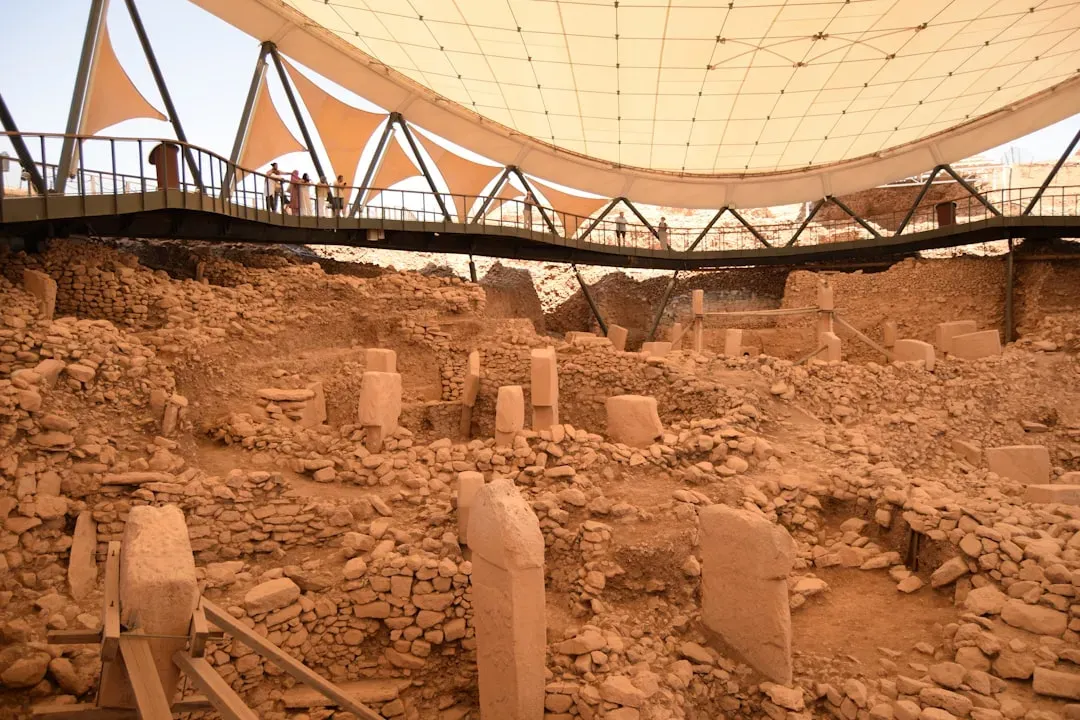
In southeastern Turkey sits Göbekli Tepe, a site that dates to around 9600 BCE and stands roughly 7,000 years older than Stonehenge. The stone pillars tower up to 18 feet tall and weigh as much as 50 tons each. Think about that for a second. People who supposedly hadn’t even figured out farming yet were hauling massive limestone blocks and carving intricate animal figures into them.
Hunter-gatherers built this site, since no domesticated plants or animals have been recovered, and computer modeling revealed workers relied heavily on geometry to construct the structures. The scale suggests a hierarchy, a workforce, maybe even a priestly elite, all hallmarks of civilization scholars normally associate with much later eras. Let’s be real, this discovery completely messes with our understanding of what ancient people were capable of. The site was deliberately buried around 8000 BCE, as if its makers wanted it hidden.
Sunken Cities Beneath the Waves
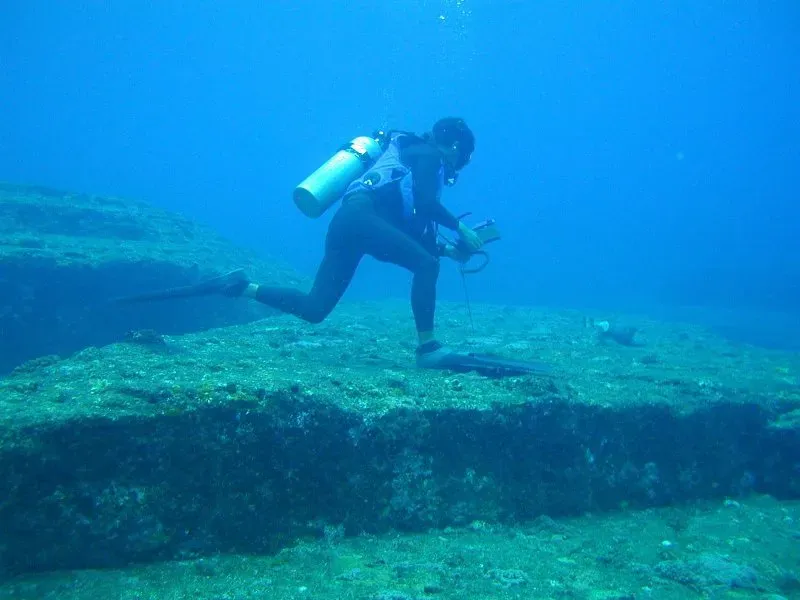
Discovered in 1984 near Haifa, Israel, Atlit-Yam is a Neolithic site first settled around 6900 BCE, making it by far the oldest known human settlement found underwater, where inhabitants were farmers and fishermen who planted wheat, pastured animals, and even dug deep wells lined with stone. The clarity here is stunning. These weren’t primitive nomads stumbling from place to place.
In 2001, off Gujarat’s coast, archaeologists found walls, pillars, and pottery 120 feet underwater, carbon-dated to 7500 BCE or earlier, with stone anchors suggesting a bustling port. During the Ptolemaic Dynasty, Thonis-Heracleion was the port of entry for all Greek ships traveling to Egypt and home to a magnificent temple of Amun, yet the once-magnificent city sank and was only rediscovered through modern underwater archaeology. Here’s the thing. How many more cities are hiding beneath our oceans, lost to time and rising seas?
The Caral-Supe Civilization: America’s Hidden Past
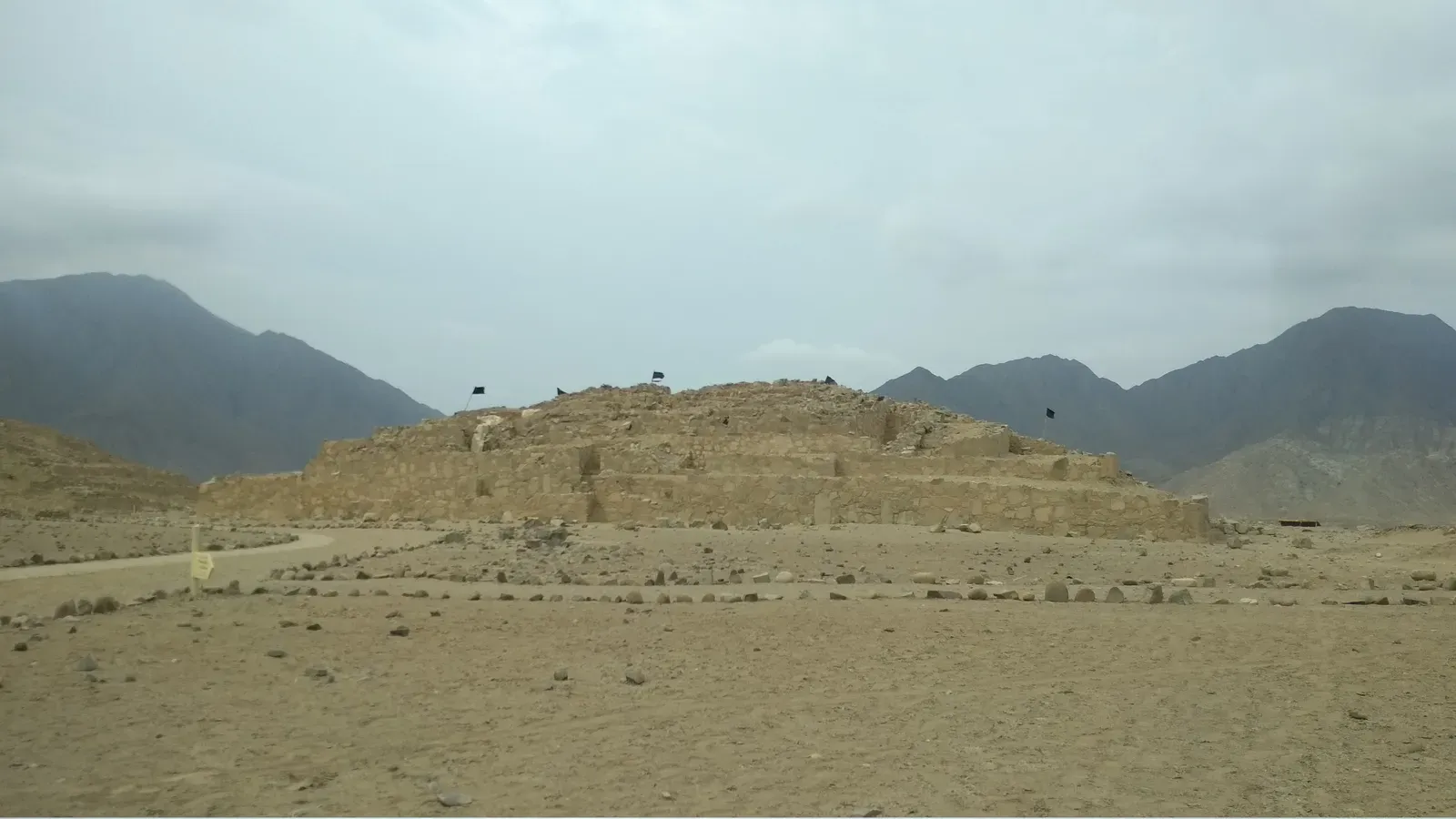
Thousands of years before the golden age of the Maya in Central America, the Caral civilization flourished in what is now Peru, existing between the 4th and 2nd millennia BC, and is generally thought to be the oldest-known civilization in the whole of the Americas. What makes Caral truly bizarre is what they didn’t have. Unlike other ancient civilizations, the Caral people seemed to have absolutely no visual arts culture and did not use ceramics, with archaeologists finding no paintings, sculptures, or signs of pottery being used to store food.
The capital, known as the Sacred City of Caral-Supe, still bears signs of their accomplishments, including the remains of vast pyramids, sunken plazas, a circular amphitheater, and residential properties. They built massive architectural wonders without leaving behind a single painted pot. Exploration of the Caral civilization, which only began in earnest in the 1990s, has fundamentally rewritten the history of humanity in the Americas. Makes you wonder what else we’ve missed.
The Indus Valley: A Massive Society Lost to Time
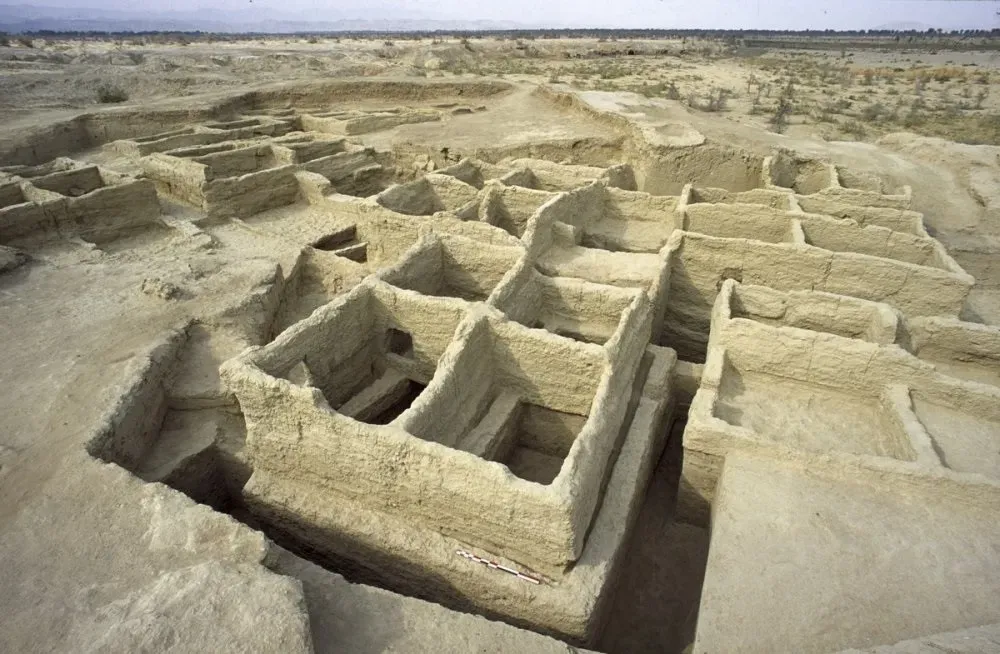
The Indus civilization, also known as the Harappan civilization, was one of the largest in ancient history, extending over parts of India, Pakistan, and Afghanistan and containing as many as five million people. Imagine roughly one tenth of the world’s population at the time living in this single civilization. Evidence shows that the Indus Valley Civilization had developed highly advanced agricultural and sewage systems for its time, along with a written language, and accounted for 10% of the world’s population at the time of its peak.
Then it vanished. Recent research points towards a shift in the monsoon cycle, which would have greatly impacted their ability to produce crops, with some suggesting that river banks dried up before a sudden flood came through, wiping out more of the population. Other natural events such as earthquakes or epidemics may have also contributed to the Harappans’ sudden demise. A thriving megacity reduced to dusty ruins scattered across three modern countries.
Prehistoric Engineering in Southeast Asia
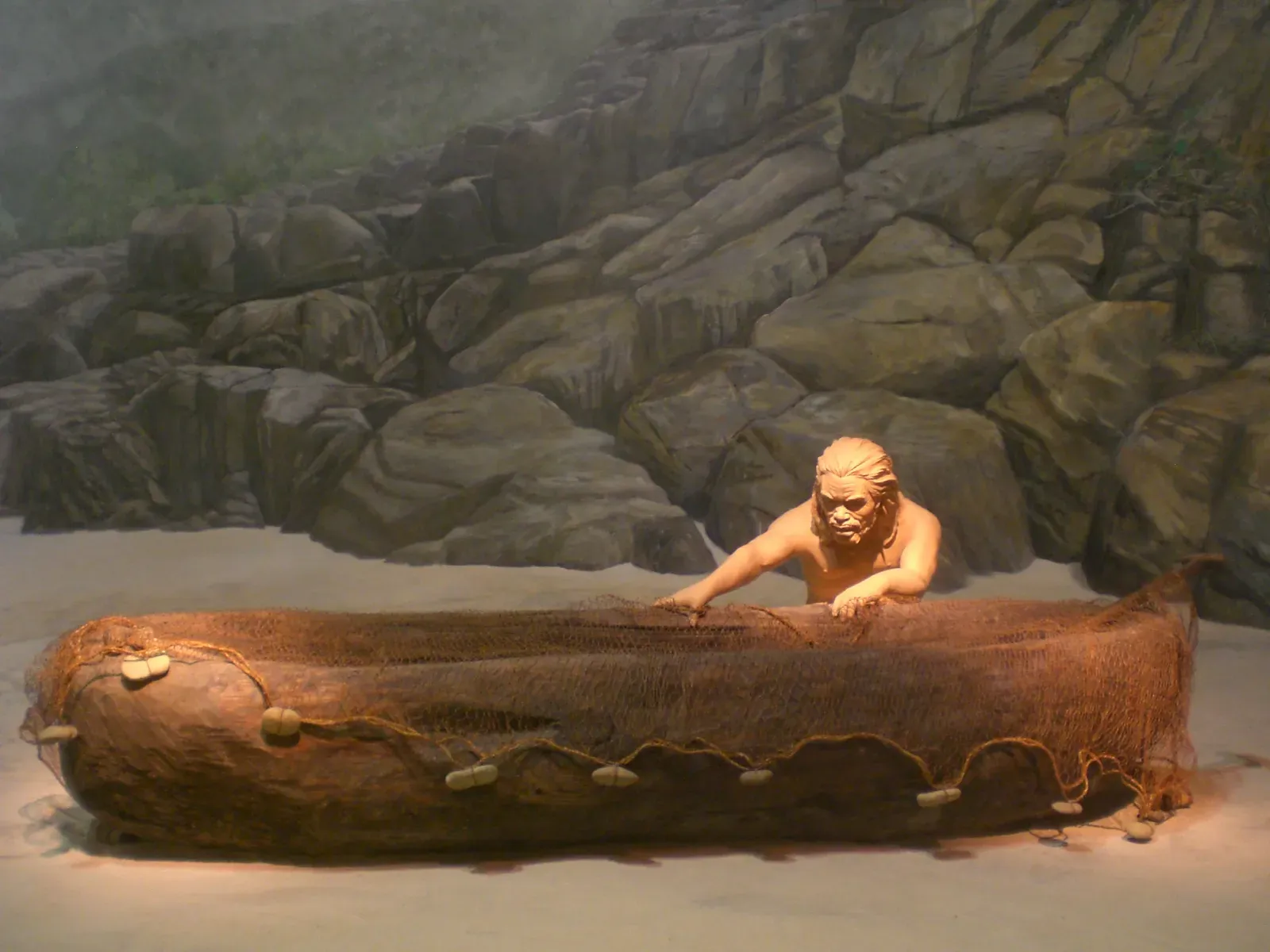
Stone tools excavated at sites in the Philippines, Indonesia, and Timor-Leste show strong evidence that as far back as 40,000 years ago, there was a technological sophistication from these ancient seafarers that rivals much later civilizations. This completely contradicts the idea that technological progress centered only in Africa and Europe. Archaeology supports that 40,000 years ago, the people living in Southeast Asia were well-versed in boatbuilding and open-sea fishing, putting Southeast Asia ahead of Europe and Africa in technological progress.
The remains of large predatory pelagic fish at these sites indicate the capacity for advanced seafaring and knowledge of the seasonality and migration routes of those fish species. These weren’t lucky fishermen stumbling onto a catch. They understood ocean patterns, seasonal movements, and had the engineering skills to build vessels capable of handling deep-sea conditions. The collection of fish and tool remains indicates the need for strong and well-crafted cordage for ropes and fishing lines to catch the marine fauna.
Bronze Age Complexity in Central Europe
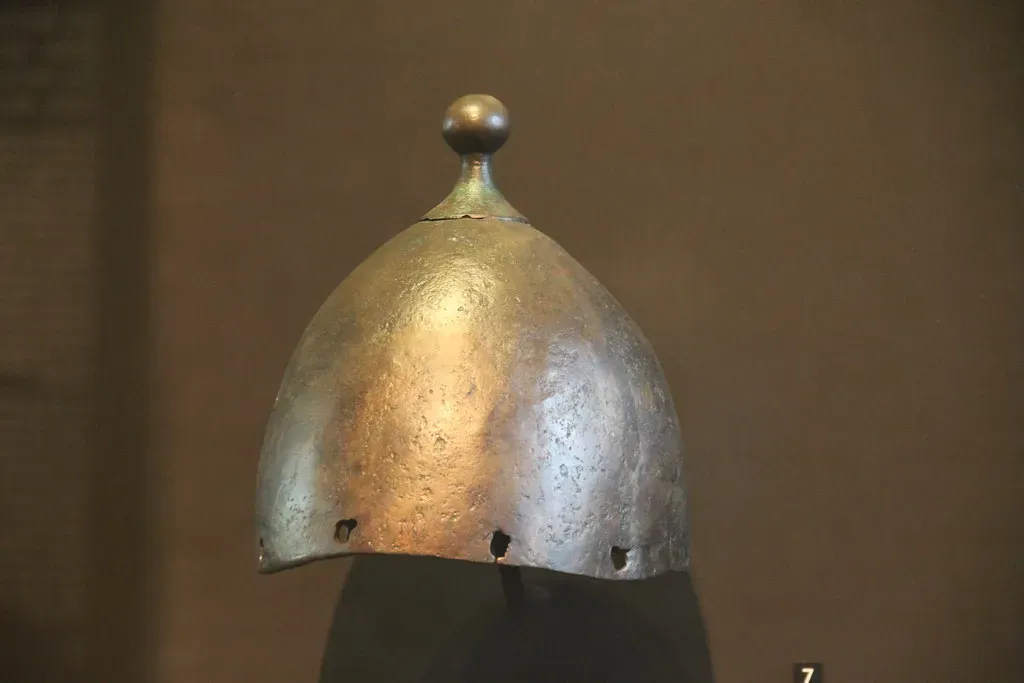
Archaeologists have discovered evidence of a highly complex prehistoric society in Central Europe that thrived in a region experts previously believed was abandoned in 1600 BC, and this sophisticated society was one of the major cultural centers of southern Europe. Honestly, it’s hard to say for sure how many times scholars have had to completely rewrite their assumptions about prehistoric Europe.
Using a combination of satellite images from Google Maps and the European Space Agency’s Sentinel-2, as well as pedestrian fieldwork and small-scale excavations, researchers report the identification of 100 new prehistoric sites in the Pannonian Basin. Thousands of years ago, Bronze Age humans settled there and built a complex and influential society that lasted for centuries before it was mysteriously abandoned in 1600 BC, with ancient sites examined by experts showing signs of depopulation over several decades. Entire networks of settlements simply emptied out.
The Green Sahara and Nabta Playa
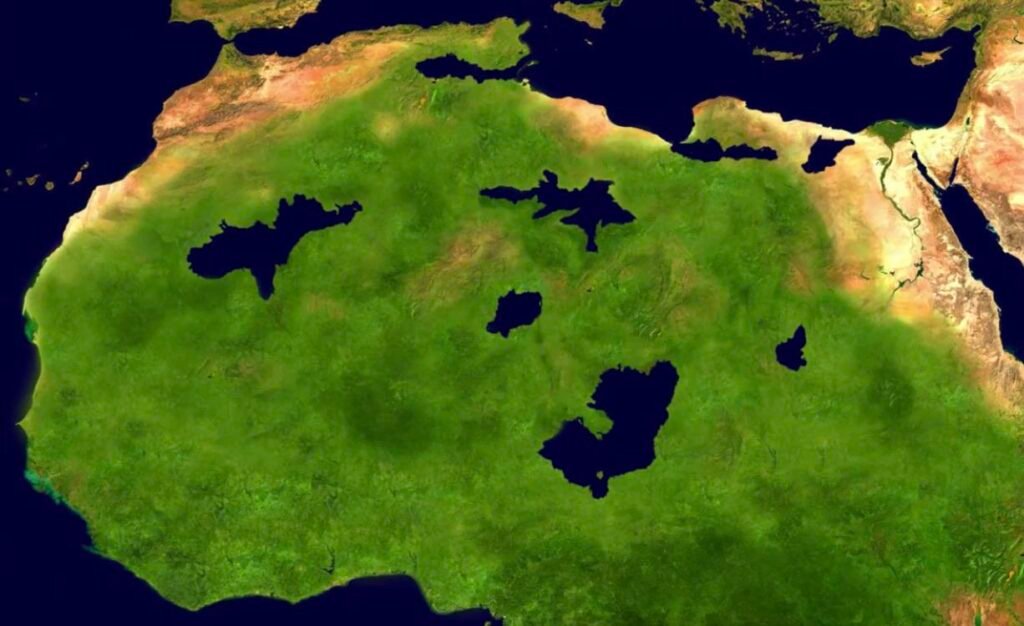
Before it turned into desert, the Sahara was full of lakes, rivers, and grasslands, and between 10,000 and 5,000 years ago, it was home to thriving communities that built megaliths, tracked the stars, and raised livestock. Picture lush greenery where today you see endless sand dunes. One of the most famous sites, Nabta Playa in southern Egypt, has stone circles that align with constellations, possibly the oldest known astronomical monument in the world, predating Stonehenge by over a thousand years.
Then climate change hit, the rain stopped, the desert moved in, and entire societies were erased under the sand. That’s probably happened more times in human history than we realize, with advanced cultures rising up, then getting completely wiped out by the planet itself. The fragility of civilization becomes terrifyingly clear when you realize a simple shift in rainfall patterns can erase millennia of human achievement.
Understanding Our Forgotten Past
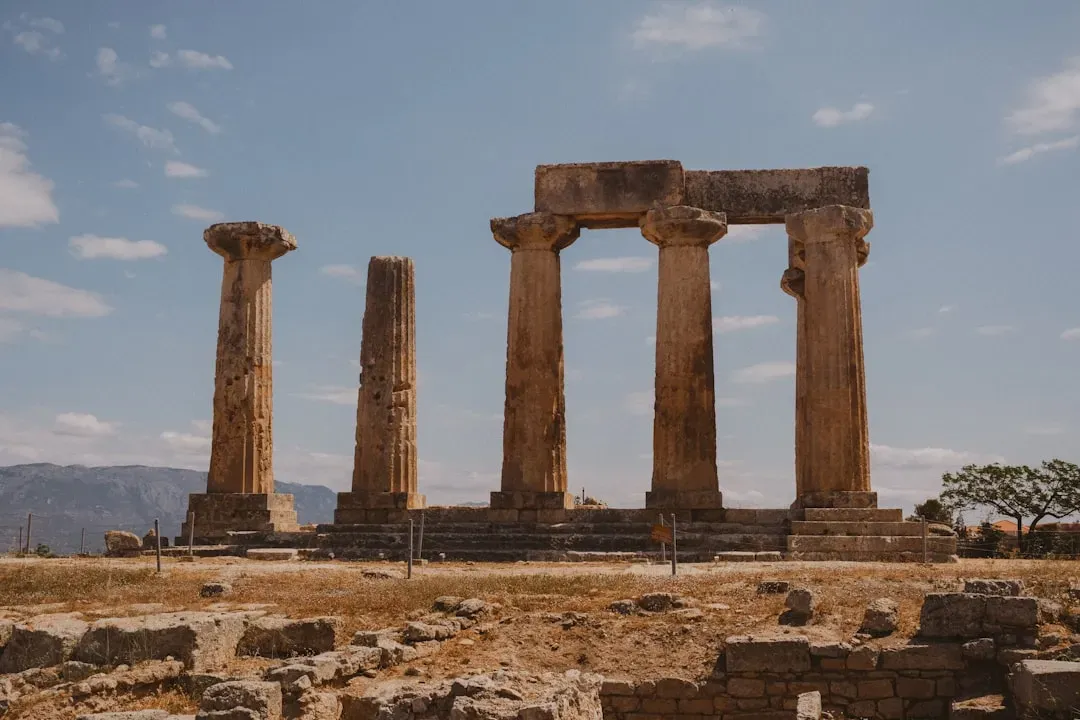
Over 99% of the development of humanity has occurred within prehistoric cultures who did not make use of writing, and without such written sources, the only way to understand prehistoric societies is through archaeology. Every artifact pulled from the ground, every structure mapped beneath the ocean, adds another piece to this enormous puzzle. New technologies and scientific understandings allow researchers to draw more meaning from even the humblest of artifacts, with a single charred seed potentially leading to insights into migrations, trade patterns, diets, and seasonal activities of early people.
The true fate of these civilizations, settlements, and peoples will likely remain a mystery for some time, and with a lack of written record, historians can only make educated guesses as to what might have really happened, with so much of human history still yet to be uncovered. The exciting part is that we’re living in an age where technology finally allows us to explore these forgotten worlds properly. Satellite imaging, DNA analysis, underwater robotics, and advanced dating techniques are revealing societies that previous generations of archaeologists could only dream about finding.
What’s your take on all this? When you look at sites like Göbekli Tepe or consider the sophisticated seafaring of ancient Southeast Asians, does it change how you think about human capability and ingenuity? These forgotten civilizations remind us that innovation, organization, and advanced thinking aren’t modern inventions at all. They’re deeply embedded in our species, stretching back far longer than most of us ever imagined.