
You’ve probably heard people say space is silent. Technically, that’s true since there’s no air to carry vibrations. Yet radio telescopes around the world are constantly picking up signals from the cosmos that scientists convert into audio for analysis. Some of these recordings are downright unsettling, while others leave even the most experienced astronomers scratching their heads. Let’s be real, when instruments detect unexplained patterns coming from billions of light-years away, it’s pretty thrilling stuff.
What makes these deep space signals so fascinating is how many questions they raise. Some repeat in patterns so precise they seem almost intentional. Others blast out massive amounts of energy in milliseconds, then vanish without a trace. Despite decades of research and increasingly sophisticated equipment, several of these cosmic mysteries remain unsolved in 2026. Ready to explore what’s been echoing through the void?
The Space Roar: An Unexplained Cosmic Thunder
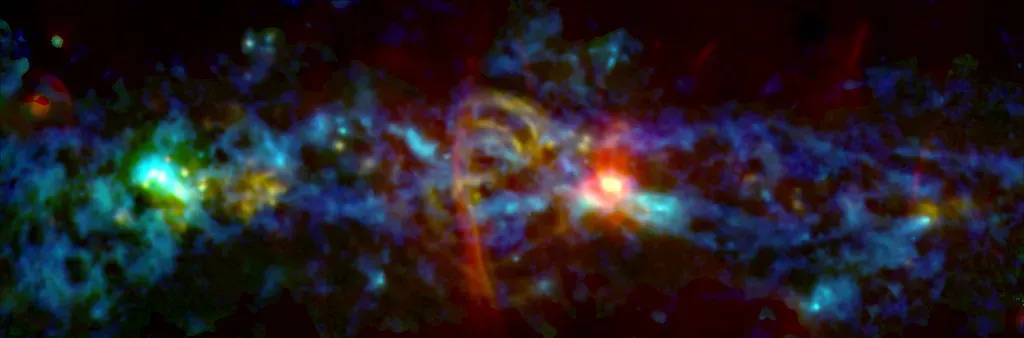
When NASA’s ARCADE instrument listened from about 23 miles above Earth, it picked up a signal six times louder than expected, too loud to be early stars and far greater than the predicted combined radio emission from distant galaxies. Think about that for a second. Scientists launched this equipment specifically to study the cosmic microwave background, the ancient whisper left over from the Big Bang.
Scientists still don’t know what is causing it, even today. The “space roar” is caused by synchrotron radiation, a type of emission from high-energy charged particles in magnetic fields, and because every source has the same characteristic spectrum, pinpointing the origin of this intense signal is difficult. Some theories point to the first stars and galaxies, while others suggest hot gas in galactic halos or even the annihilation of dark matter particles. None fully explain why the signal is so incredibly powerful.
Fast Radio Bursts With a Heartbeat Pattern
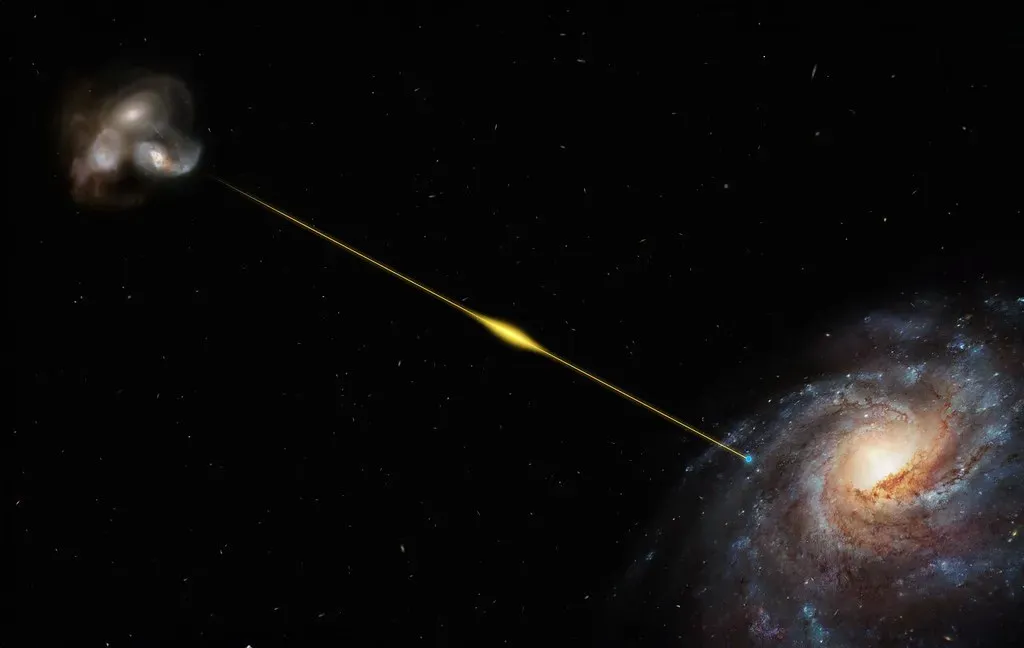
A signal named FRB 20191221A lasted about three seconds with periodic peaks that were remarkably precise, emitting every fraction of a second like a heartbeat. Most fast radio bursts last only milliseconds, making this one roughly a thousand times longer than usual. The precision of its rhythm is what really gets under your skin.
Astronomers estimate that the signal came from a galaxy roughly a billion light-years away, but the exact location and cause of the burst is unknown. Researchers compared the pattern to emissions from radio pulsars and magnetars, those ultra-dense remnants of dead stars. The fast radio burst appears to be more than a million times brighter than these emissions, leading one researcher to suggest this new signal could be a magnetar or pulsar on steroids. Whatever’s producing this cosmic drumbeat, it’s operating at an intensity we’ve never encountered before.
The Cosmic Slide Whistle Signal
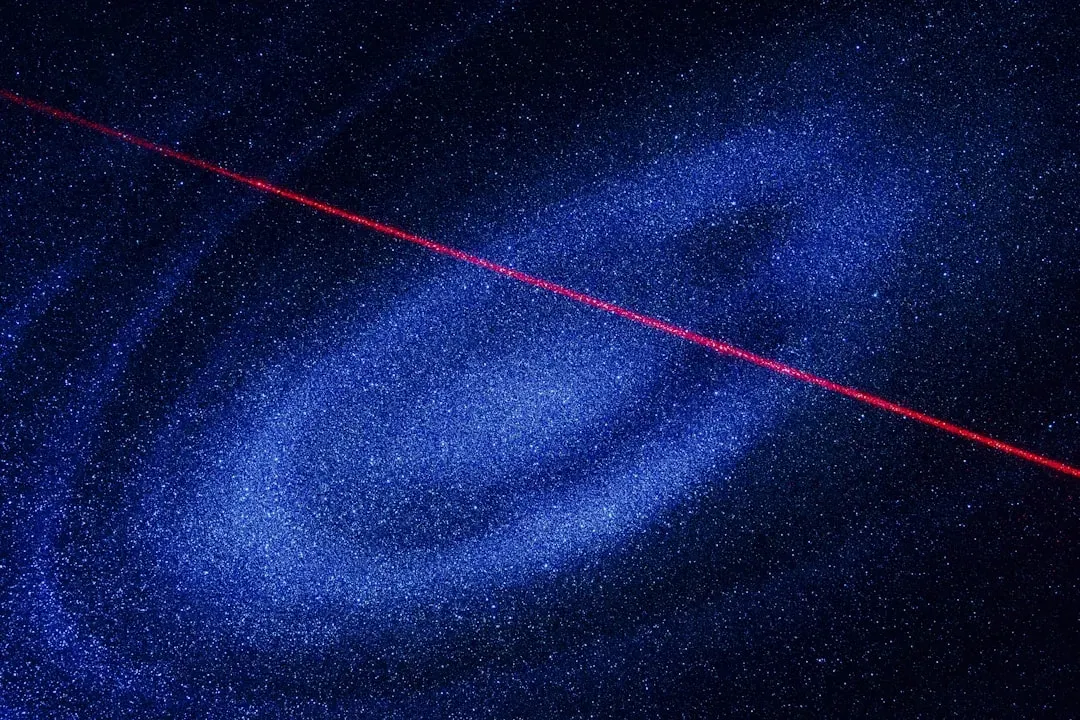
Astronomers observed a new quirky pattern in a mysterious, repeating fast radio burst detected in space that sounds like a celestial slide whistle. A closer look at the signal revealed something new: a noticeable drop in the center frequency of the bursts, acting like a celestial slide whistle. When scientists at the SETI Institute converted this data into audio using xylophone notes, the descending pitch became impossible to ignore.
Over a two-month period in 2022, researchers detected 35 bursts from this single source, designated FRB 20220912A. Each burst shifted from higher to lower frequencies as expected, but that dramatic frequency dip in the middle was completely unprecedented. No existing model can explain all of the properties that have been observed so far. It’s hard to say for sure, but something about the changing pitch suggests we’re witnessing a process our current theories just can’t account for.
Voyager’s Interstellar Hum
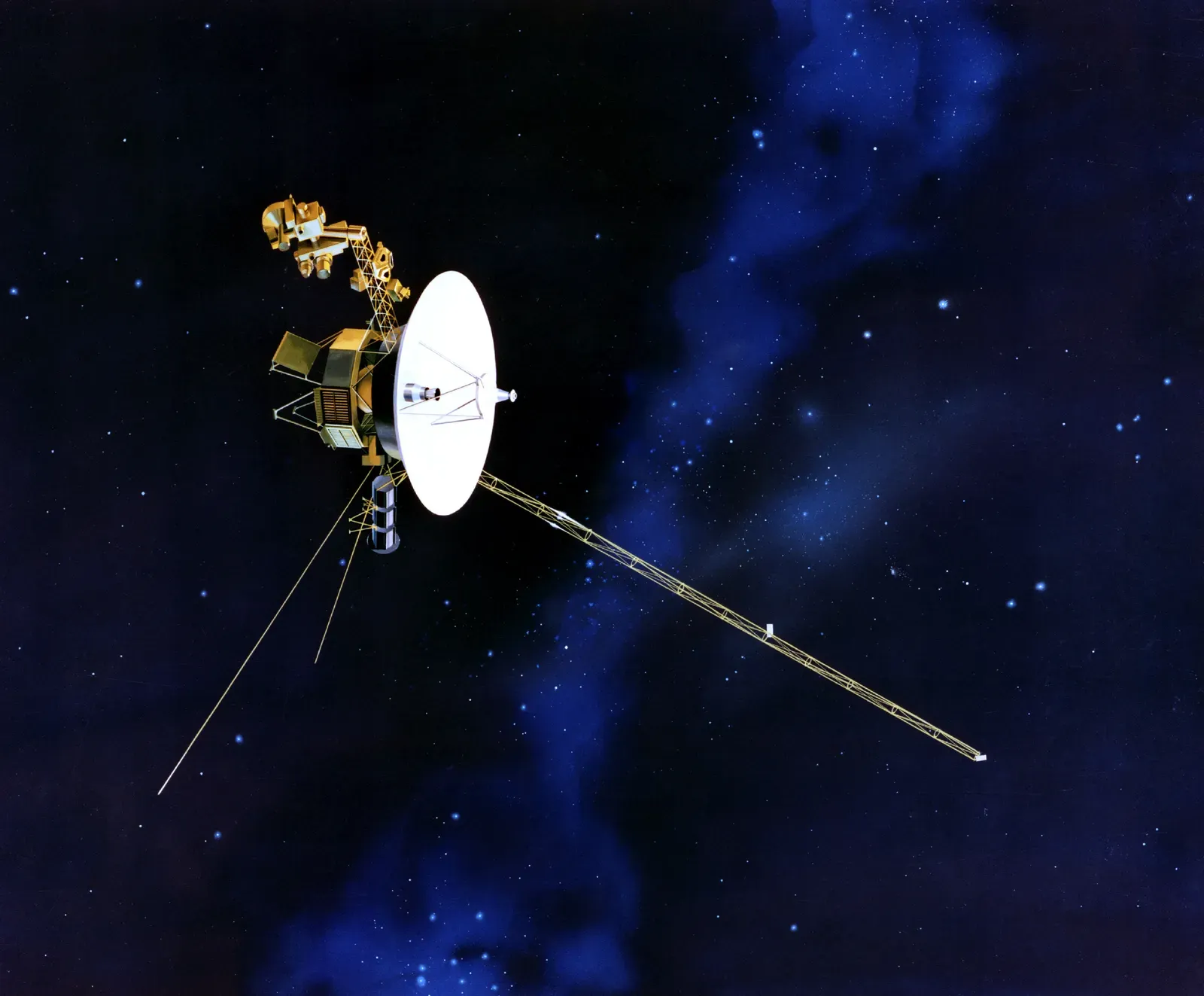
Voyager 1, humanity’s most faraway spacecraft, has detected an unusual hum coming from outside our solar system, with the instruments picking up a droning sound that may be caused by plasma in the vast emptiness of interstellar space. The probe has been traveling for nearly five decades, now sitting more than 14 billion miles from Earth. That’s mind-blowing when you think about it.
A doctoral student discovered the drone coming from plasma shock waves, calling it very faint and monotone, likely due to the narrow bandwidth of its frequency, and while researchers think the persistent background hum may be coming from interstellar gas, they don’t yet know what exactly is causing it. This steady droning wasn’t expected to exist at all in the space between stars. The fact that it’s continuous rather than intermittent makes it especially puzzling, suggesting some ongoing process in the interstellar medium that we’re only beginning to understand.
Mysterious Infrasound From Earth’s Stratosphere
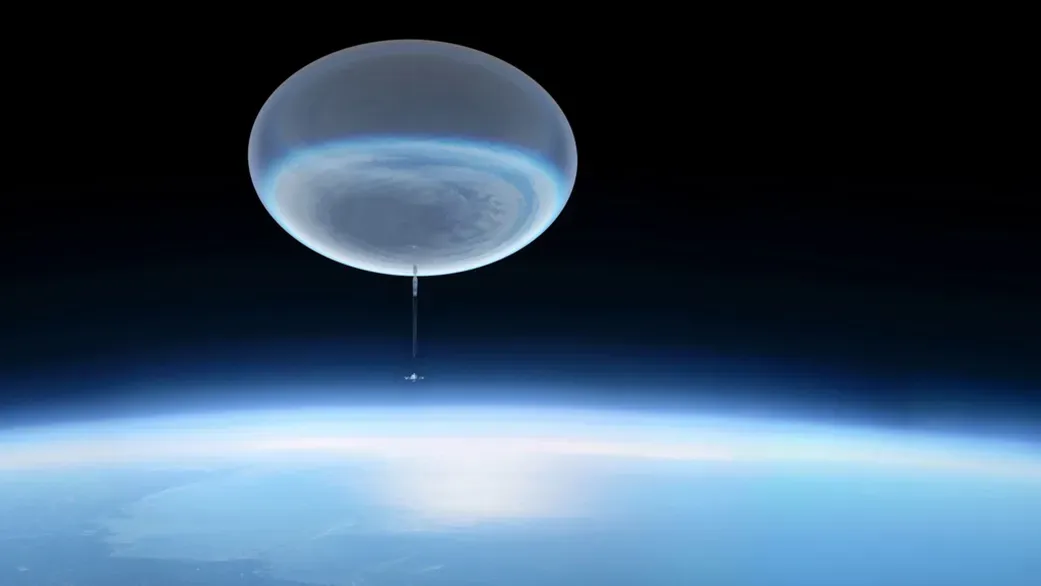
Scientists have detected sounds high in Earth’s atmosphere that can’t be identified, with a solar-powered balloon mission carrying a microphone to the stratosphere around 31 miles above the planet, where the microphone also heard strange sounds that repeat a few times per hour with their source yet to be identified. These aren’t coming from deep space, yet they’re equally baffling.
The sounds exist in the infrasound range, below 20 hertz, which means you couldn’t hear them even if you were standing right there. Researchers expected to pick up natural phenomena like ocean waves and storms, plus man-made sounds from airplanes and industrial activity. Instead, they also recorded something completely unknown. The sensors detected the mysterious repeating infrasound signals. Some speculate they could be from undiscovered atmospheric phenomena or interactions between layers of the atmosphere. The regularity suggests they’re not random, which honestly makes them more unsettling.
Radio Signal From a Dead Satellite
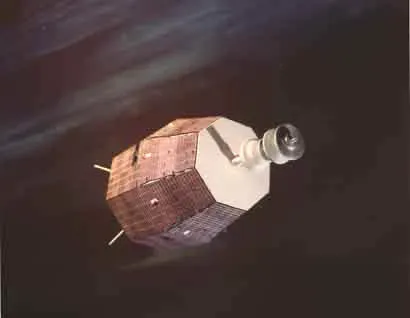
Astronomers in Australia picked up a strange radio signal in June 2024, one near our planet and so powerful that, for a moment, it outshined everything else in the sky. The team initially thought they’d discovered something extraordinary from the depths of space. Imagine their surprise when the source turned out to be Relay 2, a NASA satellite that’s been dead for nearly 60 years.
Here’s the thing that makes this genuinely mysterious: The team is certain that this signal wasn’t an intentional emission, as not only has Relay 2 been inoperative for 58 years, but even when it was working, its transmission signal wasn’t capable of generating such short-lived radio pulses. What caused this signal from Relay 2 remains unknown. Theories range from electrostatic discharge to a micrometeorite strike creating a cloud of charged plasma at exactly the right moment. The signal lasted less than 30 nanoseconds yet was strong enough to dominate the entire sky. How does a defunct piece of 1960s technology suddenly generate that kind of power?
The Globular Cluster Radio Burst Anomaly
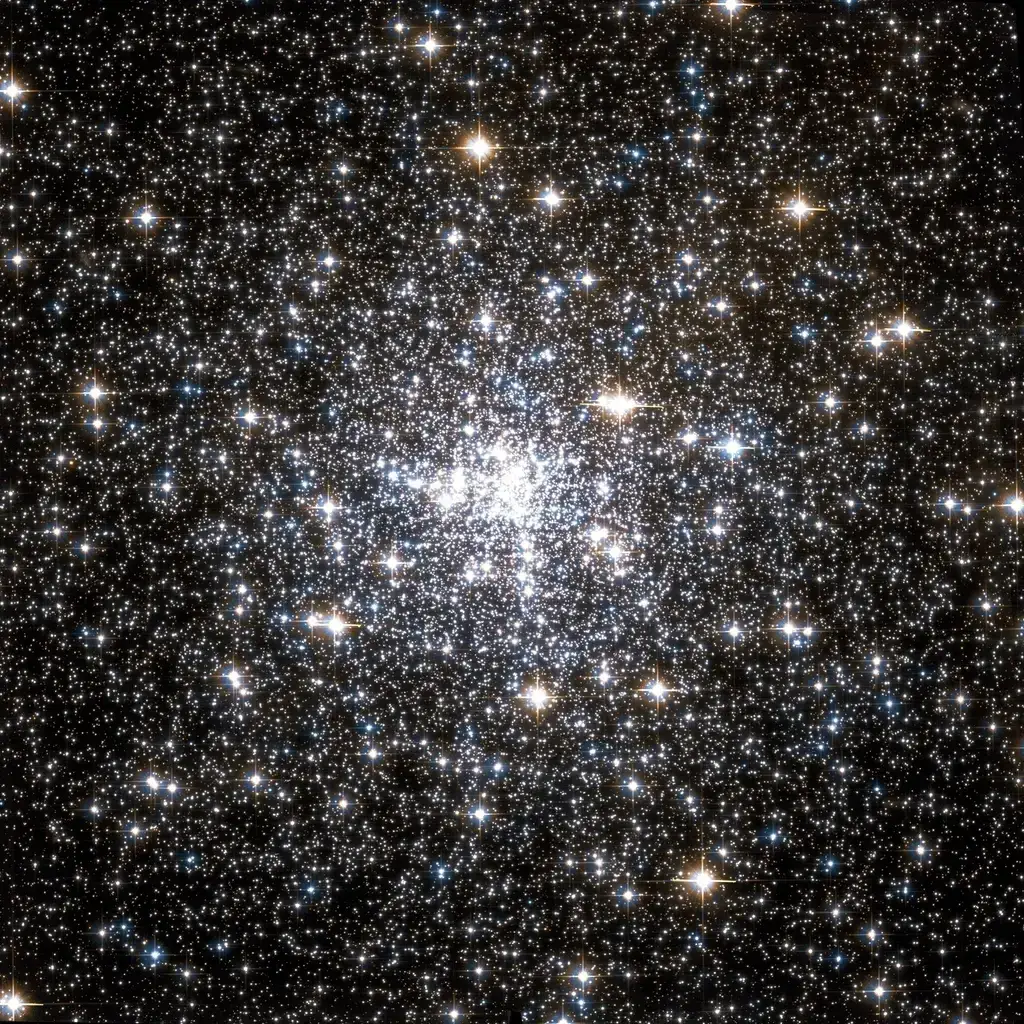
A fast radio burst discovered has been traced to a globular cluster about 11.7 million light-years away, near the neighboring spiral galaxy M81. Globular clusters are ancient structures, billions of years old, containing some of the universe’s oldest stars. They’re the last place anyone expected to find a fast radio burst.
Based on observations to date, scientists surmised that the bursts are powered by young, short-lived cosmic objects called magnetars, yet until now, scientists strongly suspected that fast radio bursts were produced by some of the youngest compact objects yet observed. Finding this burst among a cluster of aging stars is kind of like finding a smartphone embedded in Stonehenge. The comparison is spot-on. FRB 20200120E has been repeating from this location since 2020, and researchers still struggle to explain how such an energetic phenomenon could arise from such an ancient stellar neighborhood. It challenges everything scientists thought they understood about where and how these bursts form.
Conclusion: Cosmic Questions Still Echoing
These seven sounds represent just a fraction of the unexplained phenomena our instruments detect regularly. Each one challenges our understanding of physics, stellar evolution, or both. Some might eventually have straightforward explanations, like unusual plasma behavior or previously unknown atmospheric processes. Others could point to entirely new types of cosmic events we haven’t even conceived of yet.
The truth is, most of these mysteries probably have natural explanations. Still, there’s something genuinely humbling about realizing how much of the universe remains beyond our comprehension. With new telescopes coming online and artificial intelligence helping sift through mountains of data, we might finally crack some of these cases in the coming years. What do you think is behind these strange signals? Could there be a single explanation that ties them together, or is the cosmos just naturally this weird?