
You’ve probably heard that quantum physics is weird. Maybe you’ve come across stories about particles being in two places at once, or cats that are simultaneously alive and dead. It sounds like science fiction, honestly. Yet these aren’t just thought experiments cooked up by bored physicists on a rainy afternoon. They’re real phenomena being observed in laboratories around the world right now, and they’re fundamentally reshaping our understanding of what reality actually is.
The thing is, the more scientists peer into the quantum realm, the stranger things become. Recent breakthroughs are pushing the boundaries of what we thought was possible, revealing a universe that’s far more bizarre than anyone imagined. Let’s be real, if you think you understand quantum mechanics, you probably don’t. Even Einstein struggled with its implications, famously calling certain quantum effects “spooky action at a distance.” So let’s dive in and explore what quantum physics is telling us about the nature of existence itself.
The Observer Creates Reality

Here’s the thing that keeps physicists up at night. In the quantum world, the act of observation doesn’t just reveal reality, it actually creates it. The simple act of observing a quantum property changes that property, as if particles somehow know they’re being watched and immediately stop what they were doing. This isn’t some philosophical musing. It’s been demonstrated repeatedly in experiments.
Recent experiments have bolstered theories suggesting humans play a special role in shaping the universe, with theorists emphasizing how observers indeed create the world they inhabit. Think about that for a moment. Reality, at its most fundamental level, might not exist until someone looks at it. Historically physics aimed to describe the world as it truly is, independent of observations, but quantum physics challenges that ambition because it’s fundamentally impossible to assume that properties of objects exist prior to measurement.
Particles Exist in Multiple States Simultaneously
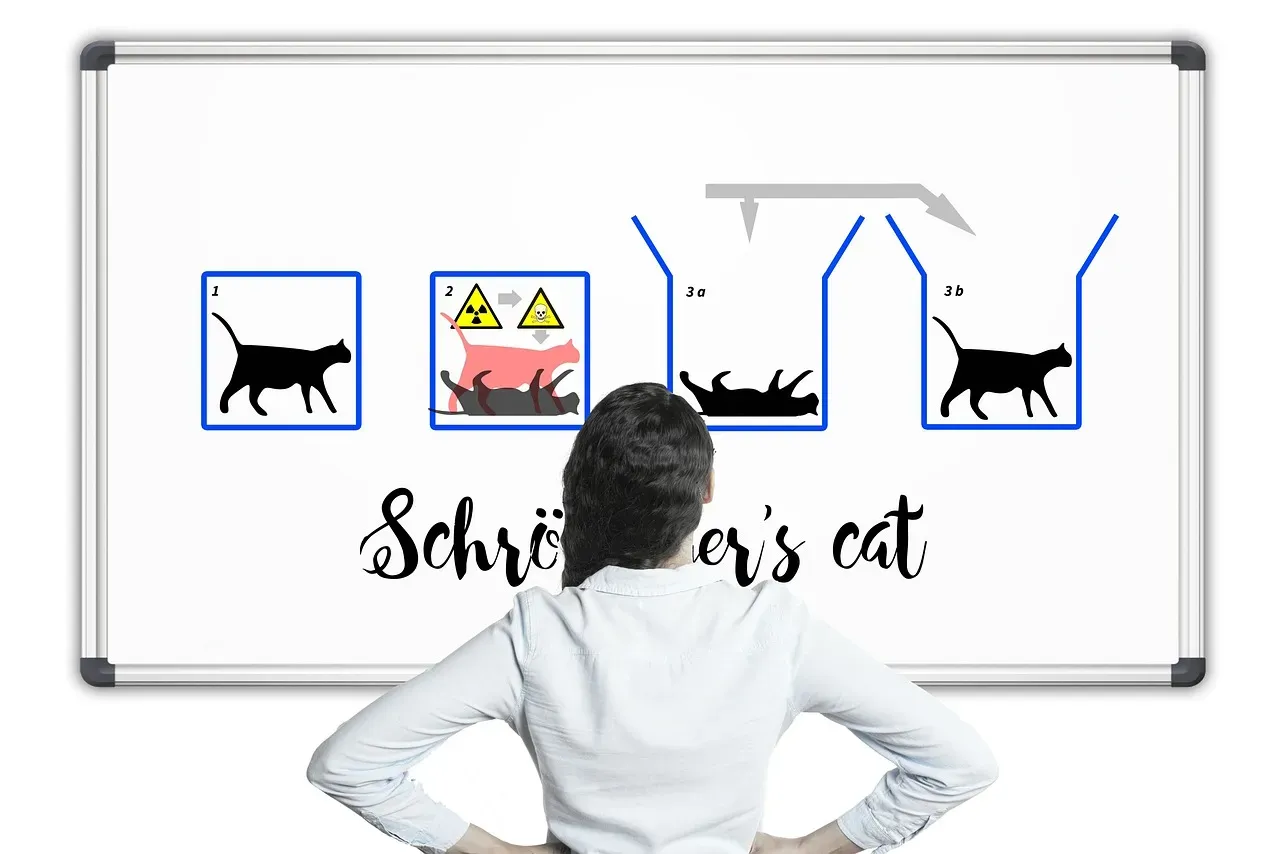
Imagine if your car keys could be in your pocket and on the kitchen counter at the exact same time. Sounds absurd, right? Yet this is precisely what happens with quantum particles. In the quantum realm, particles can be both here and there, a phenomenon known as quantum superposition.
Scientists recently achieved something remarkable. Physicists have put thousands of atoms into a Schrödinger’s cat state, with researchers observing nanoparticles of roughly seven thousand sodium atoms acting as a cohesive wave. This smashed previous records for the largest object ever observed in a quantum state. What makes this truly mind-bending is that these particles only “choose” a definite state when measured. Until that moment, they genuinely exist in all possible states at once. Particles are in multiple places at once and act as both a particle and a wave until they are observed.
Spooky Connections Across Vast Distances
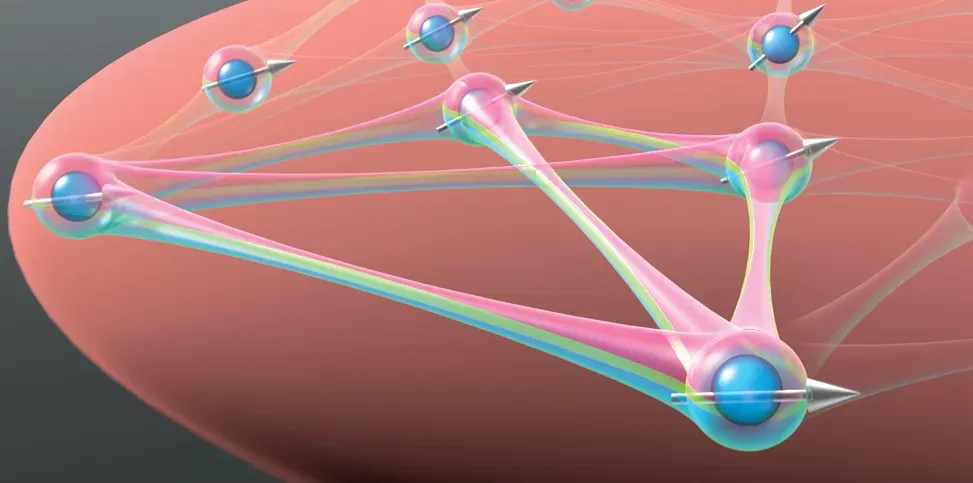
Let’s talk about something that made even Einstein uncomfortable. Quantum entanglement is perhaps the most counterintuitive phenomenon in all of physics. According to quantum mechanics, every particle of a given type is inherently entangled with every other particle of that same type, whether nearby or located in a distant galaxy. I know it sounds crazy, but recent research has confirmed this universal entanglement exists.
Two particles can be created in an entangled state where measuring the spin of one particle along a certain axis determines the spin of the other particle instantaneously, even though this happens without any information exchange between them, and they could even be billions of miles apart. This isn’t theoretical anymore. Researchers have traced the evolution of virtual particles directly for the first time, finding pairs of subatomic particles with an uncanny correlation in their spin direction.
Virtual Particles Spring From Nothing
Empty space isn’t actually empty. It’s hard to say for sure, but quantum physics paints a picture where the vacuum is seething with activity. Quantum physics paints a strange picture filled with particles that spontaneously spring into being from the void. These aren’t just theoretical constructs anymore.
For the first time, researchers have traced the evolution of these something-out-of-nothing particles directly in a study describing how they found pairs of subatomic particles with uncanny correlations. The experiment involved colliding heavy ions to create conditions where virtual quarks could become real particles. Quantum field theory reveals that empty space isn’t truly empty, as virtual particle pairs constantly pop into existence and vanish, creating quantum vacuum fluctuations. This demonstrates that the boundary between existence and nonexistence is far blurrier than anyone imagined.
Hidden Geometry Bends Electrons Like Gravity
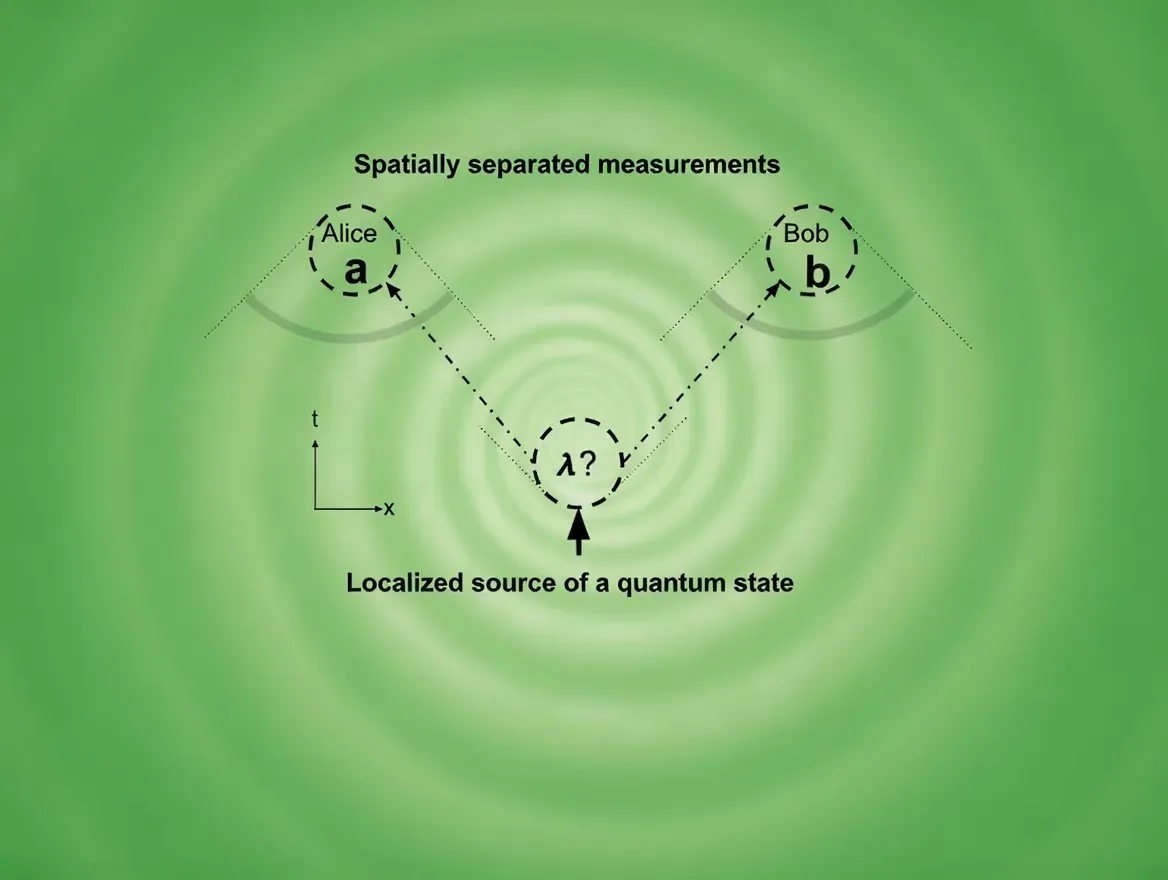
Scientists recently discovered something that sounds like it belongs in a science fiction novel. Researchers have discovered a hidden quantum geometry inside materials that subtly steers electrons, echoing how gravity warps light in space. This effect was once thought to exist only on paper, yet it’s now been observed experimentally.
A previously unseen geometric feature inside a quantum material alters how electrons move, in a way similar to how gravity bends light. Think of it like this: space itself at the quantum level has a shape that influences particle behavior. The concept of quantum metric dates back roughly twenty years, but for a long time it was regarded purely as a theoretical construct, with only recent years seeing scientists explore its tangible effects on matter properties. This opens entirely new possibilities for next-generation quantum electronics.
Quantum Systems Can Resist Heating
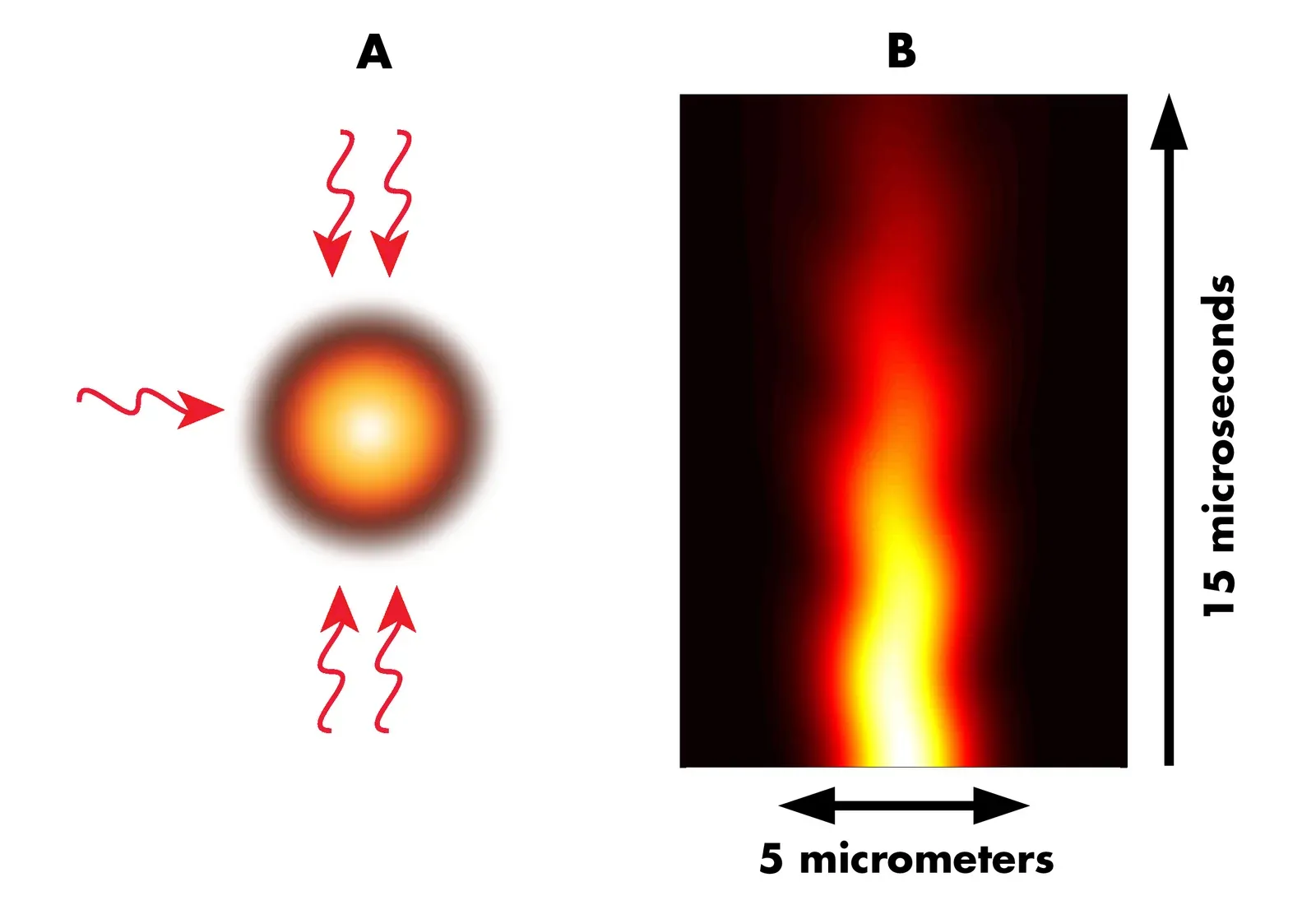
Common sense tells us that if you keep hitting something, it gets hotter. Rub your hands together and they warm up. In everyday experience, applying repeated force almost always leads to heating, whether rubbing hands together, striking metal with a hammer, or continuously driving a system. Yet quantum physics throws this intuition out the window.
Researchers recently discovered something shocking. An experiment suggests that intuition doesn’t always apply at the quantum level, as researchers tested whether a strongly driven quantum system must inevitably heat up, and their answer was unexpected. A strange effect arises from quantum coherence, which prevents the system from thermalizing despite constant forcing, overturning classical intuition. The atoms simply stopped absorbing energy, with their momentum distribution literally freezing. This behavior is completely impossible in the classical world we experience daily.
Reality Depends on Your Perspective
Perhaps the most unsettling implication of quantum mechanics is that reality itself might be subjective. Calculations reveal a disturbingly fuzzy picture of reality where certain properties are inherently unknowable and others take on different values depending on how they’re measured. Different observers might genuinely experience different realities.
Rovelli’s interpretation of quantum theory does away with any universal notion of existence, rejecting the idea that one coherent story describes the universe. Physicists differ radically on whether the wavefunction represents something real or is simply a useful tool, suggesting a significant divide between researchers who hold realist views and those with epistemic ones. The philosophical implications are staggering. If reality is observer-dependent, then objective truth at the quantum level might not exist at all.
The Implications Challenge Everything We Know
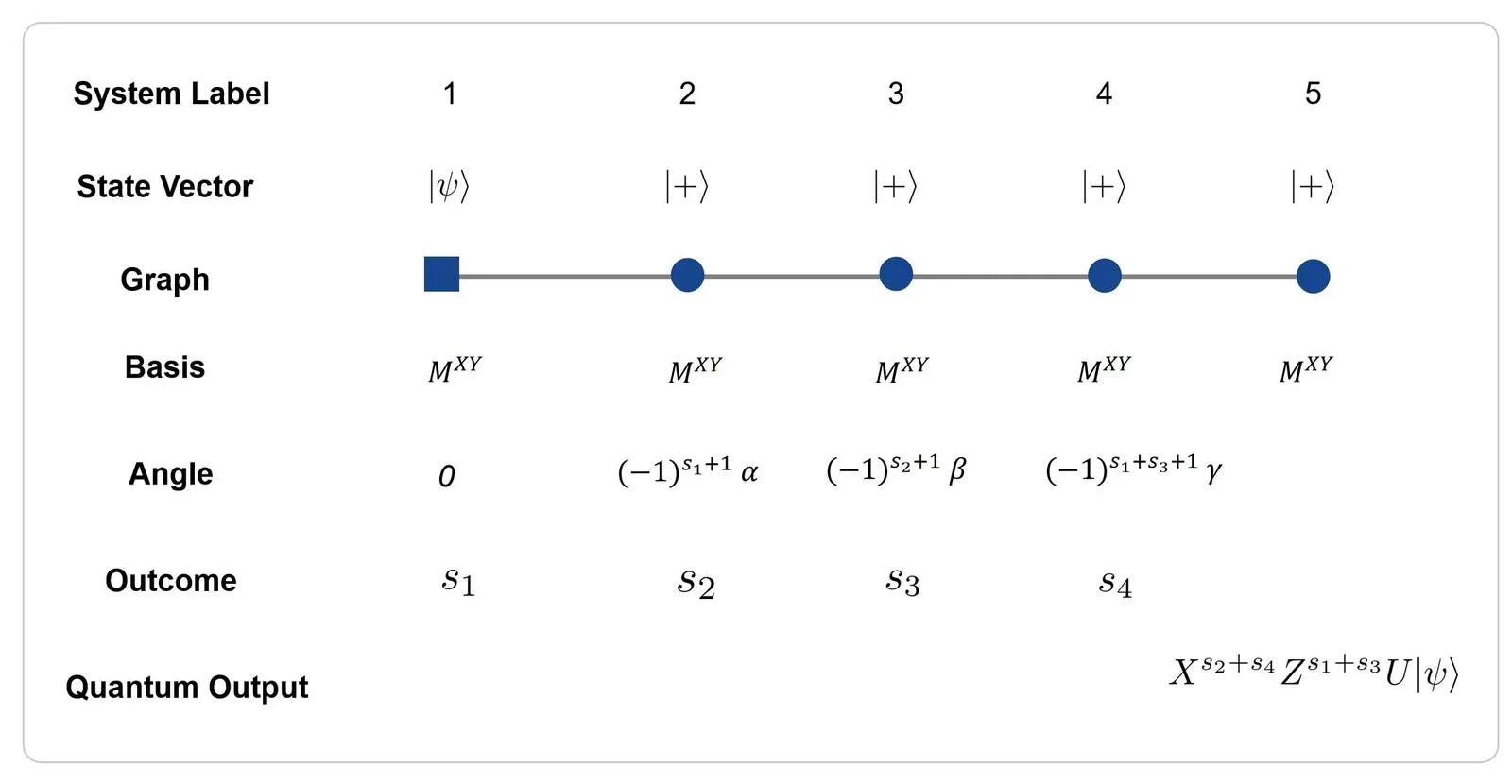
So what does all this mean for our understanding of the universe? Quantum mechanics has earned its keep by predicting experimental outcomes with immaculate precision and enabling technologies like lasers and transistors, yet even today scientists struggle to interpret what the theory implies about nature, particularly how measurement pins down indeterminate atomic behavior.
Decades of experiments show that tiny particles follow quantum mechanics while larger structures follow Einstein’s relativity, and scientists have long sought to reconcile these rule sets into a theory of everything but have come up short, though recent research hints that tweaks to equations could provide a pathway. We’re living in a moment where the foundations of reality are being questioned and rewritten. In quantum physics, probabilities occur in a fundamental, non-reducible way with no deterministic cause behind them, meaning the world at its core is indeterminate. The universe operates according to rules that seem utterly alien to our everyday experience, yet they’re the most fundamental rules we’ve discovered.
The quantum revolution isn’t just about building better computers or creating new technologies. It’s about recognizing that the universe is far stranger, far more interconnected, and far more dependent on observation than we ever imagined. Reality, it turns out, might be less like a solid foundation and more like a shimmering possibility that crystallizes only when we look. What do you think about these mind-bending discoveries? Does it change how you see the world around you?