You think you know what’s around you. The air, the floor, even the screen you’re reading this on. Here’s the thing, though: you’re surrounded by an entire universe of creatures and structures so small that most people will never witness them. They exist in every drop of water, on every surface, and even inside your own body right now. They’re working, fighting for survival, or simply drifting through their tiny worlds.
The microscopic realm isn’t just fascinating because it’s invisible. It’s astonishing because these minuscule organisms shape the very air we breathe and the ecosystems we depend on. Let’s be real, without these unseen heroes, life as we know it would collapse. So let’s dive in.
Tardigrades: The Nearly Indestructible Water Bears
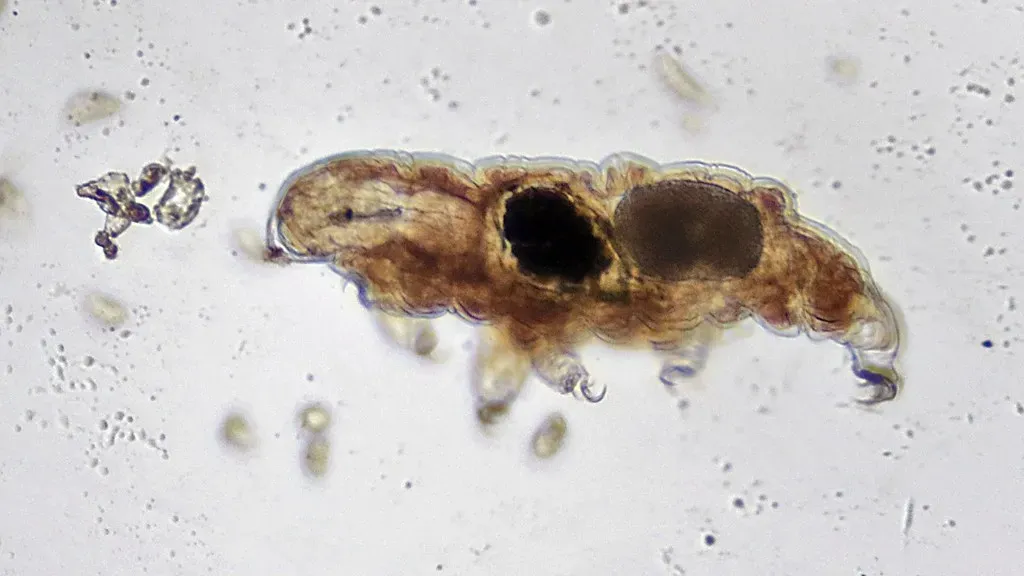
Tardigrades, also known as water bears or moss piglets, are a phylum of eight-legged segmented micro-animals. These creatures are usually about half a millimeter long when fully grown, which means you’d need a microscope to truly appreciate their bizarre, adorable appearance. They look like chubby little bears lumbering through their watery homes, and honestly, it’s hard to say for sure, but they might be the cutest thing you’ve never seen.
What makes tardigrades absolutely mind blowing is their resilience. They are among the most resilient animals known, with individual species able to survive extreme temperatures, extreme pressures, air deprivation, radiation, dehydration, and starvation. For instance, tardigrades can go up to 30 years without food or water, live in very cold temperatures even at absolute zero, survive above boiling temperatures, and handle pressure six times greater than the ocean’s deepest trenches. They’ve even survived exposure to outer space. If humans had their superpowers, we’d be colonizing Mars already.
Diatoms: Living Jewels Encased in Glass
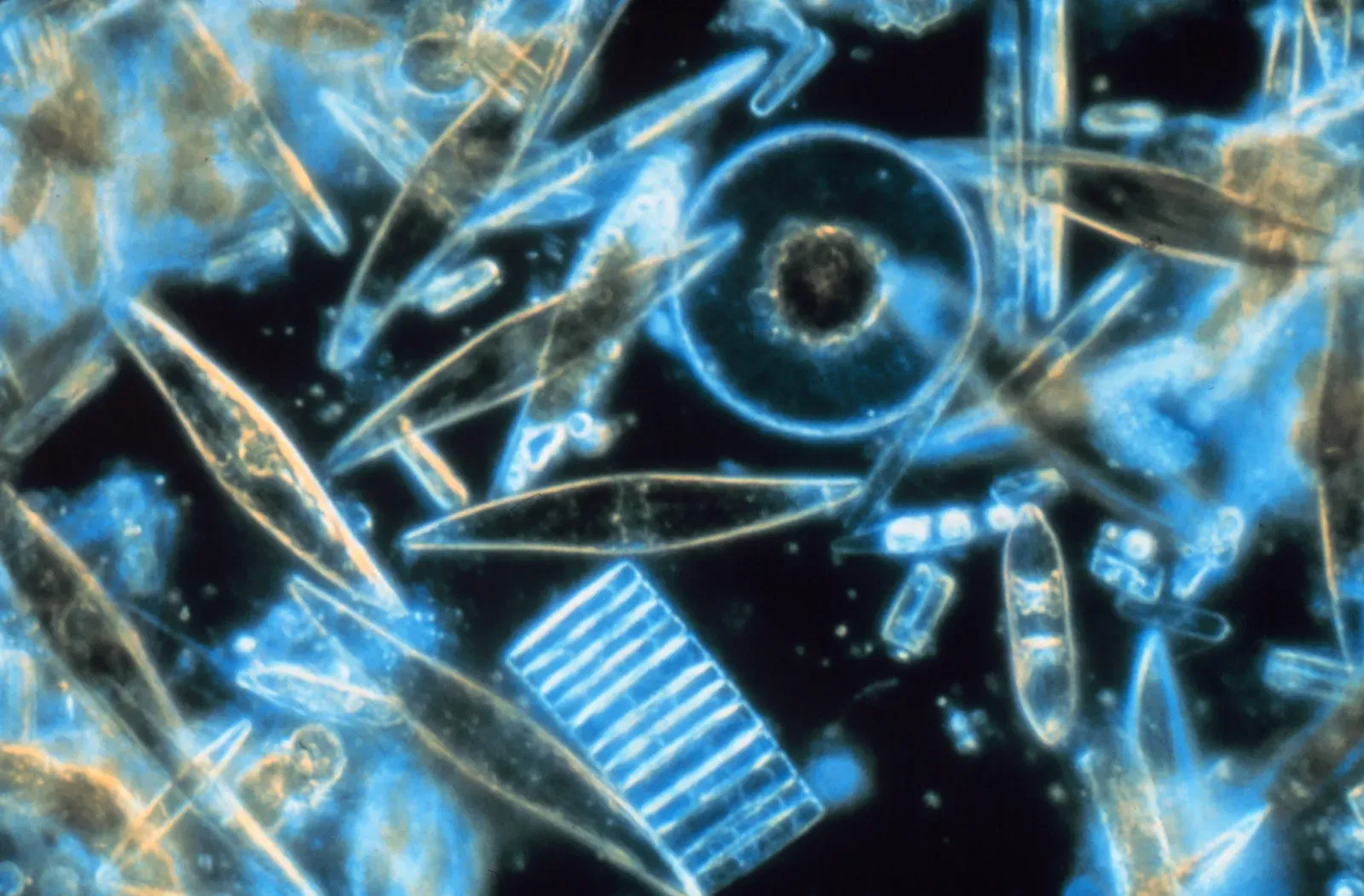
Imagine an organism that builds its own home out of glass. Diatoms are the only organism on the planet with cell walls composed of transparent, opaline silica. These single-celled algae create intricate, ornate structures that look like something from a jewelry store rather than a biology textbook. Their defining characteristic is a cell wall made entirely of silica, and these miniature designers construct their protective exteriors from dissolved silica in the water, forming symmetrical, often mesmerizing patterns.
Let me tell you, diatoms aren’t just pretty faces. They generate about 20 to 50 percent of the oxygen produced on the planet each year. Living diatoms make up a significant portion of Earth’s biomass. When you breathe in, there’s a decent chance that nearly a quarter of that oxygen came from these microscopic glass houses floating in oceans and lakes. Their silica shells are so durable that they accumulate on ocean floors over millions of years, creating deposits used in products from toothpaste to dynamite.
Dust Mites: Your Unwanted Roommates
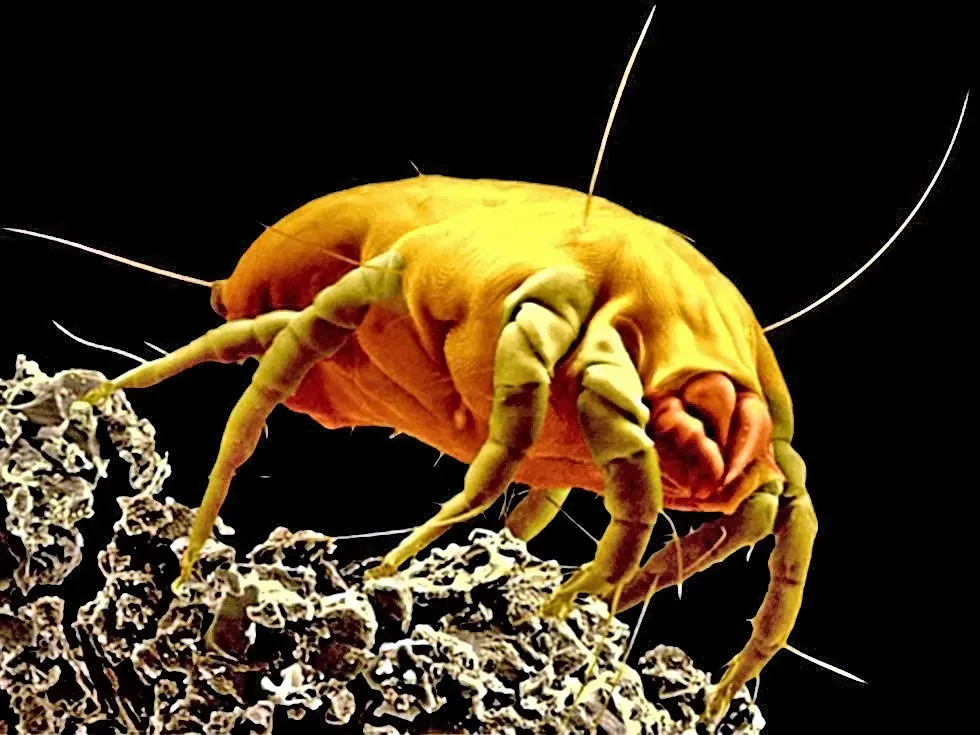
You’re never really alone in your home. House dust mites are various species of acariform mites belonging to the family Pyroglyphidae that are found in association with dust in dwellings and are known for causing allergies. A typical house dust mite measures between 0.2 and 0.3 millimeters in length. They’re so tiny that thousands can live in your mattress, pillows, and carpets without you ever knowing.
Dust mites are microscopic, insect-like pests that commonly live in house dust and feed on flakes of dead skin, or dander, that are shed by people and pets. The average adult human sheds up to 1.5 grams of skin per day, which is enough food to sustain nearly one million dust mites. Think about that next time you make your bed. These creatures aren’t harmful in the traditional sense, but their waste and body fragments can trigger allergic reactions in many people, causing sneezing, itchy eyes, and even asthma attacks.
Phytoplankton: The Ocean’s Invisible Oxygen Factories
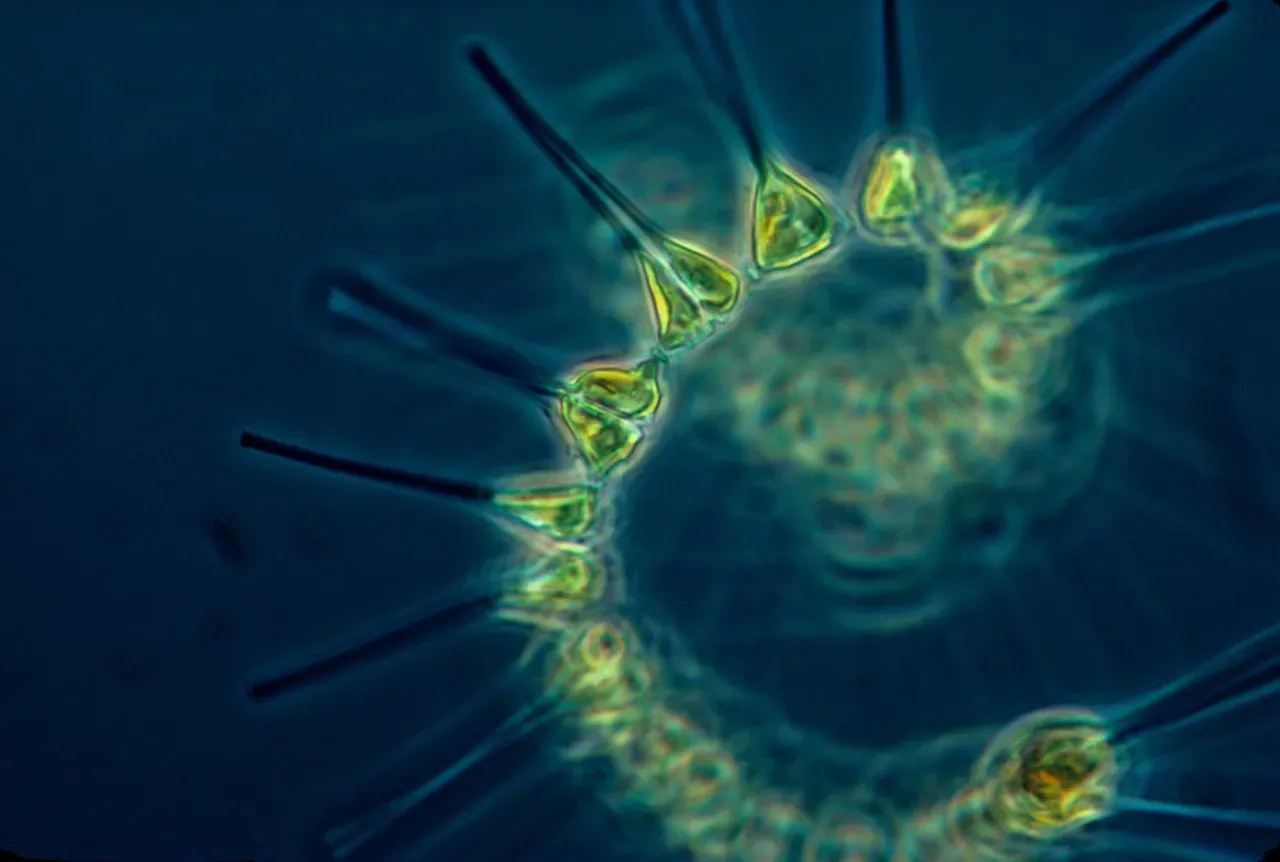
Most phytoplankton are too small to be individually seen with the unaided eye. Yet these microscopic marine plants are responsible for something absolutely critical to your survival. They account for about half of global photosynthetic activity and at least half of the oxygen production, despite amounting to only about 1% of the global plant biomass. Every other breath you take exists because of these tiny drifters.
Phytoplankton are the lungs of the sea – the oxygen from one out of every two breaths we take comes from plankton. The majority of this production is from oceanic plankton, and one particular species, Prochlorococcus, is the smallest photosynthetic organism on Earth. Despite their minuscule size, phytoplankton form the base of the entire marine food web, feeding everything from tiny zooplankton to massive whales. Without them, ocean ecosystems would completely collapse.
Paramecia: The Slipper-Shaped Swimmers
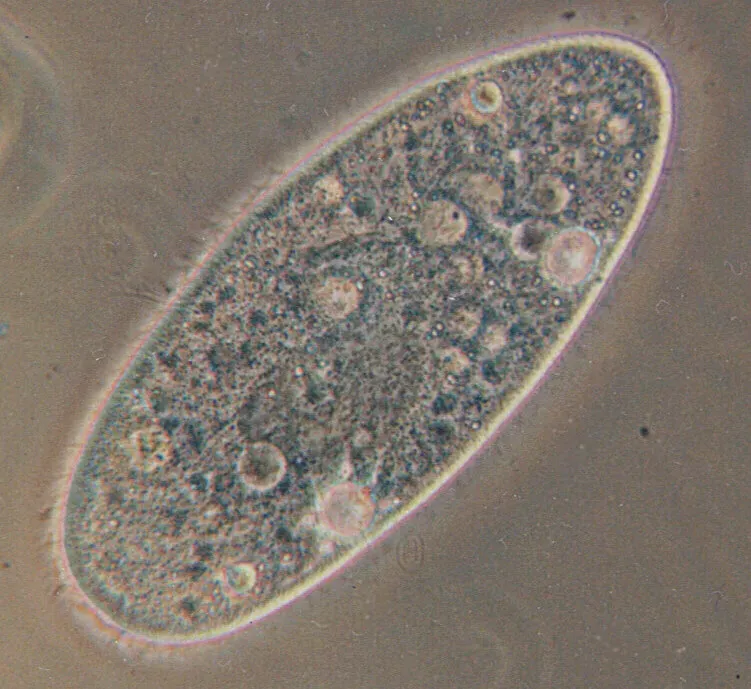
Paramecia are single-celled organisms that resemble tiny slippers gliding gracefully through pond water. These microorganisms are covered in thousands of hair-like structures called cilia that beat in coordinated waves, propelling them through their aquatic environment. Under a microscope, watching a paramecium navigate its world is like witnessing an alien spacecraft maneuvering through space.
These creatures are remarkably complex for being just one cell. They have specialized structures for feeding, waste removal, and even a primitive form of defense. Paramecia can sense their environment, avoid obstacles, and hunt bacteria for food. They reproduce by splitting themselves in half, and occasionally they engage in a process called conjugation where two paramecia exchange genetic material. It’s like microscopic dating, honestly.
Bacteria: The Most Abundant Life Form on Earth
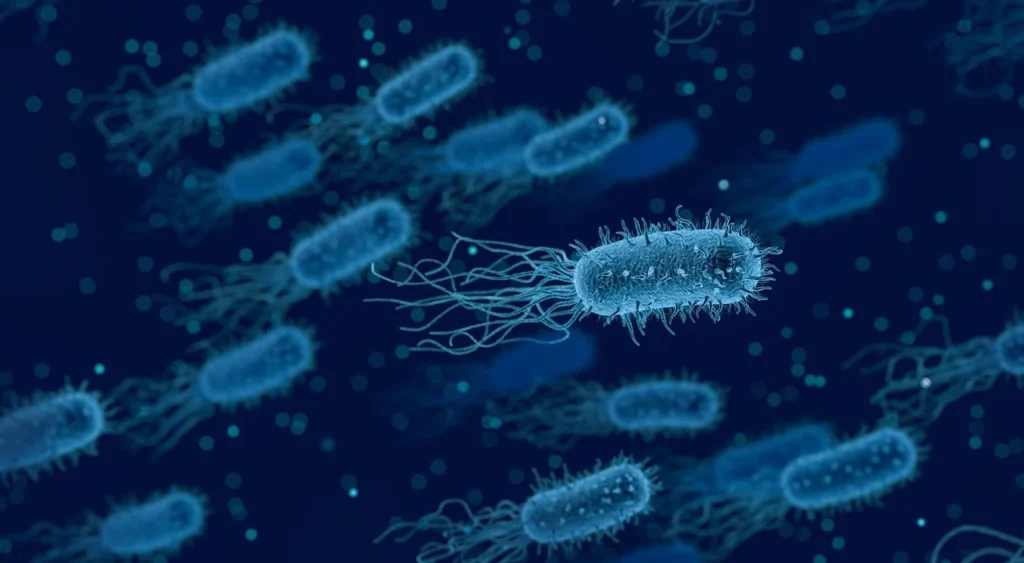
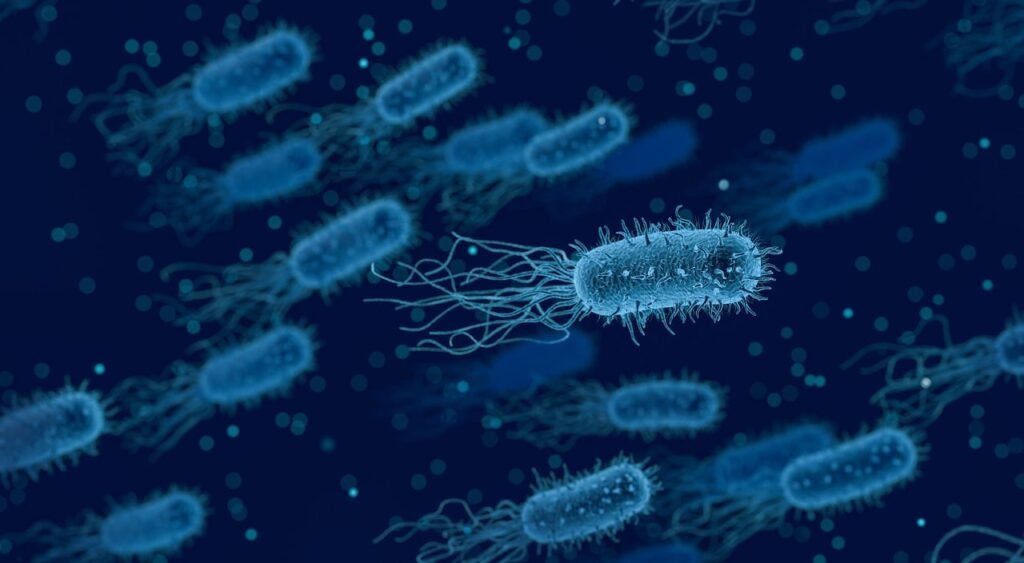
Bacteria are everywhere. I mean everywhere. On your skin, in your gut, on every surface you touch, floating in the air you breathe. These single-celled prokaryotic organisms are invisible to the naked eye, yet they outnumber all other life forms on the planet combined. Your body alone contains roughly about as many bacterial cells as human cells.
Not all bacteria are villains causing disease. Most are harmless or even beneficial. Bacteria in your intestines help digest food and produce vitamins. Environmental bacteria break down dead organic matter, recycling nutrients back into ecosystems. Some bacteria can survive in extreme environments like boiling hot springs, frozen Antarctic ice, or radioactive waste. They’ve been around for billions of years, and they’ll likely outlast every other species on Earth.
Rotifers: Microscopic Wheel Animals
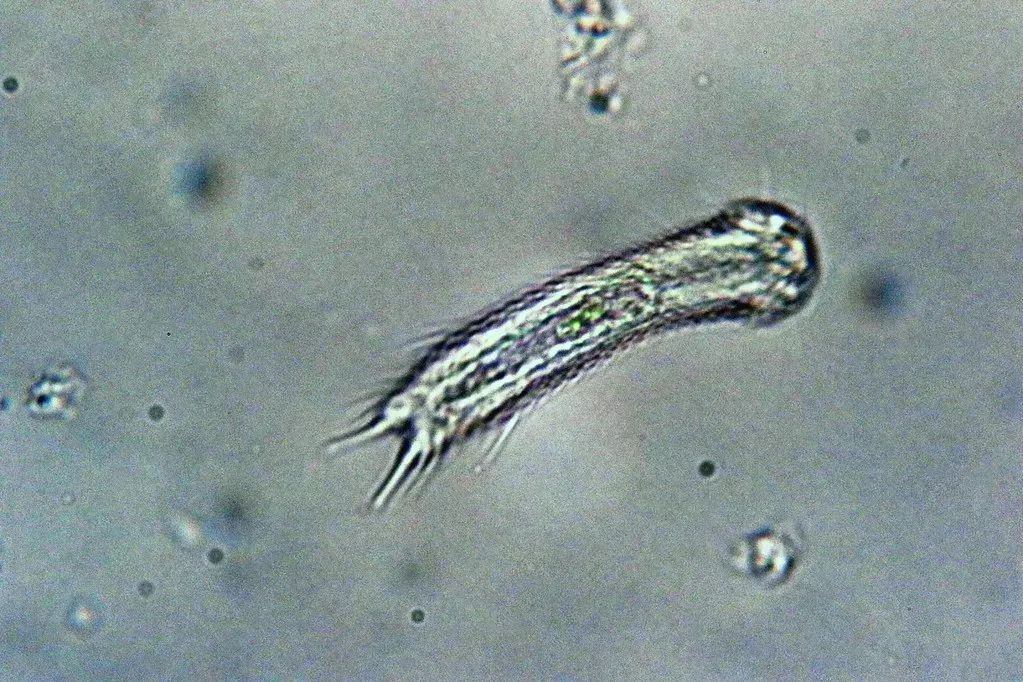
Rotifers earned their name from the crown of cilia around their mouths that looks like a rotating wheel when it beats. These microscopic animals, typically measuring between 0.1 and 0.5 millimeters, inhabit freshwater environments worldwide. Despite their tiny size, rotifers are multicellular organisms with digestive systems, nervous systems, and reproductive organs.
What’s really wild about rotifers is their ability to survive harsh conditions. Some species can enter a state of dormancy when their environment dries up, essentially shutting down all biological processes. They can remain in this state for years, even decades, and spring back to life when water returns. Certain rotifer species reproduce entirely without males through a process called parthenogenesis. Imagine a world where females just decide to have offspring without any males involved.
Amoebas: Shape-Shifting Microorganisms
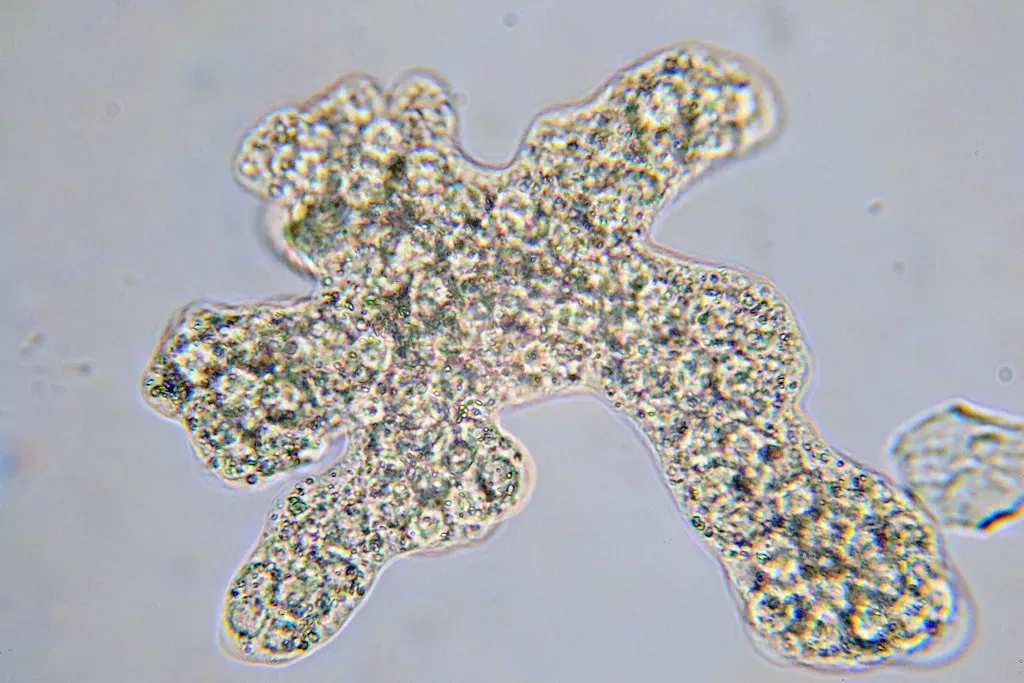
Amoebas are perhaps the ultimate example of flexibility in the microscopic world. These single-celled organisms have no fixed shape, constantly flowing and morphing as they move through their environment. They travel by extending parts of their cell membrane to form temporary “feet” called pseudopodia, literally meaning “false feet” in Greek.
When an amoeba encounters food, it doesn’t have a mouth to eat with. Instead, it simply flows around its prey, engulfing it completely in a process called phagocytosis. The food becomes trapped inside a bubble within the cell where enzymes break it down. Amoebas can be found in soil, freshwater, and even living as parasites in other organisms. Some species are harmless, while others can cause serious diseases in humans.
Vorticella: The Bell-Shaped Stalked Protozoan
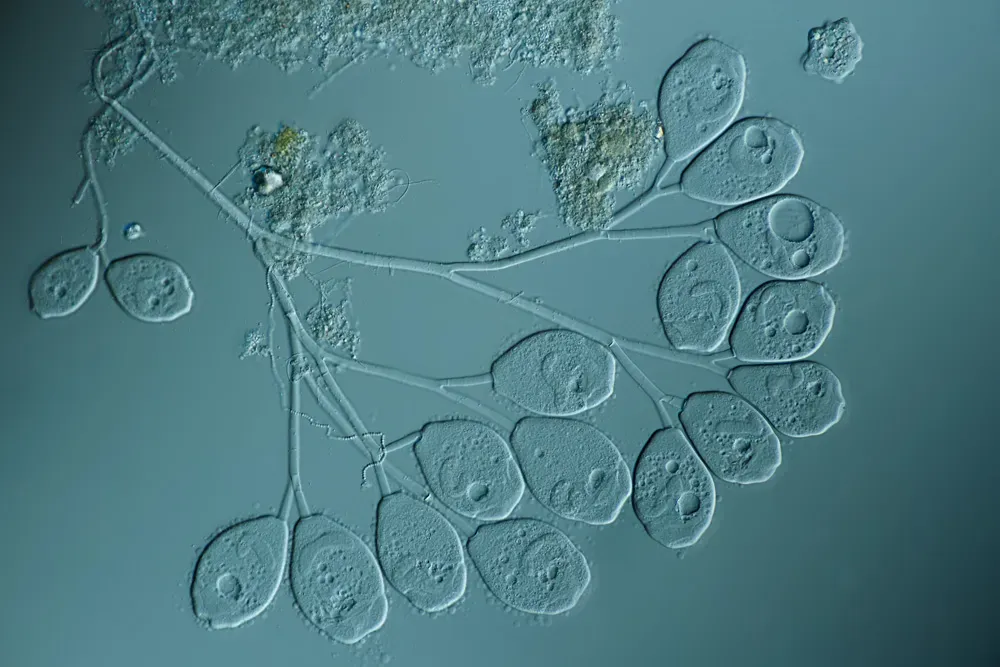
Vorticella looks like a tiny wine glass attached to a spring. This remarkable microorganism lives anchored to surfaces in freshwater environments, with a bell-shaped body perched atop a contractile stalk. The rim of the bell is lined with cilia that create water currents, sweeping bacteria and other food particles into its mouth.
The truly mesmerizing feature of Vorticella is its stalk, which can contract in a millisecond when the organism senses danger. The stalk coils up like a tightly wound spring, yanking the cell body to safety. When the threat passes, the stalk slowly extends again. Under a microscope, watching a colony of Vorticella contract and relax looks like a bizarre underwater garden performing a coordinated dance.
Volvox: Colonial Green Algae Spheres
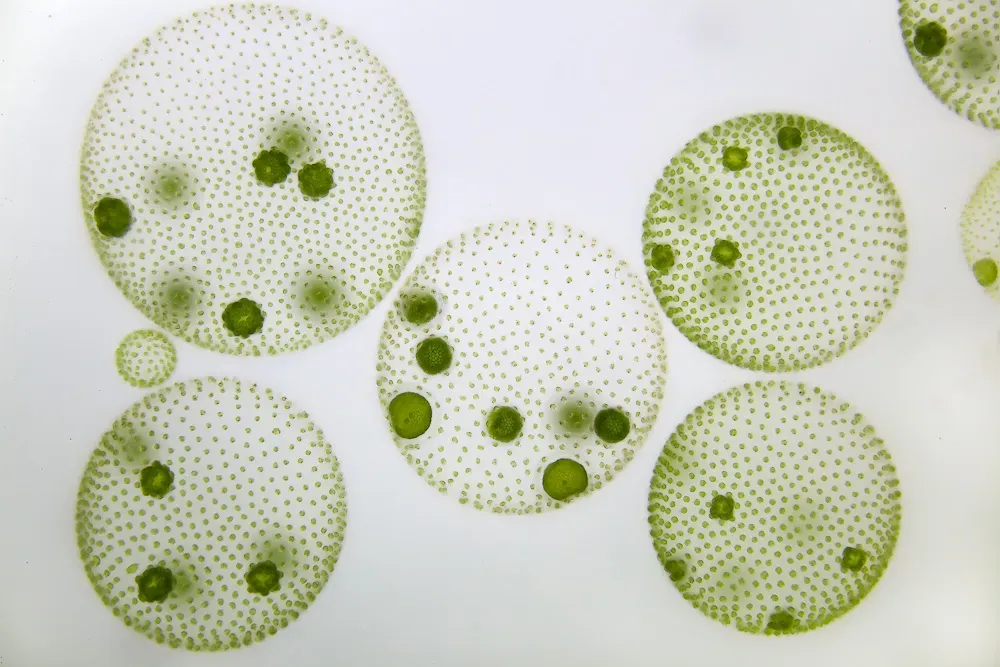
Volvox represents a fascinating step in evolution between single-celled and multicellular life. These organisms form hollow spheres made of hundreds or even thousands of individual cells connected together. Each sphere rotates through the water like a tiny green planet, powered by the coordinated beating of flagella on each cell.
Inside the hollow sphere, you can sometimes spot daughter colonies developing. When mature, the parent sphere ruptures, releasing the baby spheres to start their own lives. Volvox exhibits primitive division of labor, with some cells specializing in reproduction while others focus on movement and sensing light. It’s a glimpse into how complex life might have evolved from simpler ancestors billions of years ago.
Conclusion
The microscopic world operates on an entirely different scale from our daily experience, yet it influences everything we do. These invisible organisms produce the oxygen we breathe, decompose waste, maintain soil health, and form the foundation of food webs across the planet. The complexity and diversity of life at this scale is staggering.
Next time you drink a glass of water, walk across your carpet, or take a deep breath, remember the countless microscopic wonders working around you. They may be too small to see, but their impact on your life is impossible to ignore. What do you think about this hidden universe? Does knowing about these creatures change how you see the world around you?