
Turbulence Tops Injury Lists, but NCAR Keeps Flyers Safe (Image Credits: Cdn.mos.cms.futurecdn.net)
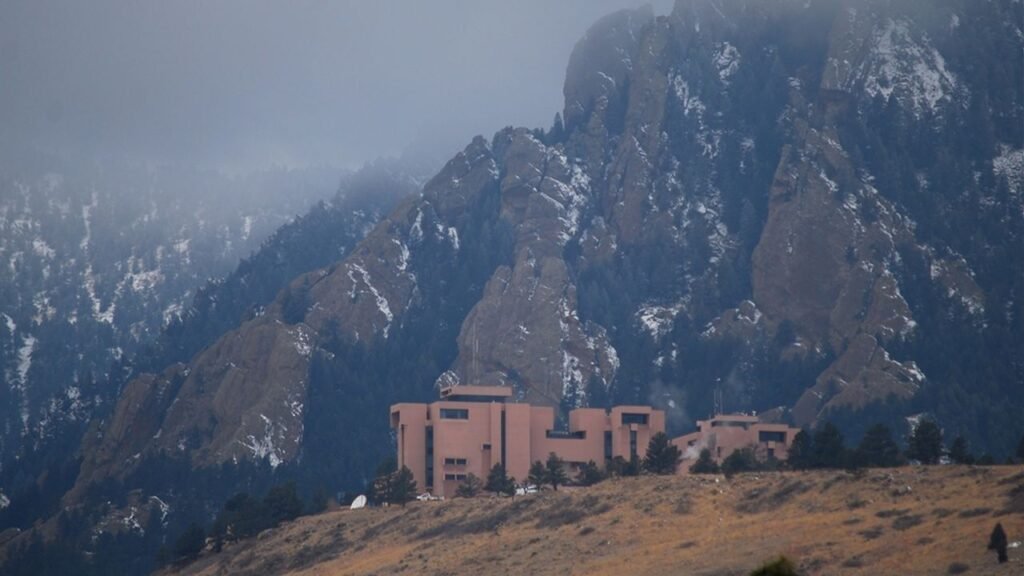
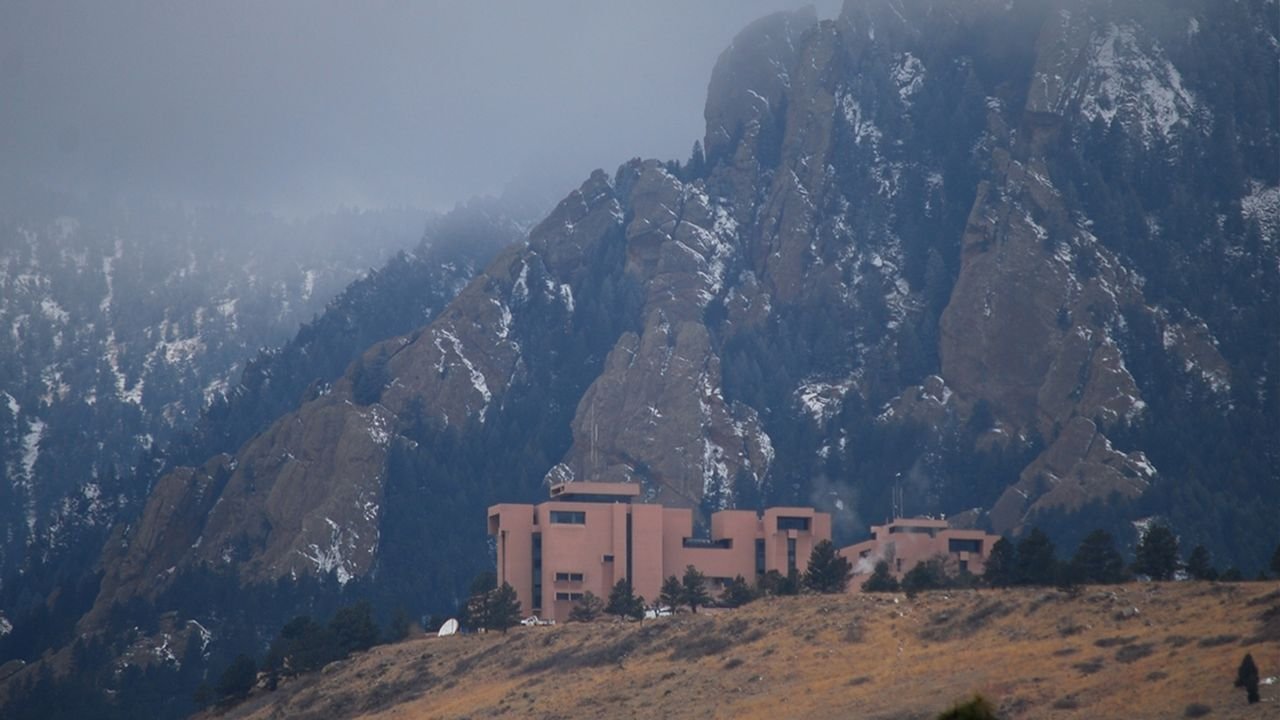
Boulder, Colorado — Plans by the National Science Foundation to restructure the National Center for Atmospheric Research have ignited fears over disruptions to essential weather, climate, and space weather research.
Turbulence Tops Injury Lists, but NCAR Keeps Flyers Safe
Clear air turbulence emerged as the leading cause of injuries on commercial flights in the United States, with NCAR’s pioneering work offering critical defenses.[1][2]
Researchers at the center developed detection and prediction techniques that airlines now use to reroute around hazardous currents, saving the aviation industry $100 million each year in damages, inspections, and delays. In the 1970s and 1980s, NCAR scientists identified microbursts—dangerous thunderstorm downdrafts responsible for deadly crashes—leading to FAA radar warning systems that virtually eliminated such fatalities. Fragmenting NCAR’s integrated teams, data systems, and partnerships with agencies like the FAA would slow these life-saving advancements. Air travelers numbering in the millions daily stand to lose reliable protections as a result.
Agricultural Heartland Faces Uncertain Harvests
NCAR’s CropSmart tool delivered actionable insights to farmers by combining weather forecasts, soil data, and crop conditions, helping conserve vital resources.[1]
Projections indicated that widespread adoption in Nebraska alone could save a billion cubic meters of water, $100 million in energy costs, and a million tons of greenhouse gas emissions annually. The center collaborated with universities and the Department of Agriculture to produce consistent, trusted guidance amid droughts and floods that threaten the sector’s hundreds of billions in economic output. Dismantling these efforts risked gaps in early warnings and decision tools, potentially driving up food prices and heightening insecurity. Farmers relied on NCAR’s public-service model for year-after-year reliability.
Military Operations Hinge on NCAR’s Weather Intelligence
Defense missions demanded precise environmental forecasts, where NCAR provided tools that cut costs and risks for the armed forces.
The center’s work saved the U.S. Army millions by minimizing weather-induced test delays and mobilizations, while supporting operations from Olympic security to toxin analysis for troops.[1] Partnerships with the Air Force, Army Corps of Engineers, and others delivered specialized insights no single entity could match. Restructuring NCAR threatened these trusted relationships and expertise, exposing personnel and equipment to greater dangers from unpredictable conditions. National security experts warned that fragmented capabilities would weaken readiness at a time of rising global threats.
Disaster Warnings Grow Weaker Without NCAR’s Models
Extreme weather inflicted over $3.1 trillion in damages since 1980, with NCAR’s models enhancing forecasts that saved lives and billions more.[1]
Hurricane track accuracy improved by 20 to 30 percent thanks to the center’s data and simulations, now operational at NOAA. Its flood risk system aided the National Weather Service across 3,800 locations serving three million people. As climate intensified hazards, losing NCAR’s sustained research pipeline meant slower progress in prediction, leaving communities with less evacuation time. Public warnings already generated $31.5 billion in yearly benefits, a value at stake amid ongoing federal shifts.[3]
Key Takeaways
- NCAR’s unique integration of supercomputing, observations, and collaborations cannot be easily replicated elsewhere.
- Recent NSF letters seek privatization proposals despite congressional pushback on cuts.[2]
- Core functions like space weather forecasting remain pledged, but scope narrows amid divestitures of assets like aircraft and supercomputers.[3]
The push to dismantle NCAR, announced by the Trump administration in December 2025 and advanced through NSF’s January 2026 solicitations for restructuring ideas, underscored a pivotal choice for U.S. science.[2][1] While the agency vowed continuity in weather and space weather infrastructure, critics highlighted irreplaceable losses in national resilience. Preserving this collaborative powerhouse ensures safer skies, secure farms, strong defenses, and timely alerts for generations. What steps should Congress take next to safeguard NCAR? Share your thoughts in the comments.