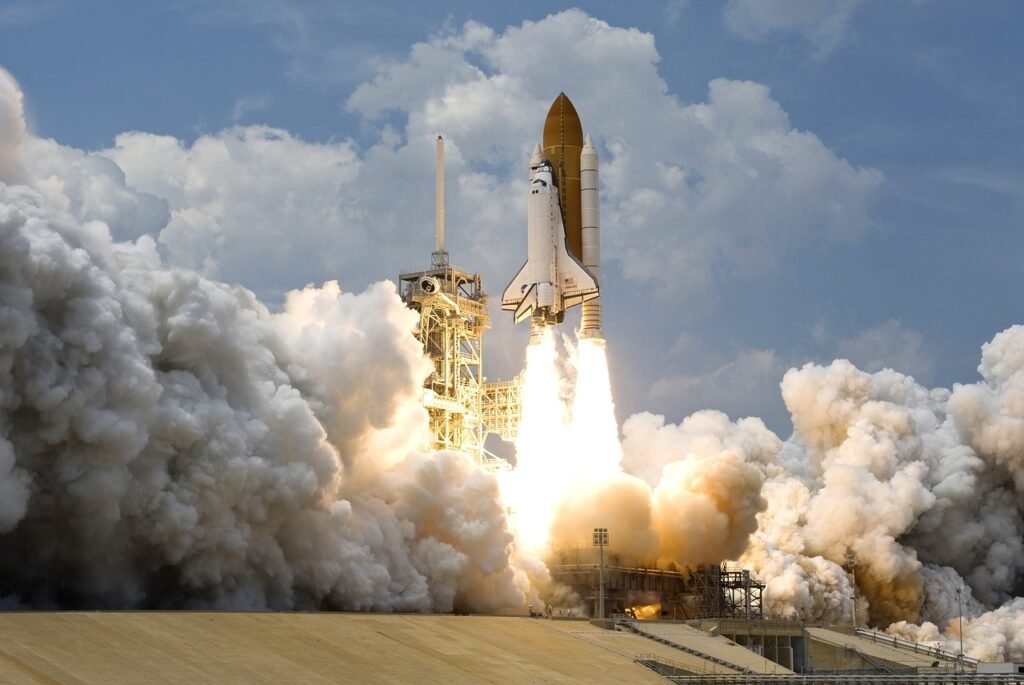

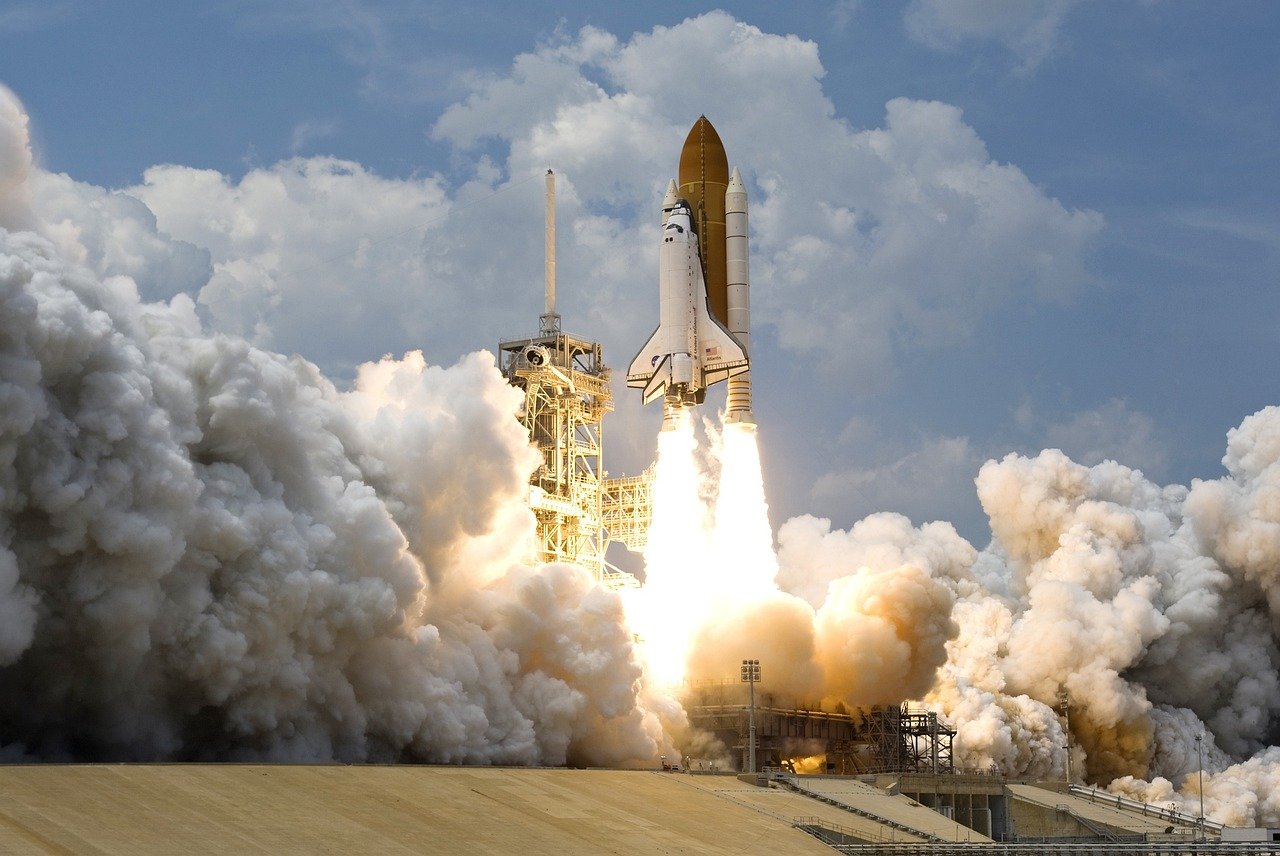
A Monstrous Stack Claims Its Launch Spot (Image Credits: Pixabay)
Kennedy Space Center, Florida – NASA’s immense Space Launch System rocket, paired with its Orion capsule, crept toward the Artemis II launchpad at a deliberate pace on January 17, 2026.
A Monstrous Stack Claims Its Launch Spot
Standing almost as tall as a football field, the fully stacked rocket and capsule assembly moved at less than one mile per hour during its procession across the Kennedy Space Center grounds. Technicians guided the behemoth with precision to avoid any mishaps on the flatbed transporter. This methodical rollout marked a key milestone in preparations for Artemis II, the first crewed mission to fly by the Moon in 54 years. The slow speed ensured stability for the delicate upper stages and crew module.
Observers noted the stark visual of such a massive structure inching along like a cautious giant. Processing at the pad now allows teams to conduct final integrations and tests. Engineers emphasized the importance of this phase for verifying systems before fueling and countdown rehearsals begin.
From Crawl to Breakneck Lunar Speeds
The rollout’s glacial pace stands in sharp contrast to the rocket’s planned performance on launch day. Fully fueled, the Space Launch System will propel the stack past 22,000 miles per hour, hurtling the crew toward lunar distances. This velocity enables the Orion capsule to escape Earth’s gravity and enter a free-return trajectory around the Moon. Such speeds demand flawless engineering, from the solid rocket boosters to the core stage engines.
Artemis II represents NASA’s return to deep space with humans aboard. The mission tests Orion’s life support, navigation, and reentry capabilities in a real space environment. Ground crews celebrated the stack’s arrival as a tangible step closer to liftoff.
Mission Milestones at a Glance
The Artemis II flight builds on uncrewed tests like Artemis I, which validated the hardware stack in 2022. Four astronauts will orbit the Moon without landing, gathering critical data for future surface missions. Flight controllers at Mission Control will monitor every phase from launch to splashdown.
- Stack height: Nearly 322 feet, rivaling a football field.
- Rollout speed: Under 1 mph for safety.
- Launch velocity: Exceeds 22,000 mph.
- Crew size: Four NASA astronauts.
- Historical significance: First crewed lunar flyby since 1972.
- Launch site: Pad 39B at Kennedy Space Center.
Gearing Up for the Deep Space Voyage
With the stack secured at the pad, NASA shifted focus to vehicle stacking verifications and propellant loading trials. The Orion capsule, perched atop the SLS, houses advanced avionics for autonomous flight. Teams also rehearsed emergency scenarios and communication links with the orbiting Gateway station in future plans. Weather windows and orbital mechanics will dictate the exact launch date later this year.
This mission paves the way for Artemis III, targeted for lunar landing. International partners contribute through the Orion service module, built by the European Space Agency.
Key Takeaways
- The SLS-Orion stack’s rollout signals Artemis II’s progression toward launch.
- A crew of four will achieve the first human lunar flyby in 54 years.
- Engineers balance ultra-slow ground moves with hypersonic flight demands.
As NASA reignites the flame of lunar exploration, Artemis II promises to inspire a new generation of spacefarers. The journey from pad to Moon underscores human ingenuity’s enduring reach. What are your thoughts on this bold step back to the lunar neighborhood? Share in the comments below.