
Have you ever wondered what the universe is really made of? Everything you can see, touch, or measure represents less than five percent of what’s actually out there. The rest is hidden, mysterious, and profoundly strange. We’re living in a time when our understanding of the cosmos is being fundamentally reshaped by two invisible forces that dominate nearly everything around us.
For almost a century, scientists have been piecing together clues about the universe’s true nature. What they’ve discovered is both humbling and mind-bending. Let’s dive in and explore how these cosmic mysteries are transforming everything we thought we knew.
The Universe Is Mostly Invisible
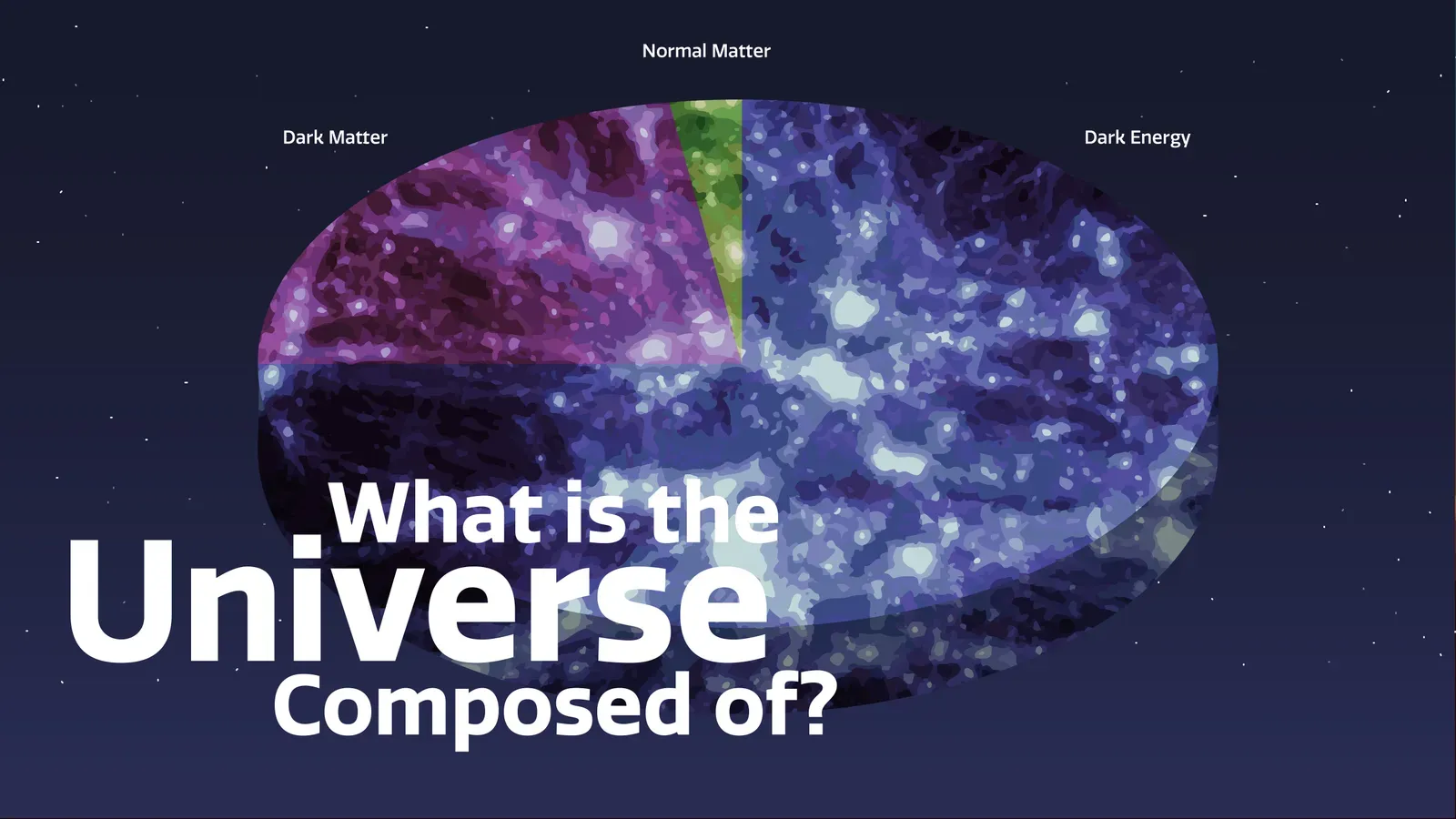
Roughly ninety-five percent of the cosmos is made up of dark matter and dark energy, leaving just five percent as the familiar matter we can see around us. Think about that for a moment. Stars, planets, galaxies, and everything you’ve ever experienced make up less than a twentieth of reality. It’s like discovering that your house is ninety-five percent invisible rooms you never knew existed.
Dark matter and dark energy are named for what scientists do not yet know about them. Dark matter makes up most of the mass found in galaxies and galaxy clusters, playing a major role in shaping their structure across vast cosmic distances. Meanwhile, dark energy refers to the force behind the universe’s accelerating expansion. Put simply, dark matter acts like cosmic glue, while dark energy drives space itself to expand faster and faster. These two phenomena couldn’t be more different in what they do, yet both remain stubbornly hidden from direct observation.
Detecting the Undetectable Through Gravity’s Fingerprints
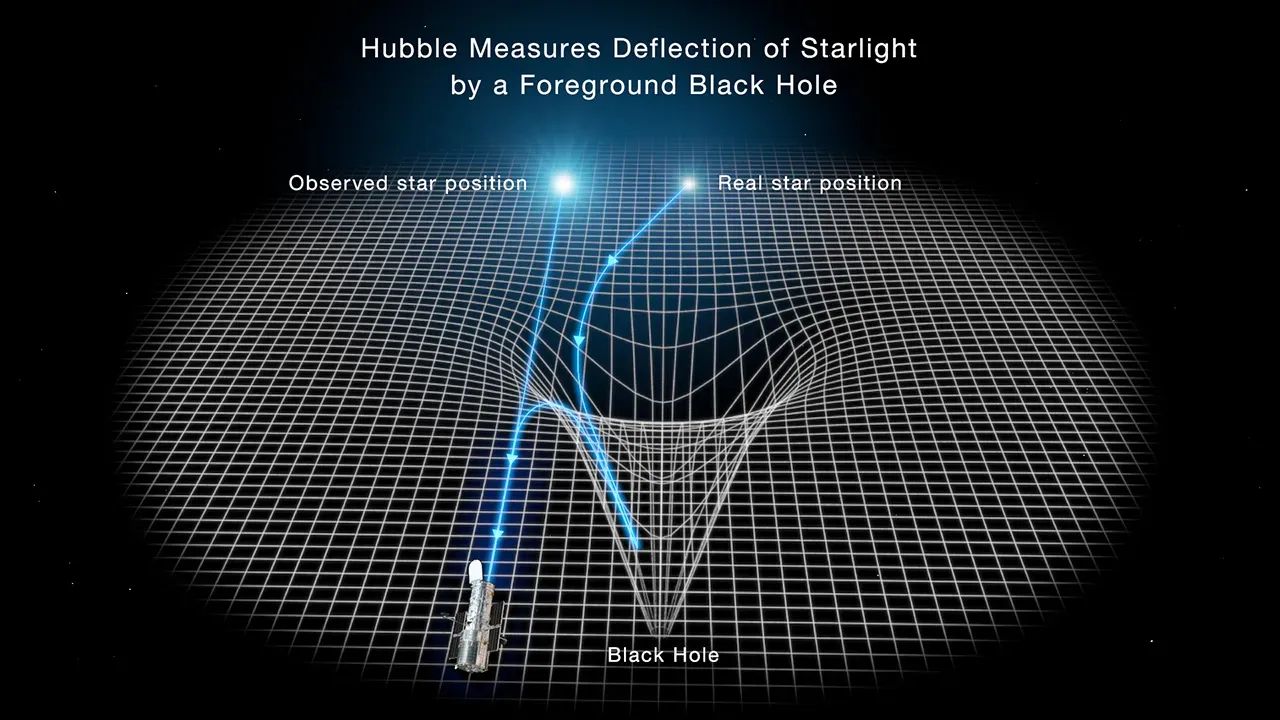
Here’s the thing about dark matter and dark energy: neither dark matter nor dark energy gives off, absorbs, or reflects light, which makes direct observation extremely difficult. So how do we know they’re real? Scientists instead study their influence through gravity, which affects how galaxies move and how large-scale structures form. It’s a bit like detecting wind by watching leaves blow around, even though you can’t see the air itself.
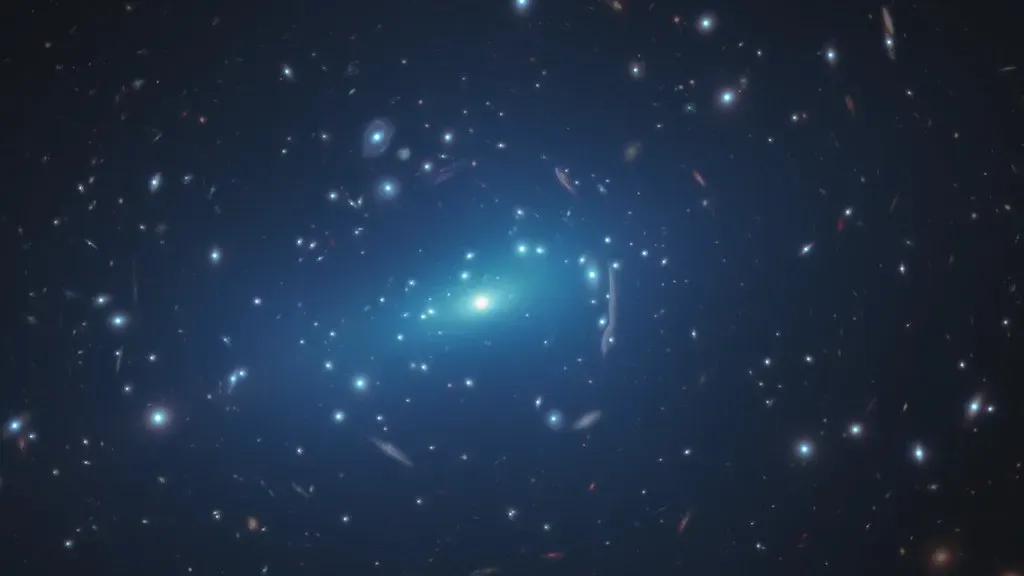
In 2006, scientists observed the Bullet Cluster and discovered some of the best direct evidence for dark matter. This galaxy cluster, formally known as 1E 0657-56, was created when two large galaxy clusters collided in an extremely energetic event about 3.8 billion light-years from Earth. Through gravitational lensing, researchers could literally map where invisible dark matter was bending light. Researchers think that this material is likely dark matter. So, in this image, you can see direct evidence of dark matter with your own eyes. That’s remarkable when you consider we’re seeing something by what it does rather than what it is.
Scientists May Have Finally Seen Dark Matter
Astronomers have detected a high-energy gamma ray signal that fits the expected footprint of dark matter particles. The discovery could represent humanity’s first direct observational evidence of this long-hidden cosmic material. This is potentially huge news, though scientists are being appropriately cautious about it.
Using new data from the Fermi Gamma-ray Space Telescope, Professor Tomonori Totani of the University of Tokyo now believes he has identified the predicted gamma ray signal associated with dark matter particle annihilation. The measured gamma ray energy spectrum, which describes how the intensity of the emission varies, closely matches model predictions for the annihilation of hypothetical WIMPs with masses roughly 500 times that of a proton. If confirmed by independent teams, this would mark the first time humanity has actually “seen” dark matter after searching for it for nearly a century.
The excitement is palpable, but scientists know better than to celebrate prematurely. Although Totani is confident in his analysis, he emphasizes that independent confirmation is essential. Other researchers will need to review the data to verify that the halolike radiation truly results from dark matter annihilation rather than another astrophysical source.
Dark Matter Might Have Started Out Blazing Hot
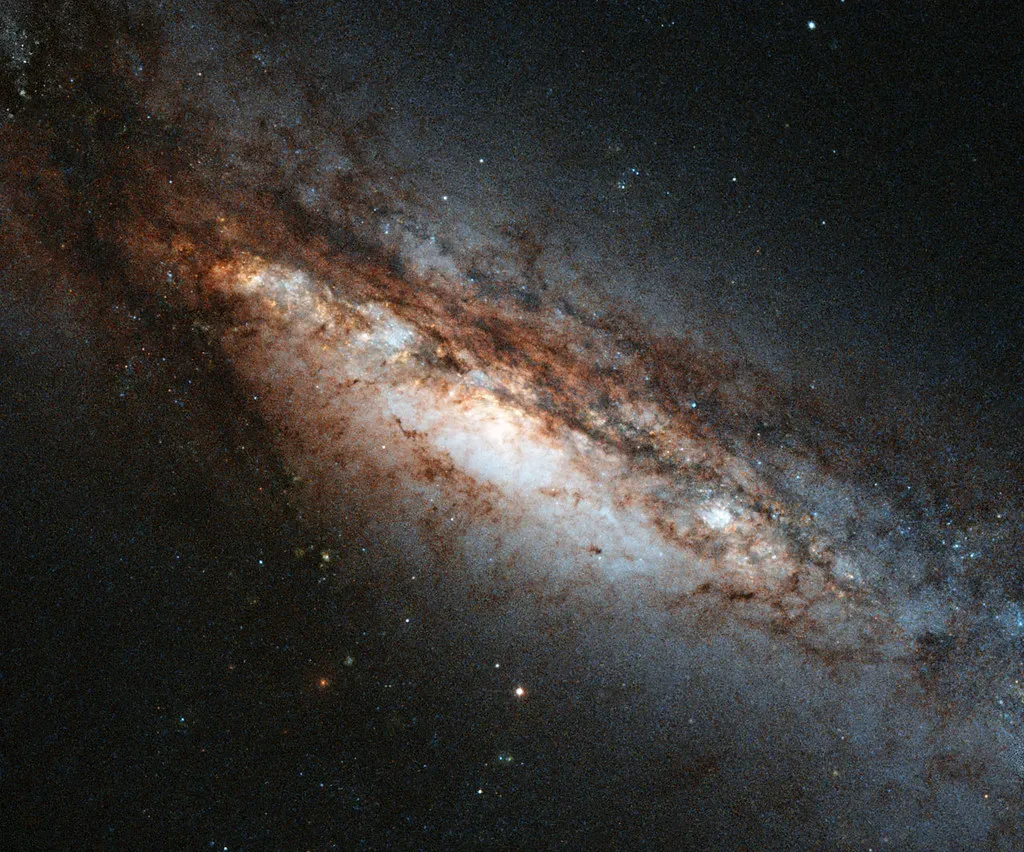
New research shows that dark matter particles could have been moving near the speed of light shortly after the Big Bang, only to cool down later and still help form galaxies. This finding turns decades of assumptions on their head. Scientists have long believed that dark matter had to be “cold” from the very beginning, moving slowly enough to allow galaxies to form properly.
For the past four decades, most researchers have believed that dark matter must be cold when it is born in the primordial universe. Our recent results show that this is not the case; in fact, dark matter can be red hot when it is born but still have time to cool down before galaxies begin to form. This revelation opens up entirely new possibilities for understanding what dark matter is and how it interacts with the rest of the cosmos.
Dark Energy May Be Changing Over Time
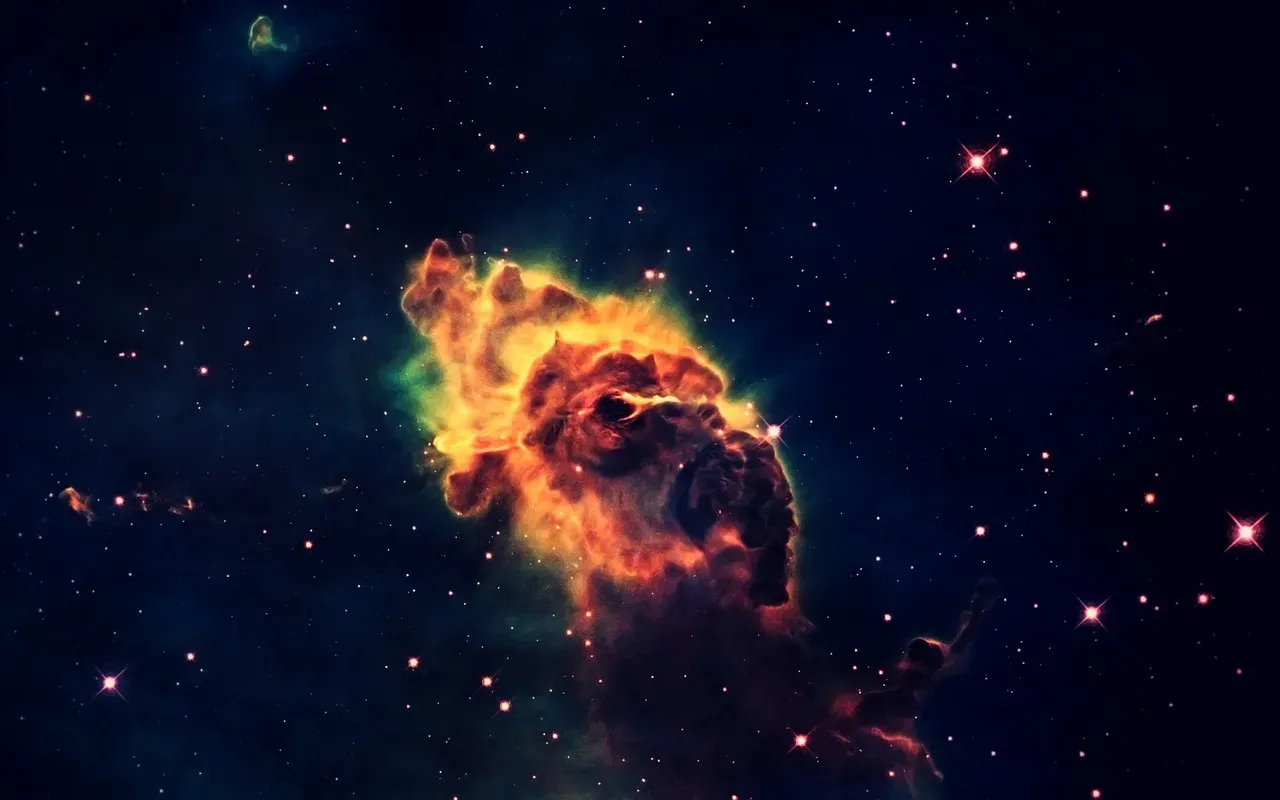
Now let’s talk about dark energy, which is even weirder than dark matter. In March 2025, the Dark Energy Spectroscopic Instrument (DESI) collaboration announce that evidence for evolving dark energy has been discovered in analysis combining DESI data on baryon acoustic oscillations (BAO) with the CMB, weak lensing and supernovae dataset, with significance ranging from 2.8 to 4.2σ. Results suggest that the density of dark energy is slowly decreasing with time. This is shocking because scientists had assumed dark energy was constant.
A study published November 6 in the journal Monthly Notices of the Royal Astronomical Society provides further evidence that dark energy might not be pushing on the universe with the same strength it used to. Some researchers are now suggesting the universe’s expansion has already started to slow down – something that could alter the fate of the universe itself. Dark energy is there, but the present universe has already entered a decelerating phase, today. Let’s be real, this is extraordinary if true. It could mean the universe won’t expand forever after all.
Massive Simulations Are Revealing Dark Energy’s Influence
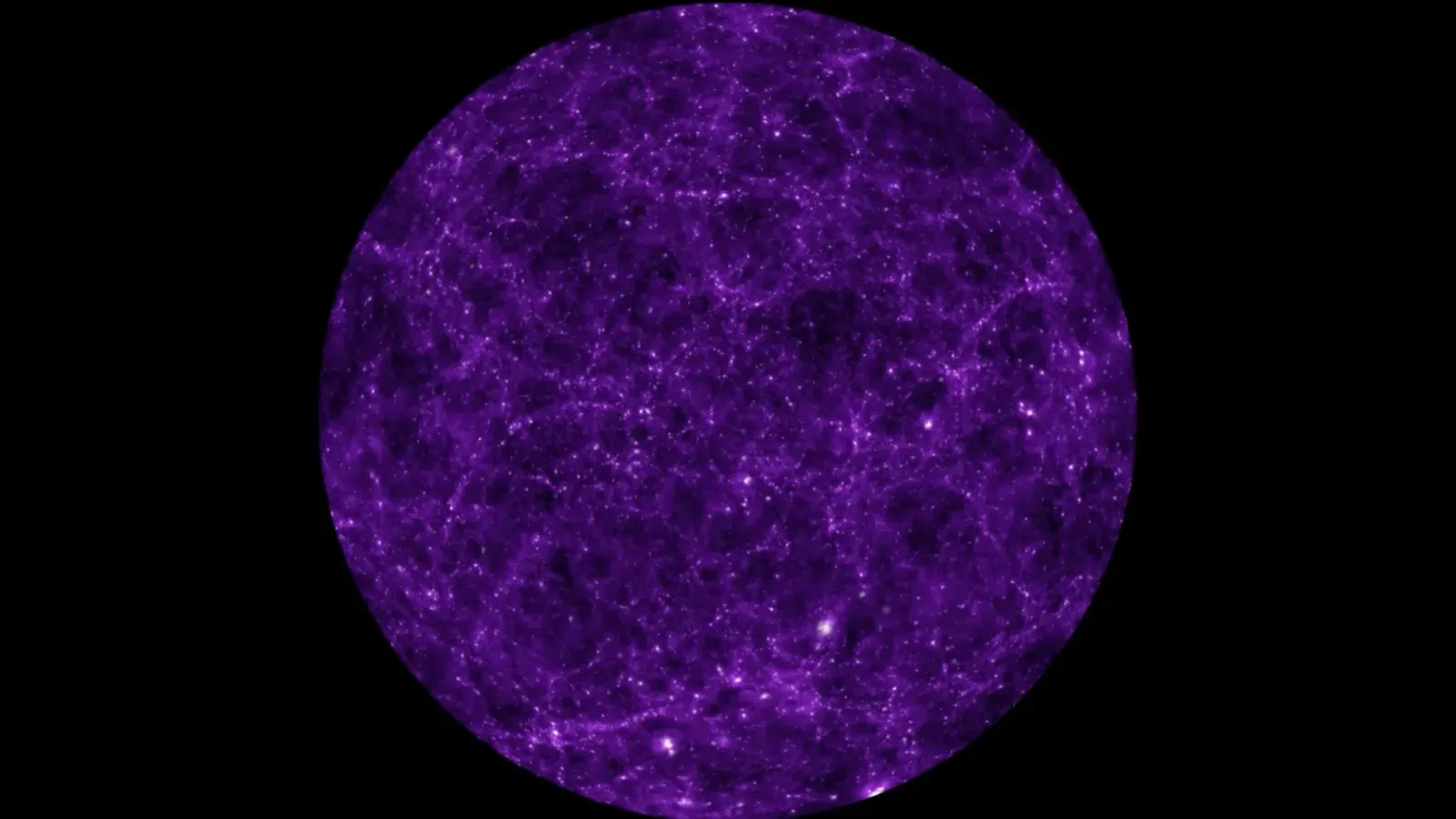
A team led by Associate Professor Tomoaki Ishiyama of Chiba University’s Digital Transformation Enhancement Council in Japan carried out one of the most extensive cosmological simulations ever performed. Collaborators included Francisco Prada of the Instituto de Astrofísica de Andalucía in Spain and Anatoly A. Klypin of New Mexico State University in the United States. They used Japan’s flagship supercomputer, Fugaku, to explore how changing dark energy might shape the universe.
The results were striking. In this scenario, the DESI-based DDE model predicted as much as 70% more massive clusters in the early Universe than the standard model. These clusters form the cosmic framework on which galaxies and galaxy groups assemble. This means if dark energy has been changing over time, the universe should look noticeably different than if it stayed constant. Upcoming observations will test whether reality matches these predictions.
Could Dark Energy and Dark Matter Be Illusions?
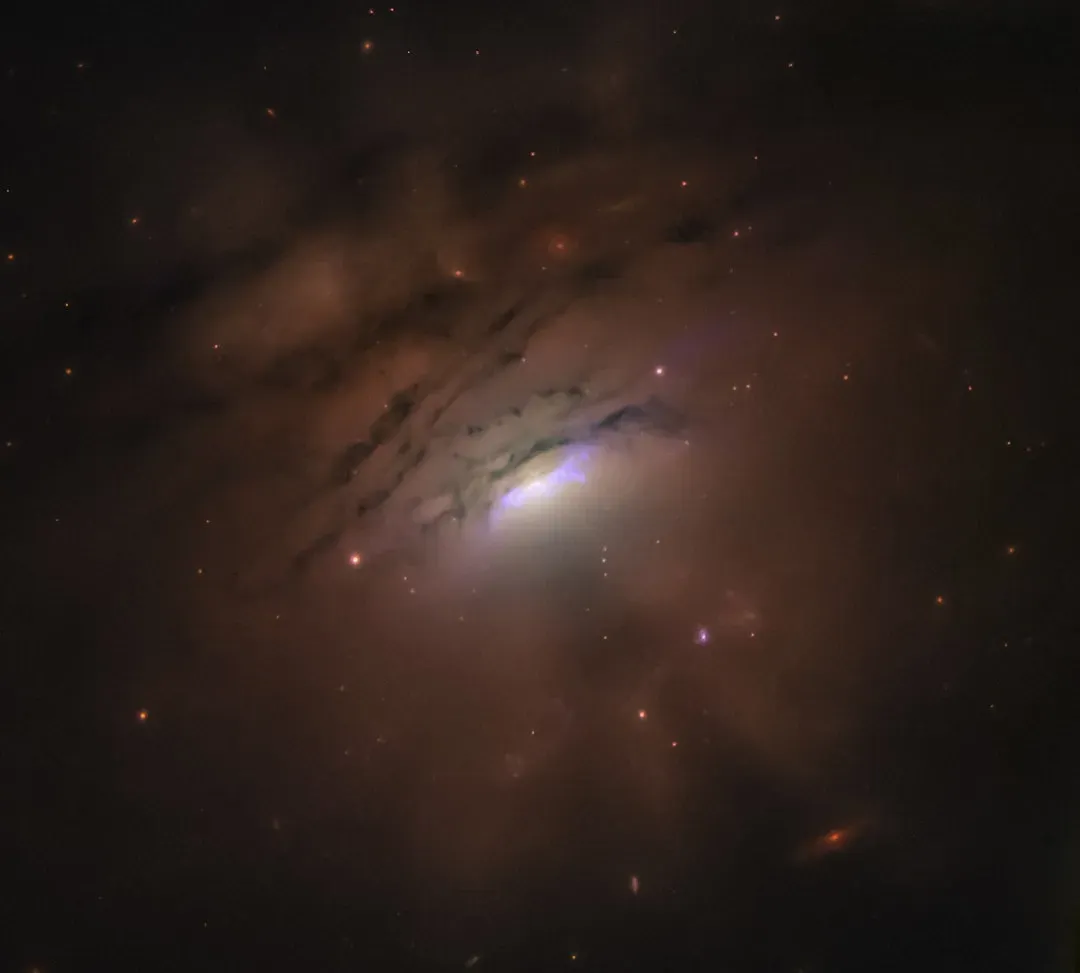
What if everything we think we know is wrong? For many years, scientists have believed that dark matter and dark energy make up most of the cosmos. But new research challenges that view, suggesting these mysterious components might not exist at all. Instead, the effects we attribute to them could arise naturally if the fundamental forces of the universe slowly weaken as it grows older. That’s a pretty radical proposal.
The universe’s forces actually get weaker on the average as it expands. This weakening makes it look like there’s a mysterious push making the universe expand faster (which is identified as dark energy). It’s hard to say for sure whether this alternative explanation will hold up under scrutiny. Yet the fact that serious scientists are proposing it shows just how uncertain our understanding remains. Maybe we’re not seeing mysterious substances at all, but rather misunderstanding gravity itself.
The Future of Cosmic Exploration
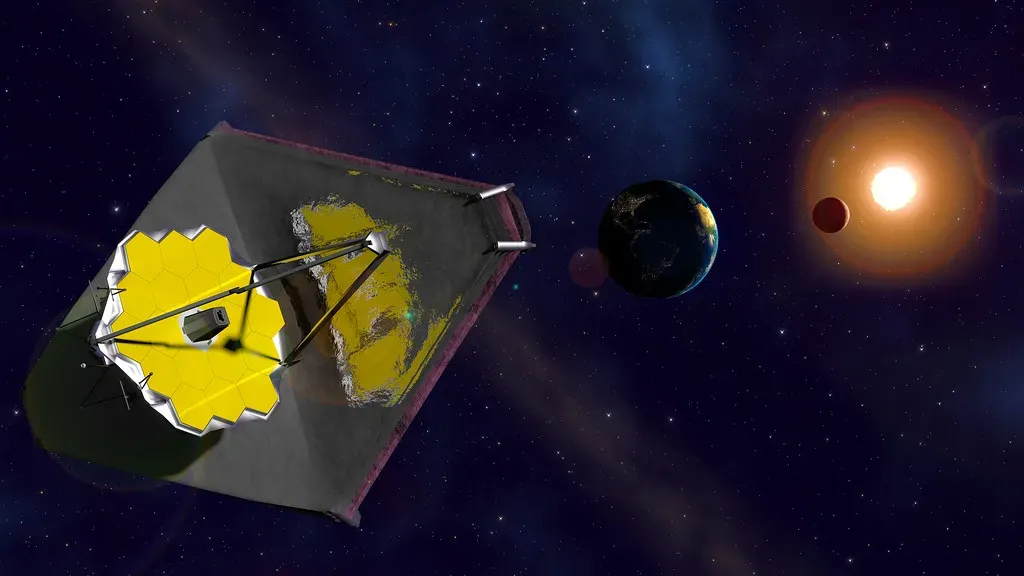
The Nancy Grace Roman Space Telescope, planned to launch in late 2026, will be capable of surveying the sky 1000 times faster than the Hubble Space Telescope with similar sensitivity and resolution. This powerful instrument will help scientists map dark matter and study dark energy with unprecedented precision. Meanwhile, Berkeley Lab researchers have developed new ways to map the distribution patterns of dark matter and intergalactic mass in unprecedented detail, using a combined data analysis of the cosmic microwave background (CMB), and the largest 3-D galaxy map to date released last year by the Dark Energy Spectroscopic Instrument (DESI). Their findings are being announced in a series of new studies that are changing our current understanding of the history of the Universe and the properties of intergalactic matter.
The Dark Energy Survey has measured the BAO scale when the universe was half its present age with an accuracy of two percent, the most accurate determination yet at such an early epoch. Each new measurement brings us closer to understanding what these invisible forces truly are. Within the next few years, we may finally have answers to questions that have puzzled humanity since we first looked up at the night sky and wondered what holds it all together.
Conclusion
The more we learn about dark matter and dark energy, the stranger the universe becomes. What once seemed like solid ground beneath our feet has turned out to be a thin film floating on an ocean of mysteries. Scientists are closing in on answers, with new telescopes, particle detectors, and supercomputer simulations revealing the invisible architecture that shapes everything we see.
What’s truly exciting is that we’re living through a golden age of cosmic discovery. The next decade will likely bring breakthroughs that fundamentally change how we understand reality itself. Whether dark matter turns out to be exotic particles, whether dark energy is truly evolving, or whether both are symptoms of something even deeper we haven’t imagined yet, one thing is certain: the universe is far more fascinating than we ever dreamed. What do you think awaits us in the depths of cosmic darkness? The answer may reshape everything.