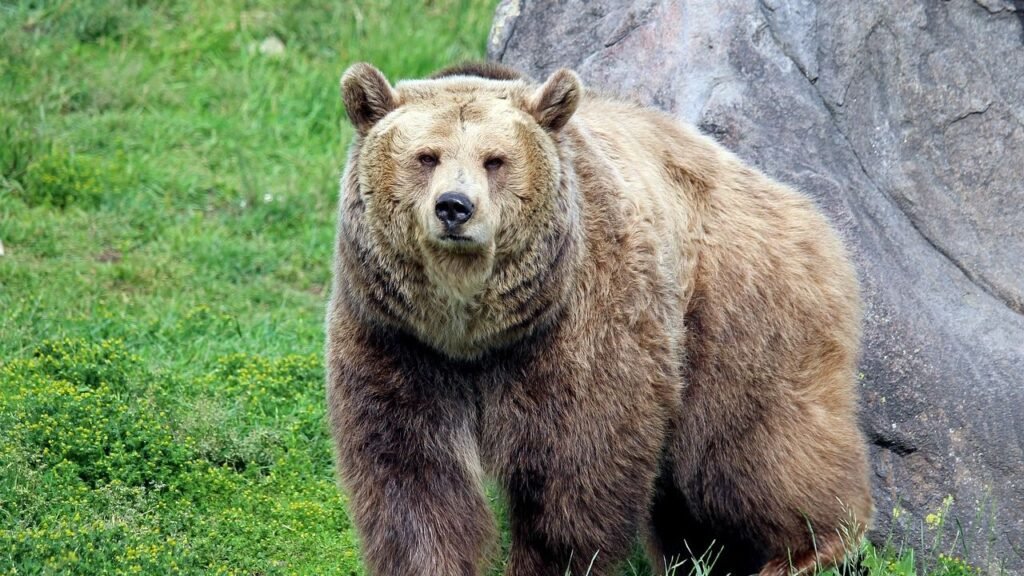
Bears fascinate us. They’re powerful, mysterious, and honestly a little scary when you think about how massive they really are. If you’ve ever hiked in bear country, you’ve probably wondered what would really make one attack you. Most of what we hear sounds contradictory or flat-out confusing.
Here’s the thing, though: bears don’t just attack randomly. There are real reasons behind their behavior, patterns you can actually learn to recognize. Some of the most widely believed myths about bear attacks are just plain wrong, and they can even get you hurt if you believe them. Let’s dig into the facts that’ll actually help you understand what makes a bear turn aggressive.
They Rarely Want to Attack You in the First Place
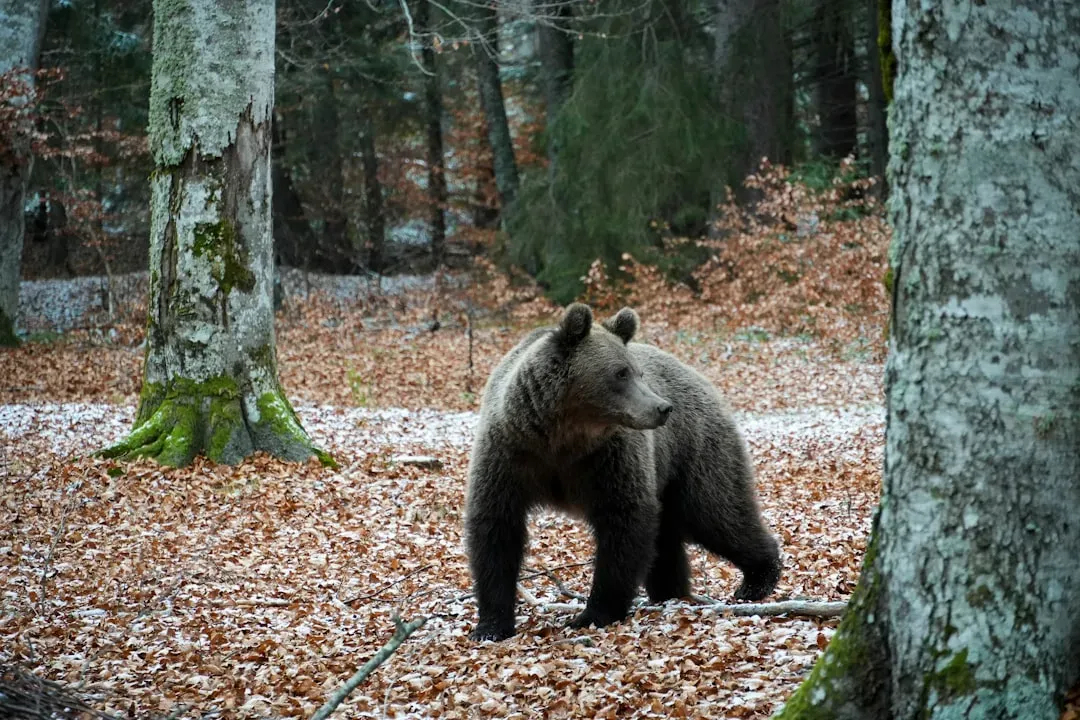
A bear’s first reaction upon detecting a human is to run away. That might surprise you given how often we hear horror stories, but it’s true. Bears have evolved a cautious nature over thousands of years, and they’d much rather avoid confrontation altogether.
The vast majority of bears are uninterested in humans, and once they smell and recognize a human, they usually retreat and go on their way. Think of it this way: you’re not on their menu, and you’re definitely not worth the risk of injury. Their instinct is to flee, not fight.
Surprise Encounters Are the Real Danger
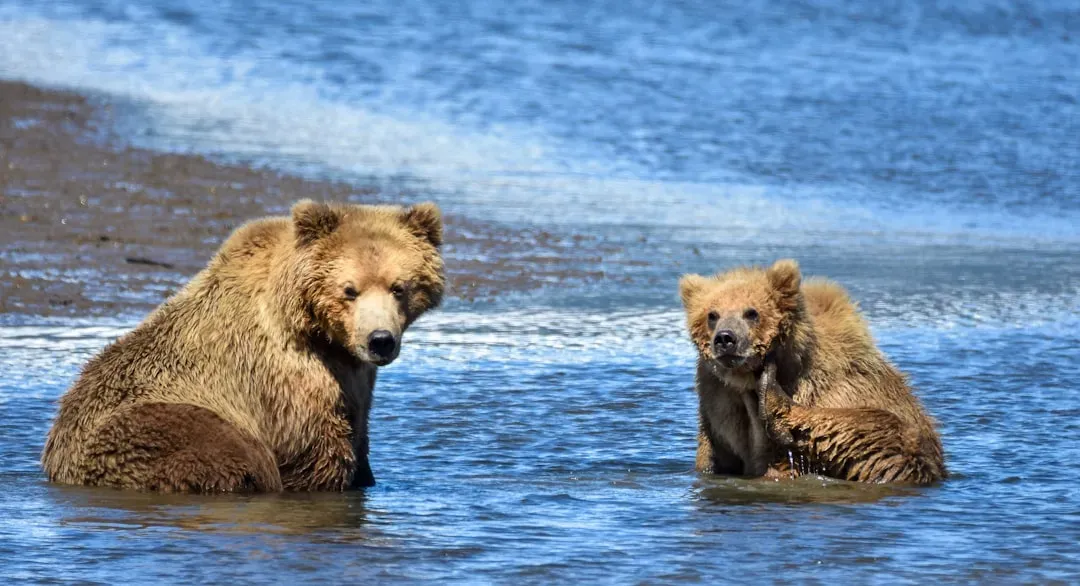
Let’s be real, most bear attacks don’t happen because the bear woke up feeling aggressive. Almost all recorded bear attacks in the wild have resulted from humans surprising them. When you suddenly appear in front of a bear without warning, you trigger an instinctive defensive reaction.
Hunters are the people most at risk of bear attacks because they typically aren’t making any noise, and they sleuth around while wearing camo. The problem isn’t the bear’s temperament; it’s the sudden shock. Interactions were usually initiated by humans, such as people surprising bears, wounding them in hunts, or disturbing them while defending a carcass. Making noise on the trail really does matter more than you might think.
Mother Bears with Cubs: It Depends on the Species
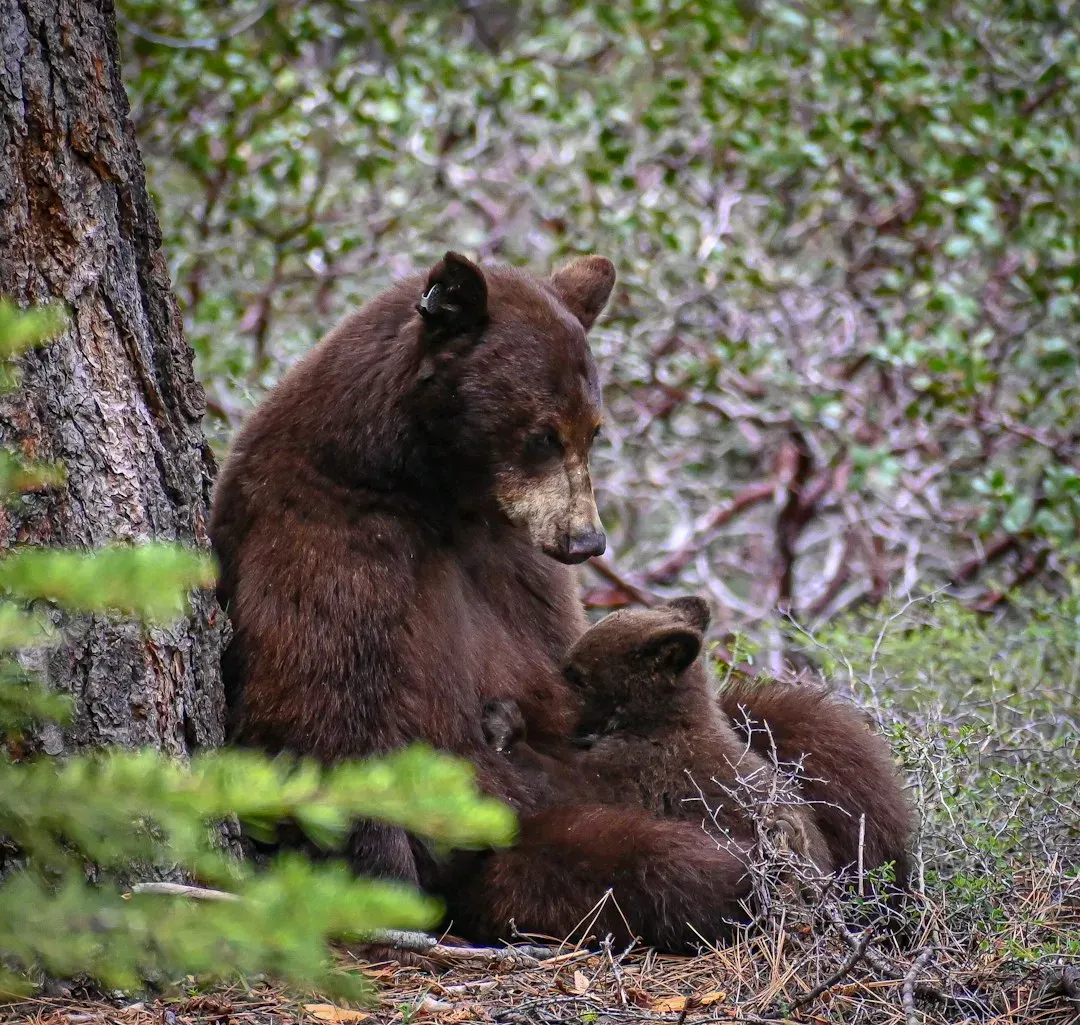
You’ve probably heard that getting between a mama bear and her cubs is a death sentence. Well, it’s more complicated than that, and the species matters tremendously. Sows with cubs account for the majority of injuries and fatalities in North America when it comes to brown bears and grizzlies.
However, black bears are an entirely different story. There is no record of a black bear mother killing anyone in defense of cubs, and mothers with cubs were involved in only 3 of the 61 killings by black bears across America since 1900, and none of those killings appeared to be in defense of cubs. Black bear mothers actually send their cubs up trees rather than fighting to protect them. Grizzly moms? They’re the ones you really need to worry about.
Starving Bears Are Truly Dangerous
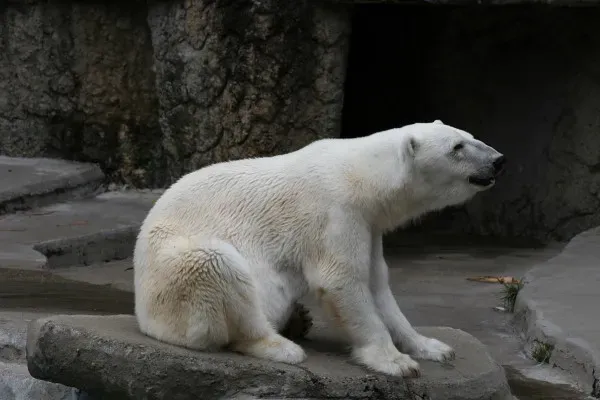
When a human is faced with a hungry bear that has lost its natural fear of humans, bears often become more desperate and aggressive with the decrease of hunting grounds and food crops such as berries and bark. Food scarcity changes everything about bear behavior.
Nutritionally stressed adult male polar bears were the most likely to pose threats to human safety, with 61% of bears that attacked humans being in below-average body condition. A hungry bear isn’t thinking clearly, and desperation can override its natural caution. These situations are particularly concerning because the bear isn’t just defending itself; it’s looking for food, and that makes it far more persistent and dangerous.
Solo Hikers Are at Much Higher Risk
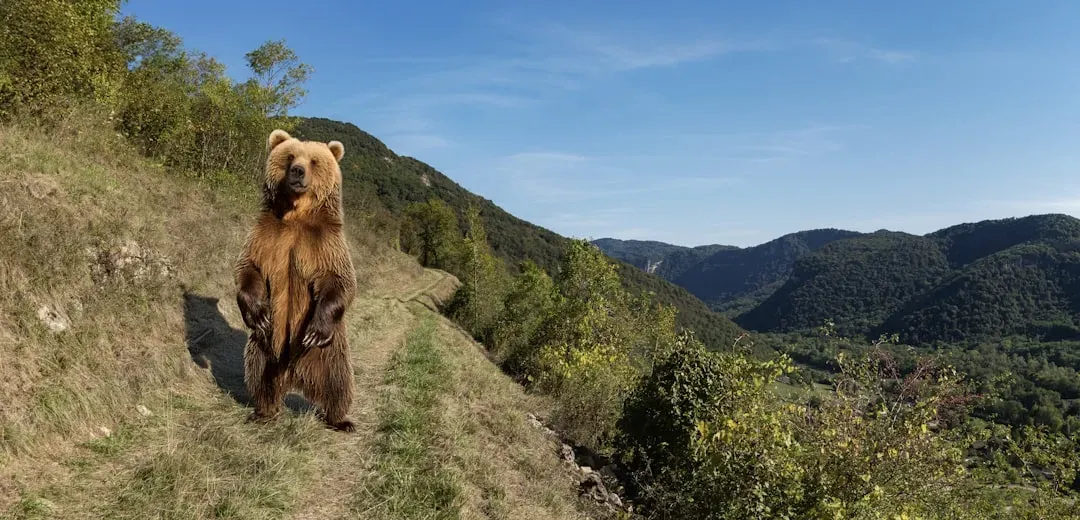
Unaccompanied individuals were observed to be more vulnerable to attacks than people in groups. The reason is actually pretty straightforward when you think about it. Larger groups are more easily detectable and, consequently, avoided by bears, because groups tend to make more noise than a lone person.
When an encounter actually occurs, bears are more likely to flee than attack when confronted with a group of people. It’s not just about the noise factor either. A bear sees a group of humans as a larger, more intimidating threat. If you’re hiking alone in bear country, you’re statistically much more likely to have a negative encounter.
Defensive Attacks Are Different from Predatory Ones
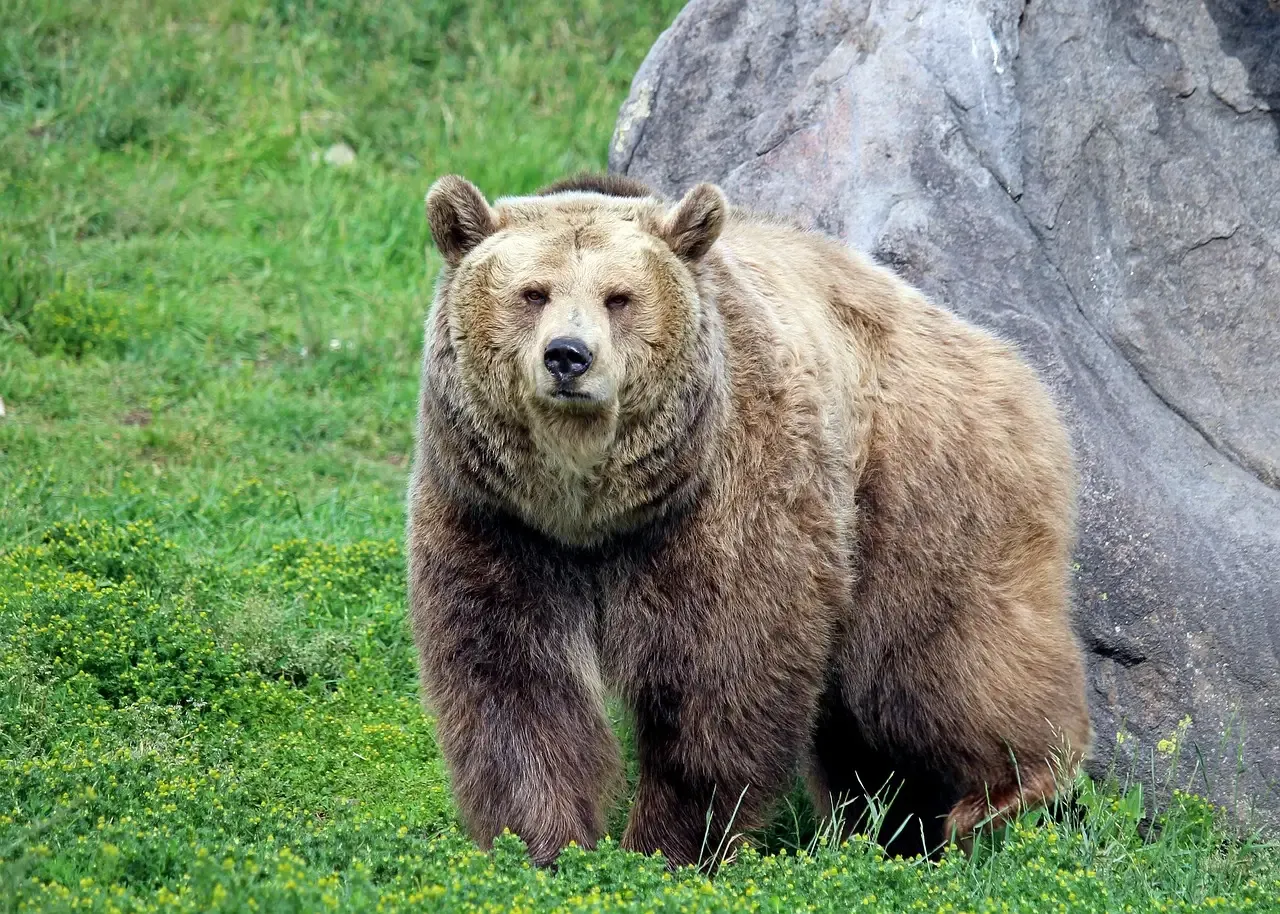
This distinction is critical, and it determines what you should do if attacked. One is a defensive attack, which most typically involves defending young or a food source, such as a prey carcass, or if you startle it. Defensive bears want you gone, not dead.
Predatory attacks are a completely different scenario, and the bear’s behavior is completely different as well. In the case of a predatory attack, bears will typically either attack at night, or approach their intended victim slowly during the day, sometimes preceded by the bear stalking the person for an indeterminate time. Predatory attacks are rarer, but they’re also more deadly because the bear sees you as food.
Running Away Can Trigger an Attack
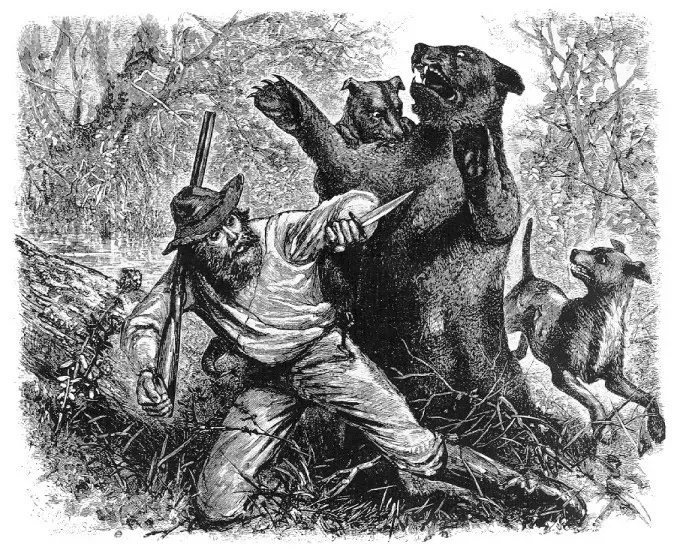
I know it sounds counterintuitive, but running from a bear is one of the worst things you can do. Bears will attack fleeing prey, and they can run as fast as thoroughbreds both uphill and downhill. You literally cannot outrun them, no matter how fast you think you are.
Running away or climbing a tree can activate the bear’s hunting instincts and lead to it perceiving the human as prey. Even if the bear was just doing a bluff charge to scare you off, running can turn a non-attack into a real one. Standing your ground, as terrifying as it sounds, is often the safer move. Your sudden flight triggers something primal in the bear’s brain.
Bears Protect Their Food Aggressively
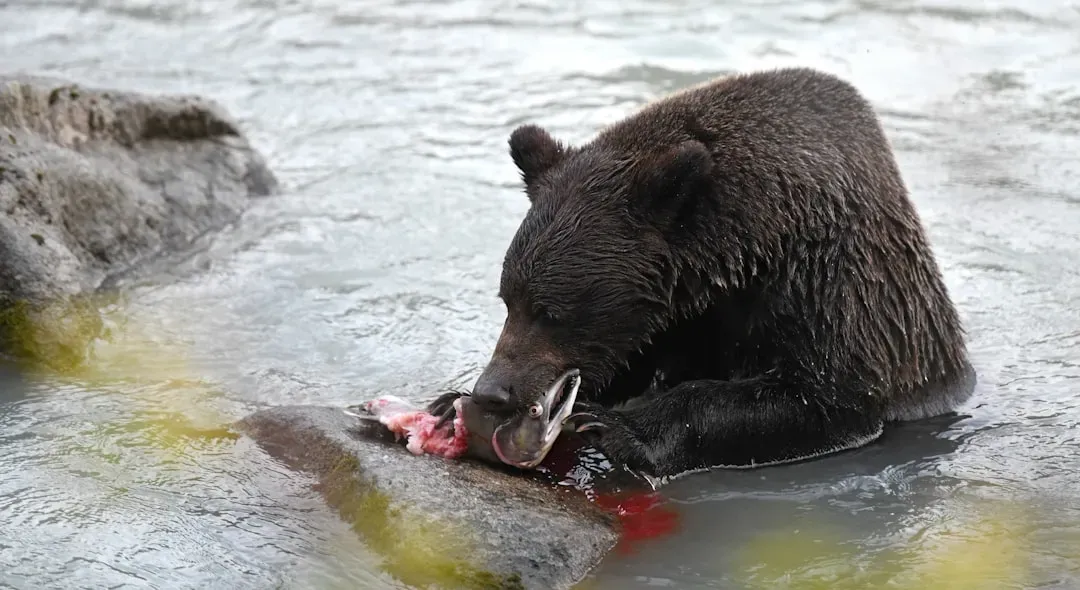
Once a bear claims an animal carcass, it becomes very protective of its kill, and this becomes a problem when a bear conveniently claims a hunter’s kill. If you stumble upon a bear near a carcass, you’re in real danger because the bear sees you as a threat to its hard-won meal.
Interestingly, bears have even learned to associate gunfire with free food. Bears began to follow gunfire because they associate it with dead animals that they can scavenge or steal. This means hunters face a unique risk when field dressing game. A bear defending its food source is intensely focused and will fight to keep it, making these encounters particularly volatile and unpredictable.
Conclusion
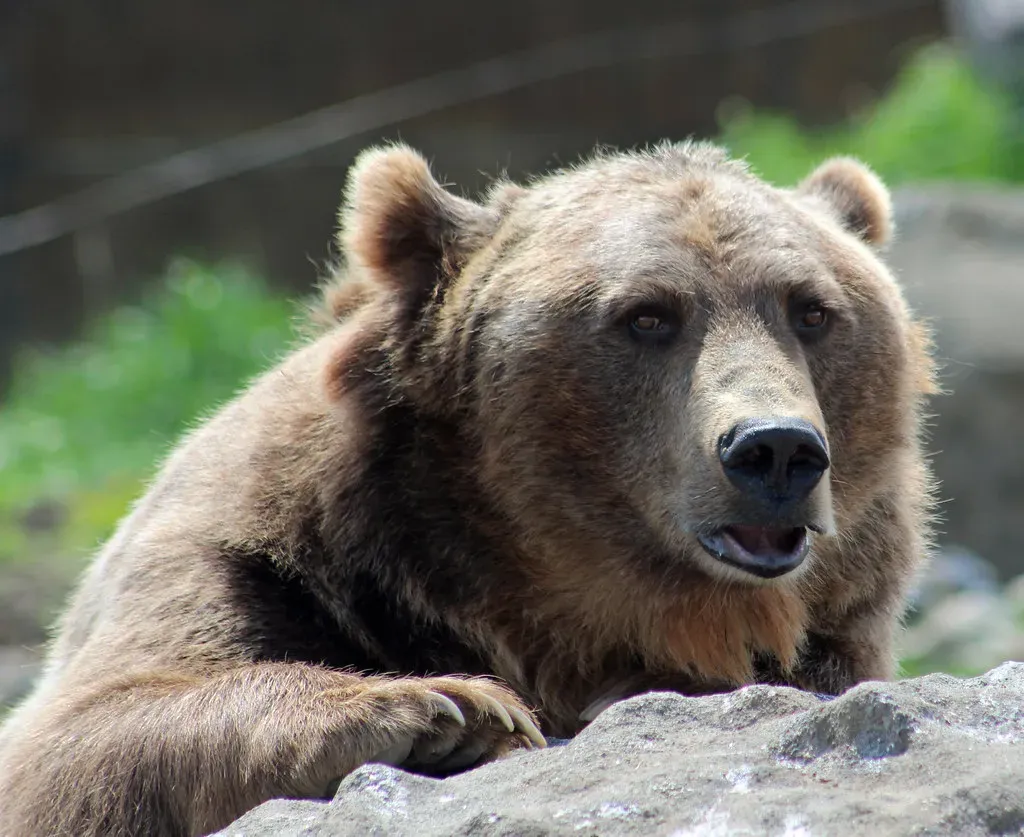
Bear attacks are far less random than most people think. They follow patterns based on surprise encounters, food scarcity, species differences, and whether you’re alone or in a group. The truth is, bears would rather avoid us entirely, but when we unknowingly push them into a corner or threaten what they value, things can go very wrong very quickly.
Understanding these facts won’t just keep you safer in bear country; it’ll help protect bears too. When we know what actually triggers attacks, we can take smarter precautions and avoid tragic encounters on both sides. Did you expect that mother black bears were actually less dangerous than we’ve been told? What surprised you most about bear behavior?