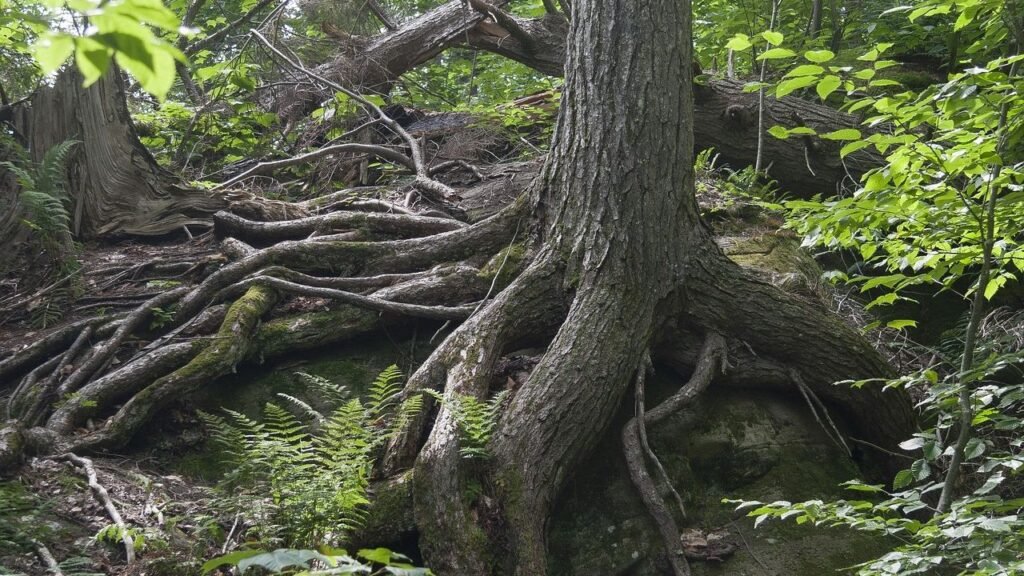

Walk into a forest and it feels still, almost silent. But beneath your feet, an entire hidden world is buzzing with activity, like a crowded city where no one ever sleeps. Trees are not just standing there; they’re sensing, reacting, warning, feeding, and even quietly competing with one another through an underground network we’re only just beginning to understand.
Scientists sometimes call it the “wood wide web,” but that phrase barely captures how strange and astonishing this hidden system really is. Roots, fungi, bacteria, and microscopic life form a living internet under the forest floor, sending signals and sharing resources in ways that are both practical and oddly familiar. Once you know what’s happening underground, a walk in the woods never feels the same again.
The Hidden Network Beneath Your Feet
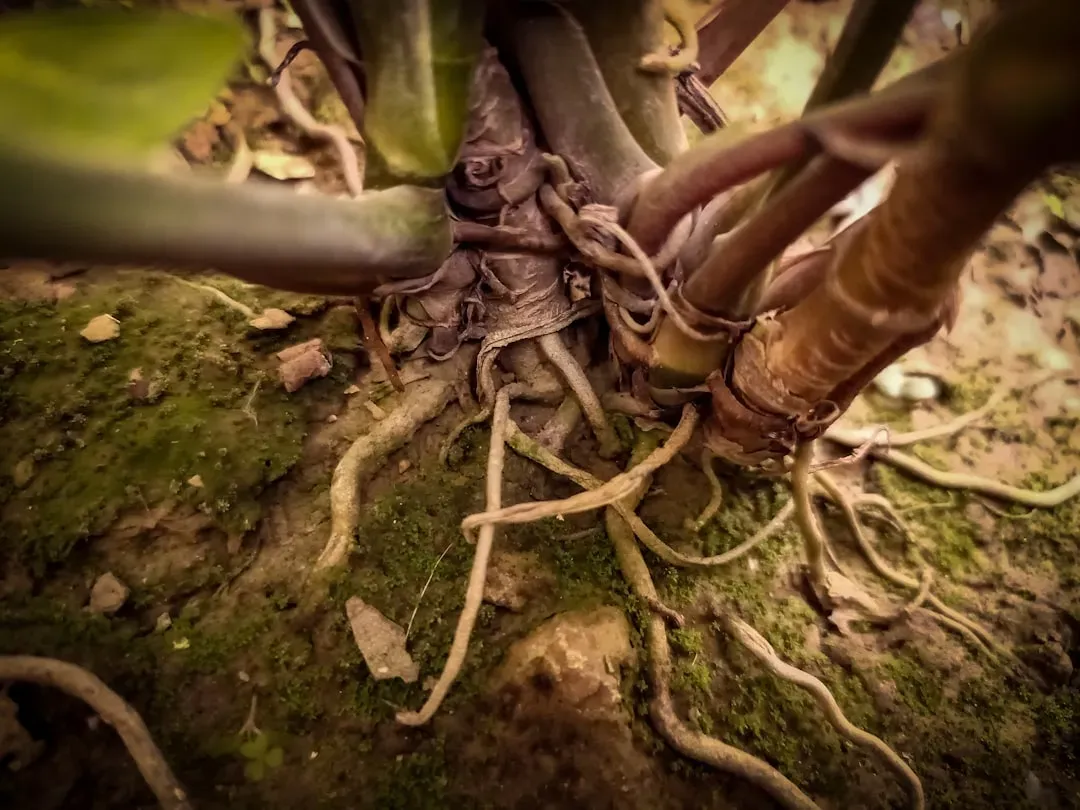
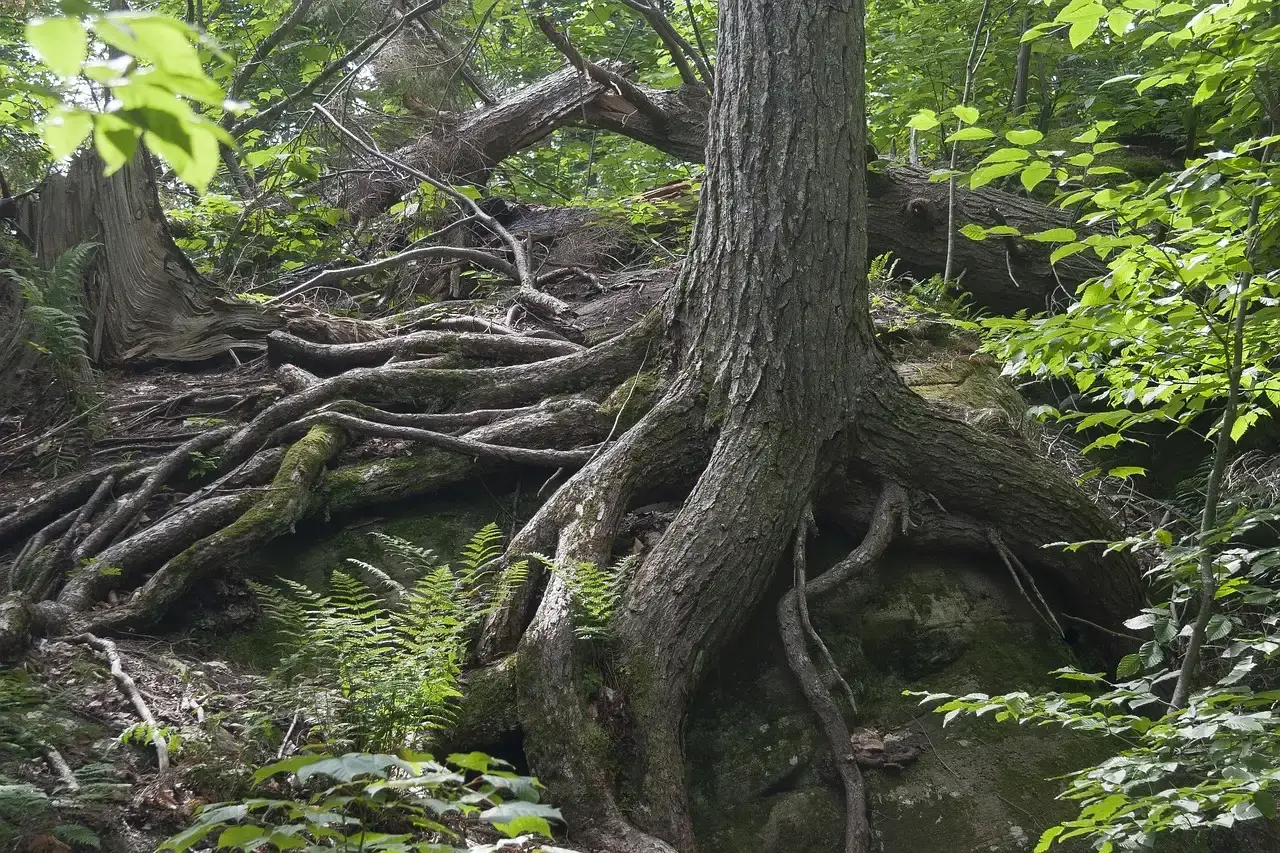
The soil under a forest is not just dirt; it’s a dense, living mesh of roots and fungi woven together like threads in a rug. Tree roots stretch out far beyond the trunk, often several times the width of the canopy, and along those roots are millions of tiny fungal filaments, thinner than a hair, reaching even farther. Together, they create a sprawling underground system where water, nutrients, and signals can move from one tree to another.
This is what scientists refer to as a mycorrhizal network, a partnership between plant roots and fungi. The fungi wrap around or even enter the roots, helping trees pull in more water and nutrients than they could on their own. In return, the trees pay for this service with sugars they produce through photosynthesis. It’s a trade agreement written in carbon and minerals, and once it’s set up, almost everything in the forest runs through it.
Mycorrhizal Fungi: The Forest’s Fiber-Optic Cables
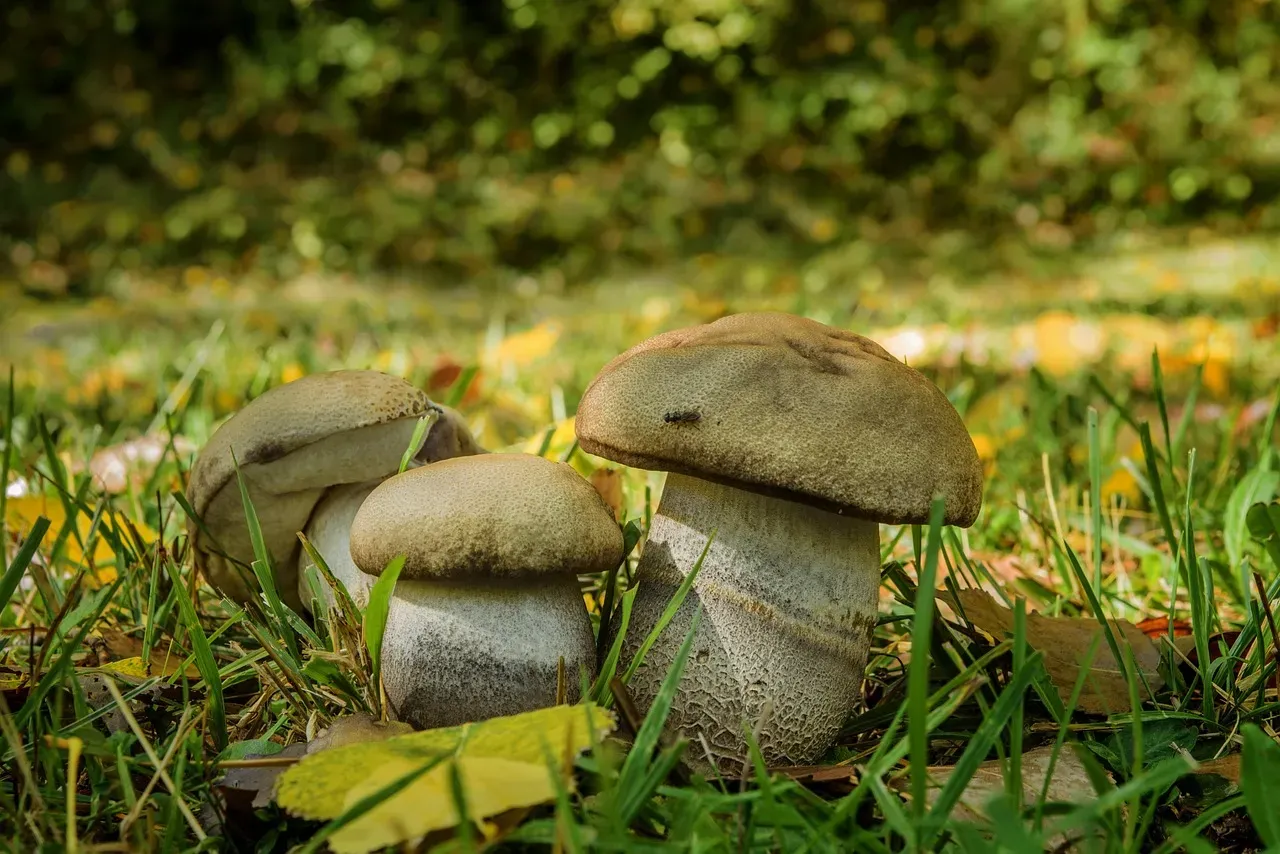
If you imagine the forest as a city, mycorrhizal fungi are the fiber-optic cables, quietly connecting homes and buildings out of sight. These fungi form immense networks that can link multiple trees, sometimes even across different species. A single fungal individual can cover an area larger than a sports field, with countless microscopic threads exploring every pore of the soil.
Through this living web, fungi can move nutrients from where they’re plentiful to where they’re scarce, smoothing out the rough edges of survival. A tree growing in poor soil, for example, might still do well because fungi tap into richer patches elsewhere and bring back what’s needed. In return, fungi gain a stable source of food, because trees constantly deliver sugars down to their roots. It’s a mutual dependence so tight that many trees simply cannot survive without their fungal partners.
How Trees Share Food, Water, and Warnings
One of the most surprising discoveries of the last few decades is that trees linked by fungal networks can literally share resources. When a tree has more sugar than it immediately needs, some of that excess can move through the networks to neighboring trees. Seedlings struggling in deep shade, which can’t make enough energy on their own, often survive only because mature trees feed them through these underground connections.
It’s not just food, either. Trees also send chemical signals when they’re under attack by insects or diseases. Those signals can travel through root and fungal networks, triggering neighboring trees to change their chemistry and prepare defenses. It’s as if one tree shouts a warning and others arm themselves, boosting bitter compounds in their leaves or strengthening cell walls before the threat reaches them. The forest starts to look less like a collection of individuals and more like a community that can coordinate its response.
Mother Trees and the Power of Forest Elders
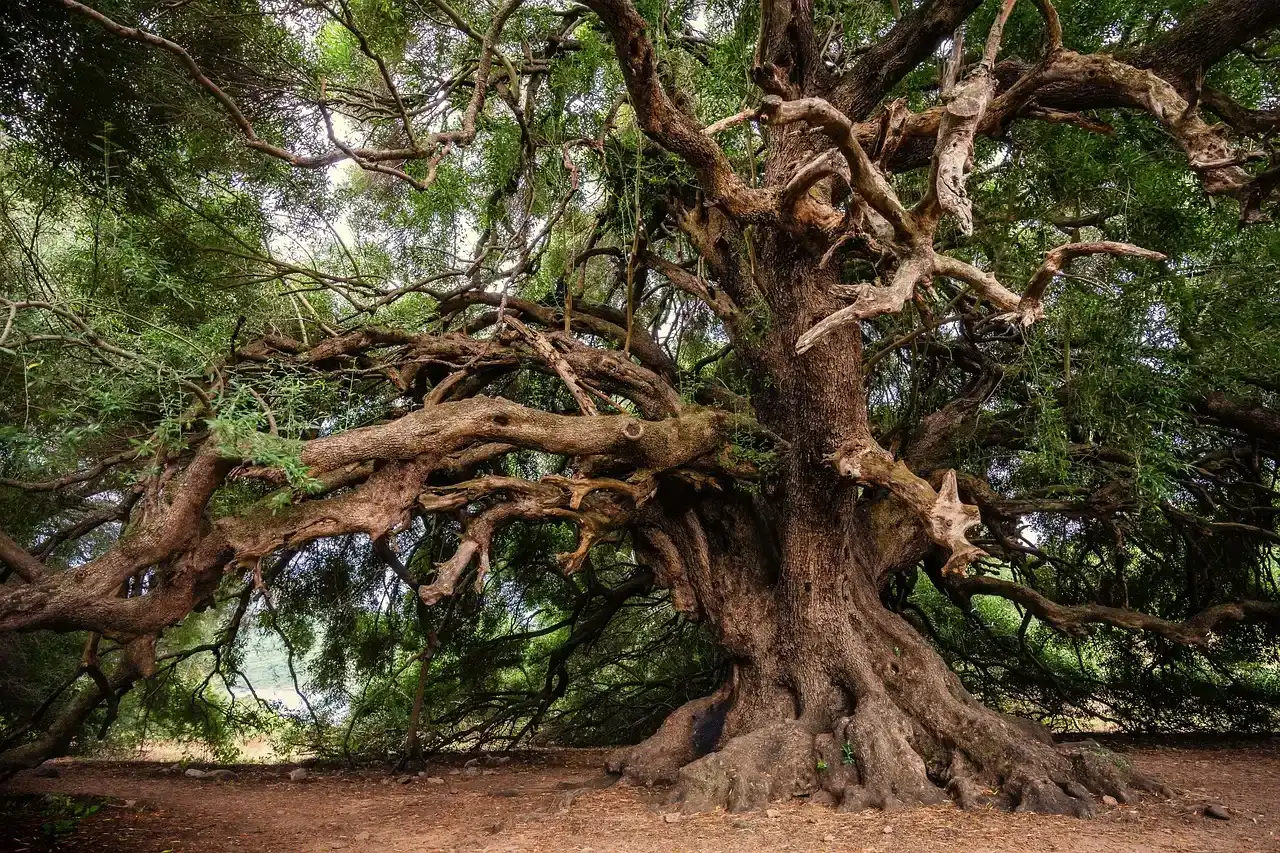
In many forests, large, old trees act as central hubs in the underground network, connecting to many younger trees. Researchers sometimes refer to these as “mother trees” because they seem to play a nurturing role, especially toward seedlings growing nearby. These elders can direct carbon, nutrients, and water toward younger or shaded trees, essentially subsidizing them until they’re strong enough to manage on their own.
I remember the first time I read about this, it completely rewired how I looked at a forest: that towering, scarred giant at the edge of a clearing might quietly be keeping dozens of smaller trees alive. When a mature tree is cut down, it’s not just one trunk that disappears; a whole central node in the underground web is lost. That can leave the remaining trees more isolated, less resilient, and slower to recover from stress. Forest elders are not just old; they’re infrastructure.
Cooperation, Competition, and Forest Politics
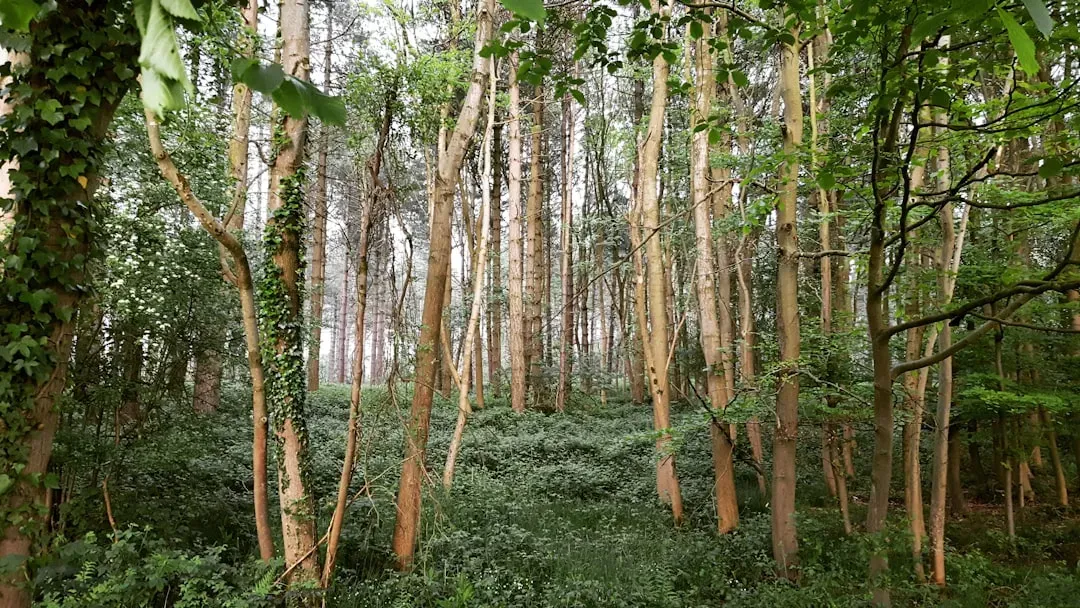
It’s tempting to paint forests as perfectly cooperative utopias, but the reality is messier and more interesting. Trees both help and compete with each other, sometimes at the same time. While some species share more resources with their kin or with their own kind, others appear to direct less support to unrelated neighbors, especially if water or nutrients are scarce. The underground web can serve friendly help or subtle sabotage, depending on the situation.
Fungi are not passive either; they act in their own interest. A fungal network might favor the healthiest trees that give them the most sugar, while giving less to weaker ones. It’s a bit like a marketplace where everyone is bargaining over limited goods. Cooperation happens, but it’s often conditional and strategic. That makes forests feel less like fairy tales and more like complex societies, full of shifting alliances and quiet rivalries.
Why This Underground World Matters for Climate and Conservation
Understanding how trees communicate and share underground is not just a fun story; it changes how we think about climate and conservation. Forests store huge amounts of carbon, and the health of the mycorrhizal networks strongly affects how much they can lock away in wood and soil. When we disturb soils through clear-cutting, heavy machinery, or repeated planting of single-species tree farms, we often break these networks, making forests more vulnerable to drought, pests, and heat.
Conservation efforts that protect old-growth forests and avoid excessive soil disturbance help keep these underground systems intact. Even choices in reforestation matter: planting diverse species, and allowing some older trees to remain, gives fungal networks better chances to re-form and stabilize. Protecting the secret life beneath the soil might be one of the quietest but most powerful tools we have for buffering climate change and preserving biodiversity.
How This Changes the Way We See Trees
Once you realize trees are wired into an underground network, it’s hard to see them as lonely, silent beings anymore. That line of pines by the roadside isn’t just a row of separate poles; it’s more like a neighborhood of connected lives, constantly exchanging information and resources. Even a small patch of woodland behind a school or at the edge of a town might be running a hidden conversation day and night.
This shift in perspective can be unsettling but also strangely comforting. The forest stops being just scenery and becomes a kind of living, breathing system that looks after its own, within limits. Next time you step onto a trail, you might picture that invisible web under your boots and walk a little more gently, knowing that every root and filament you pass is part of a story still being written. Did you expect that?