Imagine waking up in a forest you’ve never seen before, with no phone, no map, and no one to ask for directions. Most of us would panic a little. Animals, on the other hand, do this kind of thing constantly and somehow manage to find their way across oceans, continents, and deserts with an accuracy that makes our GPS look clumsy.
Scientists are still uncovering how they pull off these navigation superpowers, and the latest research often feels closer to science fiction than biology. From birds that sense the Earth’s magnetic field to tiny insects that “count” their own footsteps, animals use a hidden toolkit of natural navigation tricks that’s as beautiful as it is baffling.
1. Reading the Earth’s Magnetic Field
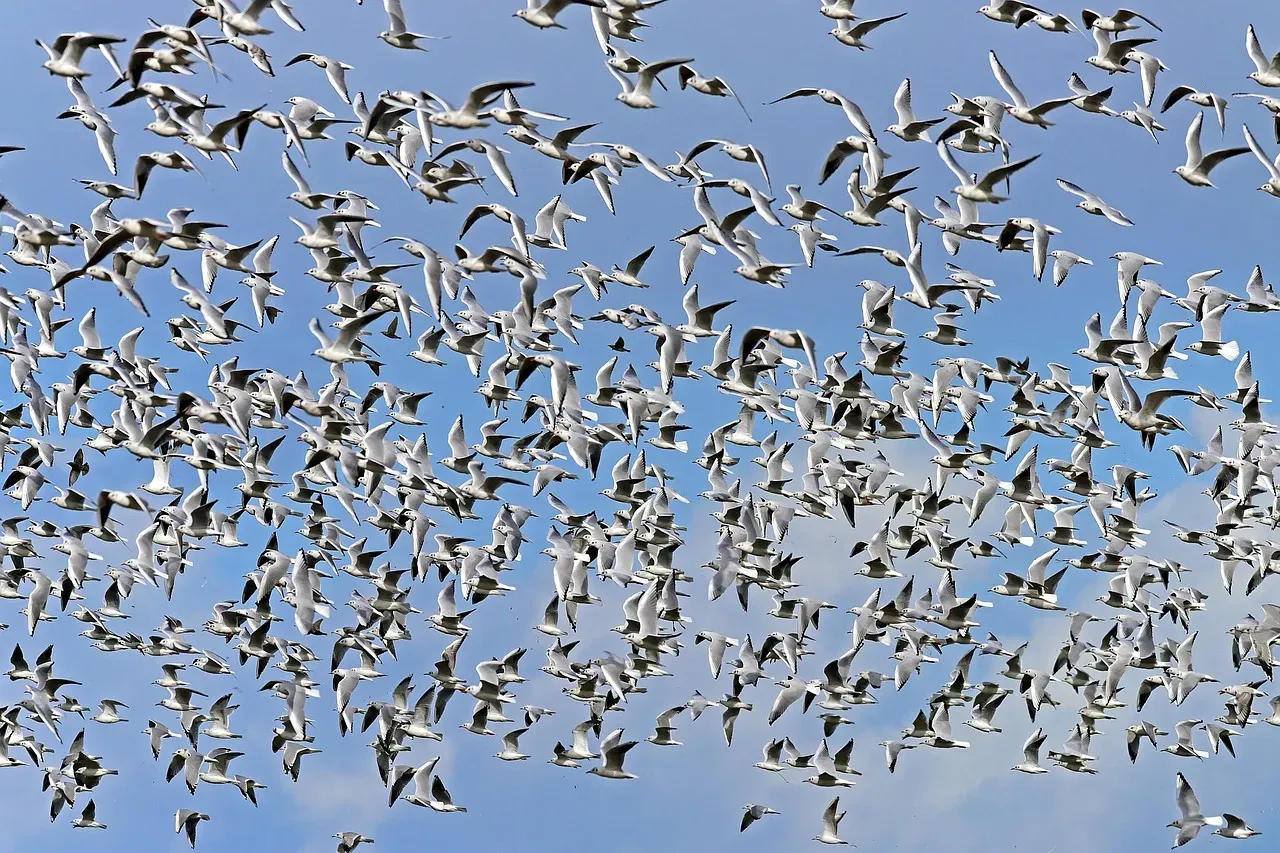
One of the most mind-blowing navigation tricks is magnetoreception: the ability to sense the Earth’s magnetic field. Many animals, from migratory birds and sea turtles to some fish and even insects, seem to carry an invisible compass in their bodies. This allows them to maintain a general sense of direction, even when clouds hide the Sun and landmarks vanish.
Researchers have found clues that some birds may have special light-sensitive molecules in their eyes that let them “see” magnetic fields as faint patterns overlaid on their normal vision. Others seem to rely on iron-rich particles in their beaks or brains. Either way, imagine walking through a city and being able to literally see north and south glowing faintly in front of you – that’s the kind of superpower we’re talking about.
2. Following the Sun Across the Sky
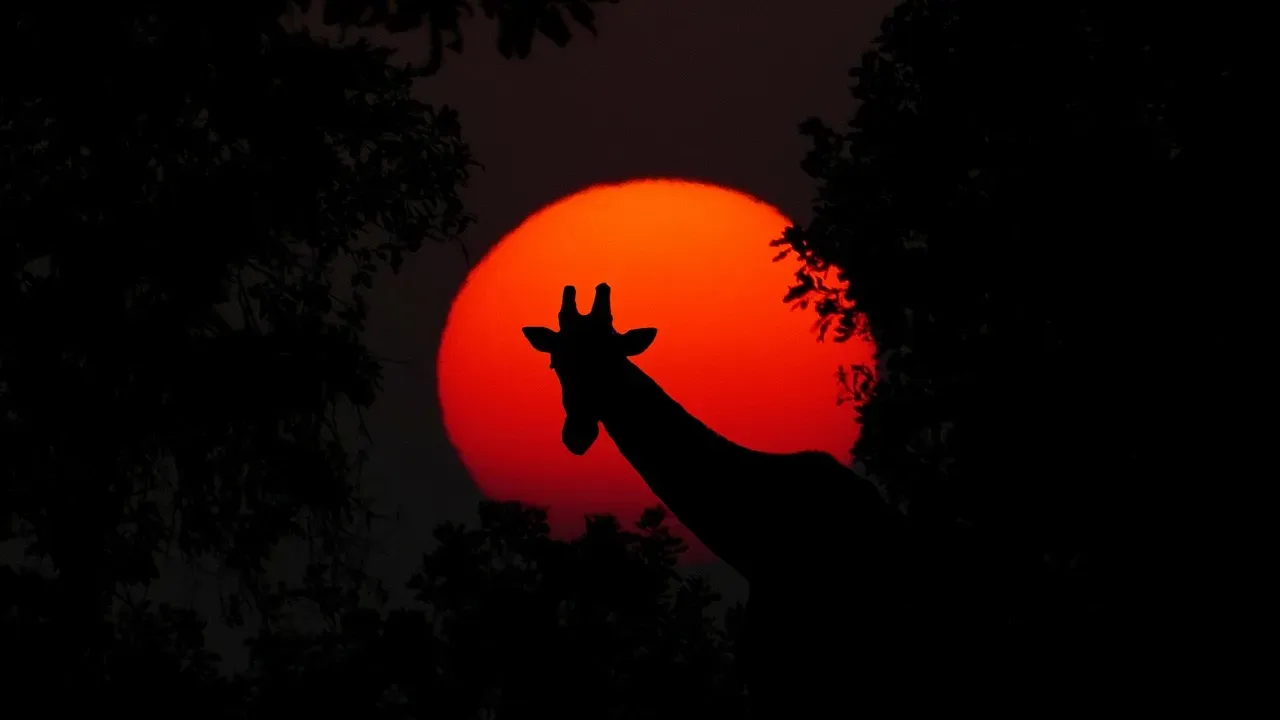
Many animals use the Sun the way we might use a landmark on the horizon: a huge, bright orientation point that’s hard to miss. Birds, bees, butterflies, and even some desert ants track the Sun’s position to keep a steady heading while they travel. The catch, of course, is that the Sun moves, so they need a mental clock to adjust for the time of day.
Some species combine this internal clock with a built-in map of how the Sun moves across the sky in their part of the world. It’s like having a mental spreadsheet that says, “At this time of day, the Sun is here, so if I want to go north, I need to aim slightly that way.” Humans struggle to figure out what direction they’re facing after stepping out of a subway; these animals are basically walking solar navigators.
3. Using the Stars as a Nighttime Map

When the Sun goes down, some animals simply switch to night mode and start reading the stars. Certain migratory birds have been shown to orient themselves using the pattern of constellations, especially the rotation of stars around the northern sky. They don’t just follow a single star; they learn the whole sky pattern like a giant glowing map.
Experiments with young birds raised under artificial night skies have revealed that they can learn which way is north based on how the sky appears to rotate. Picture a young bird, barely out of the nest, “studying” the night sky the way a kid studies a globe. Only, instead of memorizing country names, it’s learning how the entire dome of stars moves, so it can migrate thousands of kilometers without getting lost.
4. Smelling Their Way Home with Scent Maps
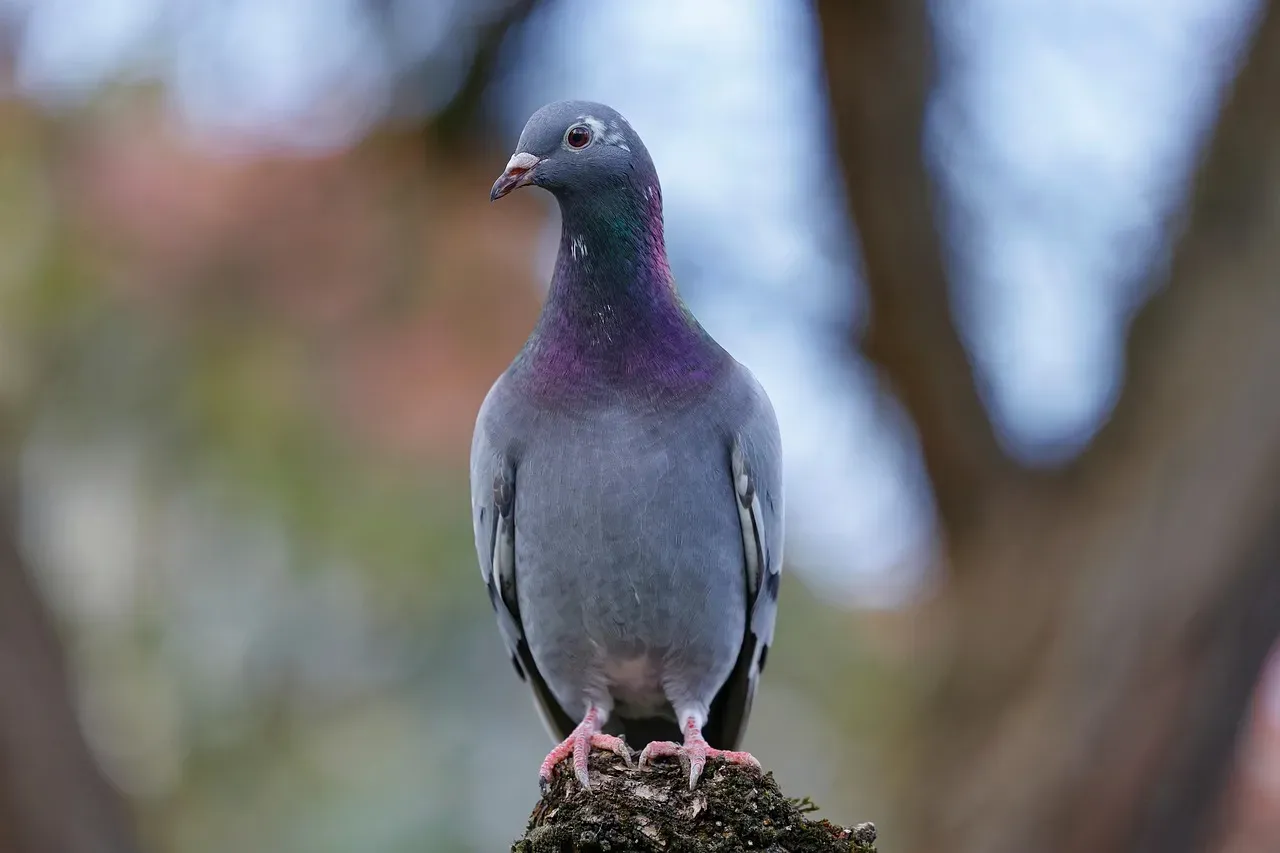
Some animals navigate their world almost like they’re reading a giant, invisible perfume cloud. Homing pigeons, salmon, and many other species use smell to recognize familiar areas and follow gradients of scent back home. For salmon, that means swimming from the open ocean back to the exact stream where they were born, guided in part by the unique chemical scent of that water.
Homing pigeons seem to build an “olfactory map” based on the smells carried by different wind directions around their home loft. Over time, they learn that certain scents mean “home is this way.” It’s a bit like how you might follow the smell of a bakery through city streets, except they’re doing it over tens or hundreds of kilometers, in the air, with no visual clues at all.
5. Dead Reckoning and Step-Counting in Insects
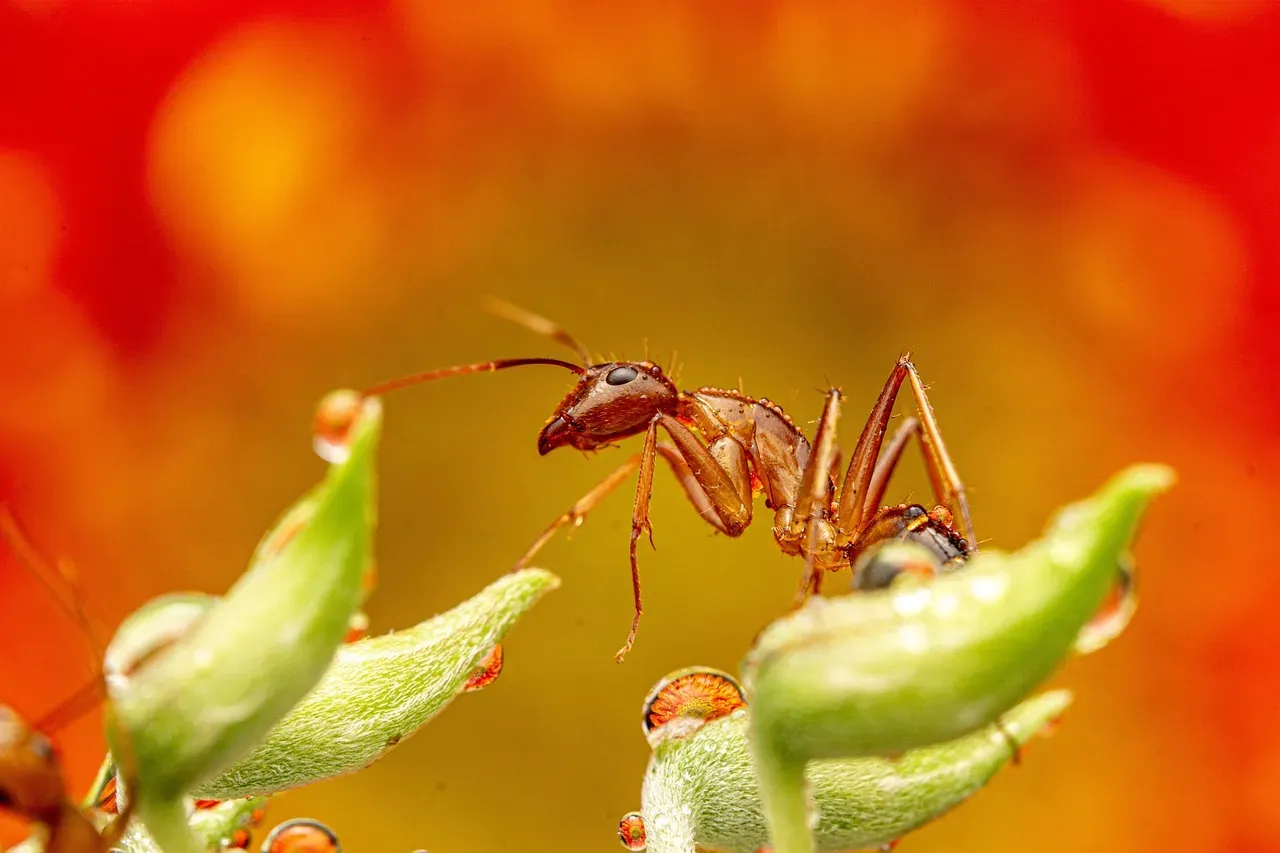
Desert ants are tiny, but their navigation skills are infuriatingly good. They forage far from their nests in harsh landscapes where everything looks the same – no trees, no rivers, just sand. Yet they can walk in complex zigzag paths to find food and then make a nearly straight-line beeline back to the nest. They manage this through a strategy called path integration, a kind of internal math where they constantly update their own position relative to home.
Experiments suggest these ants use the length of their steps and the angle of their turns to keep track of distance and direction, almost like they’re “counting” their own footsteps. When scientists manipulated their leg length with tiny stilts or stumps, the ants consistently overshot or undershot the nest, which is hilarious and revealing at the same time. It’s like watching someone try to walk home after you secretly changed the length of their legs mid-journey.
6. Reading Landmarks and Mental Maps
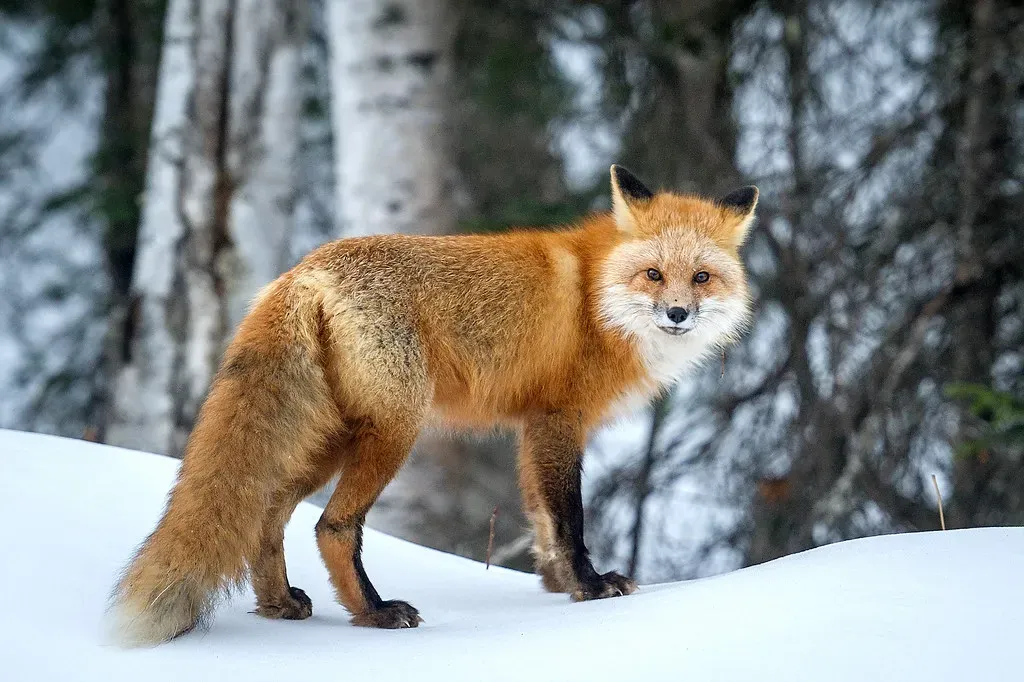
Plenty of animals do exactly what we do when we navigate without technology: they memorize landmarks. Squirrels remember where trees, rocks, and other features are, while pigeons and many mammals use buildings, hills, rivers, and coastlines as visual cues. Over time, they build a mental map of their surroundings, storing not just isolated points but a network of routes and shortcuts.
Some studies on rodents and other mammals show that their brains contain specialized cells that fire when they’re in specific places, or facing certain directions, like an internal GPS of sorts. These cells help create a mental “you are here” dot on an invisible map in their mind. When you see a dog trot confidently along a path it has walked only once, you’re watching this inner map come to life in real time.
7. Listening for Echoes with Sonar-Like Precision
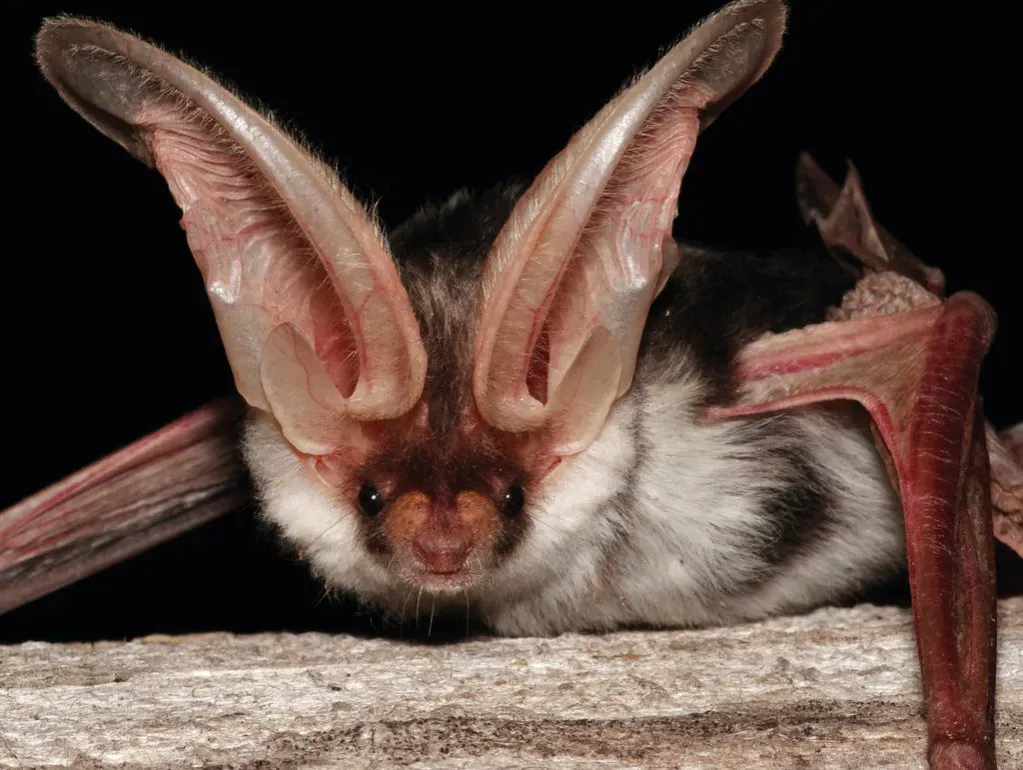
Bats and toothed whales, like dolphins, take navigation into a whole other dimension by using echolocation. They emit sound pulses and listen carefully to the returning echoes to figure out where obstacles, prey, and surfaces are located. This works not just for hunting but also for moving through complex environments, even in pitch-black darkness or murky water.
Instead of relying on a map on a screen, they are essentially building a real-time 3D model of the world out of sound. The timing, intensity, and frequency shifts in the echoes tell them the shape, distance, and even texture of what’s around them. It’s like having a constantly updating wireframe model of your surroundings projected right into your brain, letting you fly or swim with confidence through places you can’t actually see.
8. Following Ocean Currents and Waves
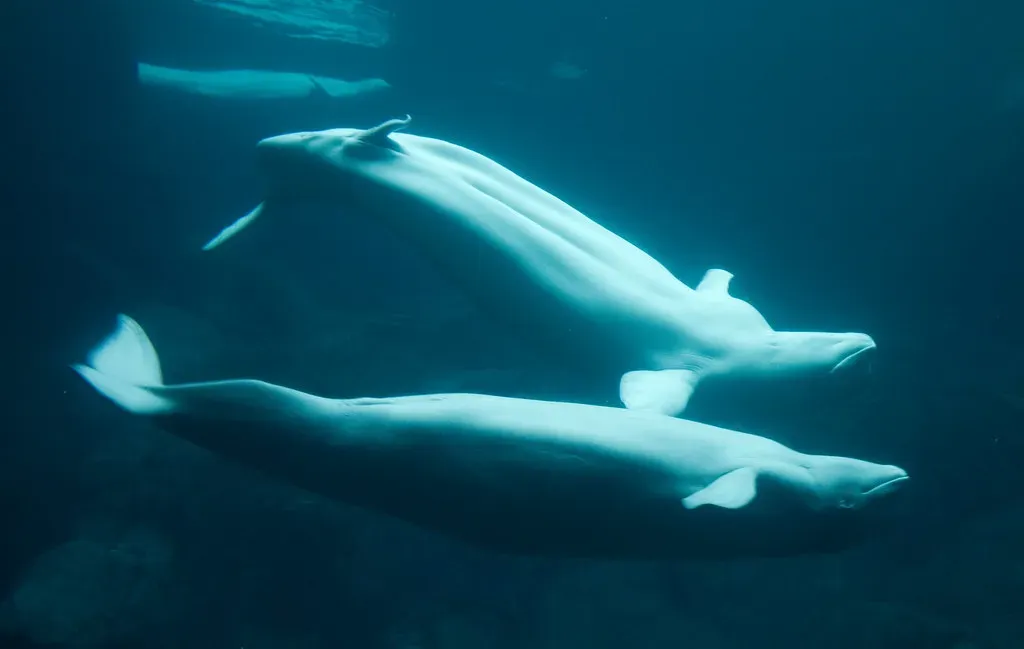
Many marine animals, from sea turtles to seals and some fish, seem to use subtle cues from water movement to find their way. They may notice changes in current direction, temperature, and salinity as they move, effectively using the “feel” of the water as part of their navigational toolkit. Over long migrations, these patterns can act like underwater highways.
Some species of turtle, for example, follow particular ocean currents across entire basins, returning years later to the same general area where they hatched. They combine this sensitivity to currents with magnetic and chemical cues, stacking navigation strategies like layers of a cake. While we stare at a blue line on a phone screen, they’re reading the shape of the sea itself through their skin, senses, and experience.
9. Using Polarized Light Patterns in the Sky

Many insects, especially bees and ants, tap into a cue that humans usually don’t notice at all: polarized light. Even when the Sun is hidden behind clouds, its light scatters in the atmosphere in a way that creates specific patterns of polarization. Some animals can see these patterns and use them as a kind of hidden compass in the sky.
Bees, for example, can detect polarized light and use it to orient themselves even when the Sun is invisible. It’s as if the sky has invisible lines painted across it, and these animals can see those lines clearly while we remain totally blind to them. This gives them a reliable backup system in weather conditions that would leave us arguing over which way is north.
10. Remembering Routes Through Social Learning
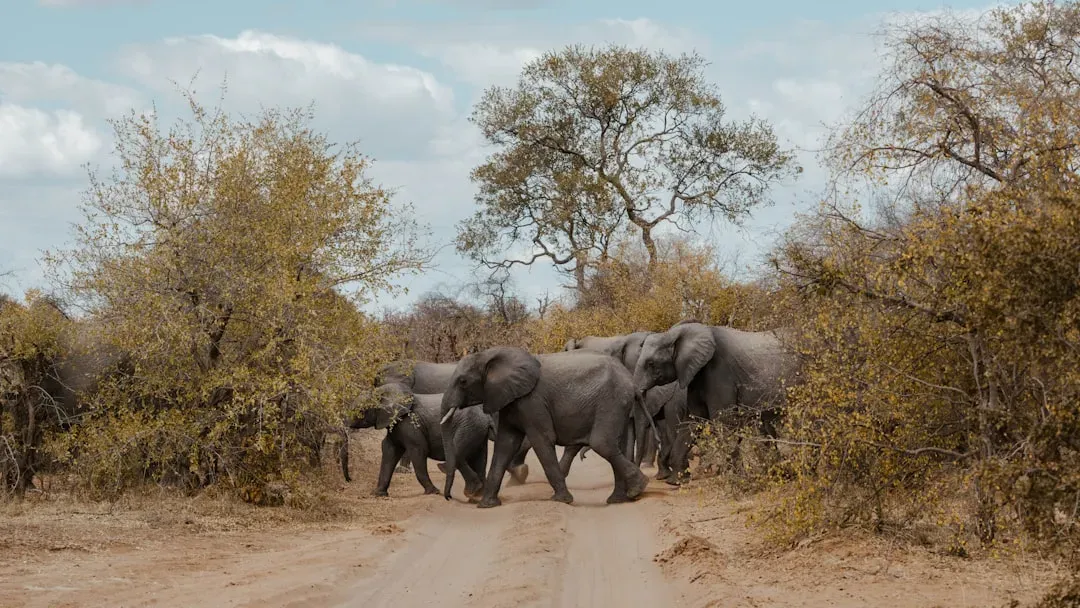
Not all navigation tricks are purely instinctive or sensory; some are cultural. Animals like elephants, whales, and certain birds learn migration routes from older, more experienced members of their group. Matriarch elephants, for instance, may remember locations of distant water sources and lead their family herds there during droughts.
In some whale populations, migration paths and feeding grounds are passed down over generations like traditional travel routes. If a key individual is lost, the group’s navigation can suffer, which shows how much of their “map” is actually social knowledge. It’s a reminder that, just like us asking for directions from someone who knows the way, many animals rely on shared memory as much as on their senses.
The more scientists uncover about animal navigation, the more it starts to feel like we are the ones who are a bit direction-blind, leaning heavily on our gadgets to do what many creatures manage with instinct, learning, and finely tuned senses. Next time you watch a bird migrate overhead or a dog trot home without hesitation, it might be worth asking yourself: if the GPS went dark tomorrow, how would you find your way?