
We think we know our planet. We’ve mapped cities, climbed mountains, and sent robots to Mars. Yet right here beneath the waves lies a realm so unexplored that we’ve literally charted more of the moon’s surface than our own ocean floor.
The deep sea makes up the vast majority of our planet’s living space. It’s dark, crushing, and cold. Honestly, it sounds like the last place you’d expect to find life thriving. That makes the discoveries coming out of recent expeditions all the more astonishing – because they’re revealing creatures so bizarre, so alien, they challenge everything we thought we knew about what life can look like.
The Death Ball Sponge That Hunts Its Prey
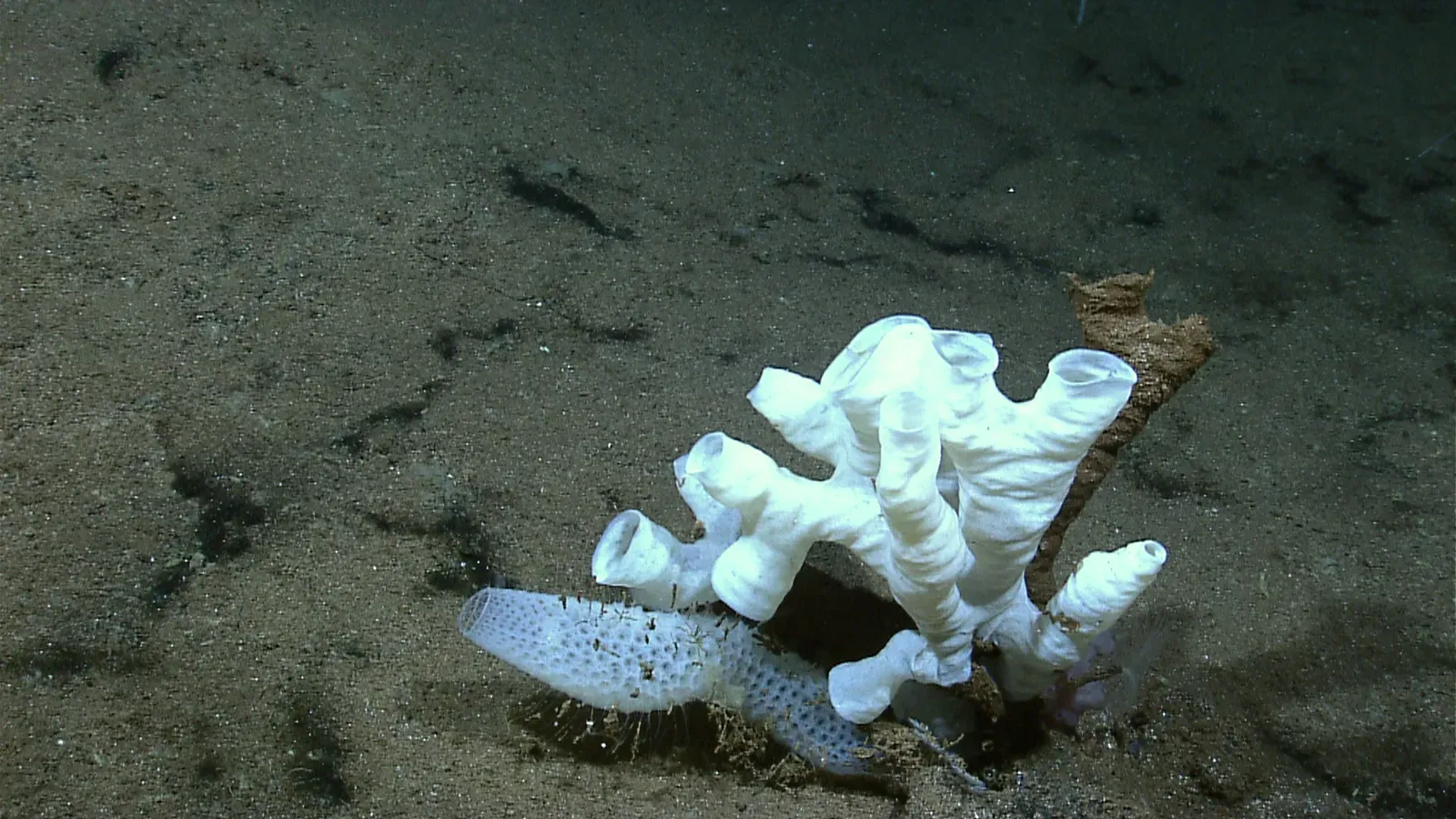
A newly discovered predatory sponge has earned itself the Halloween-worthy nickname “death-ball” for its spherical form covered in tiny hooks that trap prey. Most sponges are gentle filter feeders, quietly sieving nutrients from passing water. Not this one. Found during 2025 research cruises with Schmidt Ocean Institute in the Southern Ocean at 3,601 meters deep, this carnivorous oddity flips the script on what we thought sponges could do.
Think about that for a second. A sponge, traditionally one of the ocean’s most passive creatures, has evolved into an active predator in the crushing darkness of the deep sea. It’s a reminder that survival down there requires creativity beyond our wildest assumptions.
Phantom Jellyfish the Size of a School Bus
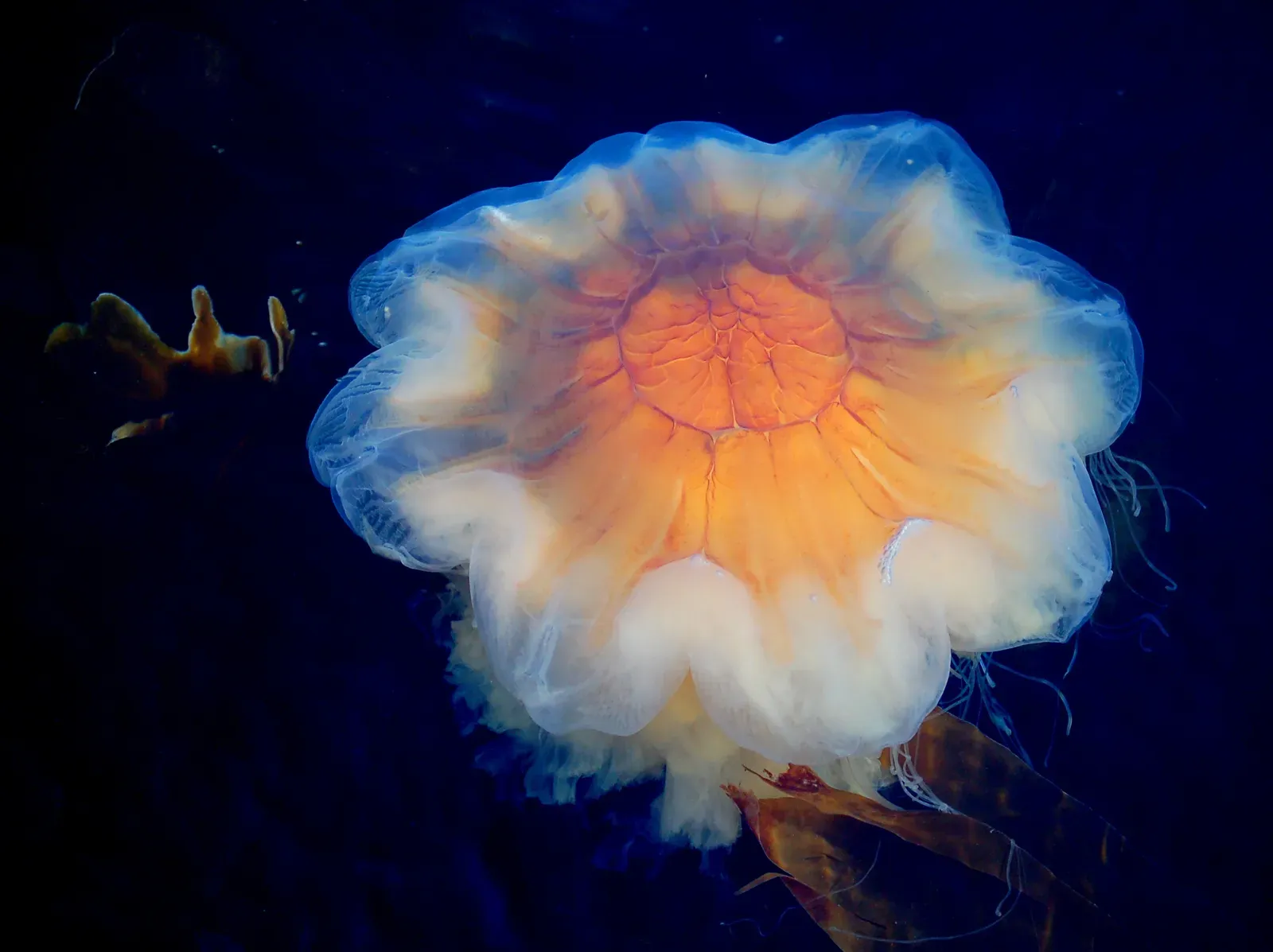
The giant phantom jellyfish (Stygiomedusa gigantea) is known to grow as long as a school bus, yet remains one of the ocean’s most elusive residents. Their bell can grow up to 1 meter in diameter, and their four arms can reach up to 10 meters long, though they do not have any stinging tentacles but use their arms to catch prey. During an expedition off Argentina, researchers spotted this extremely rare species drifting through the water column like a ghostly apparition.
Here’s the thing about the phantom jelly – it’s been known to science for over a century, yet sightings remain incredibly rare. The deep ocean is so vast and unexplored that even massive creatures can remain hidden for decades between encounters.
A Popcorn Parasite That Defies Description
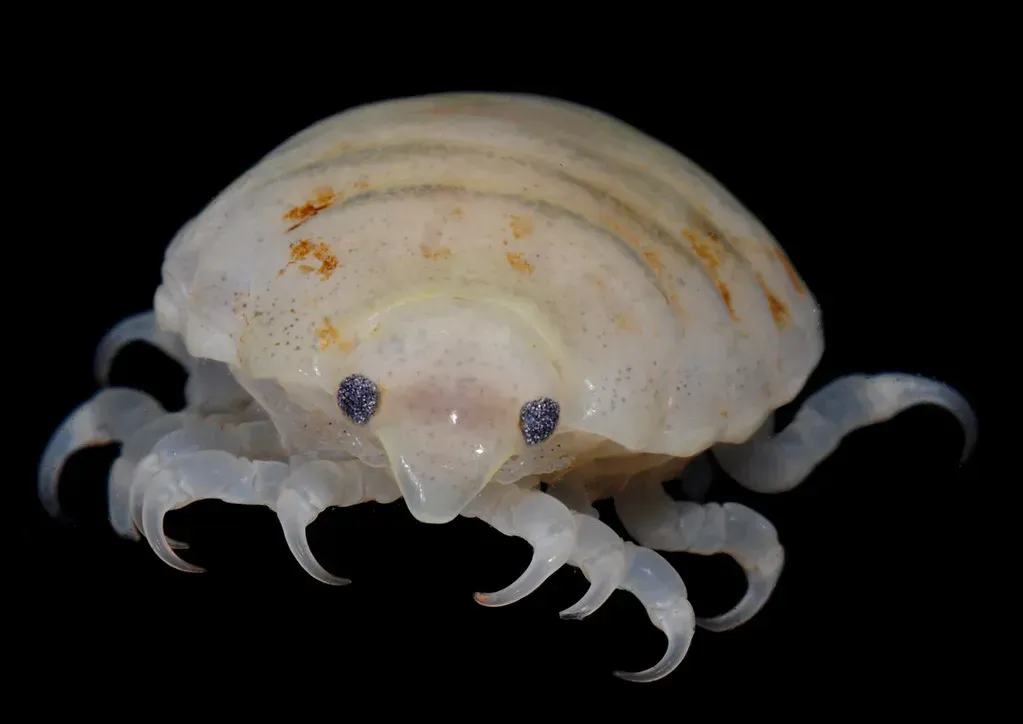
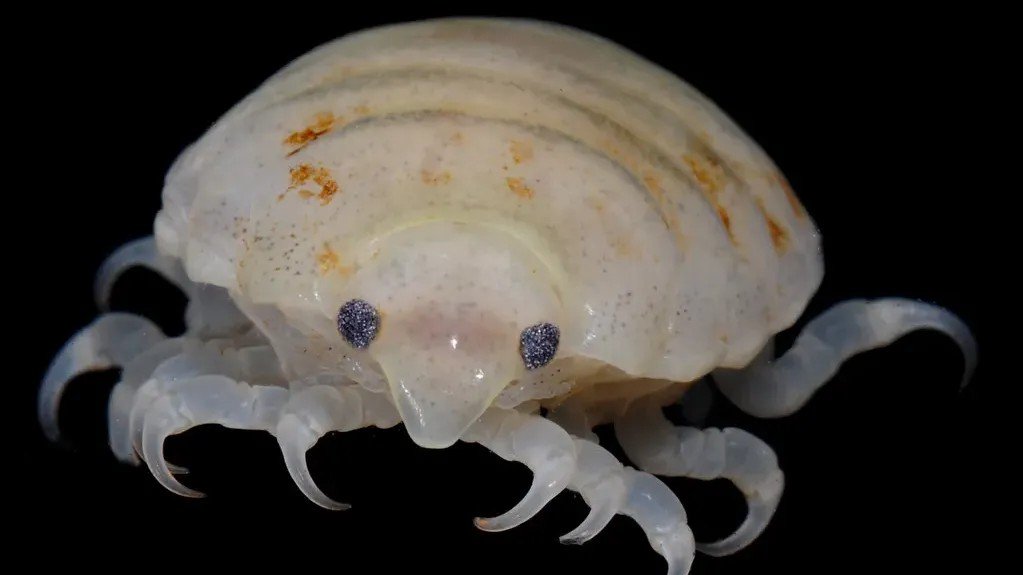
The parasitic isopod Zeaione everta has raised structures on the female’s back that resemble popped corn kernels, with its genus name derived from Zea (the corn genus). Found in the Australian intertidal zone, the isopod also represents a completely new genus. Let’s be real, when marine biologists start naming things after snack foods, you know they’ve found something truly weird.
This discovery was part of a larger effort to speed up how new species get documented. Researchers recently unveiled 14 new species from ocean depths exceeding 6,000 meters, each one stranger than the last.
The Mystery Mollusk With Detachable Tentacles
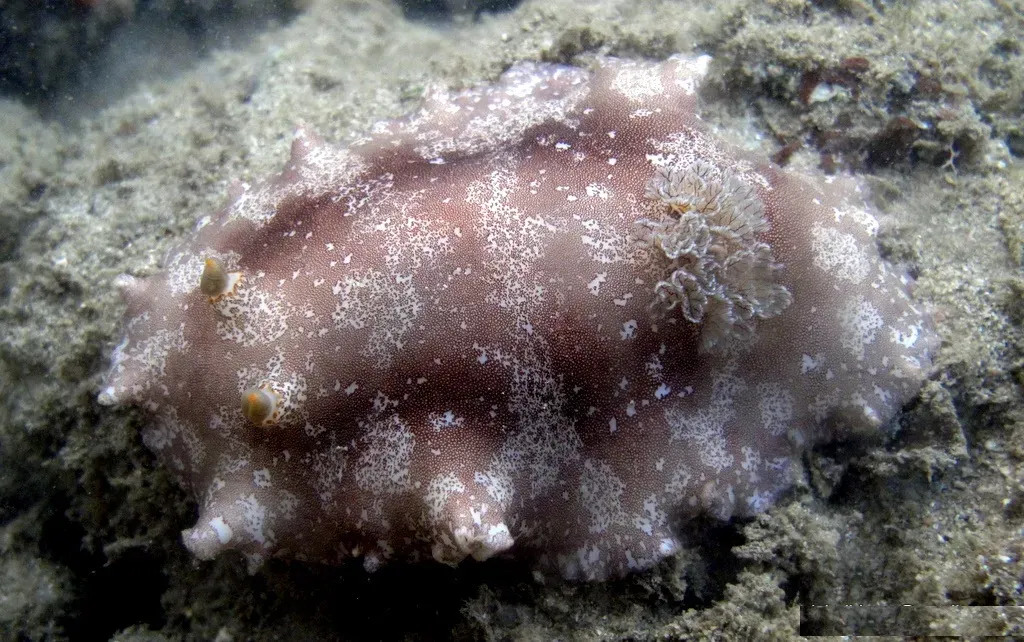
For more than two decades, scientists spotted a translucent creature in the ocean’s midnight zone that uses a hood surrounding its head to catch prey and has detachable tentacles, until this year they figured out it’s actually a nudibranch from an entirely new family. The creature’s hood and tail are decorated with glowing blue-green dots, creating an otherworldly appearance straight out of science fiction.
I think what makes this discovery so remarkable is the timeline. Twenty years of occasional glimpses before scientists could finally pin down what they were looking at. That’s how challenging deep-sea research remains in 2026.
Hermit Crabs Breaking All the Rules
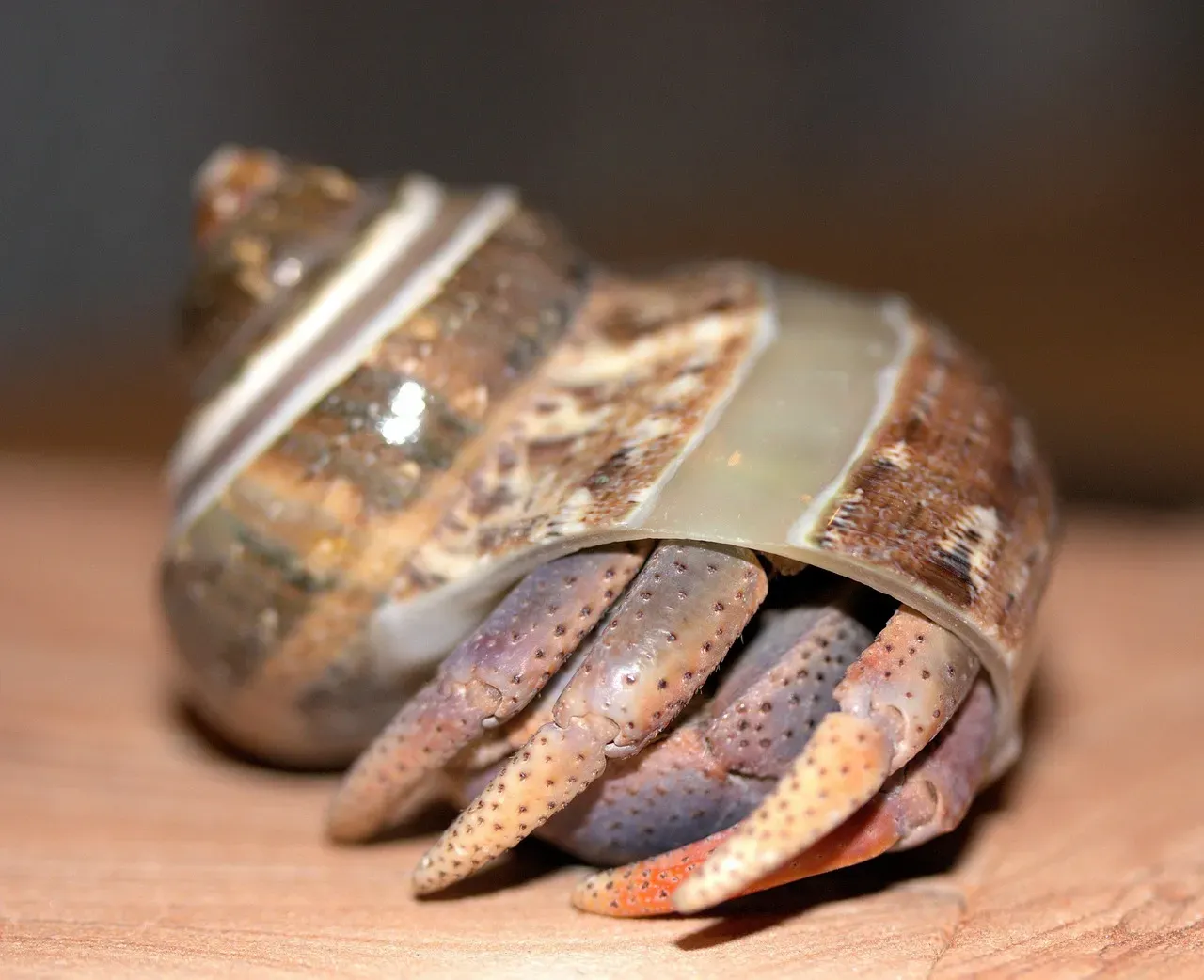
A hermit crab, which usually makes its home in abandoned snail shells, was found attached to a clam, with the species having adaptations that allow it to use a clamshell. The discoveries were found after researchers from the California Academy of Sciences retrieved monitoring devices from deep coral reefs in Guam, retrieving 2,000 specimens and finding 100 species in the region for the first time. When researchers first saw the photos, they couldn’t even identify what animal they were looking at.
That moment of confusion speaks volumes. Even experts can be stumped by the inventive ways deep-sea creatures solve survival problems.
Zombie Worms That Feast on Bones
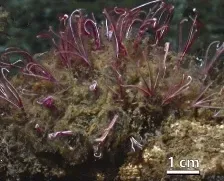
Osedax worms have no mouth or gut and rely on symbiotic bacteria to break down fats inside the bones of whales and other large vertebrates. A whalefall filmed at about 3,890 meters deep offers up thousands of years of nourishment to a place accustomed to scarcity, with something for all creatures from large scavengers to invisible microbes and bone-eating Osedax worms. These so-called zombie worms have evolved such a specialized lifestyle that they’ve completely lost basic organs most animals need.
Whalefalls create entire ecosystems on the seafloor. For decades, possibly centuries, a single dead whale supports a succession of bizarre life forms that couldn’t exist anywhere else.
Sea Stars Thriving in Volcanic Hell
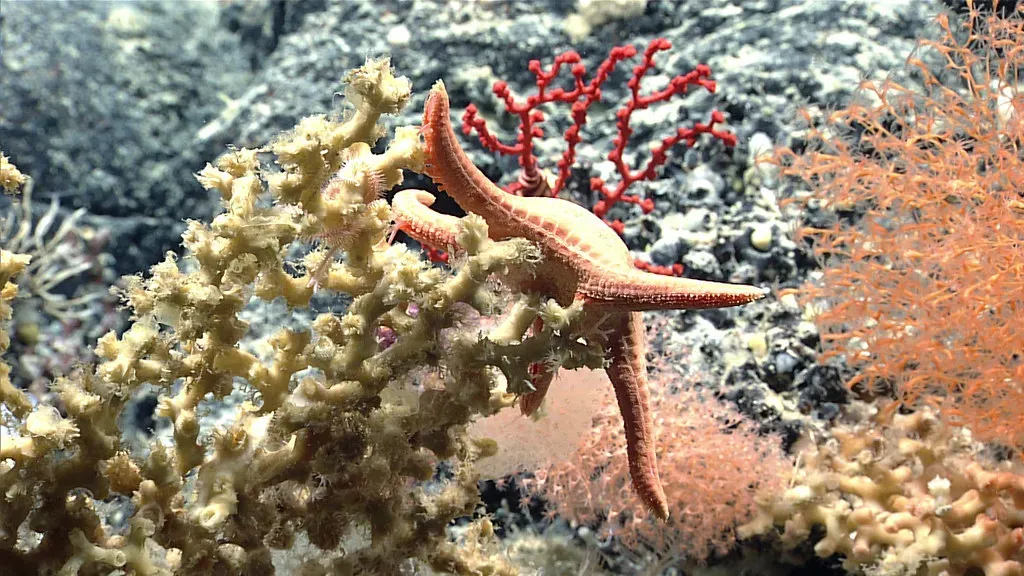
A species of sea star thrives in the extreme conditions of the Jøtul Hydrothermal Vent Field, where sea stars play a crucial role in deep-sea ecosystems, often acting as scavengers that recycle nutrients. Hydrothermal vents spew superheated water packed with toxic chemicals, yet life has found a way not just to survive but to flourish around these deep-sea hot springs.
The discovery of vent ecosystems revolutionized biology. They proved that life doesn’t need sunlight as its ultimate energy source – chemosynthesis works just fine.
Over 800 New Marine Species in a Single Year
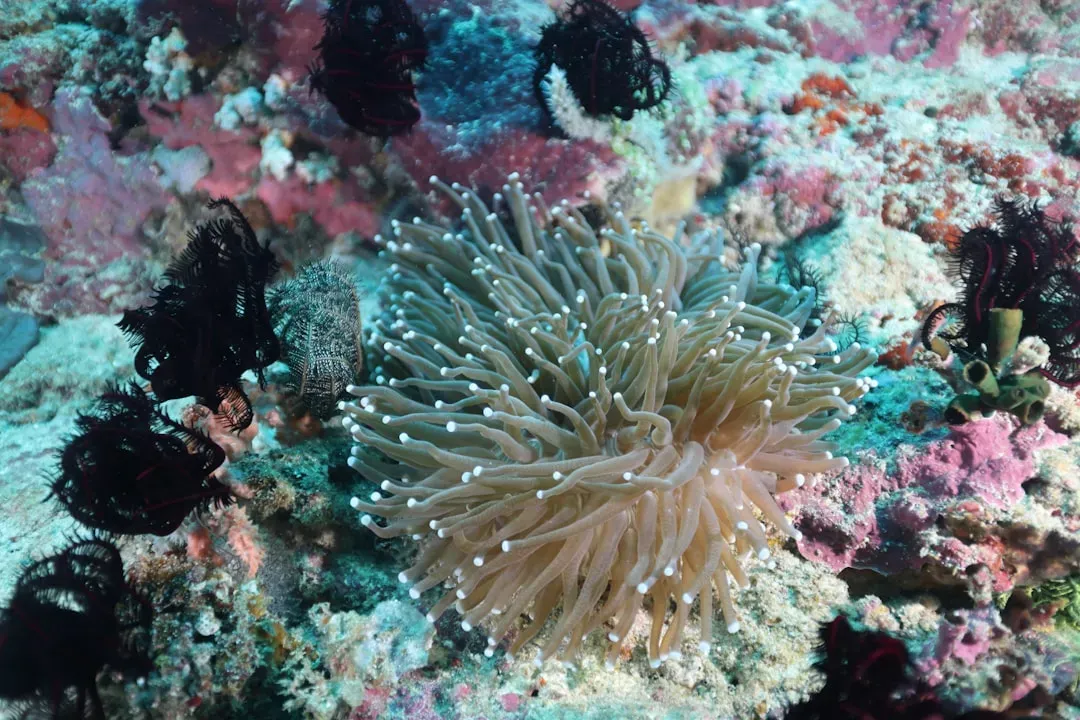
Over 850 new marine species were discovered by the Ocean Census, encompassing dozens of taxonomic groups including new species of shark, sea butterfly, mud dragon, bamboo coral, water bear, octocoral, sponge, shrimp, crab, reef fish, squat lobster, pipehorse, limpet, hooded shrimp, sea spider and brittle star. That’s not a typo. More than eight hundred species identified in just one year of focused exploration efforts.
It’s hard to say for sure, but this might be one of the most productive periods of marine discovery in history. The pace is accelerating as technology improves and more researchers join the effort.
The Deep-Sea Chiton Named by the Internet
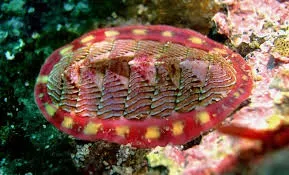
A rare chiton found nearly three miles beneath the ocean surface sparked a global naming effort after appearing in a popular YouTube video, drawing more than 8,000 suggestions from people around the world, with scientists ultimately choosing the name Ferreiraella populi, meaning “of the people”. The species was first found in 2024 in the Izu-Ogasawara Trench at a depth of 5,500 meters and belongs to a rare group of mollusks known for living only on sunken wood in the deep sea.
This viral moment shows how public engagement with science can accelerate discovery. It can often take twenty years for a new species to be studied and published, but Ferreiraella populi was described and named only two years after its discovery.
Carnivorous Bivalves at Record Depths
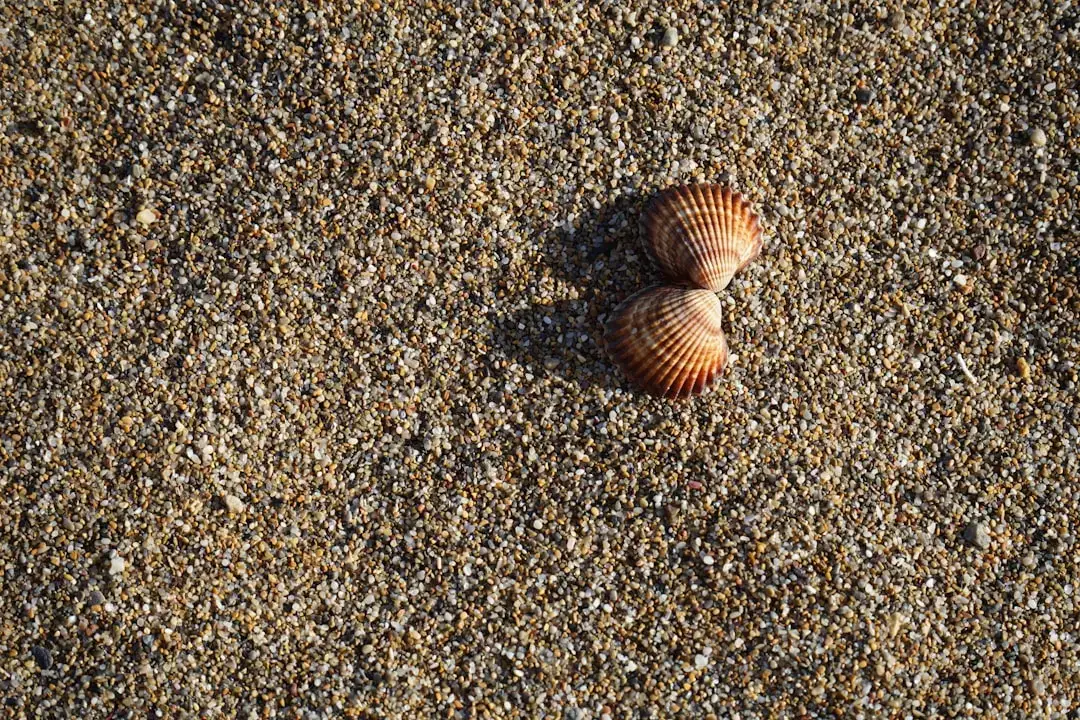
Findings include a carnivorous bivalve found between 5,170 and 5,280 meters, about 800 meters deeper than any previously known specimen. This marks only the second bivalve species ever documented entirely through non-invasive micro-CT scanning, with the process producing more than 2,000 tomographic images. Clams are supposed to be filter feeders, quietly straining plankton from seawater. This one hunts.
The deeper you go, the more the rules seem to break down. Adaptations get weirder, body plans get stranger, and assumptions fall apart.
Giant Tube Worms That Never See Sunlight
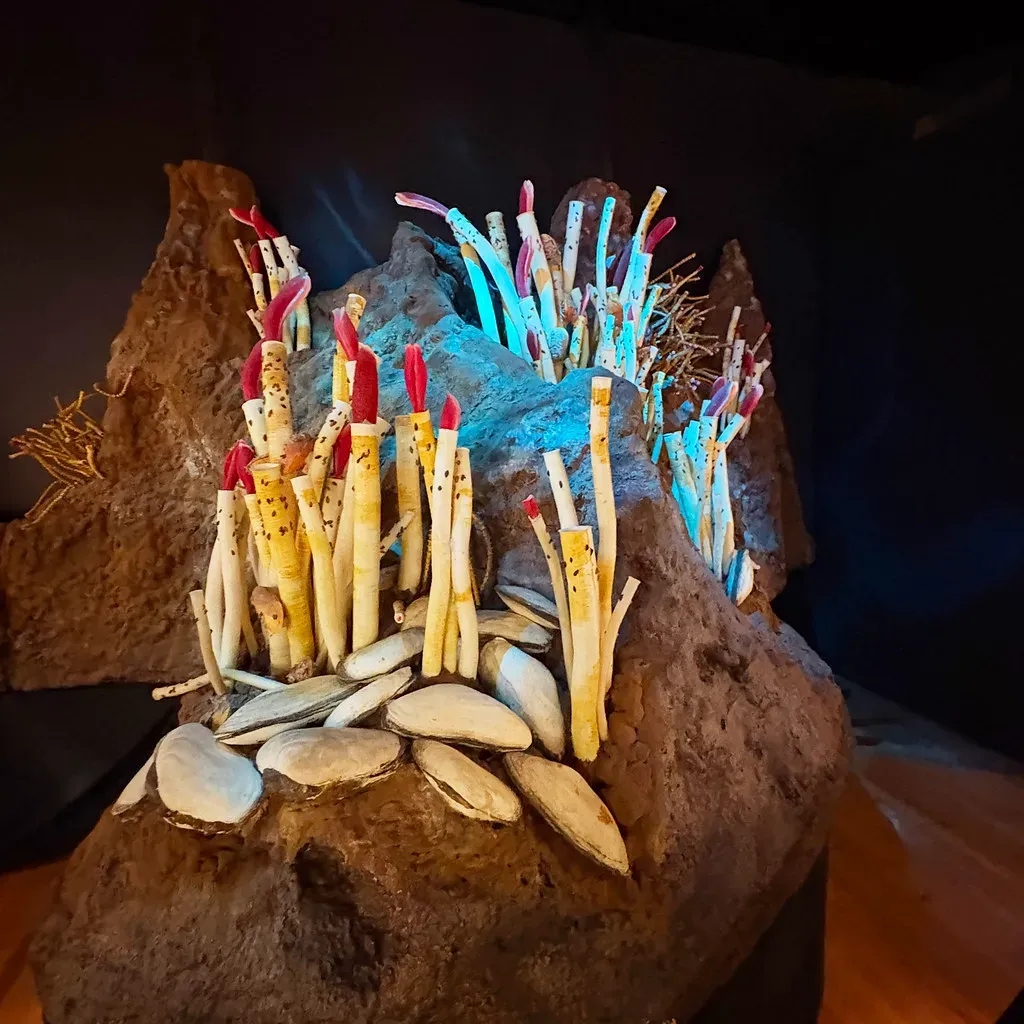
Thriving alien-like communities filled with tube worms, mollusks and spiky white creatures exist at the bottom of ocean trenches, with communities dominated by marine tubeworms and molluscs that synthesize their energy using hydrogen sulfide and methane seeping out of faults in the tectonic plate. Entire communities of animals are rooted in organisms able to derive energy from chemical reactions through chemosynthesis, where deep-sea microbes turn compounds like methane and hydrogen sulfide into organic compounds, forming the base of the food chain.
These ecosystems completely bypass photosynthesis. They’ve built an entire alternative energy economy based on volcanic chemistry instead of solar power.
Sea Cucumbers Called Headless Chicken Monsters
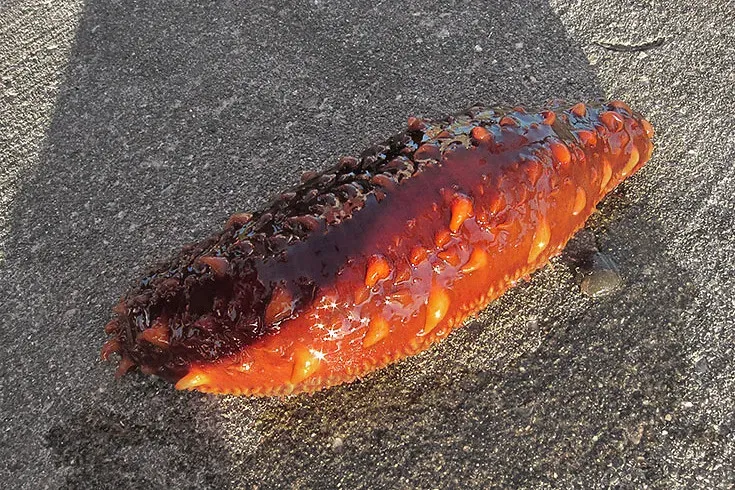
The swimming sea cucumber, Enypniastes eximia, is sometimes referred to as the “headless chicken monster” and spends its entire life in the water column. Unlike most sea cucumbers that crawl along the seafloor, this species has evolved into a midwater drifter, pumping its body to swim through the darkness. It’s been encountered from the Gulf of Mexico to Antarctica, suggesting these gelatinous oddities are far more common than their rare sightings would suggest.
The nickname is ridiculous, sure. Yet it perfectly captures the surreal quality of deep-sea fauna that seems to have been designed by someone who’d never seen an actual animal before.
Creatures Living Nearly Six Miles Down
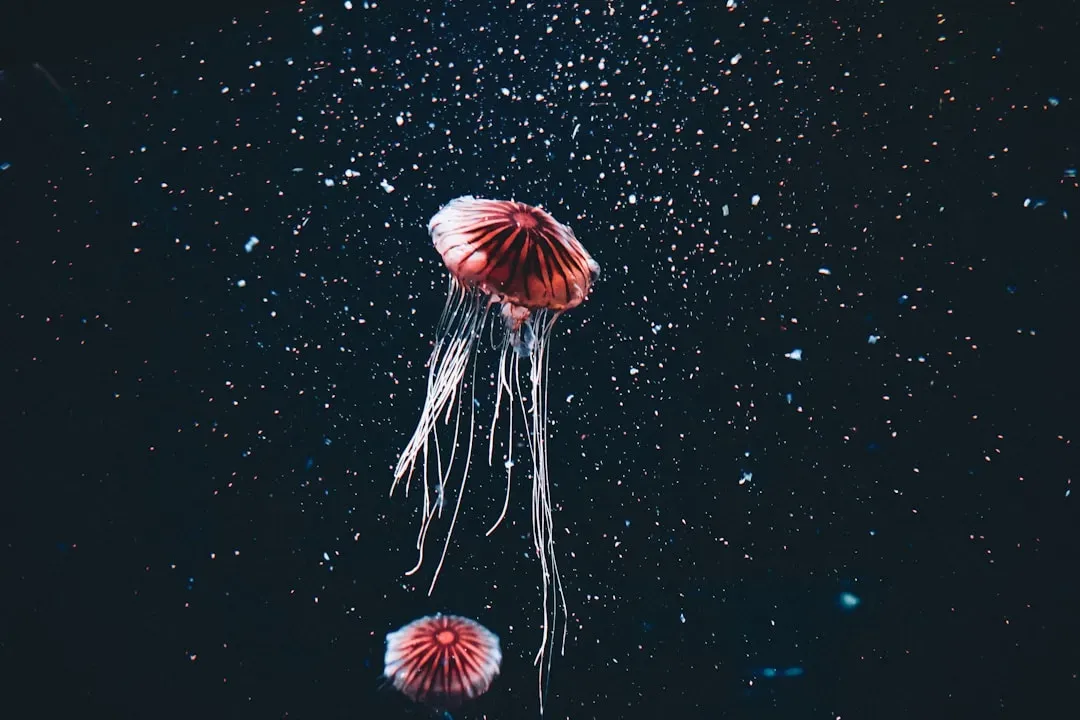
This was the deepest community of chemosynthetic life ever discovered at depths reaching around 30,000 feet in the northwest Pacific trenches. Ocean researchers worked along the Kuril-Kamchatka and Aleutian trenches, covering depths ranging from 19,029 to 31,276 feet. At these depths, the pressure is crushing, the temperature hovers just above freezing, and no sunlight has penetrated for millions of years.
Despite the hostile environment, life was flourishing. Communities of tube worms, clams, and other organisms were thriving in conditions that would instantly kill most surface-dwelling creatures.
The Alien World Beneath the Waves
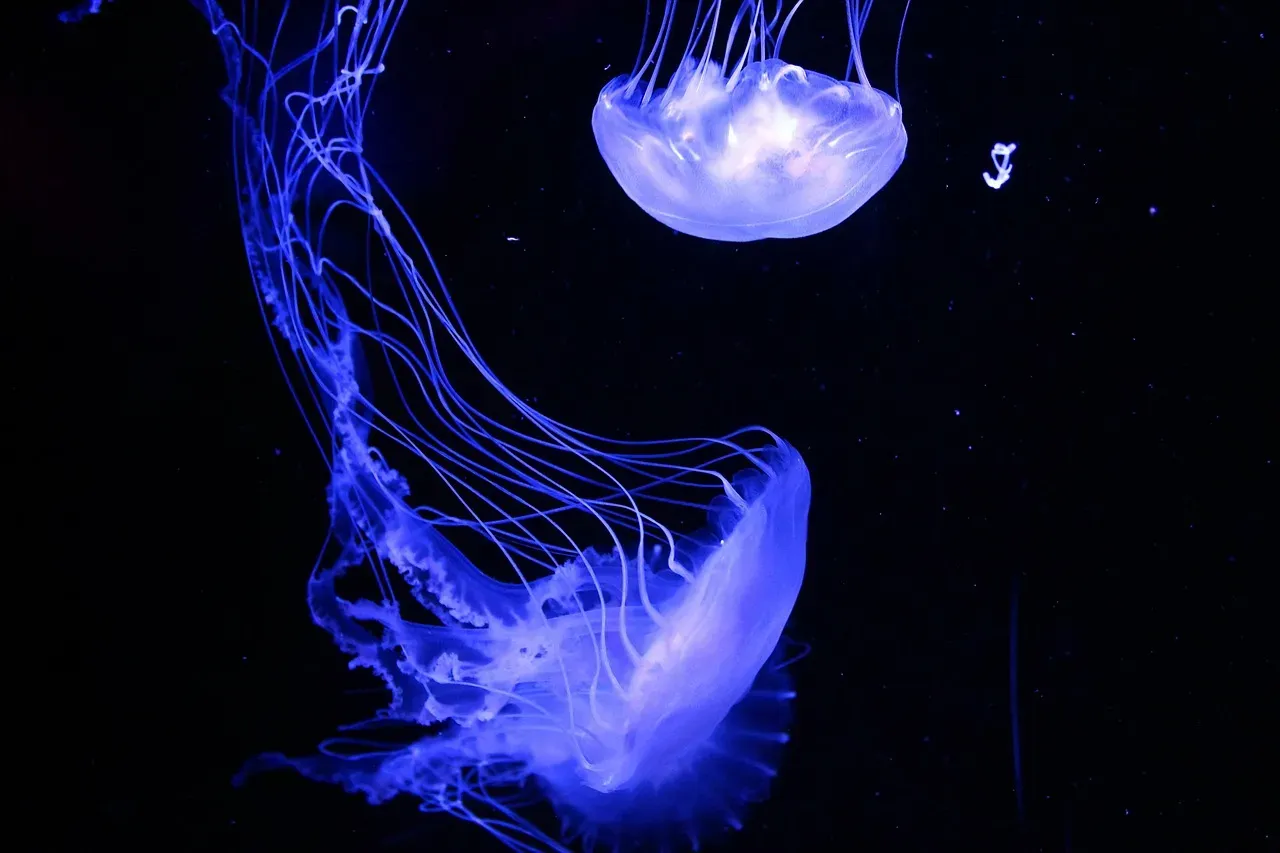
Below the ocean’s surface is a mysterious world that accounts for over 95 percent of Earth’s living space, yet the deep sea remains largely unexplored. While conditions seem far too hostile for humans, the deep ocean is an enormous living space, larger than any other habitable part of our planet, and what seems extreme to us is really the norm for the rest of our planet.
The creatures living down there aren’t monsters or aliens. They’re simply organisms superbly adapted to an environment radically different from our own. Their bizarre appearances reflect the alien conditions they’ve evolved to master.
Every new expedition brings fresh surprises. Creatures with adaptations that seem impossible until you see them with your own eyes. Life forms that challenge our definitions and expand our understanding of what’s biologically possible. The deep ocean remains Earth’s last great frontier, and we’re only beginning to discover the extraordinary diversity hidden in its crushing darkness.
What do you think is the strangest creature lurking in the depths we haven’t discovered yet?