Some plants don’t just grow; they perform. They move, hunt, count, glow, aim, and even remember in ways that feel almost unsettling, as if nature quietly wrote its own sci‑fi script long before humans imagined one. When you look closely at these strange species, the familiar idea of a “simple plant” pretty much falls apart.
What follows isn’t fantasy, it’s real biology pushing right up against what we think is possible. These plants bend physics, cheat predators, outsmart prey, and survive in places where almost nothing else can. By the time you’re done, you might catch yourself looking at the nearest weed or houseplant and wondering what it’s secretly capable of.
The Plant That Counts Like a Tiny Calculator: Venus Flytrap
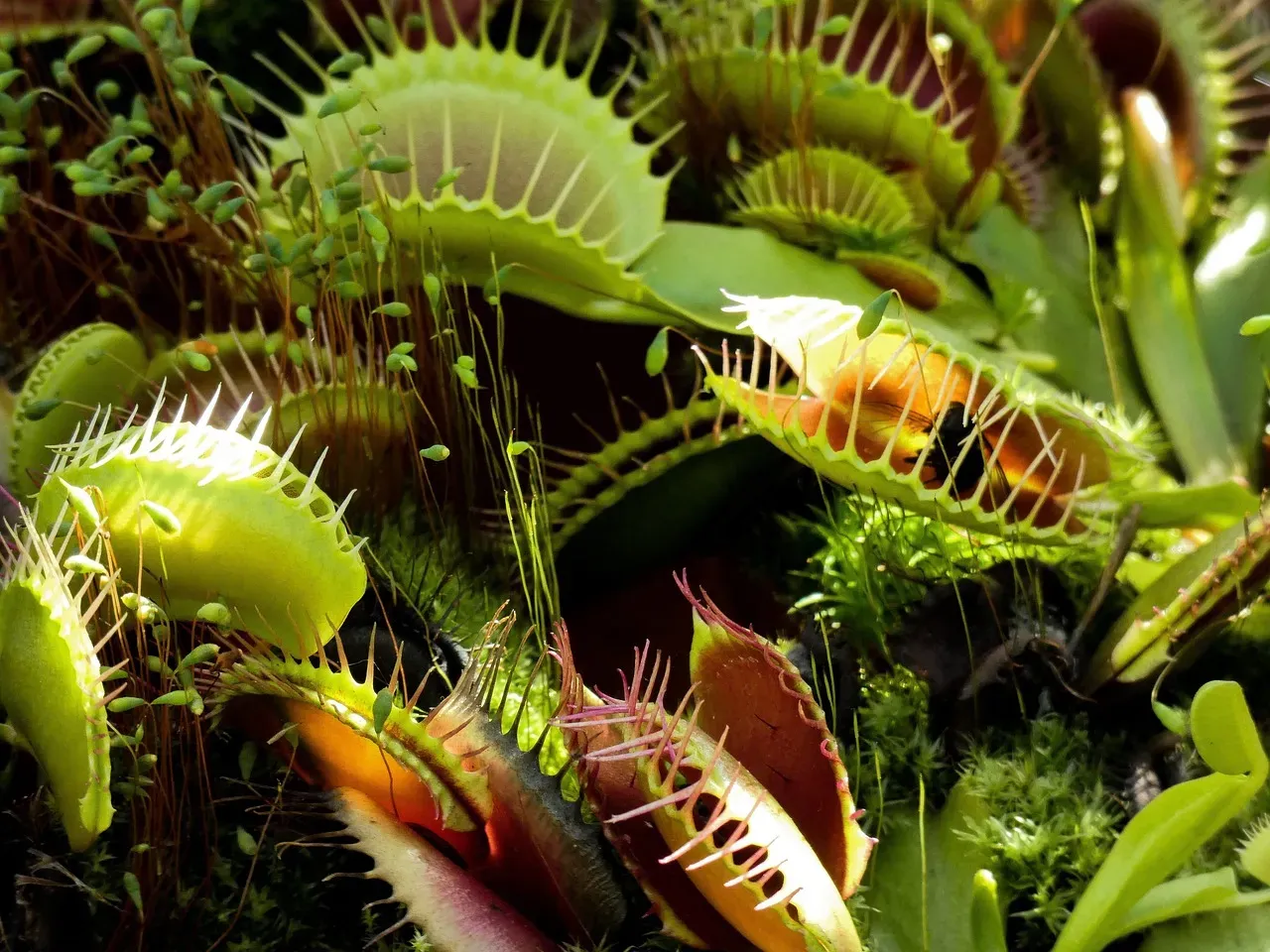
The Venus flytrap is famous for snapping shut on unlucky insects, but the real sci‑fi magic is hidden in how it decides when to close. Inside each trap are delicate trigger hairs; when an insect touches one, nothing happens immediately – almost like the plant is ignoring a false alarm. But if those hairs are touched again within a brief time window, the trap slams shut, as if the plant has just done a quick two-step calculation in its head.
This means the flytrap is not only sensing movement, it’s effectively counting and measuring time, a level of complexity most people don’t expect from a plant. Researchers have found that further touches help the plant “decide” how much digestive enzyme to produce, based on how much the prey struggles. In other words, the Venus flytrap doesn’t just catch dinner; it runs a tiny energy budget and only invests as much effort as the meal is worth.
The Plant That Eats Mammals: Pitcher Plants
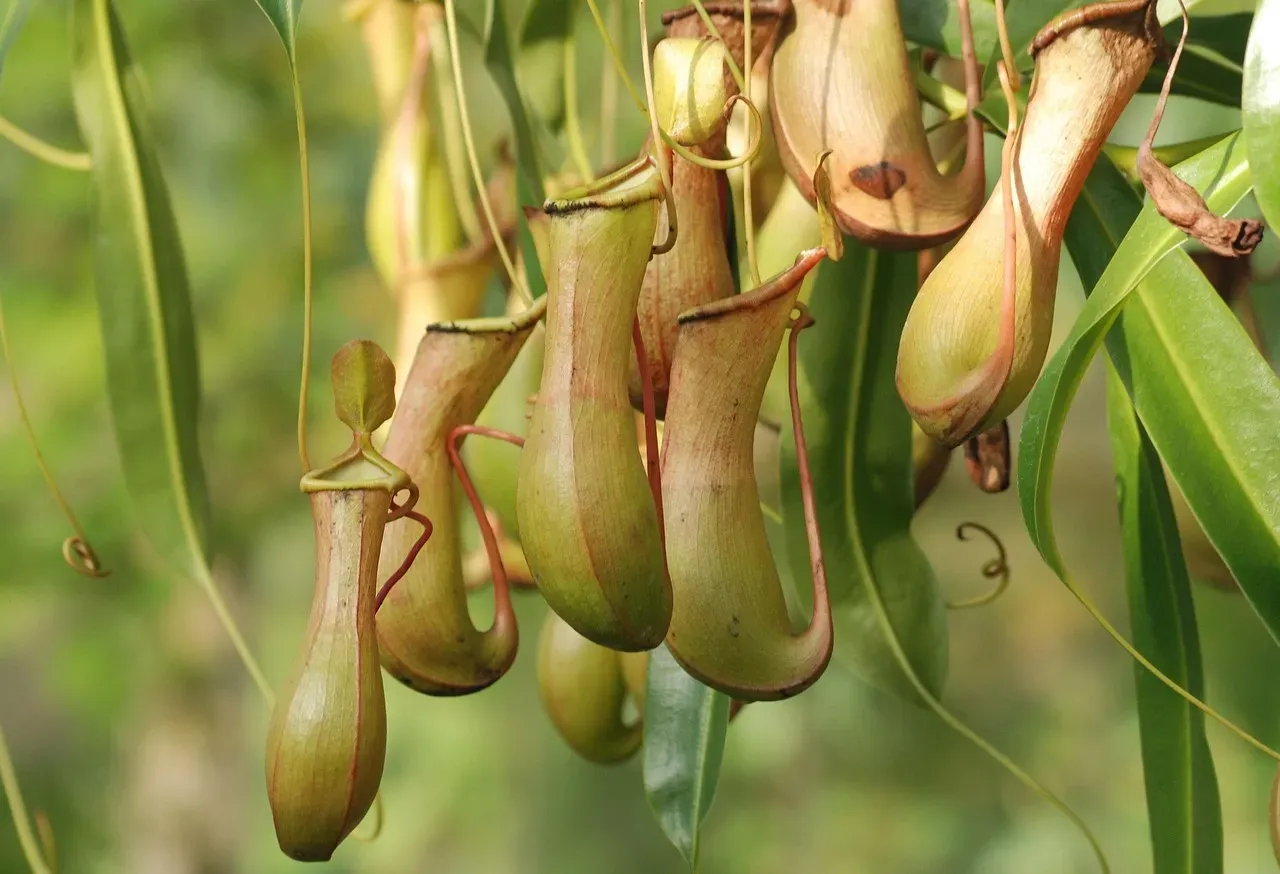
If carnivorous plants sound dramatic, pitcher plants go even further by sometimes digesting small mammals like mice and shrews. Their leaves are reshaped into deep, slick tubes partly filled with fluid, luring insects and other animals with nectar around the rim. The surface near the top can be so slippery that one wrong step sends the victim sliding helplessly into the pool below, where they drown and slowly dissolve.
Some tropical pitcher plants have evolved enormous pitchers that can hold large volumes of liquid, and occasionally animals far bigger than a fly are found inside. In certain species, small mammals visit the pitchers not to die, but to feed on nectar while defecating into the plant, which then uses the droppings as fertilizer – an unsettling but efficient partnership. Whether they are acting like a lethal trap or a living toilet, these plants have twisted leaf design into a serious survival weapon.
The Tree That Creates Toxic “Suicide Soda”: Manchineel
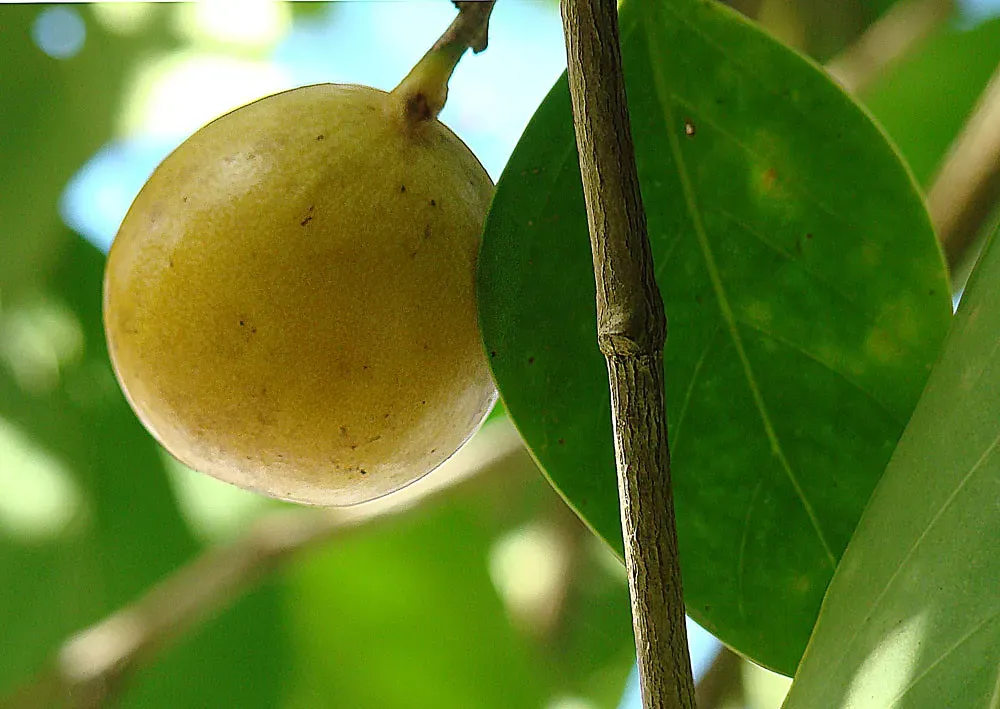
The manchineel tree looks harmless, with shiny green leaves and fruits that resemble small apples, yet it’s often labeled as one of the most dangerous trees on the planet. Every part of it is loaded with toxic compounds: the sap can cause blistering burns on the skin, and standing under the tree in the rain can be enough to trigger severe irritation because the diluted sap drips down. Even smoke from burning its wood can harm eyes and lungs, turning a campfire into a chemical attack.
The fruits reportedly taste sweet before the poison kicks in, which is a terrifying detail if you imagine stumbling across one on a beach and taking a casual bite. Historically, this tree has been linked to poisoned arrows and grim accidents, and coastal signs sometimes explicitly warn people not to touch or stand beneath it. It’s as if nature designed a beautiful, beachside booby trap and then gave it a fruit that practically dares you to make a terrible decision.
The Desert Plant That Resurrects After “Death”: Resurrection Plants
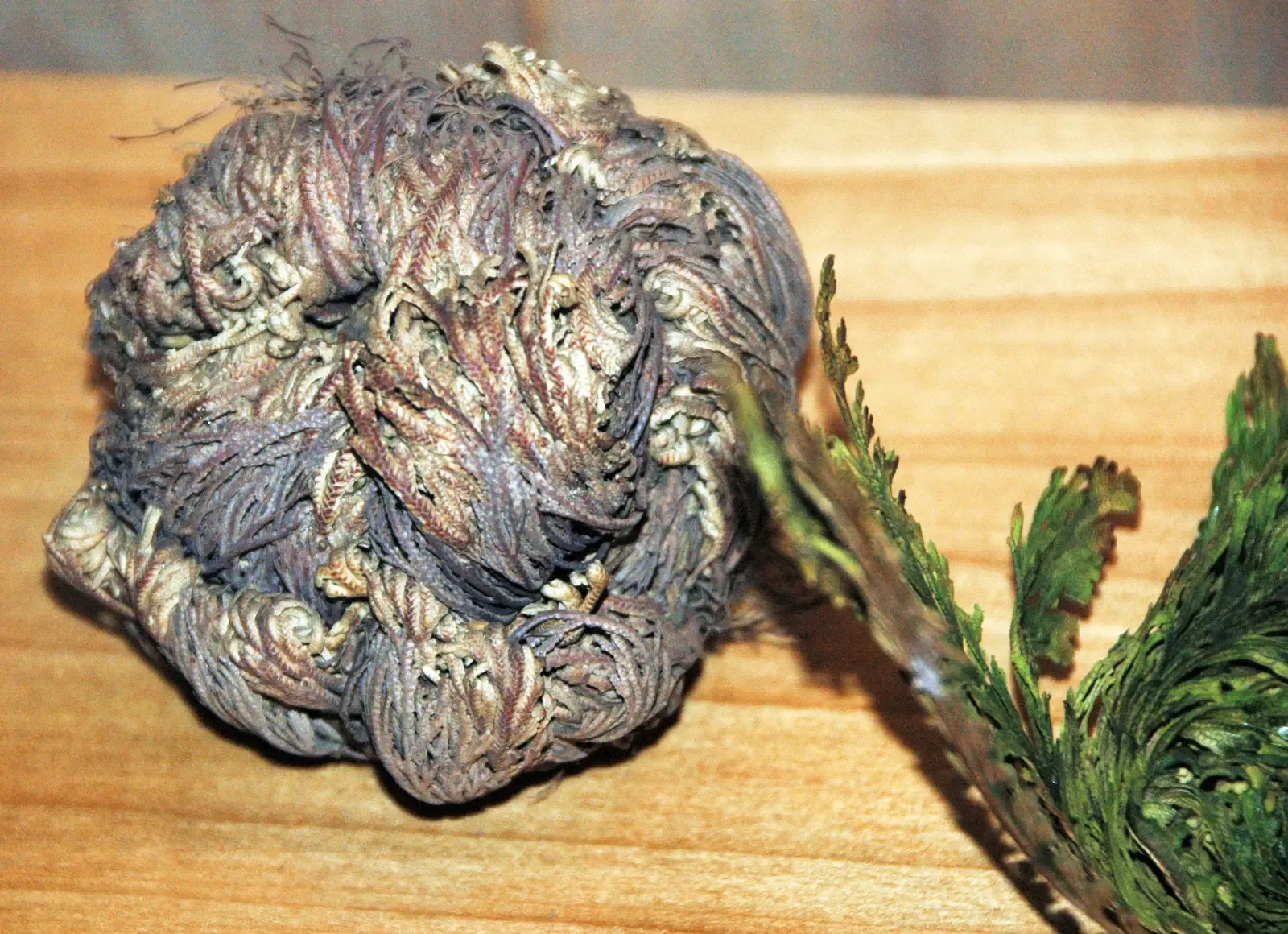
Resurrection plants, such as the so‑called Rose of Jericho and some species of Selaginella, look like dried, dead tumbleweeds when the desert is at its worst. Their leaves curl up tightly, turn brittle, and they can sit in this ghostly state for months or even years with almost no water. To a casual observer, they appear completely lifeless, like something you’d sweep up and throw away.
But when rain finally arrives – or even when someone places the plant in a shallow dish of water – it slowly unfurls and greens up, as if rewinding time on its own death. Biochemically, these plants pack themselves with special sugars and protective molecules that shield cells from damage while they’re bone‑dry. Watching one “wake up” is strangely moving; it feels like a plant version of a miracle, even though it’s built entirely on ruthless adaptation to brutal drought.
The Plant That Fires Seeds Like Biological Bullets: Touch-Me-Nots and Exploding Cucumbers
Some plants don’t wait for wind or animals to move their seeds; they physically launch them like tiny projectiles. Species like Himalayan balsam and jewelweed grow seed pods that are under tension, a bit like a loaded spring. When the pod is touched or reaches a certain stage of ripeness, it suddenly bursts open, flinging seeds several meters away in a fraction of a second.
There are also plants known as squirting cucumbers whose fruits build up pressure and then violently eject a stream of seed-filled fluid. It’s not subtle, but it works, sending the next generation far from the parent plant to find new territory. If you’ve ever popped bubble wrap just for the thrill, you can imagine why kids (and more than a few adults) get hooked on gently touching these pods and watching nature’s mini catapult in action.
The Plant That Clones Itself Into Floating Forests: Water Hyacinth
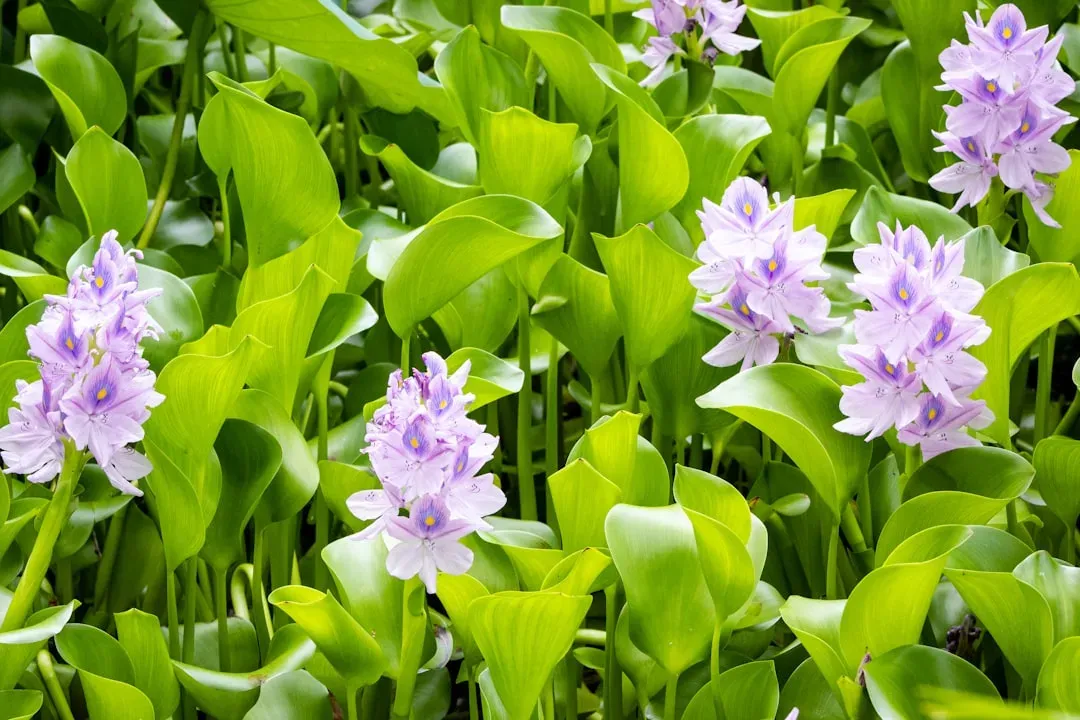
Water hyacinth looks almost too pretty to be dangerous, with glossy leaves and delicate purple flowers resting elegantly on lakes and rivers. Under the surface, though, it’s a cloning machine that can multiply at a speed that feels almost unnatural. Fragments of the plant can form new individuals, and these clones link into massive, floating mats that can cover the surface of a waterway in a surprisingly short time.
These green carpets can block sunlight from reaching underwater plants, choke off oxygen, and make fishing or boating nearly impossible. In some regions, entire rivers have been smothered, impacting local economies and wildlife in ways that are hard to undo. It’s like watching an invasive alien life form take over a planet, except the planet is a lake, and the invader is a pretty flower someone once thought would look nice in a garden pond.
The Plant That Moves Faster Than Your Blink: Mimosa Pudica
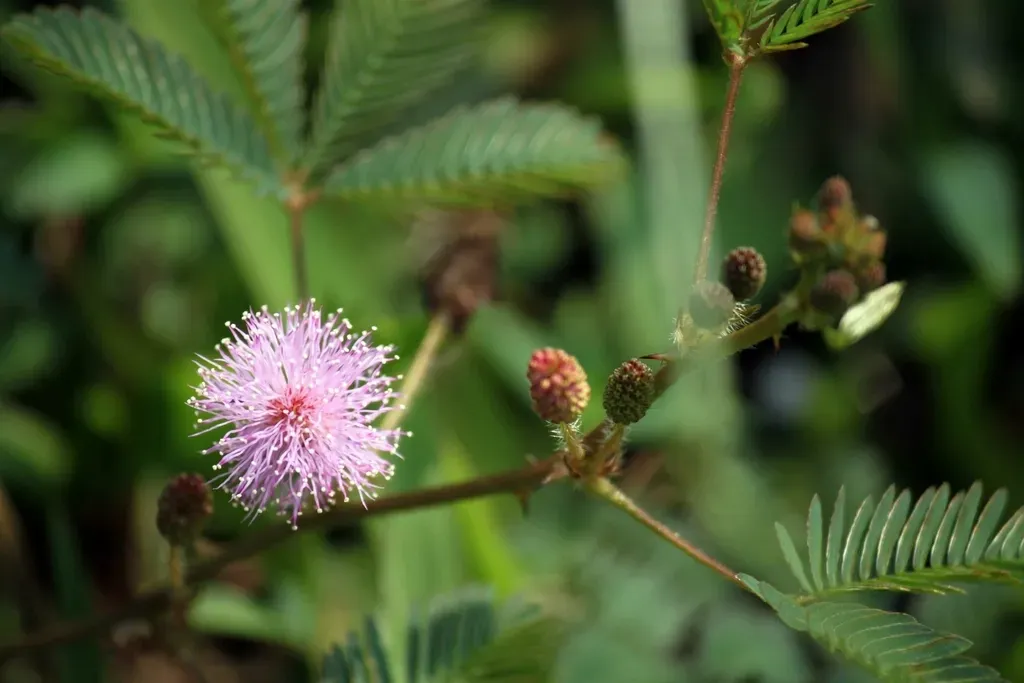
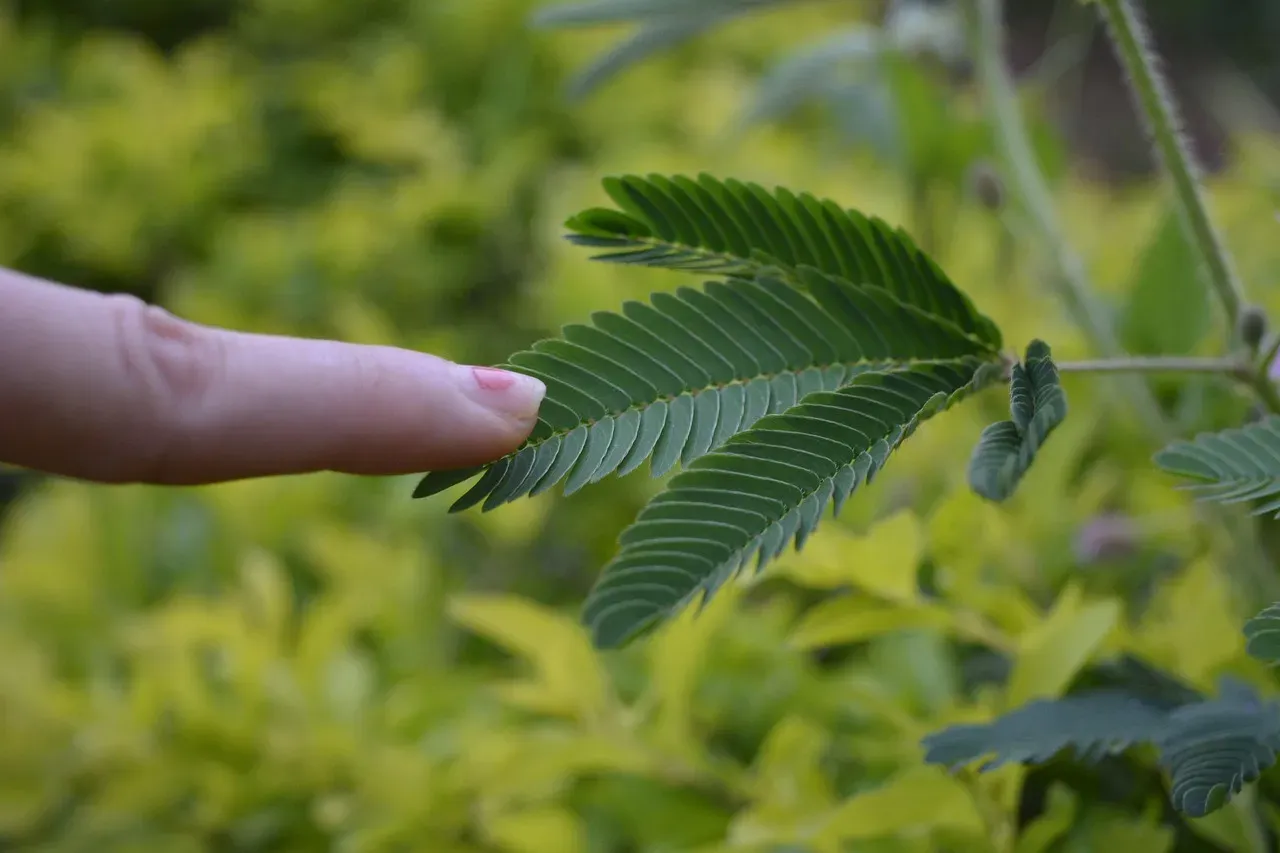
Mimosa pudica, often called the sensitive plant or shy plant, reacts to touch in a way that still catches people off guard. Brush your fingers along its feathery leaves, and they fold inward almost instantly, as if the plant is flinching or trying to hide. The whole stem can even droop if it’s disturbed enough, giving the impression that the plant is collapsing in slow-motion shock.
This movement is driven by rapid changes in water pressure in specialized cells at the base of the leaves and leaflets, triggered by electrical signals that race through the plant. At a glance, it feels eerily close to an animal reflex, like a startled jerk or a muscle twitch. Once the perceived danger passes, the leaves reopen, but it’s hard not to feel as if you’ve just poked a living being that clearly noticed – and reacted.
The Plant That Turns Ant Colonies Into Living Armor: Bullhorn Acacia
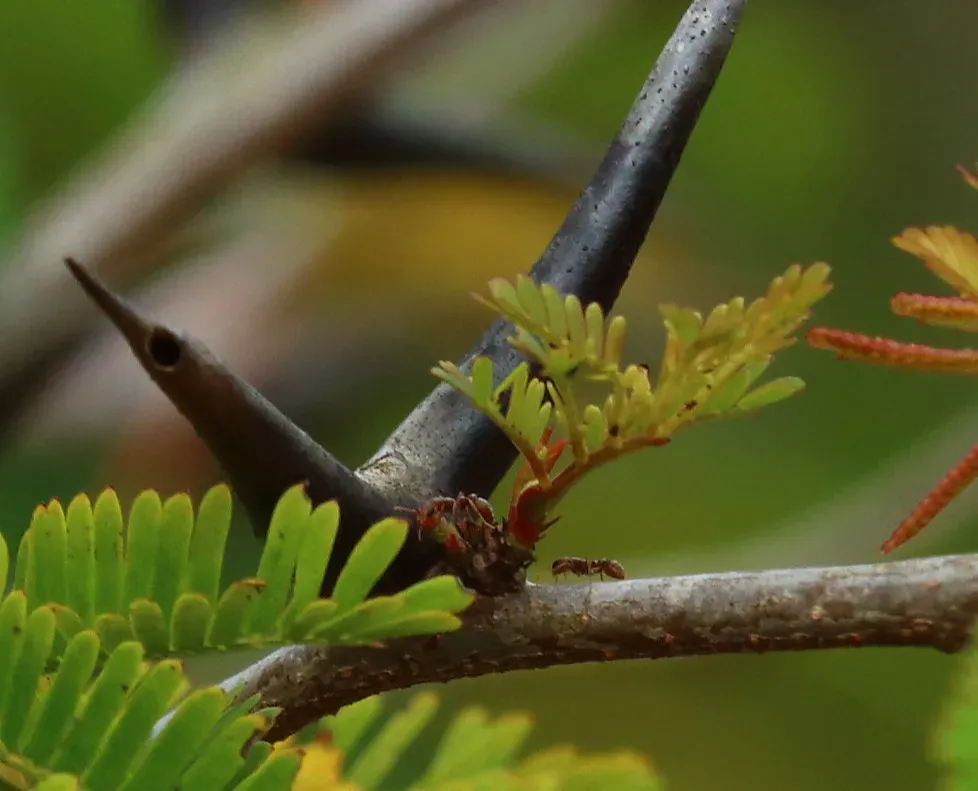
The bullhorn acacia has an unusual survival strategy: it essentially hires an army of ants as live-in bodyguards. The plant grows large, hollow thorns that resemble tiny horns, which serve as ready-made housing for ant colonies. In return for room and board, the ants patrol the branches, attacking nearly anything that touches the plant, from hungry insects to browsing mammals.
The acacia even sweetens the deal by producing nectar and special food bodies rich in nutrients, tailored specifically for its ant protectors. If another plant dares to grow nearby and compete for light or soil, the ants can chew away at its leaves and stems, brutally enforcing the acacia’s personal space. The relationship is so intense that the tree almost feels like a walking fortress, except its “soldiers” are swarming, stinging insects rather than knights in armor.
The Tree That Grows Downward Feet: The Walking Palm
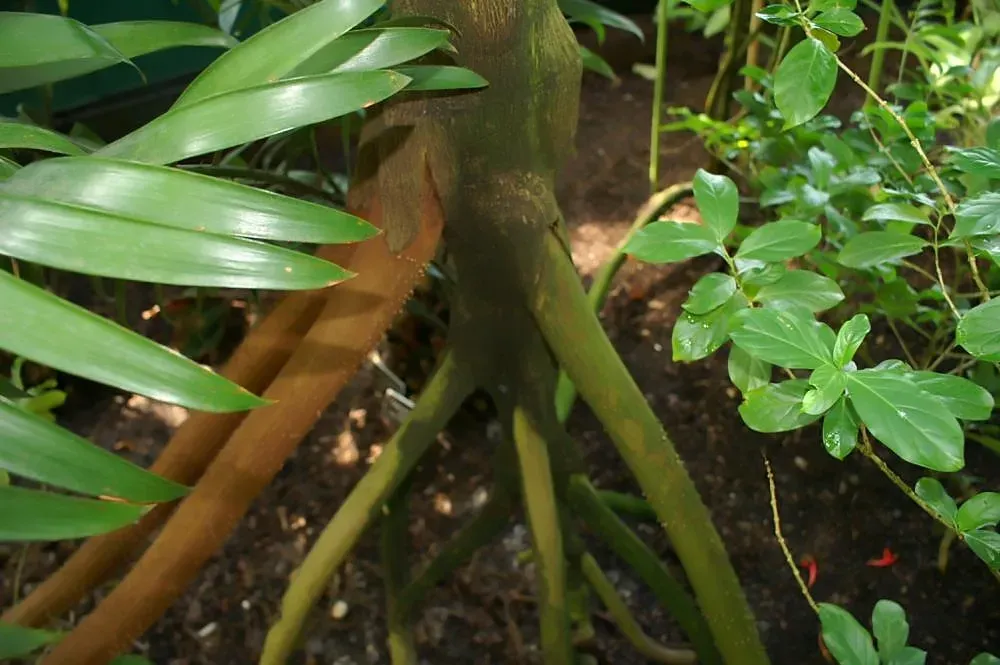
The walking palm of Central and South America doesn’t literally march through the forest, but its growth pattern is strange enough to fuel legends that it moves. Instead of a single, buried trunk base, this palm produces a ring of stilt-like roots that emerge above ground and angle outward, like a cluster of wooden spider legs. When conditions change, such as new light appearing on one side after a tree falls, new roots may grow toward the light while older ones on the darker side die back.
Over time, this can create the appearance of the tree slowly shifting position across the forest floor. Whether it truly “walks” in a noticeable way is debatable, but the visual effect is undeniably weird, as if the tree is poised to take a cautious step at any moment. Standing beneath one, you get the eerie feeling that you’re looking at a plant that never got the memo it was supposed to stay put.
The Plant That Drinks Fog Like a Living Sponge: Welwitschia and Other Extreme Survivors
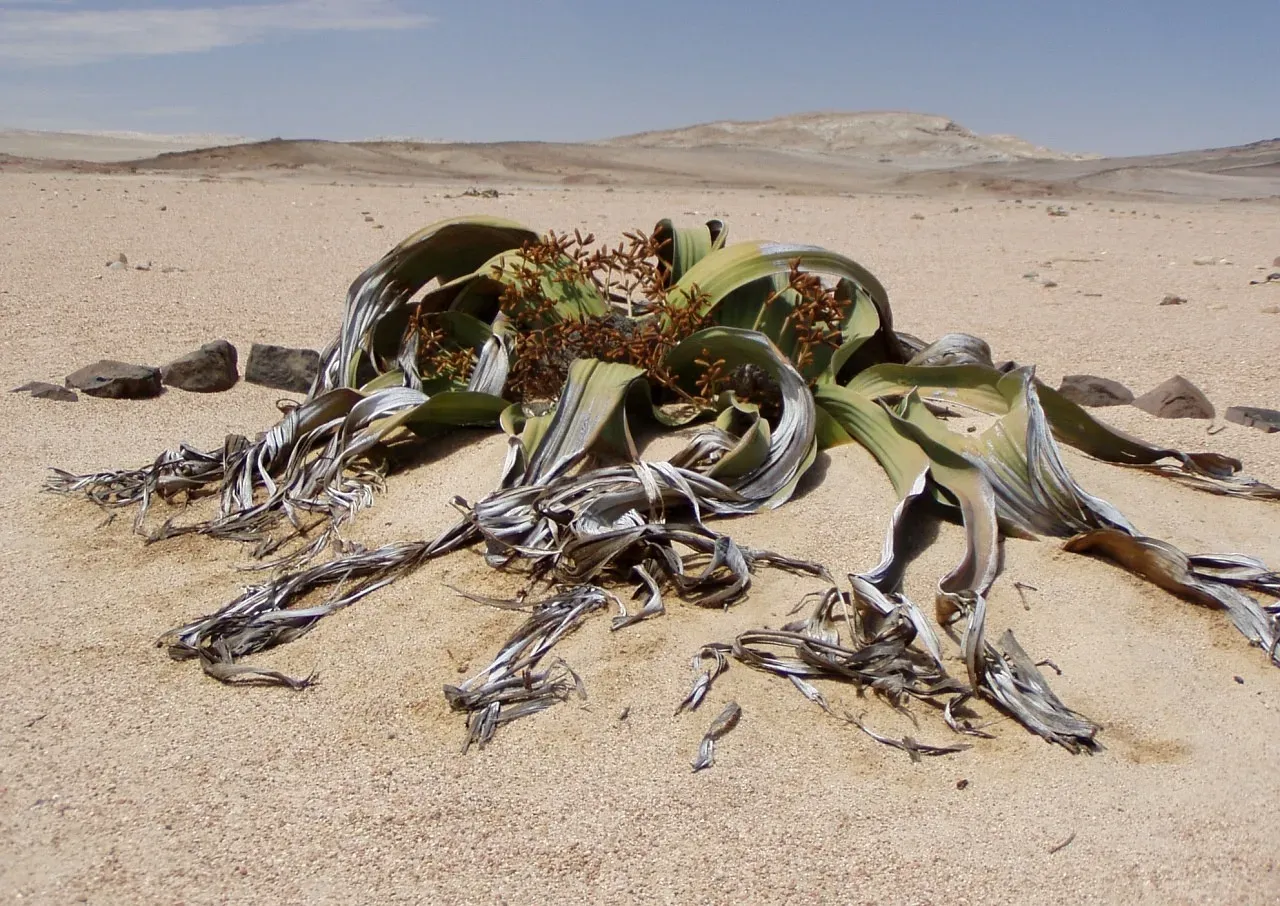
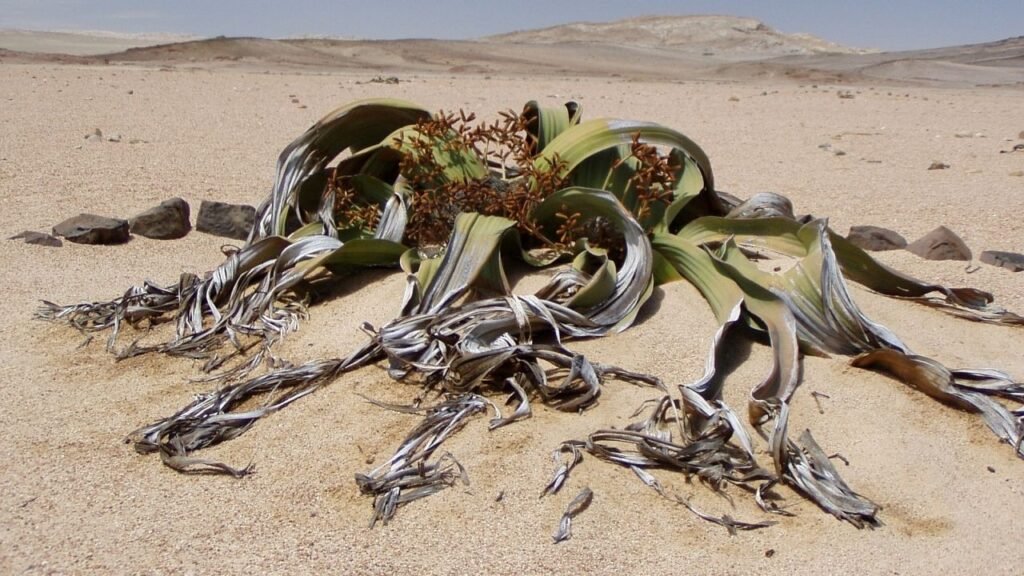
In some of the harshest deserts on Earth, plants have hacked the rules of survival by learning to drink from the air itself. Welwitschia, a bizarre desert plant with just two ever-growing leaves, survives in places where rain is incredibly rare. Instead of relying on predictable showers, it grabs moisture from fog that rolls in from the coast, using its wide leaves like slow, patient nets for water droplets.
Other desert plants and lichens have similarly specialized surfaces that pull tiny bits of water out of the air or direct dew down toward their roots. The scale is small, but over time it adds up to just enough hydration to avoid death in regions that look almost completely lifeless. It’s easy to think of deserts as empty, until you realize there are plants quietly running microscopic water-harvesting operations that would impress any engineer.
When Plants Stop Being Background Scenery
Once you start paying attention to plants like these, it becomes hard to see them as passive scenery. Some launch seeds like weapons, some hire ant armies, some fake their own death until it rains, and some use counting, timing, or electrical signals in ways that blur the line between simple life and something far more complex. The familiar green world around us begins to look like a hidden network of strategies, tricks, and survival experiments.
What’s most striking is that all of this has been happening quietly, long before we tried to wrap it in science fiction language. The next time you walk past a hedge or stare out at a patch of weeds, you might wonder what silent battles or secret abilities you’re missing. If even a handful of plants can do all this, what else is hiding in plain sight that we just haven’t bothered to notice yet?